
Trying to keep your dog focused in busy places can feel impossible. Engagement games turn chaos into connection by teaching your dog to check in, play, and work with you even around distractions.
With the right breed and the right games, you can transform stressful walks into confident, joyful outings. Let’s find the breeds that thrive when you make training a fun conversation.
Border Collie
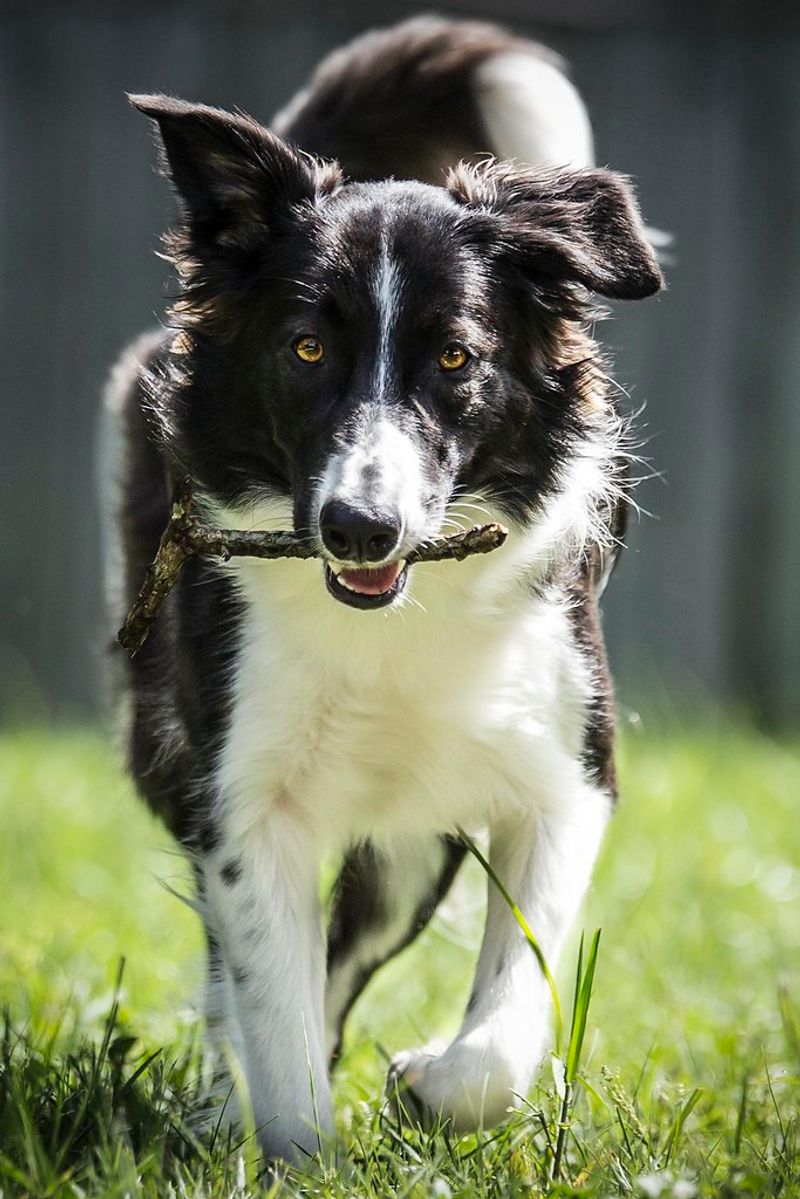
Border Collies are wired for work, so engagement games give their brains a job in noisy, distracting places. Use rapid-fire hand targets, quick position changes, and brief tug as rewards to channel their intensity.
You will see their eyes lock onto you as if the world fades away.
Keep sessions short and snappy, rotating games every minute to prevent overarousal. Scatter feeds and pattern games reset arousal between reps.
If crows, skateboards, or runners appear, pivot into a chase-me recall game and pay big.
Teach a calm station mat for decompression after bursts of focus. Collies love clarity and consistency, so mark precisely and reward often.
With structure and variety, public focus becomes their favorite sport.
Australian Shepherd
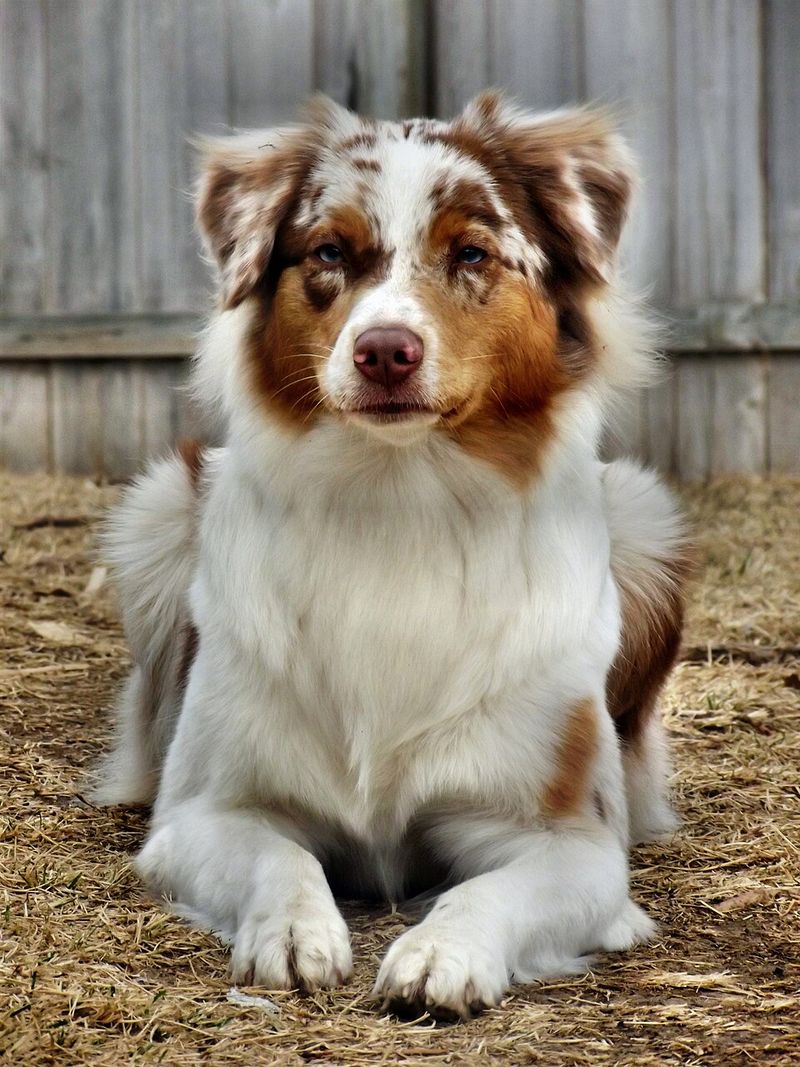
Australian Shepherds crave tasks and connection, making engagement games a perfect outlet in lively environments. Start with simple nose targets and name recognition, then layer in spins, middle position, and quick sits.
Reward with playful tug or food chases to match their drive.
Because Aussies can be motion-sensitive, rehearse look-at-that games around bikes and strollers. Mark calm glances, then redirect into a cheerful engagement loop.
Patterned heeling with frequent check-ins keeps them working with you.
Short bursts followed by sniff breaks prevent frustration. A portable mat and chew can extend your time at patios comfortably.
When you make training feel like a team sport, your Aussie will choose you over the crowd every time.
Belgian Malinois
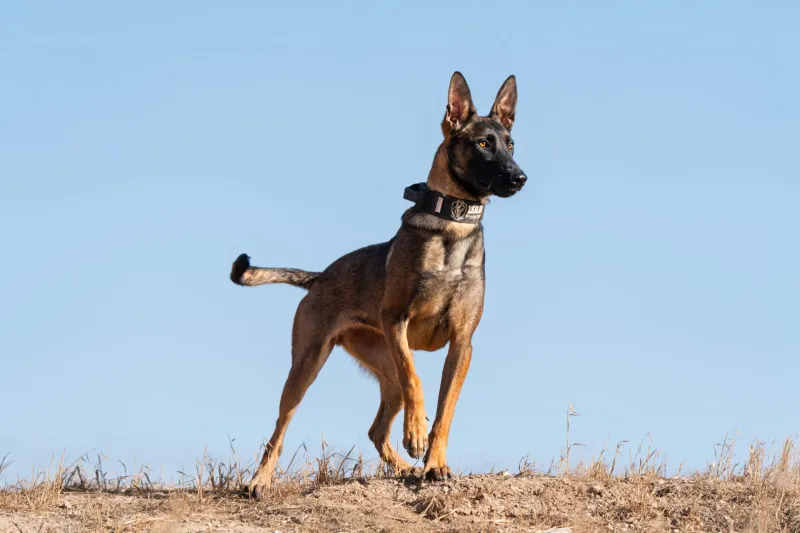
Belgian Malinois excel with fast, purposeful engagement games that meet their drive without tipping into chaos. Use tight-focused heel bursts, quick down-in-motion, and explosive recalls punctuated by short tug.
Keep criteria crystal clear and end on success before arousal spikes.
Introduce neutrality drills using look-at-that, then snap back into engagement with a jackpot. Hand-delivered rewards maintain precision and reduce scanning.
A pre-session warmup routine sets expectations and burns off edge.
Between reps, park on a mat for conditioned relaxation. Rotating games like catch, middle, and platform pivots keep their mind busy and body organized.
With structure, your Malinois learns that intense focus on you pays better than any distraction, anywhere.
German Shepherd Dog
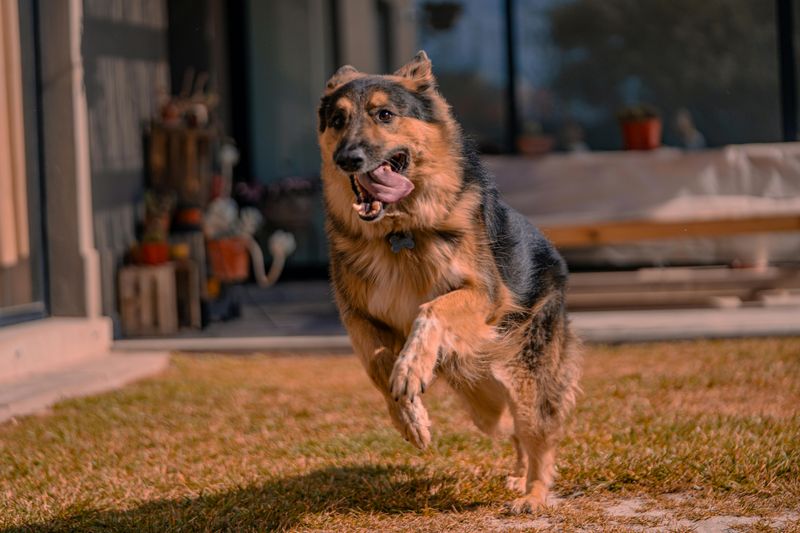
German Shepherd Dogs thrive when engagement games balance confidence and control. Begin with predictable patterns like hand targets, orbit, and side-to-side heeling to organize their big bodies.
Reward frequently for eye contact and smooth transitions to prevent pushiness.
Because GSDs can be protective, rehearse calm scanning followed by a rapid focus cue. Play a count-to-three game, then surprise with a tug or thrown treat party.
This builds optimism and reduces concern about passersby.
Use a portable platform to define working mode versus relax mode. Short practice in busy spots followed by quiet decompression solidifies skills.
With fair criteria and upbeat rewards, your GSD will gladly tune out the noise and tune into you.
Doberman Pinscher
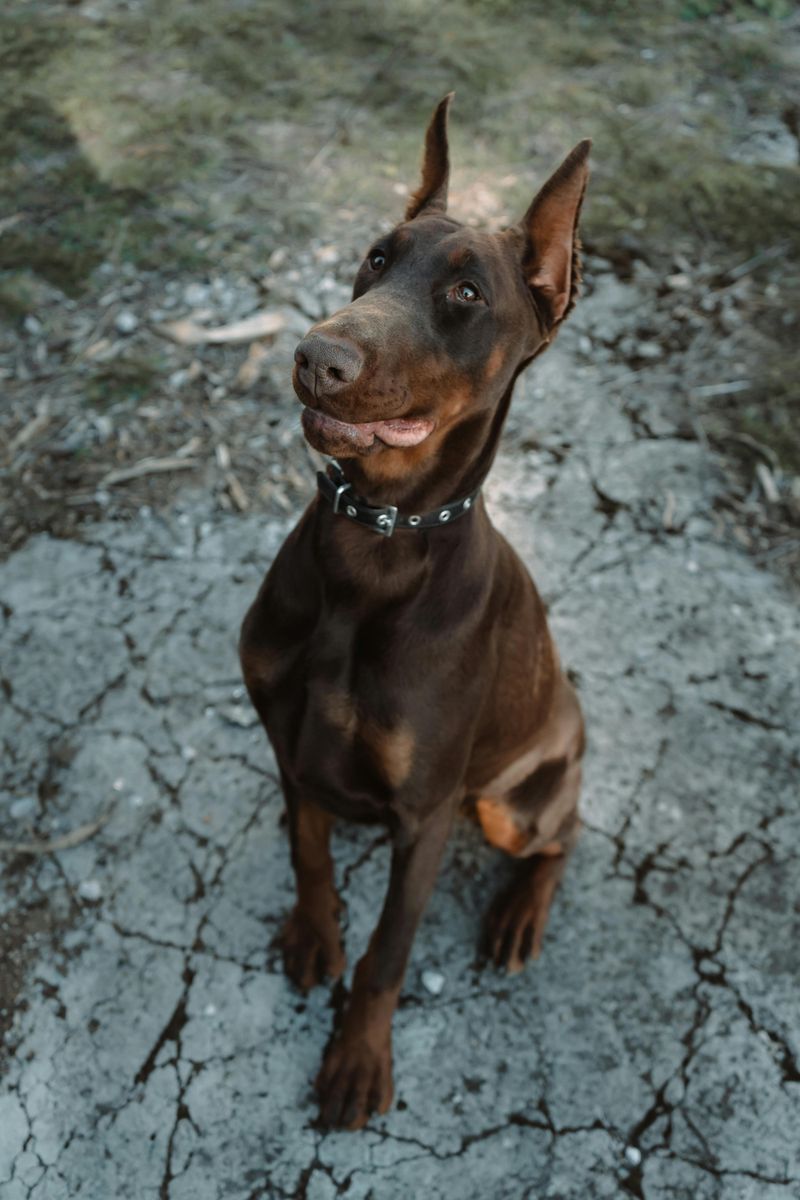
Dobermans are sensitive, smart, and fast, so engagement games should be crisp and confident. Use alternating heeling sides, precise fronts, and hand targets to keep their brain engaged.
Reinforce soft eye contact and relaxed ears to promote calm focus under pressure.
Introduce distraction gradually with look-at-that and quick returns to you. Reward with food chases and brief tug that ends before arousal climbs.
A predictable start and finish ritual helps them settle quickly.
Teach a durable stay on a mat to decompress after training bursts. Short public sessions build trust and reliability.
When you make engagement a reliable routine, your Doberman will choose cooperation over reactivity, even on busy sidewalks.
Poodle
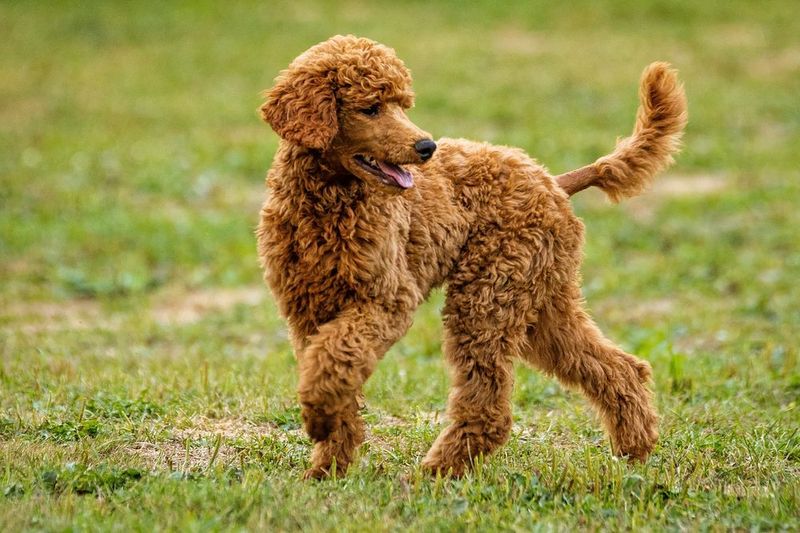
Poodles love problem-solving and social scenes, making engagement games both enrichment and etiquette. Start with cheerful tricks like spins, bows, and hand targets to build momentum.
Reward generously with tiny treats and playful movement to keep things light.
Because they are observant, give them a job when distractions pop up. Play find-the-hand, pattern heel, or middle position to stay connected.
Sprinkle in scatter feeding to lower arousal and reset focus.
Rotate games every minute to avoid boredom. Keep a travel mat for polite settle time at cafes.
With a mix of brains, fun, and frequent rewards, your Poodle will float through public spaces focused and confident.
Papillon
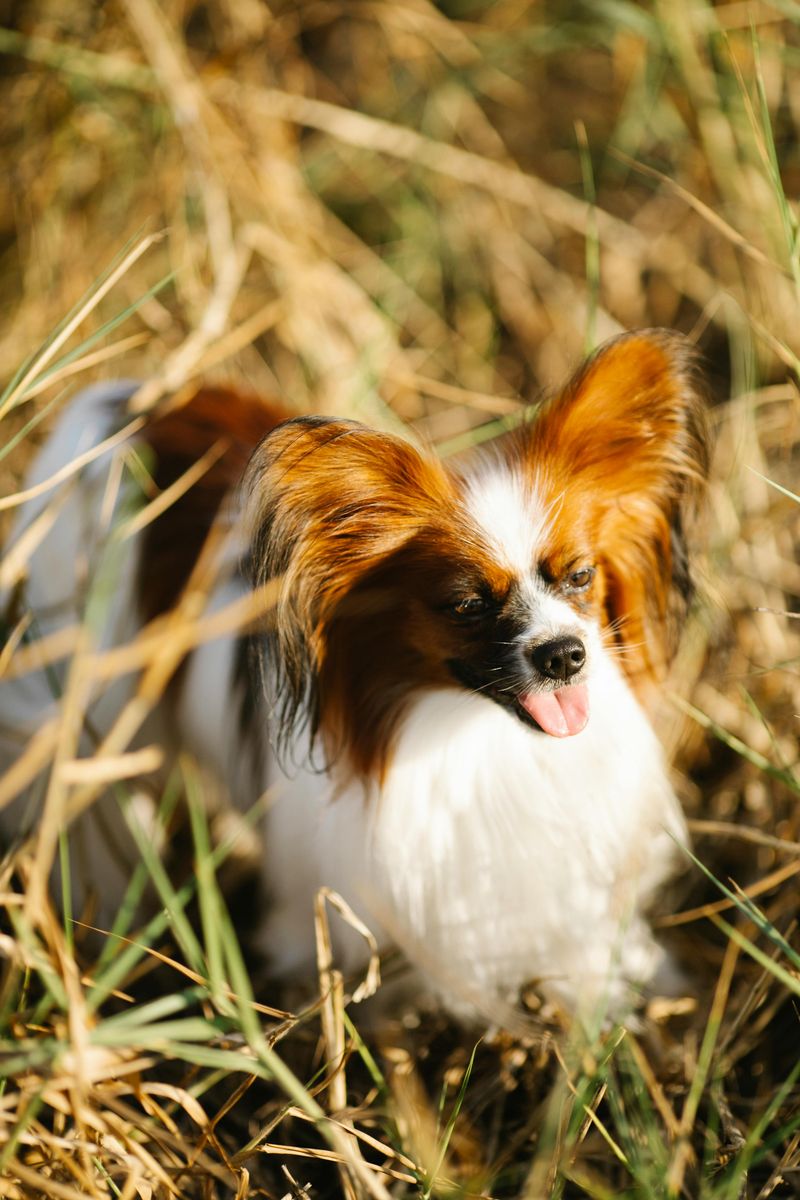
Papillons are tiny athletes who adore interaction, so engagement games make big worlds feel safe. Use fast hand targets, tiny figure-eights, and micro-heeling steps to build confidence.
Reinforce frequently with teeny treats to keep the pace brisk without overfilling.
Teach a pocket position where your Papillon tucks close for moving through crowds. Practice look-at-that from your arms if needed, then reward back on the ground.
Short scent games help decompress between reps.
Mind surface textures and temperature for delicate paws. A light tug toy or flirt pole miniature adds joyful bursts.
With playful structure and clear signals, your Papillon will proudly tune into you even in bustling places.
Shetland Sheepdog
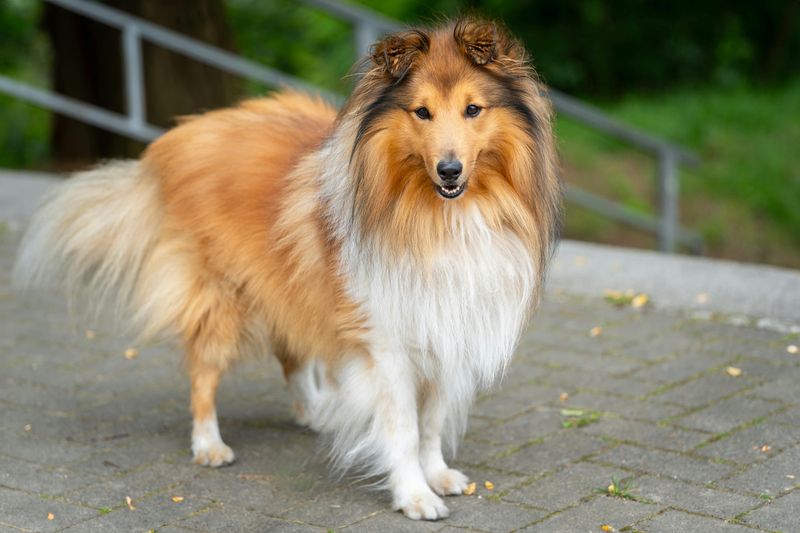
Shetland Sheepdogs are sensitive and biddable, making engagement games a gentle way to build public confidence. Use quiet hand targets, pace changes, and small spins to encourage flow.
Reward soft eye contact and relaxed posture to prevent startle responses.
Shelties may worry about sudden noises, so play look-at-that followed by a joyful return-to-you. Sprinkle pattern games and platform pivots to keep minds organized.
Keep sessions short with frequent sniff breaks.
A cozy mat and a chew extend patio time comfortably. If crowds swell, move to the edge and run a quick check-in loop.
With patience and upbeat reinforcement, your Sheltie learns that staying engaged with you is safe and fun.
Labrador Retriever
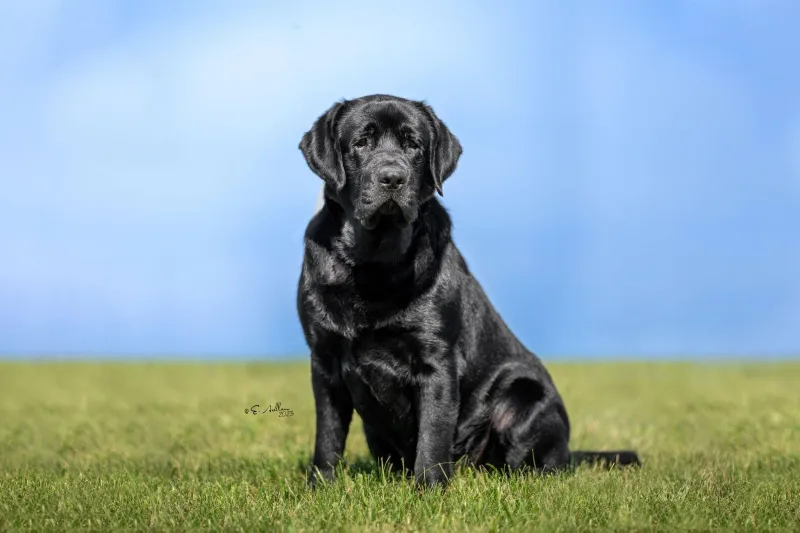
Labradors bring enthusiasm that shines with structured engagement games. Start with hand targets, find-it tosses, and middle position to channel energy productively.
Pay generously for loose-leash check-ins and choose quick games that reset focus after greetings.
Because Labs love people, practice calm look-at-that and return-to-you when temptations appear. Use food chases and brief tug to keep motivation high without jumping.
Rotate games every minute to prevent overexcitement.
Teach a default sit for impulse control at crosswalks and storefronts. A portable water bowl and mat extend outings comfortably.
With clear rules and rewarding play, your Lab will happily focus on you while the world walks by.
Golden Retriever
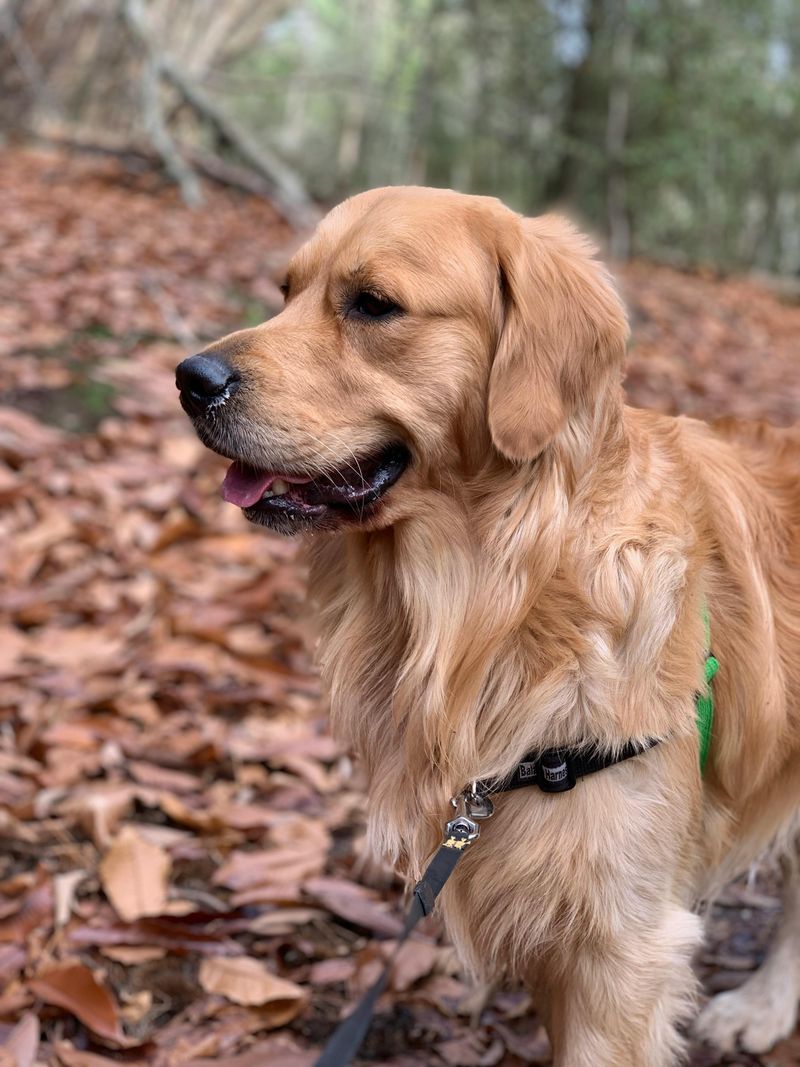
Golden Retrievers thrive on connection, so engagement games feel like love translated into action. Use hand targets, heel bursts, and tiny trick chains like spin-sit-front to build rhythm.
Reward often with gentle food chases and praise to maintain calm joy.
Goldens may default to social butterfly mode. Rehearse look-at-that and quick returns to you around friendly strangers.
Pattern games create predictable choices when excitement spikes.
Introduce a settle mat and chewy to lengthen patio hangs. Keep sessions short and fun, then release to sniff so they do not feel restricted.
With friendly structure and consistent reinforcement, your Golden will choose your cues over every hello.
Vizsla
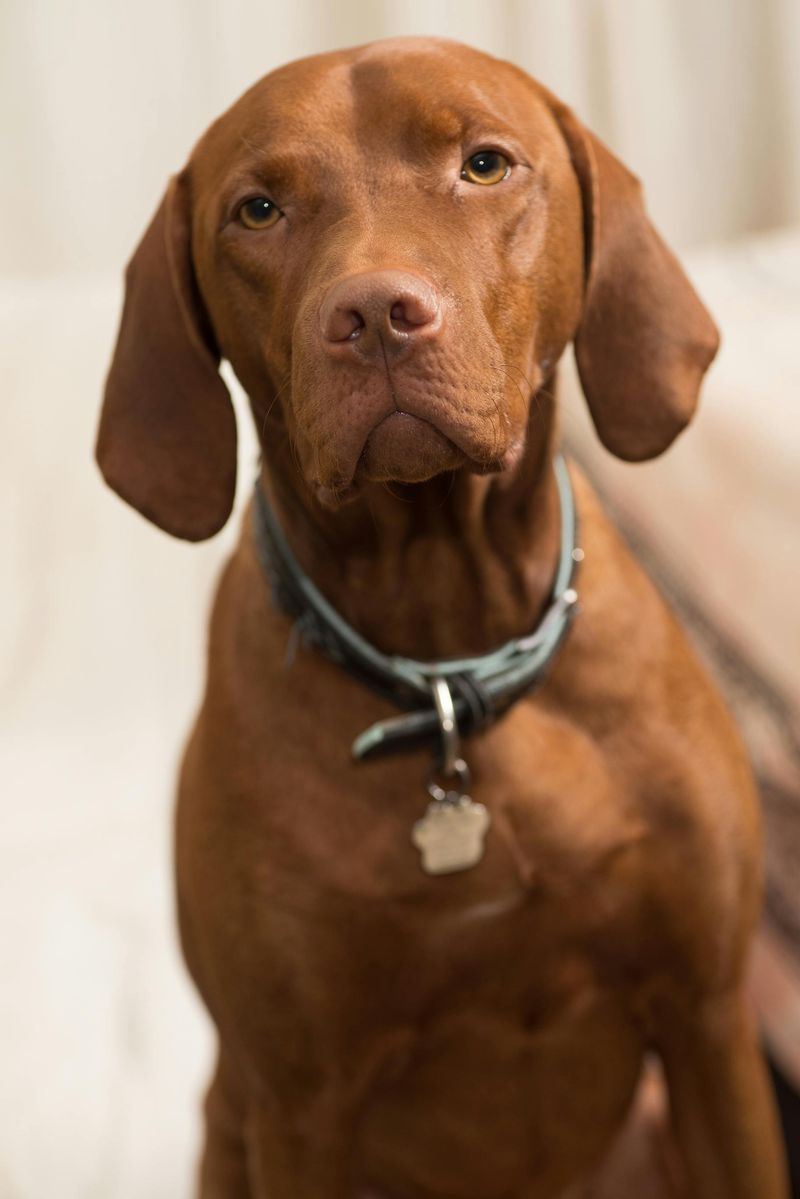
Vizslas are affectionate, athletic shadows who blossom with engagement games that blend movement and closeness. Use middle position, figure-eight heeling, and quick recalls into a hand target.
Reward with sprinty treat tosses and brief tug to satisfy motion needs.
Because they can be sensitive, practice calm look-at-that followed by upbeat engagement. Keep criteria attainable and celebrate small wins to prevent shutdown.
Rotate sniff breaks to reset arousal when crowds pass.
A soft mat and breathable harness boost comfort during patio time. Short, frequent sessions build reliability faster than marathons.
With warm guidance and playful structure, your Vizsla will stick to you like velcro even when the world buzzes.
Weimaraner
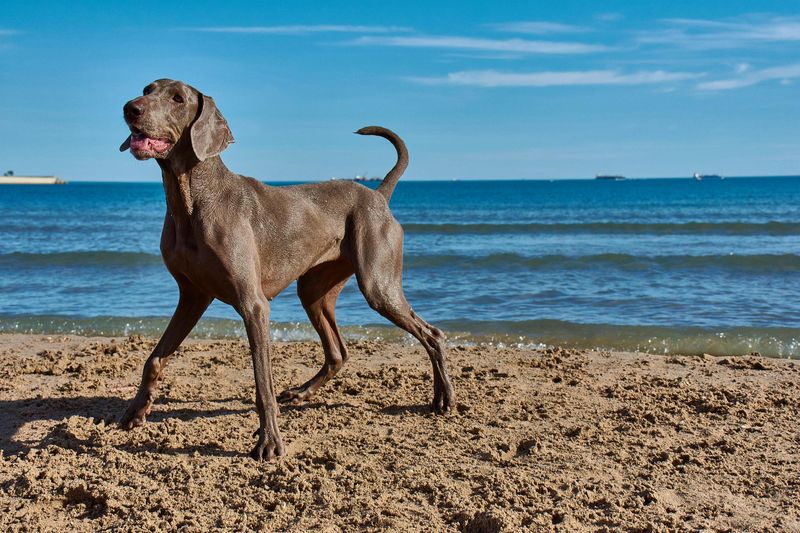
Weimaraners are intense, curious, and fast, so engagement games should provide direction and outlets. Use platform work, tight turns, and quick go-to-mat to harness their energy.
Reward with chase games and food tosses that keep momentum without chaos.
Practice look-at-that to neutralize environmental pulls, then dive back into crisp engagement. Keep sessions brief and purposeful to avoid vocal frustration.
Clear start and end cues help them switch gears gracefully.
Rotate in nosework breaks for mental satisfaction. A comfortable settle mat prevents pacing during patio hangs.
When training feels like an adventure with rules, your Weimaraner will give you laser focus even in busy spaces.
Cocker Spaniel
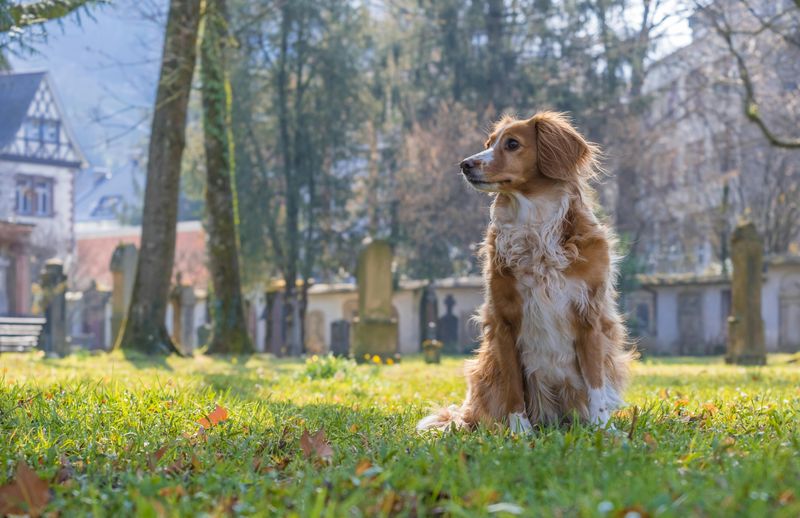
Cocker Spaniels are cheerful hunters who benefit from engagement games that mix scent and structure. Start with hand targets, short heel bursts, and find-it searches on cue.
Reward gently to keep arousal balanced and ears happy.
Because they love sniffing, use controlled release to smell after brief focus games. Play look-at-that with quick returns to treats or tiny tug.
Pattern games like one-two-three help organize choices in crowds.
Keep sessions upbeat and short, sprinkling in stationing on a mat for rest. A soft harness and light leash improve comfort in busy lanes.
With kind guidance and fun tasks, your Cocker will gladly check in with you even when good smells swirl.