
If your dog nails sit in the kitchen but blanks outside, you are not alone. Many breeds are brilliant until wind, squirrels, and city noise crank the difficulty.
The fix is not more repetitions in the living room, it is systematic proofing in real life. Start here, match your dog’s instincts, and watch reliability grow where it matters most.
Beagle
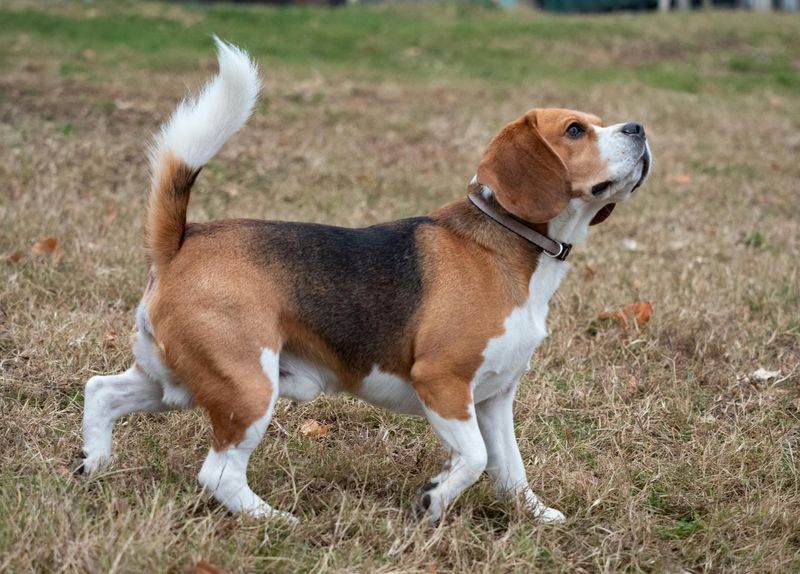
Beagles are scent-driven problem solvers, so your cues compete with a world of smells. Start proofing at a low scent level, like short grass after rain, then increase difficulty.
Use a high-value treat and a calm voice, because shouting gets tuned out when the nose switches on.
Practice sit, down, and leave it while moving, not just standing still. Add tiny delays before rewards to build impulse control.
Rotate locations, but keep criteria bite-sized so success stays frequent and fast.
Use a long line for safety while allowing exploration. When the nose dives, ask for a quick check-in and then release back to sniffing.
Trading access to smells for responsiveness makes you part of the hunt.
Dachshund
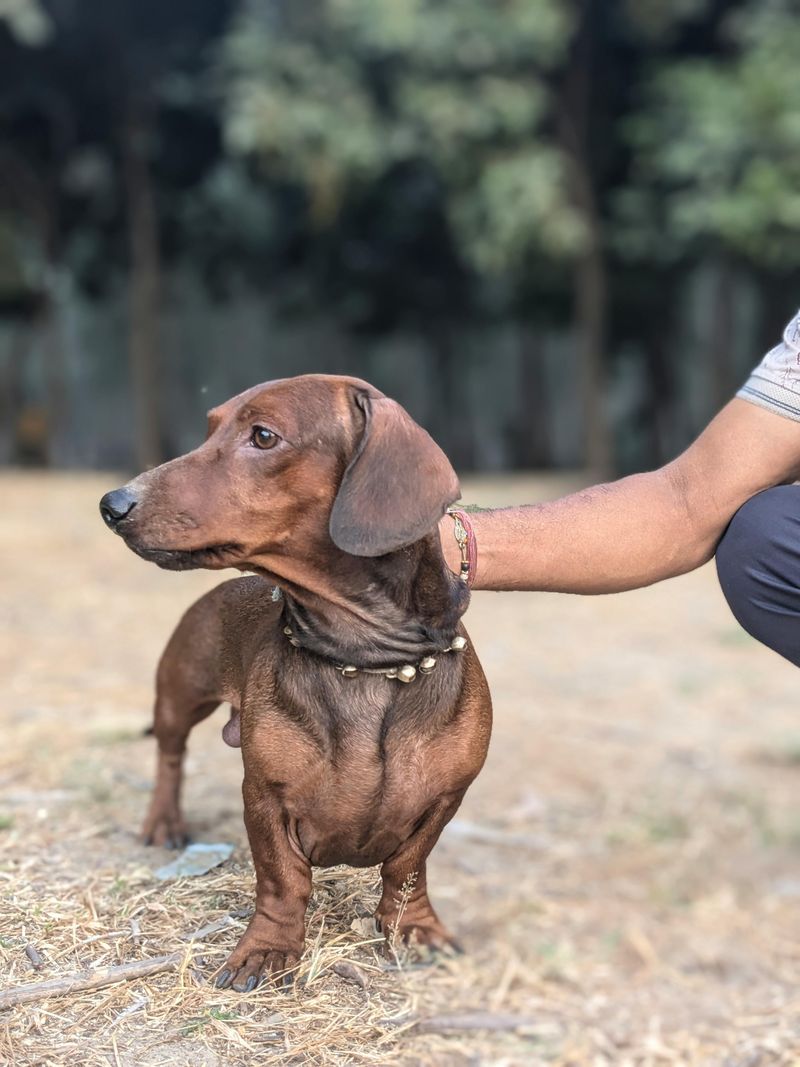
Dachshunds were built for underground persistence, so once they lock onto a target, they forget you. Proof cues with micro-sessions near mild digging spots, rewarding brief orientation back to you.
Keep recalls short and playful, then release to sniff so you are not stealing fun.
Teach an automatic check-in whenever tension hits the leash. Pair that with a scatter of treats on grass to interrupt tunnel-vision.
Use low, friendly tones and a happy jog backward to spark follow-through.
Gradually work closer to holes and log piles, raising criteria only when success feels easy. Tug toys can outcompete dirt if they appear fast.
Consistency and quick reinforcement convince this determined hunter you are part of the mission.
Siberian Husky
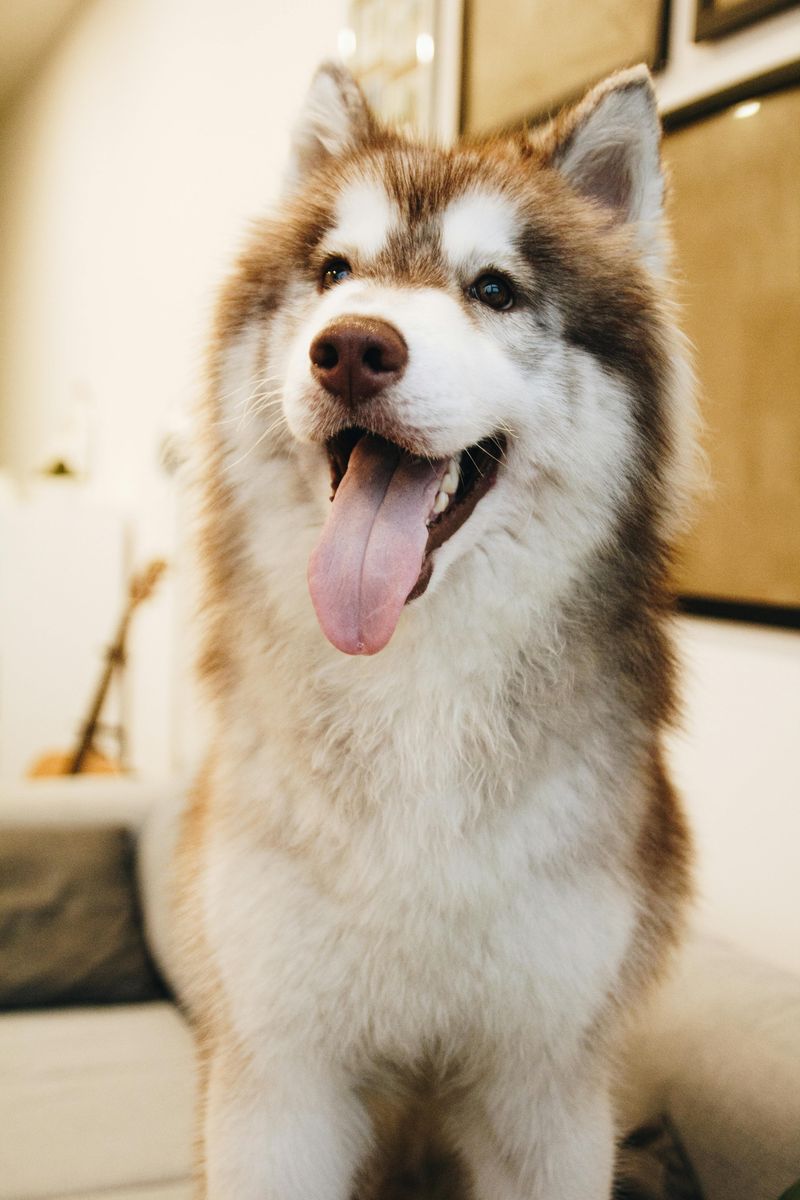
Huskies are motion-chasing sprinters, so static drills fall flat. Proof cues during movement: heel for five steps, reward, then trot together.
Use a long line and a waist belt for safety because bolt impulses can be sudden.
Introduce predictable patterns like heel, sit, look, release to run with you. This channels speed while reinforcing engagement.
High-value food and squeaky toys help, but controlled movement often matters more than flavor.
Practice near mild wildlife scents before visible triggers. Reinforce check-ins whenever ears flick back toward you.
If you provide purposeful motion breaks, your Husky learns that listening makes the world go faster, not slower.
Shiba Inu
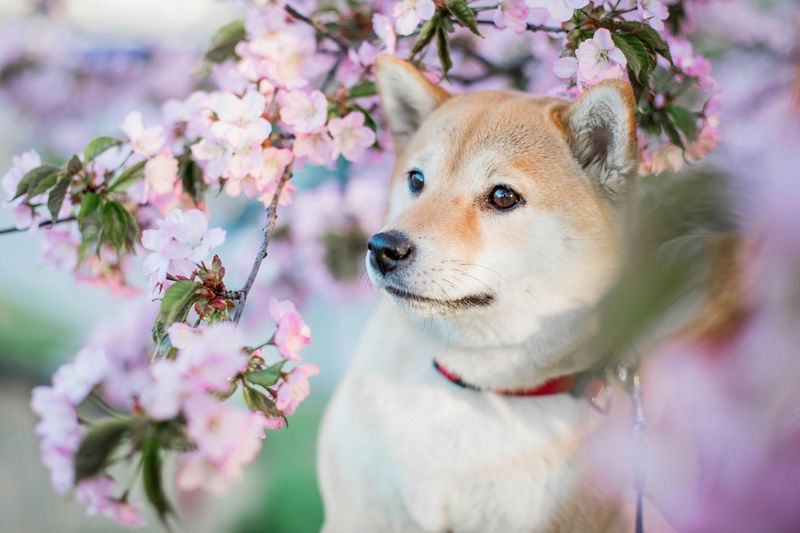
Shibas are independent thinkers who value choice. Proof cues by making cooperation feel optional yet rewarding.
Offer quick yes or no decisions: look gets a treat, no look means neutral waiting, no scolding.
Use brief, stylish sessions in varied spaces, like quiet plazas or courtyards. Practice one rep, then a freedom break to explore.
The contrast keeps dignity intact while building reliability.
Teach a solid hand target for polite redirection instead of grabbing collars. Reinforce calm near bikes and strollers with rapid, tiny payouts.
Respect their space, and they will choose you when it counts because your plan preserves autonomy and fun.
Border Collie
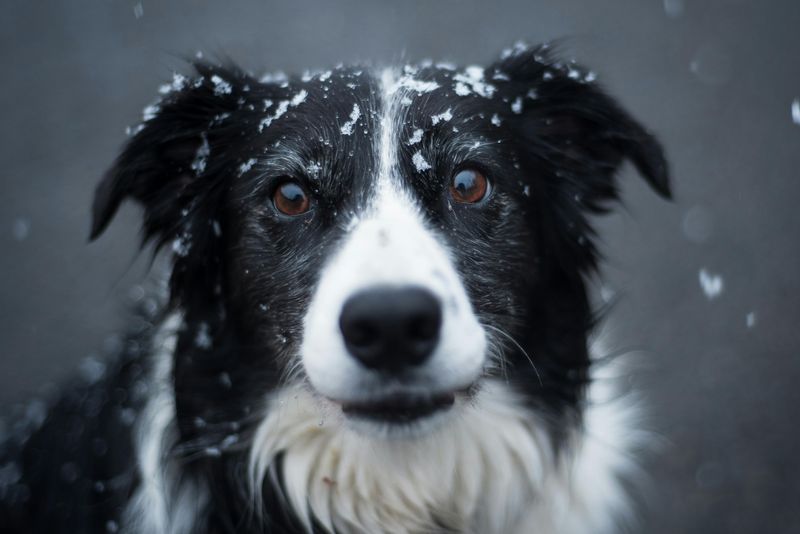
Border Collies notice everything, which makes distractions endless. Proof cues by prioritizing a fast down at distance, then reward with a quick job like a mini fetch.
Mental work beats repetition, so vary sequences to prevent patterning.
Introduce motion cues: down while you walk, then release to heel. Use low-arousal environments first, then add controlled livestock sights far away.
Keep criteria crisp and avoid nagging commands.
Reinforce eye contact interrupts when fixation begins. Employ food for precision and toys for speed, switching between them.
When you become the most interesting puzzle around, your Collie channels intensity into reliable listening instead of scanning the horizon.
Australian Shepherd
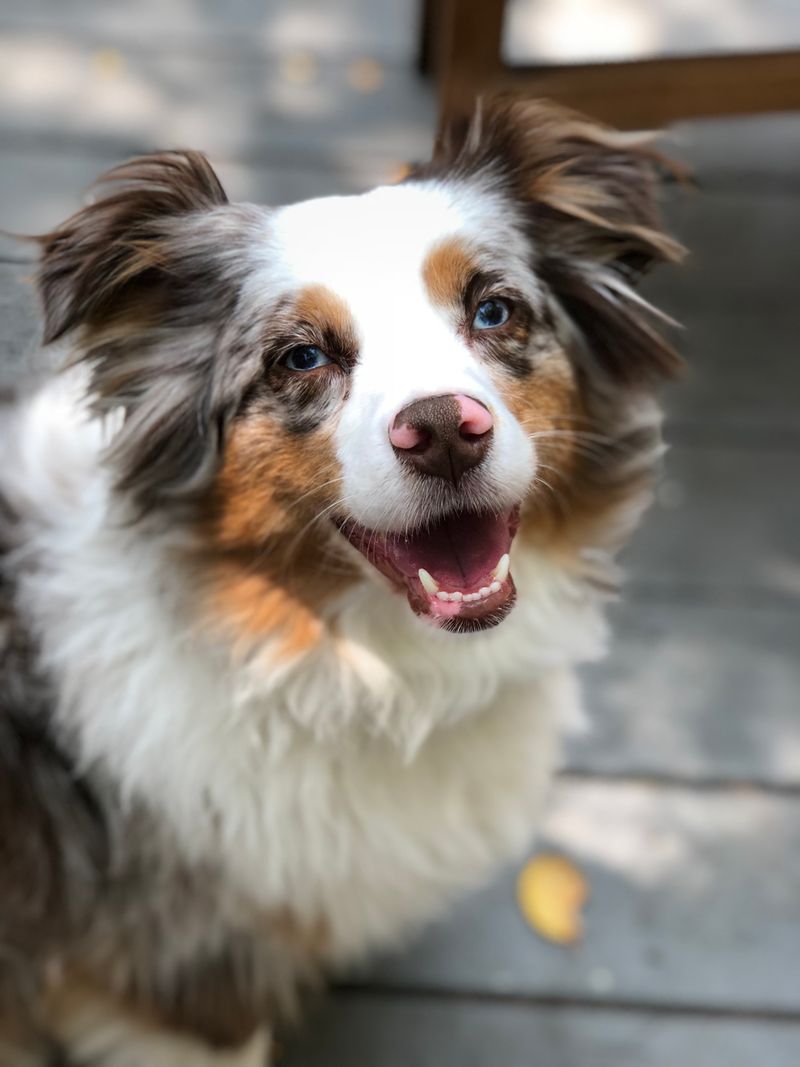
Australian Shepherds juggle movement and vigilance, so proofing should harness both. Teach a side position on either leg to keep them busy near distraction.
Reward with short tug bursts to satisfy herding instincts without chaos.
Layer difficulty by adding hikers, bikes, then dogs at a distance. Cue look for two seconds, then release to a sniff or trot.
Short, varied reps prevent overthinking and frustration.
Use planned decompression: work for thirty seconds, explore for thirty seconds. This rhythm tells your Aussie that focus brings permission to move.
Over time, you will see quicker check-ins and a steadier brain even when the trail buzzes.
German Shepherd Dog
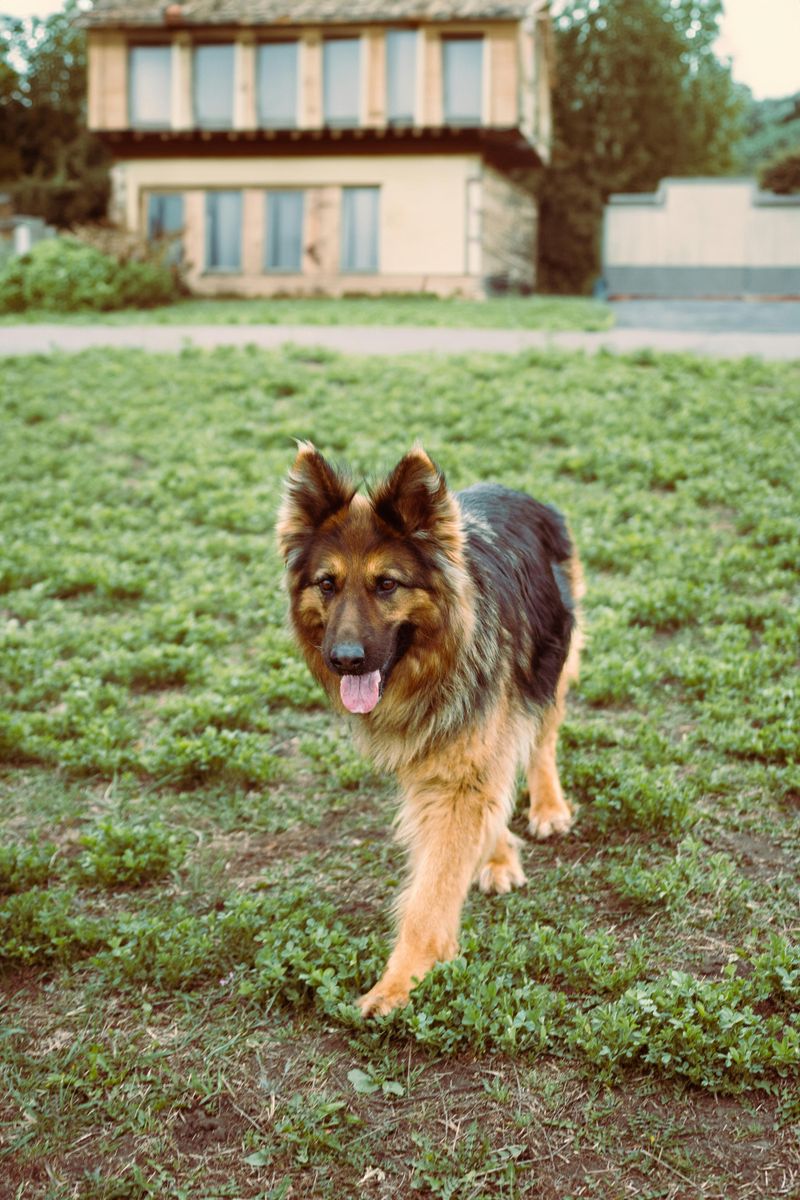
German Shepherd Dogs excel when criteria are clear and fair. Proof cues around everyday utility noises, starting at a distance.
Use a structured heel with frequent marks for correct position and calm breathing.
Practice sit-stays as trucks roll by, adding duration slowly. Reinforce with food for steadiness, then release to a toy burst for power.
Avoid stacking pressure by changing only one difficulty at a time.
Teach a chin rest to promote relaxation during chaos. Reward neutrality toward strangers and dogs rather than constant scanning.
With predictable rules and timely pay, your GSD learns that composure is the fastest path to action.
Belgian Malinois
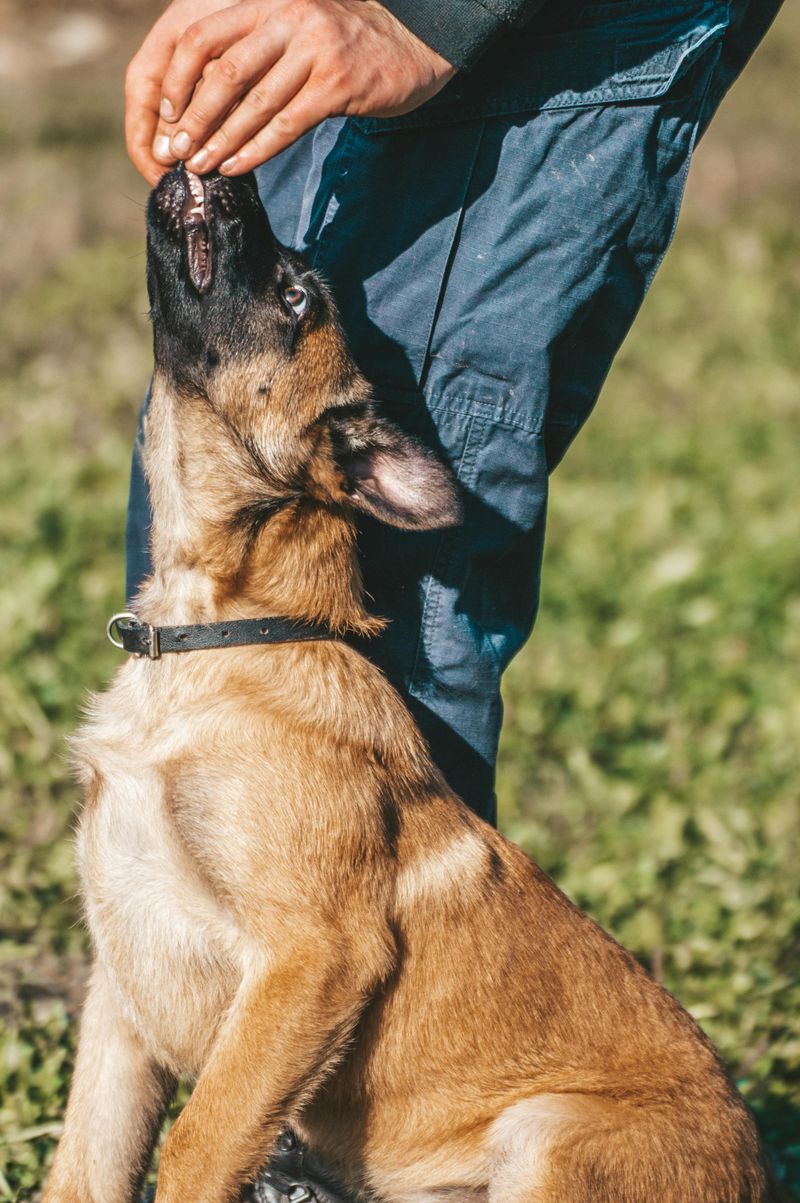
Malinois thrive on precision under arousal. Proof cues by alternating explosive recalls with static place.
Keep reps crisp, then pay big with a tug so arousal has an outlet.
Introduce environmental stressors like flapping flags and whistles. Increase only one variable at a time: distance, duration, or distraction.
Use a clear yes marker and immediate engagement to prevent self-employment.
Teach out from tug cleanly to avoid bargaining. Sprinkle calm tasks like chin targeting to reset the nervous system.
Your consistency turns intensity into reliability, making obedience the most exhilarating game on the field.
Jack Russell Terrier
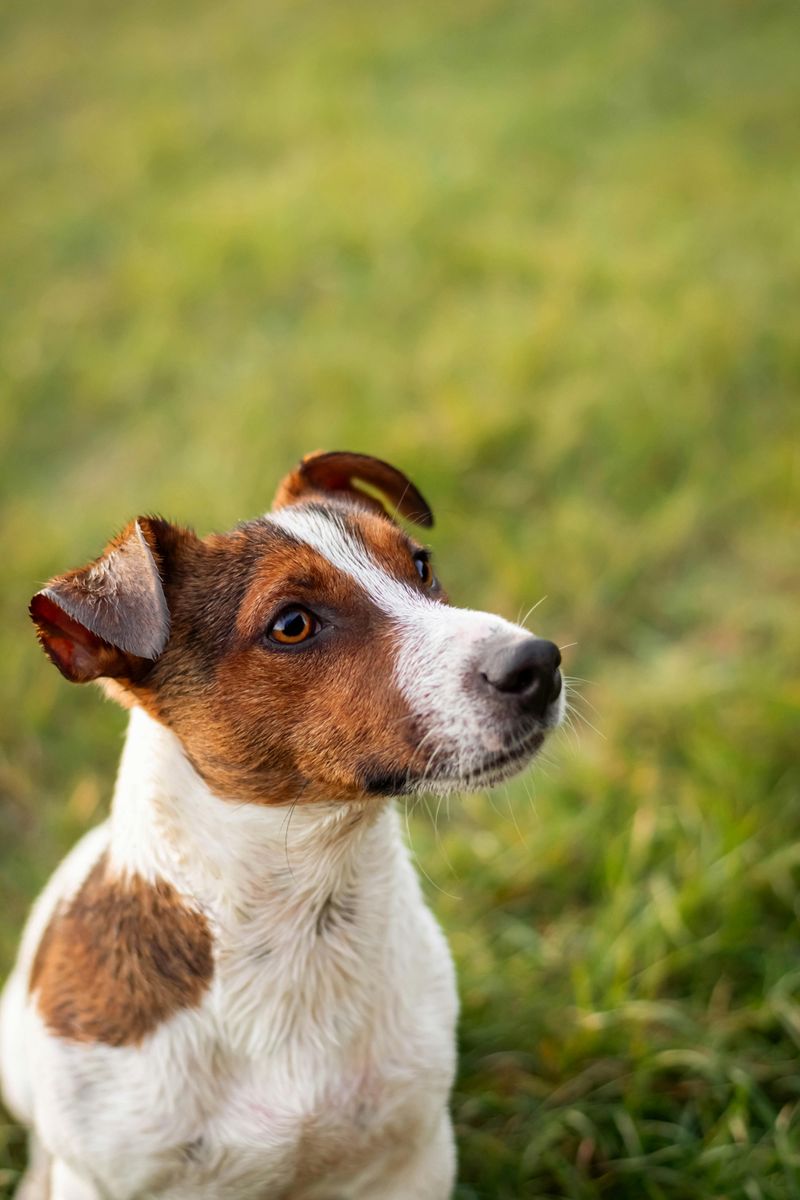
Jack Russells are spark plugs with opinions. Proof cues by training leave it and stay against bouncing balls at low height first.
Reward fast disengagement with a quick fetch so you do not suppress joy.
Use fun, snappy markers and lots of movement. Ask for sits between mini sprints, then gradually add distance.
Keep sessions short to prevent frustration barking or rehearsed independence.
Introduce sniff breaks to take the edge off. Reinforce check-ins whenever the tail revs high.
By letting your Russel earn action through cooperation, you transform chaotic energy into cheerful reliability in real parks.
Australian Cattle Dog
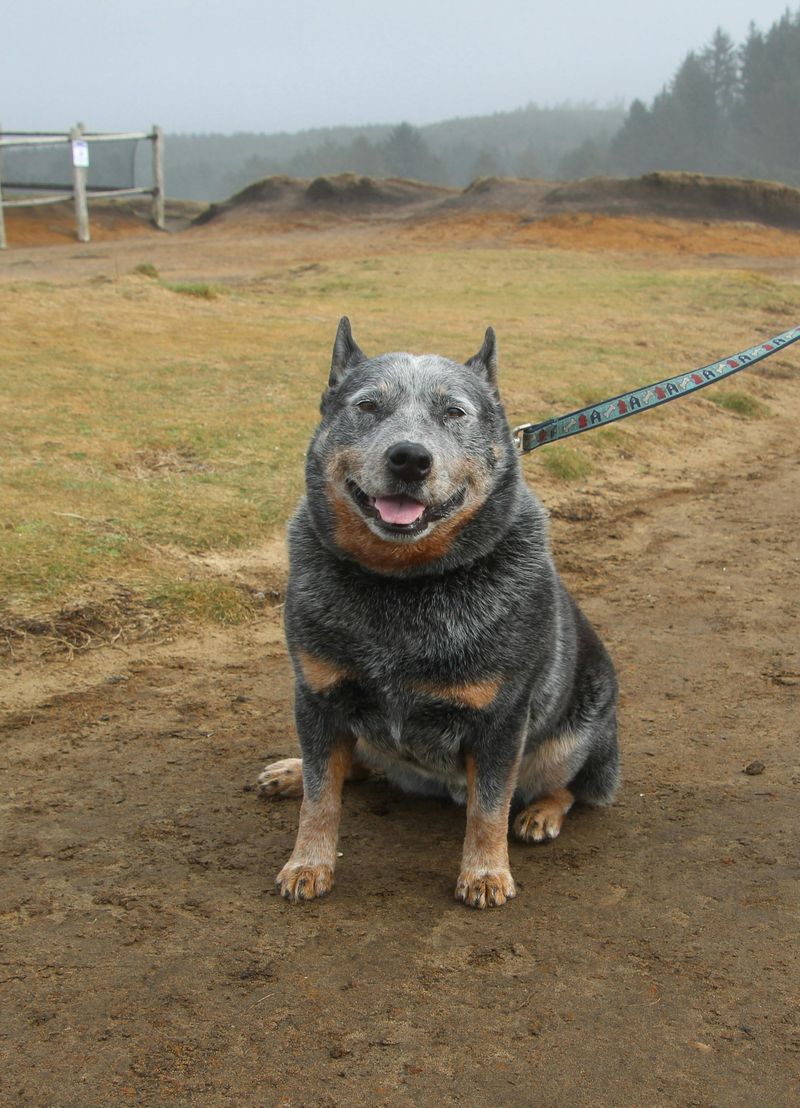
Australian Cattle Dogs are tactical thinkers with a hard work ethic. Proof cues by mixing brainy tasks like scent finds with obedience.
Down on recall becomes a lifesaver when arousal spikes around movement.
Start with low-stakes motion like a rolling tire, then advance to distant livestock behind secure fencing. Pay generously for immediate positions and quiet mouth.
Alternate food for precision and a tug for grit.
Teach settle on a mat between drills to prevent spirals. Mark neutral responses to sudden noises or runners.
When you make control the fastest way to the next job, your Heeler responds like a pro in the real world.