
Some dogs have voices that carry and opinions to match. Without a plan, their enthusiasm can snowball into problem barking that frays nerves and strains neighborly peace.
The good news is you can channel that energy with structure, enrichment, and smart training. Let’s explore breeds that often overdo it and how you can stay ahead of the woof.
Beagle
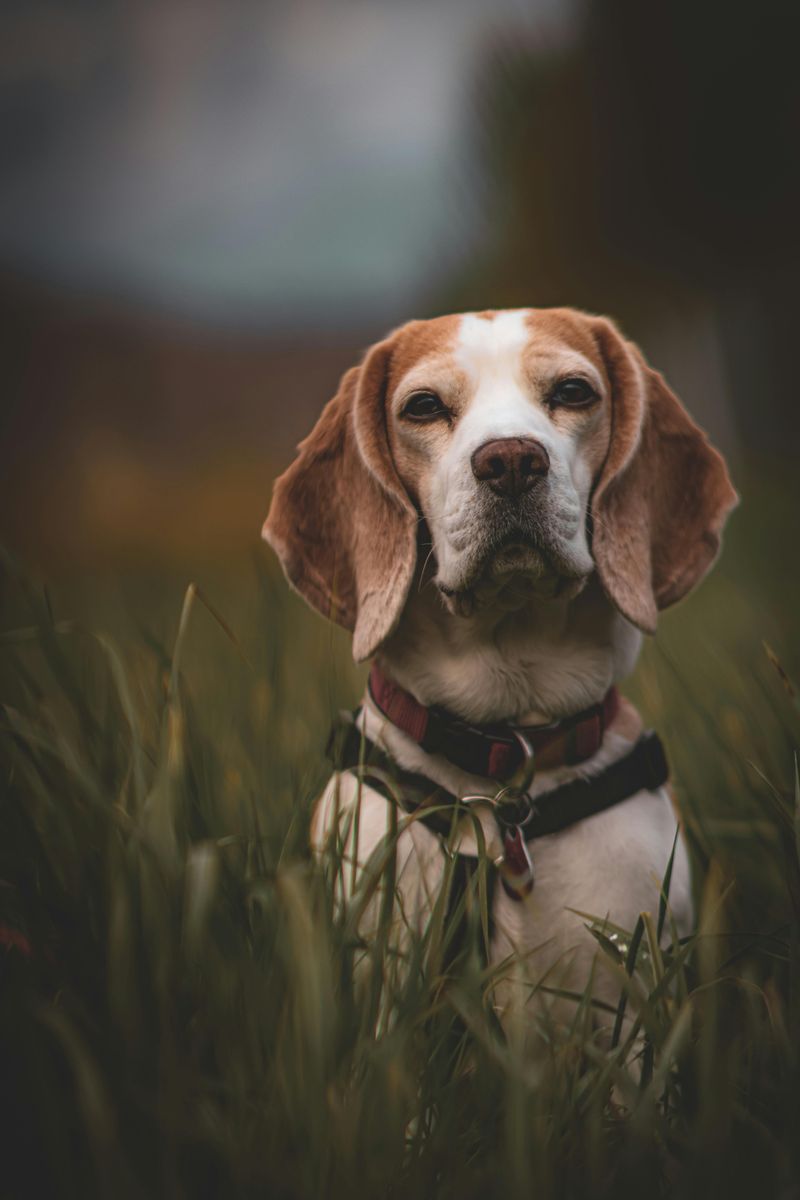
Beagles were bred to vocalize during scent work, so barking, yodeling, and baying come naturally. Without daily sniffing outlets and structured downtime, those musical announcements can become relentless.
You will notice doorbells, passing dogs, and outdoor wildlife trigger a chorus.
Plan for nose games, decompression walks, and predictable quiet periods. Teach a cue like go to mat paired with calm rewards.
Reinforce early when the Beagle checks in and closes their mouth, then add distance and distractions.
Rotate puzzle feeders and scatter searches to satisfy their detective brain. Manage sightlines near windows to prevent constant sentry duty.
If you give their nose a job and their body a schedule, the volume steadily turns down.
Siberian Husky
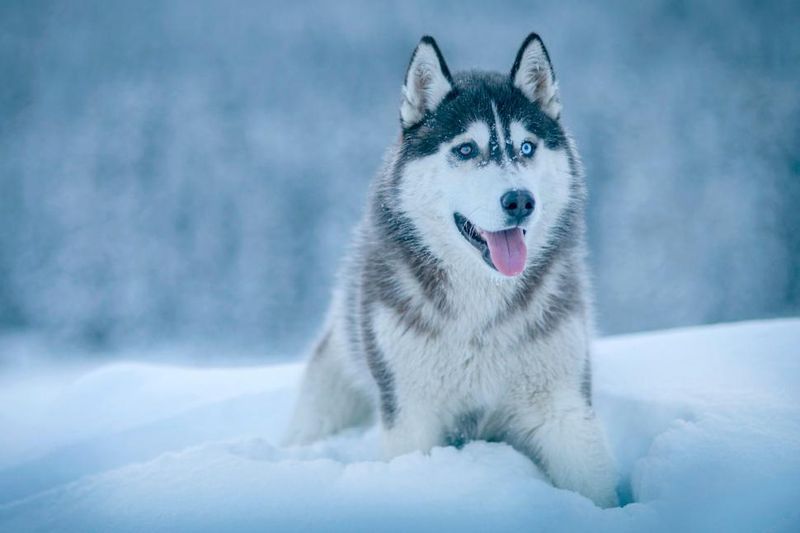
Huskies are famous for dramatic howls and talkative woo-woo conversations. Built to run and work in teams, they can shout their opinions when under-exercised.
Yard time alone will not cut it, and boredom leads to noise and mischief.
Commit to real cardio like canicross, bikejoring, or long hikes with structured intervals. Teach a settle cue after workouts so arousal comes down predictably.
Capture quiet moments, mark, and reward before the next vocal surge begins.
Provide chew rotations and flirt pole sessions to drain energy without chaos. Avoid yelling over howls, which becomes a duet.
With clear routines, mental jobs, and meaningful mileage, Huskies save their songs for appropriate moments.
Miniature Schnauzer
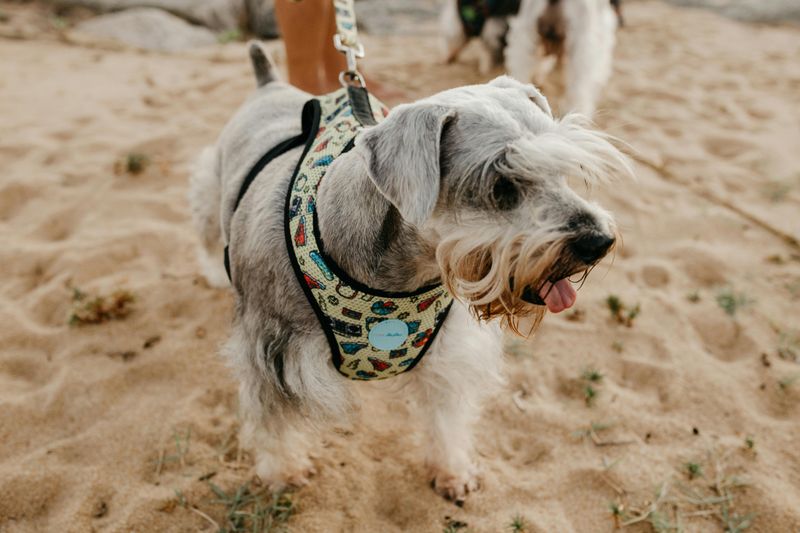
Mini Schnauzers excel as alert dogs, so they easily report every sound, scent, and shadow. Apartment life magnifies triggers like elevators and hallway footsteps.
Without clear boundaries, the habit strengthens and spreads to visitors and delivery drivers.
Use a place mat near the door and pair chimes with treats tossed to that spot. Reward quiet seconds generously, gradually lengthening duration.
Introduce a thank you cue to acknowledge alerts then cue quiet and reinforce heavily.
Soundproofing and white noise help, but predictable training reps matter most. Work short daily sessions so your dog practices success.
With structure and enrichment walks, their keen vigilance turns from nonstop commentary into polite, useful notifications.
Dachshund
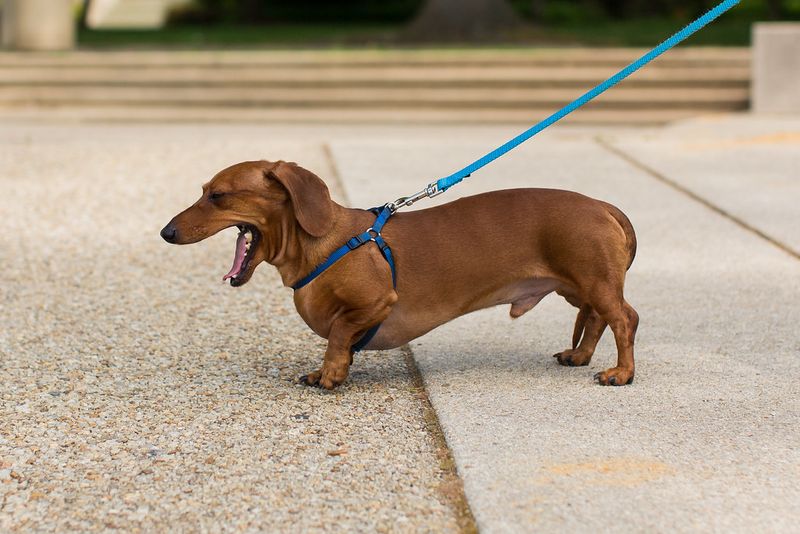
Dachshunds were bred to bravely confront burrowing prey, so sudden sharp barks are baked in. Movement triggers like squirrels or rustling bushes light the fuse.
If rehearsed daily, neighborhood walks become bark parades.
Teach pattern games: look at that, mark, treat, then head-turn back to you. Reinforce quiet scanning and keep distance from hot spots while building confidence.
Give digging outlets with sandboxes or snuffle boxes to meet that hunting need.
Practice doorbell drills with staged knocks so you control difficulty. Keep sessions brief, celebrate wins, and quit while you are ahead.
Over time, your Dachshund learns that calm observation earns paychecks faster than explosive commentary.
Chihuahua
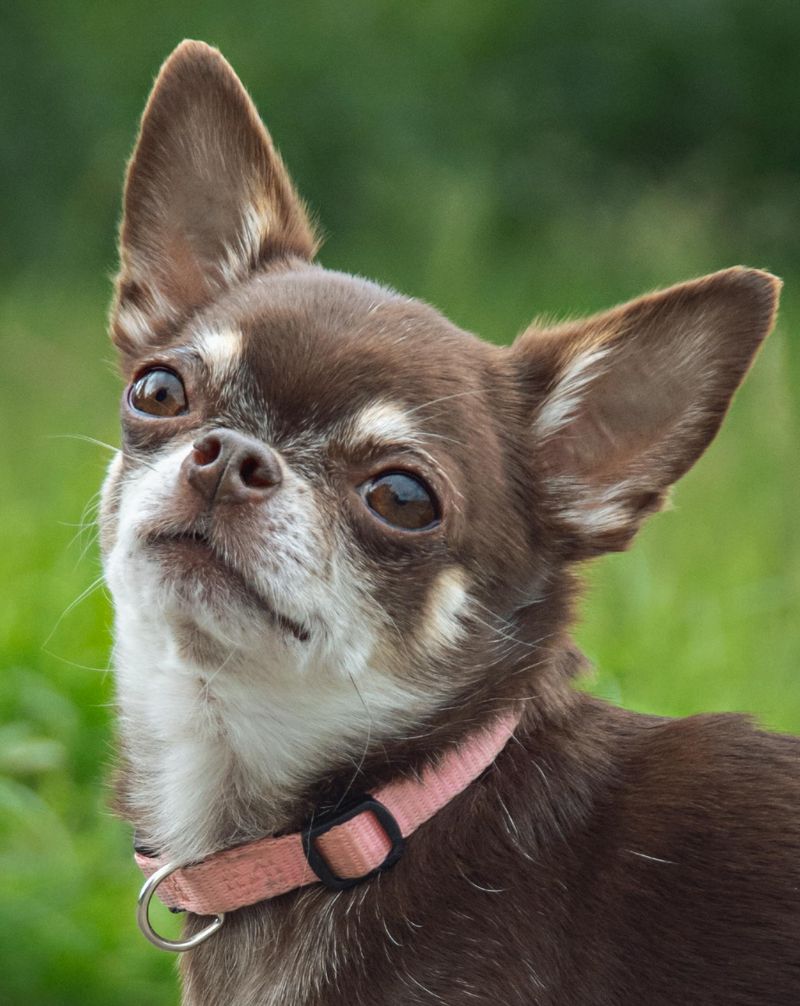
Chihuahuas are courageous watchdogs in compact packages, often vocal when feeling uncertain. Their small size means the world looms large, so rehearsed barking becomes a safety strategy.
Guests, clattering dishes, or echoes in apartment corridors can trigger rapid-fire yaps.
Raise confidence with predictable routines and safe zones like a covered bed. Pair approaching people with tossed treats to create better associations.
Train cue stacks: behind bed, quiet, then treat to guide behavior during commotion.
Keep social exposures short, positive, and at a distance your dog can handle. Use gentle body language and avoid looming.
With steady reinforcement for calm watching, your Chihuahua learns that silence brings security and rewards.
Pomeranian
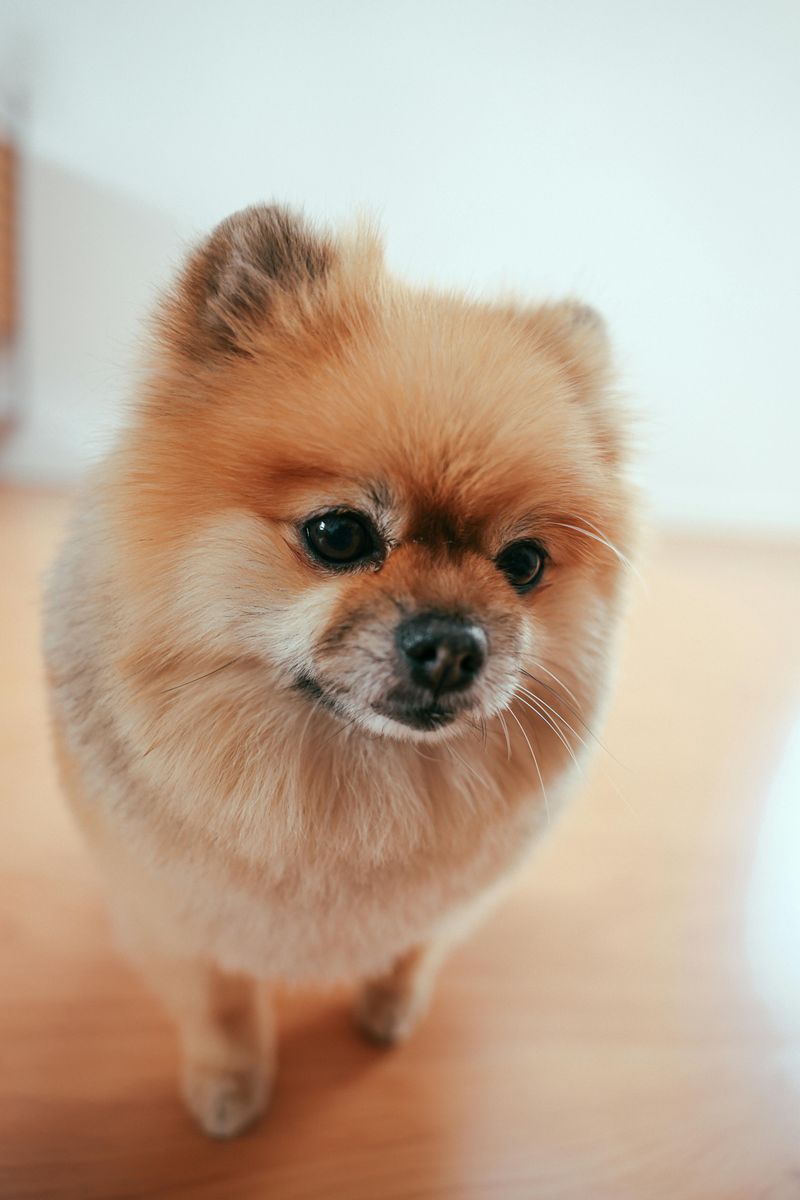
Pomeranians are lively companions with a strong alert instinct, so doorbell symphonies are common. Their big-brain energy needs daily outlets to avoid noisy frustration.
Without structure, they recruit household members into the performance.
Rehearse door drills using recorded chimes at low volume, paying for quiet on a station mat. Gradually add duration and distractions, then transition to real visitors.
Teach a watch me cue for quick focus shifts during surprises.
Enrichment matters: food puzzles, trick training, and tiny scent games burn mental fuel. Keep greetings calm to reduce arousal spikes.
With clear games and consistent reinforcement, your Pom trades gossiping for purposeful, adorable attention.
Jack Russell Terrier
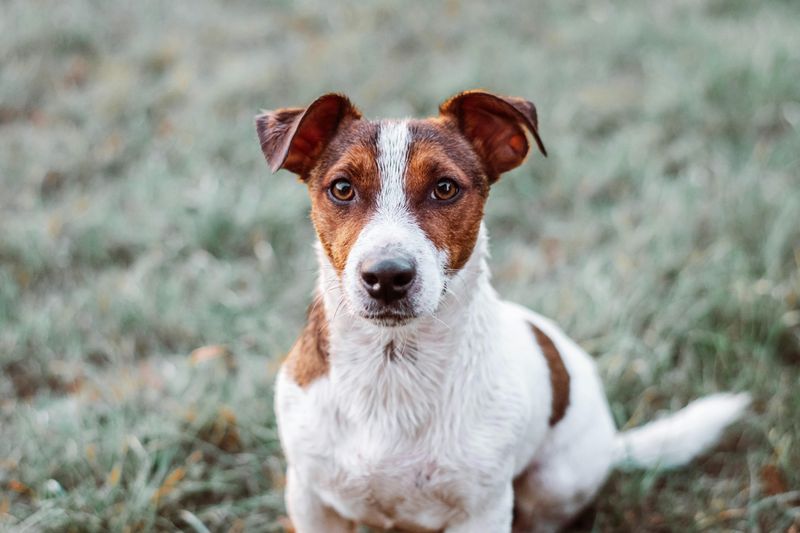
Jack Russells are turbo-charged problem solvers who vocalize when arousal spikes. Without structured outlets, they chase, bark, and escalate quickly.
Squirrels, mail trucks, and backyard sounds can flip the switch instantly.
Provide daily jobs: scent lanes, trick chains, and tug with rules. Alternate sprint work with settle training to build off-switch skills.
Reinforce quiet check-ins and use barriers to prevent rehearsing perimeter patrols.
Short, frequent sessions beat marathon chaos. Rotate toys to keep novelty high and frustration low.
With clear boundaries and brainy challenges, your Jack Russell channels volcanic energy into sports and silence when it counts.
Coonhound (Bluetick)
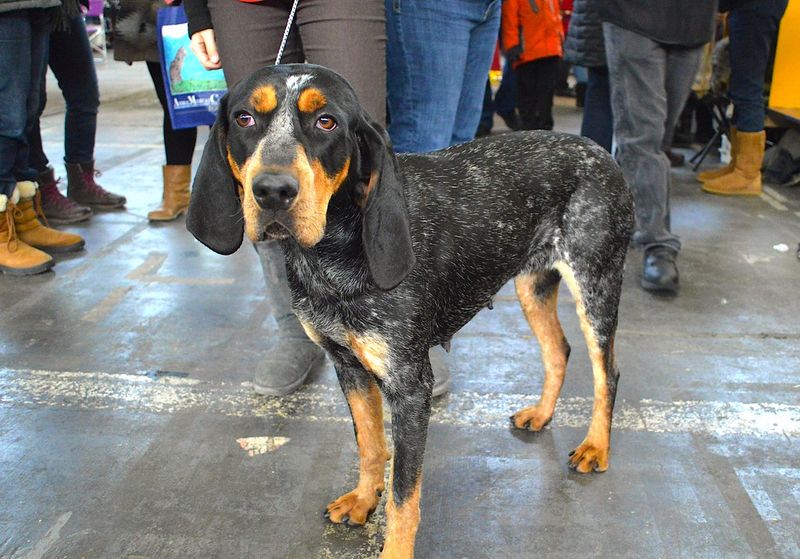
Bluetick Coonhounds were bred to announce scent trails with big, resonant bays. In neighborhoods, that musical heritage can overwhelm quiet hours.
Expect vocal enthusiasm when wildlife moves or exciting smells drift in.
Schedule scent games and long-line tracking sessions to honor instinct. After work, cue a decompression routine: water, chew, crate nap, then calm praise.
Reinforce quiet windows immediately so the pattern sticks.
Use privacy fencing or visual barriers to reduce perimeter auditions. Avoid punishing bays, which confuses a purpose-bred behavior.
With planned jobs and predictable recovery time, a Bluetick learns when to sing and when to rest.
Coonhound (Treeing Walker)
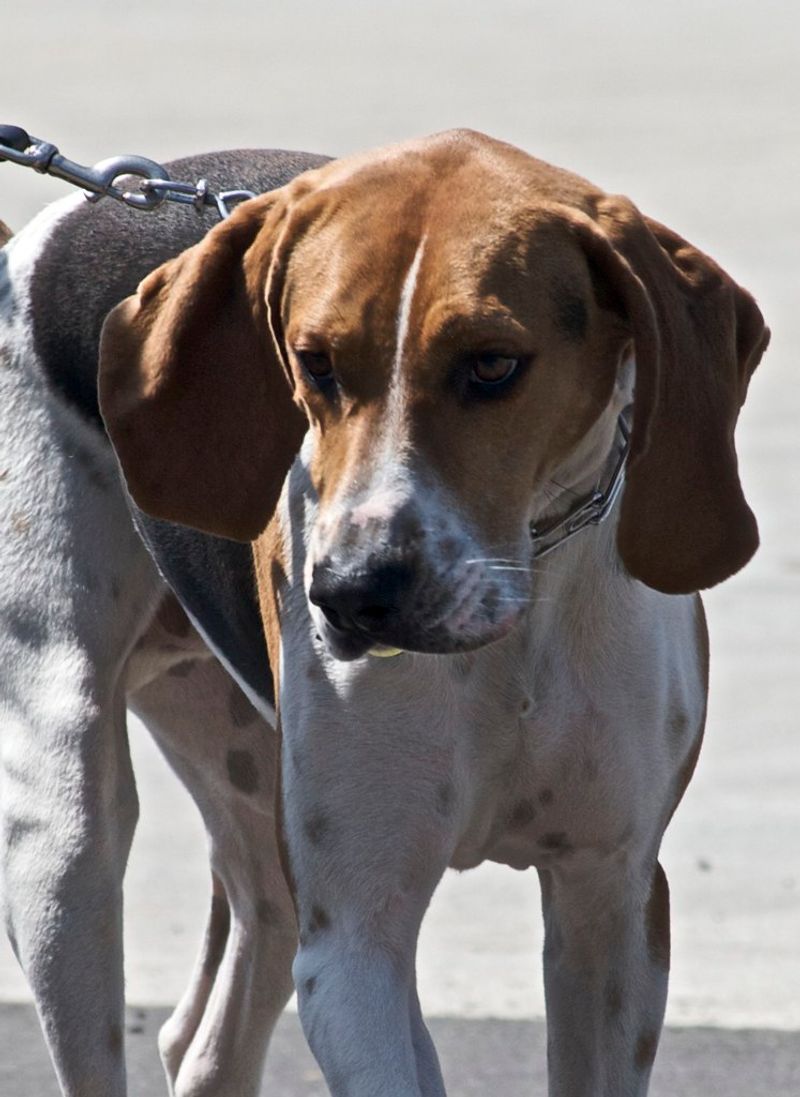
Treeing Walkers are relentless scent hunters designed to announce treed game. That means powerful, thrilling bays that echo through neighborhoods without a plan.
Daily idle time plus wildlife equals ongoing concerts.
Channel instinct into structured tracking, hide-and-seek, or mantrailing classes. Install a place routine after outings so arousal reliably comes down.
Reward breath pauses and closed mouths early before sounds build.
Manage exposure with solid fences and strategic walk times to dodge peak wildlife hours. Add durable chews and puzzle rotations to occupy evenings.
With routine, reinforcement, and real jobs, the Walker’s voice becomes a celebratory instrument rather than constant noise.
German Shepherd Dog
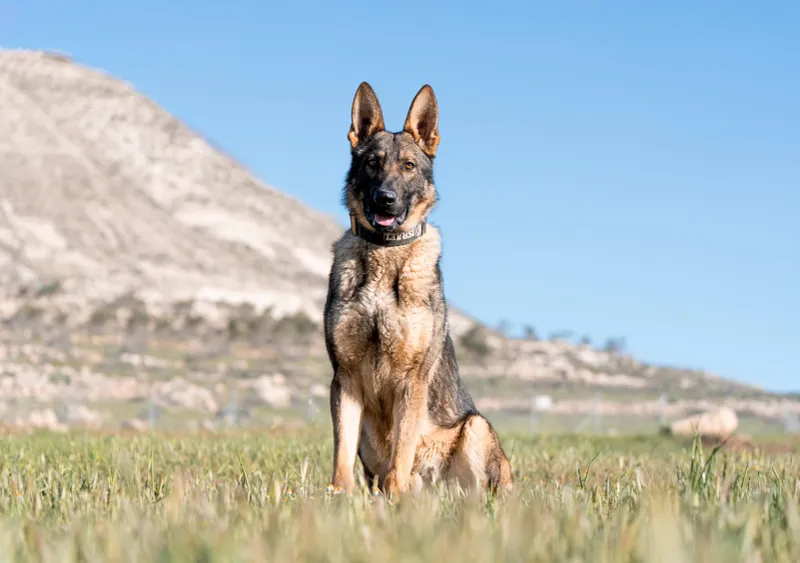
German Shepherds are vigilant guardians with strong territorial instincts. Without guidance, they practice window patrols and announce every passerby.
Repetition hardwires the habit, and arousal lingers long after the trigger leaves.
Teach structured place training and reward extended calm with scatter treats. Use film on windows to reduce visual triggers and build success.
Pair visitors with stationing and quiet cues to create predictable sequences.
Daily obedience, tracking, or sport foundations satisfy their working brain. Keep handlers calm and consistent so the dog mirrors your steadiness.
When purpose and structure align, a Shepherd protects appropriately and rests quietly between assignments.