
Eye catching dogs can steal your heart in seconds, but a stunning coat means nothing if the temperament is a mismatch for your life. The truth is, some breeds demand thoughtful handling, structure, and respect more than pretty photos.
If you want a loyal companion, you need to prioritize training needs, drives, and daily management. Let’s look at powerful breeds where choosing for looks alone can backfire and how to decide wisely for you and your dog.
Cane Corso
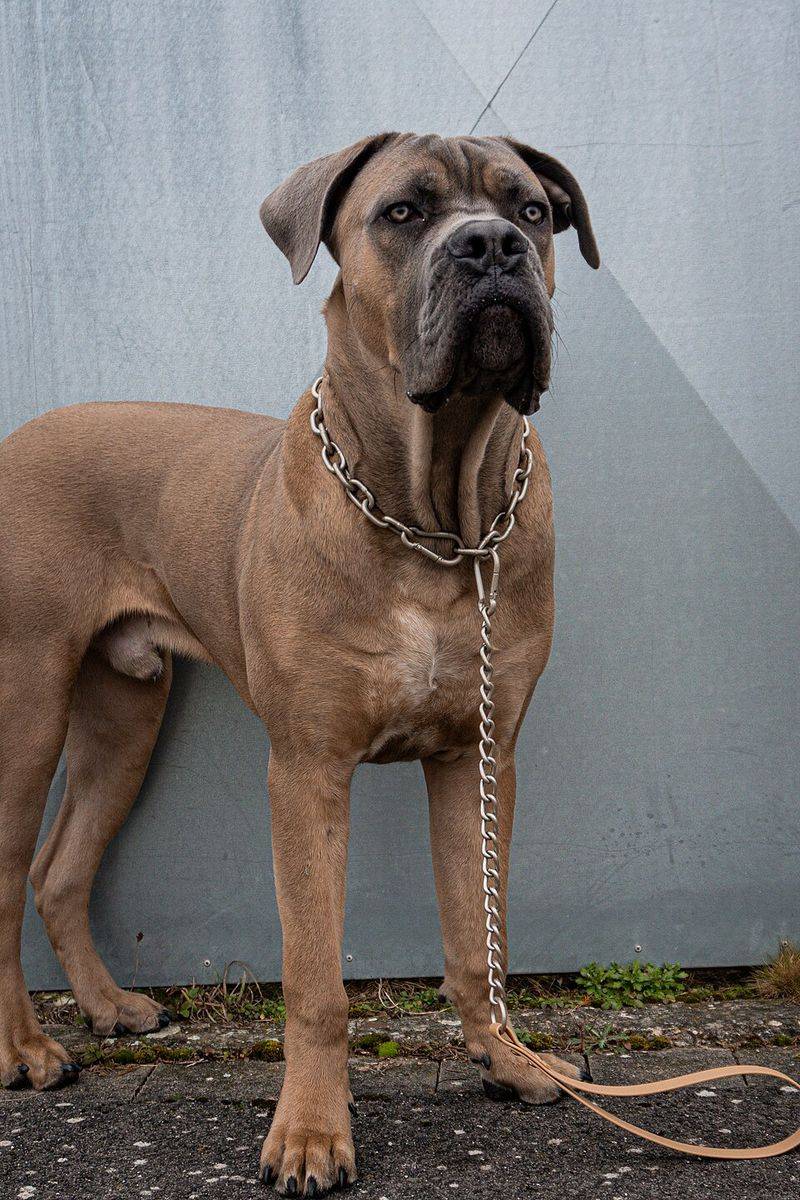
The Cane Corso is impressive, but you should care most about steadiness, nerve, and trainability. This breed needs structure, boundaries, and daily mental work, not just long walks.
Without leadership and socialization, a Corso can become pushy or anxious.
Expect a guardian with territorial instincts and a desire to be near you. Clear rules and reward based training help channel that protective energy into calm confidence.
If you are inconsistent, this dog will make decisions you might not like.
Choose temperament over head size or color. Meet parents, ask about stability under pressure, and confirm bite inhibition training.
A well bred Corso with thoughtful handling becomes a steady, affectionate partner.
Rottweiler
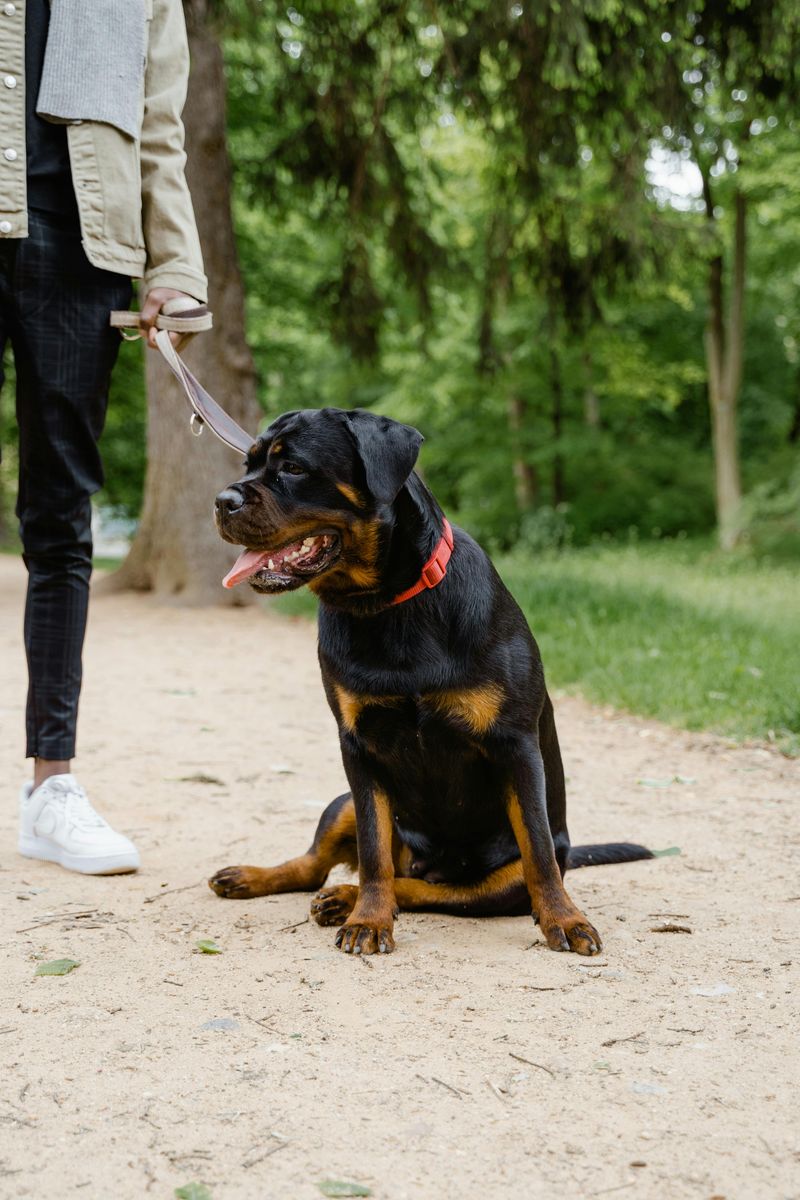
A Rottweiler should be confident, clear headed, and responsive, not merely big and blocky. You need daily engagement, fair boundaries, and purposeful work like obedience, tracking, or protection sports.
When bored, a Rottie invents jobs that you will not love.
Socialization matters more than flashy markings. Expose your dog to people and places while protecting thresholds and building neutrality.
A stable Rottweiler reads the room, not charges into it.
Ask breeders about health, temperament tests, and close relatives’ dispositions. Choose temperament over head type and coat shine.
With consistent training and outlet for drives, you will enjoy a devoted, humorous companion who guards with judgment, not reactivity.
Doberman Pinscher
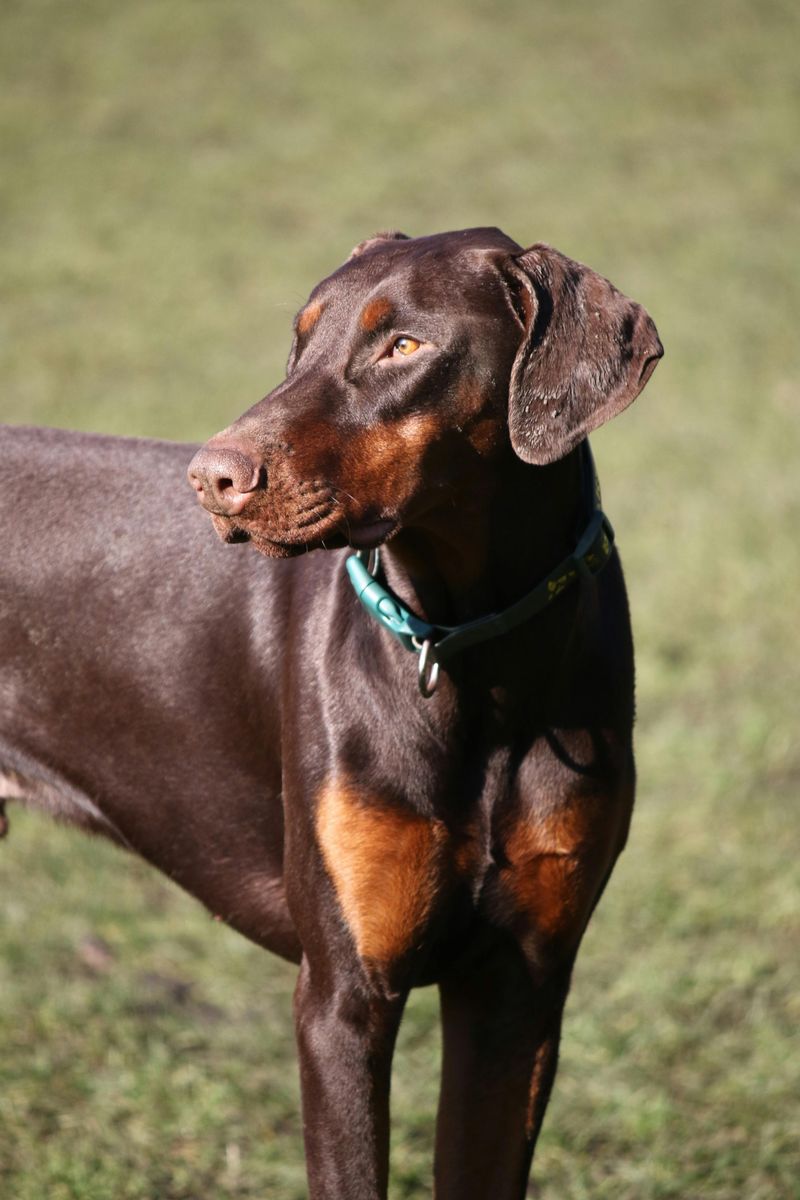
The Doberman is a sensitive, biddable guardian that mirrors your energy. You want balanced nerves and solid recovery, not just that glossy silhouette.
Daily training, impulse control, and clear routines keep this breed calm and happy.
Good Dobermans are alert yet approachable when appropriate. Overly sharp or fearful temperaments make life stressful for everyone.
Early socialization, confidence building, and neutrality around distractions are essential.
Talk to breeders about longevity, health testing, and stable temperaments. Pick the brainy companion with a forgiving nature instead of chasing a movie look.
With structure and enrichment, a Doberman becomes a loyal, velcro partner who thrives on teamwork, not chaos.
Akita
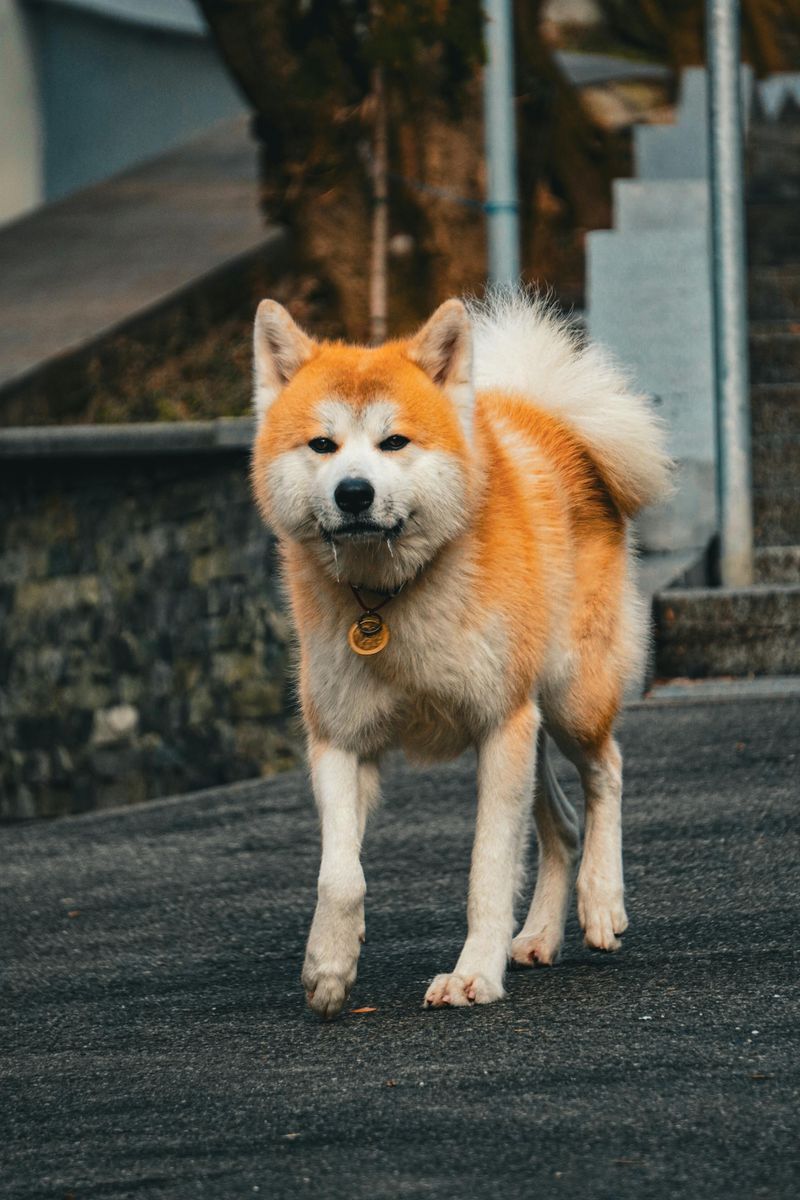
Akitas are dignified, independent, and often dog selective. You should value stable aloofness and handler responsiveness over coat pattern or tail curl.
They require firm, fair boundaries and early socialization to navigate modern life comfortably.
Expect a watchful guardian with a catlike demeanor. Training should be concise, motivational, and respectful of their independence.
Harsh handling backfires and erodes trust quickly.
Meet multiple adults from the breeder to gauge typical temperament. Choose confidence with controlled suspicion, not nervy sharpness.
If you want a snuggly social butterfly, this is not it. With commitment and management, an Akita becomes a steady housemate who values routine and quiet loyalty.
Chow Chow
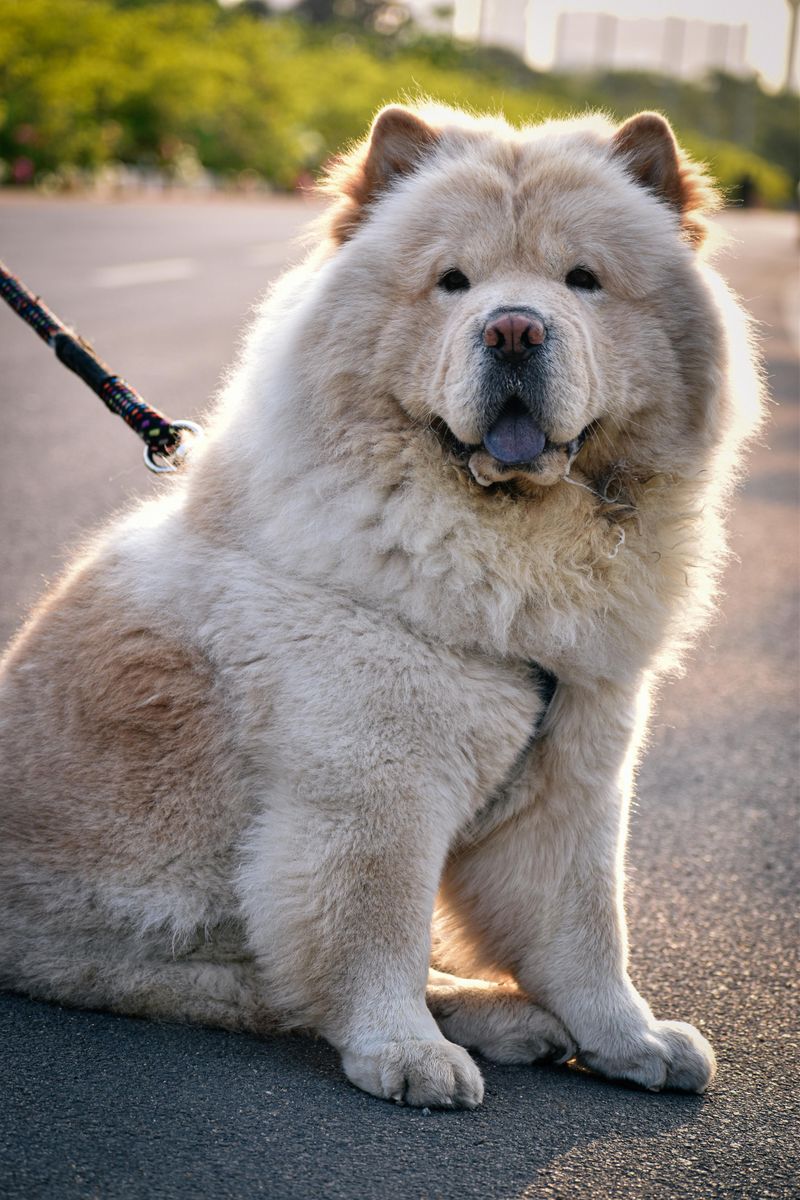
Chows are famously aloof and can be intolerant of pushy handling. Choose a temperament that is stable, tolerant, and well socialized instead of chasing the fluffiest coat.
Grooming is heavy, but mindset management matters more.
They benefit from calm exposure to people and places, with consistent routines and positive reinforcement. Respect personal space and advocate around strangers.
A well adjusted Chow observes first, then decides.
Ask breeders about reactivity, bite history in lines, and adult temperament. Prioritize calm nerves, not novelty colors.
If you understand boundaries and body language, a Chow can be a neat, quiet companion who prefers predictable homes over busy dog parks.
Shar Pei
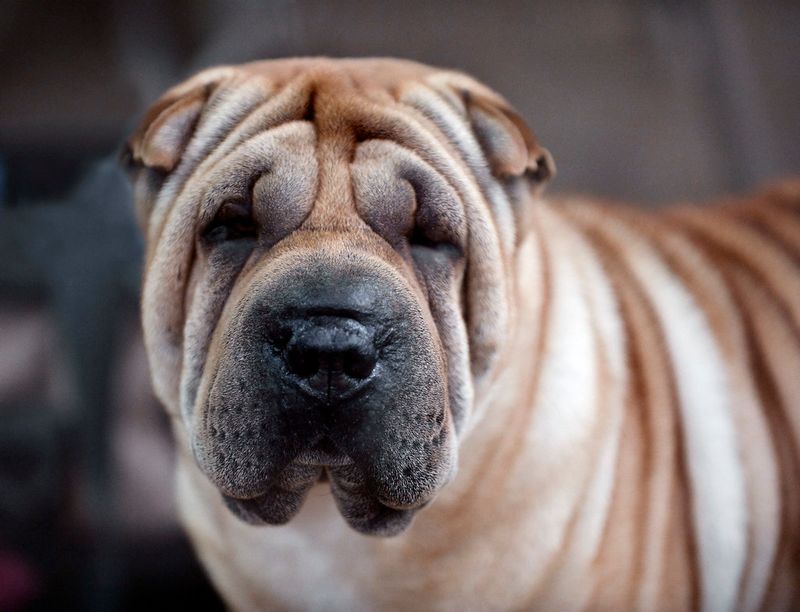
The Shar Pei’s wrinkles may draw you in, but their temperament needs careful consideration. Many are reserved and can be dog selective.
Stable temperament, good recovery from stress, and early training are more important than extra wrinkles.
Focus on neutral exposure, handling exercises, and polite leash manners. Keep sessions short and rewarding.
This breed appreciates respectful routines and clear boundaries.
Work with breeders who prioritize health, skin care education, and sound nerves. Choose confident, thoughtful dogs over edgy or fearful ones.
If you want a calm, tidy housemate with moderate exercise needs, the Shar Pei can shine when you lead with patience.
Boerboel
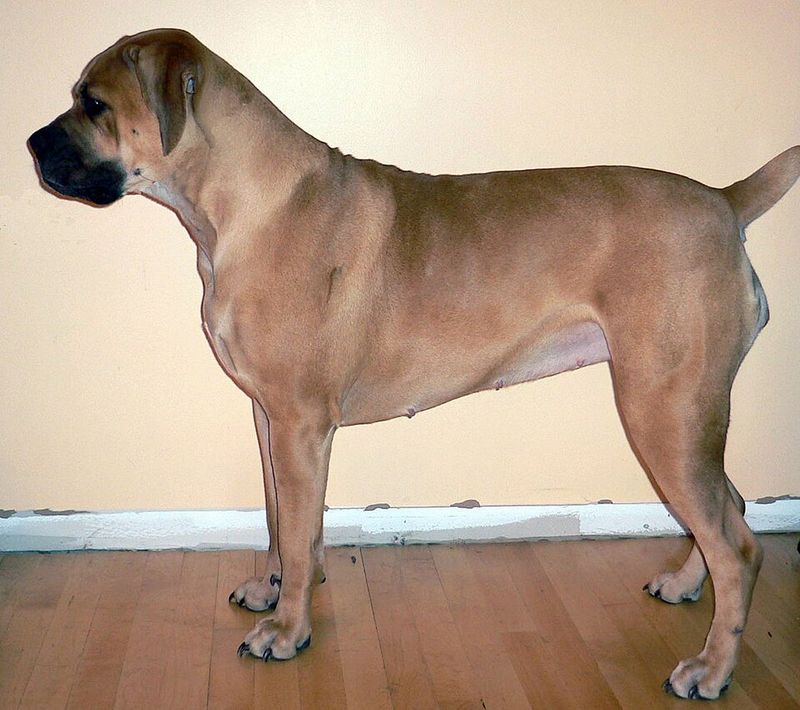
The Boerboel is a serious estate guardian, not a casual status symbol. You need even temperament, clear thresholds, and proven stability with visitors.
Daily structure and obedience are non negotiable for such power.
Expect strong territorial instincts and body language that can intimidate. Socialize thoughtfully while preserving judgment.
Reward calm behavior and neutrality, and avoid chaotic environments that encourage overarousal.
Choose breeders who temperament test and support owners long term. Pick stable, handler focused dogs, not the bulkiest pup.
If you can offer training, management, and meaningful work, a Boerboel becomes a steady, affectionate protector who respects your lead.
Presa Canario
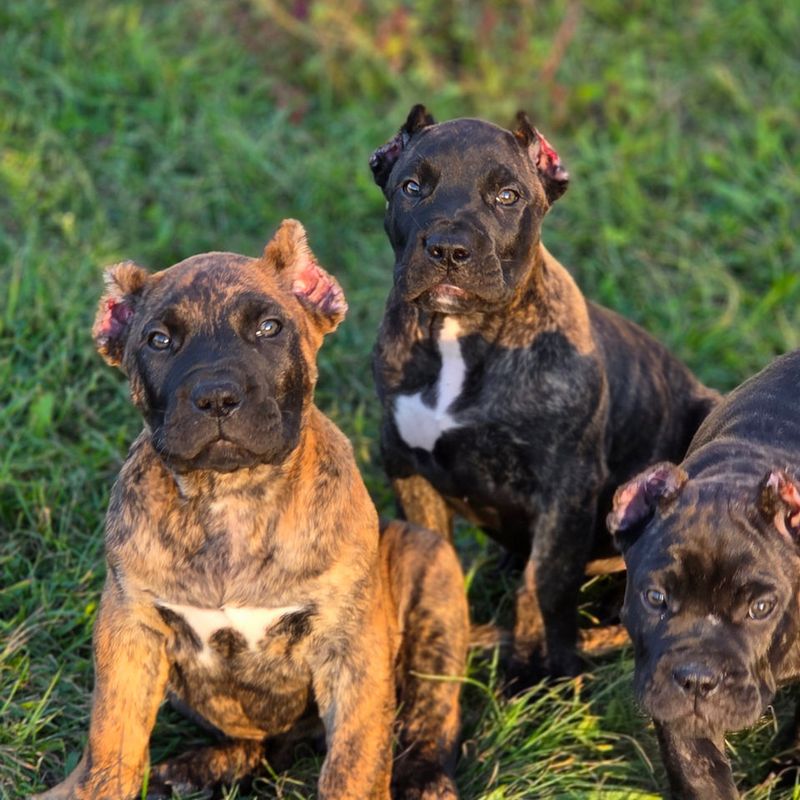
Presa Canarios carry serious drive and presence. Looks do not prepare you for the level of management required.
Seek confident, stable temperaments with clear off switches. Early socialization and consistent training help them navigate public spaces safely.
They can be territorial and dog selective. Teach neutrality, settle on a mat, and reliable recall.
Avoid rough play that encourages rehearsed aggression.
Vet breeders carefully for health, character, and support. Choose temperament over massive heads or flashy brindle.
If you can provide leadership and structure, a Presa can be a loyal, courageous partner who is impressive for the right reasons, not just size.
Tosa
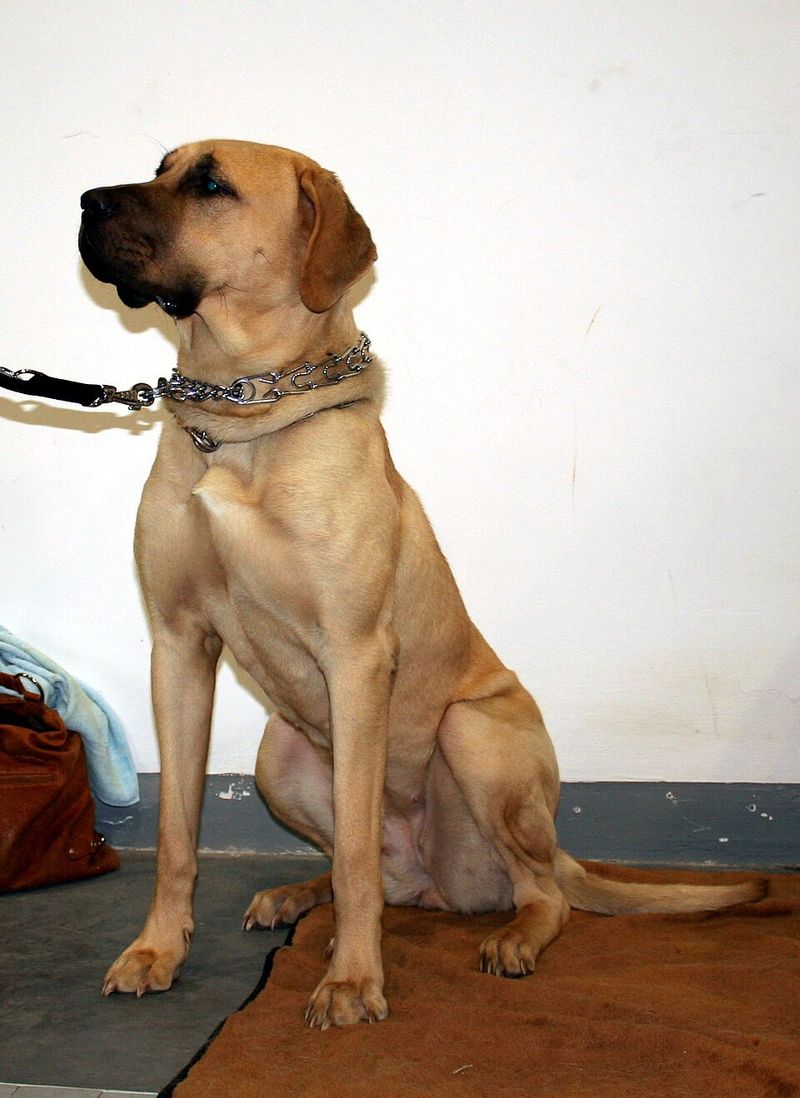
The Tosa is reserved, powerful, and deeply influenced by handler skill. Choose a dog with steady nerves and biddability rather than chasing rare status.
Quiet confidence matters more than bulk. This breed needs thoughtful socialization with an emphasis on neutrality, not friendliness.
Expect a serious guardian who prefers predictable routines. Training should be clear, fair, and consistent.
Poor management can lead to legal and safety problems.
Work with breeders who screen homes and test temperament. Ask about environmental stability, recovery, and family suitability.
If you value judgment over bravado and can provide calm leadership, a Tosa can be a composed, faithful companion.
Fila Brasileiro
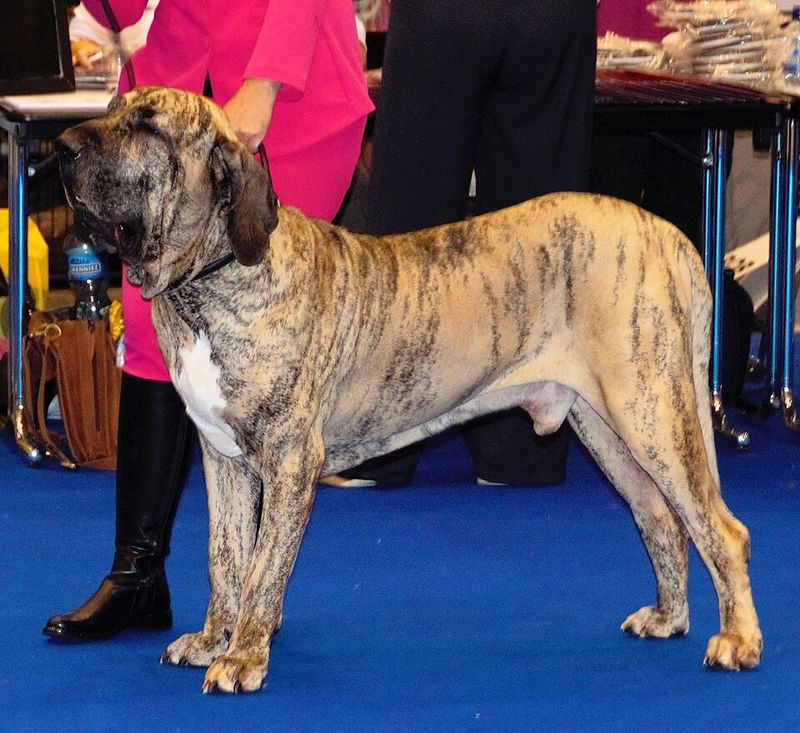
The Fila is known for strong distrust of strangers, which demands experienced handling and careful management. Do not choose this breed for size alone.
You need a stable, clear headed dog with dependable obedience and environmental confidence.
Public social life is limited, so plan accordingly. Focus on neutrality, recalls, and place training.
Protect thresholds and advocate firmly around visitors.
Vet breeders for transparent discussion of temperament and legal considerations. Choose balanced, handler loyal dogs over extreme sharpness.
If you want a highly devoted guardian and accept restricted social exposure, the Fila can be deeply bonded and reliable within your household.
Thai Ridgeback
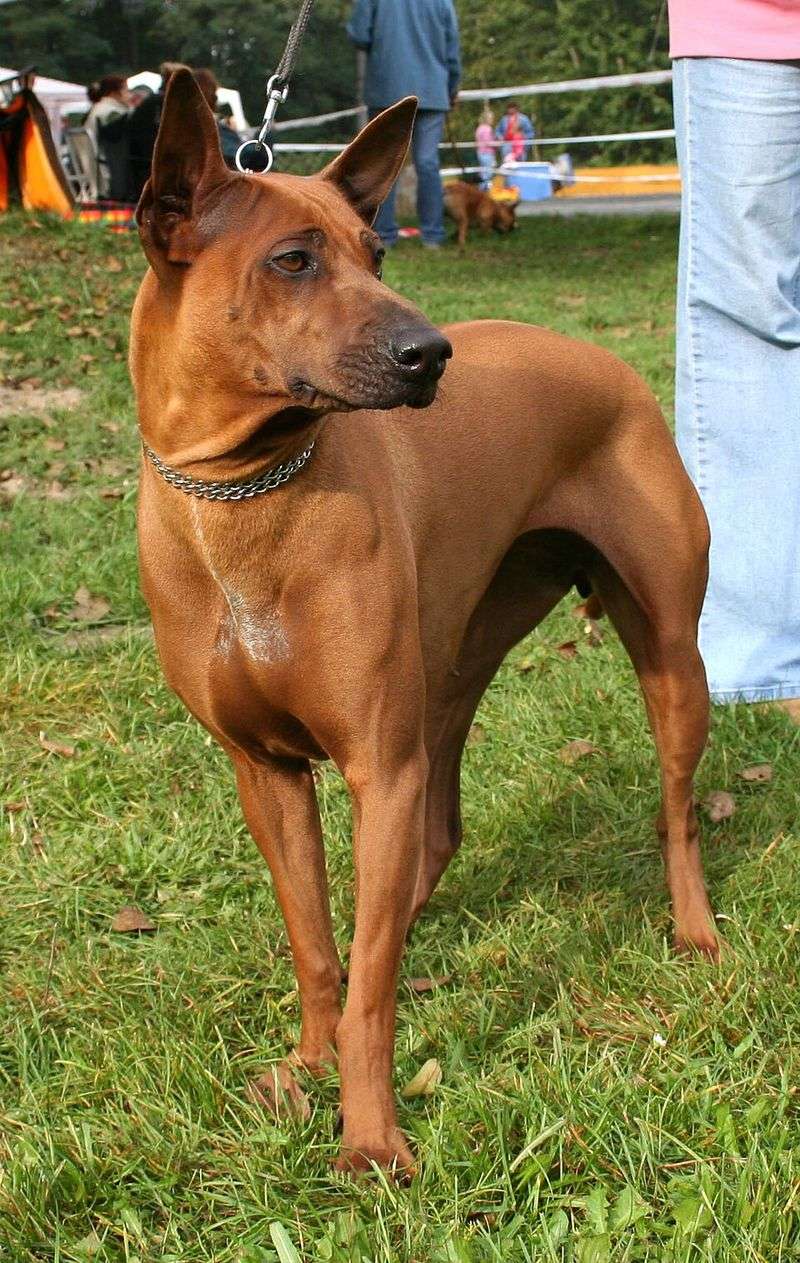
Thai Ridgebacks are athletic, independent, and often cautious with strangers. Prioritize curiosity, recovery, and handler focus over exotic looks.
They thrive with daily mental puzzles, recall practice, and calm exposure to new places.
These dogs can be escape artists, so secure fencing and leash skills are essential. Harsh methods shut them down.
Use clear communication and high value rewards to build trust.
Choose breeders who emphasize stable, social temperaments and real world testing. If you want a sleek, agile partner for hikes and training games, the Thai Ridgeback can excel when you value temperament and structure more than novelty.
Karelian Bear Dog
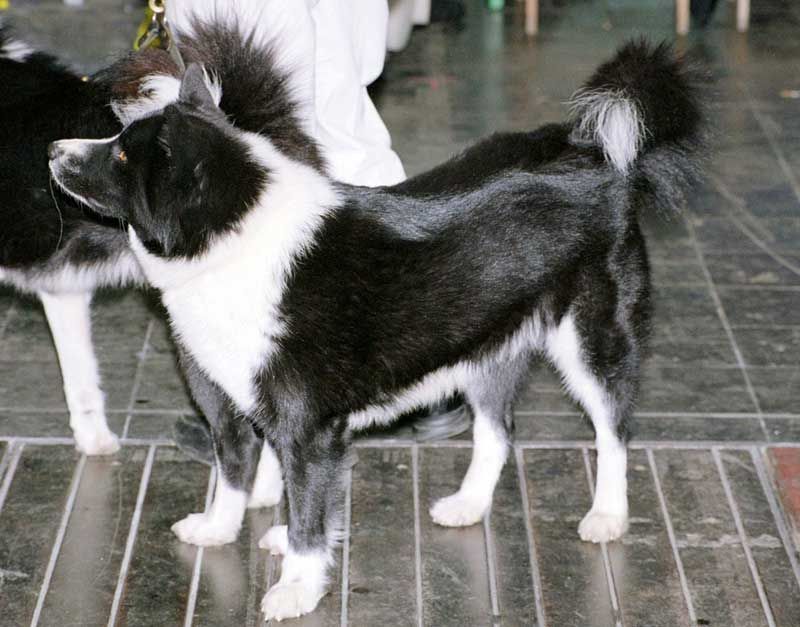
The Karelian Bear Dog is a serious hunting breed with strong prey drive and independence. Looks will not manage that intensity.
Choose a dog with strong recall foundation, environmental confidence, and willingness to engage with you.
Expect vocalization, energy, and a need for work. Scent games, tracking, and controlled off leash time on a long line help.
Urban life can be challenging without outlets.
Work with breeders who hunt or do field work and prioritize stable nerves. Pick temperament that is bold yet thoughtful, not frantic.
If you can meet the mental and physical needs, you will gain a courageous, hardworking partner.
Caucasian Shepherd Dog
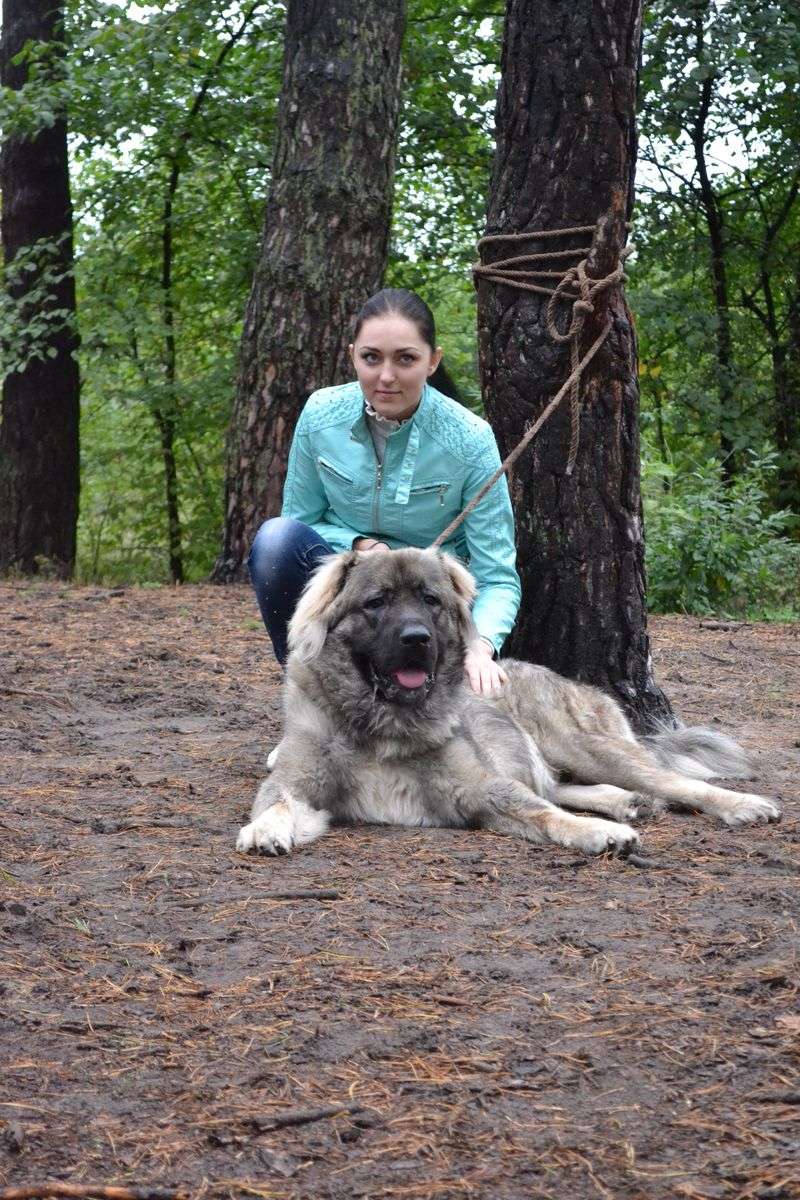
The Caucasian Shepherd is a livestock guardian with strong territorial instincts. Fluffy beauty hides serious responsibilities.
You should choose stable, handler responsive dogs with clear off switches. Early boundary training, careful introductions, and strict management are essential.
This breed can be intolerant of strangers and strange dogs. Focus on neutrality, reliable recalls, and calm stationing at home.
Avoid chaotic environments where poor decisions can escalate fast.
Seek breeders who prove temperament in real work and support owners. Prioritize judgment and recovery over extreme size.
If you can provide structure, space, and calm leadership, the Caucasian Shepherd becomes a vigilant, affectionate guardian devoted to your family.