
Some dogs were built to think on their feet, not wait for a handler to point the way. If you admire intelligence, grit, and a touch of stubborn charm, these free thinkers will steal your heart.
You will discover breeds that hunted, guarded, and made decisions alone for generations. Ready to meet canines who were born to take the lead?
Plott Hound
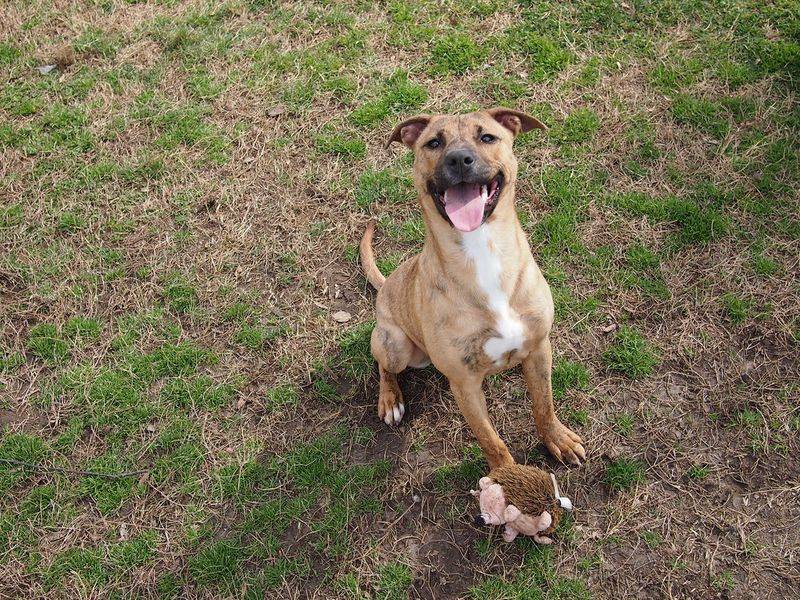
The Plott Hound is a gritty, athletic scenthound bred in the Appalachian mountains to trail big game without constant direction. You get a dog that processes scent puzzles independently and pushes forward with relentless drive.
That independence means impressive confidence but also a need for thoughtful boundaries and exercise.
Expect a powerful nose, a musical bay, and surprising agility through rough country. Plott Hounds thrive when you give them a goal, like tracking games or advanced nosework.
Daily outlets keep that determined energy satisfied, turning intensity into partnership rather than mischief.
Training works best with fairness, consistency, and short, challenging sessions. They respect leaders who earn it.
If you love adventure and appreciate a problem solver, this breed delivers.
Mountain Cur
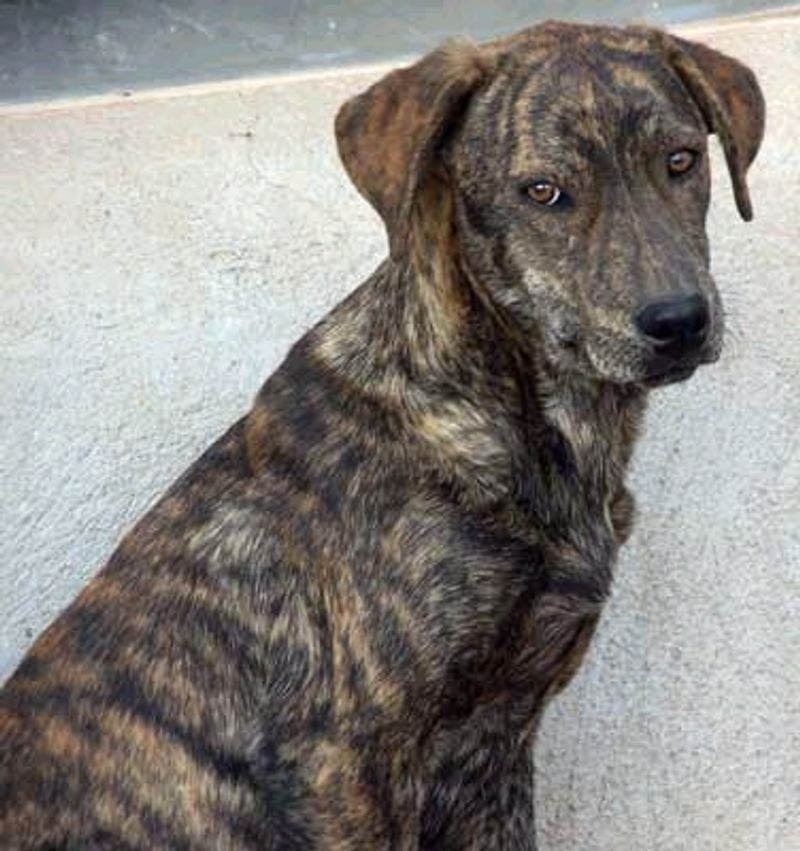
The Mountain Cur earned a reputation as a fearless frontier dog, handling treeing game and farm chores with minimal guidance. You will notice their sharp situational awareness and quick decision making.
They scan, assess, and act long before most commands even form.
This breed thrives on purposeful work like squirrel hunting, hiking, or scent games. Mental stimulation matters as much as physical outlets, so mix problem solving with cardio.
A bored Cur will invent its own missions, which can mean digging, roaming, or vocal commentary.
Training should be practical and clear, rewarding initiative while polishing manners. Keep sessions brisk and upbeat.
With structure, you get a loyal, tough partner who brings old school utility to modern life.
Black Mouth Cur
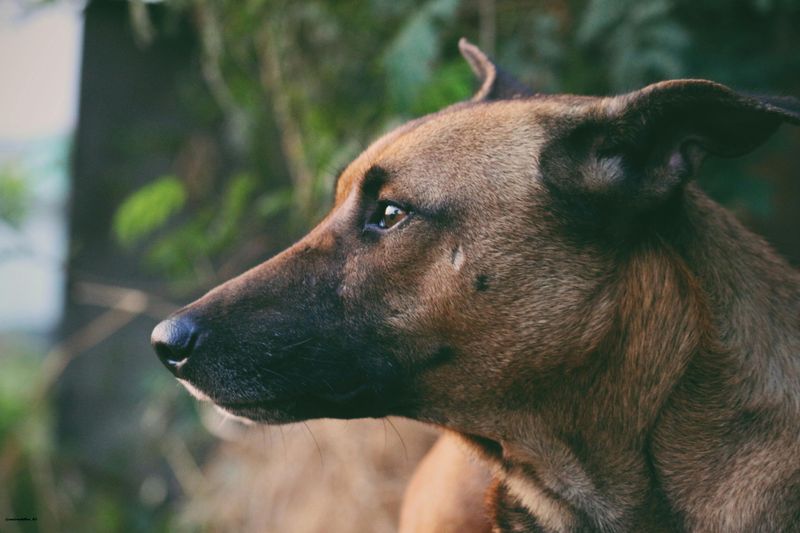
Black Mouth Curs are versatile American workers bred to hunt, herd, and guard with a self-starting mindset. You will see strong nerves, a confident gaze, and a willingness to tackle tough terrain.
They excel when given a job and clear household rules.
Daily challenges keep them content, from tracking games to structured hikes. Teach impulse control early because that drive is real.
They respond to fair, consistent guidance and appreciate calm leadership without harshness.
Expect loyalty and courage, yet remember they need outlets to stay balanced. If you enjoy training with purpose, this breed becomes an incredible teammate.
Provide time, tasks, and steady expectations, and you will unlock their impressive potential.
Catahoula Leopard Dog
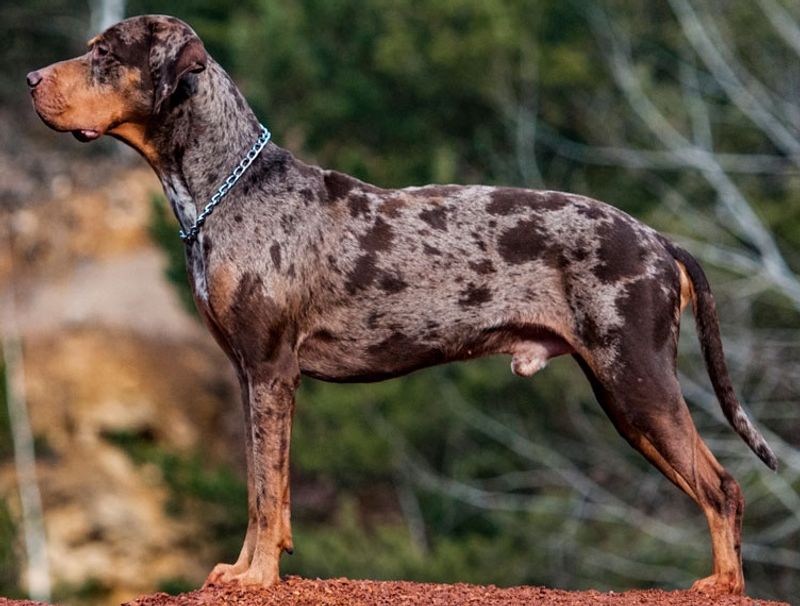
The Catahoula Leopard Dog is a bold American breed known for baying hogs and managing cattle with fearless independence. You will notice laser focus and a thinking brain that thrives on challenges.
They do not wait around for permission when a problem presents itself.
Because of that drive, they need early socialization, clear rules, and heavy mental work. Long hikes, tracking drills, and advanced obedience keep their mind occupied.
Without outlets, they will create their own adventures, which usually conflict with your plans.
Training should reward initiative while clarifying boundaries. Use short, purposeful sessions and consistent expectations.
With the right lifestyle, a Catahoula becomes a remarkable, loyal partner who lives to work and explore.
Carolina Dog
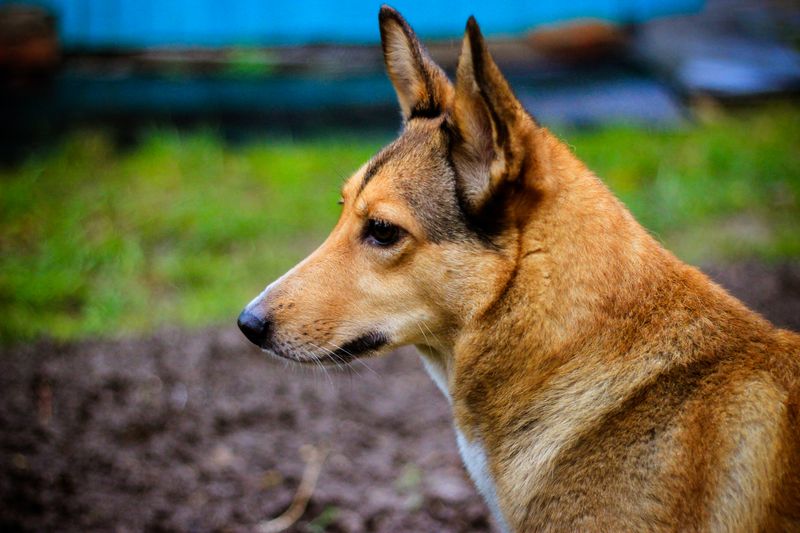
The Carolina Dog carries a primitive vibe, shaped by survival more than strict human direction. You will see keen senses, wary smarts, and quick adaptations to changing environments.
They read situations fast, making independent choices that kept their ancestors thriving.
Modern life suits them when routine meets adventure. Nosework, foraging games, and exploratory hikes build confidence and trust.
They bond deeply yet prefer calm, consistent handling over pushy training.
Introduce new experiences gradually and reward curiosity. Keep sessions brief and interesting to harness their sharp mind.
With patience and structure, you get an insightful companion who values partnership without losing that wild spark.
Finnish Spitz
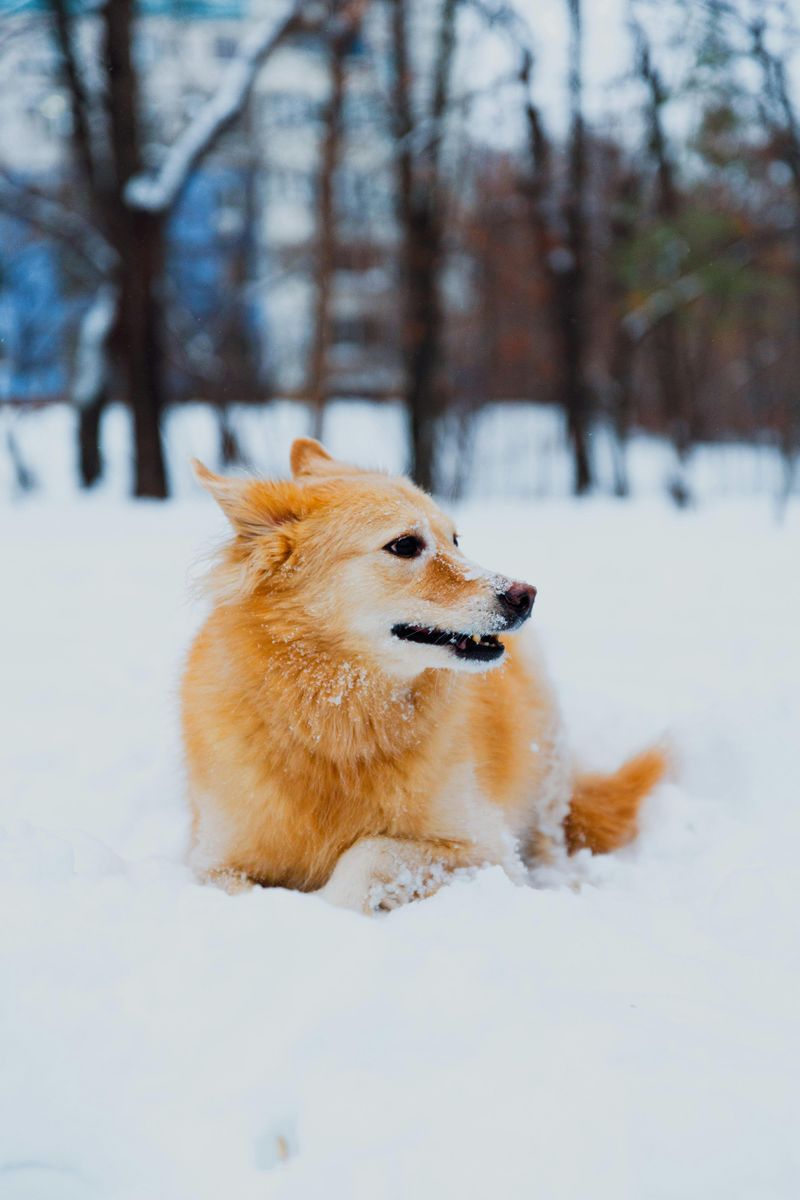
Finnish Spitz dogs were bred to locate game birds and bark point with striking persistence, guiding hunters without constant commands. You will meet a cheerful, sharp thinker who uses voice as part of the job.
That independence pairs with a mischievous streak if boredom creeps in.
Keep them busy with scent drills, trick training, and brisk outings. They adore games that reward curiosity and fast reactions.
Positive methods work best, steering zest into cooperation instead of sass.
Expect a loyal companion that alerts reliably and thinks fast. Manage barking with clear cues and plenty of enrichment.
Provide purpose, and this foxy dynamo becomes a delightful, self-directed partner.
Karelian Bear Dog
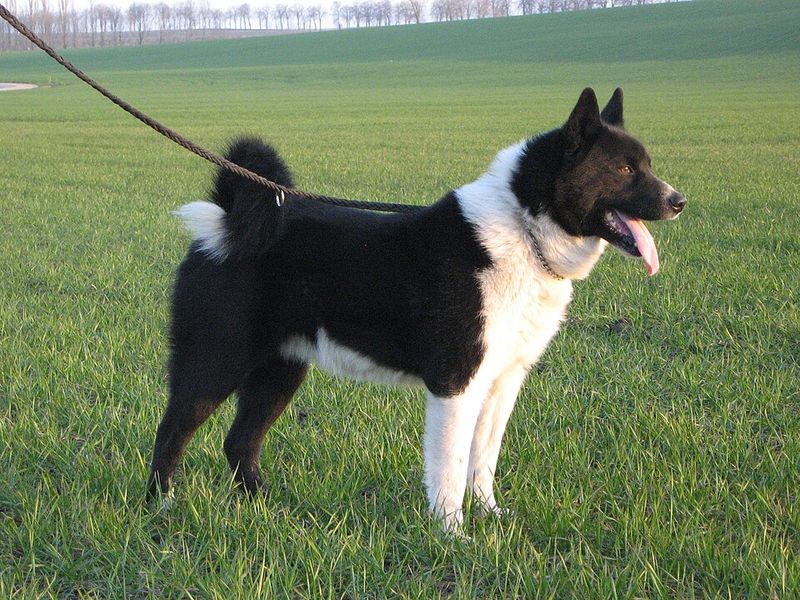
The Karelian Bear Dog was developed to confront large game, making quick choices under pressure. You will see fierce courage balanced by surprising composure.
They value clear leadership but keep their own judgment ready at all times.
Daily structure is essential, along with challenging work like tracking, rally, or controlled protection style drills. Early socialization and impulse control help channel intensity.
Without tasks, they can become restless and inventive.
Training should stay fair, consistent, and purpose driven. Celebrate initiative while reinforcing safety rules.
For active owners who respect their power, this breed offers remarkable loyalty and razor sharp problem solving.
Norwegian Lundehund
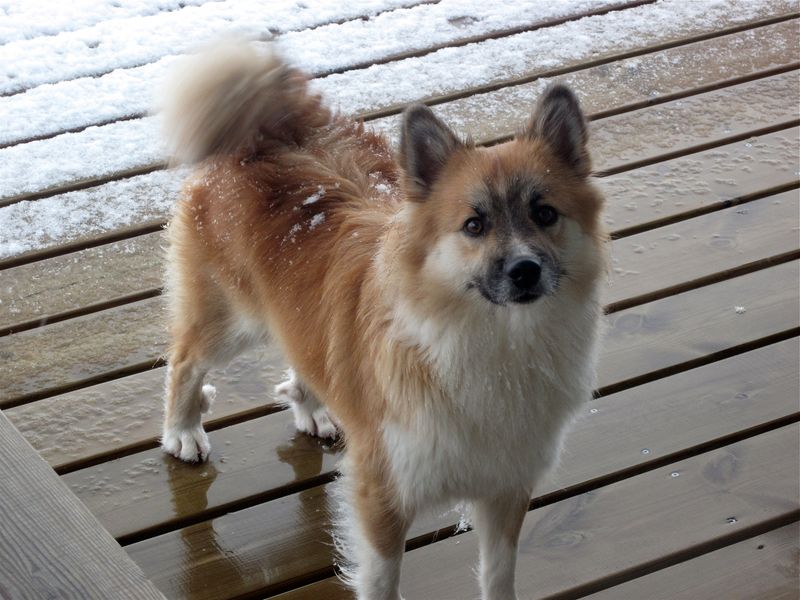
The Norwegian Lundehund is a quirky, agile specialist once used to collect puffins from steep cliffs. Extra toes and flexible joints allowed daring climbs, demanding confident problem solving without step by step direction.
You will notice curiosity, independence, and a playful spirit.
They thrive on puzzle toys, low impact agility, and environmental exploration. Keep sessions short and fun to match their whimsical focus.
Early socialization smooths sensitivity and helps them adapt to modern homes.
Training should highlight their creativity while guiding impulse control. Gentle methods win trust.
With patience and novelty, this rare breed rewards you with clever antics and charming self reliance.
West Siberian Laika
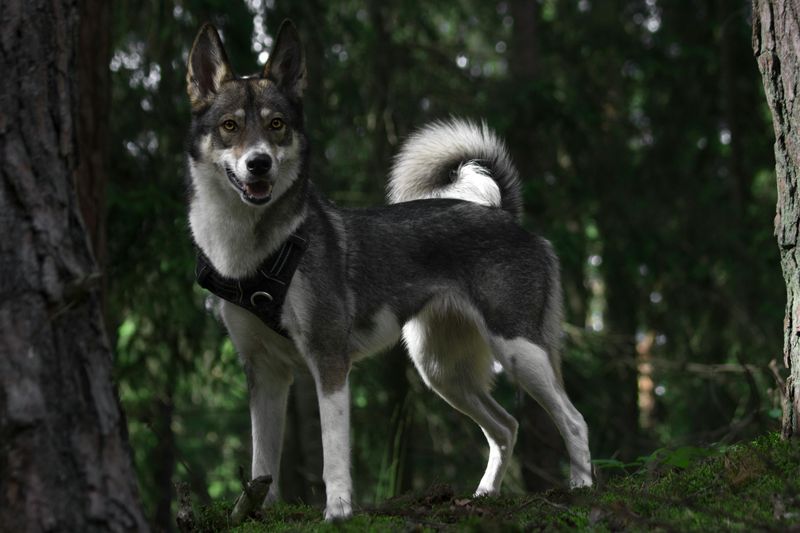
The West Siberian Laika is a hardy spitz bred to hunt in harsh forests, relying on keen senses and autonomous choices. You will see a vigilant, efficient worker who scans constantly and reacts swiftly.
They are happiest when using their brain and nose daily.
Give them scent trails, tracking practice, and long treks to keep that purpose alive. Clear boundaries matter because their independence can override manners.
Consistency plus enrichment prevents frustration and roaming.
Training should be respectful and motivating, never heavy handed. Reward initiative while reinforcing recall and calm.
With the right outlets, this Laika becomes a loyal, resourceful companion for serious outdoor lifestyles.
East Siberian Laika
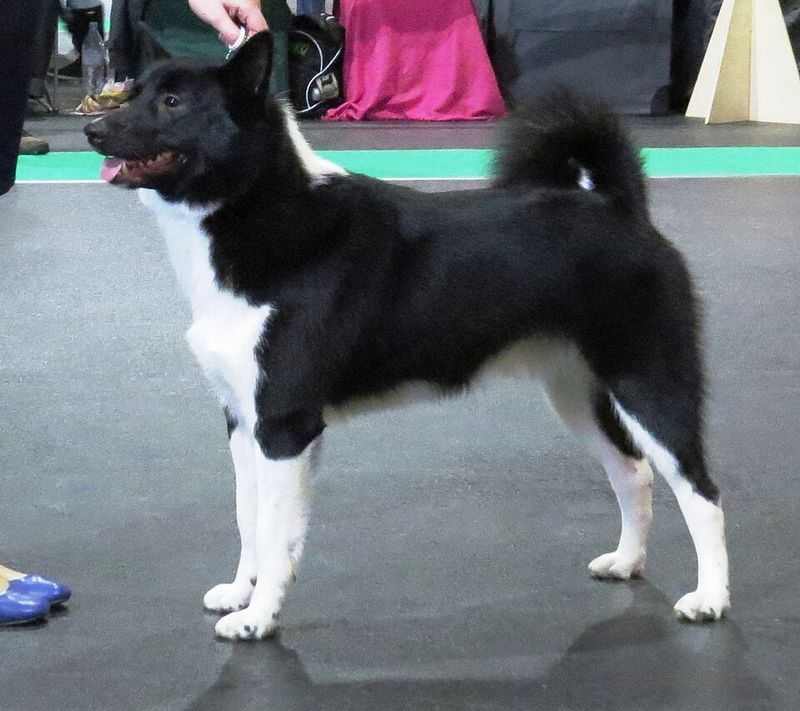
The East Siberian Laika is the largest of the Laikas, bred for solo decision making across vast wilderness. You will notice steady confidence, strong prey drive, and remarkable endurance.
They are problem solvers who appreciate guidance but do not need micromanagement.
Daily structure with long outings and scent work keeps them centered. Socialization and impulse control are crucial due to intensity.
A secure yard and reliable recall are must haves for safety.
Training thrives on fairness and real work, like tracking or practical obedience. Reward focus and composure as much as speed.
With commitment, you get a formidable partner built for rugged adventures and thoughtful independence.
Russo-European Laika
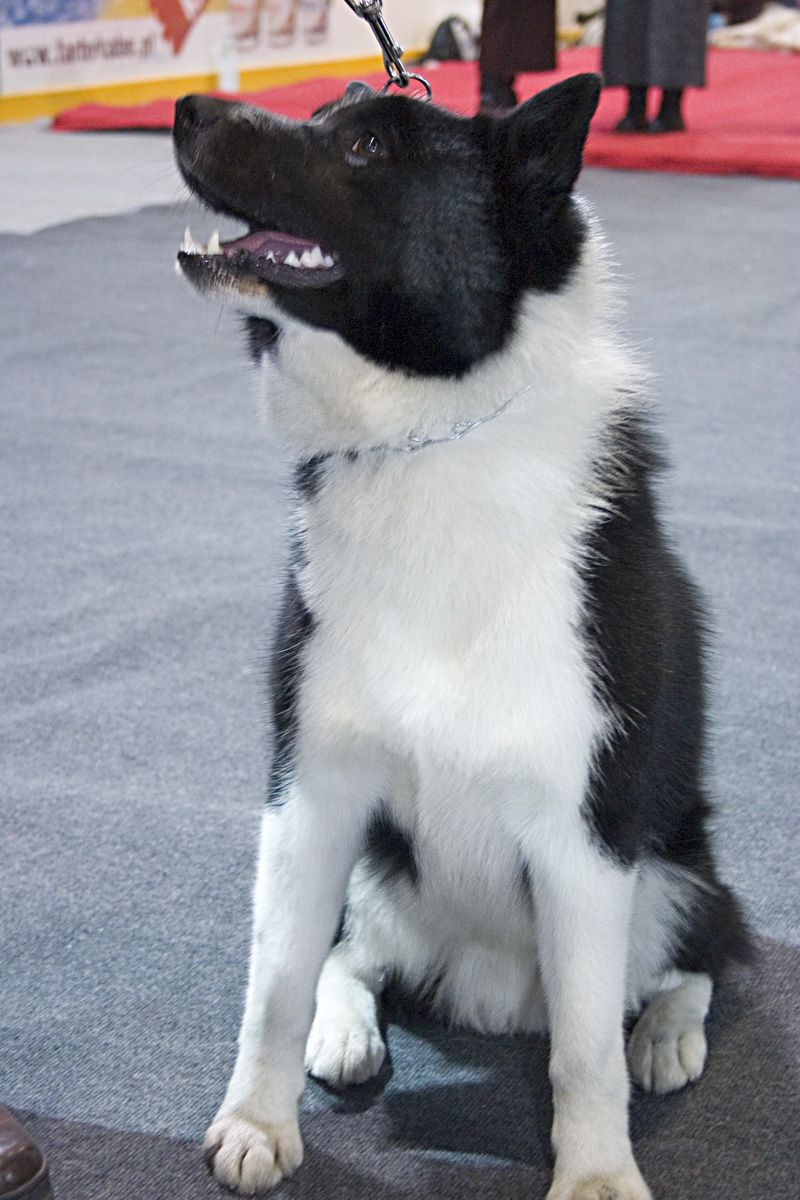
The Russo-European Laika is a sharp, independent hunting spitz known for treeing game and holding it with persistent bark. You will meet a focused athlete with brisk reactions and strong resilience.
They excel when given real tasks rather than repetitive drills.
Plan daily challenges like scent trails, obedience with obstacles, and long structured hikes. Maintain clear rules to balance that confident drive.
A busy mind is a happy Laika, and boredom invites self assigned projects.
Use positive, precise training and reinforce recall religiously. Keep sessions short, varied, and meaningful.
When you channel their instincts, this breed becomes a steadfast, clever partner ready to tackle any woodland mission.