
Rare color hype can make smart people ignore health, temperament, and ethics. You deserve more than a flashy coat that comes with hidden risks and inflated prices.
Let’s pull back the curtain on popular breeds that get marketed for unusual shades while real needs get overlooked. By the end, you will spot red flags and choose with confidence, not color FOMO.
Dachshund

People chase blue or isabella Dachshunds like status trophies, but those colors can be linked to coat dilution alopecia and fragile skin. You deserve a companion who thrives, not one bred just to look Instagram ready.
Focus on back health, temperament, and breeder ethics before a shade chart.
Dachshunds need careful exercise, ramps for furniture, and weight control to protect their long spines. Socialization and patience curb the classic brave but barky streak.
Choose a breeder who screens for IVDD risk and educates you on lifestyle support.
Coat hype fades fast when vet bills climb. A healthy red or black and tan Doxie will bring just as much joy.
Pick function and welfare over novelty.
French Bulldog

Merle or lilac Frenchies command shocking prices, yet the breed already faces airway, spine, and allergy concerns. Layering rare patterns can compound problems when ethics take a back seat to trends.
You want easier breathing and sound structure more than glittery genetics.
Ask about spine X-rays, nares evaluation, and temperament, not just coat terms. Responsible breeders avoid risky color combinations and prioritize clear airways.
You will enjoy walks and play without constant vet visits.
Frenchies are charming clowns, but they need protection from heat and overexertion. Train gently and keep weight lean.
Ignore color marketing and support health-focused programs that actually improve quality of life.
Chihuahua

Chihuahuas get advertised in rare blues and chocolates, but you benefit more from stable nerves than trendy coats. Tiny dogs still need confident socialization, sturdy structure, and bite alignment.
Color will not stop reactivity or dental issues.
Look for a breeder who focuses on patella health, heart checks, and temperament fit with your lifestyle. You want a bold but manageable companion who can stroll the neighborhood without stress.
Training and enrichment matter more than pigment.
Skip micro-sizing and marketing fluff. A well-bred fawn or black Chihuahua can be adventurous, cuddly, and long-lived.
Choose the dog that suits your pace, not your feed aesthetic.
Pomeranian

Pomeranians appear in creams, blues, and merles, but excessive focus on rarity can overlook coat quality, bite, and knee stability. You will appreciate a well-structured Pom who glides rather than totters.
Dense undercoat and balanced grooming make beauty last longer than a fad shade.
Sound breeding reduces collapsing trachea risk and supports confident temperaments. Ask about patellas, dentition, and pedigree longevity.
Daily brushing and mental games keep these bright companions content.
Color is the least interesting thing after a month together. A classic orange Pom with healthy skin and lungs shines on walks and in photos.
Invest in health, not hashtags.
Australian Shepherd
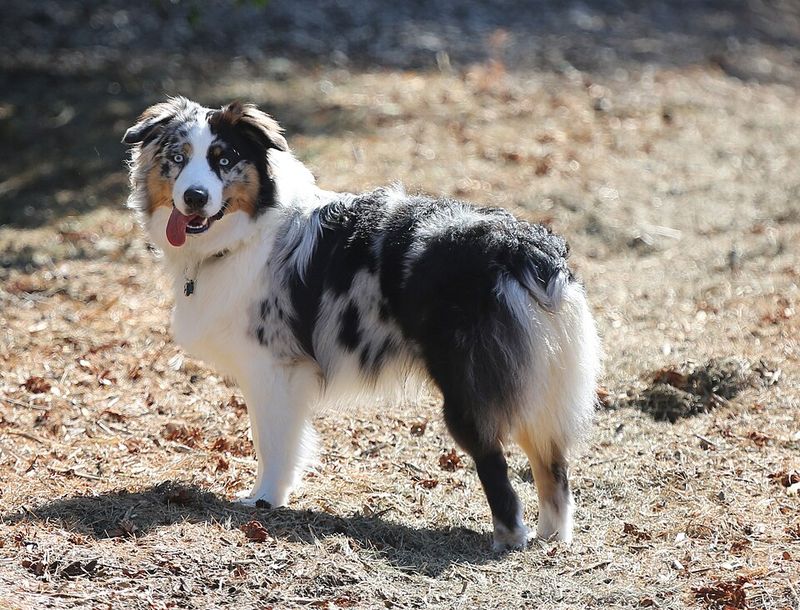
Aussies already dazzle with merle patterns, but reckless color breeding risks double merle blindness and deafness. You deserve transparency about genetic testing and responsible pairings.
A steady worker with impulse control beats the flashiest coat in any light.
These dogs crave jobs: herding sports, agility, or structured hikes. Without engagement, you get chaos.
Choose lines known for biddability, health screenings, and stable nerves.
Ask about MDR1, hips, eyes, and temperament around strangers. Train with consistency and boundaries from day one.
Love the whole dog, not just the coat map.
Border Collie

Border Collies get marketed in unusual reds, lilacs, and merles, but working ability and off switch matter most. If you chase colors, you might miss nerve strength, balance, and thoughtful drive.
You need a partner who learns quickly without melting down.
Responsible breeders prove dogs on stock or in demanding sports, then health test hips, elbows, and eyes. Daily brain work keeps peace at home.
Without it, you get restlessness and creative mischief.
Color will not trim energy needs. Choose a breeder who asks tough lifestyle questions and supports training plans.
The classic black and white remains iconic for good reasons.
Great Dane
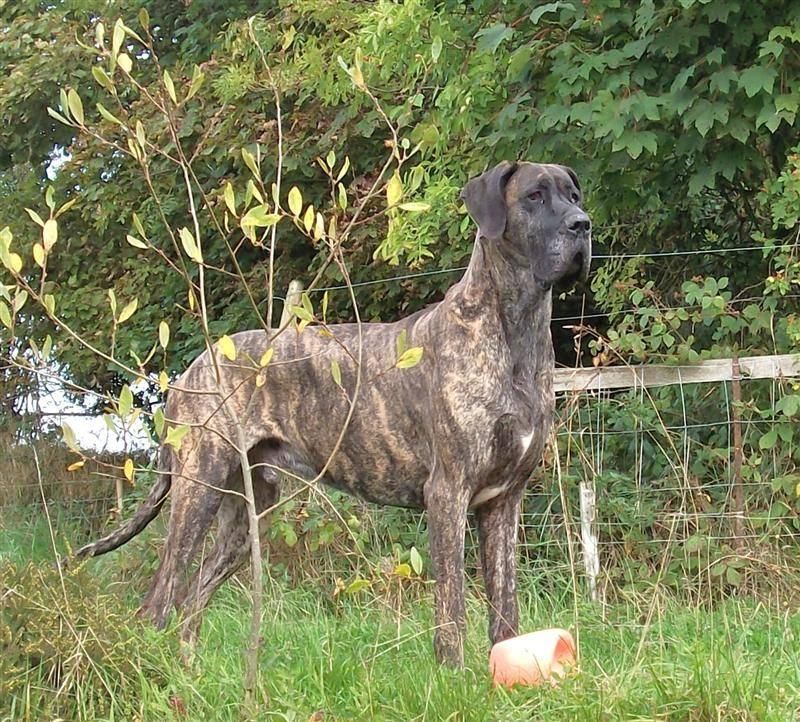
Off-standard colors in Danes can tempt buyers, but this giant breed already carries orthopedic and bloat risks. You will appreciate breeders who prioritize structure, temperament, and longevity over novelty.
Size and color are not substitutes for soundness.
Ask about hips, heart, thyroid, and bloat education, plus diet and growth management. Responsible programs avoid risky color crosses that harm conformation.
Danes need soft beds, thoughtful exercise, and calm socialization.
Choose confidence and health so daily life feels graceful, not fragile. A classic fawn or harlequin with stable nerves is breathtaking enough.
Let ethics guide you, not scarcity marketing.
Cocker Spaniel

People chase unusual sable or merle Cockers while forgetting ear health, temperament, and grooming needs. You want a merry companion, not chronic infections.
Ethical breeders focus on eyes, hips, and stable, friendly attitudes.
Regular ear care, coat maintenance, and mental enrichment keep Cockers joyful. Ask about PRA testing and family histories free of rage mislabels.
Consistent training curbs overexcitement and brings out their generous spirit.
Color does not brush out mats or soothe itchy ears. A classic golden or black Cocker with sound structure will sparkle on walks and in photos.
Choose care plans and temperament first, then enjoy whatever color follows.
Shetland Sheepdog
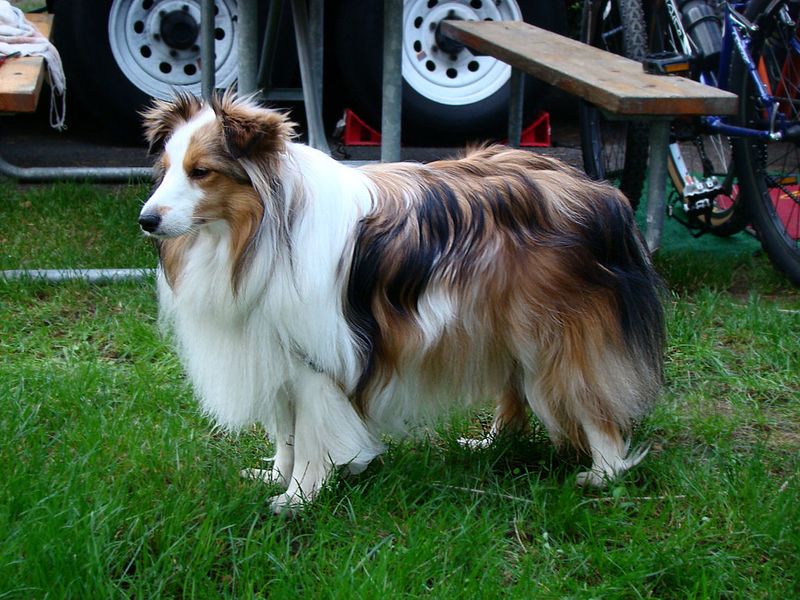
Shelties appear in striking blues and tris, but hype can overshadow sensitivity, bark tendency, and exercise needs. You will enjoy life more with a confident, well-socialized Sheltie than a nervous beauty.
Breeders who prioritize temperament and health testing provide that balance.
Ask about eye checks, hips, and MDR1 status. Plan for daily training games, gentle exposure, and coat care.
Shelties are bright and loyal, yet they need reassurance and routine.
Color does not dampen noise or anxiety. A classic sable and white companion can be breathtaking while calm and connected.
Choose resilience over rarity so your home stays peaceful.
Doberman Pinscher
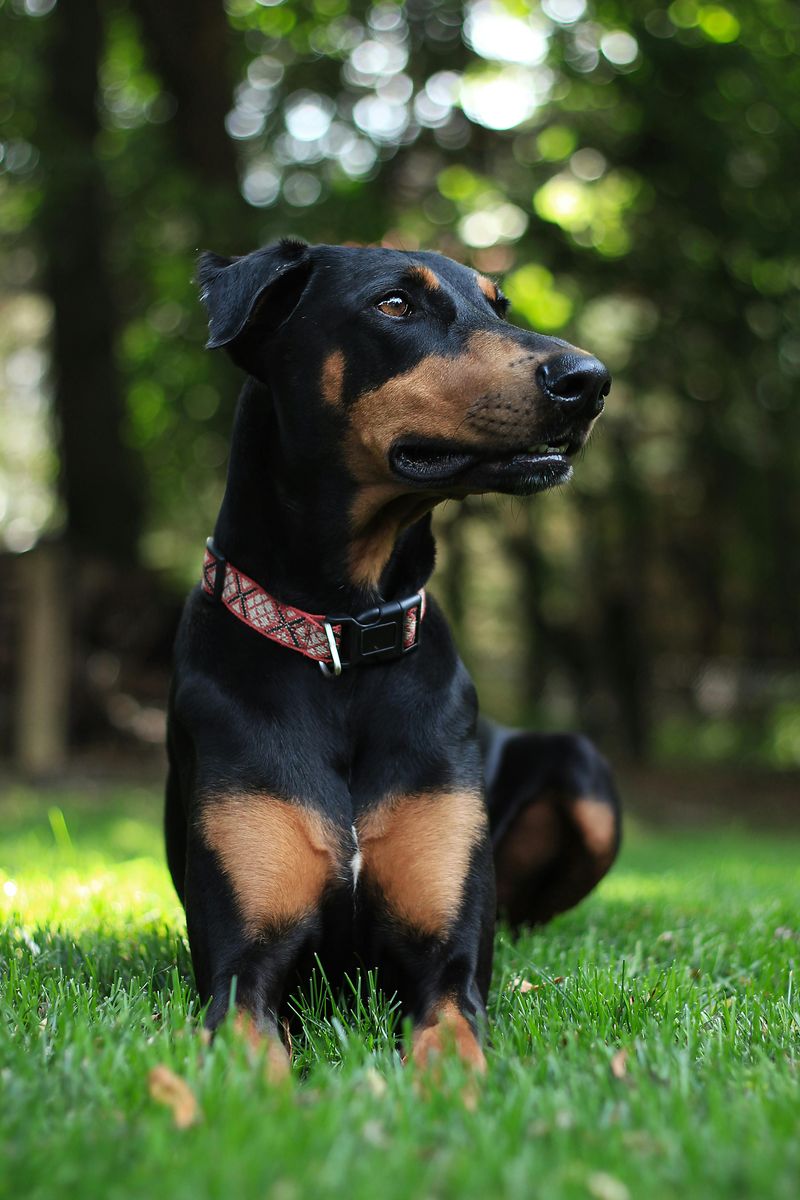
Fawn or blue Dobermans get buzz for rarity, but dilution can raise coat and skin concerns. What you need most is a confident, stable guardian with solid health screenings.
Focus on DCM testing, thyroid, hips, and steady nerves under pressure.
Balanced training builds reliability and calm public manners. Responsible breeders track longevity and cardiac results rather than color trends.
You will value that diligence during real life.
Classic black and rust looks sharp without sacrifice. Choose programs that emphasize temperament and heart health.
That is the difference between fear marketing and meaningful stewardship.