
If the word teacup makes your heart skip, you are not alone. Clever marketing turns tiny dogs into status symbols, but the truth is more complicated than cute photos suggest.
Downsizing can invite big health and behavior issues you will want to understand before buying. Let’s unpack the hype, decode red flags, and help you choose with confidence instead of clever slogans.
Chihuahua

Chihuahua ads love the word teacup, but there is no official teacup variety. When breeders chase ever-smaller sizes, you can see fragile bones, dental crowding, and chronic hypoglycemia.
You deserve transparency about expected adult weight, not vague purse-sized promises.
Ask how the parents weigh and whether the breeder delays placement until growth stabilizes. Responsible sellers avoid extreme runt breeding and offer health guarantees.
If you want tiny portability, budget for frequent vet checks, gentle handling, and warm clothing.
Also watch for open fontanelles, collapsing trachea, and patellar luxation. Ethical rescues can match you with a small adult whose size is already known.
Tiny can be sweet, but informed beats impulsive every time.
Yorkshire Terrier

Yorkies are famously petite, which makes them prime targets for teacup claims. Pushing size lower often trades resilience for fragility, increasing risks like liver shunts and dental issues.
You want the silky coat and confident strut without preventable suffering.
Interview breeders about genetic screening and realistic adult weights. A well-bred Yorkshire Terrier should be small yet sturdy enough to play safely.
Insist on contracts that forbid breeding undersized dogs and prioritize health over micro-marketing.
Plan for routine grooming, bloodwork if recommended, and careful nutrition to support stable growth. Skip social media promises of palm-sized puppies.
Choose fit, balanced dogs whose personalities shine larger than their frames.
Pomeranian

Pomeranians already look like plush toys, so teacup labels spread fast. Chasing ultra-mini means fragile joints, collapsed tracheas, and unstable blood sugar.
You want the adorable fluff without risky extremes or hidden medical bills.
Ask about the parents’ sizes, pedigree health testing, and growth charts beyond eight weeks. Responsible breeders avoid breeding tiny to tiny and focus on structure and temperament.
Expect shedding, regular grooming, and training to prevent yappy habits fueled by anxiety.
Watch for breathing effort, weak knees, and dental crowding. If tiny charm is your dream, consider an adult pom mix from rescue where size is known.
Cute is great, but durability matters more.
Maltese
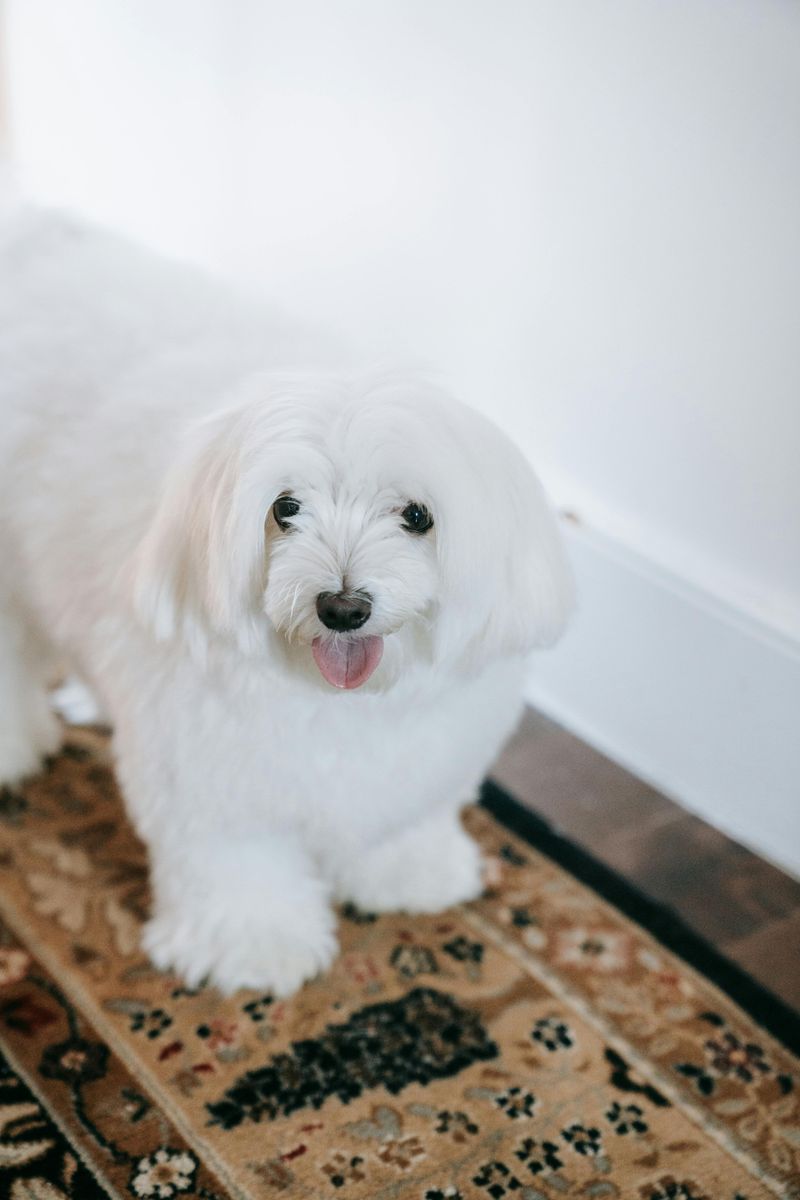
Maltese marketing leans heavily on teacup language because the breed is naturally small. Overshrinking can invite fragile bones, dental disease, and persistent low blood sugar.
You deserve clear expectations about growth rather than purse-ready fantasies.
Vet the breeder’s health screenings, especially patellas and cardiac checks. Confirm puppies stay until they are robust eaters with steady weight gain.
A well-kept Maltese thrives with daily grooming, calm routines, and gentle play.
Keep a warming layer handy for cold days and monitor for picky eating. Choose stable temperament over extreme size.
A confident, healthy Maltese will feel tiny enough without courting extra risk.
Shih Tzu
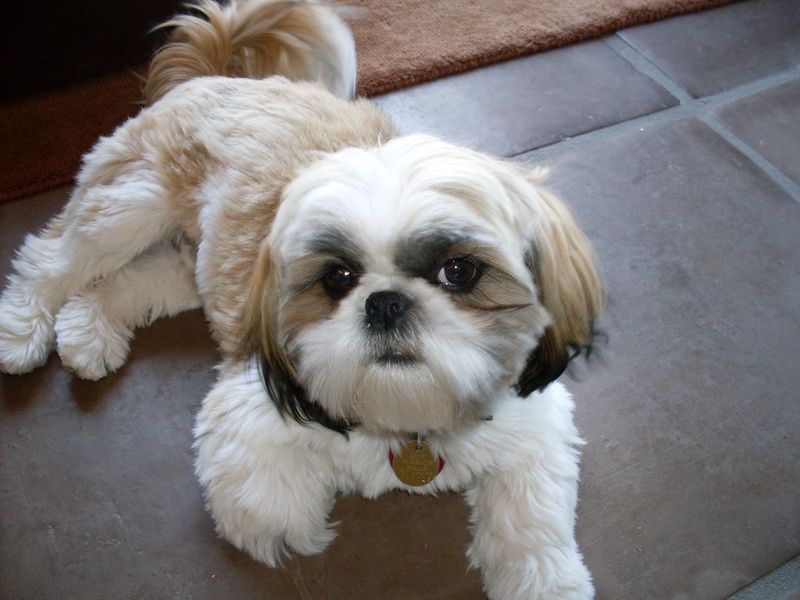
Shih Tzus are compact companions, yet teacup tags push some litters below safe weight. Extreme downsizing can worsen breathing effort, dental crowding, and eye issues.
You want the affectionate lapdog vibe without stacking preventable problems.
Ask breeders about nostril and palate evaluations, along with eye checks. A well-structured Shih Tzu breathes comfortably and carries enough bone to move with ease.
Keep grooming regular and maintain a healthy weight to protect joints.
Look for clear nostrils, balanced faces, and honest adult weight ranges. Avoid anyone promising pocket-sized extremes.
Your best bet is a sturdy, sweet companion who can enjoy walks and cuddles without struggle.
Poodle (Toy)
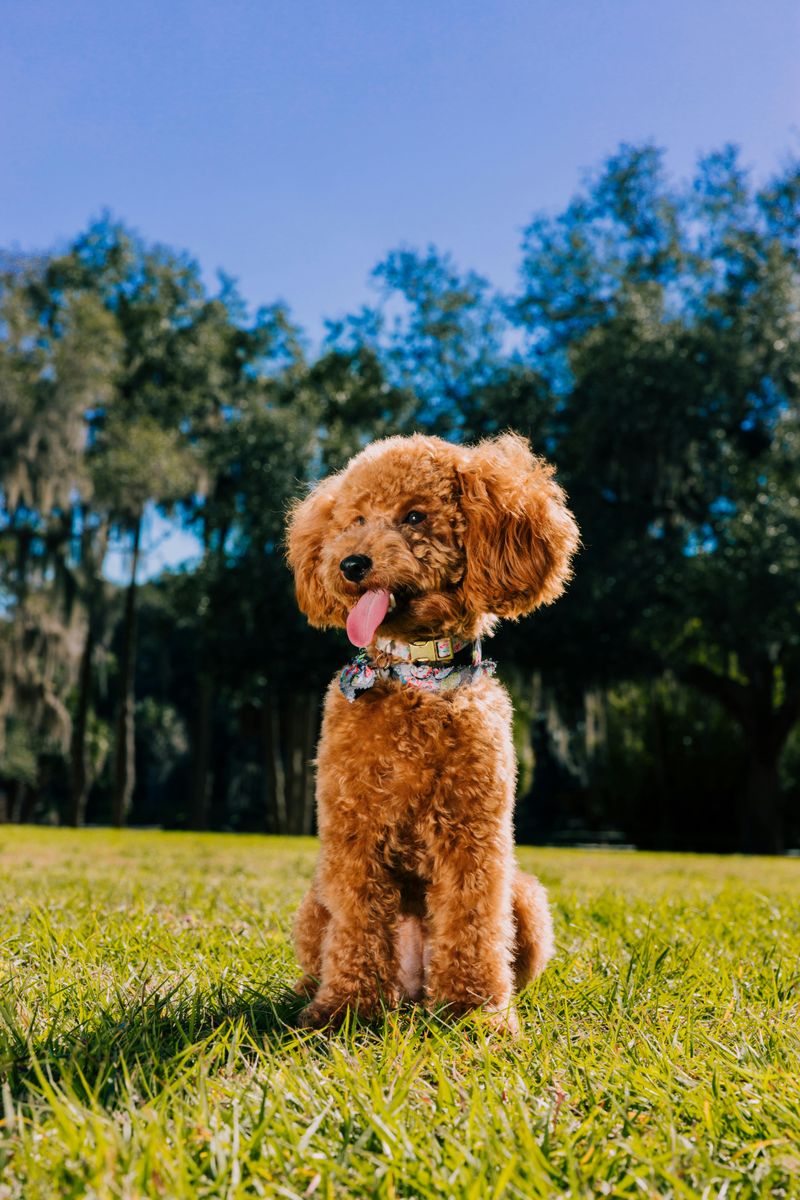
Toy Poodles already sit at the smallest end of the Poodle varieties, making teacup claims tempting bait. Breeding below standard can mean fragile frames, dental overcrowding, and unstable blood sugar.
You want brains and bounce without brittle health.
Seek breeders proving health tests for patellas, eyes, and genetics relevant to the line. Training and enrichment keep these clever dogs content and confident.
Choose steady eaters and avoid ultra-young placement where size seems misleadingly tiny.
Plan for regular grooming and balanced exercise that protects joints. Ask for growth records and realistic adult weight windows.
A well-bred Toy Poodle stays small and spirited without tipping into risk.
Pekingese

Pekingese charm with lion-like coats and big personalities, so teacup ads try to shrink them further. Smaller is not safer here, especially with already short muzzles.
Downsizing can intensify breathing strain, eye injuries, and spinal issues.
Look for open nostrils, moderate faces, and breeders who prioritize airway health. Manage weight carefully and keep activity reasonable in warm weather.
Regular eye checks and coat care are musts for comfort.
Beware of sellers promising travel-sized pups that never outgrow handbags. Ask for adult weight ranges and health guarantees focused on respiratory fitness.
A balanced Pekingese can be compact yet capable, not fragile.
Papillon

Papillons are dainty athletes, and teacup claims risk sapping the agility that makes them special. Going too small can mean brittle bones, patella issues, and confidence problems from over-sheltering.
You want a lively partner who can learn tricks and thrive.
Seek breeders who prioritize structure, temperament, and sport-friendly soundness. Ask about patella exams and how puppies are socialized to build resilience.
Keep coat care simple and focus on mental games that satisfy curiosity.
Steer clear of purse-sized marketing and demand transparent adult weight estimates. Small is fine, but durable is the goal.
A well-bred Papillon stays elegant without losing athletic spark.
Pug
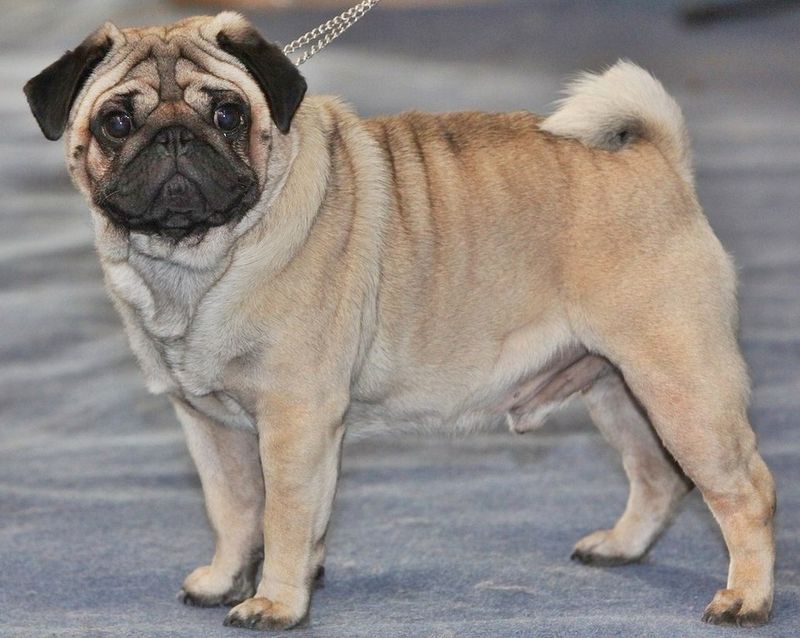
Pugs already face airway challenges, so teacup marketing can be especially risky. Shrinking further may worsen breathing, eye exposure, and spinal issues.
You want snuggly charm with maximum comfort, not more struggle for air.
Choose breeders who prioritize open nostrils, moderate faces, and overall fitness. Keep weight trim, use harnesses, and avoid heat.
Ask for clear adult size expectations and detailed health histories before committing.
Consider adopting an adult whose needs and size are known. Routine vet checks, dental care, and controlled exercise help longevity.
Skip any pitch promising ultra-tiny pugs and focus on easy breathers who can enjoy life.
Dachshund
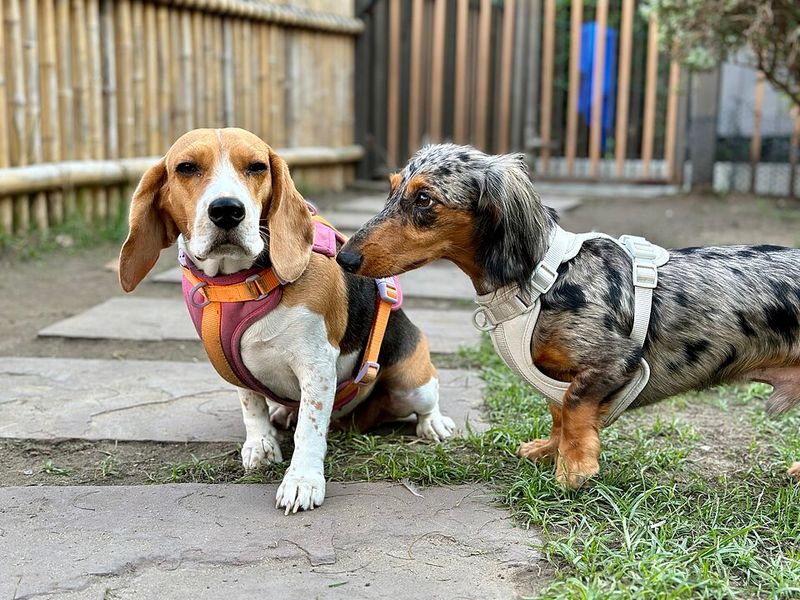
Dachshunds come in miniature and standard, which confuses shoppers when teacup buzz appears. Chasing smaller than miniature can raise back injury risk and general fragility.
You want that bold, curious spirit without extra spinal stress.
Confirm whether a puppy is standard or miniature and ask about family back health. Keep weight lean, use ramps, and avoid jumping from furniture.
Responsible breeders prove sound structure instead of glamorizing extra tiny frames.
Training builds confidence while preventing overprotective behavior. Transparent adult weight ranges and growth records beat vague toy-size promises.
Choose sturdy, well-bred Dachshunds who can explore happily for years.