
Respiratory bugs are making the rounds again, and daycare cough stories are popping up across every dog group. If your pup mingles at daycare, playgroups, or grooming salons, you are probably watching symptoms like honking coughs and runny noses.
Certain breeds keep getting mentioned more often, especially those with compact faces or delicate airways. Here is a quick, practical rundown to help you spot red flags early and talk confidently with your vet.
Boston Terrier
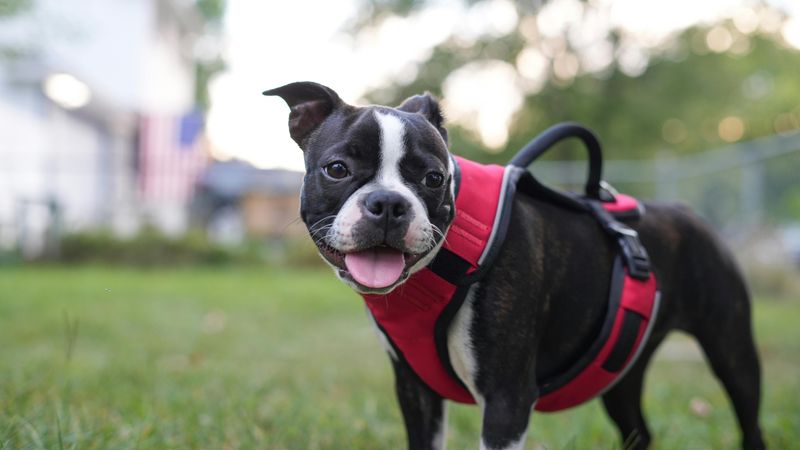
Boston Terriers show up frequently in daycare cough threads because their short muzzles can make airways more sensitive. You might notice snorting, gagging, or a dry hacking cough after busy social weekends.
Early rest, hydration, and vet guidance are your smartest moves if symptoms linger.
Because they are energetic and friendly, they share toys and water bowls readily, which can increase exposure. Keep vaccines current, ask your daycare about ventilation, and request outdoor time when possible.
A lightweight harness can also reduce neck pressure during walks.
If coughing escalates or breathing seems labored, do not wait. Call your vet, describe the onset and any travel or boarding exposure.
Quick care often shortens recovery and prevents complications.
Pekingese
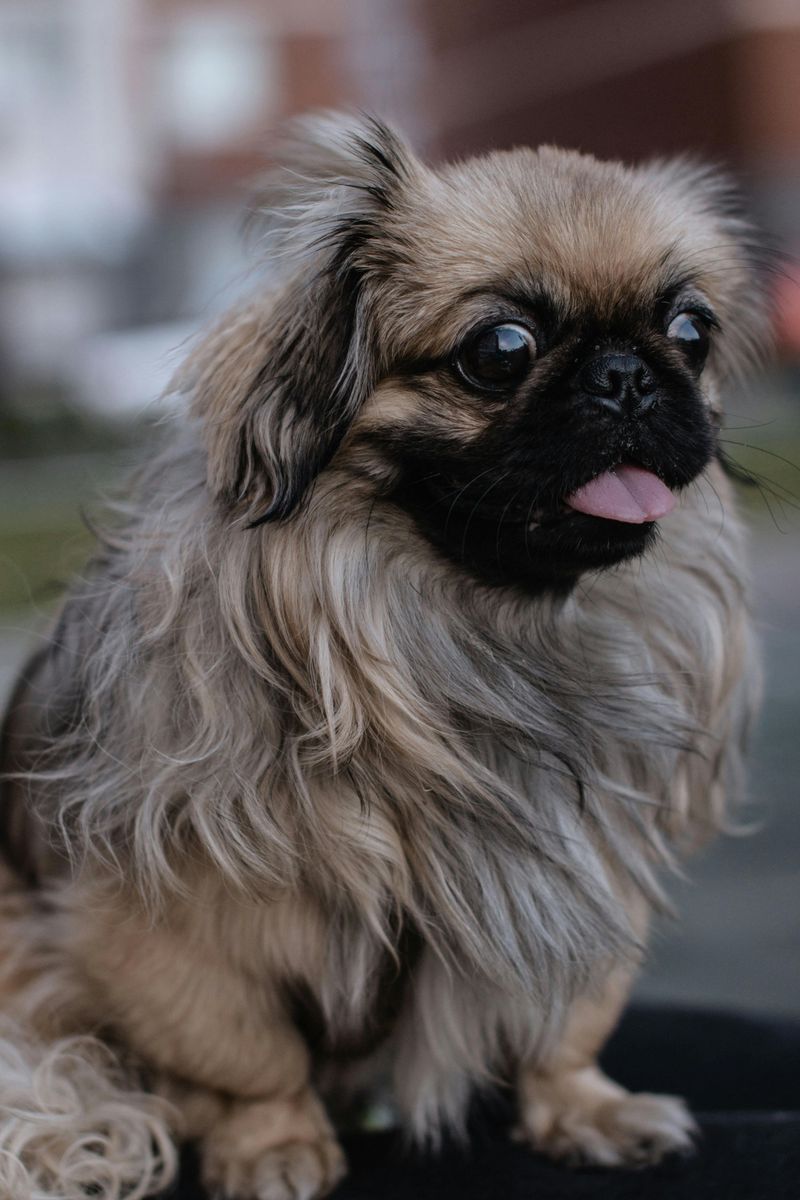
Pekingese have luxurious coats and very short muzzles, which can complicate airflow during colds. In crowds, you may hear snuffles, wheezing, or a goose honk type cough.
Keep activity low if a bug is circulating, and use a humidifier to ease nighttime breathing.
Owners often mention tear staining and nasal discharge together with cough. Wipe the face gently and keep the muzzle area clean to reduce irritation.
Ask your daycare about smaller playgroups, cleaner air zones, and frequent bowl sanitation.
If your Peke tires quickly, seems restless at night, or refuses food, it is time for professional advice. Vets can recommend diagnostics and supportive care.
Preventive steps like vaccines and avoiding smoky spaces go a long way.
Japanese Chin
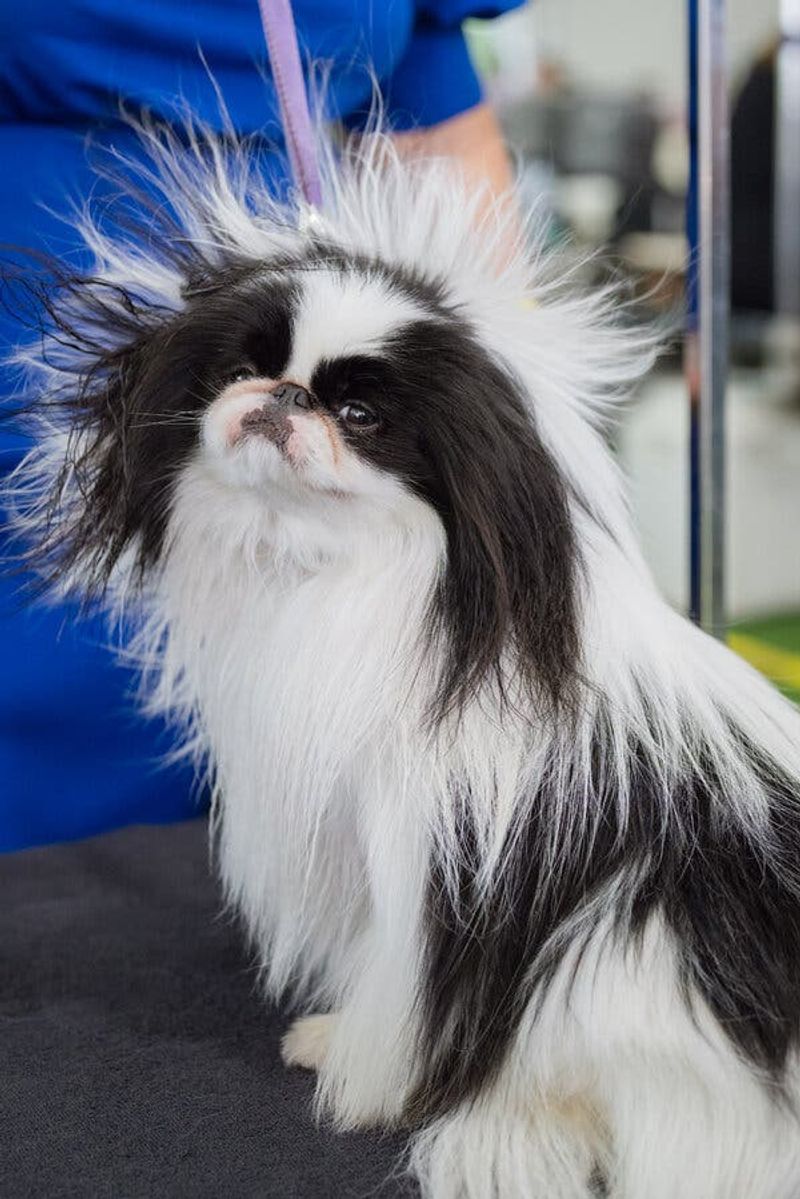
Japanese Chin are delicate companions with refined features and sensitive airways. In busy boarding settings, they can pick up coughs quickly, especially if stressed.
Watch for soft hacking, reverse sneezing, and watery eyes after social days.
Keep outings shorter during outbreaks, and prioritize calm environments. A harness instead of a collar helps keep pressure off the trachea.
Hydration, steam from a warm shower nearby, and rest can make breathing easier.
If you hear persistent coughing beyond two days, or breathing sounds tight, schedule a vet visit. Mention any daycare, grooming, or travel timelines.
Early intervention helps prevent secondary infections and keeps your Chin comfortable.
King Charles Spaniel
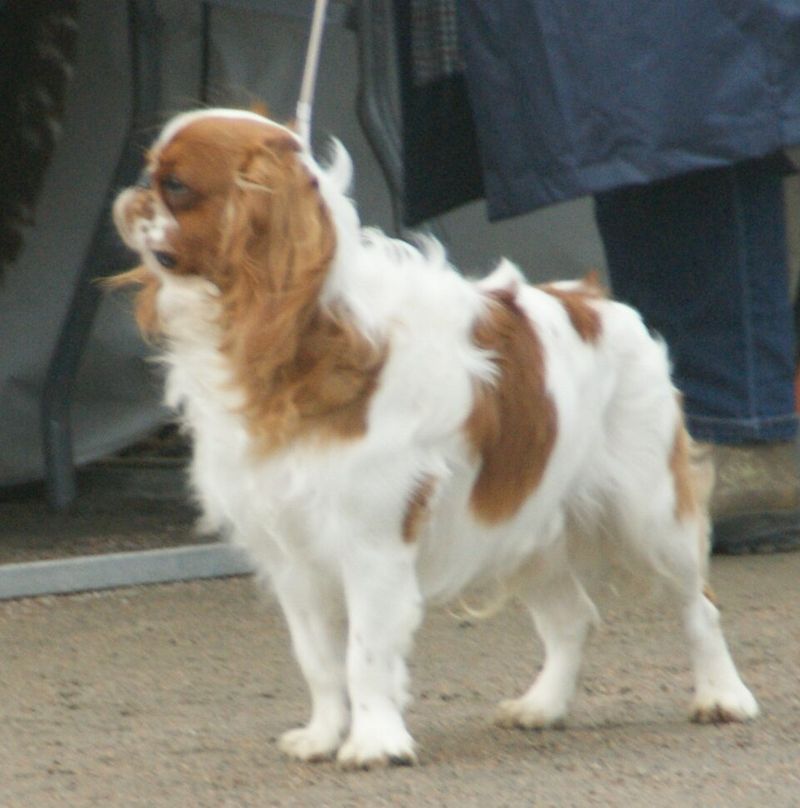
King Charles Spaniels melt hearts, but owners often flag them in daycare cough threads. Their compact skull shape can add airway sensitivity, especially during seasonal bugs.
Look for gentle wheezes, a wet cough, or sudden fatigue after playdates.
Ask facilities about fresh air breaks and separated small dog groups. Keep your spaniel’s vaccines updated and discuss optional preventives with your vet.
Use slow, easy walks while recovering to avoid coughing fits.
Any blue-tinged gums, rapid breathing, or collapse are emergencies. Otherwise, call your vet if cough persists beyond a couple days or appetite dips.
With prompt care, most pups bounce back quickly and safely.
Pomeranian
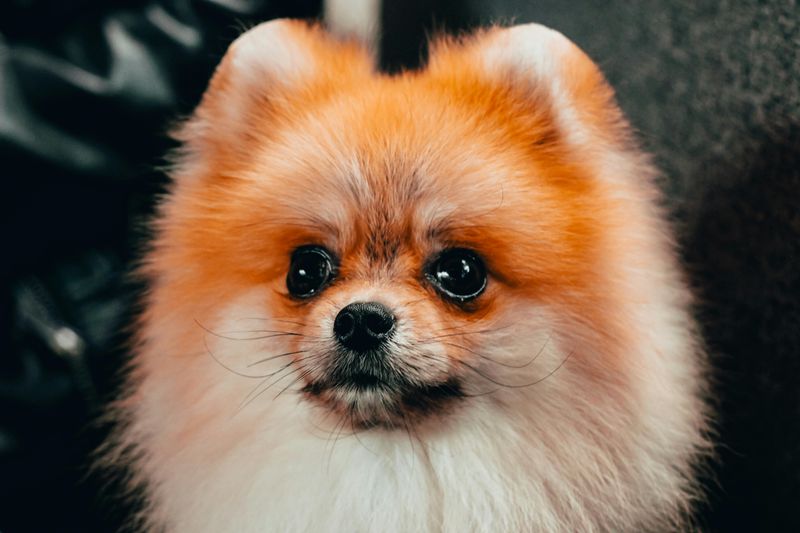
Pomeranians are tiny extroverts who love social time, which can raise exposure to respiratory bugs. Their small tracheas and fluffy coats around the neck may worsen coughing noises.
If you hear a honk or see lip licking after excitement, slow things down and rest.
Keep harnesses snug but not tight to avoid airway pressure. Ask daycares about air filtration, toy rotation, and outdoor play options.
A quiet room and a humidifier can help soothe irritated throats during recovery.
If your Pom seems lethargic, has green discharge, or cough persists, contact your vet. Provide a timeline of outings and any known exposure.
Quick supportive care usually helps these little clouds bounce back fast.
Yorkshire Terrier
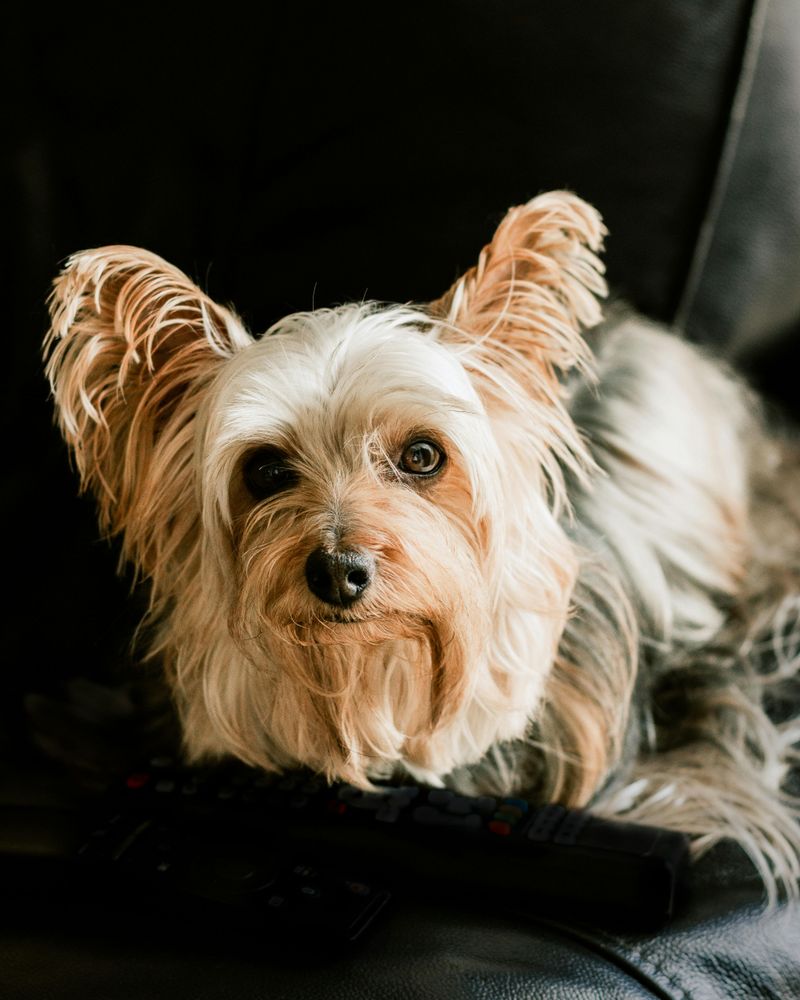
Yorkshire Terriers often get mentioned because their tiny frames can magnify cough sounds. After daycare, you might notice throat clearing, tracheal honks, or reverse sneezing.
Calm routines, fresh water, and avoiding perfume or smoke help reduce irritation.
Use a lightweight harness and keep walks gentle during recovery. Confirm that your daycare separates small dogs and sanitizes bowls regularly.
Vaccination and spacing out big social days can reduce overall exposure.
If coughing continues beyond 48 hours, or your Yorkie refuses meals, call your vet. Provide video of the cough if possible, since sound patterns help diagnosis.
Most cases respond well to rest and guidance.
Maltese
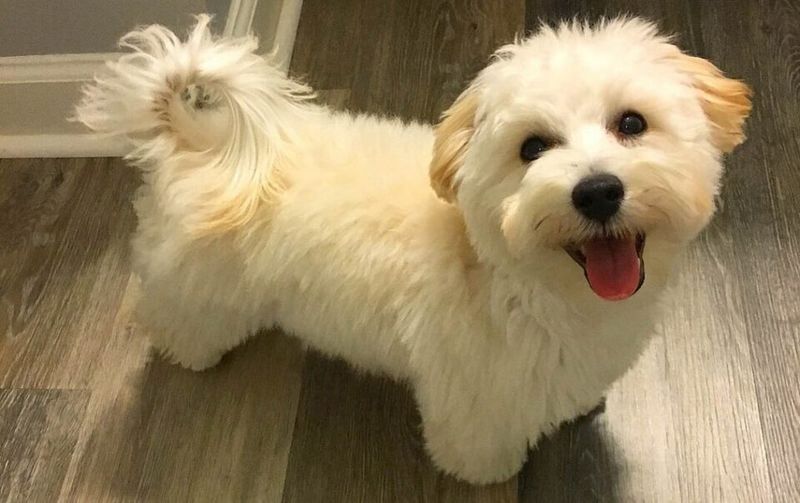
Maltese dogs have gentle temperaments and fine airways, so daycare cough threads bring them up often. If you hear a tickly cough after grooming or group play, ease activity.
A steamy bathroom session can loosen secretions and calm spasms.
Keep the coat trimmed lightly around the muzzle to reduce damp irritation. Ask facilities about air changes per hour and sick-dog policies.
Offer small, frequent drinks to keep the throat comfortable without overexertion.
Call your vet if fever, thick discharge, or breathing effort appears. Share recent travel or boarding dates for context.
With rest, hygiene, and timely care, most Maltese recover swiftly and happily.
Miniature Pinscher
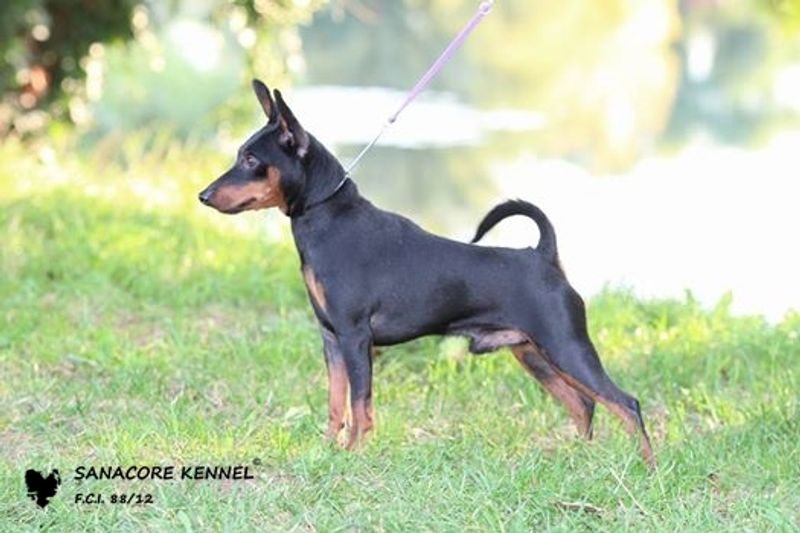
Miniature Pinschers are bold and curious, which can mean nose-to-nose greetings that spread germs. In outbreak chatter, owners cite abrupt, dry coughs after intense play.
Reduce high-octane activities and keep the environment warm and calm while recovering.
A snug coat outdoors and a harness indoors protect the trachea from irritation. Ask your daycare about cohorting dogs and rotating play areas to limit spread.
Fresh water, clean bowls, and toy hygiene matter more than people realize.
Seek veterinary advice if coughing worsens, appetite drops, or breathing becomes noisy at rest. Mention any recent vaccines or medications to guide care.
With smart pacing, your Min Pin can get back to zoomies safely.
Shih Tzu
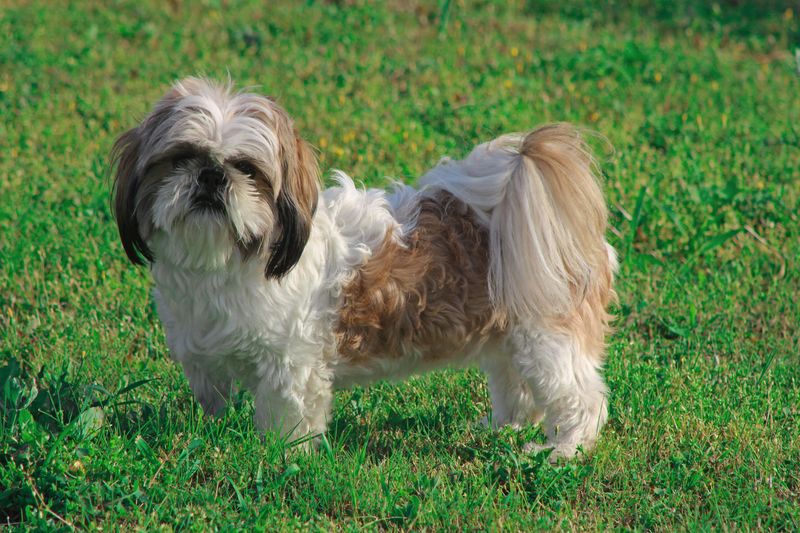
Shih Tzus are affectionate companions with short muzzles and plush coats that can trap heat. In group settings, they are often flagged for coughs that start mild and linger.
Keep rooms cool, use a humidifier, and avoid dusty cleaners while symptoms settle.
Ask daycares to separate brachy breeds during outbreaks and increase fresh air cycles. Keep grooming regular to clear facial folds and reduce irritation.
Short, calm walks help prevent cough flare-ups from excitement.
Call your vet if you hear wheezing, see colored discharge, or notice tiredness. Share a quick symptom timeline for faster decisions.
With early support, most Shih Tzus recover smoothly and return to cuddly routines.
Lhasa Apso
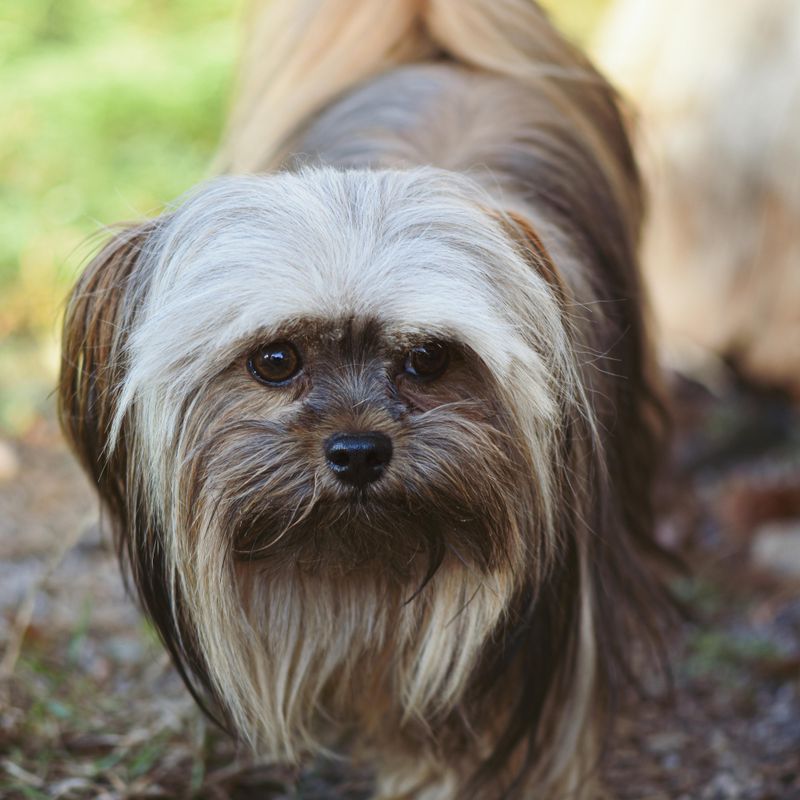
Lhasa Apsos are sturdy yet sensitive around the nose and throat, especially in crowded spaces. Owners report raspy coughs after boarding, often paired with watery eyes.
Slow the pace, keep bedding clean, and use mild steam sessions to soothe discomfort.
Ask your daycare about air filtration, smaller groups, and prompt isolation for coughing dogs. Keep vaccinations updated and schedule playdates during low-circulation weeks.
A padded harness prevents extra pressure on the neck during walks.
If your Lhasa shows labored breathing, skips meals, or cough persists, contact your vet. Bring notes on exposure, timing, and any prior airway issues.
With calm care and early attention, they bounce back confidently.