
Holiday spreads look dreamy to you, but some dogs see a buffet with zero security. If that viral “Holiday Food Hazards” post made you nervous, you are not alone.
Certain breeds are notorious for counter surfing, stealthy swipes, and shameless dessert heists. Here are ten owner-confirmed culprits and how to outsmart them before your gingerbread vanishes.
Beagle
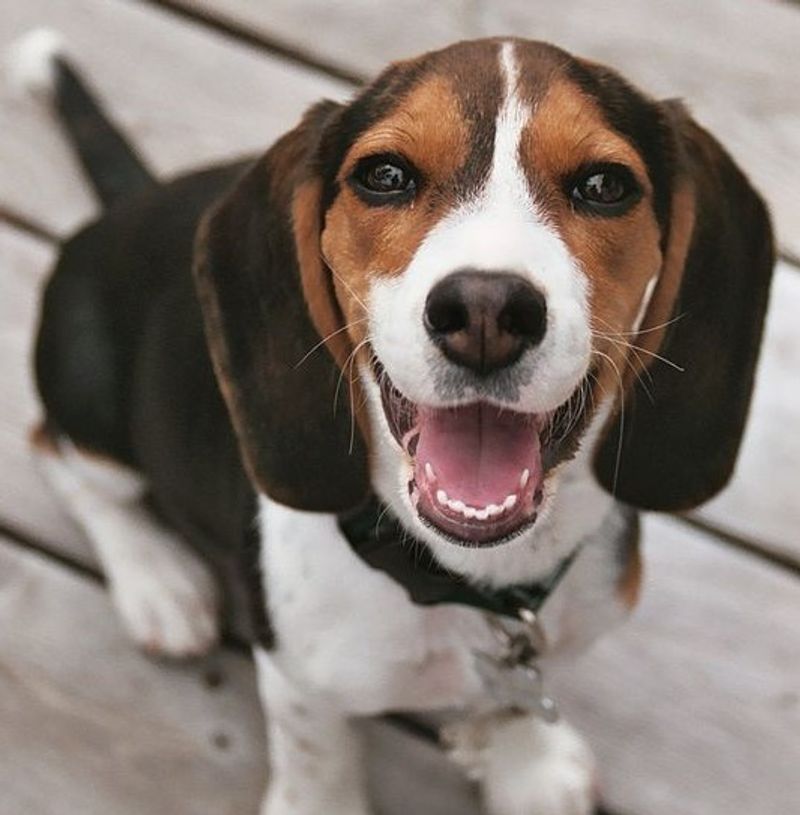
Beagles are scent-driven masterminds with a nose that can find leftovers you forgot existed. If you blink, a Beagle will scout, plan, and execute a snack heist.
That signature bay might even alert you after the crime, as if giving a victory speech.
To outwit this cheerful burglar, keep food sealed, trash secured, and counters cleared. Practice leave-it and reinforce impulse control daily.
Puzzle feeders and snuffle mats are your best friends when you need the nose to work legally.
During holidays, manage doorways, baby-gate the kitchen, and leash during busy prep. Beagles can learn, but routine and structure are everything.
With consistent boundaries, you will keep the pie safe and your hound satisfied.
Basset Hound
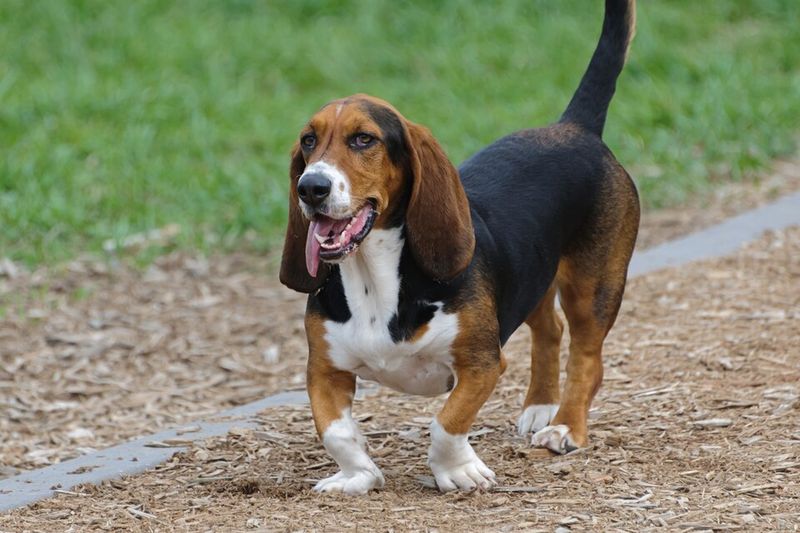
Do not let the short legs fool you. A Basset Hound’s supercharged nose and relentless patience make them strategic snack hunters.
They will wait quietly, then scoop fallen treats or nudge a chair for better access.
Prevention beats scolding. Push chairs in, use covered serving dishes, and employ tall trash cans with locking lids.
Keep a stuffed frozen Kong nearby to trade the urge to roam for a calm chew session.
Teach settle on a mat and reward heavily during meal prep. Guests should be coached not to feed table scraps.
With management and clear rules, your Basset can enjoy the festivities without raiding your cranberry sauce.
Dachshund
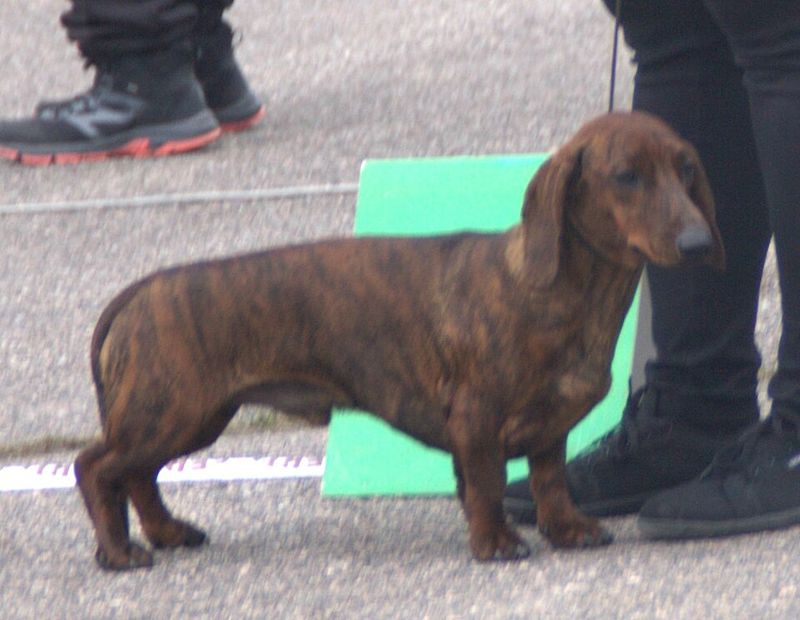
Dachshunds specialize in opportunistic grabs. Their long bodies and bold personalities turn any unattended plate into fair game.
They will tunnel under chairs, leap from ottomans, and stage lightning raids on charcuterie.
To keep peace, elevate snacks and forbid couch picnics. Provide scent games and chew sessions before guests arrive so energy is spent.
Secure chocolate and fatty foods, since pancreatitis risk is real for small breeds.
Teach leave-it and reinforce a rock-solid recall away from temptation. Gate high-traffic snack zones and do frequent crumb sweeps.
With proactive routines and mental enrichment, your Doxie can enjoy the party without pilfering your cookies.
Cocker Spaniel

Cocker Spaniels are sweet charmers with a talent for sneaky sampling. Those soulful eyes can distract you while the nose guides them to unattended platters.
Soft mouths and quick paws make them precise nibblers rather than smash-and-grabbers.
Set boundaries early: kitchen closed during cooking, food off low tables, and chairs tucked in. Reward calm behavior on a station or bed.
Use interactive feeders to turn mealtime into a task that tires the brain.
Train leave-it and trade, practicing during mild distractions before holiday chaos. Brief exercise before guests arrive reduces restless foraging.
With consistency and structure, your Cocker will skip the swipe and settle beside you, ears clean and conscience clear.
English Springer Spaniel

Springers are athletic, clever, and fast, which makes them expert counter surfers. They can pop up, scan for targets, and bounce away before you exhale.
Combine that with a love of human attention and you may see theatrics around snacks.
Prevent access with closed doors, crates during heavy prep, and strict no-food-on-coffee-tables rules. Exercise and scent games drain the “search and retrieve” instinct.
Reinforce place command with high-value rewards.
Practice leave-it using real-life setups and immediate reinforcement. Coach visitors to avoid feeding from plates.
When structure and training meet Springers’ enthusiasm, dessert stays intact and the dog gets praise, not trouble.
Labrador Retriever
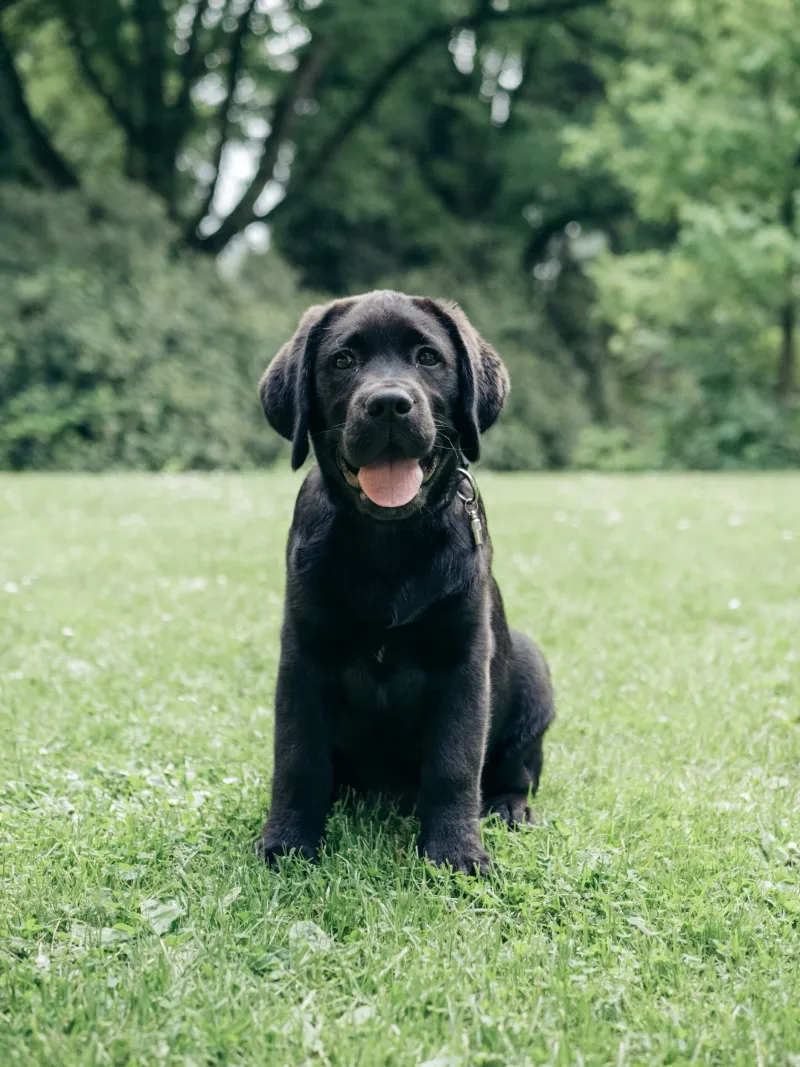
Labs are lovable vacuum cleaners with a doctorate in food motivation. If calories exist in the room, a Labrador will map the route there.
Their height and strength make counter raids dangerously effective and lightning fast.
Management is step one: closed kitchens, cleared counters, and child-locked trash. Give heavy chew sessions and structured fetch before guests arrive.
Use a place mat to anchor calm behavior during serving.
Train leave-it with jackpots and proof around real table settings. Politely redirect the Labrador to a stuffed Kong at mealtime.
With mental work and consistent rules, your Lab can channel that appetite into good choices rather than turkey theft.
Golden Retriever
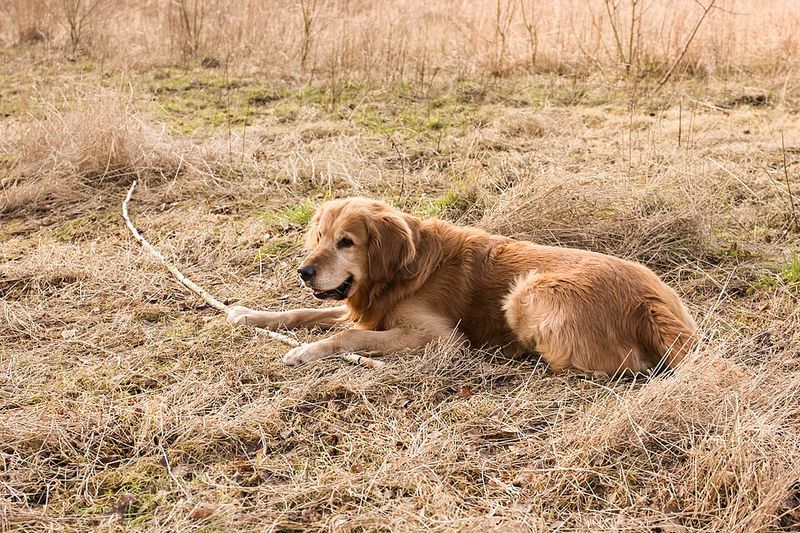
Goldens are polite but opportunistic. They will wait until you chat with Aunt Linda, then float by and snag a roll like it asked permission.
Their sweetness hides smart problem-solving that makes unattended snacks vulnerable.
Preempt mistakes with clear boundaries: no access to dining rooms during plating, and food set on higher surfaces. Reinforce stationing and duration stays with calm praise.
Provide long-lasting chews during peak temptation times.
Practice leave-it and reward with better options, like a favorite tug. Keep guests from encouraging begging.
With gentle structure and consistent training, your Golden will stay angelic while your cookies remain safely untouched.
Flat-Coated Retriever
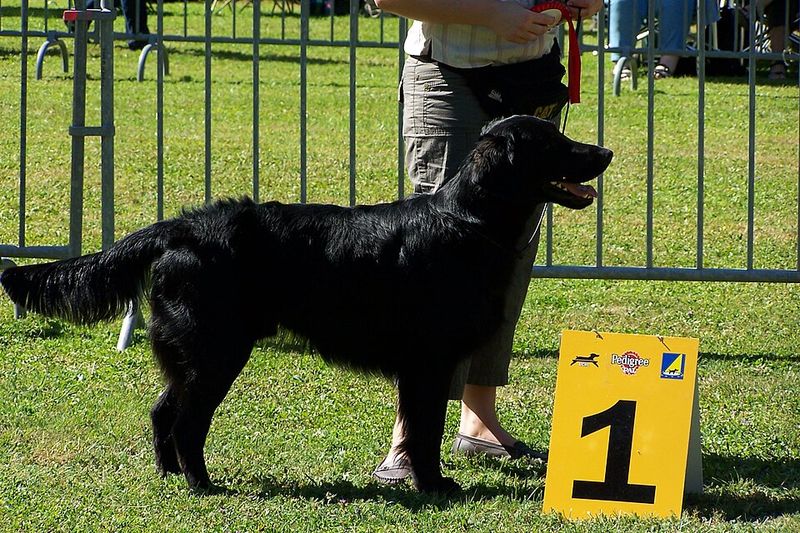
Flat-Coats bring joyful chaos and a prankster streak that spells danger for unattended appetizers. They are tall, athletic, and curious, so counters become treasure islands.
Expect stealthy approaches followed by playful zoomies celebrating the score.
Channel that energy with vigorous exercise and brain games before gatherings. Use strategic management: closed doors, cleared surfaces, and crate breaks to reset.
Reward calm behavior on a mat within view of the action.
Train impulse control with leave-it and proof around real food setups. Offer stuffed chews during mealtimes to occupy the mouth.
With structure and engagement, your Flat-Coat can party responsibly while your platter stays pristine.
Brittany
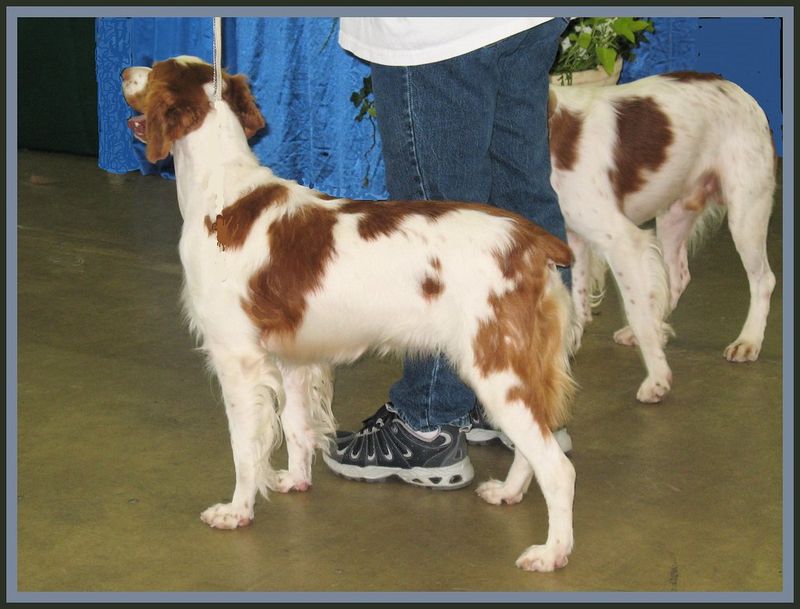
Brittanys are lively athletes with quick minds and quicker feet. If a plate sits near the edge, a Brittany may snag it between zooms.
Their curiosity and endurance mean they can patrol the perimeter for hours, hunting crumbs like game birds.
Prevention starts with exercise that satisfies the working brain. Use scent games to tire the nose and settle the body.
Enforce kitchen boundaries and reward a solid settle on a mat.
Practice leave-it with escalating difficulty, then generalize around guests and noise. Keep serving areas centralized and high.
With routine, enrichment, and consistent cues, your Brittany can keep holiday energy fun without raiding the snack table.
Rat Terrier
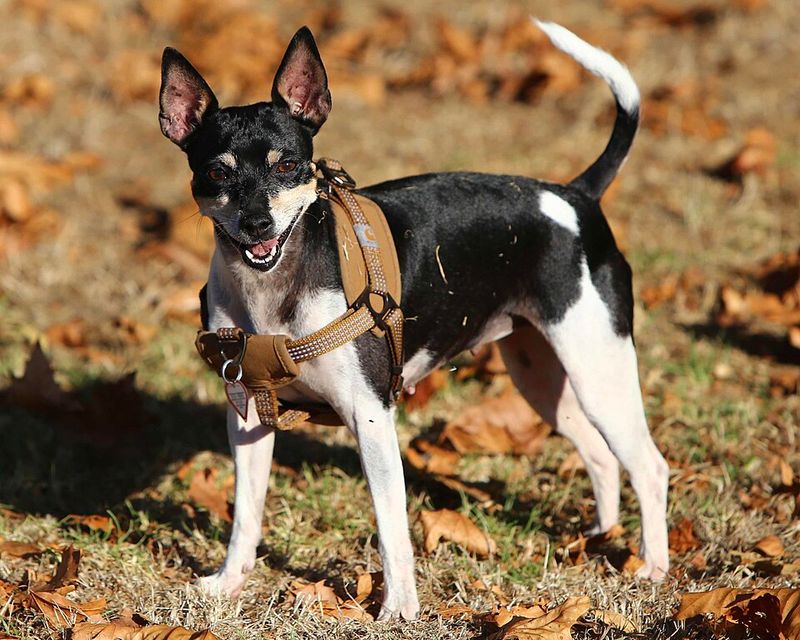
Rat Terriers are tiny parkour artists with huge ambition. They climb, leap, and brainstorm routes to edible targets.
Their sharp problem-solving makes low coffee tables and chair-backed counters risky zones.
Manage the environment first: push-in chairs, covered dishes, and locked trash. Rotate puzzle toys and provide structured fetch to burn brain and body energy.
A flirt pole session before dinner works wonders.
Teach leave-it and reward calm focus away from food prep areas. Practice stationing on a raised bed to discourage prowling.
With consistent routines and smart enrichment, your Rat Terrier can channel that cleverness into games rather than pie theft.