
Every time the breed standards vs welfare debate flares up, the same beloved faces get dragged into the spotlight. You care about dogs, and you want them healthy, happy, and still recognizable as the breed you love.
The tension lies in where we draw the line between tradition and well being. Let’s look at the breeds that always ignite the strongest arguments and what responsible choices might look like for each.
Cavalier King Charles Spaniel
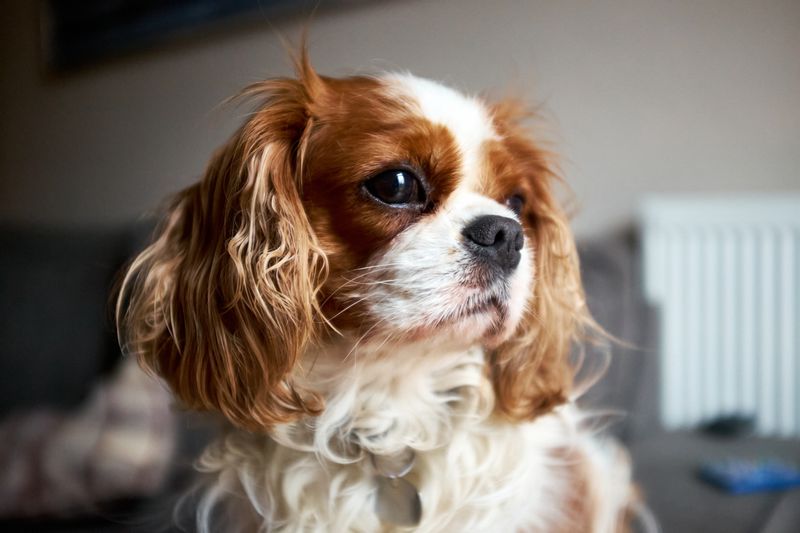
The Cavalier’s soulful eyes and gentle nature make people fall hard, fast. Yet those same large eyes and refined skull shape can intersect with syringomyelia risk and heart disease worries, especially mitral valve disease.
You hear about screening, but what does that actually look like in practice?
It means breeders using cardiology exams, MRI screening programs, and choosing mates with later onset murmurs. It means you asking for health certificates, not just pedigrees.
Beauty in this breed should include longer muzzles, clear breathing, and strong heartlines.
When standards reward moderation and health test transparency, Cavaliers thrive. You still get the affectionate companion you imagined, just with better odds for a full, comfortable life.
That balance is the real win.
Shar Pei
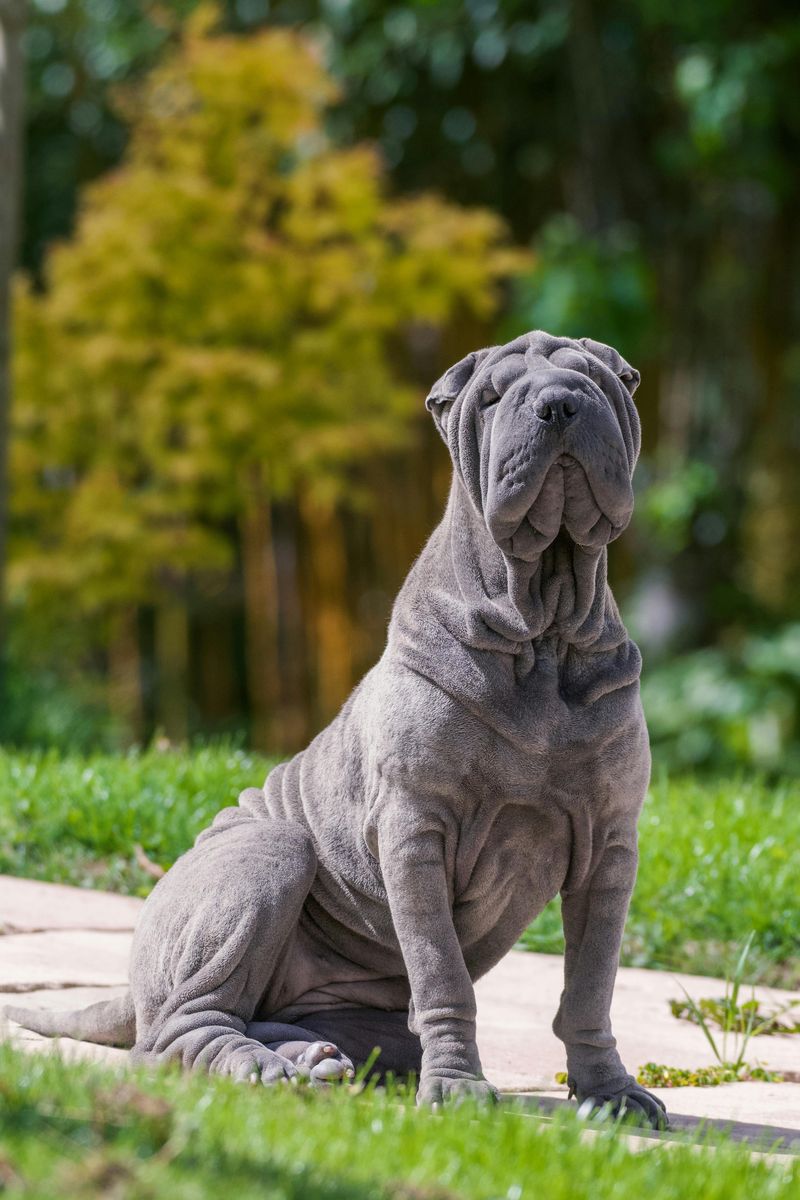
The Shar Pei’s signature wrinkles and blue black tongue look unforgettable. But stacked folds and tight tailset can mean skin infections, entropion, and painful eye irritation.
You can still love the wrinkled look while advocating for less extreme skin and better eye health.
Ask breeders about entropion free lines and surgical histories. Look for dogs with mobile skin, clear eyes, and easy movement.
A moderate standard keeps character without sacrificing comfort.
Good nutrition, consistent skin care, and early vet checks make a real difference. When you choose moderation, your Shar Pei spends more time playing and less time medicating.
That shift honors the breed’s uniqueness while putting welfare first, right where it belongs.
Neapolitan Mastiff
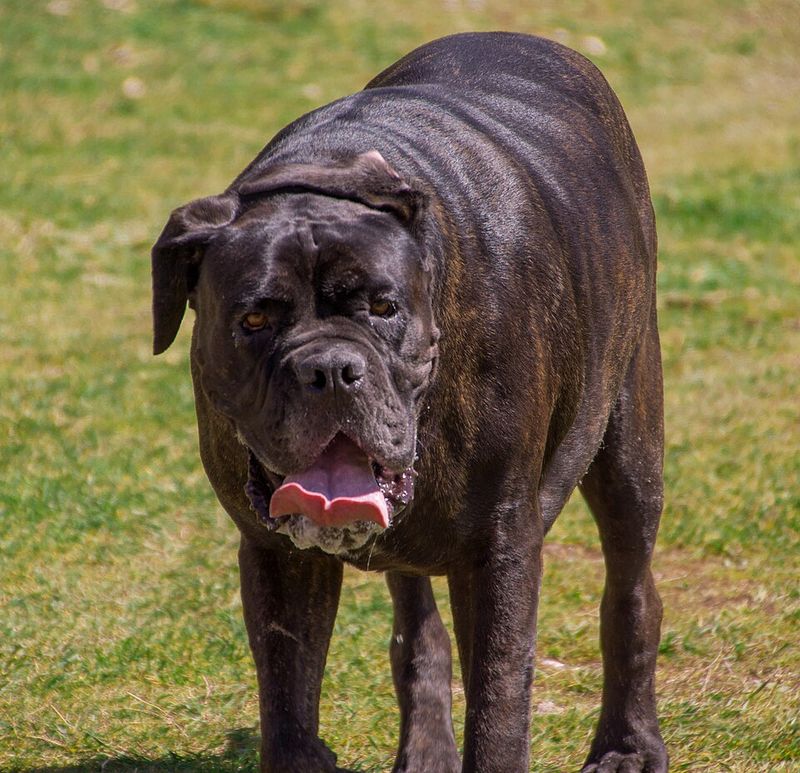
The Neapolitan Mastiff is a living sculpture, all presence and power. Excessive skin folds and heavy mass, however, can edge into eye troubles, skin infections, orthopedic strain, and shortened stamina.
You want the grandeur without the constant discomfort.
That means prioritizing strong pasterns, sound hips and elbows, and manageable skin. Ask for health testing results and proof of functional movement in real life.
Watch the dog trot and turn, comfortably and confidently.
Moderation keeps the Neo’s noble look while honoring its working heritage. Fewer folds can mean clearer vision and cleaner skin.
The result is a guardian who can move, breathe, and age with dignity, exactly how the breed deserves to live.
Dogue de Bordeaux
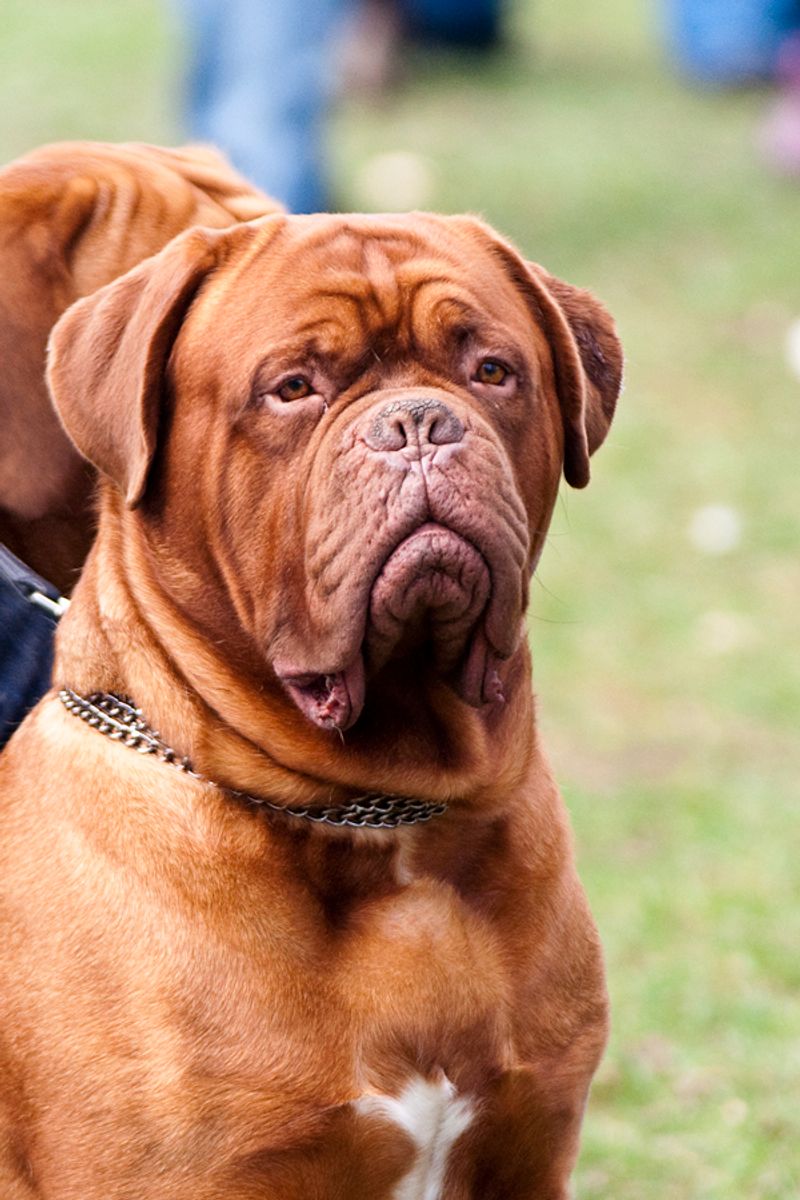
The Dogue de Bordeaux brings a lionhearted look and a famously loyal temperament. Yet extreme head bulk, looseness, and poor structure can steal years through breathing issues and orthopedic disease.
You can protect that gentle giant vibe by insisting on function first.
Seek breeders who hip and elbow score, cardiac test, and maintain moderate head type. Watch for clean movement and a fit, muscled frame, not just a massive one.
Ask about longevity in the pedigree.
This breed’s magic is calm courage, not exaggeration. Balanced dogs still look unmistakably Bordeaux while enjoying daily walks and comfortable sleep.
When welfare guides selection, the legend remains, only healthier, happier, and much more resilient for the long haul.
Pekingese
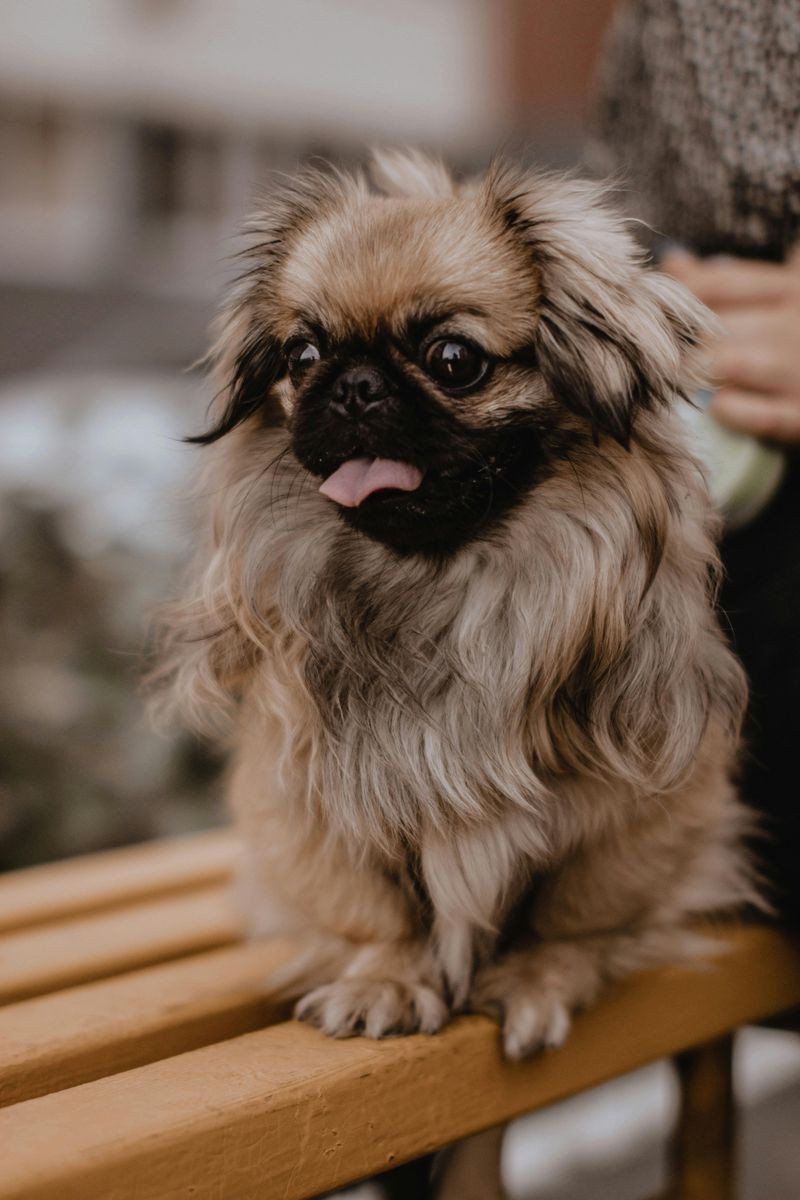
The Pekingese radiates royal charm with a cloudlike coat and a bold little heart. Still, ultra short muzzles, heavy coats, and prominent eyes raise risks of heat intolerance and corneal injury.
You can aim for the same aristocratic carriage with more breathability and eye safety.
Look for open nostrils, visible muzzle, and good scleral protection. Grooming that avoids overhanging facial hair helps, too.
Ask about patella checks and eye screenings before you commit.
Balanced Pekes still float across the floor with that signature confidence. What changes is their ability to enjoy longer walks and summer days with less stress.
Health forward choices make the breed’s elegance sustainable for real life together.
Pug
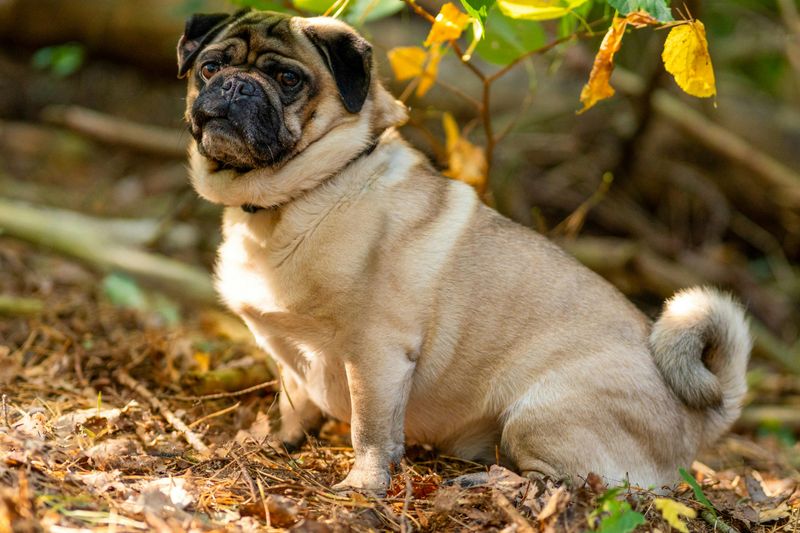
Few faces spark joy like a Pug’s, and that cheer is contagious. But short muzzles and tight airways can mean snoring, exercise intolerance, and surgical fixes.
You can still adore the wrinkles while choosing clearer breathing and sensible body condition.
Ask about BOAS grading, nares and palate evaluation, and fitness of parents. Seek puppies from lines that tolerate heat and activity.
Keep your Pug trim to reduce respiratory load.
Moderation preserves charm without the struggle. With better airflow, play lasts longer and recovery comes quicker.
That means more shared adventures and fewer clinic visits, aligning love for the look with love for the life inside it.
English Bulldog

The English Bulldog is iconic, instantly recognizable, and endlessly friendly. Yet the package often includes BOAS, skin fold dermatitis, dental crowding, and joint strain.
You can advocate for the same bulldog spirit in a more functional body.
Search for breeders who prioritize airway health, tail conformation, and movement. Ask about C section rates, exercise tolerance, and independent vet assessments.
Keep expectations centered on daily comfort, not extreme features.
When the standard rewards athleticism and clear breathing, Bulldogs thrive. They still beam that clownish warmth, only with more stamina and fewer procedures.
Choosing welfare first lets the breed’s humor shine through a longer, happier life by your side.
French Bulldog
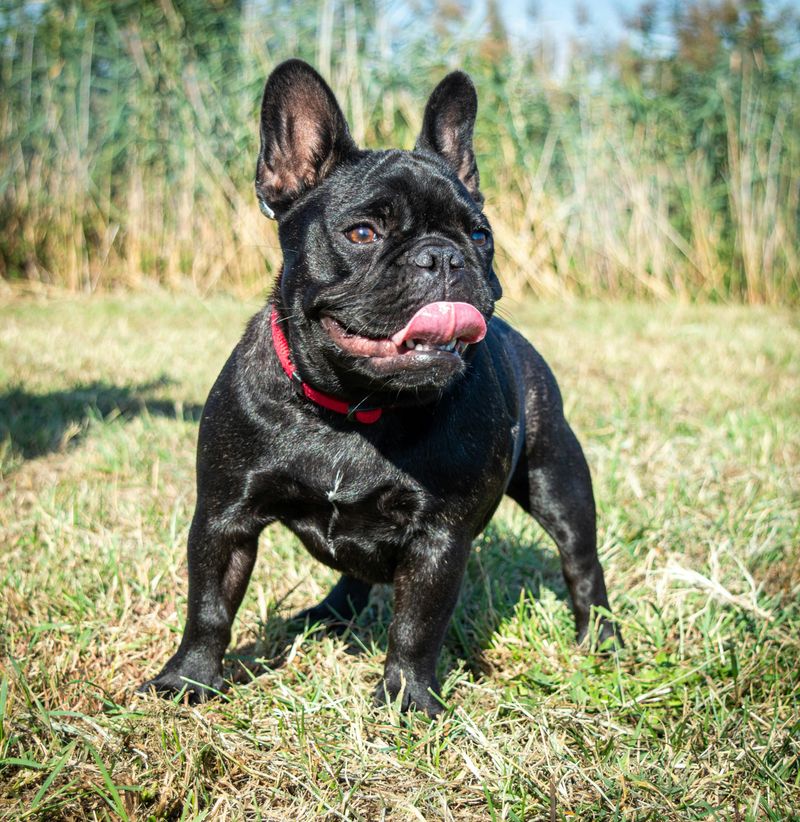
Frenchies rule social feeds for a reason, but popularity magnifies health risks. Short muzzles, tight nostrils, and compact spines can add up to airway problems and back pain.
You still get that comedian personality by choosing healthier structure.
Look for open nostrils, longer muzzle, and strong, straight topline. Ask for BOAS assessments and spine imaging where possible.
Avoid extreme compactness in favor of free movement and heat tolerance.
A fit Frenchie can romp, train, and nap without noisy struggle. When you choose breathing room over fashion, life together gets easier and safer.
The breed keeps its charm while gaining comfort, which feels like the best kind of progress.
Boston Terrier
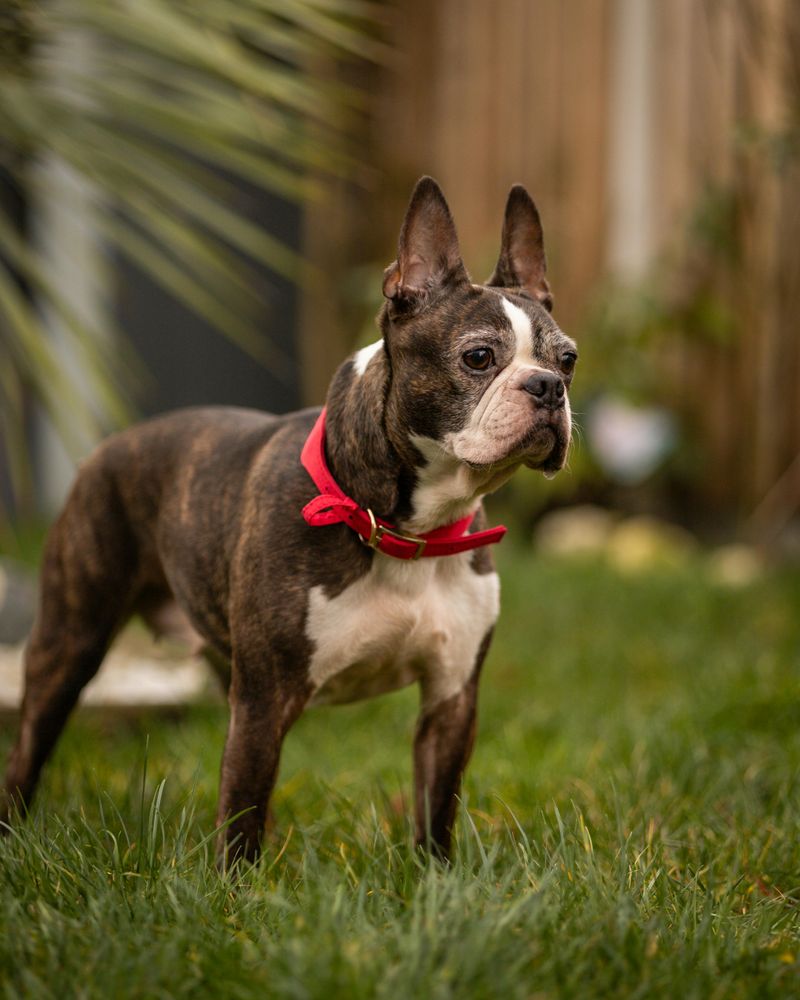
The Boston Terrier’s tuxedo look and witty spark never fail to win hearts. Still, brachycephaly brings risks like stenotic nares and breathing fatigue, especially in heat.
You can favor athletic outlines without losing that dapper style.
Seek breeders measuring nares, palate length, and exercise tolerance. Eye protection matters, so aim for good eyelid fit and responsible play surfaces.
Keep body condition lean to support lungs and joints.
Balanced Bostons keep the charm while gaining everyday ease. You will notice longer play sessions and quieter rest.
That shift reflects a standard that values health as much as tradition, making the tux look even more timeless.
Boxer
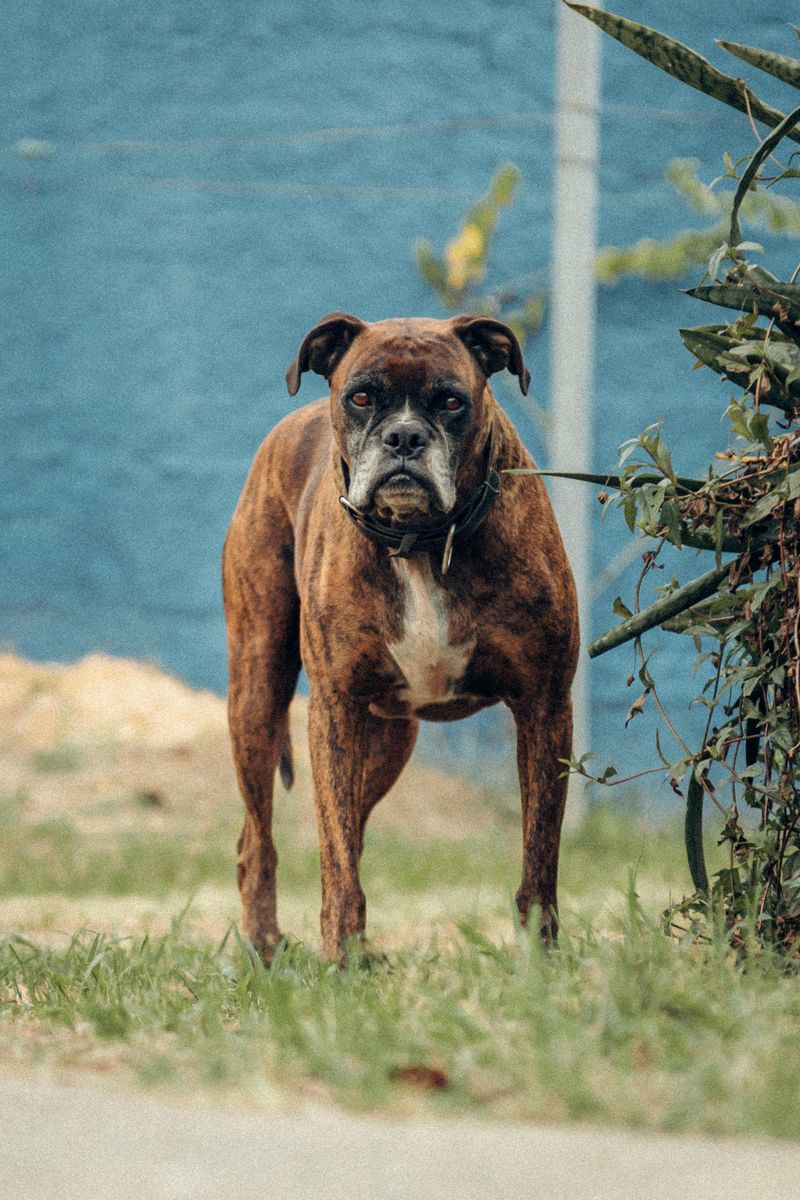
The Boxer is a joyful athlete, all heart and springy steps. Concerns cluster around cardiomyopathy, some cancers, and occasionally tight muzzles affecting airflow.
You can keep the breed’s zest while pushing for robust health screening.
Ask about echocardiograms, Holter monitoring, and genetic tests for arrhythmias. Evaluate stride and stamina, not just head type.
A lean, muscular outline supports longevity and happy work.
With transparent testing and moderate features, Boxers shine. They box the air, chase the ball, and settle easily at home.
That healthy equilibrium keeps the clownish spirit intact while giving your companion the best chance at a long, vibrant life.