
You have probably noticed more bright patches and bold leashes that say Do Not Approach on dogs lately. The trend sparks debate, from training tools to social warnings, and no one fully agrees on the reason.
Some say it protects sensitive dogs and their people, others argue it fuels stigma. Here is a level headed look at the breeds most often seen wearing it, and what that might really mean for you on a sidewalk encounter.
Dutch Shepherd
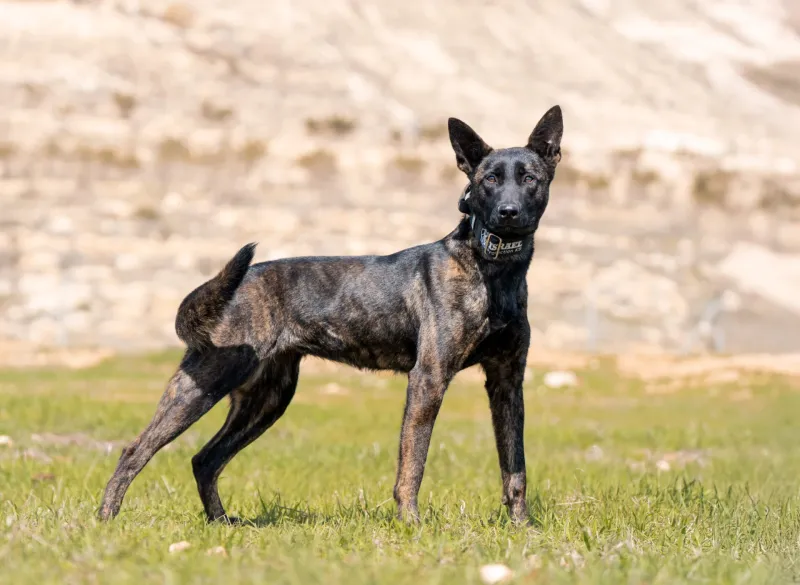
You spot that brindle coat and laser focus and immediately sense a working brain in motion. Dutch Shepherds excel at tasks and thrive with structure, which can make random greetings stressful for them.
The Do Not Approach gear often means the dog is training, managing reactivity, or simply needs space to succeed.
Give clear distance, avoid direct eye contact, and do not test their impulse control. If you are intrigued, ask the handler before approaching.
Respecting that boundary helps the dog associate the world with safety, not pressure.
When given room, these dogs shine as partners. The message is not unfriendly.
It is a cue to help everyone win.
Belgian Laekenois
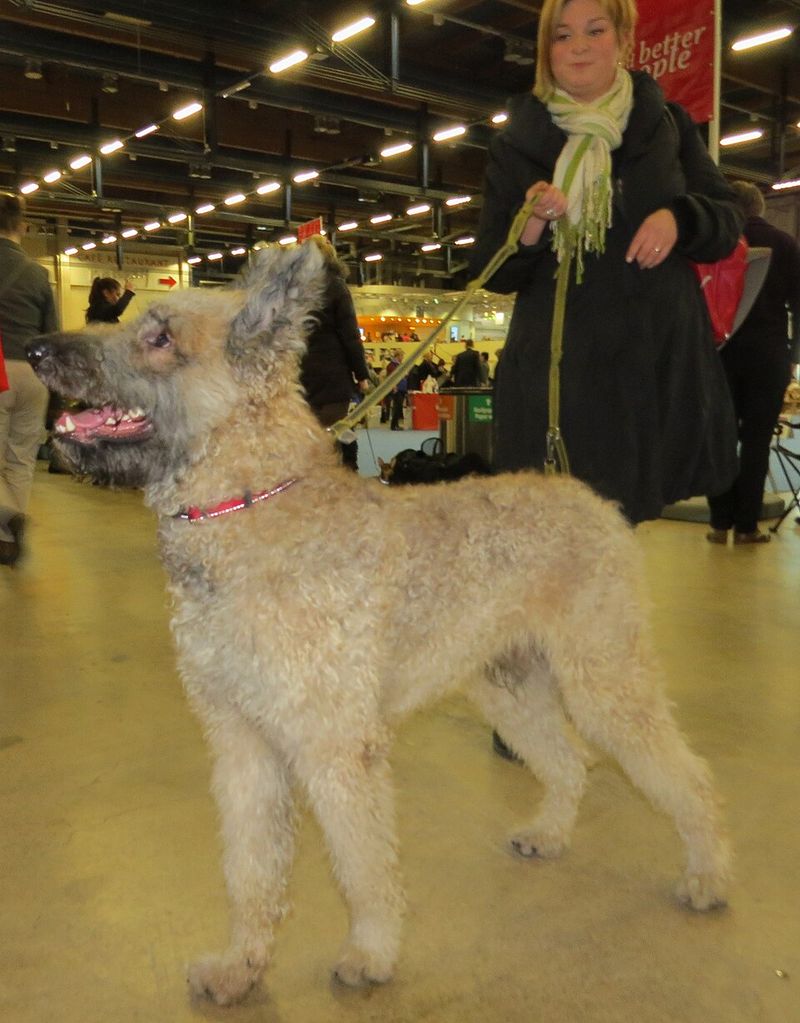
The Laekenois is the rare, rough coated cousin in the Belgian family, clever and sensitive. Many are active in sport or protection work, so surprise greetings can derail training or create conflict.
Do Not Approach on this breed often signals a dog focused on a job who needs predictable space.
Stand back, speak to the person first, and avoid leaning over the dog. Quick movements or squeaky voices can overwhelm a thoughtful mind.
If invited, approach calmly from the side and let the dog choose contact.
These dogs read micro signals. Your patience can flip a wary moment into a positive experience.
Space is not rejection, it is respect for a working partner.
Giant Schnauzer
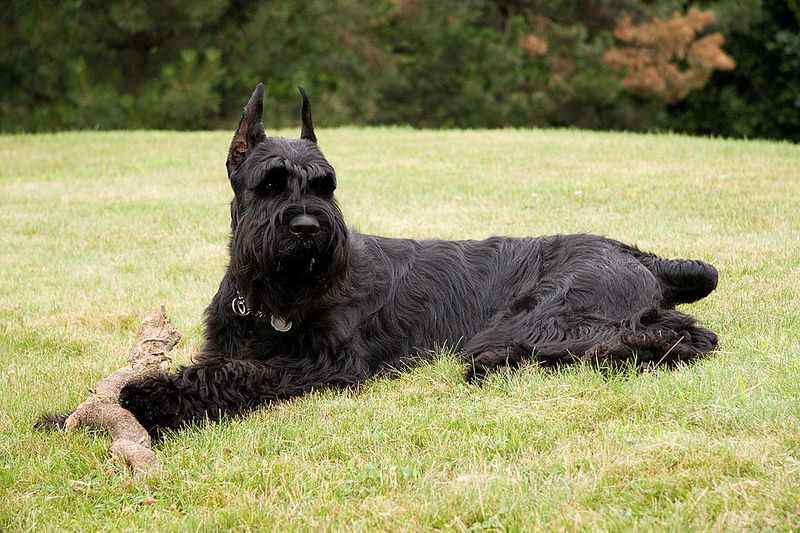
Big body, bigger opinions. Giant Schnauzers are powerful, intelligent guardians who learn patterns fast.
The gear often warns that the dog is in training, on duty, or managing excitability that strangers can accidentally trigger.
Hold your distance, especially with children who want to pet the beard. Ask the handler and wait for instructions, because impulse heavy greetings can feel like a challenge.
Calm posture and a neutral voice help this breed settle.
These dogs want jobs and boundaries. When those are honored, they are magnificent partners.
Space creates success, and your respect keeps the situation controlled for everyone around.
Beauceron
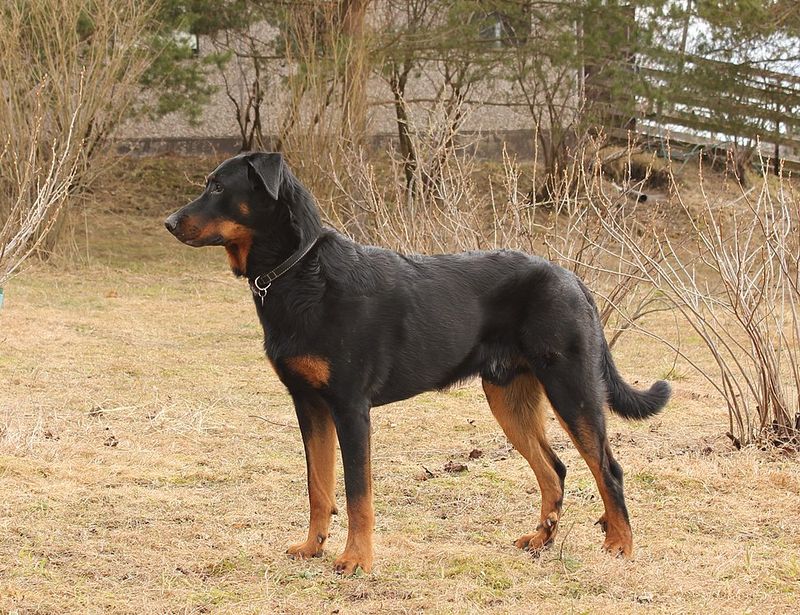
Elegant and serious, the Beauceron is bred to move flocks and make decisions. That independence can clash with random social pressure in crowded spaces.
Do Not Approach usually means the handler is shaping focus and neutrality, not fear.
You help by staying out of the dog’s bubble and avoiding direct reach overs. Speak to the person first, and if invited, turn your body slightly to reduce frontal pressure.
Keep movements slow so the dog can read your intent.
With room to breathe, this breed shows wonderful steadiness. Respect is the currency.
Your restraint tells the Beauceron you understand working dogs.
Rhodesian Ridgeback
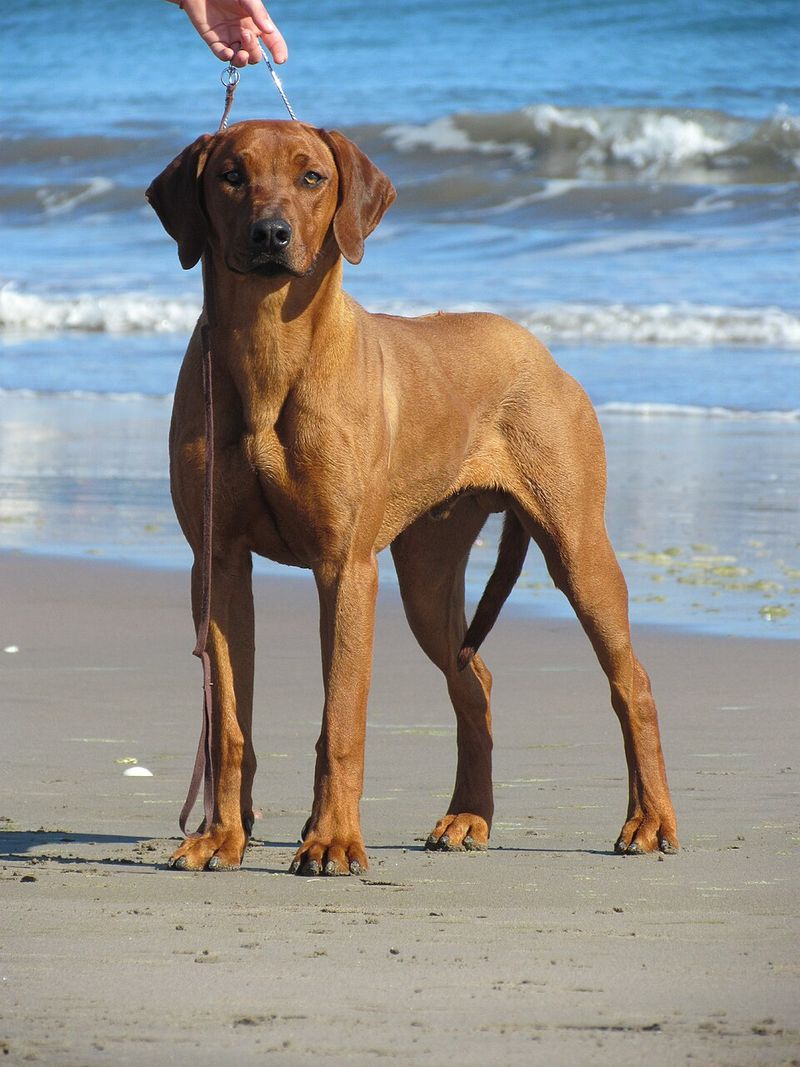
Ridgebacks are dignified hounds with strong prey drive and a reserved streak. Many do not appreciate surprise hugs or fast approaching dogs.
A Do Not Approach bandana usually protects their space while allowing a peaceful outing.
Pause at a distance, use a relaxed voice, and let the handler guide any interaction. Avoid jogging straight at them or offering treats without permission.
Their confidence grows when strangers are polite about boundaries.
When respected, they can be affectionate and steady. The sign is not about meanness, it is about preference and safety.
Think of it like knocking before entering someone’s room.
Akita
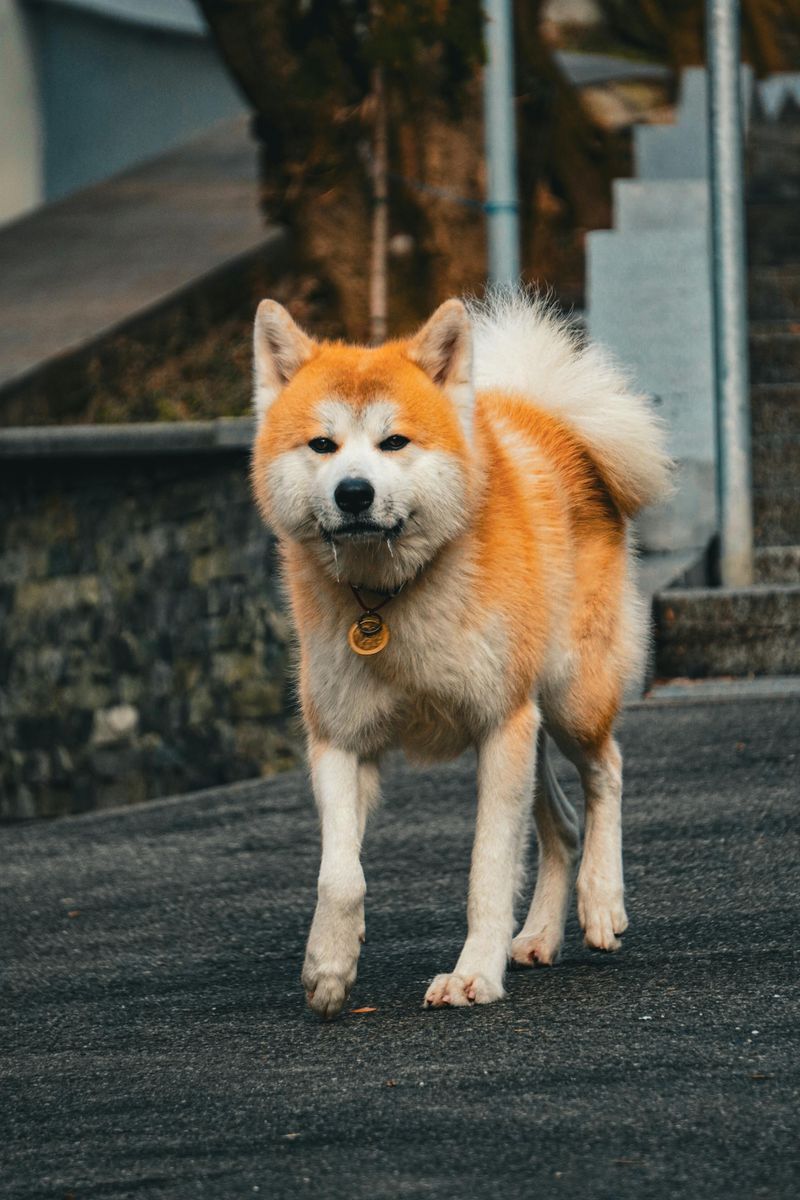
Akitas tend to be loyal and selective, sometimes aloof with strangers. Many are same sex sensitive with other dogs, which can create tense greetings.
Do Not Approach often means the handler is preventing pushy interactions and advocating for safety.
Give extra space, especially with face to face dog meetings. Do not reach over the head or crouch into their personal zone.
Ask first and follow instructions carefully, because clarity keeps everyone comfortable.
Handled thoughtfully, Akitas are calm companions. Your restraint helps them stay neutral in public.
The message signals boundaries, not hostility, and it deserves your respect.
Cane Corso
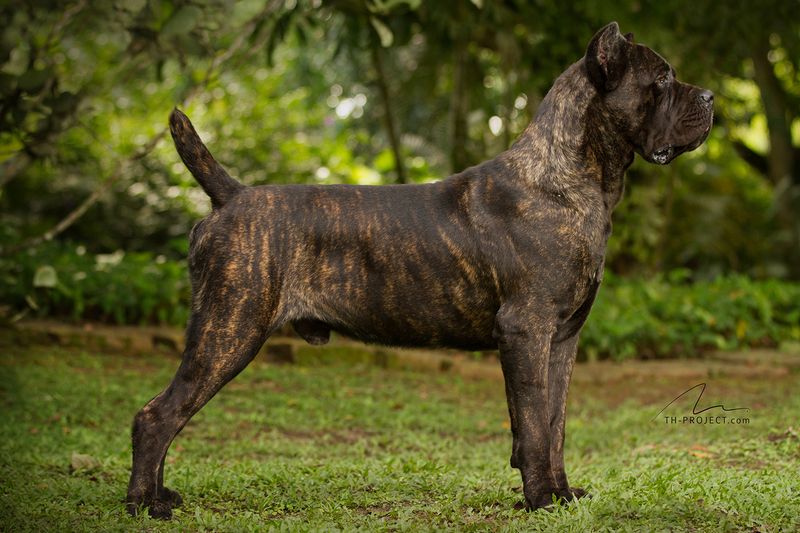
The Corso’s presence alone draws attention, but this guardian breed values clear rules. Many are in active training to remain neutral around strangers and other dogs.
Do Not Approach helps filter impulsive greetings that could overwhelm or confuse the dog.
Keep your path wide, avoid staring, and let the handler cue any interaction. Sudden touch or high energy chatter can create unnecessary tension.
If invited, stand sideways, speak softly, and let the dog sniff on their terms.
With boundaries, Corsos are steady and thoughtful. Your respect turns a potentially stressful pass by into a smooth one.
Space is a kindness to a powerful, sensitive mind.
Rottweiler
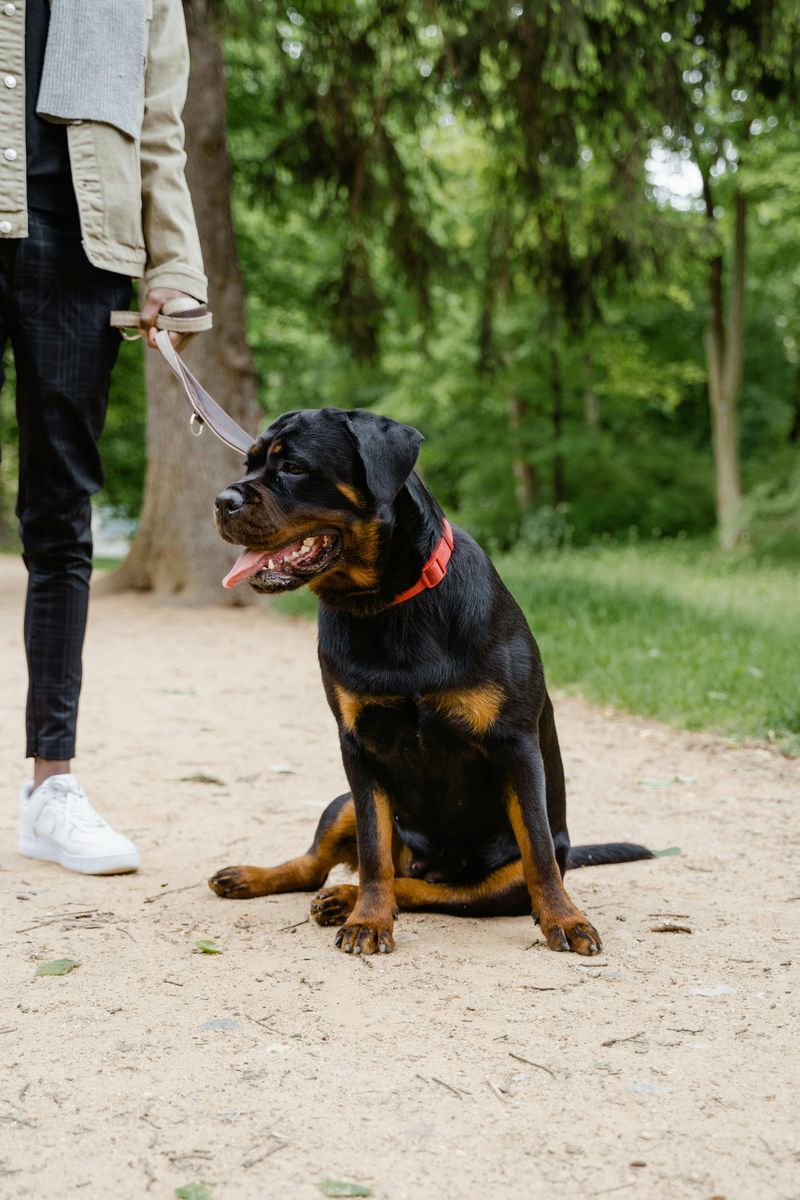
Rottweilers are discerning guardians, often working on neutrality around distractions. The label is not about being dangerous.
It is about preventing surprise contact that could force a tough decision for a thoughtful dog.
Do not reach, do not crowd, and avoid hyped up greetings from other dogs. Speak with the handler first and follow their plan.
Confidence comes from predictable space and quiet body language from you.
When respected, Rotties show their famous steadiness and humor. The gear advocates for the dog’s training goals and your safety.
Take the hint and keep the interaction smooth and short.
Doberman Pinscher
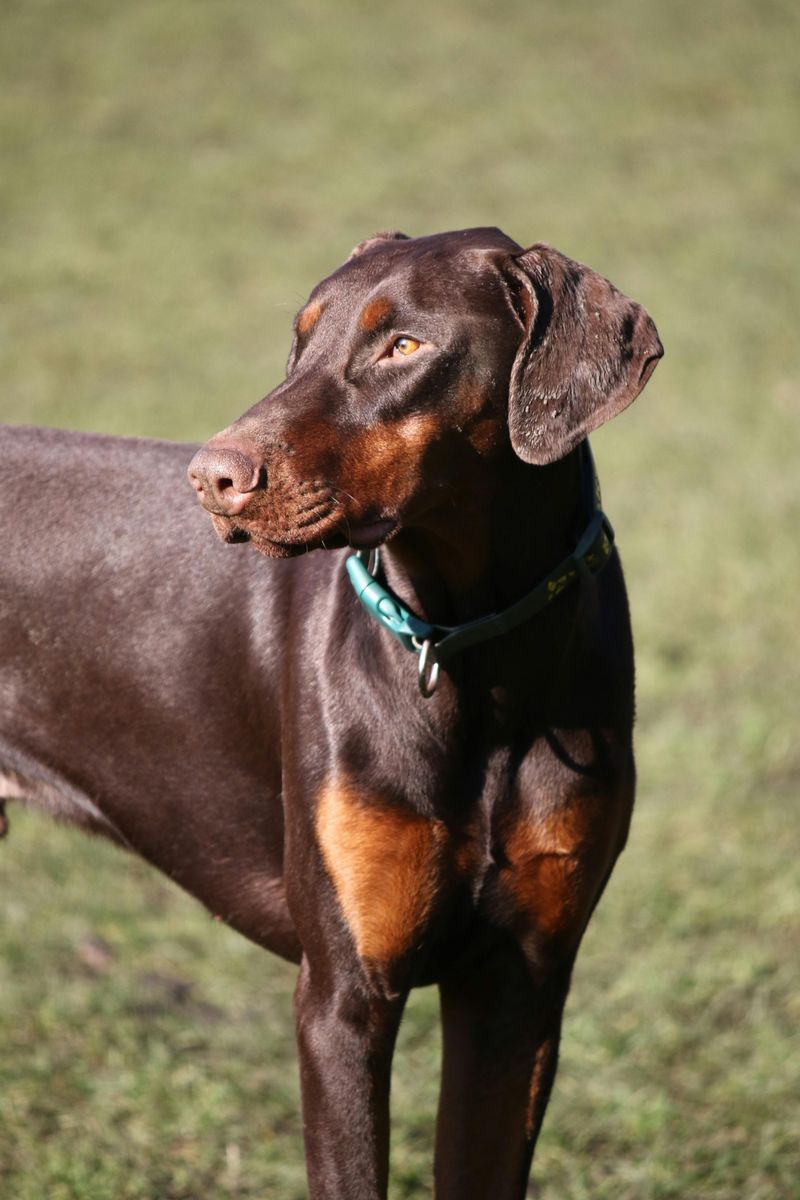
Dobermans read people quickly and respond to energy. Many work on keeping cool in stimulating places, and random touches can spike arousal.
Do Not Approach usually means please let training happen without interruption.
Keep hands to yourself, slow your pace, and ask the handler if you are curious. Avoid squealing, rushing, or bending over their head.
If invited, stay neutral and let the dog choose contact, not the other way around.
With boundaries, Dobermans show elegance and self control. Your calm presence helps them succeed in public.
The message is a request for cooperation, not a judgment of the dog.
Australian Cattle Dog
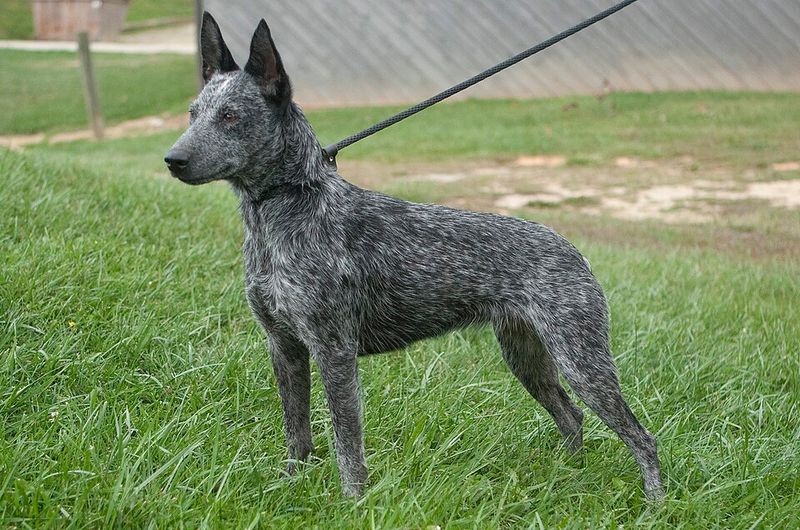
Cattle Dogs are thinkers with big energy in small packages. They can be motion sensitive and intense, especially around bikes, kids, or enthusiastic dogs.
Do Not Approach often signals a handler managing arousal and working on focus.
Give space, slow down, and avoid tossing sudden pats. Ask before engaging, and keep interactions brief and calm if allowed.
Their best behavior shows up when the environment stays predictable and quiet.
Respect that sign and you will likely see a brilliant partner enjoying the outing. Space is a training tool and a safety measure.
Your patience keeps the day smooth for everyone on the trail.
German Shepherd Dog
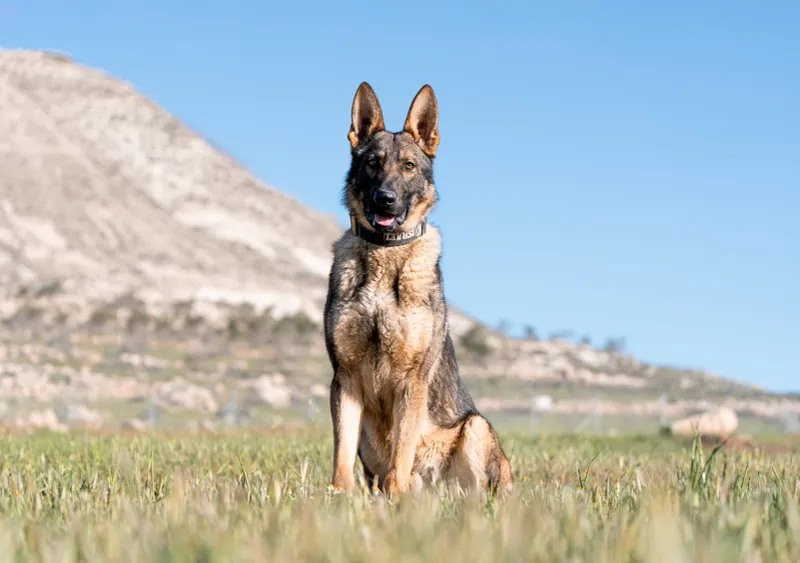
GSDs are perhaps the most recognizable working breed, and their gear often reflects active training. Many are practicing neutrality, recovering from reactivity, or simply on a job.
Do Not Approach communicates that surprise greetings are not helpful.
Keep a respectful buffer, maintain a soft voice, and let the handler decide if meeting is appropriate. Do not crowd with strollers or dogs.
If invited, turn sideways and let the dog sniff at their pace.
Handled thoughtfully, GSDs are calm and capable in busy spaces. Your awareness prevents setbacks and supports training goals.
The sign is a request for teamwork, not a threat.