
Scroll any comment thread about dogs and you will see the same debate: which breed is the smartest, calmest, or safest with kids. Now that temperament data and owner surveys are everywhere, the arguments feel hotter and oddly more measurable.
You want clarity, not chaos, so let us translate those stats into something you can actually use. Here are the ten breeds people keep clashing over and what that really means for your daily life.
German Shepherd Dog
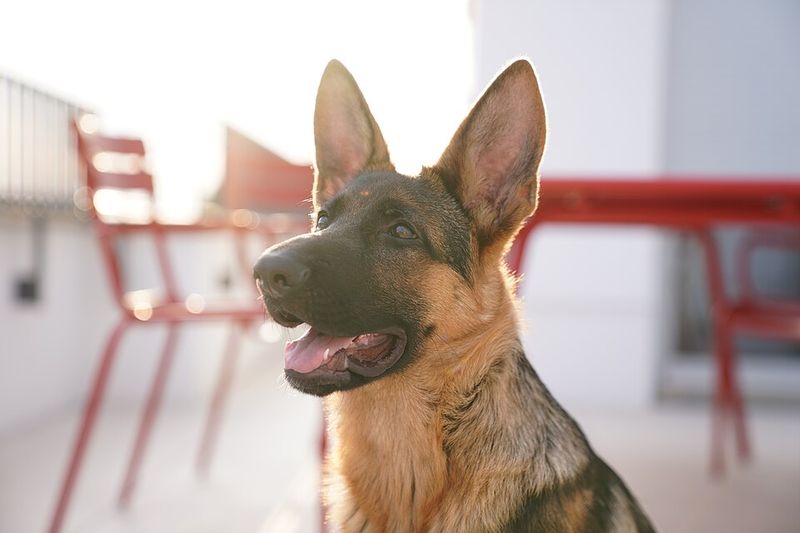
German Shepherd debates always ignite fast because the breed blends brains, biddability, and protective instinct. You see impressive obedience, yet energy and vigilance can overwhelm first time owners.
With training and daily outlets, they become steady partners who read your mood like a book.
Temperament data often shows high trainability and moderate to high reactivity. That means clear routines, leash manners, and structured socialization really matter.
If you want a confident family guardian, this breed thrives when given jobs.
Expect shedding, vocal opinions, and intense eye contact. You will love the loyalty but must manage impulse control and exposure.
Do not skip rest days or mental enrichment.
Labrador Retriever
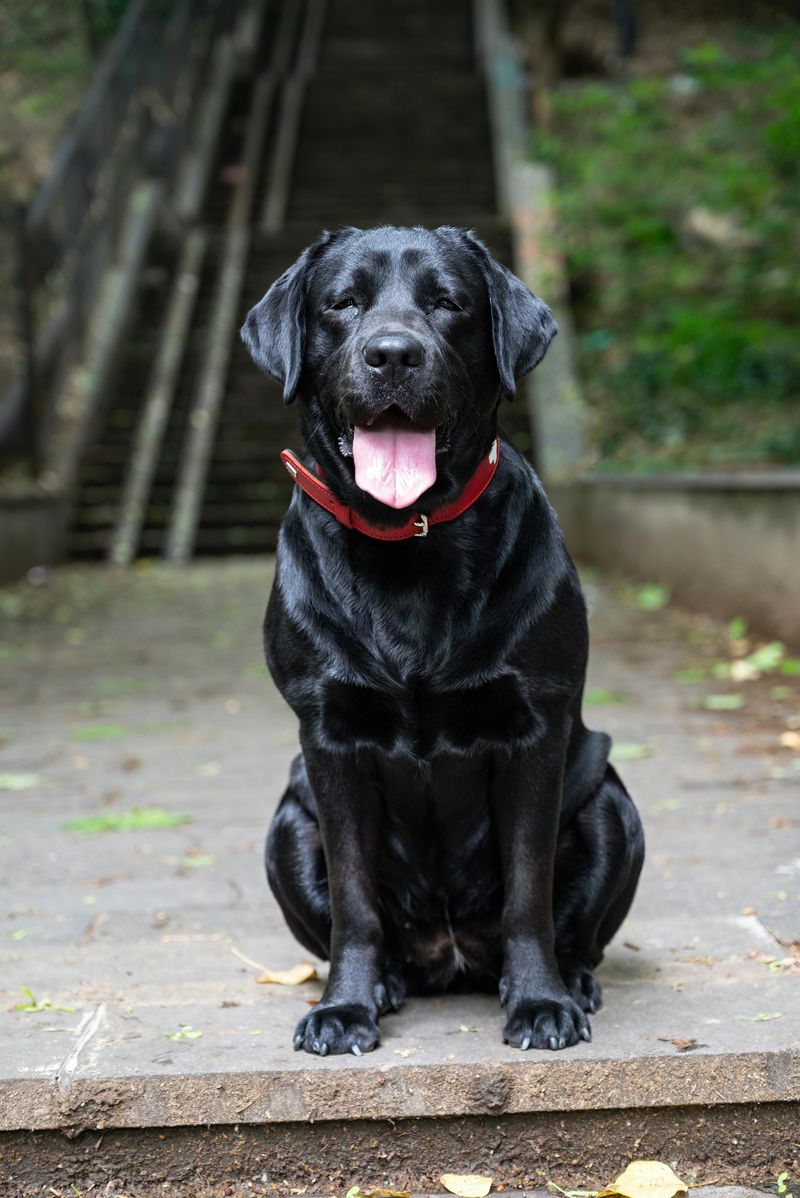
Labradors dominate comment threads because everyone claims to know one. Data backs the love: high sociability, food motivation, and trainability.
The catch is energy levels that can bulldoze your routine if you under exercise or skip boundaries.
Labs thrive with structure, fetch, and scent games. You will find their eagerness a gift for beginner training, but guarding valuables like socks becomes a running joke.
Keep reinforcement consistent and watch arousal around guests.
Expect adolescence to feel wild. Channels like dock diving or tracking turn chaos into calm.
With patience and diet management, most Labs mature into steady, goofy companions who adore kids and puddles equally.
Golden Retriever
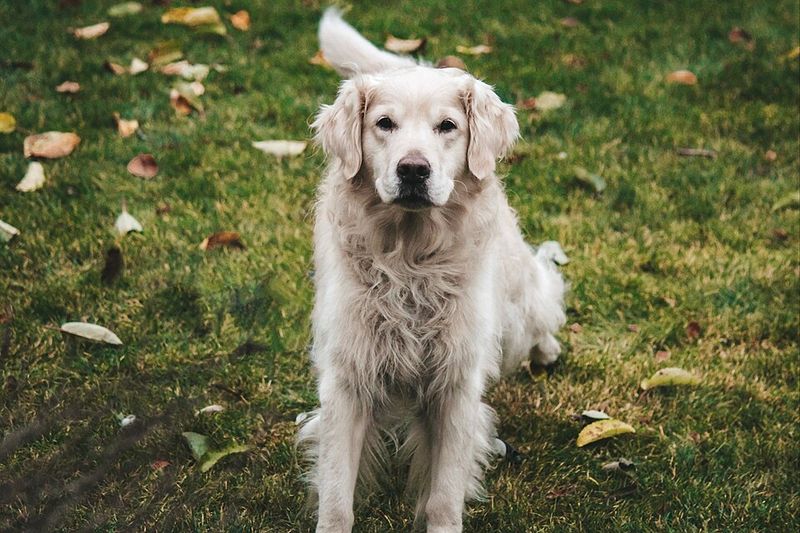
Goldens carry a reputation for kindness, and temperament studies often show high sociability and low aggression. That golden halo can hide needs for grooming, impulse control, and exercise.
You will get softness, but also a teenager who steals socks and hearts simultaneously.
They excel at cooperative training and excel even more with calm handling. Over aroused greetings lead to jumping and mouthing, so pre plan decompression.
Nosework and swimming help channel their joy into focus.
Expect sensitivity to tone. Harsh corrections backfire, while clear reinforcement strengthens confidence.
With brushing, enrichment, and boundaries, a Golden becomes that warm, steady presence people imagine.
Border Collie
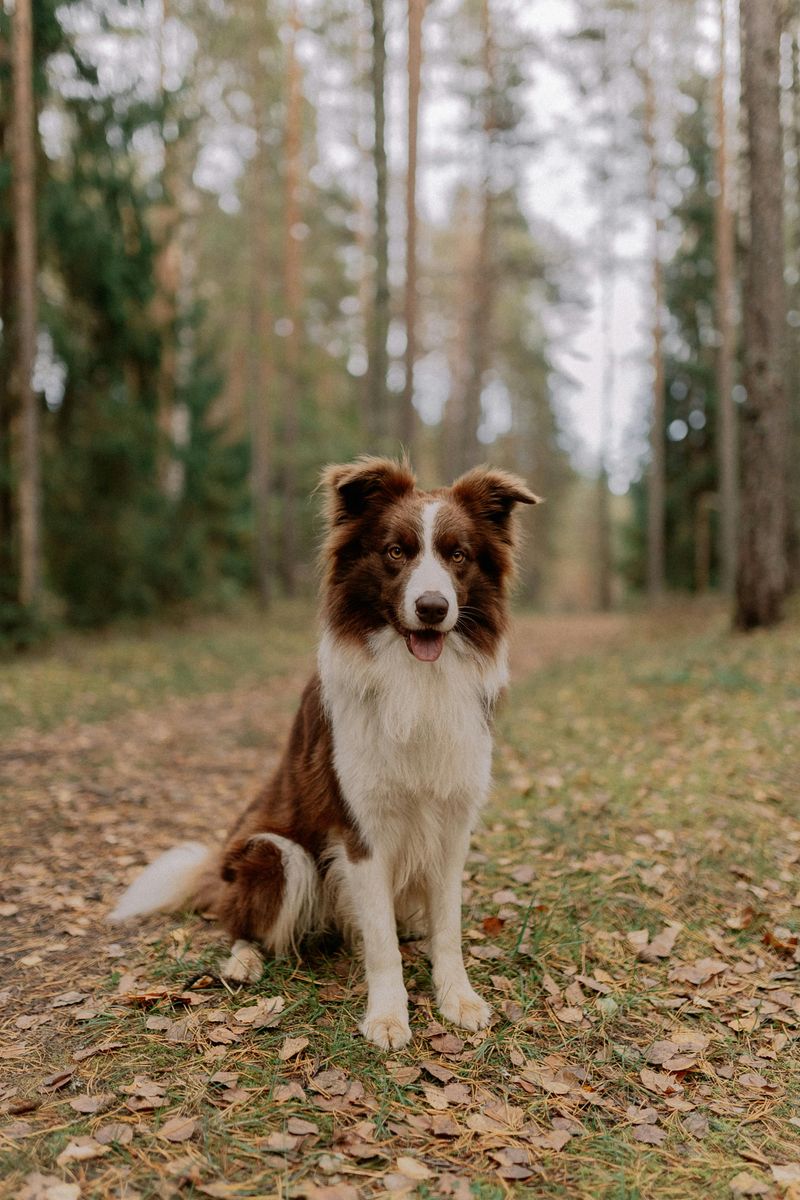
Border Collies fuel arguments because brilliance looks magical until you live with it daily. Temperament data suggests extreme trainability and sensitivity, paired with strong herding motor patterns.
Without tasks, they invent jobs like shadow chasing or herding kids.
You will need structured outlets, from agility to complex tricks. Reinforcement timing matters, and calm recovery is as important as speed.
Manage environmental triggers and teach off switches early.
Expect eye stalk behavior and focus that slices through distractions. Gentle clarity beats pressure.
Meet their mental needs and you will see breathtaking teamwork that feels almost telepathic.
Australian Shepherd

Aussies spark debates similar to Border Collies but with a different flavor. Data often shows high energy, strong herding instinct, and moderate suspicion of strangers.
That mix needs early socialization and a predictable routine.
You will see exuberant affection at home and sharp awareness outside. They adore jobs, from frisbee to rally obedience, and get cranky when bored.
Teach polite greetings and manage motion chasing, especially around bikes and kids.
Grooming is real but manageable with weekly sessions. Clear boundaries plus mental puzzles turn busy minds into balanced companions.
Meet the exercise quota and you will find a velcro friend with a goofy sense of humor.
Boxer
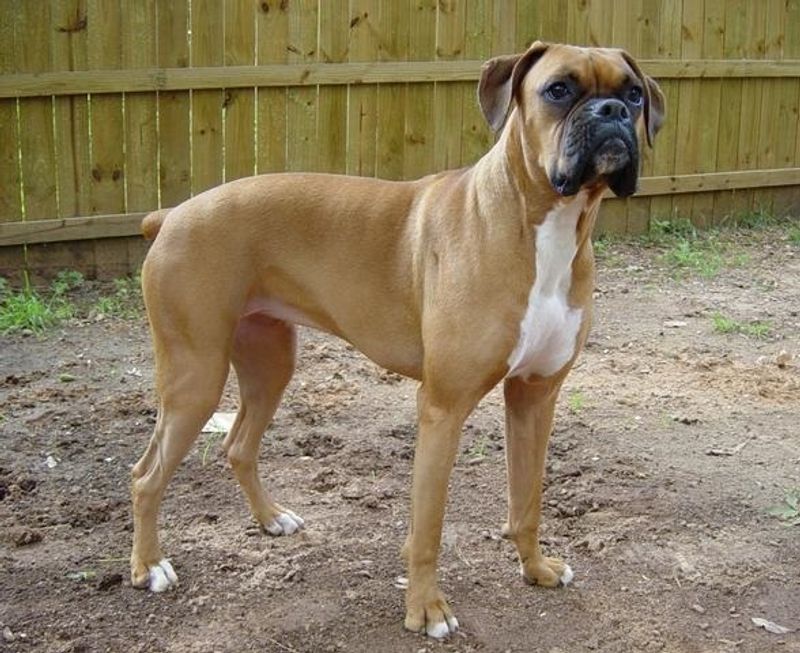
Boxers are comment section wildcards: clownish, bouncy, and surprisingly sensitive. Temperament data often shows high sociability paired with moderate arousal.
That means goofy greetings, wiggle butts, and a need for impulse control.
You will love the humor but must structure naps and training. Short, upbeat sessions beat long drills.
Teach calm sits at doors and practice polite leash work to counter pogo stick enthusiasm.
They can be stubborn when bored yet responsive with games. Health screening and temperature management matter for brachy breeds.
Give them play, puzzles, and consistent rules, and you get a comedic athlete who adores family time.
Rottweiler
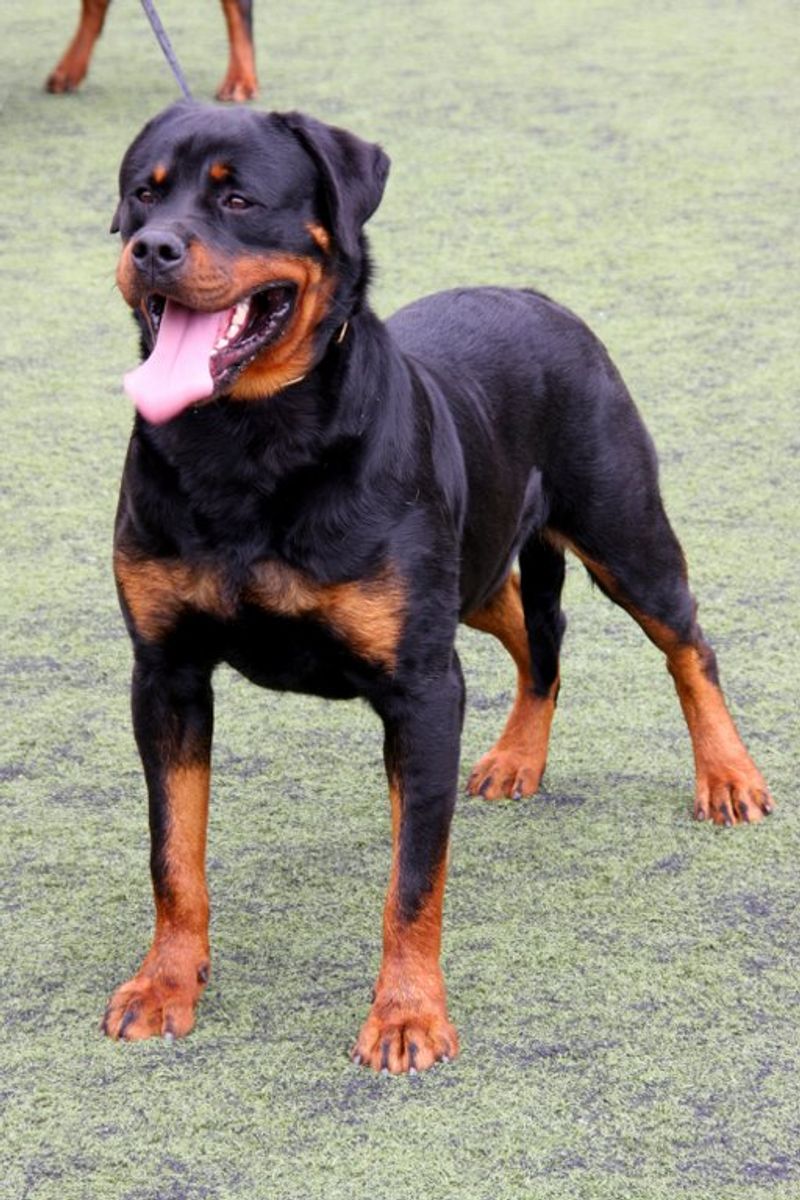
Rottweilers draw heated comparisons because power and tenderness live in one body. Data often shows high confidence, territorial tendencies, and steady nerves when well bred.
That mix demands thoughtful socialization and leash manners from day one.
You will appreciate their calm presence at home. Clarity and fairness build trust, while sloppy boundaries create confusion.
Focus on neutrality training, cooperative care, and controlled exposures.
Expect strangers to misread their seriousness. Advocate politely and set routines that prevent rehearsed guarding.
When guided with patience and structure, a Rottie offers loyalty that feels rock solid.
Doberman Pinscher
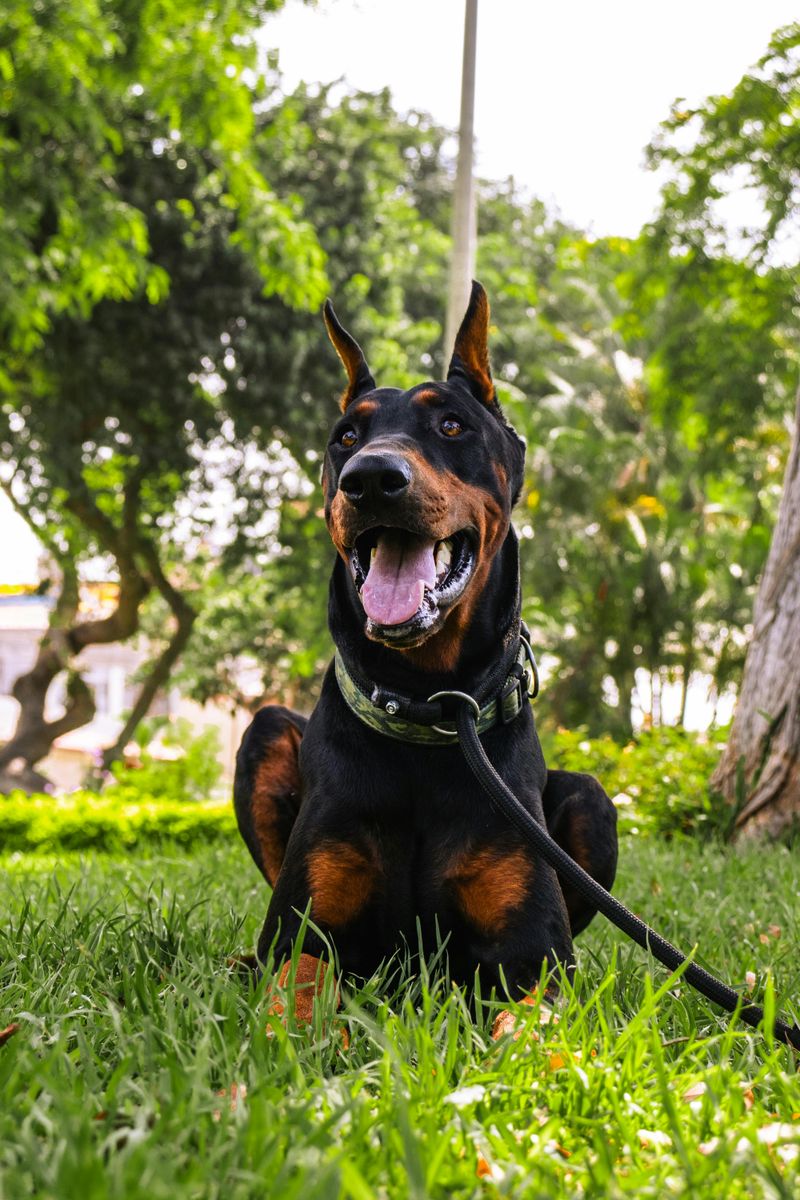
Dobermans light up threads because elegance meets intensity. Temperament data points to high trainability, strong attachment, and sensitivity to handler emotion.
That combination rewards consistency and backfires with chaotic routines.
You will see a dog who tracks your mood and location like a shadow. Teach independence, crate comfort, and calm greetings early.
Enrichment plus cardio keeps arousal in check, while clarity turns vigilance into reliability.
Expect adolescent testing phases and a need for impulse control around doors. Advocate during stranger interactions and support neutrality.
With fair leadership and real exercise, Dobermans deliver polished athleticism and deep companionship.
Beagle

Beagles bring the debate back to earth: stubborn or simply nose driven. Data often shows high sociability and scent motivation with moderate independence.
That means recall is a project and enrichment must include sniffing.
You will win cooperation through food and games, not force. Expect singing when bored and creative counter surfing if left unchecked.
Long lines, scent puzzles, and nosework classes turn instincts into partnership.
At home they are cheerful loungers after a proper sniff tour. Keep routines predictable and practice calm door manners.
When the nose is satisfied, the rest of the dog follows beautifully.
Siberian Husky
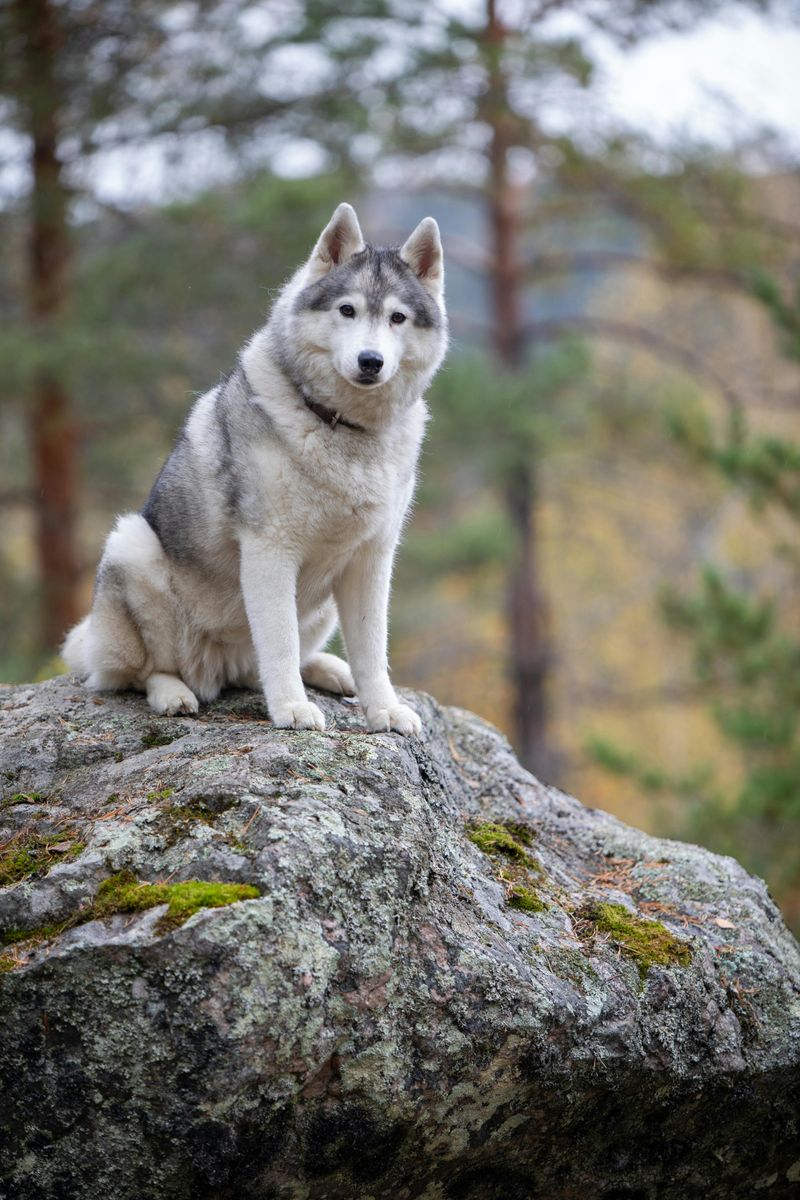
Huskies inspire comment wars about independence and escape artistry. Temperament data suggests high endurance, moderate trainability, and strong prey drive.
Without outlets, they turn fencing into puzzles and rules into suggestions.
You will need secure management and a sense of humor. Canicross, skijoring, or urban mushing harness that engine responsibly.
Training focuses on cooperative choices, not robotic obedience.
Expect vocal chats, seasonal shedding, and a streak of mischief. Keep recalls realistic with long lines and layered rewards.
Meet the exercise demand and you will uncover a charismatic partner who loves adventure and cold air.