
You’ve probably noticed your dog sometimes stares blankly when you call, then perks up only when the snack bag crinkles. You’re not alone.
Owners across the country are chatting about breeds that miss subtle cues before they miss the person behind them, especially as hearing changes with age. Let’s explore which beloved pups are most likely to rely on context, routine, and your body language to stay connected when sounds fade.
Jack Russell Terrier
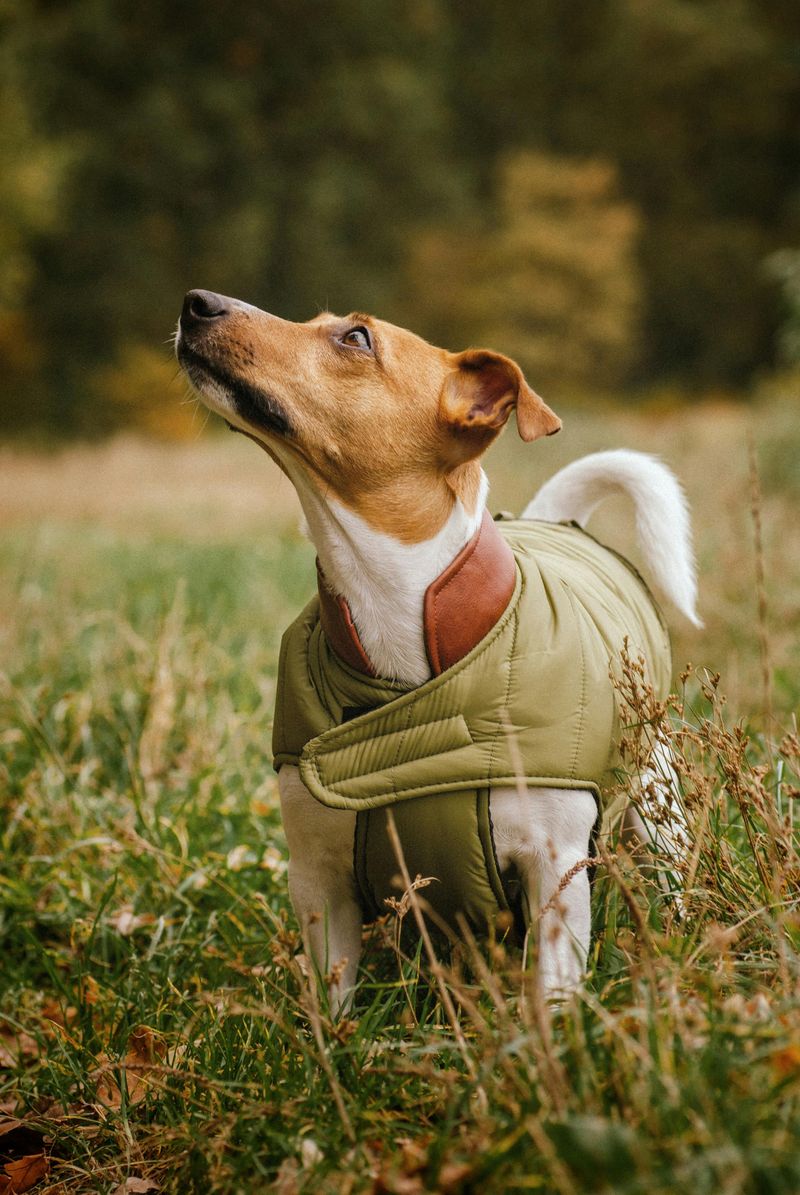
Jack Russells are high-energy dynamos who often lock onto a scent or squirrel so intensely that soft cues slip right past. When hearing diminishes with age, they can miss your whispered “come,” yet still track your footsteps or the rustle of a leash.
You’ll get farther with crisp hand signals, touch cues, and training sessions that build visual focus.
Because they are problem-solvers, routines become their lifeline when sounds blur. Keep commands consistent, add a light vibration cue, and reward eye contact generously.
Many owners find a lightweight vibration collar helpful for gentle attention-getting, never as punishment. With patience and clear body language, your Jack Russell will anticipate patterns, look to you more often, and keep thriving through all the noise they choose to ignore.
Parson Russell Terrier
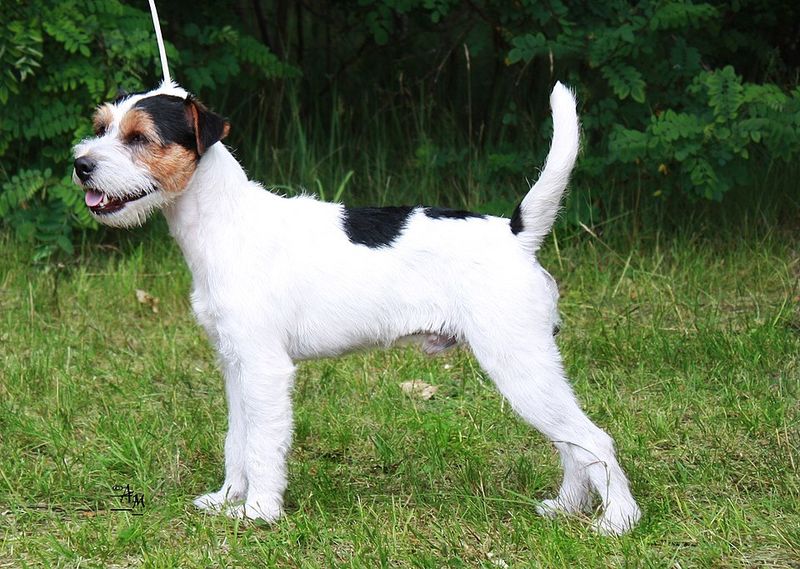
Parson Russell Terriers share that same driven focus, but with a slightly leggier build and a keen eye for movement. When hearing fades, they may miss soft verbal markers, yet instantly react to a raised hand, a nod, or a directional point.
Make eye contact a game, rewarding quick check-ins so your dog learns your face is the cue.
Structured routines reduce frustration, and contrasting hand signals help clarity at a distance. Try pairing a gentle floor tap with a visual signal to get attention indoors.
Outdoors, a bright target stick or long-line guidance keeps communication smooth. Parsons love a job, so channel that intensity into scent games and marker-based training that emphasize timing, calm focus, and your reliable, visible guidance.
Cocker Spaniel
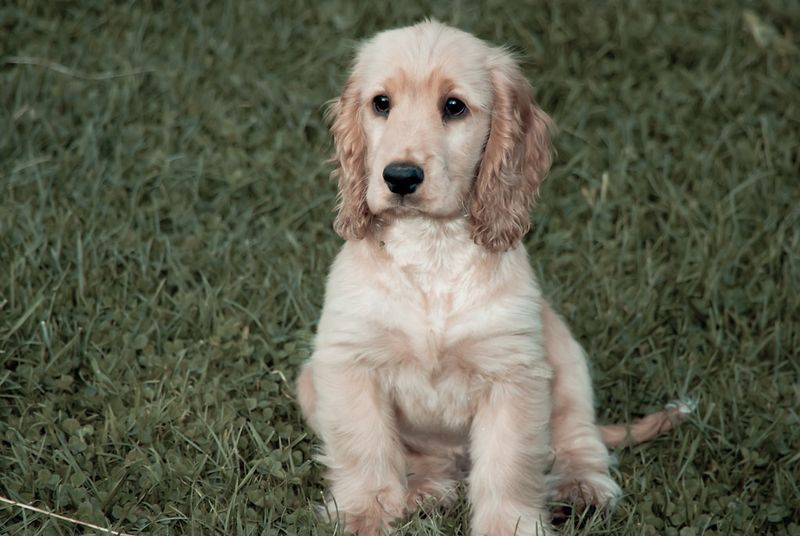
Cocker Spaniels are affectionate companions whose silky ears sometimes mask gradual hearing changes. You might notice they miss quiet doorbell rings yet light up when you gesture or tap the counter.
Their sensitivity makes gentle, positive reinforcement crucial, especially as they rely more on your body language and routine.
Establish clear hand signals, consistent feeding times, and calm transitions between activities. Soft touch cues on the shoulder, followed by a treat, can become a reassuring “hey, look at me.” Grooming sessions double as check-ins for ear health, minimizing infections that compound hearing issues.
With patience, enrichment puzzles, and predictable patterns, your Cocker will stay engaged, reading your posture and facial expressions like a loving, fluent second language.
West Highland White Terrier
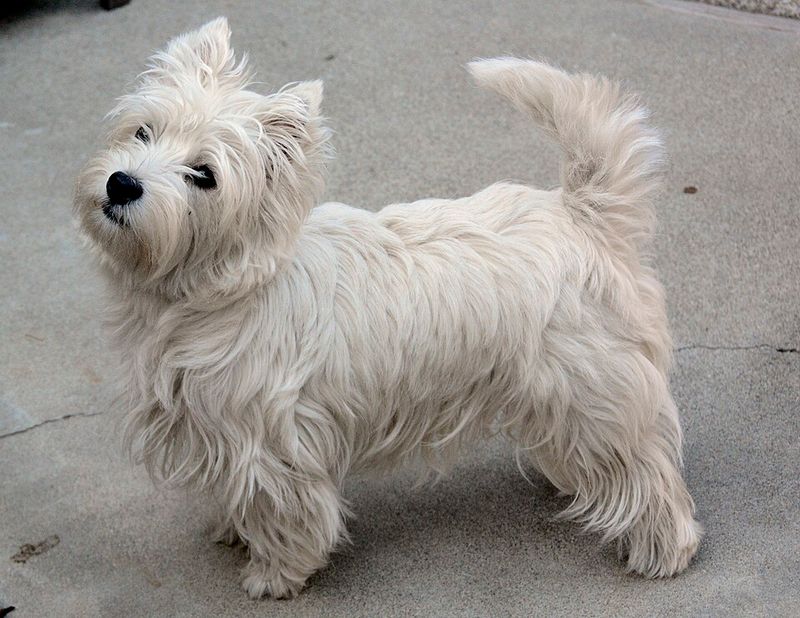
Westies are jaunty little optimists who often prioritize what interests them most. As hearing wanes, they may miss a murmured cue but spot your arm motion instantly.
Their bright, inquisitive eyes make visual training fun, especially with bold gestures and a happy reward schedule that keeps motivation high.
Use a simple cue set: open palm for sit, two fingers for stay, sweeping arm for come. Indoors, a floor vibration from a gentle stomp can become an attention-getter, followed by a treat when they make eye contact.
Regular ear checks and low-stress grooming help comfort. With clear routines, scent games, and patient consistency, your Westie will tune into your movements, proving that teamwork beats volume every single time.
Miniature Schnauzer
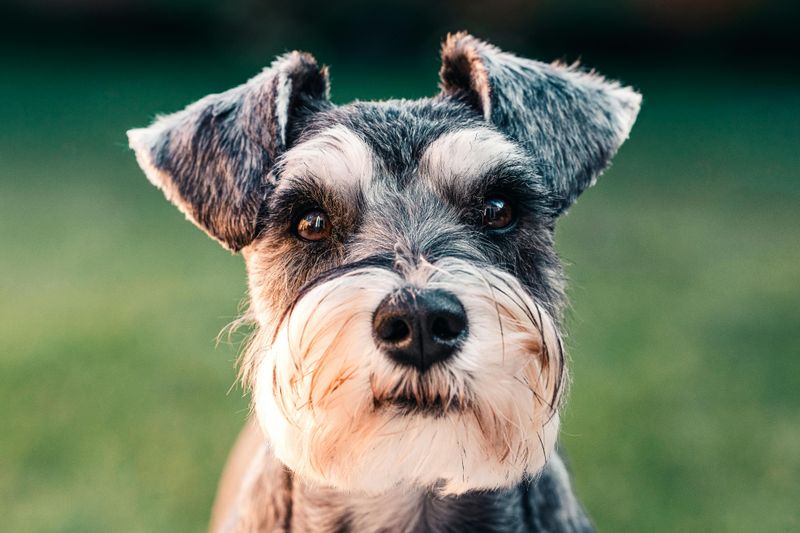
Miniature Schnauzers are keen watchdogs who often vocalize first and listen second. When hearing dulls, they may miss subtle requests but quickly notice your stance, eyebrows, and hand position.
Their intelligence makes them excellent at learning a visual vocabulary that covers basics and fun tricks.
Introduce a consistent “look at me” cue by holding a treat near your eyes, then mark with a thumbs-up. That thumbs-up can become a universal “yes” when sound is unreliable.
Maintain routine walks, use contrasting colored gloves for clarity, and keep sessions short to avoid frustration. Grooming and ear care are essential.
With structure, problem-solving games, and calm feedback, your Mini Schnauzer will follow your lead, reading your movements like headlines.
Dachshund
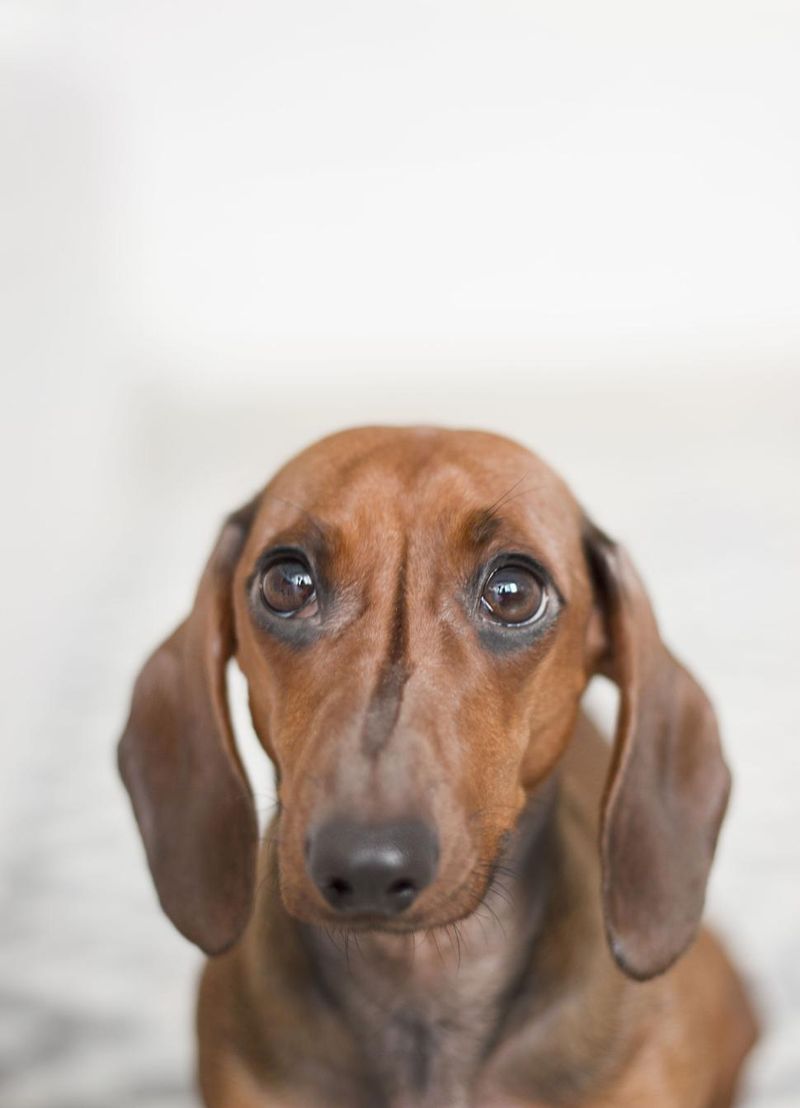
Dachshunds are scent-driven explorers who tunnel into their interests. If hearing lessens, they may ignore soft cues while still orienting to vibration, light, and your silhouette.
A rhythmic tap on the floor or light flash can become a polite attention chime, followed by a treat when they look.
Break training into tiny steps, using clear hand signals and a consistent visual marker, such as a nod or thumbs-up. Long-backed bodies need low-impact activities, so pair mental games with careful exercise.
Set predictable routines around doorways and stairs to reduce startle. With patience, scent puzzles, and confident body language, your Dachshund will connect the dots, proving that communication is about patterns, not volume.
Beagle
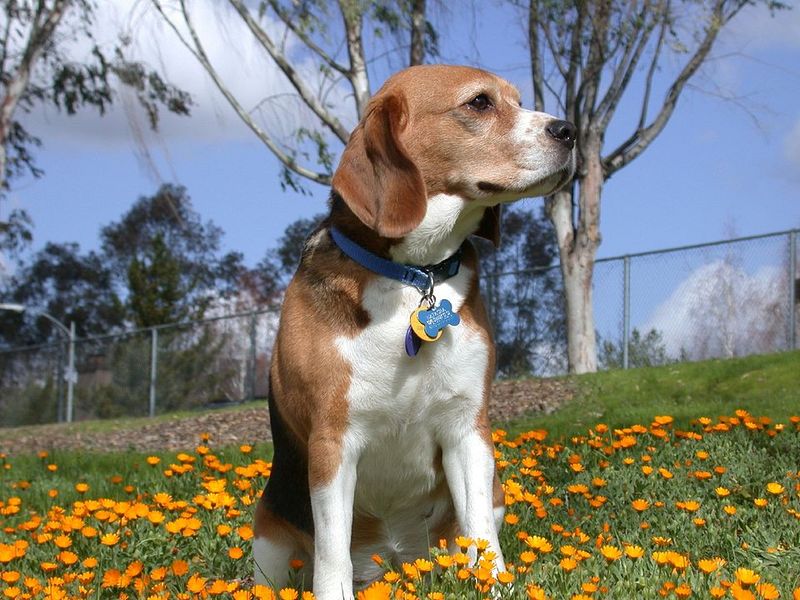
Beagles live nose-first, so background sounds often rank second to an irresistible scent trail. When hearing softens with age, they may miss quiet words but still catch the jingle of a treat pouch or the sweep of your arm.
Hand signals with big movement work best outdoors where distractions reign.
Use a high-value reward and a short long-line to reinforce check-ins. Teach a reliable visual recall with a big two-armed wave, then celebrate with a jackpot.
Consistent routines around doorways keep everyone safe if surprise visitors arrive. Enrichment that taps into scenting needs will reduce frustration, helping your Beagle look up more often and partner with you, even when whispers fade into the wind.
Border Terrier
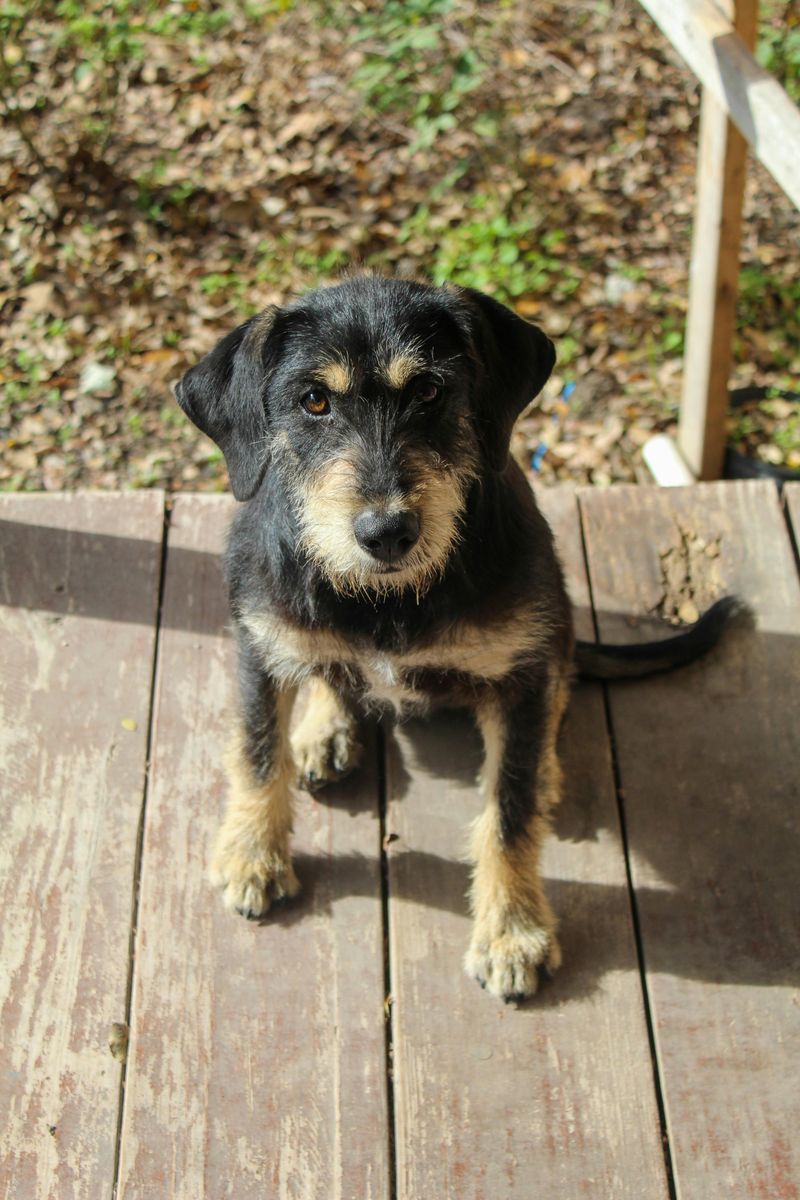
Border Terriers are steady, good-natured workers who notice movement faster than murmurs. As hearing dulls, they may miss soft cues before they miss your presence, especially if you keep routines predictable.
They thrive on clarity, so choose simple, bold hand signals and stick with them.
Encourage frequent check-ins by rewarding eye contact during walks. A tactile cue like a gentle shoulder tap can mean “look,” followed by your next visual instruction.
Borders appreciate thoughtful jobs, from nosework to easy trick chains, which build confidence when sound is unreliable. With calm consistency and body language that makes sense, your Border Terrier will navigate life smoothly, guided by your rhythm rather than your volume.
Cavalier King Charles Spaniel
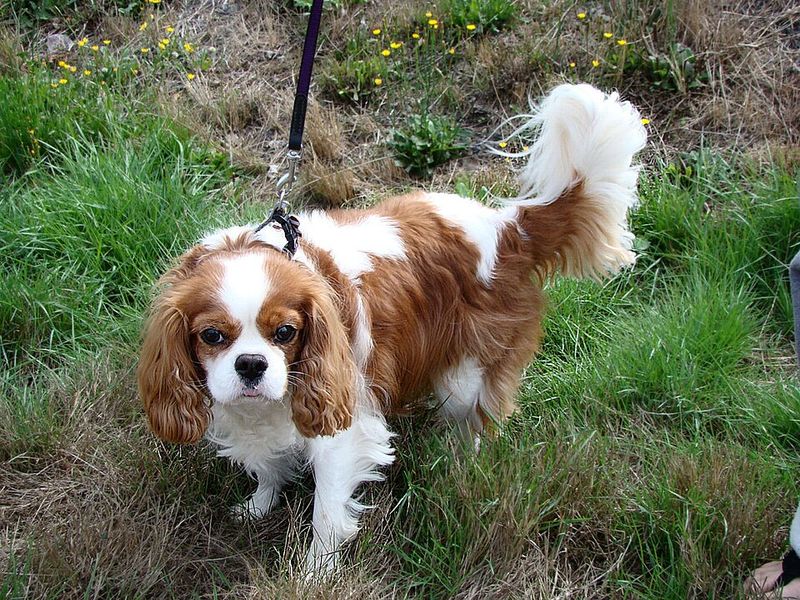
Cavaliers are gentle shadow-dwellers who read your mood as well as your gestures. With gradual hearing loss, they may miss soft cues but instantly respond to a smile, a beckoning hand, or a knee tap.
Their sensitivity makes kind, low-pressure training and predictable patterns especially effective.
Use visual markers like a thumbs-up or a small flashlight blink for distance work. Keep sessions short and sweet, pairing touch cues with treats to build confidence.
Regular vet checks support ear health, while peaceful, routine-rich days reduce startle. Your Cavalier’s desire to stay close becomes a strength, transforming eye contact and body language into a comforting, reliable conversation that keeps you connected everywhere.
Poodle (Miniature)
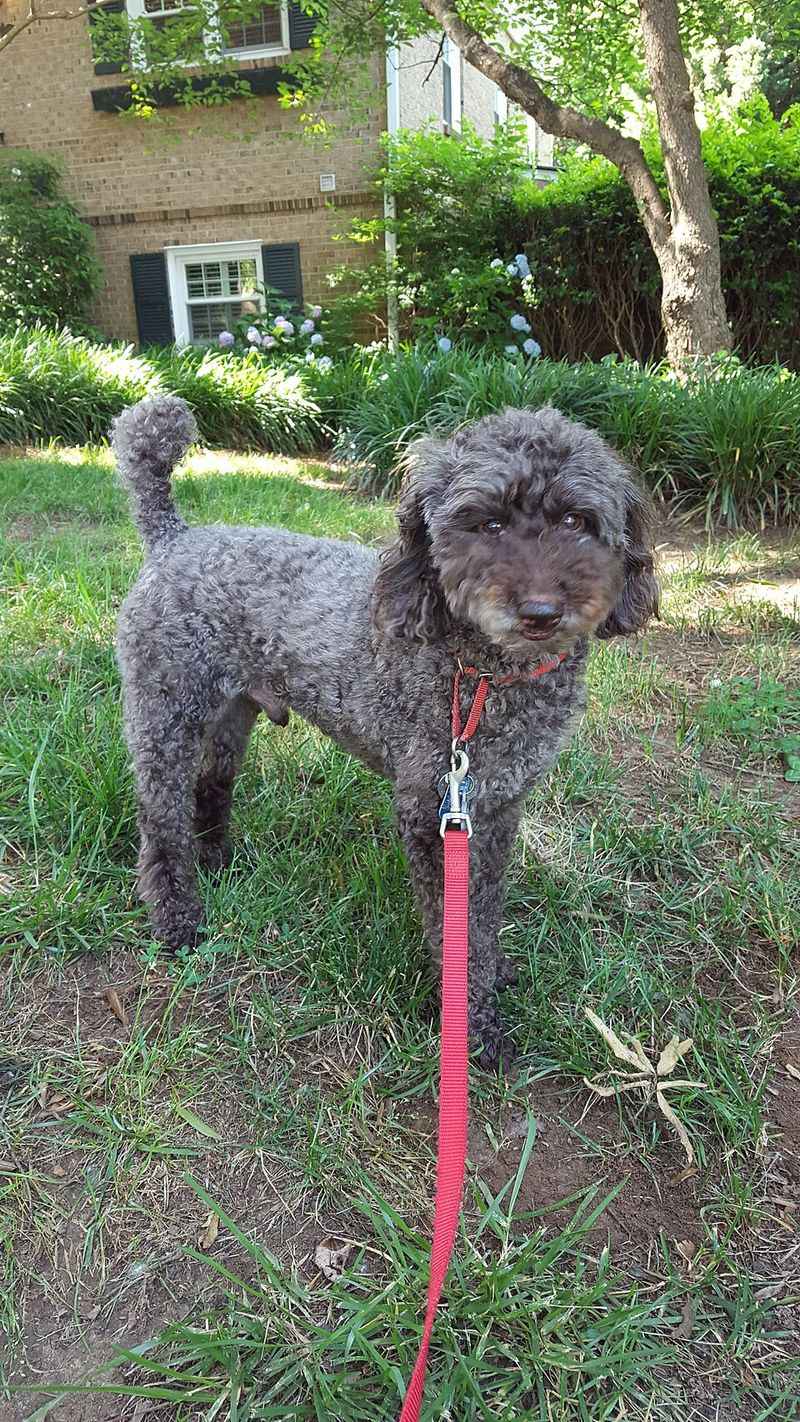
Miniature Poodles are quick studies who excel at reading patterns. If hearing fades, they pivot gracefully to visual markers, thriving on clear hand signals and precise timing.
Their eagerness makes trick training a perfect arena to reinforce attention and build a shared nonverbal language.
Introduce a consistent “watch” cue with treats near your eyes, then confirm behaviors with a silent thumbs-up. Color-contrasted gloves can improve clarity outdoors.
Keep mental enrichment high with puzzles, shaping, and nosework that reward thoughtful engagement. Grooming and ear care are vital for comfort.
With structure, fairness, and playful practice, your Mini Poodle will link your posture, steps, and gestures into a smooth conversation that works anywhere.
Boston Terrier
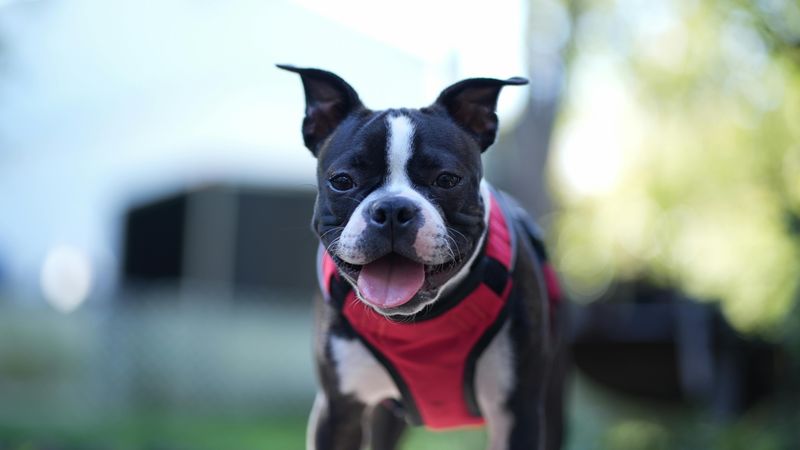
Boston Terriers are expressive clowns who track your face more than your phrases. As hearing shifts, they might miss light cues unless they are paired with big gestures and upbeat rewards.
Their short attention bursts benefit from quick, fun sessions that build reliable visual vocabulary.
Teach a clear “look” with a treat-to-eye motion, then mark success with a visible thumbs-up. A gentle floor tap or light flick can be your attention bell indoors.
Keep routines consistent, add calming sniff breaks, and prioritize comfortable, well-fitted gear. With patience, humor, and consistent body language, your Boston will happily follow your moves, proving that communication is a full-body sport, not just a sound.