
If your dog drags you from scent to scent, you are not alone. Sniff walks can transform fizzy energy into calm focus, and some breeds need that nose time even more.
Today we will spotlight ten sniff-driven breeds that settle better when given scent-led freedom. Get ready to rethink the heel and turn your walks into natural therapy sessions your dog will love.
Lagotto Romagnolo
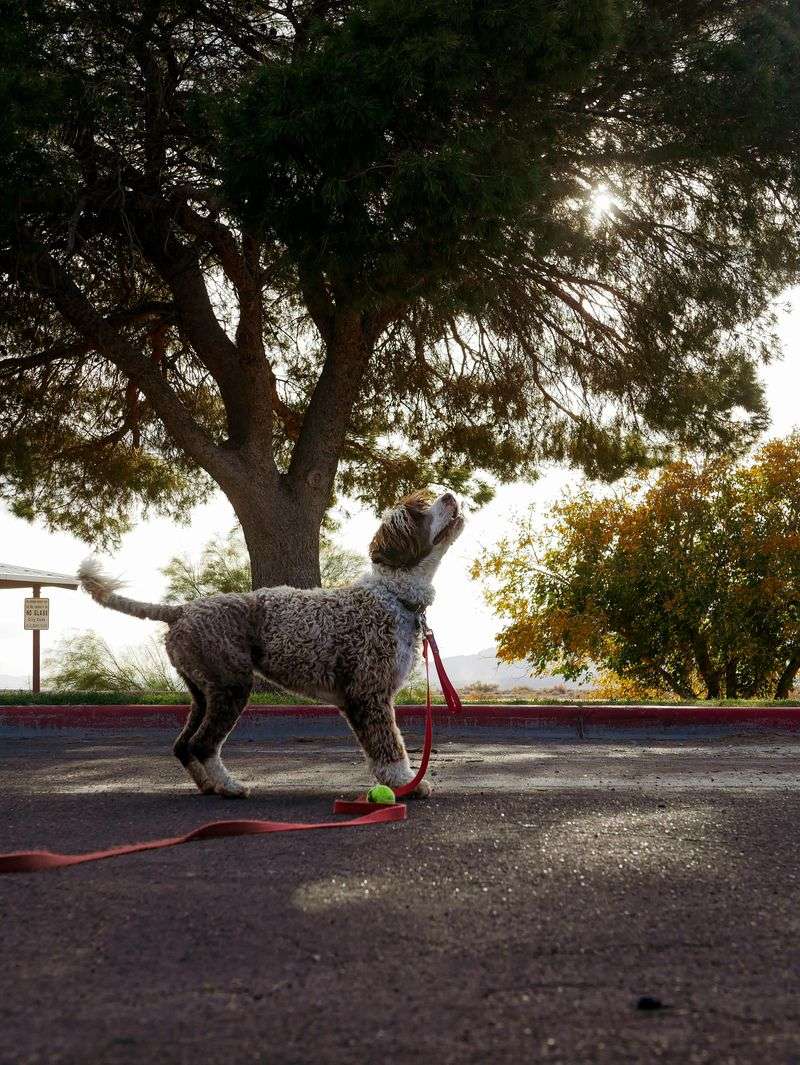
Lagotti are truffle hunters at heart, so slowing down for sniff breaks taps into their deepest joys. When you let this curly coated dynamo explore scent pockets, you will see tension melt and focus return.
Short heel intervals paired with long sniff zones keep the brain busy and the body balanced.
Use grassy edges, tree bases, and windward corners as scent stations. Ask for a calm sit before releasing to sniff, so the walk has structure without pressure.
Reward check ins with access to new smells instead of treats.
On high energy days, scatter a few kibble in leaves to channel foraging instincts. Rotate routes to refresh the scent library.
You will finish with a happier, more cooperative partner.
Bloodhound
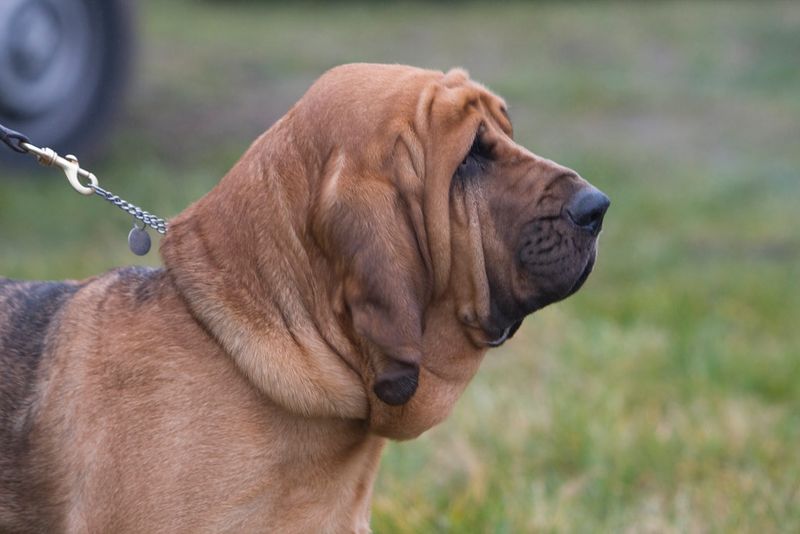
With a nose among the most powerful on earth, a Bloodhound craves scent work like oxygen. Expect methodical, head down tracking that looks slow but taxes the brain.
When free to follow a controlled trail, they decompress beautifully and return home balanced.
Build a sniff circuit using dripped broth or a scented cloth. Cue a start, then follow on a long line while maintaining safety and gentle boundaries.
Insert brief pauses for water and resets, then release to track again.
Do not fight the pull with constant heel demands. Instead, trade structured heel for earned sniff windows.
Your Bloodhound will offer calmer leash manners once that tracking need is honored.
Basset Hound
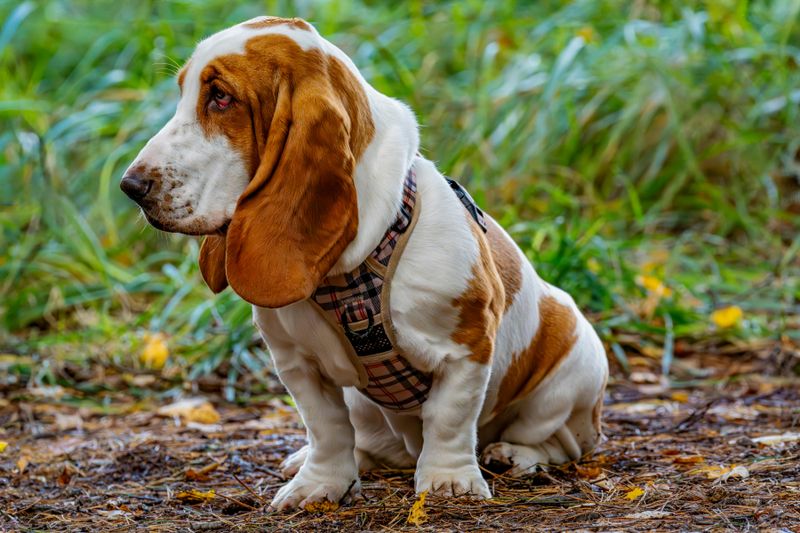
Bassets read the ground like a book, and their low slung build keeps noses perfectly positioned. Give them time to decode every grass blade and you will see stubbornness turn into cooperation.
Heel only in crossings, then release to sniff the verge again.
Use a harness to protect the neck while they investigate scent heavy gutters and tree wells. Keep sessions unhurried and conversational, praising calm pauses and gentle leash slack.
You are guiding, not rushing.
Mental fatigue beats physical miles with this breed. Ten thoughtful sniff blocks can outperform a long, forced march.
Expect a content, floppy eared nap afterward, and better responsiveness on the next outing.
Beagle
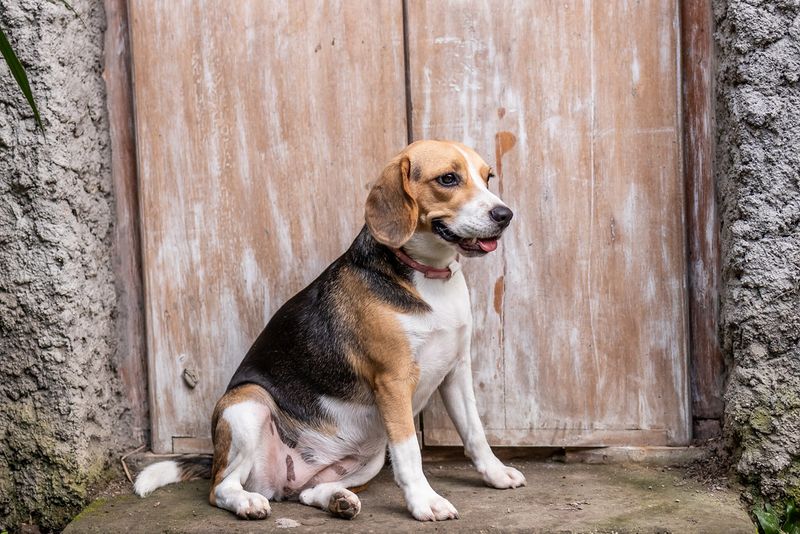
Beagles live for scent puzzles, and sniff walks are the easiest way to meet that drive. Instead of battling the nose, put it to work with find it games along the route.
Short searches for hidden treats or toys build focus and cooperation.
Alternate heel segments with sniff releases at landmarks you choose. Use a long line when safe so the dog can fan out and explore.
Keep your voice upbeat, and reward recall by granting more sniffing time.
Consistency matters. When the rules are clear, Beagles settle quickly and pull less.
Expect a pleasantly tired companion who listens better at home because the brain finally clocked in.
English Springer Spaniel
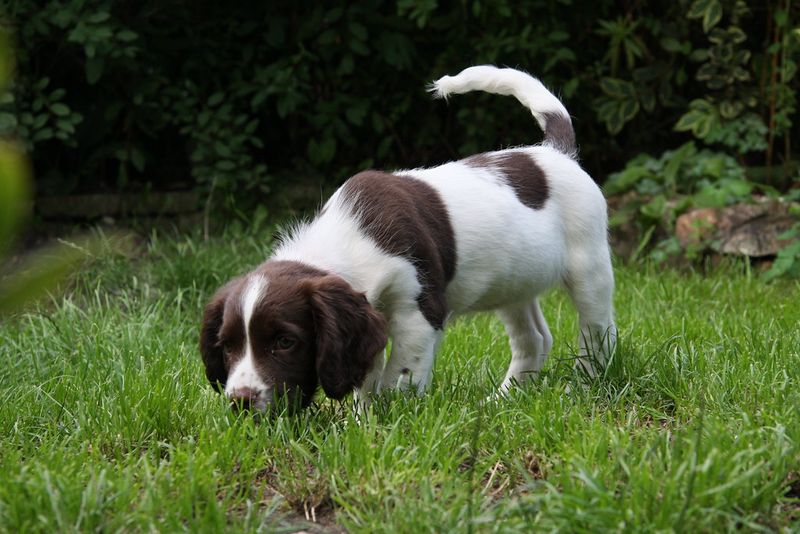
Springers are birdy athletes who regulate best when allowed to quarter and sniff. Channel that field instinct with zigzag patterns across safe grass strips.
Cue a check in, then release to search again, keeping the mind busy and body satisfied.
Bring a tennis ball to reward calm recall, then switch payment to sniff access. Vary terrain to include hedgerows, ditches, and light wood edges.
You are teaching on off switches without heavy pressure.
Over time, you will notice fewer frantic leaps and more thoughtful choices. The nose gets a job, the legs get movement, and heel becomes easier.
A Springer’s smile after a scent led walk says everything.
German Wirehaired Pointer
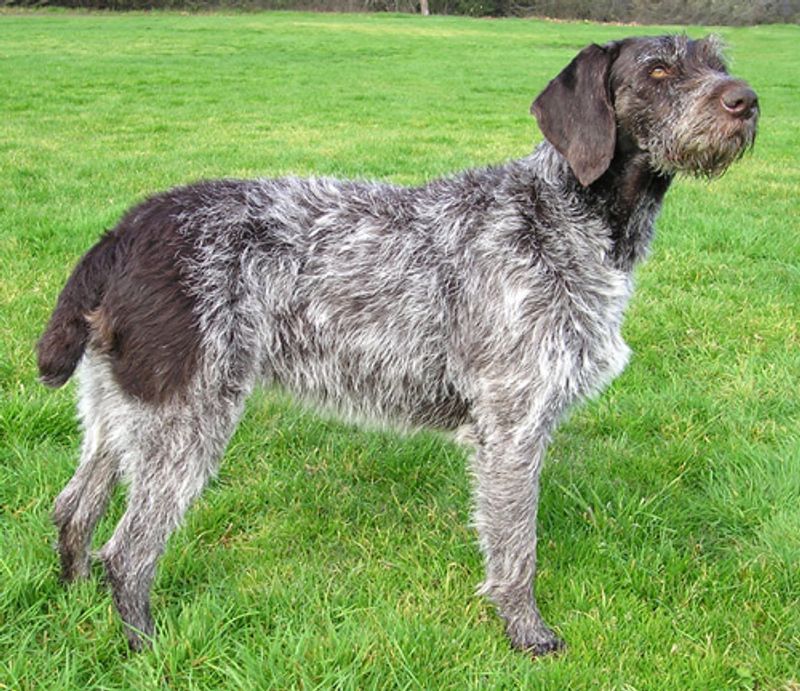
High drive and high smarts, German Wirehaired Pointers need purpose. Sniff walks provide mission vibes without over arousal.
Let them investigate scent cones on the breeze, then dip into ground trails for variety.
Use clear start and finish cues so they learn to toggle between heel and search. A long line plus a sturdy harness gives freedom with safety.
Reinforce calm eye contact by releasing to new scent targets.
Mix in simple track layers using dropped treats or a dragged toy. This scratches the hunting itch while building impulse control.
Expect improved patience, softer leash tension, and a dog that settles quickly once home.
Wirehaired Pointing Griffon
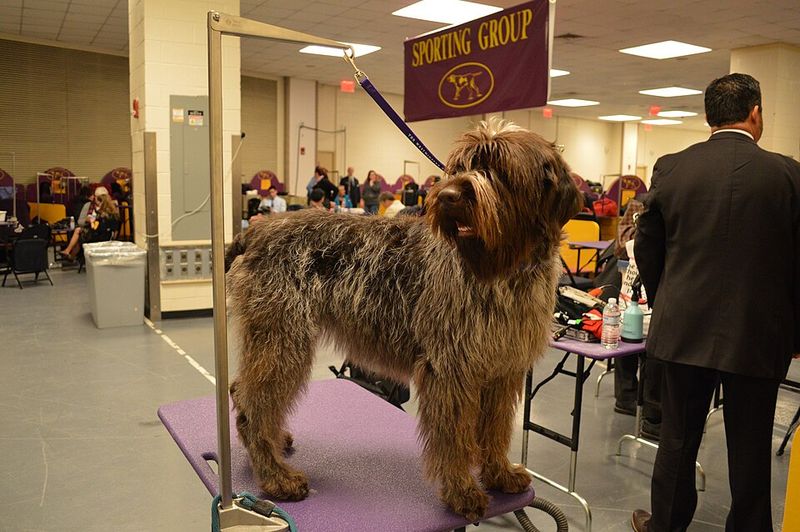
Griffons are versatile hunters with a thoughtful, nose forward style. Give them deliberate sniffing time along reed lines, brush edges, and trail junctions.
When you set clear sniff zones, they stay engaged without spiraling into frantic pacing.
Pair quiet heel work with generous scent access as the real reward. Use hand targets to reset focus, then release to explore again.
Keep the pace relaxed so they can read scent layers floating over water and grass.
Bring a towel for that marshy coat and plan decompression breaks. After a sniffy loop, Griffons typically show mellow, affectionate energy.
You will notice easier compliance on cues because the nose got respected first.
Brittany
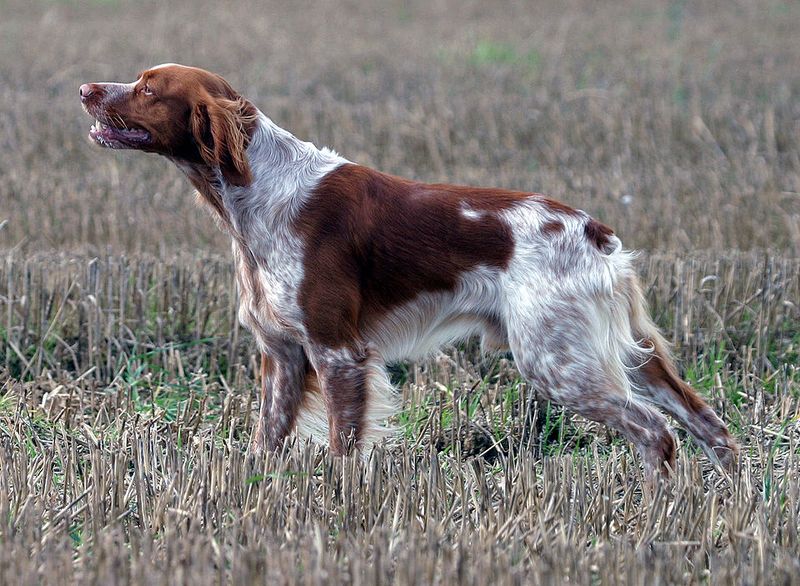
Brittanys brim with zest, but sniff centric routines channel that spark into thoughtfulness. Let them sweep the air for scent while you guide arcs through fields or parks.
Use a release cue so they earn freedom after brief, tidy heels.
Bring lightweight snacks for quick reinforcement, then switch to sniff access as the main paycheck. Mark voluntary check ins with praise and movement toward better scent.
Keep sessions shorter on windy days to avoid overload.
When their nose is satisfied, you will see softer eyes and less fizz. Heel gets cleaner because energy has somewhere to go.
A Brittany that got to hunt invisible stories becomes the best housemate afterward.
Irish Setter
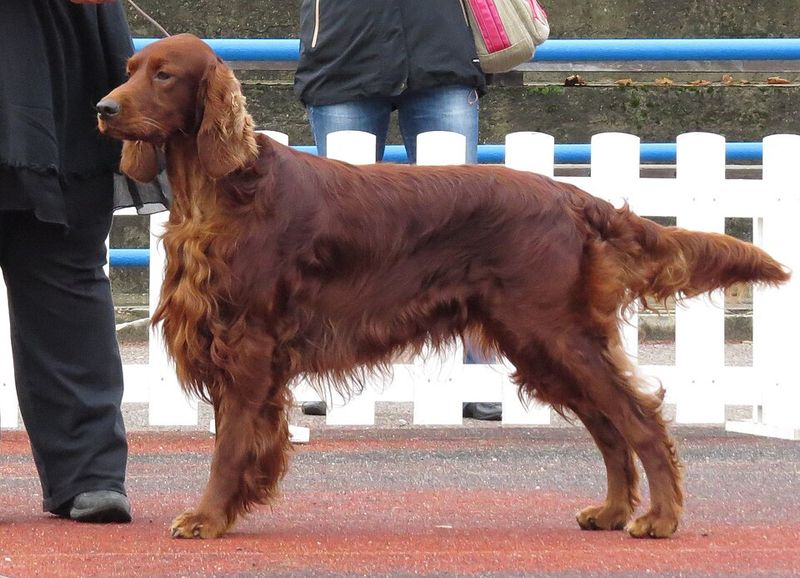
Irish Setters are gorgeous motion poems, but the mind settles when the nose engages. Use breezy ridgelines and open paths so they can read air currents.
Alternate brisk heel with thoughtful sniff pauses to keep arousal in check.
Practice start stop games: a calm sit, release to sniff, then recall for praise and another sniff ticket. Favor distance rewards like moving toward a scent patch instead of food alone.
Avoid back to back high excitement parks.
When respected this way, Setters trade frantic pulling for rhythmic cooperation. The result is a smooth, red arc trotting beside you by choice.
Sniff time is not spoiling them, it is maintenance for their brain.
Nova Scotia Duck Tolling Retriever
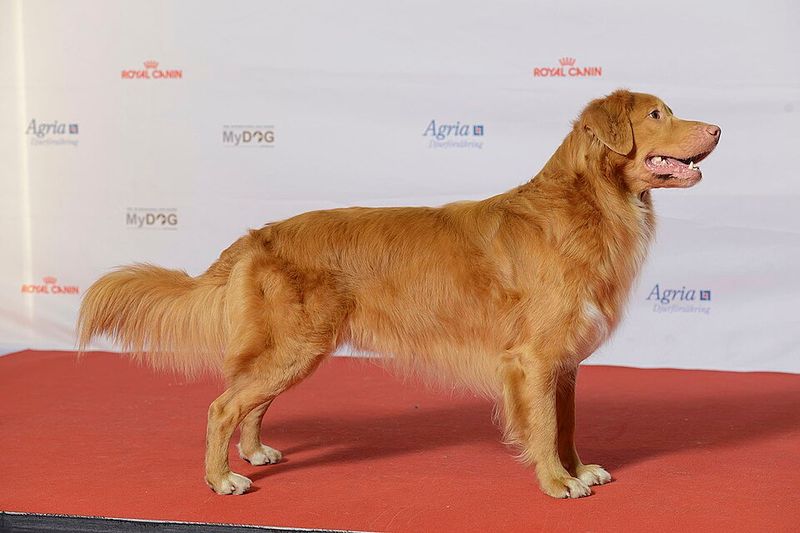
Tollers blend smarts with intensity, and sniff walks turn that voltage into calm. Give them shoreline routes where water scents layer with forest notes.
Mix toy retrieves with search invitations so they toggle between tasks gracefully.
Teach a ready cue before each sniff release, then a gentle heel to reset. Reward quiet eye contact by moving toward richer smell zones.
Keep the environment varied to prevent pattern boredom and over arousal.
After a scent led session, Tollers usually show softer vocalizations and better impulse control. You will feel the leash loosen and the partnership deepen.
The nose work does the heavy lifting so training feels easy.