
Mud season turns cheerful walks into gritty cleanup sessions, and your dog’s paws take the worst of it. When fur traps sludge between toes, irritation, matting, and even infections can sneak up faster than you think.
The fix is not fancy, but it is consistent: trim, rinse, inspect, and dry every single time. Here are 10 beloved breeds owners swear need routine foot care before things get ugly fast.
English Springer Spaniel
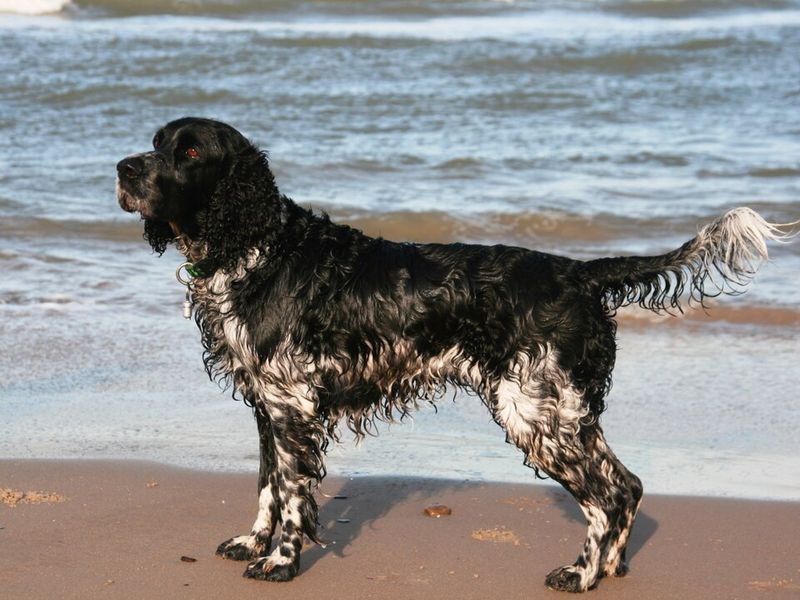
Springer feet are feathered like tiny mops, so mud clings and mats quickly. After a wet hike, rinse between toes, then gently squeeze-dry each foot.
Use blunt-tip scissors to trim the feathering around pads to a short, neat fringe.
Check for burrs and tiny pebbles wedged in the webbing. A paw balm helps repel grit and protects against salt on shoulder-season roads.
Keep nails short so the toes splay less in muck.
Teach a stand-and-stay routine near the door, with treats and calm praise. A silicone paw washer can speed up rinsing on busy days.
Consistency prevents painful mats, funky odors, and licking that spirals into hot spots.
Cocker Spaniel
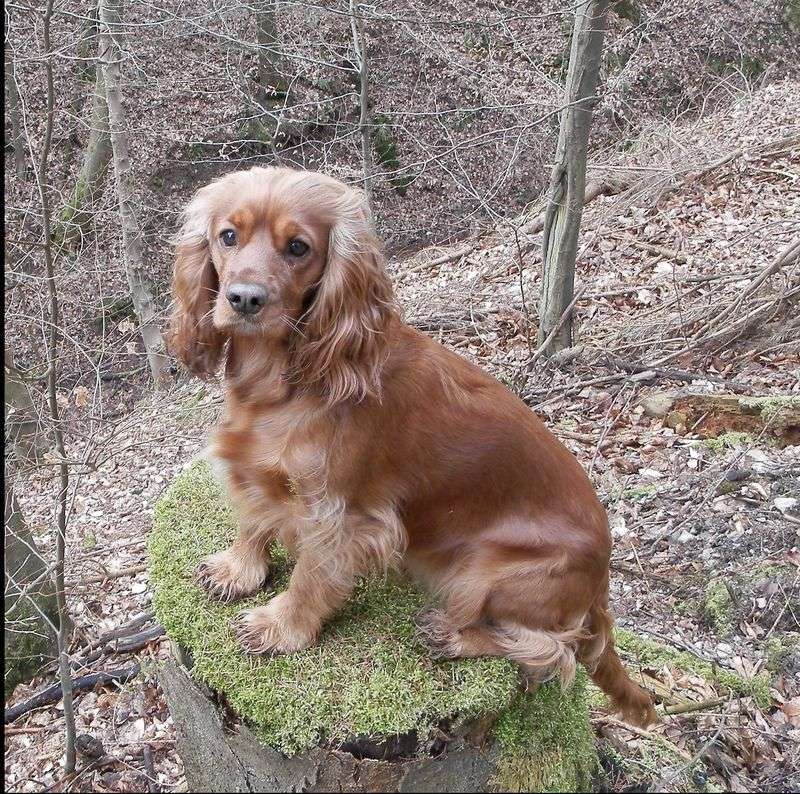
Cockers carry luxurious feathering that drinks up sludge like a sponge. Keep toe fur trimmed short to minimize tangles and slip hazards on tile.
After walks, rinse with lukewarm water and blot dry with a microfiber towel.
Comb gently through damp feathering to catch hidden burrs. A light, non-greasy paw balm protects pads from salt and rough grit.
Weekly check the dewclaws, where mats form stealthily.
Introduce a cheerful paw station by the door with treats and a low stool. Train a steady chin rest to free your hands.
Quick, kind handling reduces anxiety and turns cleanup into a two-minute ritual that spares you vet visits and your dog discomfort.
Brittany
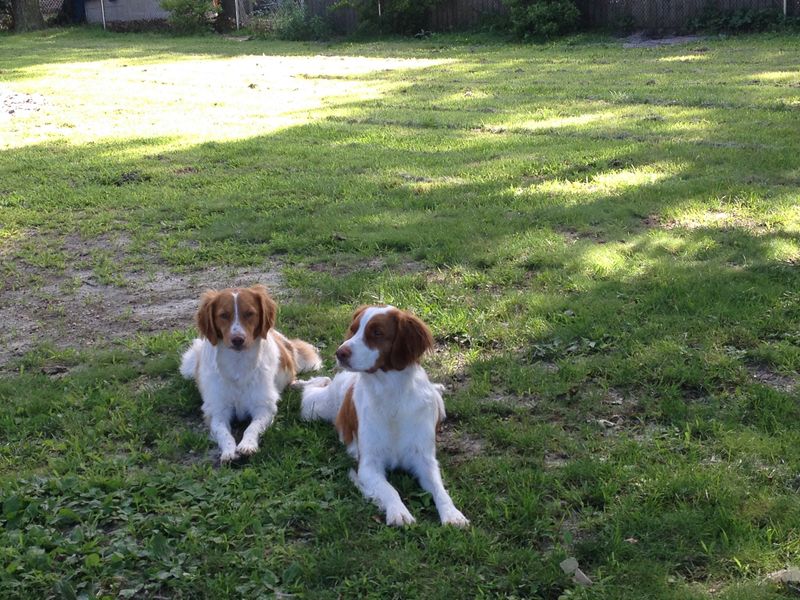
Brittanys are field rockets, so mud season hits them hard. Their lighter feathering still traps grit between toes after zoomies.
Rinse paws, spread toes, and sweep out debris with your fingers or a soft brush.
Keep nails tidy to reduce splaying on slippery ground. A quick trim of foot fringes helps water shed faster.
Inspect pads for tiny cuts from frozen ruts or gravel.
Practice a “front, back, release” paw routine so the steps become predictable. Stash a small towel and squeeze bottle in your car after hunts or hikes.
A tiny daily investment prevents lameness, stubborn stains on carpets, and that sour paw smell nobody wants clinging to the couch.
Boykin Spaniel
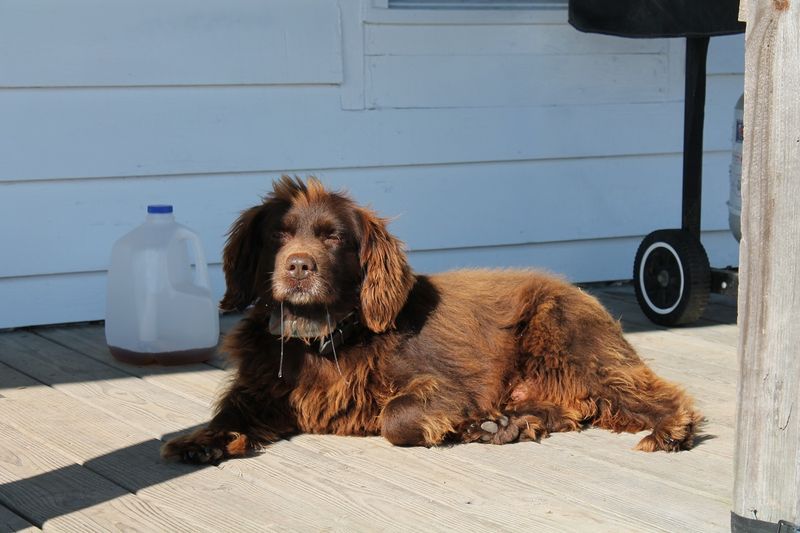
Boykins love swampy retrieves, and webbed toes scoop sludge like ladles. Rinse thoroughly, separating each toe to release silt.
Pat dry, then trim foot fringes to a neat outline that will not wick muck indoors.
Check for marsh burs and leechlike debris in the webbing. A protective balm or light wax helps repel water without leaving greasy prints.
Keep nails short so traction stays reliable on docks and tile.
Create a calm doorway routine with a non-slip mat and a towel hook. Reward stillness and slow breathing as you handle each paw.
This steady care curbs yeast flare-ups, staining, and that post-pond paw stink that sneaks through the whole house.
Lagotto Romagnolo
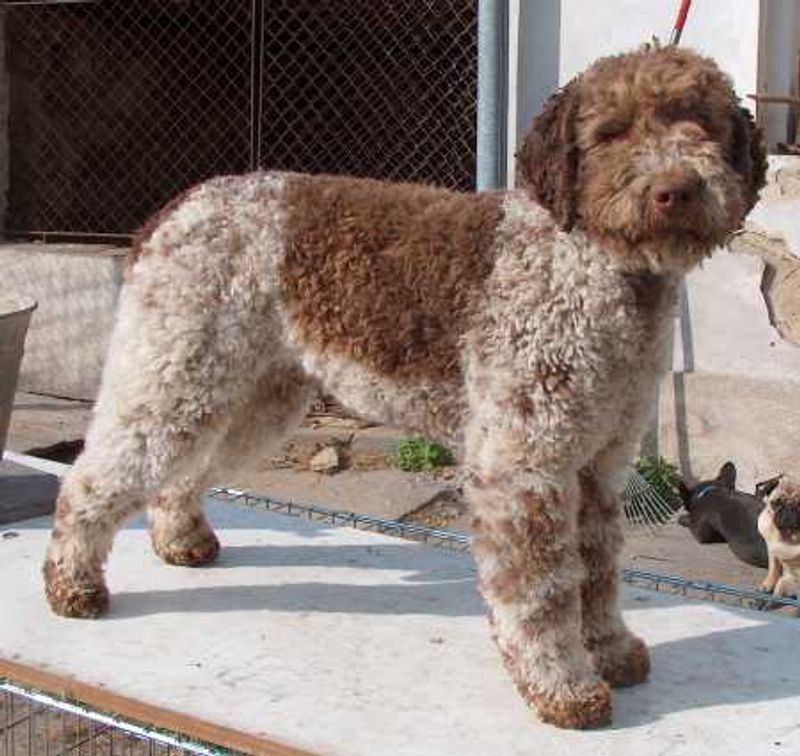
Lagotti have dense curls that sponge up mud, especially around the feet. Keep foot curls clipped short during wet months.
After forest walks, use lukewarm water and a silicone washer to dislodge grit from the tight webbing.
Dry thoroughly to the skin with a towel and cool dryer if your dog tolerates it. Comb while damp to prevent tiny knots that harden overnight.
Inspect pads for abrasions from roots and stones.
Condition the paws with a light balm to help seal moisture and deter staining. Train a stable stand on a rubber mat to avoid slips.
Consistent foot care keeps the curls healthy, stops licking cycles, and protects your floors from curly-coat mud prints.
Portuguese Water Dog
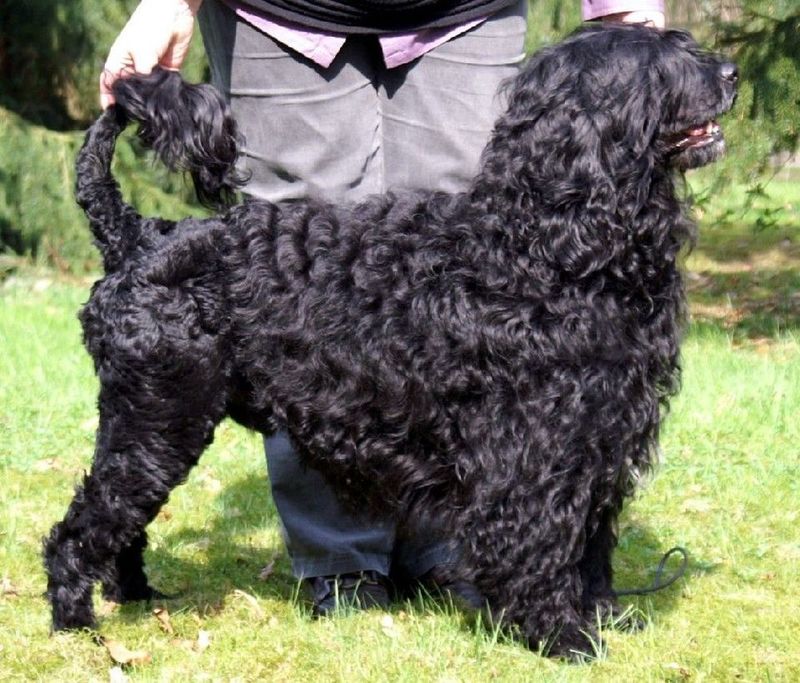
Porties thrive in splash zones, which means sandy mud cakes between toes. Rinse, then use your fingers to sweep out grit from the webbing.
Keep foot curls trimmed short so drying takes minutes, not hours.
Apply a thin paw wax before messy outings for easier cleanup. Inspect nails and dewclaws weekly because fast growth can snag wet turf.
A blow dryer on cool helps, but do not overheat sensitive skin.
Practice a cheerful stationing behavior on a bath mat. Offer a chew while you work to build positive associations.
This routine curbs yeast, stops pad chafing, and keeps the iconic curls fresh instead of smelling like low tide dragged through your hallway.
Barbet
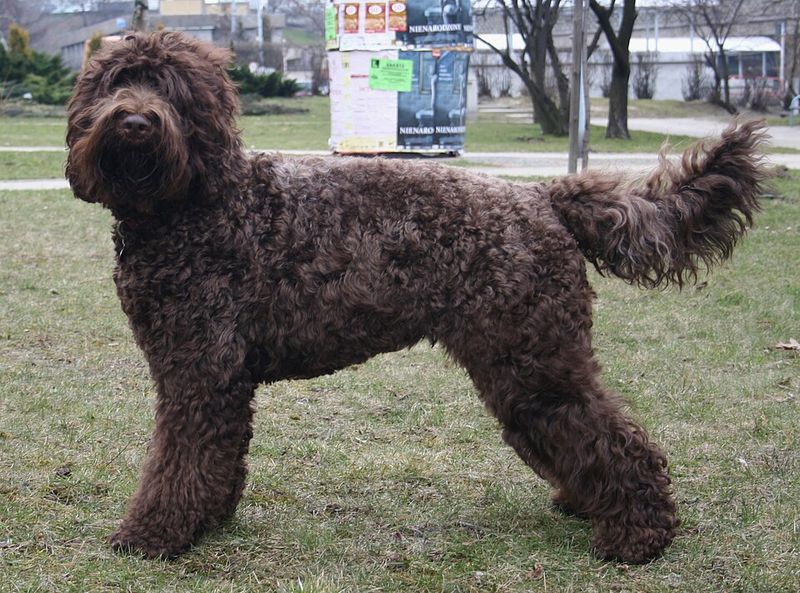
Barbets wear shaggy, water friendly coats that love to magnetize muck. During mud season, keep a short, rounded outline around the pads.
Rinse thoroughly, then blot and gently fluff to speed air drying.
Comb through damp curls to stop tight knots from forming overnight. A light balm protects pads from road salt and rough bark.
Monitor for sneaky burrs under the toe fan, where skin is delicate.
Set up a quick paw pit stop at your entry with towels, treats, and a nonslip mat. Teach calm stillness with a chin target.
Five tidy minutes after each outing beats hour long grooming battles, and it keeps your home free of curly mud signatures.
Spanish Water Dog
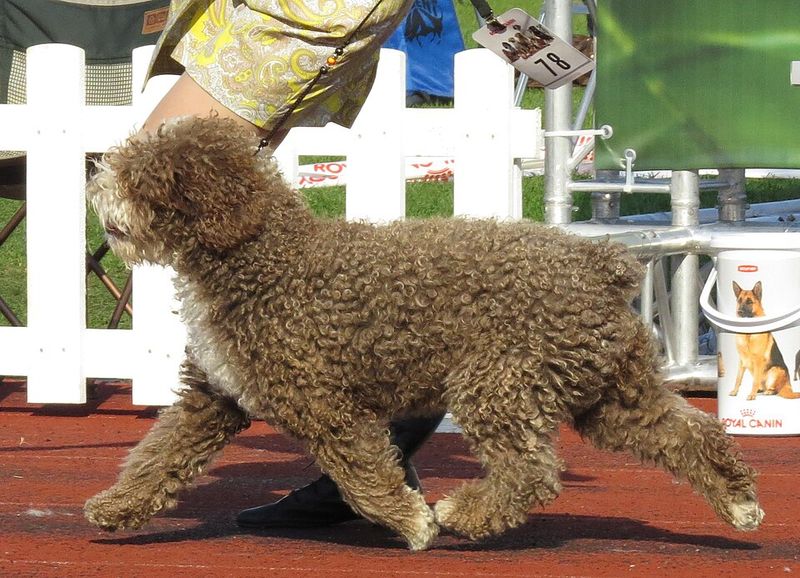
Spanish Water Dogs often wear cords that trap silt and fine grit. Keep cords around the feet shorter in wet months so they dry faster.
Rinse carefully, lifting each toe to release packed mud that irritates skin.
Do not brush cords. Instead, separate them gently with your fingers while drying.
Apply a breathable balm to pads, avoiding heavy oils that attract dust.
Check nails and dewclaws weekly, since splayed toes scoop muck. Establish a post walk routine with a towel and low heat dryer to prevent dampness from lingering.
Consistency prevents itchiness, musty odors, and the slow forming mats that turn routine maintenance into a wrestling match.
Chesapeake Bay Retriever
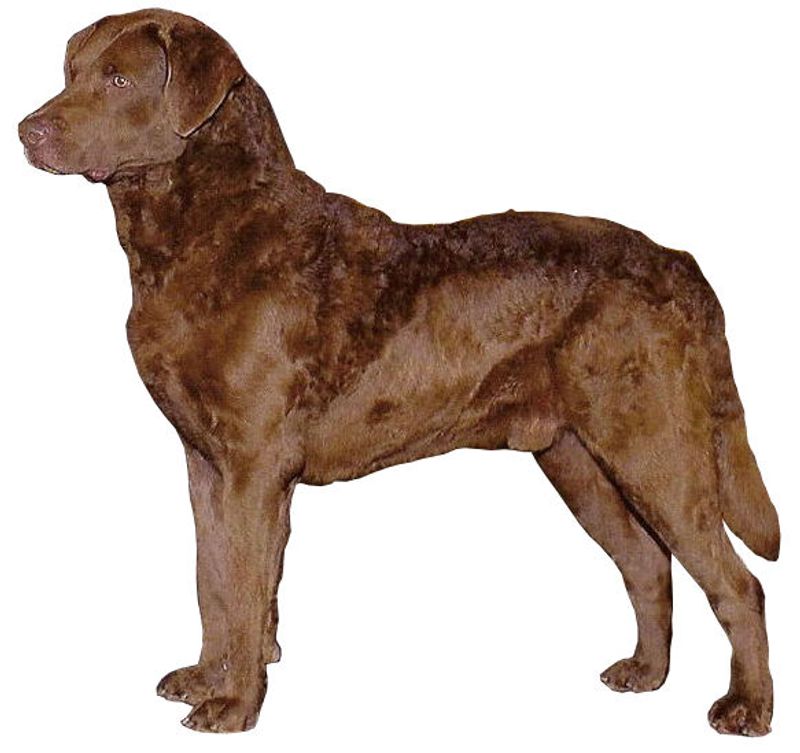
Chessies charge through marshes, so their rugged pads deserve daily checks. Mud hides tiny cuts and thorns that fester.
Rinse thoroughly, spread toes, and pat dry with absorbent towels.
Trim toe fringes so silt and seeds do not snag. A pre-walk paw wax shields skin from salt and abrasive grit.
Keep nails short to maintain traction on docks, trucks, and slick kitchen floors.
Use a simple three step routine: rinse, dry, inspect. Reward cooperation generously so the ritual stays easy.
This steady care keeps the retriever engine running, prevents stinky paw licking, and keeps your backseat from transforming into a marsh-stained canvas.
Nova Scotia Duck Tolling Retriever
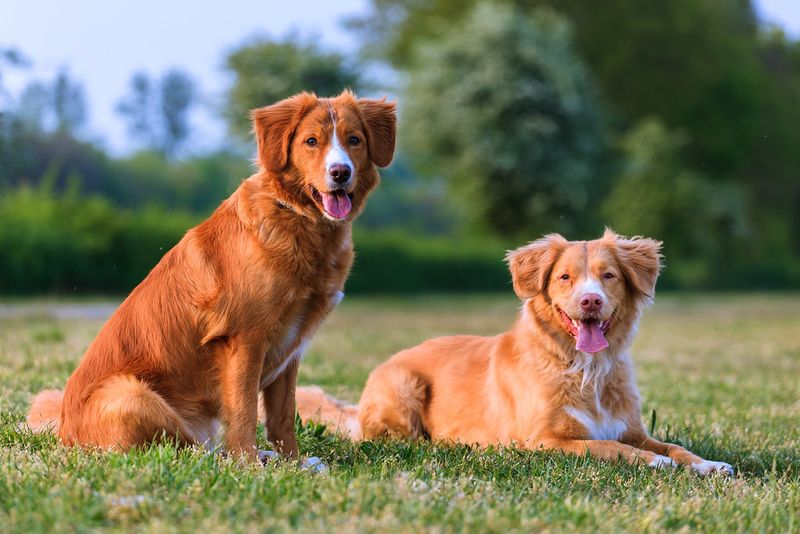
Tollers are clever and energetic, which means plenty of splashy mess. Their moderate feathering still grabs mud at the toes.
Rinse with lukewarm water, then comb lightly to catch seeds and grit.
Blot dry and use a cool dryer to reach the webbing. Keep nails and dewclaws trimmed so the paw spreads less under weight.
A light balm helps water bead during shoulder season drizzle.
Teach a door-side routine with a mat and a few treats. Name each paw to make handling predictable and fun.
Consistent care wards off yeast, scuffs on floors, and that suspicious swamp bouquet Tollers love to bring home.