
Every summer, foxtail panic returns like clockwork, and for good reason. Those barbed grass seeds can wedge into ears, noses, paws, and even lungs, turning a hike into an urgent vet visit.
If you share life with an active field dog, you know the drill: daily checks, tweezers ready, and eyes on every trail edge. Let’s walk through the breeds owners say get hit the most so you can spot trouble early and keep adventures safe.
German Shorthaired Pointer
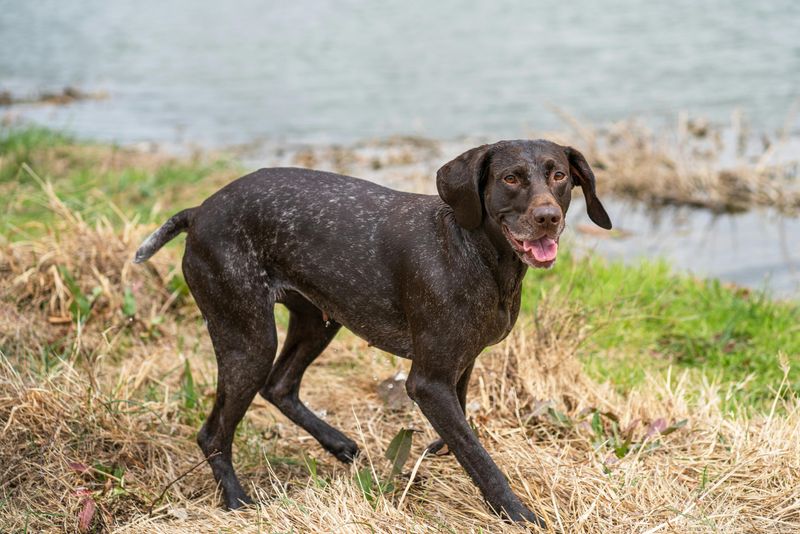
German Shorthaired Pointers charge hard through brush, which puts them in prime foxtail territory. Their short coat seems low maintenance, but those barbed seeds still hitch rides in the armpits, between toes, and inside ears.
You will often spot head shaking or paw licking after a field session.
Daily checks are your best defense. Use a bright flashlight to inspect ear canals, webbing, and lip folds, then run fingers backward along the coat to catch stuck awns.
Keep nails trimmed for better paw visibility, and consider booties in peak season when trails dry out.
Train reliable recalls so you can redirect from risky edges. Rinse after outings, and keep a vet’s number handy if coughing, sneezing, or swelling appears.
English Pointer
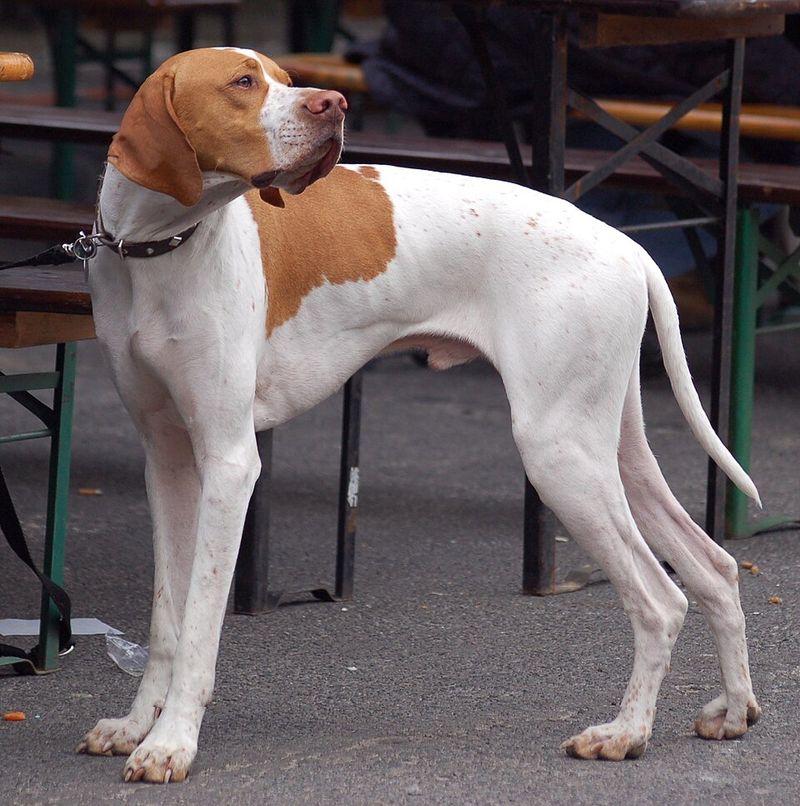
English Pointers live to quarter fields, and that classic stance often happens right in the weeds. Smooth coats do not stop foxtails from sliding into ears or slipping under eyelids.
After runs, look for sudden sneezes, paw flicking, or an eye that will not open comfortably.
Carry a soft muzzle in case you need to inspect the nose safely. Flushing saline can help clear minor debris, but anything lodged deep needs a vet.
Comb with a fine slicker, brushing against the lay of the hair along the chest and undercarriage.
Condition a stand stay so your dog tolerates slow, thorough checks. Avoid mowing fields right before walks since fresh cuts release loose awns.
Early detection saves pain and money.
Brittany
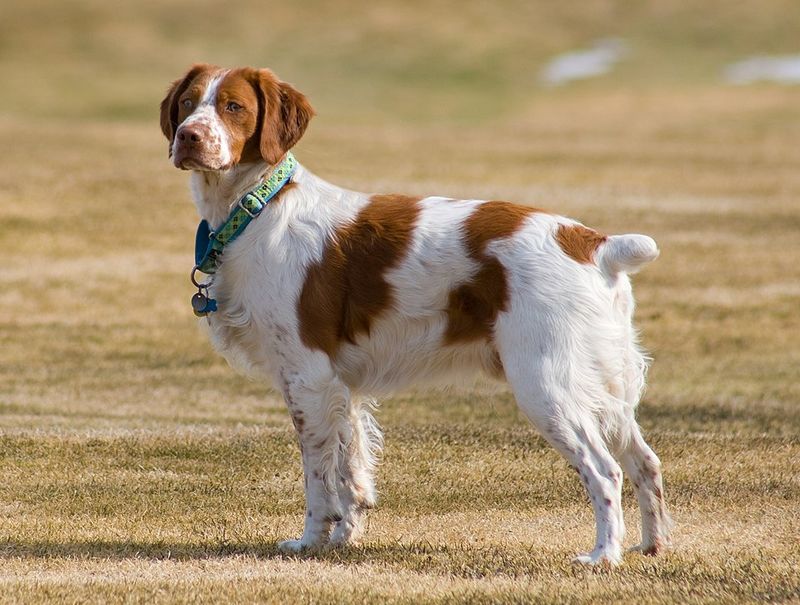
Brittanys are pocket rockets, and those silky ear fringes act like velcro for foxtails. Expect seeds to ride along the chest feathers, tail, and armpits.
If your dog starts head tilting, pawing at an ear, or coughing after a scout, suspect an awn.
Keep feathering trimmed short during high risk months. A grooming spritz can reduce static cling, and a lint roller surprisingly catches surface seeds fast.
Teach a chin rest cue for calm ear checks, then use a penlight to inspect folds and canal openings.
Leash near trail margins where dry grasses creep inward. Rinse off in the yard, then towel dry against the coat grain.
Tight routines make adventure days safer without killing the fun.
Vizsla
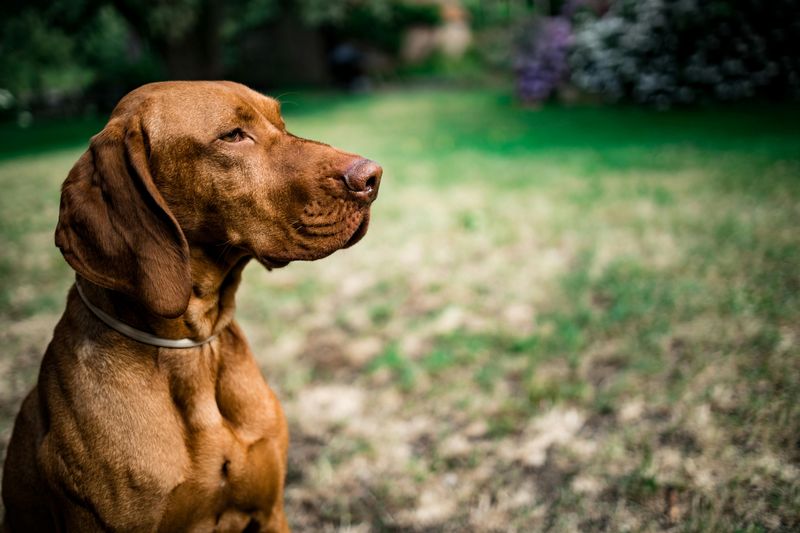
Vizslas love speed and snuggle time equally, but that smooth coat can hide tiny invaders. Foxtails slip under the skin near toes and travel, causing swelling or draining tracts.
Sudden licking at one paw or a tender step warrants a closer look.
Before runs, apply a light paw balm to reduce micro fissures that catch seeds. After, spread the toes, check nail beds, and feel for tiny splinters along the pad edges.
A silicone finger toothbrush helps sweep debris from fur between digits.
Ear checks are essential after windy days. Keep a saline wash on hand and never force objects deeper.
If sneezing turns violent or persistent, head straight to the clinic for rhyme and reason plus relief.
Weimaraner
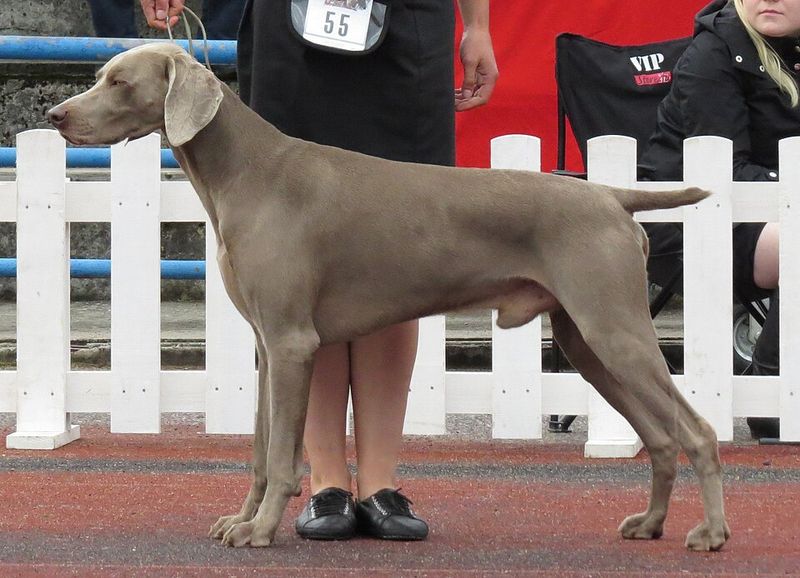
Weimaraners move like arrows, and their curiosity puts noses into seed heavy clumps. The coat is tight, yet awns still migrate along the skin, especially in the groin and flank.
Watch for sudden yelps, localized swelling, or compulsive licking that seems to come from nowhere.
Use a damp microfiber cloth to wipe the entire dog immediately after hikes. Follow with a rubber curry to lift stuck bits, then inspect with a headlamp for hands free visibility.
Keep ear canals dry and clear, since moisture encourages irritation.
Practice a calm side lie to check belly and inner thighs. During peak season, choose packed paths over weedy shoulders.
Early removal prevents abscesses and stressful procedures later.
Wirehaired Pointing Griffon

Wirehaired Pointing Griffons wear magnificent beards, which unfortunately trap foxtails like a net. Seeds also lodge in eyebrow furnishings, ear hair, and the dense jacket.
If your dog rubs its face or sneezes repeatedly after nosing around, check those whiskers first.
Comb the beard outward with a stainless steel wide tooth comb, then follow with a fine comb to catch awns. Snip mats forming at lip corners to remove hiding spots.
Consider a light snood or short beard trim during peak months if heavy in weeds.
After hunts, rinse the muzzle and pat dry thoroughly. Inspect armpits, tail set, and groin carefully.
Quick, methodical routines keep the coat functional without sacrificing the breed’s hallmark look.
German Wirehaired Pointer
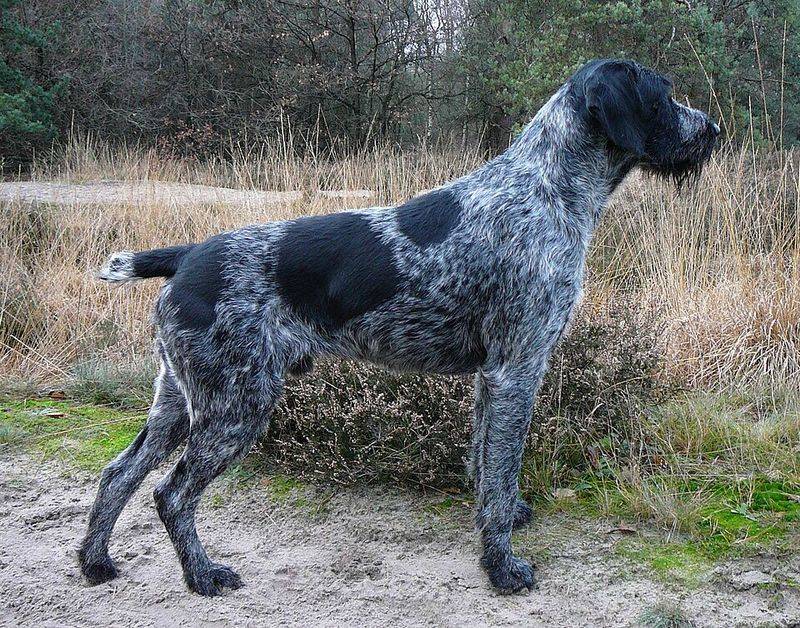
German Wirehaired Pointers punch through cover with zero hesitation. The coarse coat helps, but foxtails still cling to furnishings and travel along skin.
Common trouble spots include ear canals, lip corners, between toes, and under the tail.
Keep furnishings tidy with regular stripping and scissoring around high friction zones. Post run, use a forced air dryer on cool to blow out debris before it settles.
A handheld vacuum with a brush attachment can also pull free surface seeds surprisingly well.
Condition cooperative care skills so checks are stress free. Choose routes with wider, maintained paths when grasses cure.
If you notice a sudden head tilt or a tender lump, do not delay a vet visit.
English Setter
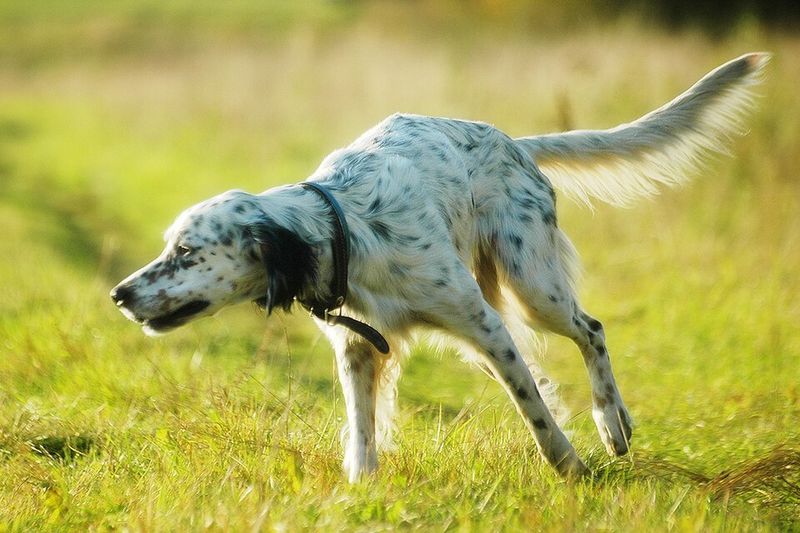
English Setters wear beautiful feathering that turns into a foxtail magnet. The long ear and tail hairs capture seeds that sneak into ears, armpits, and flank fringes.
After field time, look for squinting, sneezing, or a sudden skip in stride.
Trim feathers moderately during peak season while preserving outline. Spray a light detangler then comb from ends to roots to free trapped awns.
A lint roller across ear fringes and pants is quick insurance before getting back in the car.
Teach a stand platform routine for predictable checks every time you return home. Prefer mowed paths and avoid dried drainage ditches.
If a cough appears after a big sniff, get a chest listen from your veterinarian promptly.
Gordon Setter

Gordon Setters carry heavy furnishings that pick up foxtails during every enthusiastic gallop. Seeds tangle in ear fringes, breeches, and tail, then migrate into sensitive areas.
Signs include head shaking, sudden sneezes, or licking at the inner thighs.
During high risk months, keep feathering tidy and nails short for better toe checks. Use a detangling spray and metal comb after each outing, then follow with a blower to lift hidden awns.
Focus on armpits and the base of ears where friction draws seeds inward.
Build cooperative care with tasty treats and short sessions. Choose wind protected routes on gusty days when seeds scatter.
Fast action after subtle symptoms prevents infections, antibiotics, and stressful procedures.
Irish Setter
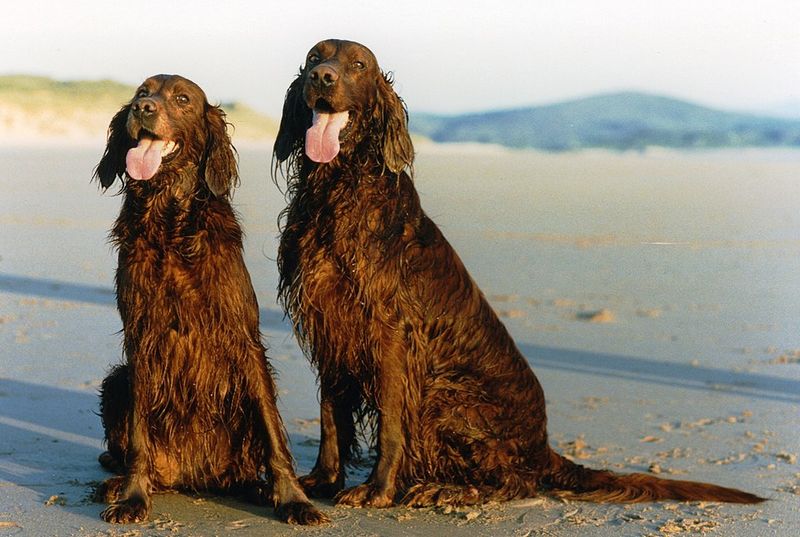
Irish Setters are joy in motion, and that flowing coat sweeps up foxtails like a broom. Ear canals and the fluffy areas behind elbows are frequent hiding spots.
If your dog suddenly shakes its head or sneezes hard, suspect a seed.
Keep feathers thinned with careful scissoring, and train a relaxed chin rest for ear exams. After hikes, use a damp cloth to wipe legs and belly, then comb with a fine rake.
A cool setting on a blower helps dislodge stubborn awns.
Pick routes with short turf during peak dryness. Carry saline and gauze, but avoid digging at deep lodged seeds.
Quick vet care prevents migration and serious complications, keeping playtime rolling all season.
Spinone Italiano
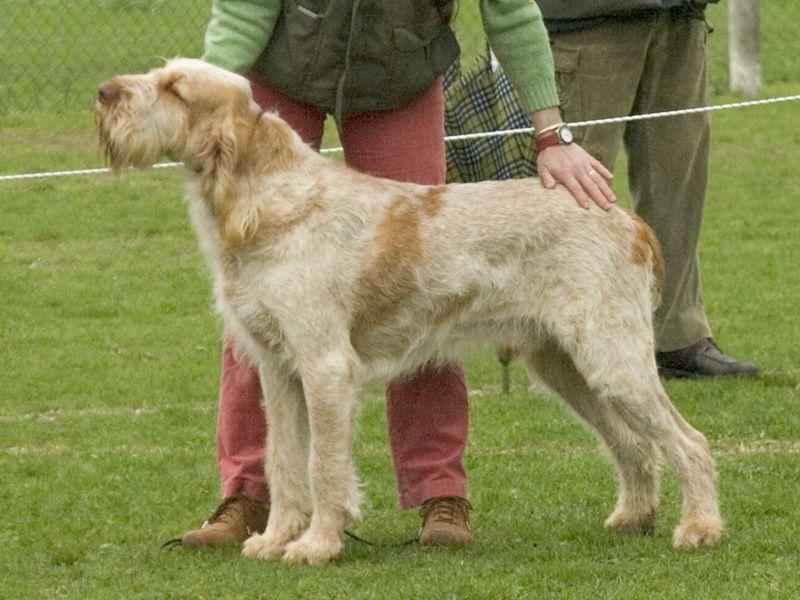
Spinoni bring a steady, curious style to the field, and that textured coat collects foxtails readily. The beard and eyebrows are prime traps, as are armpits and the base of the tail.
Persistent face rubbing or a sudden sneeze fit can point to an awn.
Comb furnishings daily in peak months, using fingers to feel for stiff bristles against the skin. Keep a small first aid kit with saline, tweezers, and lubricating drops for eye exposures.
A quick muzzle rinse after work helps clear whisker tangles.
Practice calm handling so inspections are low drama and quick. Seek shorter grass or sandy tracks during late summer.
If breathing sounds odd or coughing starts, schedule a fast exam to rule out inhaled seeds.