
If your big dog slows down on stairs or hesitates before jumping into the car, you are not alone. Owners everywhere are swapping notes on daily routines that actually help senior joints feel better.
From warmup walks to low impact strength drills, a few consistent tweaks can transform comfort. Let’s compare the breeds that come up most in these joint friendly conversations so you can build a routine that truly fits your dog.
Great Dane
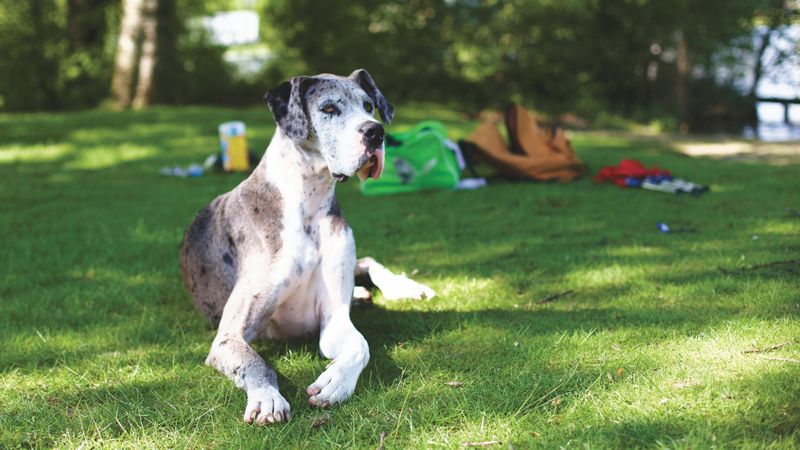
Great Danes age fast, so gentle structure becomes everything. Start with five minute warmups on flat ground, then add slow figure eights to wake up hips and spine.
A raised feeder can help reduce neck strain during meals, and non slip rugs give confidence on hardwood floors.
Short hill sniffs build rear end strength without pounding. Try two sets of three controlled sit to stands, focusing on smooth motion and reward calm posture.
End evenings with a warm compress across the lower back and stifles for eight minutes each side, plus a light stretch before bedtime. Track weekly steps to catch early fatigue.
Boxer
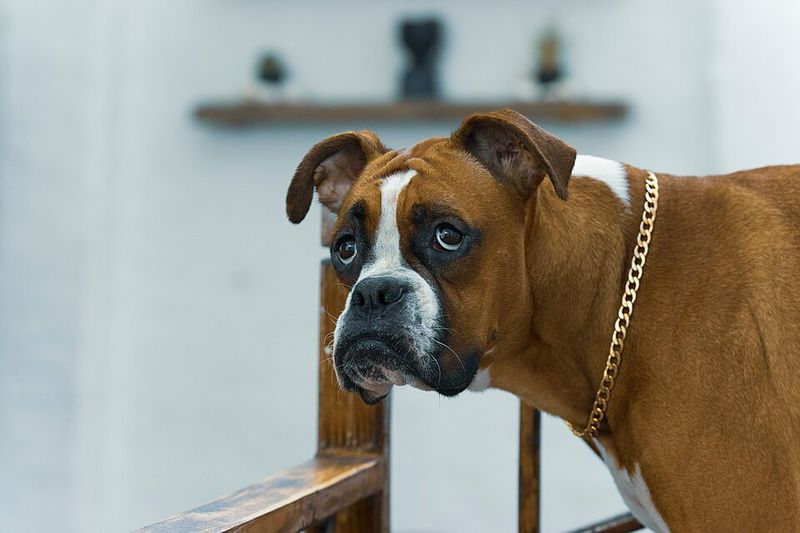
Older Boxers keep their spark, but joints appreciate methodical pacing. Begin with a brisk sniff walk, then weave between cones to engage the core without jumping.
A front clip harness reduces torque on shoulders, and short tug sessions can be swapped for food puzzles to spare wrists.
Two to three times weekly, add low step ups onto a sturdy platform, five reps per side, slow and steady. Finish with gentle shoulder circles and a massage down the triceps to ease impact wear.
Chilly mornings call for a light jacket to keep muscles warm. Watch for knuckling or bunny hopping, and schedule vet rechecks if strides shorten.
Consistency outperforms weekend warrior antics.
German Shepherd Dog
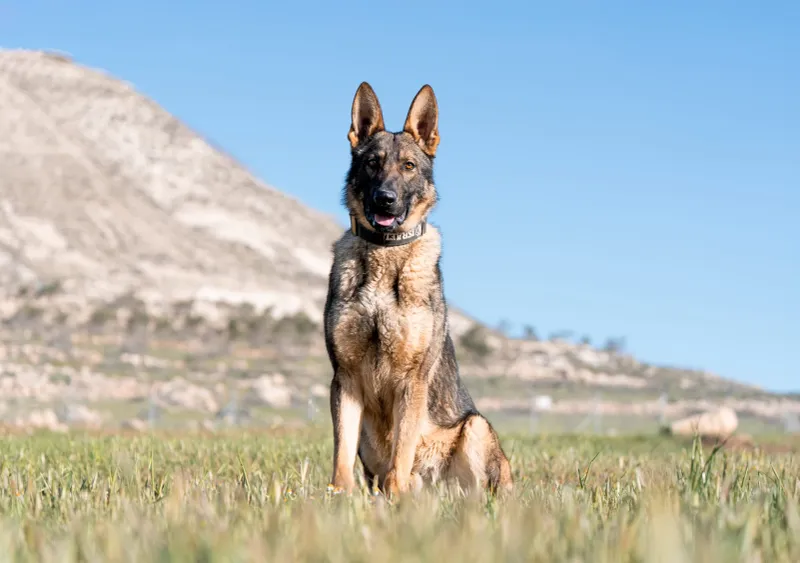
Shepherds thrive on jobs, so turn mobility into a mission. Start with controlled heelwork at a slow pace for five minutes, letting the back warm evenly.
Add rear paw targeting onto a balance pad for proprioception that supports stifles and hips. Keep nails short to protect posture.
Introduce straight line cavaletti at hock height, six poles spaced to their stride, twice weekly. Hydrotherapy days replace long fetch to spare the spine.
After activity, apply a brief cool pack to the lumbosacral area, then gentle tail traction stretches approved by your vet. Ramps for cars reduce jarred landings.
Log videos monthly to compare gait and nudge routine changes early.
Rottweiler
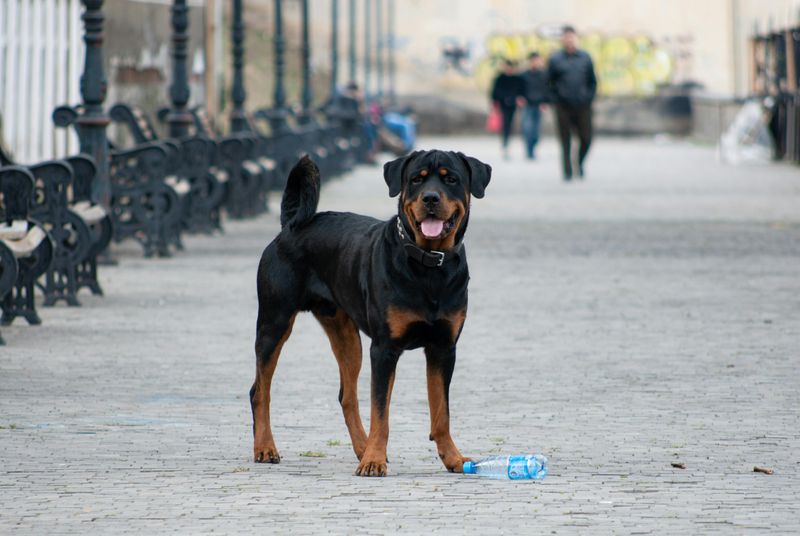
For Rottweilers, joint friendly strength is the theme. Begin with nose targeting to guide slow turns that mobilize shoulders and hips.
Add controlled backing up along a hallway, five steps at a time, to light up the rear chain. Keep sessions short yet frequent to avoid next day soreness.
Weighted vests are tempting but skip them for seniors. Instead, use uphill walks on grass for resistance without pounding.
After meals, a brief decompression stroll reduces stiffness. Weekly paw pad checks catch micro cracks that alter gait.
Finish nights with a foam roller massage beside the spine, never on it, and a warm bed away from drafts. Progress feels steady, not dramatic.
Doberman Pinscher
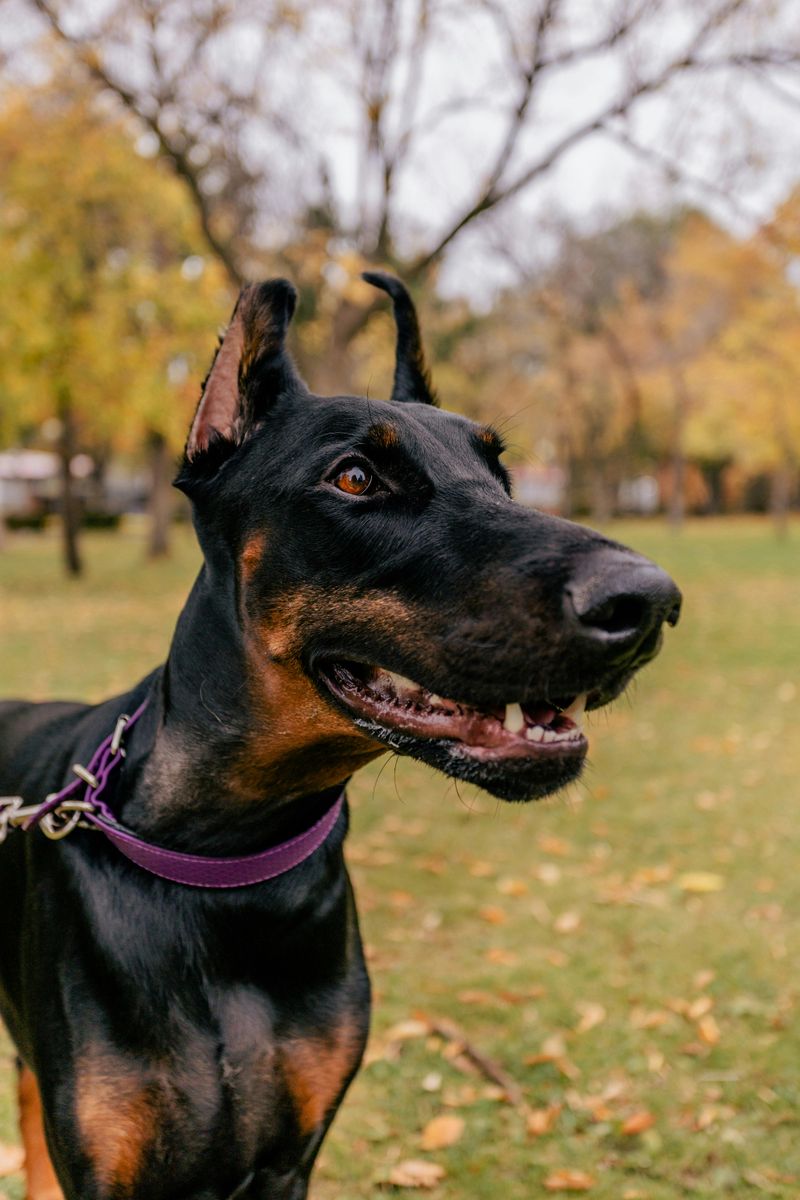
Senior Dobermans benefit from sleek, structured routines. Start with a light jog becoming a stroll to avoid cold muscle strain.
Then try lateral weight shifts while standing, rewarding balanced posture. Keep turns wide to spare wrists, and limit sudden sprints that twist the spine.
Twice weekly, add water walking in a shallow pool or on a canine treadmill where available. Post session, towel dry thoroughly and add a gentle hamstring stretch if your vet approves.
A supportive orthopedic bed prevents overnight stiffness. Monitor for nail bed soreness, which can mimic hip discomfort.
Calm scent games replace high jumps, preserving drive without wear. Small, steady wins keep that elegant stride smooth.
Newfoundland
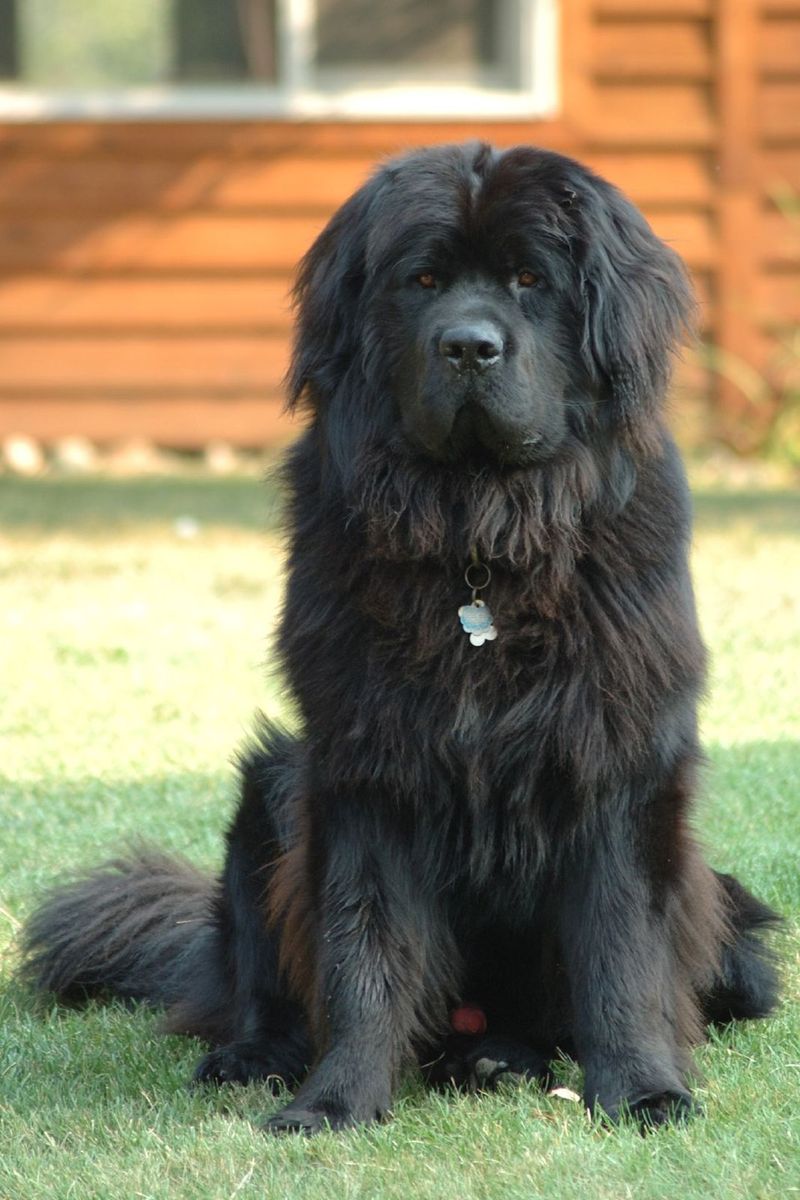
Big Newfies love water, making hydro days perfect for joints. Begin with warm towel rubdowns before heading outside, then slow shoreline walks to engage stabilizers.
Indoors, try cookie stretches nose to hip to maintain spinal flexibility. Keep sessions cool, because overheating worsens fatigue.
Add gentle stair ascents only if railings and traction are excellent. Otherwise, use ramps for beds and cars.
Brush out dense coat to spot skin irritation that can change gait. After exercise, offer a calm fifteen minute nap on a firm mattress.
Track weekly body weight to protect hips and elbows. You will see happier, looser movement with small, consistent work.
Bernese Mountain Dog
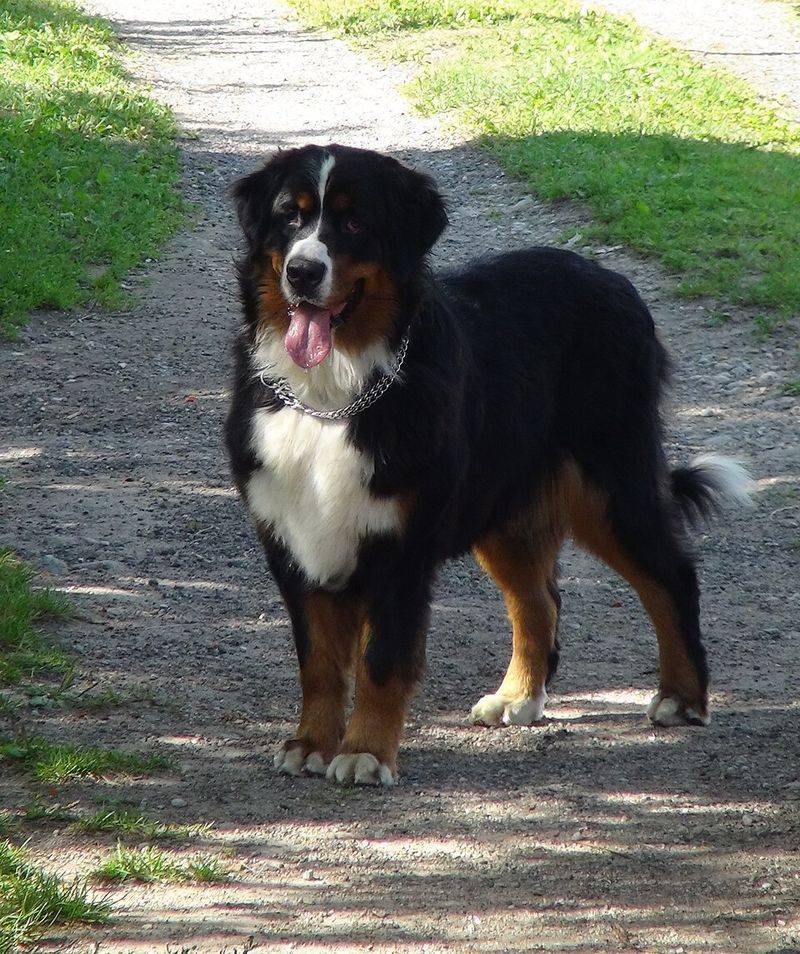
Berners do best with gentleness and routine. Start mornings with a warm compress on hips, then a short neighborhood loop with sniff breaks.
Figure eight patterns on grass mobilize the spine without stress. Keep durations modest, because heat and weight can sneak up on joints.
Twice weekly, practice slow step overs using pool noodles, four to six passes. Swap jumping in the car for a sturdy ramp with side rails.
After dinner, a light massage from shoulder blades to tail helps circulation. Watch for subtle toe dragging on long walks.
Adjust pace first, not distance, to preserve confidence. Over time, those small choices keep the Berner’s happy sway.
Labrador Retriever
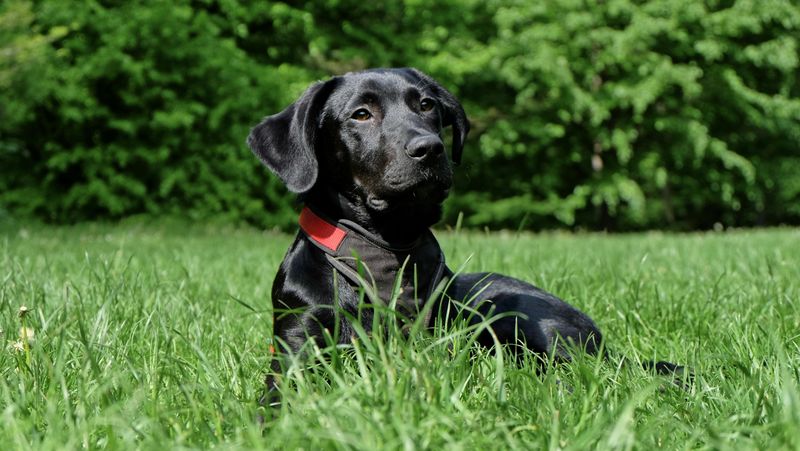
Senior Labs still chase joy, so give them safe outlets. Replace marathon fetch with rolling retrieves on soft turf, three to five throws max.
Add scent scatters in leaves to lower impact while satisfying the nose. Warmup heelwork prevents that first lunge stiffness many Labs show.
Introduce sit to down to stand transitions on a mat, five slow reps. Hydro sessions shine for this breed, but rinse and dry to protect skin.
Keep floors grippy, especially near water bowls. Split meals to support weight management without hunger meltdowns.
A simple nightly checklist keeps you consistent and your dog comfortable.
Golden Retriever
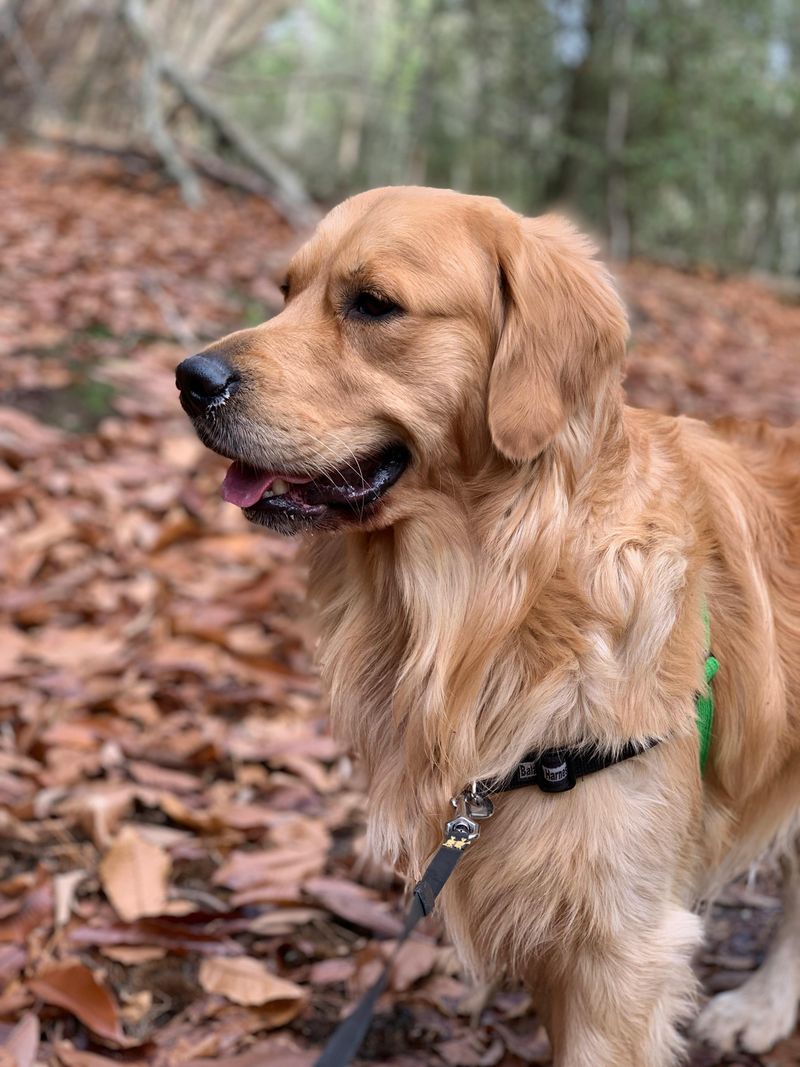
Goldens respond beautifully to calm, positive reps. Begin with leash circles in both directions to lubricate shoulders, then add slow side stepping along a wall to engage hips.
Use a cushioned runner through hallways to reduce slip scares and preserve confidence.
Twice weekly, practice controlled pole weaves set far apart, keeping the neck neutral. A post walk cool rinse helps if skin gets itchy under thick coat.
Consider a light support harness on longer days. Watch for reluctance to sit or sudden frog leg sprawls after naps.
Those are your cues to shorten sessions, not skip them. Gentle persistence keeps that signature Golden floaty gait.
Bullmastiff
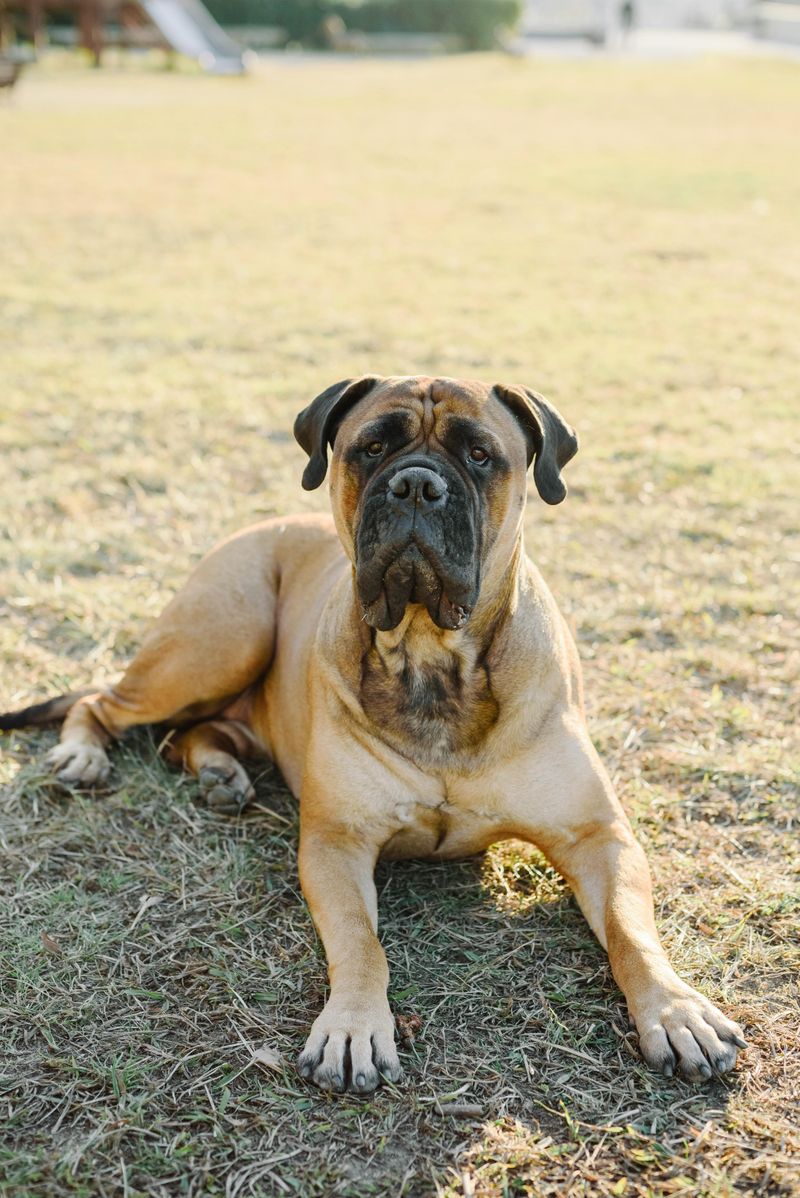
Bullmastiffs value calm structure and short bouts. Start with nose to shoulder cookie stretches to wake the spine, followed by two blocks of relaxed walking.
Use curbs for gentle step ups, two or three reps, focusing on slow descent to protect elbows.
Midday, try stationary weight shifts while standing square on a mat. Evenings, massage triceps and quads, finishing with a warm compress on elbows.
Keep sessions cool and watch for panting that outpaces effort. A ramped car entry is non negotiable.
Small progress adds comfort without overdoing it, keeping this stoic breed moving happily.
Mastiff
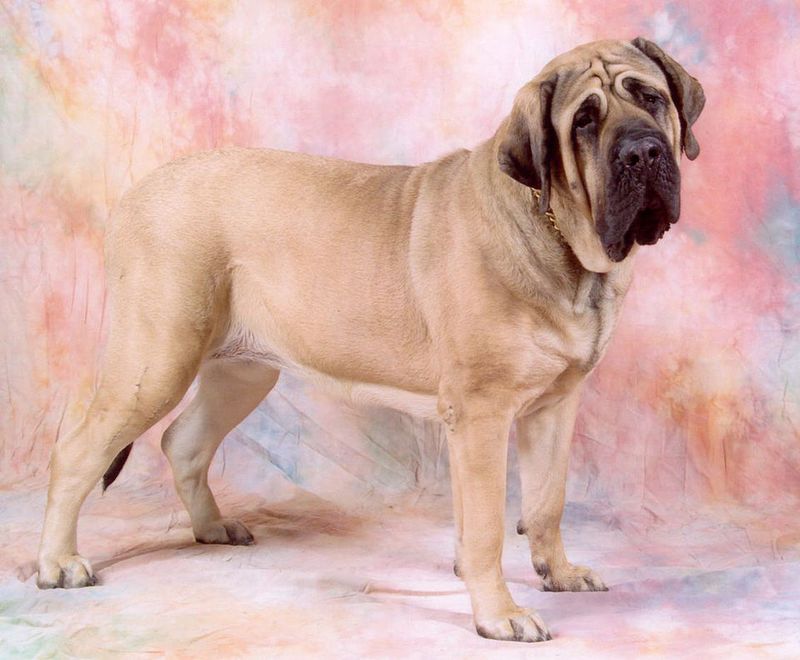
Giant mastiffs need low impact consistency. Begin with five minute sniff walks, stopping before fatigue appears.
Add controlled backing up to a mat, three to five steps, for rear engagement. Keep nails and dewclaws tidy so toes land squarely and joints align.
Rotate gentle hill walks and short hydro sessions. At home, elevate food and water slightly to reduce neck strain.
An orthopedic bed with side bolsters helps sore shoulders rest. Avoid sharp turns on slippery floors by laying runners in key spots.
Track weekly comfort notes like first step stiffness or pace changes. Those trends guide the next tweak.
Saint Bernard
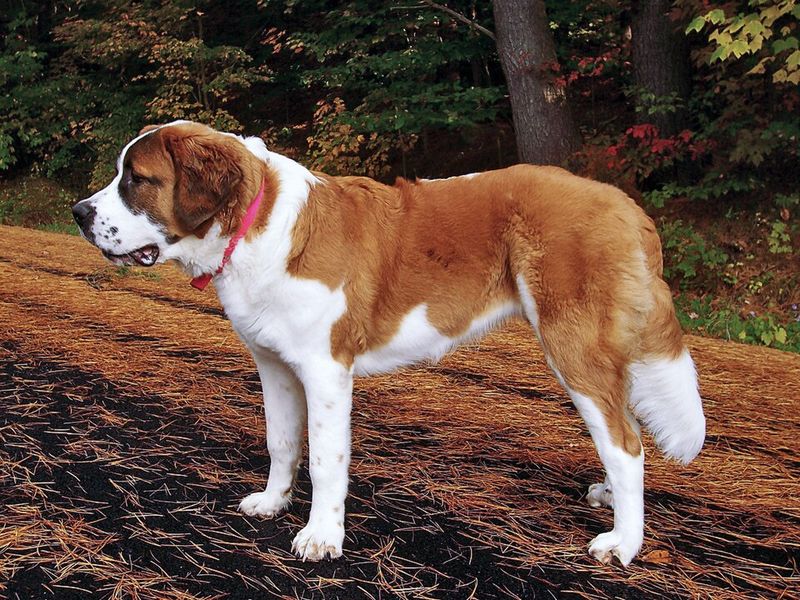
Saint Bernards blossom with kindness and predictable rhythms. Start with a warm towel on hips, then a shaded stroll with frequent sniff pauses.
Practice controlled stand to sit to stand on a rug, three to four reps. Keep hydration close, since these gentle giants tire quickly.
On cooler days, introduce low cavaletti spaced widely to suit their stride. Car trips mean ramps and grippy surfaces, always.
After exercise, brush out feathering to spot sore spots early. If stairs are necessary, use slow single flights with rests.
Aim for comfort today and capacity tomorrow. Your Saint will thank you with looser, happier steps.