
Dogs hear more than words. They pick up tone, rhythm, and subtle cues that reveal who is speaking and what mood they are in.
New research shows many breeds can distinguish human voices with surprising accuracy, even in noisy settings. Keep reading to see how 11 beloved breeds perform and what that means for your daily conversations with your dog.
German Shepherd Dog
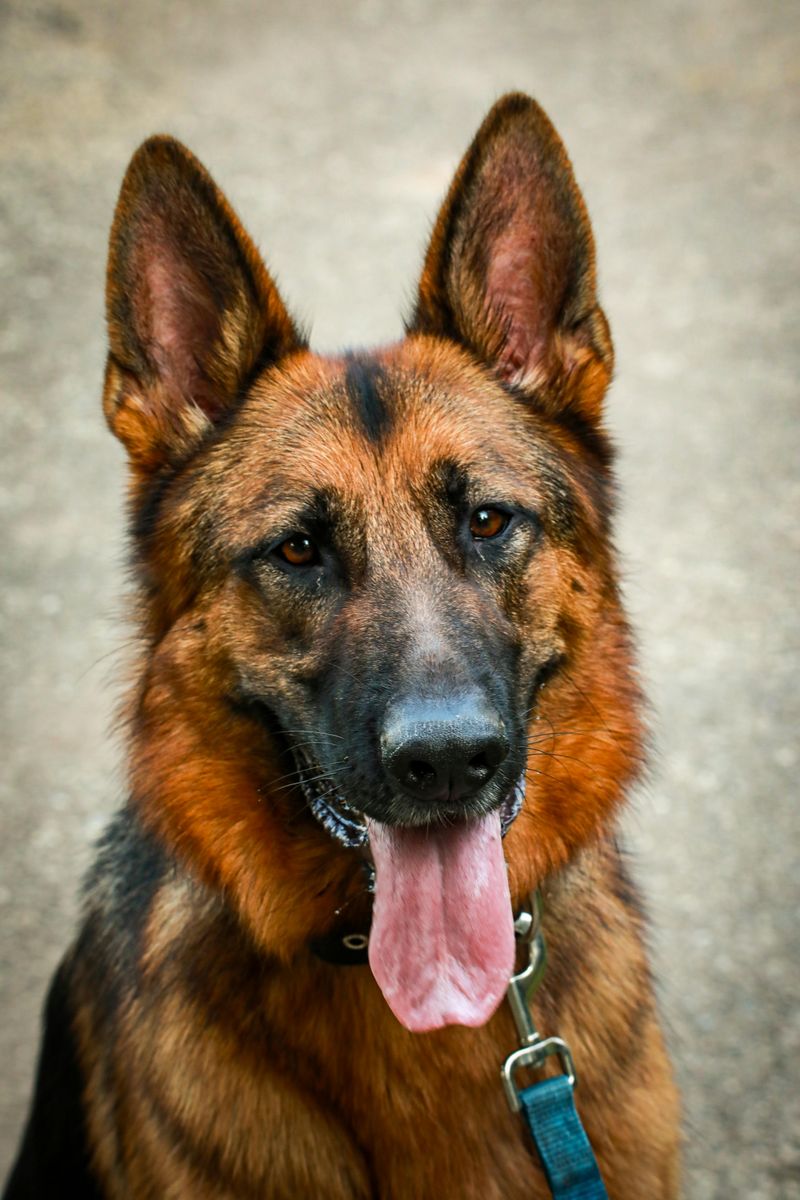
German Shepherds shine when asked to separate familiar voices from strangers. Strong working lines give them a natural edge in attentiveness, impulse control, and pattern detection.
You can see their ears rotate as they triangulate sound, then shift posture when your voice enters the mix.
In trials with masked words and altered pitches, they still pick up timing and timbre. That means they rely on voice fingerprints more than vocabulary alone.
Training games using recorded commands can sharpen this ability and reduce confusion in crowds.
At home, use consistent phrasing and reward rapid orienting to your call. Short, clear cues paired with distinct tones help.
You might be surprised how swiftly they lock onto you.
Border Collie
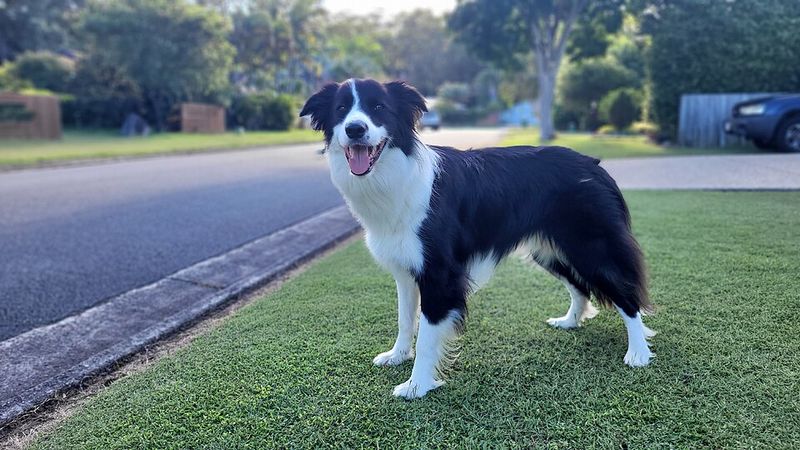
Border Collies are acoustic detectives, always listening for patterns and regularities. Their herding heritage primes them to notice micro changes in intonation.
In recognition tasks, they rapidly sort voices by cadence, often beating average reaction times across breeds.
Even when words are scrambled, they respond to the speaker’s rhythm and stress. This lets them identify you during phone calls or through a closed door.
Practice controlled recalls with recordings to proof their focus in distracting places.
Keep sessions brief to prevent over arousal. Vary the distance and speaker orientation so they generalize well.
You will see head tilts, ear flicks, and quick weight shifts as they decode who is talking, then commit decisively.
Belgian Tervuren
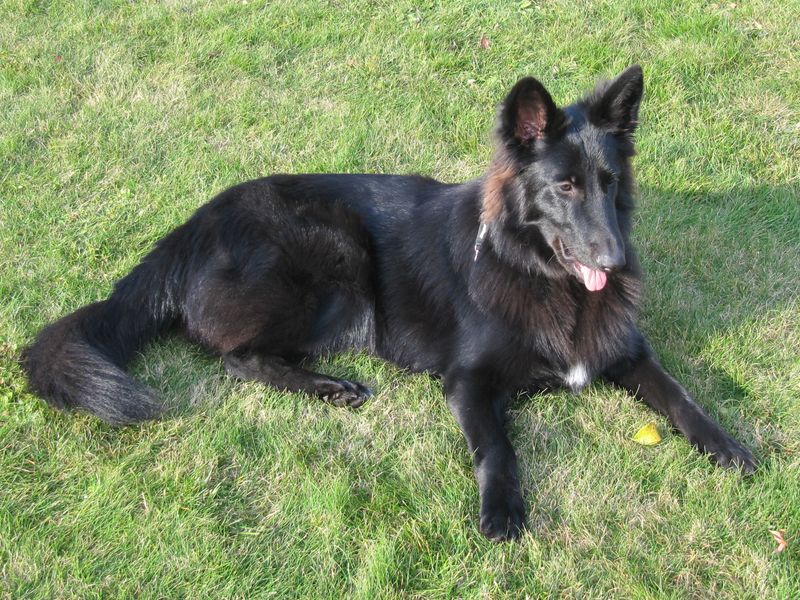
Belgian Tervurens bring intensity to any voice test. They lock onto subtle prosody shifts and seem to map the speaker’s energy.
In trials with muffled consonants, they still orient correctly when their handler’s tone appears.
Because they are sensitive, they benefit from steady, predictable vocal cues. If your voice tightens, they may mirror that tension.
Use calm, confident phrasing, and they will respond briskly without overreacting.
Practice voice lineups, alternating friends, family, and recorded strangers. Reward the correct orienting choice, not just the final sit.
Over weeks, you will notice faster discrimination and fewer false starts in busy spaces, boosting reliability during sports, scent work, and daily life.
Standard Poodle
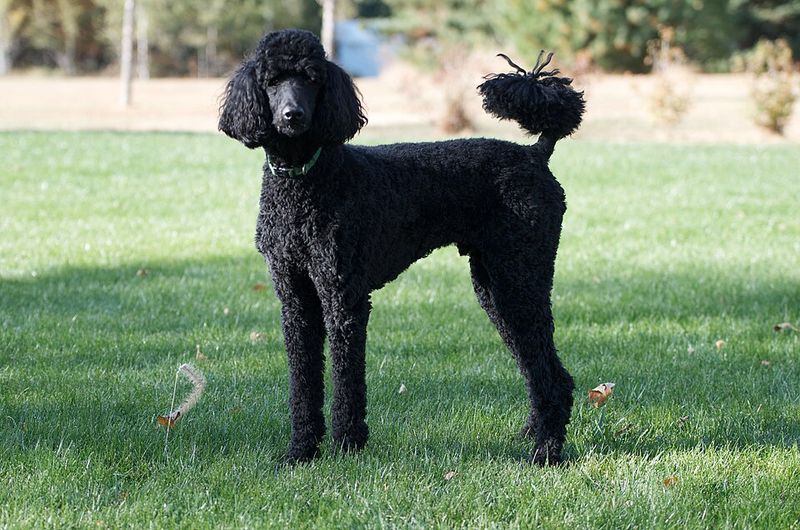
Standard Poodles are perceptive and socially tuned. In recognition tasks, they often key into vowel color and smoothness, distinguishing familiar people even with background chatter.
Their balance of curiosity and restraint helps them wait for clearer cues before committing.
You can nurture this by using consistent markers and cheerful tones. Rotate between live and recorded commands to test generalization.
Many Poodles show a quick double glance when they detect a familiar voice amid noise.
For enrichment, hide treats and have different family members give clues from separate rooms. Track how swiftly your dog selects the right speaker.
Over time, you will see increasingly confident responses and fewer hesitations under auditory clutter.
Labrador Retriever
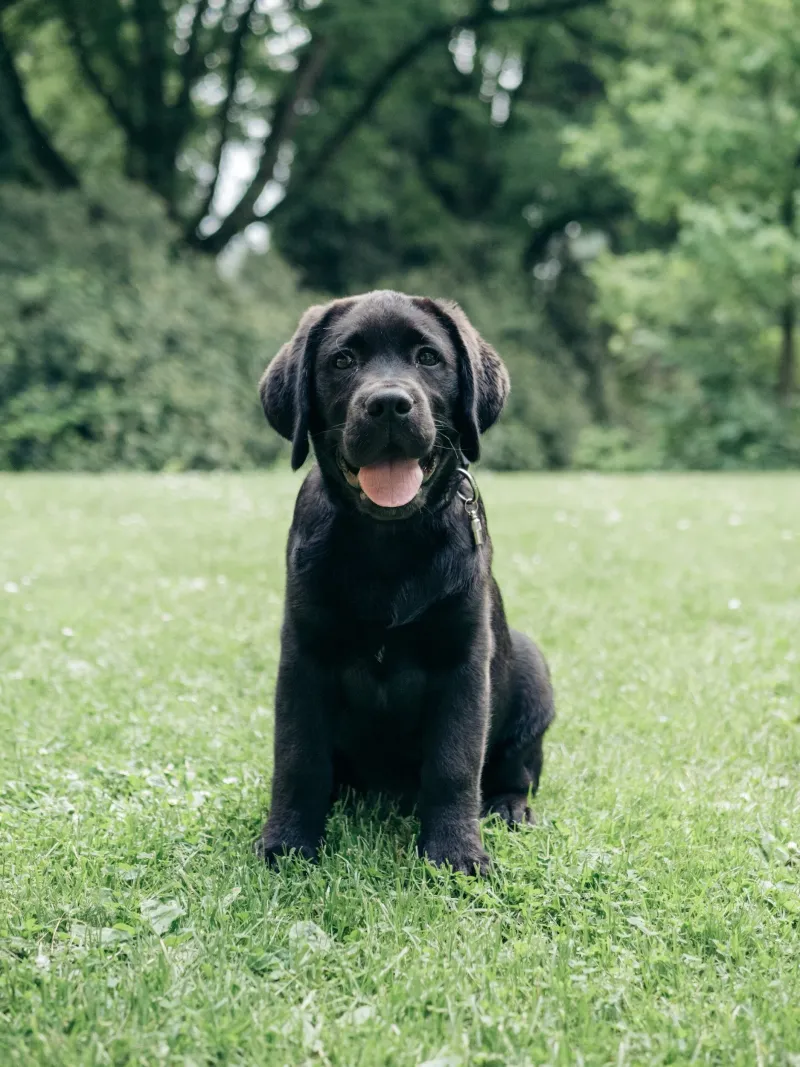
Labradors bring enthusiasm and social optimism to sound tests. They are quick to orient toward familiar people, especially when cues are upbeat.
In studies with masked syllables, Labs still sort by overall tone and pacing.
Because they can get excited, build calm focus with short voice-only recalls. Use low, steady markers for settling and brighter cues for action.
You will notice smoother transitions between tasks once they internalize your vocal patterns.
Try multi speaker games at parks or trails. Reward the first head turn toward your voice, then a clean recall.
Over repetitions, Labs reduce misfires and excel at picking you out from a chorus of chatter, even at distance.
Golden Retriever
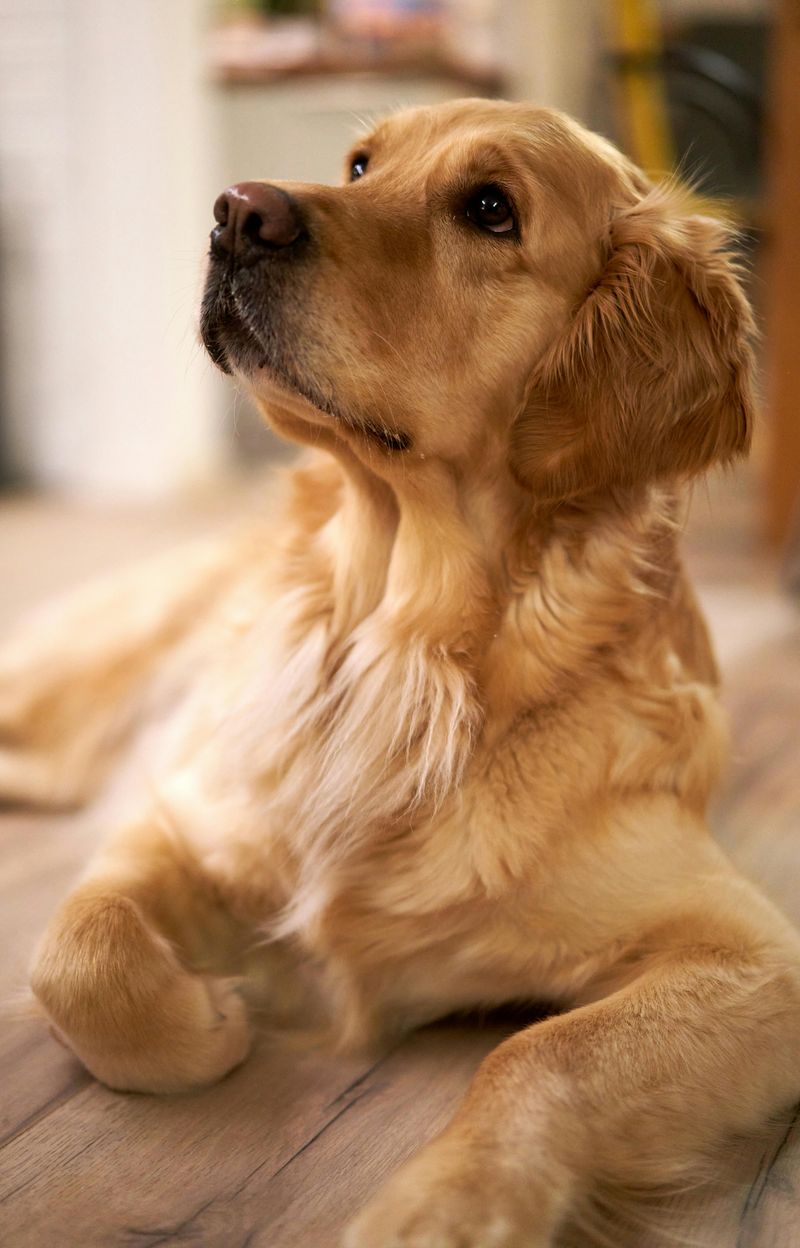
Golden Retrievers read emotional tones gracefully. In voice tests, they discriminate familiar speakers with gentle confidence.
They often choose correctly even when the content is nonsense syllables, relying on warmth, tempo, and resonance.
Use this sensitivity to support training. Pair a calm, smiling voice with praise markers and keep corrections soft.
Goldens thrive when your delivery feels encouraging rather than sharp.
Set up family voice rotations where each person calls from a different room. Reward correct orientation and approach.
You will soon see quicker selections and a relaxed body language that says they trust your signals, even in echoey spaces or when a TV voice attempts to confuse them.
Australian Shepherd
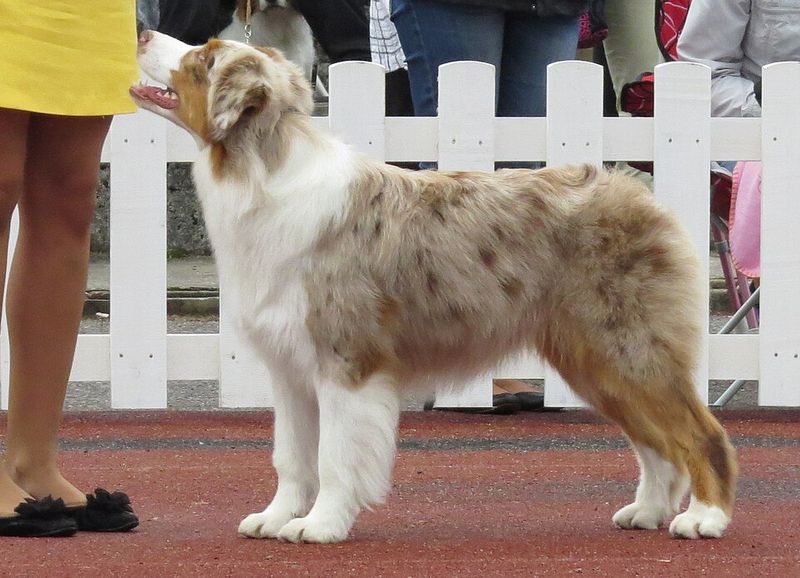
Australian Shepherds are highly responsive to directional sound and cadence. In trials, they swing their gaze rapidly to the most salient speaker, then commit once they confirm familiarity.
Herding ancestry fuels that rapid scan and verify style.
Channel it with structured call and response games. Alternate known voices with recordings played off axis so they practice ignoring decoys.
Keep cues crisp and reward instant head turns before the recall.
With practice, Aussies grow adept at filtering echo and crowd noise. You will see fewer false sprints and more precise orienting.
Their confidence rises as they learn your telltale rhythm, making teamwork smoother during hikes, trials, and busy urban walks.
Papillon
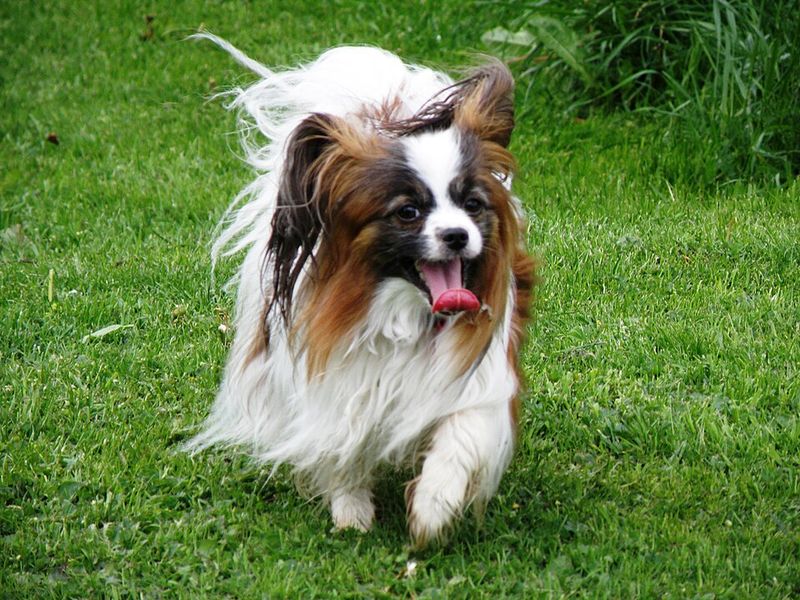
Papillons are tiny acoustic antennas. Their large, mobile ears help them localize and separate voices impressively for their size.
In voice recognition setups, they respond to brightness and speed of speech, often preferring the familiar sing song quality of household talk.
Keep sessions playful and short. Use light, cheerful markers and avoid shouting.
Papillons can become wary if tones turn harsh, which muddies discrimination.
Test with recordings at different volumes so they learn that quieter does not mean unfamiliar. Reward confident head turns and purposeful steps toward the correct speaker.
Over time, you will see agile, accurate choices that belie their small stature, especially in apartments with bouncey acoustics.
Shetland Sheepdog
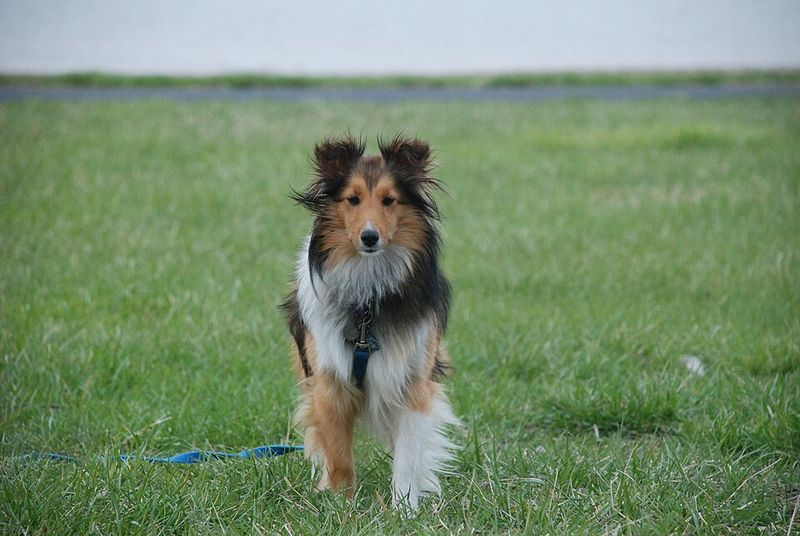
Shetland Sheepdogs excel at picking out familiar voices among layered sounds. Their alertness and sensitivity make them quick to orient yet careful before moving.
In research like lineups with altered vowels, Shelties still rely on rhythm and pitch contour.
Train with consistent phrasing and clear release words. If your tone wobbles with stress, they may over interpret, so keep delivery steady.
Record yourself to hear the cues they hear.
Practice in stairwells and hallways where echoes confuse direction. Reward the first correct ear flick and gaze shift.
Soon, you will notice crisp, confident selections, even when multiple people speak at once or audio plays from a different room.
Doberman Pinscher
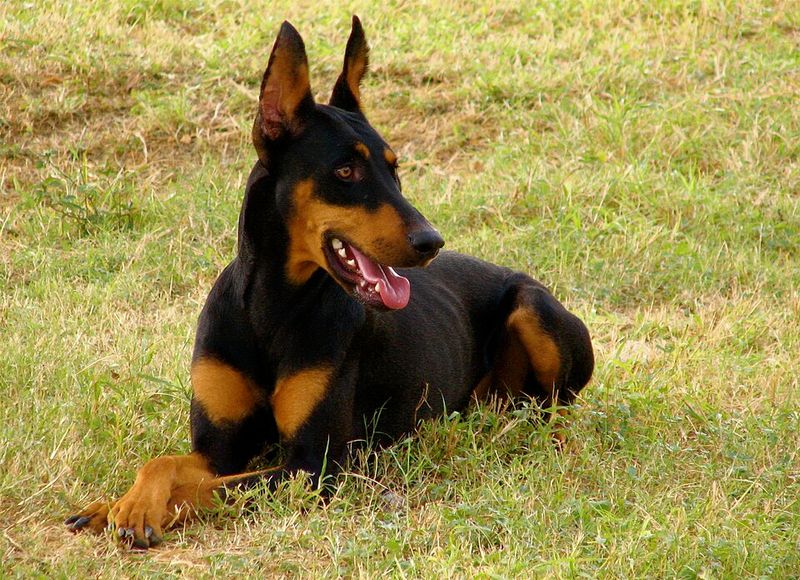
Dobermans bring focus and decisiveness to voice tasks. When they hear a known speaker, posture shifts quickly from neutral to engaged.
In tests using filtered speech, they still identify familiar timbre and pacing, showing strong generalization.
Use clear, consistent commands and avoid muddy filler words. Reward orientation before motion so they commit thoughtfully.
Structured drills with recordings help them ignore irrelevant chatter in elevators, lobbies, and streets.
Vary distances and rooms to challenge localization. You will see faster latencies and fewer misreads as they learn your vocal fingerprint.
That confidence translates to better control during security minded scenarios and calmer home manners when many voices compete.
Rough Collie
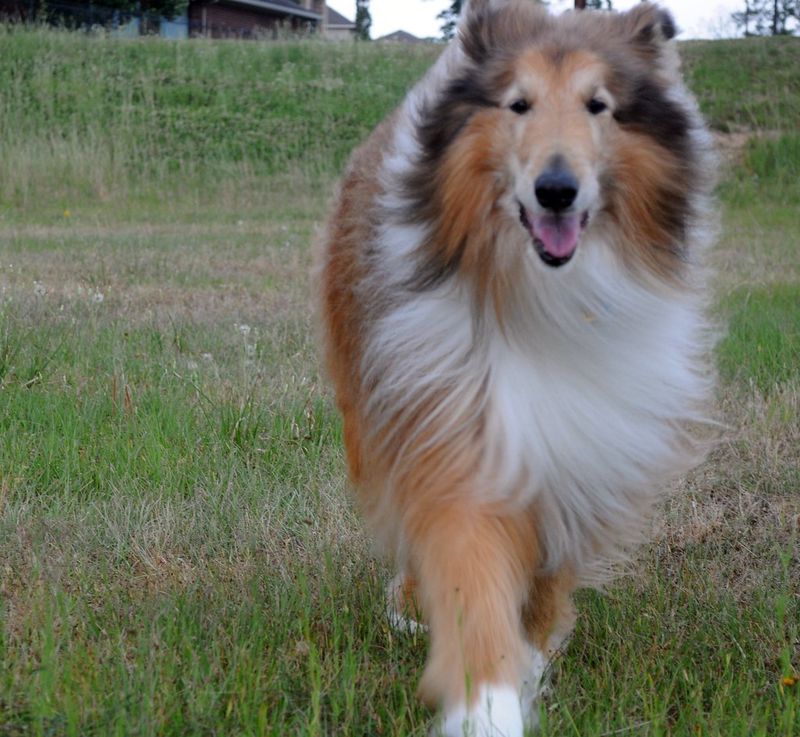
Rough Collies combine gentleness with keen listening. In voice recognition tasks, they favor smooth, reassuring tones and quickly separate household voices from strangers.
Even when syllables are masked, they detect familiar rise and fall patterns.
Build reliability with soft markers and slow, clear phrasing. Avoid sudden sharpness that could cause hesitation.
Rotate callers behind visual barriers to encourage listening over line of sight.
Collies excel at long distance recalls when wind or echoes complicate hearing. Reward initial head orientation, then steady approach.
Over weeks, you will watch latency shrink as they learn your unique sound signature and ignore tricky decoys from speakers, phones, or passing walkers.