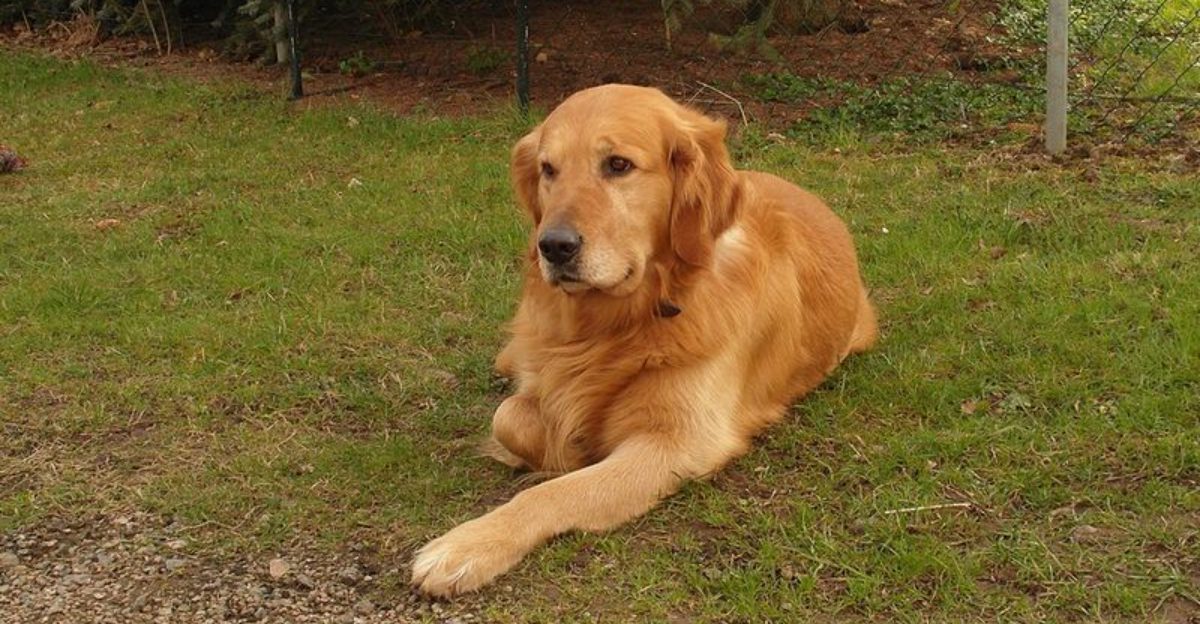
Dogs are paying more attention to screens than most of us realized, and the data is catching up fast. New visual cognition studies show many breeds can interpret moving images, track gaze cues, and even generalize lessons from videos.
That means your training clips and enrichment shows might be doing more than just entertaining. Let’s explore the breeds most often spotlighted for screen savvy and why that matters for everyday life.
Border Collie

Border Collies excel at following motion on screens and linking it to real world tasks. Studies often highlight their ability to track human pointing and eye gaze in videos, then act on that information with surprising precision.
When you show repeatable cues, they generalize fast, treating screens like lesson previews.
Expect a strong startle response to novel animations, then rapid habituation as patterns become clear. They thrive on structured sessions, short and frequent, with clear yes-no feedback.
Many handlers report screen based shaping helps polish distance work, especially directional cues and impulse control routines.
Be careful with over arousal from fast cuts. Use calm voices, clean visuals, and consistent markers.
Border Collies will notice tiny discrepancies between on screen demonstrations and your live follow up.
Australian Shepherd
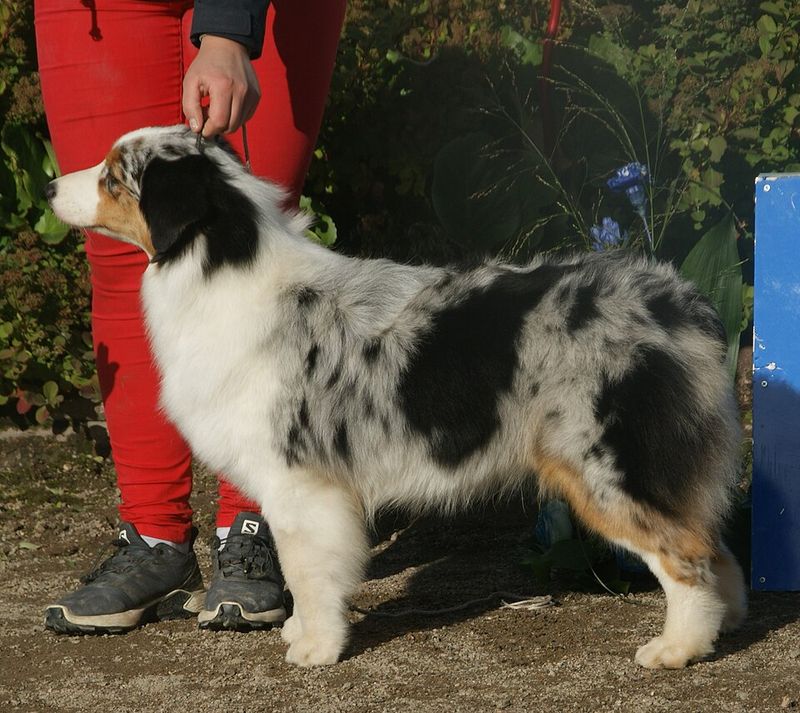
Australian Shepherds show strong engagement with moving targets and handler posture on screens. They often parse body language faster than verbal narration, so video demonstrations of footwork or agility lines can translate well.
When you pause and replay key moments, Aussies tend to lock on and anticipate the next step.
Research notes good carryover from two dimensional cues to three dimensional environments if distractions are managed. Keep background noise low and choose high contrast visuals.
Their herding heritage makes motion highly salient, so controlled pacing matters.
Use session timers to prevent screen fatigue. Pair short clips with immediate practice reps, keeping reinforcement predictable.
Many owners see smoother turns, tighter wraps, and cleaner heelwork after consistent video assisted micro drills.
German Shepherd Dog
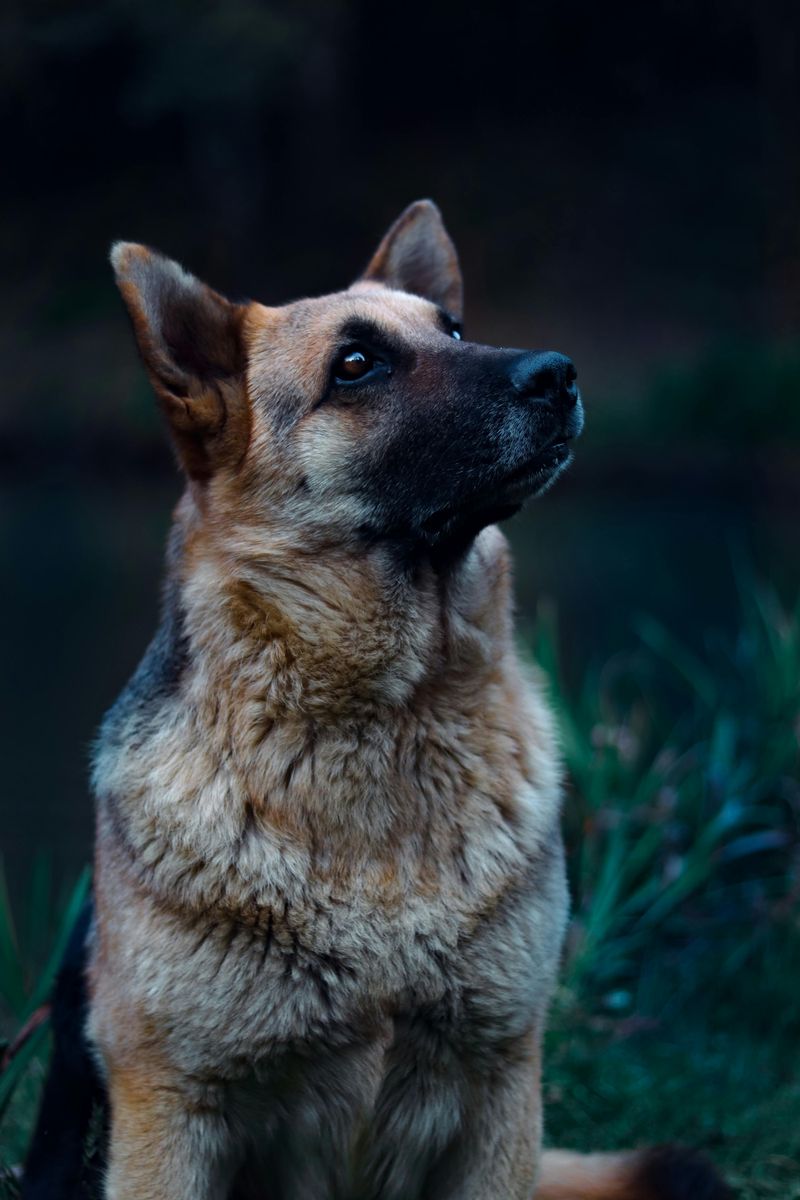
German Shepherd Dogs demonstrate reliable attention to purposeful motion and human referential signals on screens. Studies indicate they can interpret pointing, head turns, and gaze shifts in video, then use that information during real search patterns.
They benefit from clear context, like distinct start cues and end markers.
To reduce over vigilance, present calm, stable framing and avoid abrupt cuts. GSDs appreciate structure, so scripted lesson sequences work best.
You can introduce scent search outlines via diagrams and short clips before live runs.
Pair screen viewing with tactile targets or scent stations to anchor meaning. Reinforce after each successful transfer to the field.
Many handlers report faster deployment of new patterns and safer decision making under stress when primed by consistent video primers.
Belgian Malinois
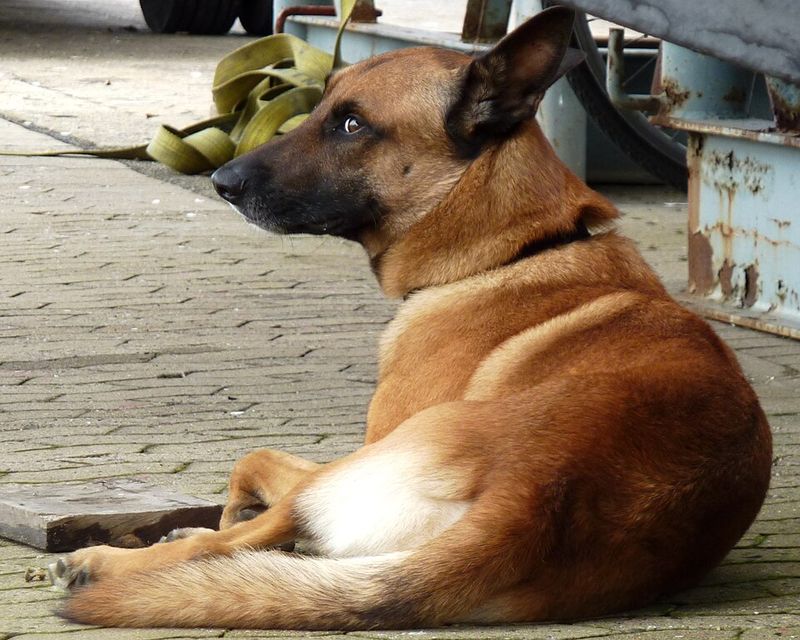
Belgian Malinois bring high drive to screen based learning, so pacing is everything. Research and field observations suggest they read human kinematics in video with notable accuracy, then attempt immediate replication.
That urgency is useful for complex chains, but it requires controlled criteria.
Use short clips that highlight one behavior at a time, with slow motion replays. Visual markers like colored targets improve signal clarity.
Keep arousal moderate by interleaving stationary tasks with movement.
A Malinois will notice timing flaws between on screen cues and handler delivery. Practice your markers to keep latencies tight.
When managed well, video primers can speed bitework lineups, precise positions, and obstacle sequencing while reducing physical wear during early learning phases.
Standard Poodle

Standard Poodles often excel at visual discrimination, making screens great for concept games. Studies note strong performance in shape and pattern recognition tasks, with carryover to object choice tests.
When you present clear contrasts and steady pacing, Poodles map video lessons to real props effectively.
They respond well to calm narration paired with subtle gestures. Avoid cluttered backgrounds that dilute signal salience.
This breed appreciates variety, so rotate tasks like targeting, free shaping, and two choice problems.
Short, luxurious sessions keep motivation high without mental fatigue. Pair each clip with a quick success to build momentum.
Many owners report that screen based priming sharpens precision heeling, platform work, and scent article indication without overloading sensitive learners.
Papillon

Papillons bring nimble attention to screen tutorials, especially for fine motor tricks. Studies featuring small companion breeds show strong responsiveness to high contrast cues and exaggerated gestures.
When videos are framed at their eye level, Papillons track signals more comfortably and transfer behaviors quickly.
Keep clips short and upbeat, using simple backgrounds with large targets. Their lightweight build makes rapid repetition easy, so intersperse screen breaks with quick practice reps.
Clickers or soft verbal markers work well.
Expect enthusiastic mimicry of movement patterns, which you can shape into precise spins, paws up, or platform pivots. Avoid rapid zooms that can startle sensitive dogs.
With consistent lighting and steady framing, Papillons often thrive on video priming for flashy but controlled routines.
Shetland Sheepdog

Shetland Sheepdogs tend to be keen observers of human gestures, and screens amplify that skill. Research highlights their sensitivity to eye gaze and pointing, which makes video demos effective for line handling and distance cues.
They also benefit from slower edits that minimize visual noise.
Try presenting one handler movement per clip, then immediately practice with low distractions. Shelties can be sound sensitive, so keep audio gentle and predictable.
Subtitles or on screen arrows help clarify intent without startling.
Owners often report smoother rear crosses, steadier stays, and better send outs after consistent video primers. Build in decompression breaks between sets.
With thoughtful pacing, Shelties convert two dimensional lessons into real world fluency remarkably well.
Labrador Retriever
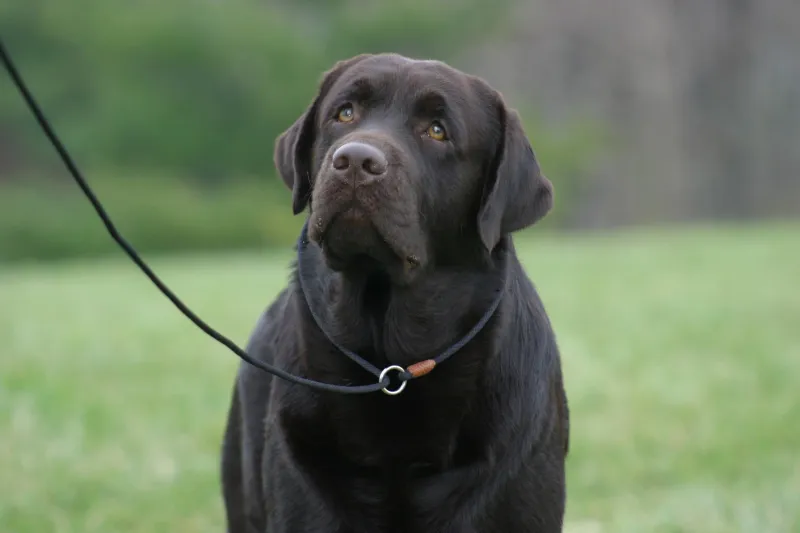
Labrador Retrievers show solid attention to action sequences on screens, especially retrieve chains and delivery positions. Studies suggest they benefit from clear, repeated demonstrations and consistent reinforcement timing.
When you show the full sequence with clean cuts, Labs piece together the steps quickly.
Use large, high contrast visuals for visibility at a distance. Many Labs respond well to cheerful narration and simple arrows highlighting targets.
Keep sessions playful to sustain engagement without over arousal.
Video priming helps tidy front sits, hold duration, and water entry confidence before full field practice. Follow each viewing with a successful live rep.
That immediate transfer cements meaning and makes future generalization smoother, whether you are training sport retrieves or everyday household fetch manners.
Golden Retriever

Golden Retrievers often excel with cooperative care tutorials on screens. They attend to gentle hand movements and positioning, then generalize those to real grooming routines.
Studies and trainer reports note strong transfer when clips are calm, close framed, and paired with high value reinforcement.
Use slow, deliberate motions to demonstrate chin rest, paw holds, and ear checks. Reduce background clutter so the main action stands out.
Goldens appreciate upbeat praise layered over predictable timing.
After viewing, practice micro steps for quick wins, then build duration. Screen rehearsal can reduce anxiety for vet visits and nail trims, giving you a smoother baseline.
With consistent repetition, Goldens connect the two dimensional preview to comfortable, cooperative real world handling.
Doberman Pinscher

Doberman Pinschers display strong tracking of linear movement and handler posture on screen. Research and trainer data suggest clear benefits when demonstrating heel patterns, position changes, and impulse control drills via video.
They respond best to crisp edits and consistent marker timing.
Keep audio steady and avoid sharp surprises that spike arousal. Use contrasting floor lines or overlays to show heel position.
Short viewing blocks with immediate live practice yield the best transfer.
Expect quick adoption of structured routines if criteria remain stable. Screen primers can polish fronts, finishes, and stay reliability without physical over repetition.
With precise pacing and clear visuals, Dobermans harness their focus efficiently and carry two dimensional lessons into confident everyday performance.