
Some dogs adore cuddles, but others quietly set boundaries you might not expect. These breeds are loving companions, yet they prefer respectful handling and personal space.
Understanding their subtle signals helps prevent stress and builds a deeper bond. Read on to learn which charming pups appreciate calm contact over constant fussing, and how to keep them comfortable.
Japanese Chin
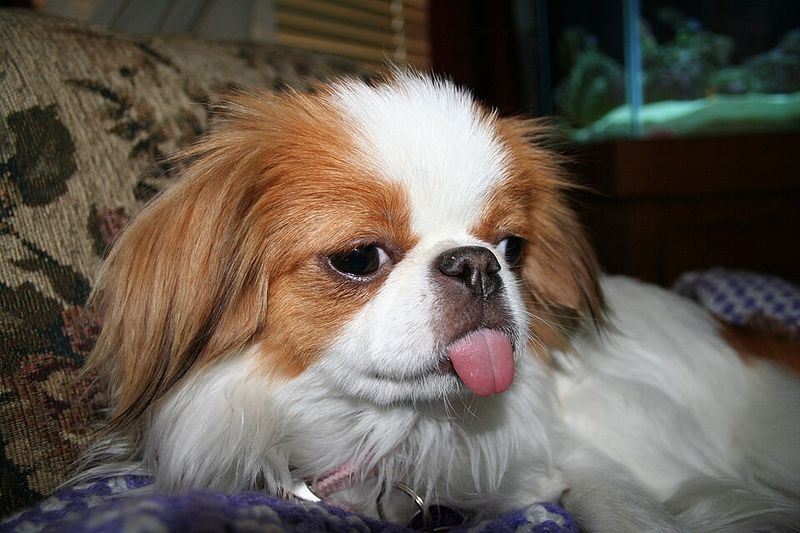
The Japanese Chin is delicate and catlike, with a refined sense of personal space. You will see affection on their terms, often in quiet moments rather than constant handling.
They favor gentle touch and short grooming sessions, preferring calm voices and predictable routines.
Overhandling can make them freeze or look away, subtle cues that say enough. Respect those signals, and their trust deepens, turning into delightful companionship.
Use soft brushes, slow movements, and allow them to step away when they choose.
Socialization should be thoughtful and never forced. Chin thrive when you observe body language and keep interactions brief yet positive.
Reward voluntary contact with treats and praise, and you will see their confidence bloom.
Tibetan Spaniel
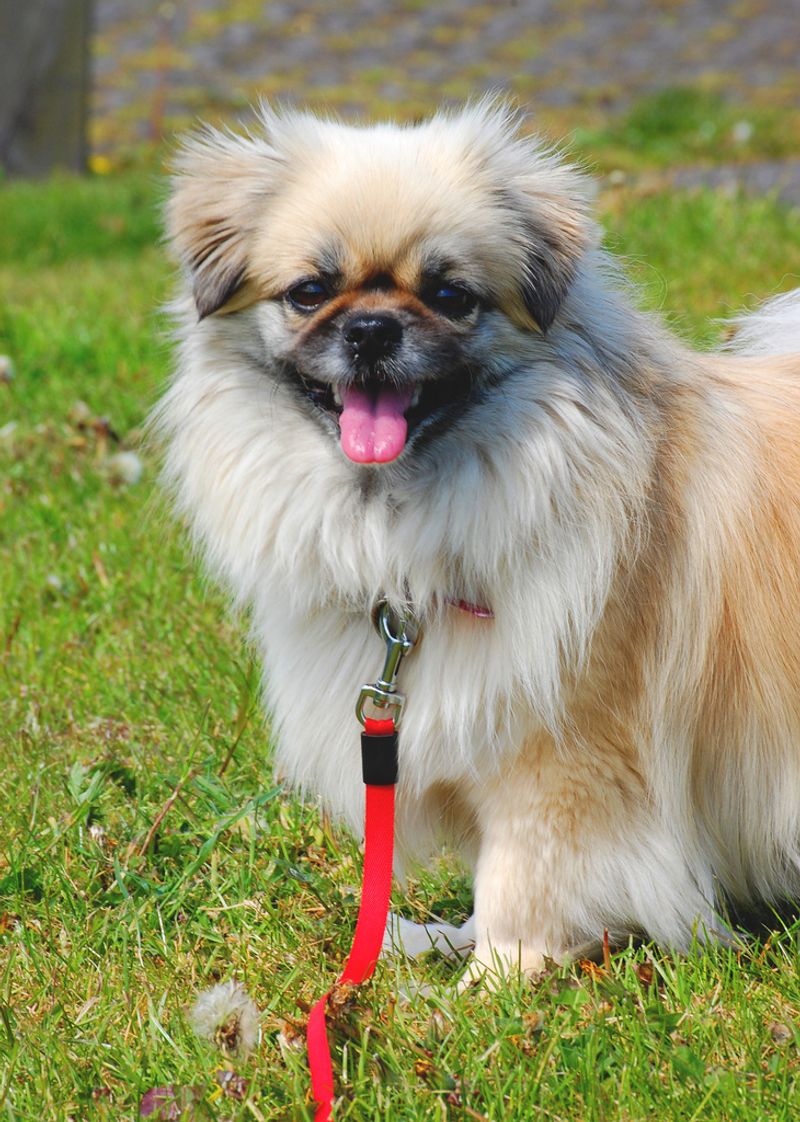
Tibetan Spaniels are independent sentinels, happiest when observing rather than being fussed over. They bond deeply but prefer choosing when to cuddle.
Too much restraint can make them stiffen, lick lips, or turn their head away.
Honor those signals and let them climb into your lap by choice. Keep grooming simple and brief, focusing on positive reinforcement for cooperative care.
A steady routine with predictable handling builds trust without pushing past comfort.
Use touch-start cues and pause frequently to check consent. Offer treats for nail trims and face wiping, keeping sessions short.
When they feel heard, Tibbies reveal a playful, affectionate side that thrives on mutual respect and autonomy.
Löwchen
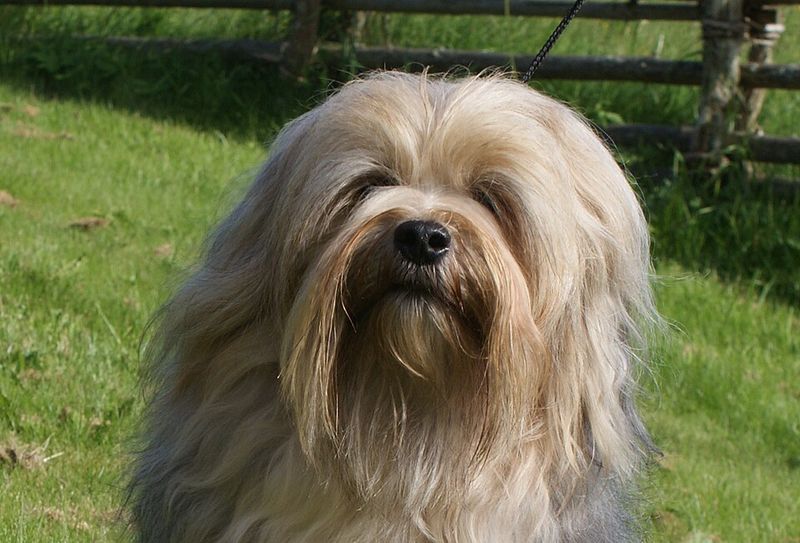
The Löwchen looks bold with its lion clip, yet many prefer gentle, predictable handling. They adore companionship, but clingy hugging or frequent lifting can overwhelm them.
Watch for yawns, shake-offs, or paw lifts that hint at stress.
Keep grooming cooperative with start-stop methods and lots of rewards. Use a non-slip mat and slow brushing to ease tension.
Teach chin rests and consent cues, and take breaks before frustration appears.
They shine when given structure and choice. Invite rather than insist, and you will see their confident, joyful personality unfold.
Respecting boundaries turns maintenance into a partnership, and the Löwchen becomes both cuddly and comfortable.
Bolognese
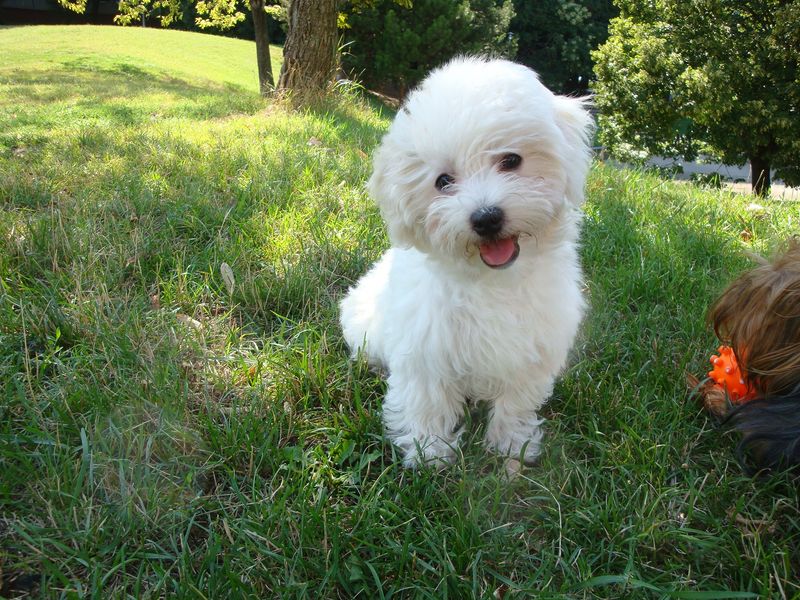
The Bolognese is affectionate yet sensitive, preferring calm hands and quiet rooms. They can be wary of constant picking up or prolonged brushing.
If you notice leaning away or lip licking, reduce pressure and slow the pace.
Short, rewarding grooming sessions work best. Use a soft pin brush, detangle slowly, and pair every step with treats.
Teach cooperative care positions so they can shift and reset comfortably.
Routine matters for this breed. Predictable schedules for nails, ears, and bathing lower anxiety and build trust.
When you let them choose proximity, they happily curl close, without feeling trapped, becoming devoted companions who thrive on respect.
Coton de Tulear
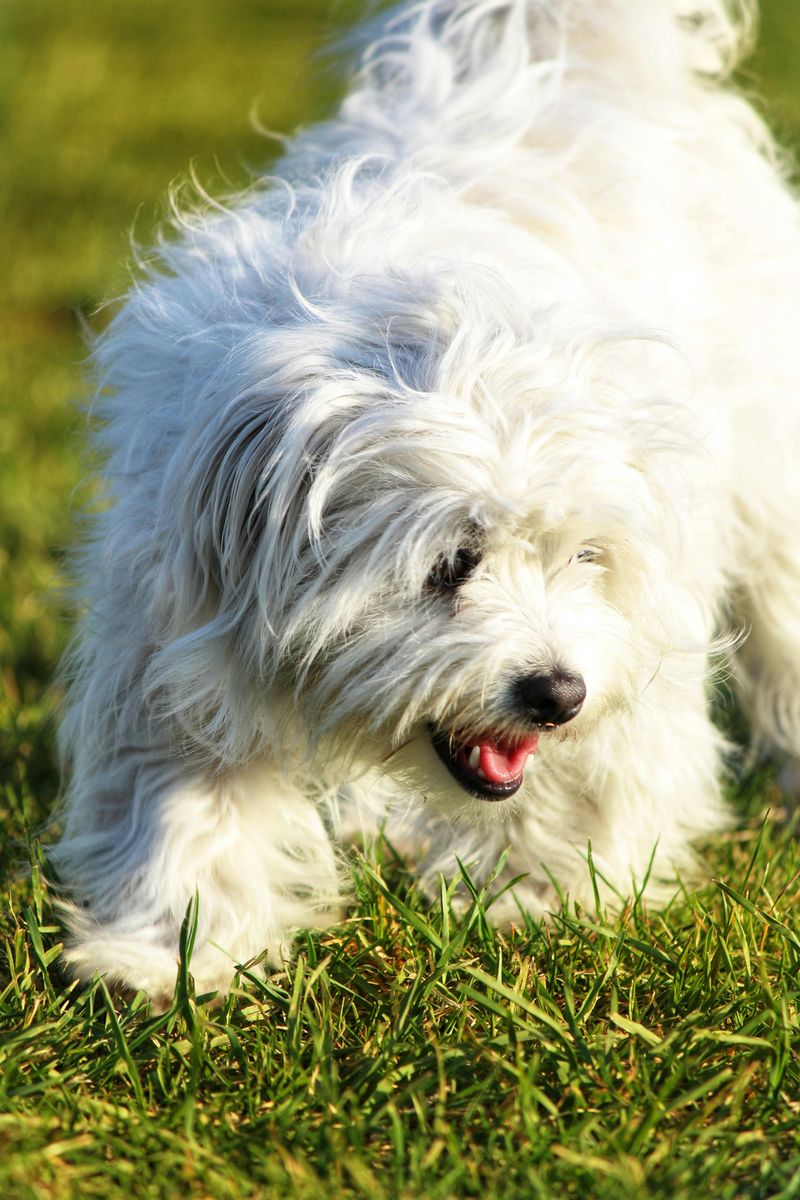
Coton de Tulear dogs are cheerful clowns, but their cottony coats require thoughtful handling. Prolonged detangling or tight hugging can stress them.
Read subtle signals like freezing or head turns, then pause before continuing.
Break grooming into small steps with high-value rewards. Use conditioner and a misting bottle to reduce tugging.
A comfortable table and non-slip surface help them feel secure during sessions.
They thrive on choice and collaboration. Offer a cue before touching sensitive areas and celebrate voluntary participation.
With patience, Cotons become willing partners, keeping coats pristine without battles, and maintaining their famously sunny spirits.
Russian Tsvetnaya Bolonka
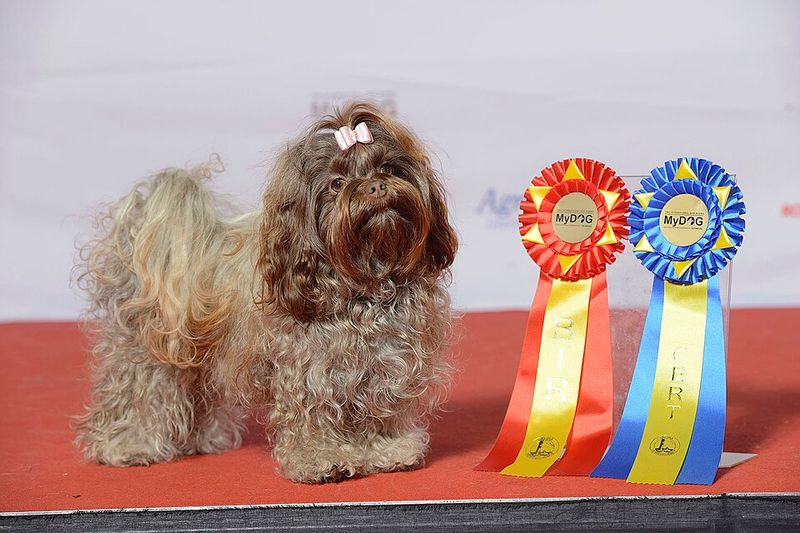
The Russian Tsvetnaya Bolonka is charming and people-focused, yet may resist overhandling. They appreciate gentle touch and breaks during grooming.
Pay attention to stress signs like paw lifting, panting, or leaning away.
Keep sessions brief, with detangling done slowly and treats delivered frequently. Teach a chin-rest behavior to signal consent.
A routine with pauses prevents overwhelm and keeps their confidence intact.
They bond tightly when their choices are honored. Invite them onto laps rather than scooping up unannounced.
With respectful handling, Bolonki show cuddly affection, playful bursts, and impressive cooperation that makes care smoother for everyone.
Havanese
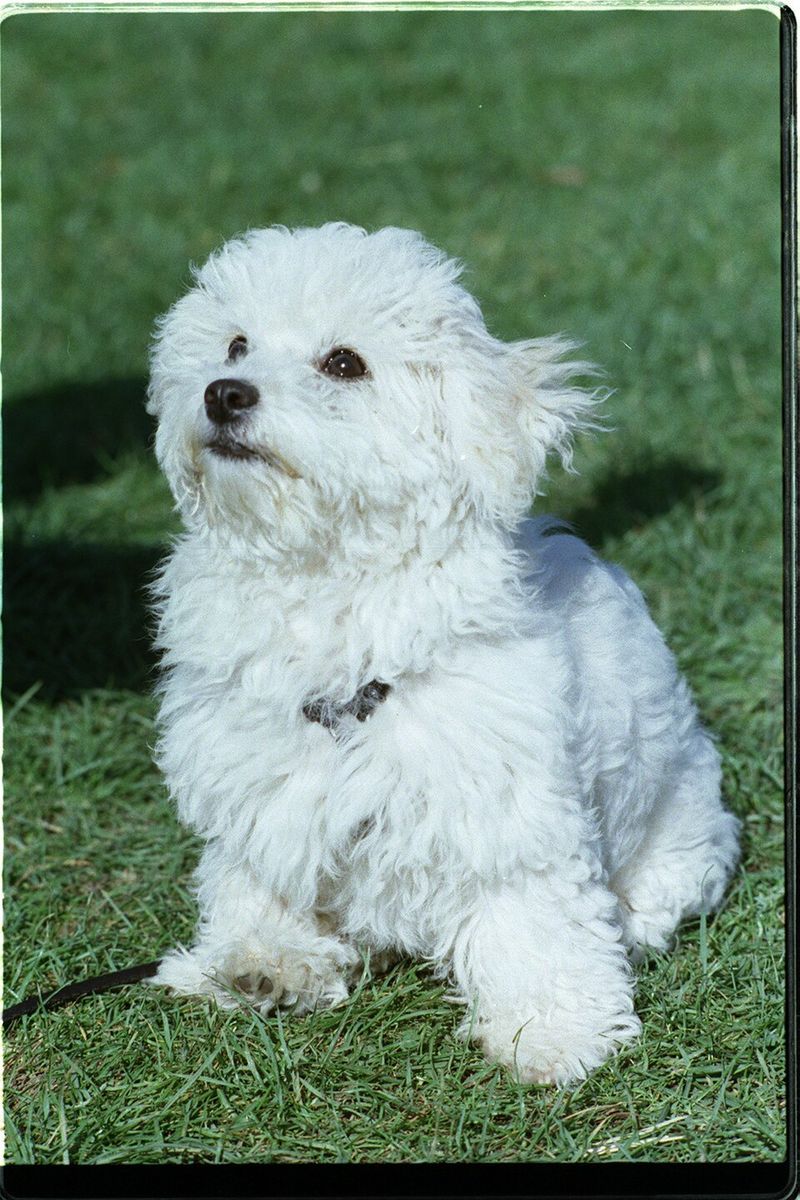
Havanese are friendly charmers, yet many dislike being restrained for long. They do best with playful, consent-based handling.
If they start squirming, blinking, or turning away, it is time to pause.
Use frequent rewards and micro-sessions for brushing and nail care. A detangling spray and gentle comb help minimize discomfort.
Practice cooperative cues like paws-up and stationing on a mat.
They love connection when the pace feels fair. Offer choices and predictability, and they will gladly settle in your lap.
Respecting boundaries prevents reactivity and keeps their trademark cheerful spirit shining during everyday care.
Bichon Frise
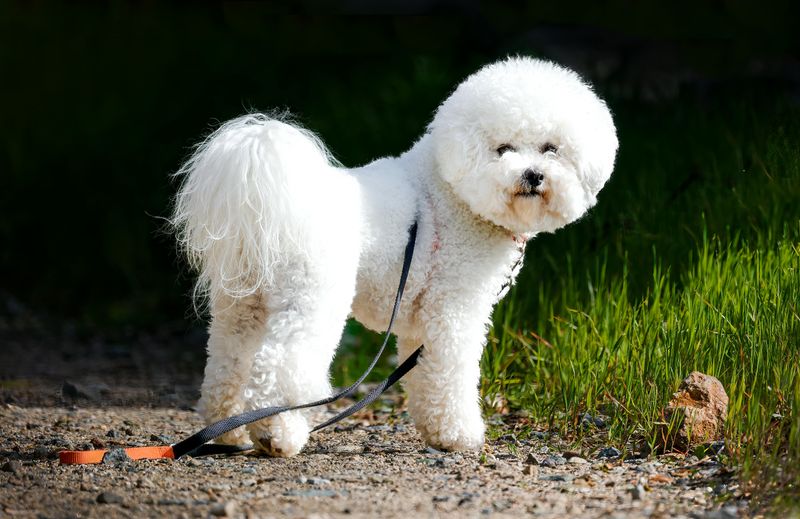
The Bichon Frise is social and comedic, but heavy-handed grooming can sour their mood. Their coat needs upkeep, yet pressure and restraint quickly raise stress.
Notice early signals like yawns, shifting weight, or a tucked tail.
Break tasks into tiny steps with rewards at each stage. Use a comb with light tension and condition the coat to reduce tugging.
Teach stand-stay with frequent releases so they can reset.
They flourish with patience and play. Turn care into a game, and you will see cooperation bloom.
With respectful touch and predictable routines, Bichons remain bubbly companions while looking their fluffy best.
Kromfohrländer
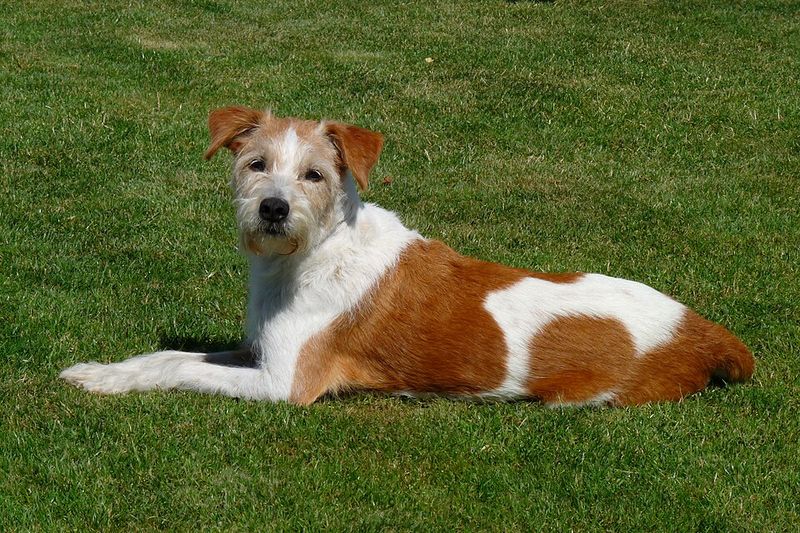
The Kromfohrländer is devoted but can be touch-sensitive, especially with unfamiliar people. They prefer calm introductions and hate being crowded.
Sudden hugging or grabbing may trigger avoidance or subtle stress behaviors.
Build trust with slow, choice-based handling and lots of reinforcement. Keep grooming simple, use gentle tools, and practice cooperative positions.
Short sessions with clear start and end cues help them relax.
Socialization should prioritize consent and distance. Let them approach at their pace and reward voluntary contact.
When heard and respected, Kromis reveal a playful, loyal nature that thrives in peaceful, predictable homes.
Nederlandse Kooikerhondje
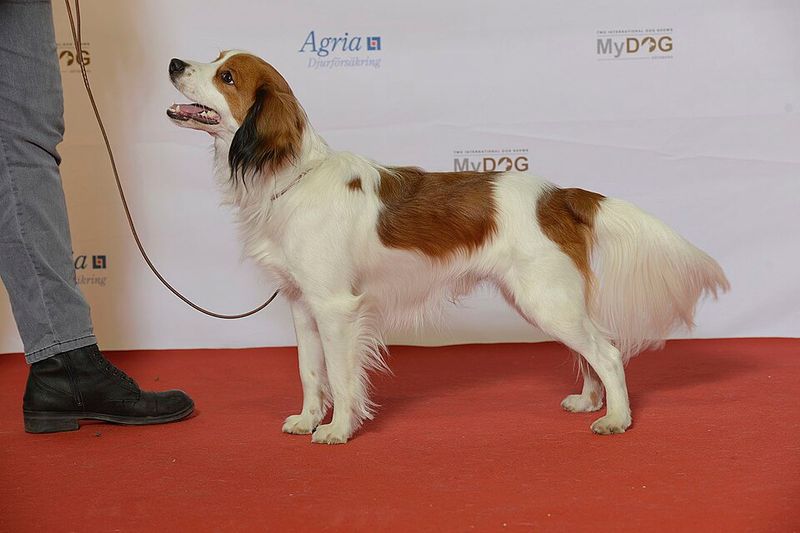
The Nederlandse Kooikerhondje is sensitive and intelligent, often wary of excessive touching. They like structure and clear boundaries.
Heavy restraint can make them stiffen, lick lips, or turn away.
Use calm, predictable handling and reward-based grooming. Teach stationing on a mat and consent cues like nose-touch to continue.
Keep sessions short, ending on a success to preserve confidence.
They bond deeply when respected. Allow them to approach new people gradually and avoid crowding.
With patience, Kooikers become affectionate companions, eager to participate without feeling pressured or trapped.
Stabyhoun
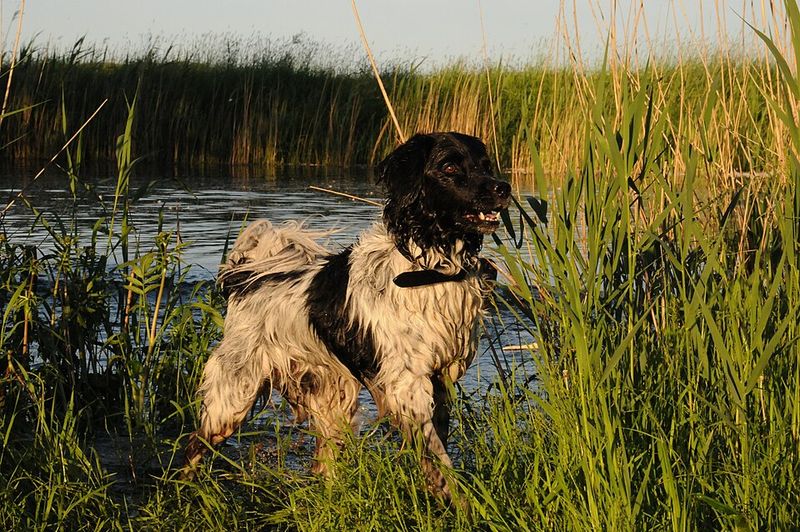
The Stabyhoun is steady and affectionate, yet many dislike overhandling and tight restraint. They respond best to calm, predictable routines.
Pushing through grooming can create resistance, so watch for early stress cues.
Work slowly with positive reinforcement. Use cooperative care techniques for ears, paws, and nails, building duration gradually.
Non-slip mats and breaks between steps help them stay engaged and comfortable.
They value partnership over pressure. Invite contact, reward participation, and end before frustration.
With thoughtful handling, Stabys remain gentle, loyal friends who participate willingly in everyday care.
Wetterhoun
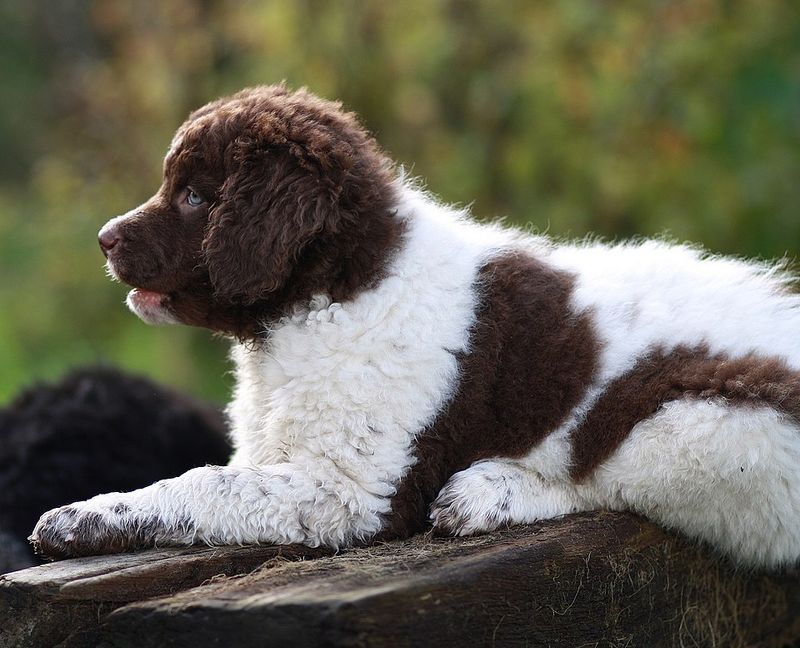
The Wetterhoun is a strong, thoughtful dog with a reserved streak about touch. They may resist prolonged restraint or intrusive grooming.
Respect distance, and use slow, deliberate handling with clear cues.
Positive reinforcement and short sessions make care easier. Condition cooperative behaviors like chin rest and paw target.
A stable surface and gentle tools reduce stress during coat and ear maintenance.
They thrive when given agency. Let them opt in and step away briefly as needed.
With consistent respect, Wetterhounen reveal loyalty and calm cooperation, making care smoother and your bond stronger.