
Smart collars promise healthier dogs and happier owners, but they are stirring debates about privacy and overtraining. Are we empowering companions or turning them into data points?
You will see how athletic breeds get monitored like marathoners, with heart rates, sleep, and sprint bursts logged daily. Before you clip on that tracker, consider what it measures and how it changes your relationship.
Belgian Tervuren
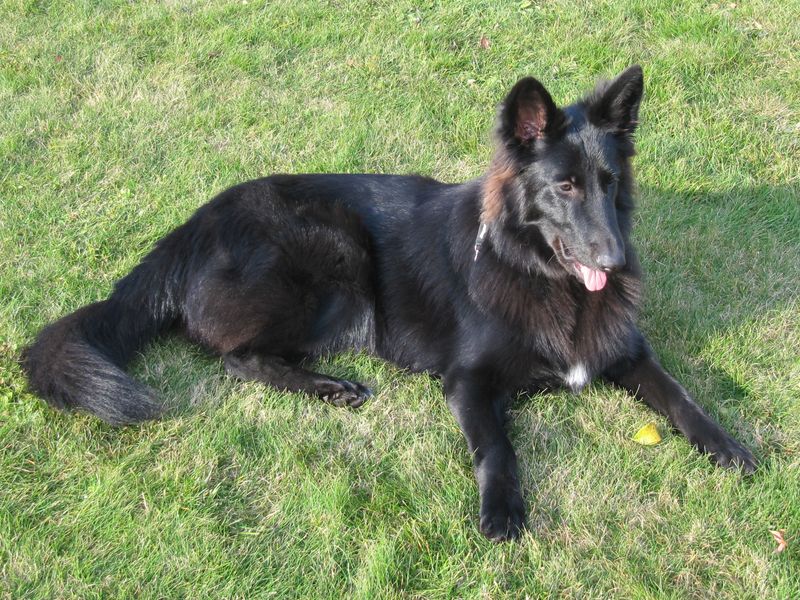
The Belgian Tervuren lives to work, and smart collars supercharge that focus. With GPS heatmaps, you can pinpoint herd-like circling patterns, sprint spikes, and recovery windows after protection drills.
You will also catch stress trends before they snowball, which matters for sensitive, high-drive minds.
Controversy arrives when data nudges owners to push harder. Numbers look addictive, and that eager Tervuren will try to match you.
Use alerts to cue rest days, not just longer sessions. Share wellness data with your trainer and vet, especially across seasonal coat changes, because temperature tolerance shifts and hydration reminders help more than ego metrics.
Beauceron
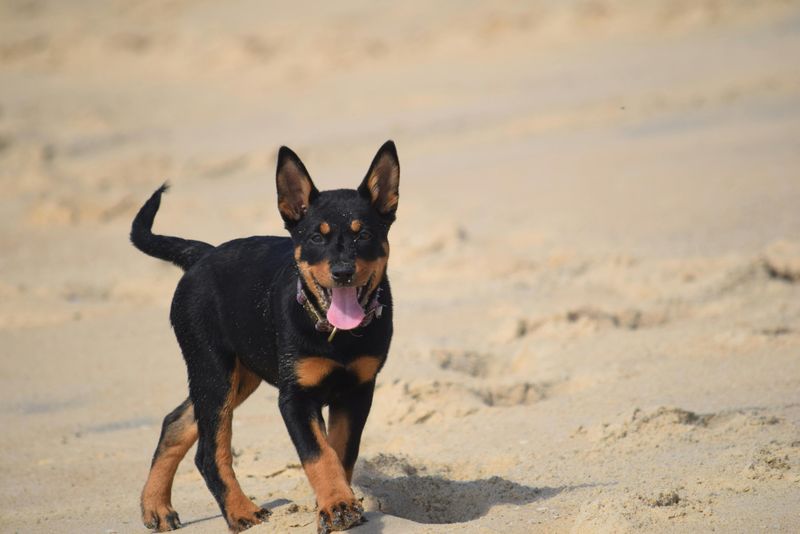
The Beauceron is a steady worker with a giant engine, and a smart collar lets you measure that diesel-like endurance. You will see long, even cadence lines, low variability in heart rate, and obvious terrain impacts on effort.
Useful for balancing farm tasks with structured runs or bikejoring.
Still, constant metrics can push you to treat your dog like a training device. Watch for paw wear alerts, gait asymmetry flags, and nighttime rest quality instead of only celebrating mileage PRs.
Set geofences for off-leash fields, and use temperature alerts on asphalt days. A Beauceron thrives with purpose, but purpose needs recovery.
Data should coach patience and joint longevity, not just faster splits.
Weimaraner
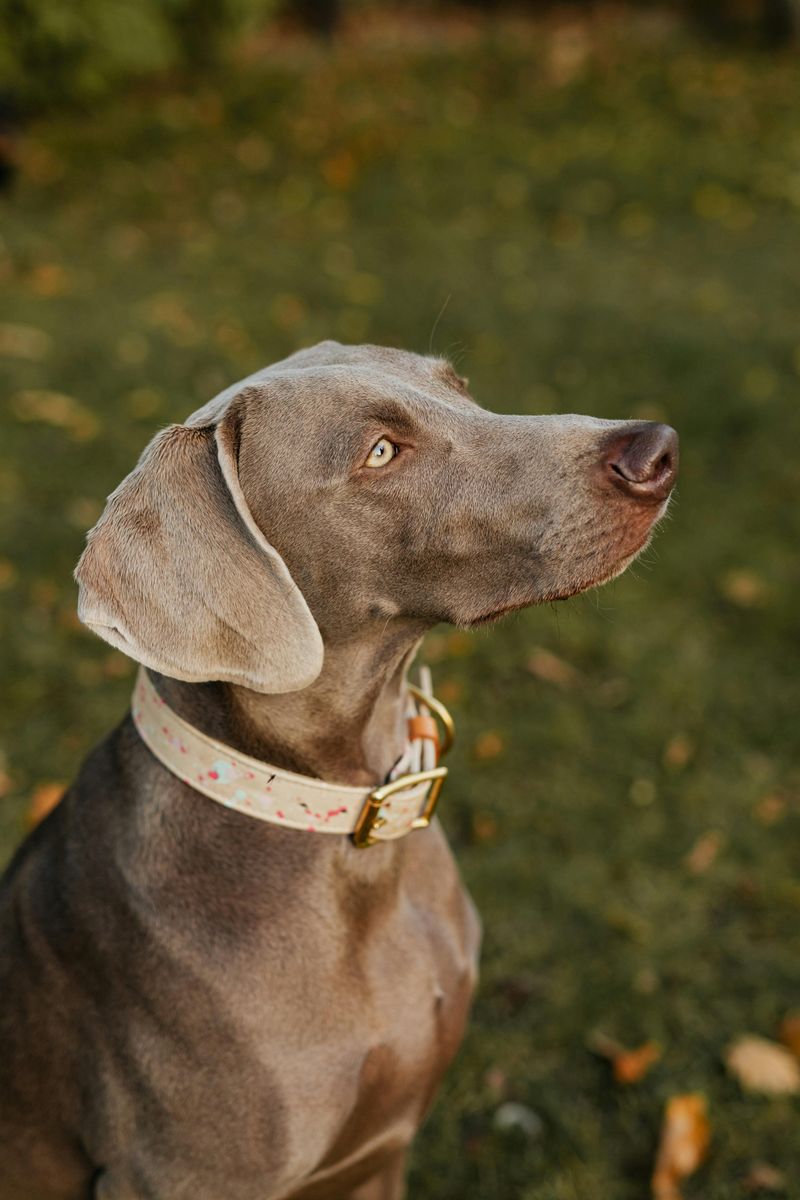
Weimaraners ping like live wires, and smart collars reveal how that nervous energy ebbs and flows. You will spot restlessness spikes tied to under-stimulation, helping you schedule scent games and intervals.
Sleep scoring hints at separation stress, which you can pair with enrichment plans and white-noise routines.
Debate flares when owners chase daily goals that do not fit family life. Instead, track consistency and calmness minutes after exercise, not just total steps.
Use GPS recall practice with gentle vibration if your device allows it, then reward generously. Heat sensitivity shows up in heart rate drift, so plan cooling breaks.
The Weim needs mental workouts as much as miles, and your data should prioritize serenity.
German Shorthaired Pointer
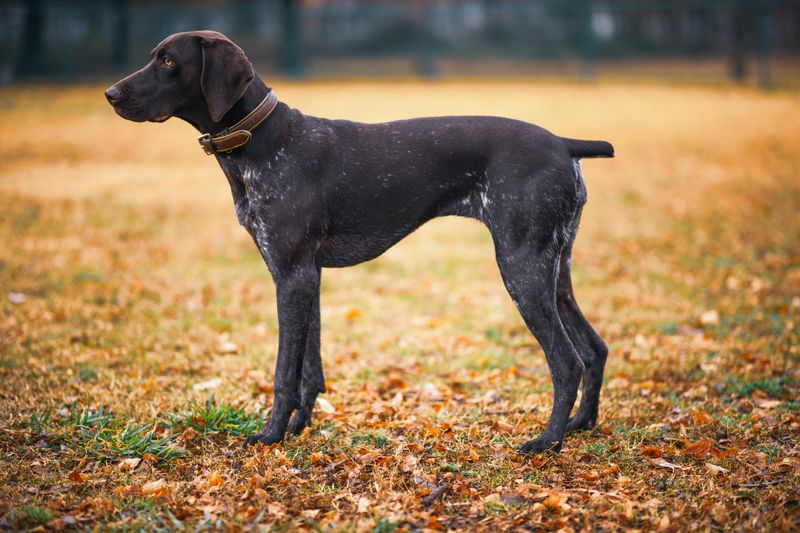
A GSP lives for the search pattern, and smart collars turn that zigzag into readable performance. You will see burst clusters near cover, speed dips at scent pooling, and recovery arcs after retrieves.
That helps plan structured intervals and terrain-based conditioning for hunt tests or long weekends.
The controversy is intensity creep. Data often glorifies huge days, but tendons need deload weeks.
Use gait analysis alerts and paw temperature readings to catch micro strain. Set geofences near roads, and let the GPS call your dog back before danger looms.
Celebrate nosework cooldowns, not just top speed. A balanced GSP is a safer partner, and your numbers should protect that balance.
Brittany
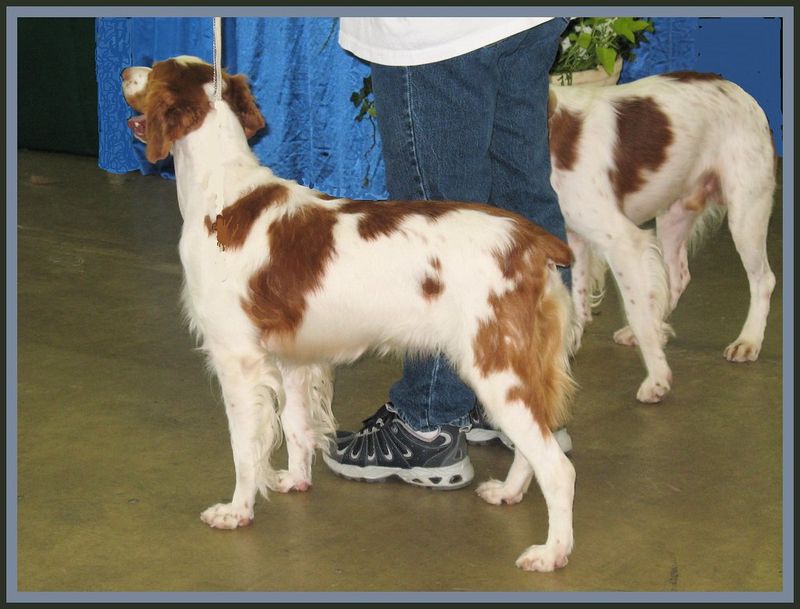
The Brittany is agile and bouncy, often logging surprising mileage for a compact frame. Smart collars capture point duration, route density, and quick-turn agility that eyes miss.
You will learn when excitement tips into fatigue and adjust drills to preserve that crisp point.
Use heat maps to rotate fields and prevent repetitive stress. Keep watch on sleep disruptions after big days, because adrenaline echoes overnight.
The controversy here is gamification: streaks and badges can exploit a Brittany’s generous heart. Set alerts for rest-first goals, like calm check-ins and gentle stretching.
Share data with your vet during growth plates and shoulder assessments. Let numbers defend long-term joy, not push for vanity metrics.
Chesapeake Bay Retriever
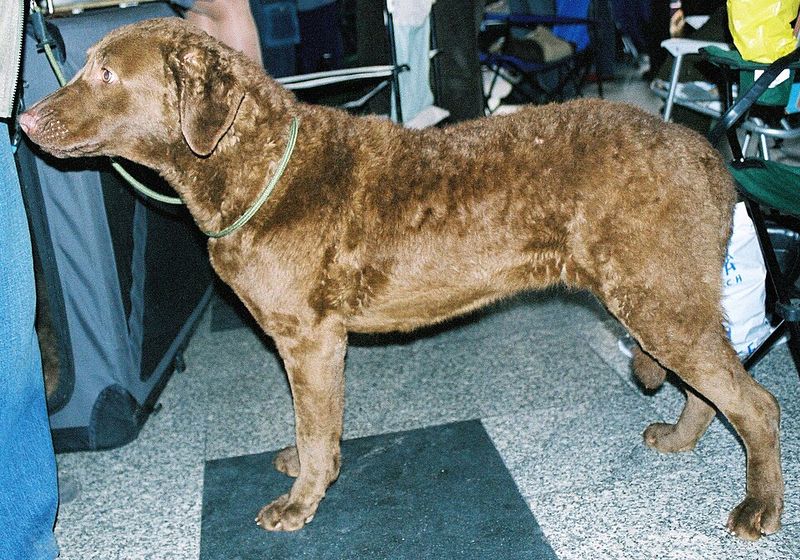
A Chessie meets waves with grit, and a smart collar adds safety to that stubborn drive. You will track cold-water sessions, heart rate zones during repeated water entries, and recovery latency after heavy retrieves.
Body temperature and shiver detection become your allies against hypothermia risk.
Controversy arrives when data promises toughness instead of wisdom. Cold tolerance is not a scoreboard.
Use alerts to cap sets, extend warm-up trots, and log post-swim shakes. GPS boundaries around currents and boat channels help, too.
Joint stress flags matter for dense, powerful frames. Let the collar reinforce caution and conditioning, not dares.
Your Chessie will work forever if asked, so make data the advocate for breaks.
Flat-Coated Retriever
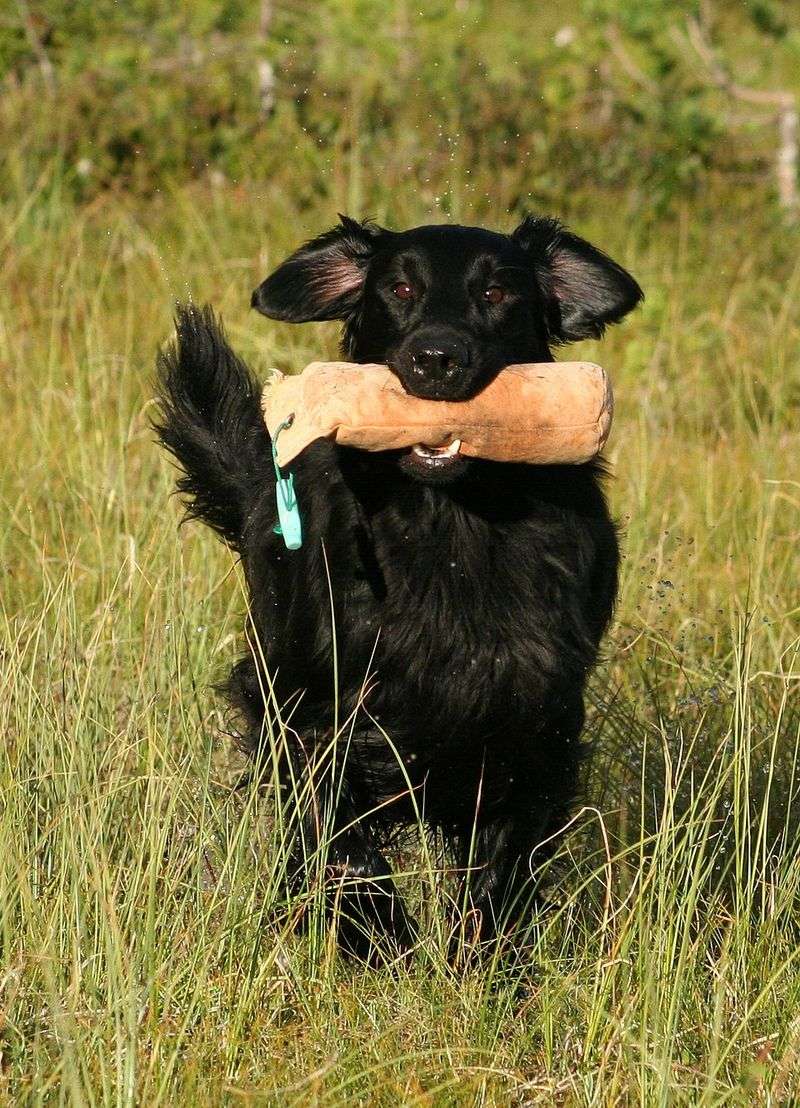
Flat-Coats are sunshine in motion, and a smart collar captures that joyful play. You will see social time spikes, fetch intervals, and recovery quality after exuberant sprints.
Sleep rhythm helps catch over-arousal, which can masquerade as endless energy.
Because Flat-Coats often hide discomfort, gait variance alerts and subtle limping flags are priceless. Aim for playful variety instead of repetitive ball throws.
The controversy is that trackers can favor intensity over connection. Flip the script: reward calm check-ins, log scent walks as wins, and keep weekly rest targets.
GPS helps with off-leash freedom near water, while sunrise temperature alerts prevent heat stacking. Let data lift longevity and preserve that signature grin.
Curly-Coated Retriever
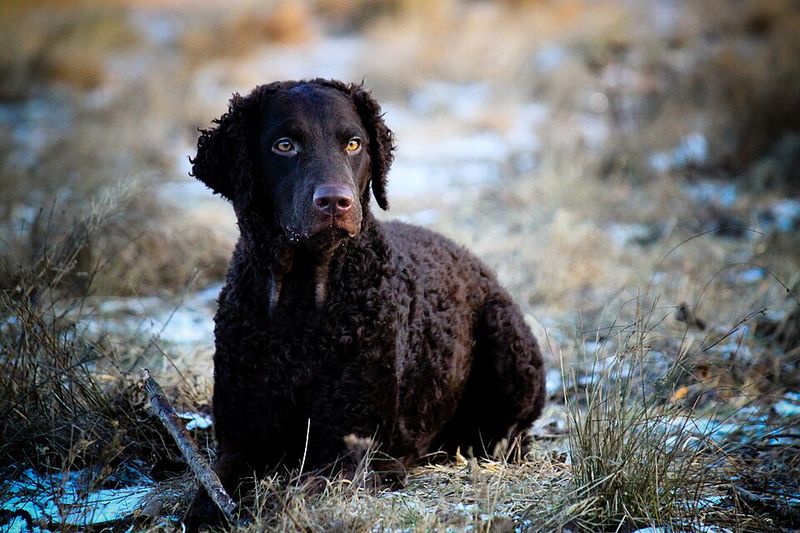
The Curly blends endurance with independence, and smart collars translate that into cadence and stride symmetry you can trust. You will notice even pacing across messy terrain, plus subtle changes after long water days.
That guides smarter rotation between swim retrieves and land conditioning.
Data temptation is real: more sessions look heroic. Instead, use symmetry alerts to call time early.
Sleep depth and nighttime movement reveal when muscles need a slower morning. Geofences near marsh edges keep things safe as curiosity expands ranges.
Hydration reminders matter after brackish water. With the right metrics, your Curly’s independent streak becomes a partnership, not a tug-of-war.
Rhodesian Ridgeback
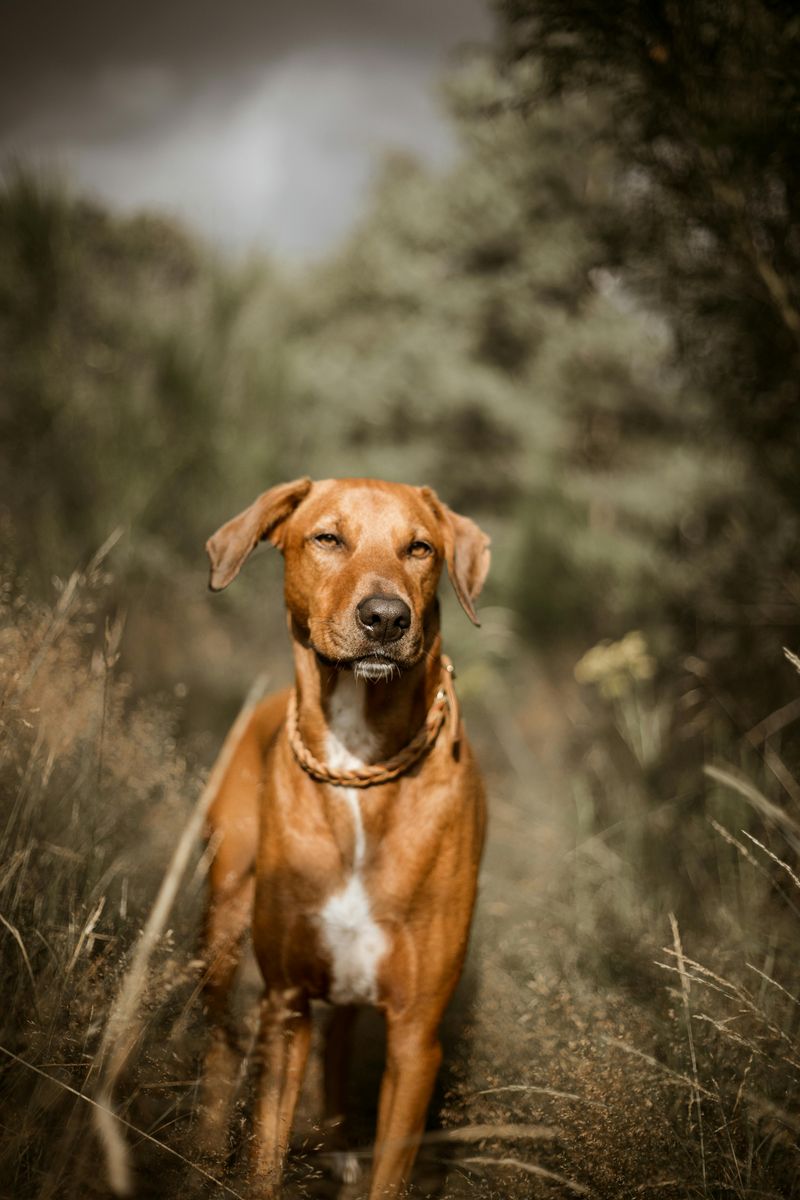
Ridgebacks are powerful cruisers with heat considerations that data can manage well. You will see steady canter zones, sudden chase bursts, and a heat stress index that climbs quickly.
Schedule sunrise runs and use recovery alerts to shorten sessions before overheating sneaks in.
Controversy bites when trackers push chasing behaviors because speed stats look thrilling. Reinforce controlled intervals and practice down-stays between reps.
GPS recall safety nets matter for prey drive moments. Track paw temp on hot surfaces and prioritize shaded routes.
Ridgebacks thrive on structured freedom, and the collar should protect that balance. Let your numbers honor resilience, not just speed.
German Wirehaired Pointer
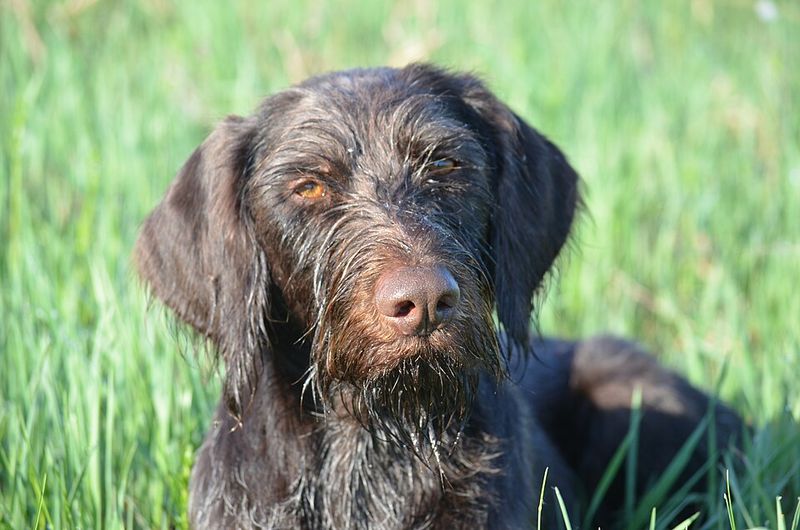
The GWP tackles brambles with purpose, and smart collars make rugged routes measurable. You will track elevation gain, thorny stop-starts, and recovery windows after heavy scent work.
That lets you plan hill repeats without overloading shoulders and hips.
Debate centers on normalizing constant high arousal. Build in decompression walks that still count as wins on your dashboard.
Use geofence alerts to avoid property lines and busy roads. Monitor paw abrasion and stride imbalance after dense cover days.
A GWP needs grit balanced with calm handling, and your data can teach pacing. Celebrate quiet, loose-leash minutes as much as peak power.
English Pointer
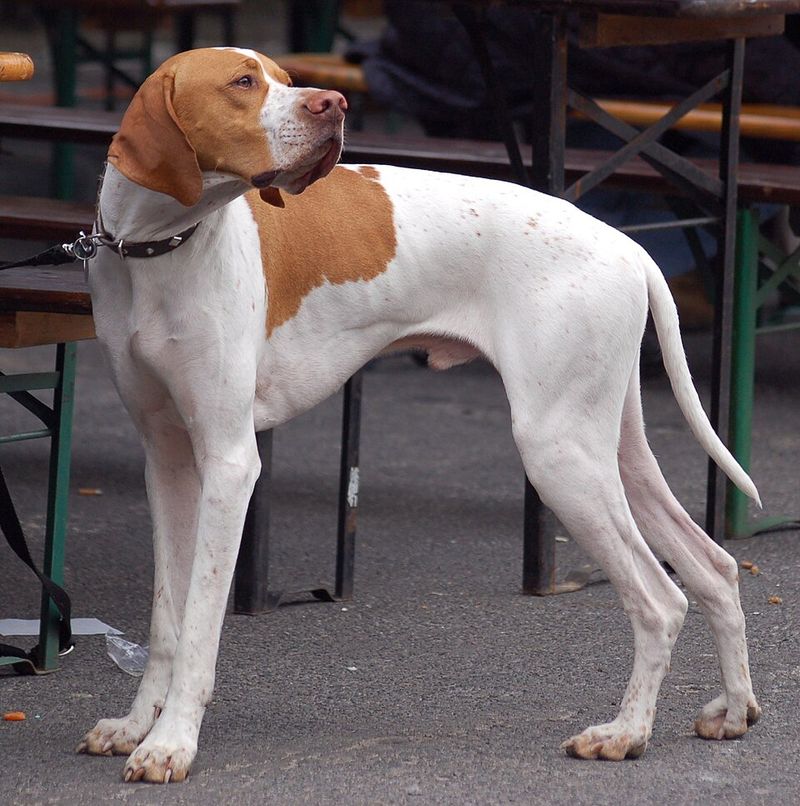
The English Pointer is poetry at distance, and a smart collar quantifies that grace. You will get point accuracy metrics, distance covered, and heart rate drift that signals fatigue before form collapses.
Create interval plans that preserve elegance, not just speed.
It gets controversial when data becomes a scoreboard for bragging rights. Prioritize consistent, relaxed recovery and cool-down loops.
Use GPS to prevent risky highway beelines, and set vibration recall paired with generous rewards. Watch for asymmetry after long days on hardpan.
Your data should protect fluid movement and confidence at range. Let the collar serve your partnership, not your ego.