
The dog world is buzzing about training apps versus in person trainers, and the truth is both can work wonders with the right breed and structure. Some dogs thrive on consistent, bite sized lessons you can repeat daily on your phone.
Others light up with a seasoned coach guiding timing and nuance. If you want faster results, matching the method to the breed can be a game changer.
Belgian Malinois
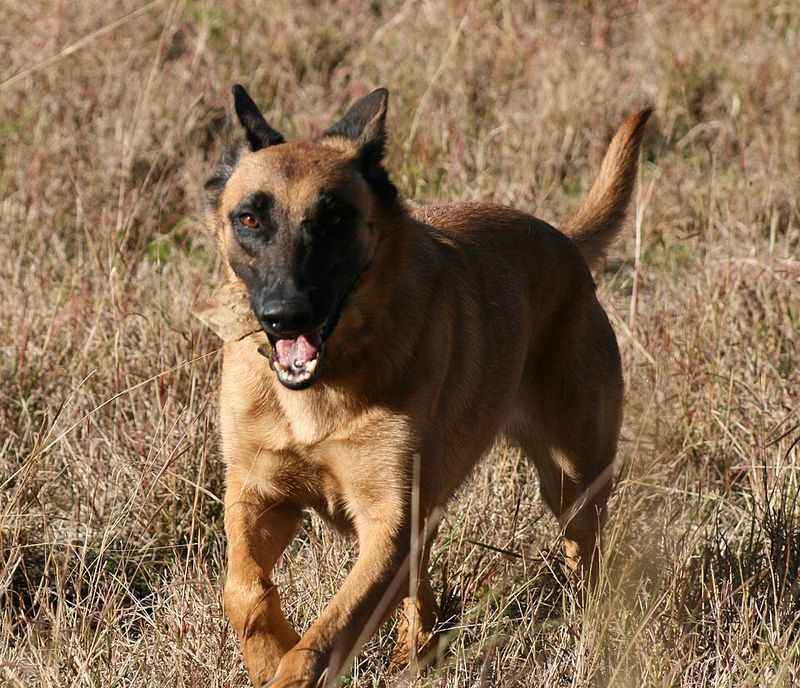
Belgian Malinois love structure, and that is why apps can feel like a superpower for you. Short, precise modules delivered daily help channel their intensity into clean behaviors.
You tap, mark, reward, and move on before energy spills into mischief. A skilled human trainer still matters for safety, impulse control, and bite work boundaries when relevant.
But apps keep the progress steady between sessions.
Use clear markers, rapid reinforcement, and frequent mental breaks. Rotate obedience, scent games, and platform work so your Mal gets challenge without meltdown.
Keep sessions under five minutes, several times a day. You will notice sharper focus as pattern recognition kicks in.
The key is predictability, variety, and a calm finish ritual.
Dutch Shepherd

Dutch Shepherds are thinkers with a work ethic that thrives on systematic plans. An app helps you layer behaviors with precision, especially heelwork, stationary holds, and impulse control.
You can replay criteria, track reps, and tighten timing. Still, a trainer is invaluable for reading arousal and stress signals when drills get spicy.
Blending both often delivers the fastest progress.
Keep your cues crisp and your reinforcement meaningful. Alternate high intensity tug with nosework cooldowns to balance arousal.
Build duration through micro shaping rather than pushing long holds early. Film short reps to check foot position and head alignment.
With consistent structure, your Dutch Shepherd sharpens focus, maintains enthusiasm, and learns to channel drive into clean, reliable obedience.
German Shepherd Dog
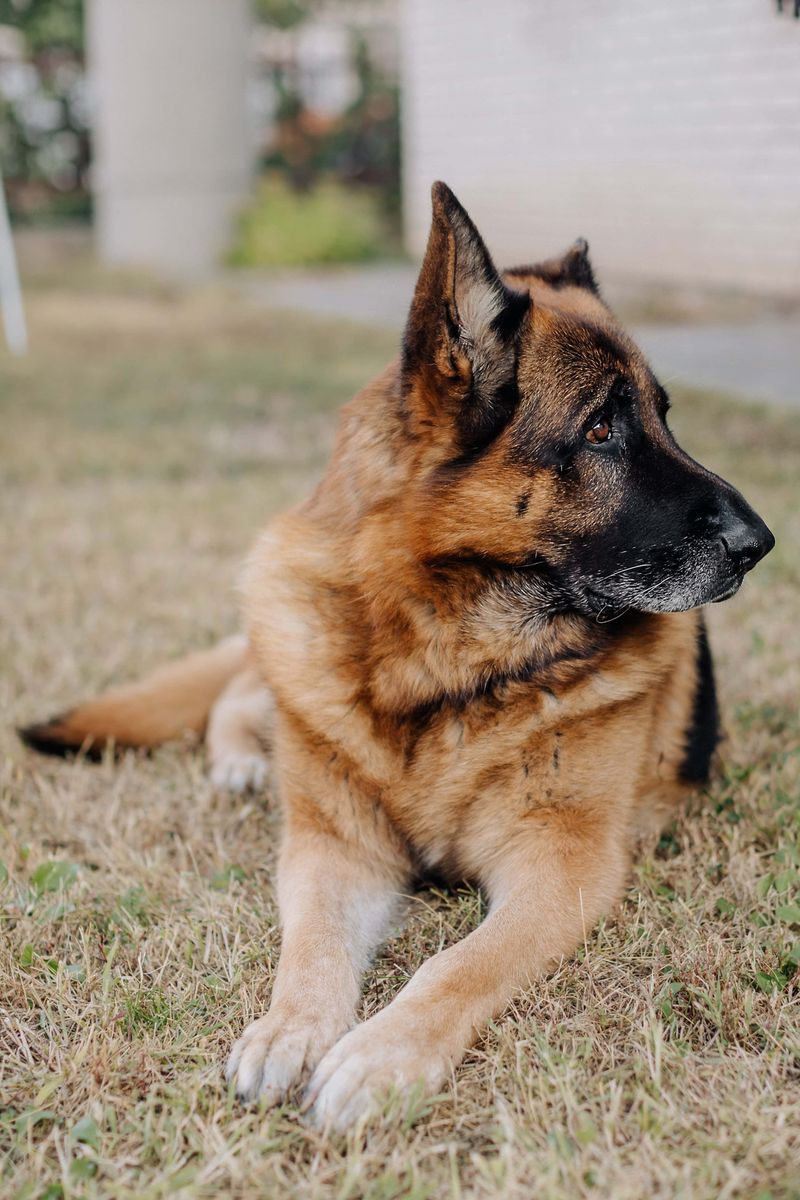
German Shepherd Dogs excel when routines are clear, fair, and repeatable. Training apps shine for daily homework, tracking durations, and reinforcing calm.
You can build a library of cues and proof them in different rooms. A trainer helps with reactivity nuance, leash mechanics, and environmental confidence.
Combining both gives you structure plus expert adjustments when thresholds appear.
Start with engagement games and focus around mild distractions. Use platforms to define positions, then generalize to various surfaces.
Keep reinforcement varied, from food to toy to praise, based on arousal. Add movement between reps to prevent frustration.
With consistent structure, your GSD learns to switch on for work and off for rest, which speeds learning and reduces conflicted behavior.
Doberman Pinscher
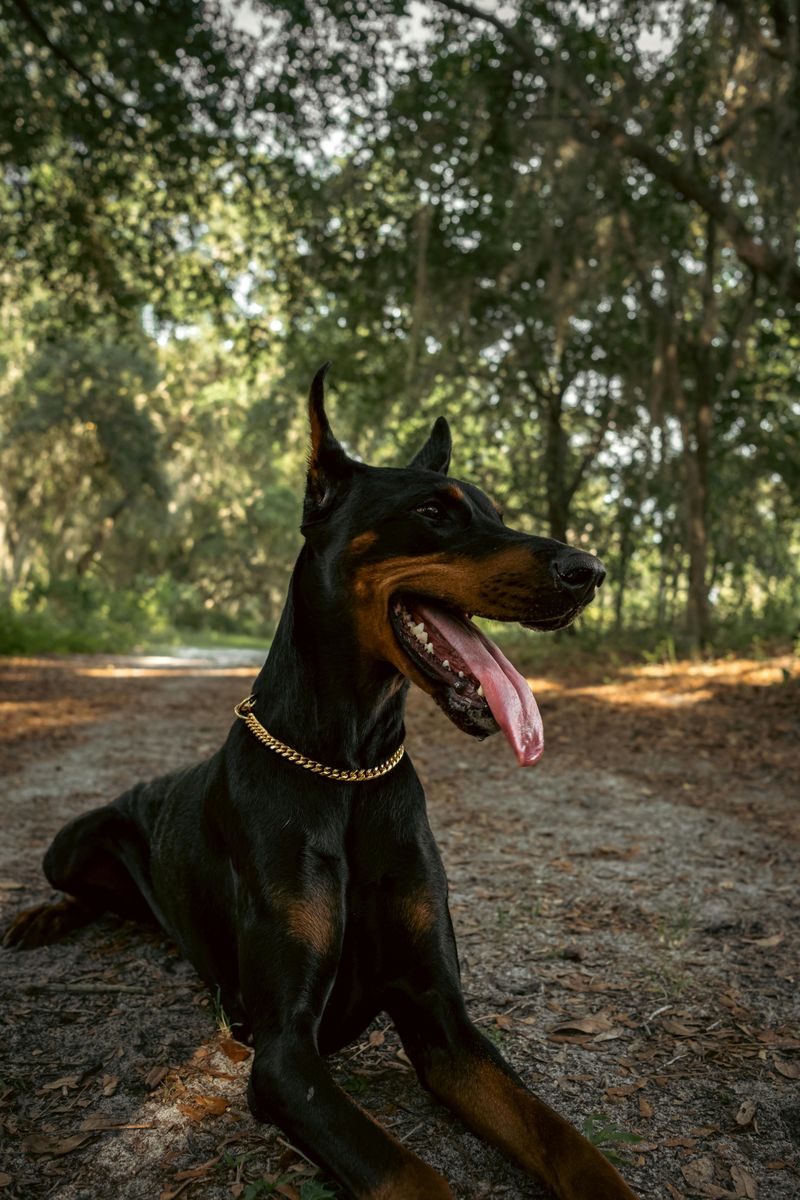
Dobermans are sharp, sensitive, and responsive to clean communication. An app helps you stick to short, consistent sessions that reinforce clarity.
You can measure latency to cue and track distractions. A skilled trainer is crucial for refining leash pressure, body language, and social neutrality.
Together, they make a powerful combo for fast, reliable results.
Focus on precision heel, polite greetings, and rock solid recalls. Break exercises into tiny steps so confidence stays high.
Use variable reinforcement once behaviors are fluent to keep motivation strong. Keep emotional regulation central through patterned relaxation and decompression walks.
With a structured plan, your Doberman learns faster, worries less, and channels elegance into obedient, thoughtful performance everywhere you go.
Border Collie
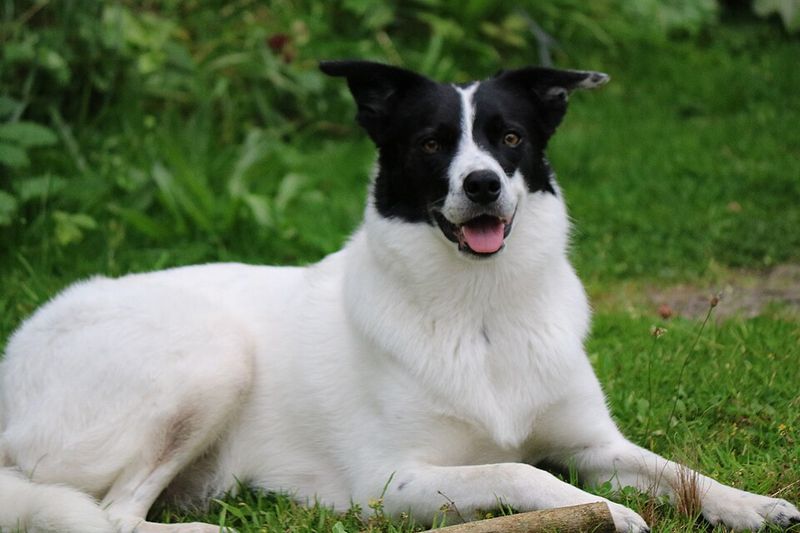
Border Collies eat structure for breakfast. They learn patterns lightning fast, which makes app based lesson plans incredibly effective.
You can stack shaping plans for heel, send, and impulse control with detailed criteria. A trainer keeps you honest about mechanics and prevents over arousal spirals.
With both, learning accelerates while sanity stays intact for you and your dog.
Rotate mental work and movement, like trick shaping followed by scatter feeding. Keep reps brief and stop on success to avoid rehearsing errors.
Proof cues with mild distractions before raising criteria. Use toy reinforcement strategically so thinking does not collapse under excitement.
With simple, repeatable drills, your Border Collie channels brilliance into consistent, joyful obedience that holds under pressure.
Australian Shepherd

Australian Shepherds crave jobs and clear rules. Apps help you schedule quick drills throughout the day, reinforcing positions, stays, and loose leash skills.
The repeatable structure keeps impulsivity in check. A trainer fine tunes your timing and reads when frustration is building.
Together, they provide both consistency and nuance, which speeds up learning measurably.
Use mats and platforms to define success. Alternate thinking games with decompression sniff walks.
Reward calm choices like settling near distractions. Keep sessions under five minutes and revisit skills in new rooms and surfaces.
Celebrate small wins and prevent rehearsed errors with smart setups. With steady structure and fair criteria, your Aussie learns quickly and offers reliable behaviors with tail wagging enthusiasm.
Shetland Sheepdog
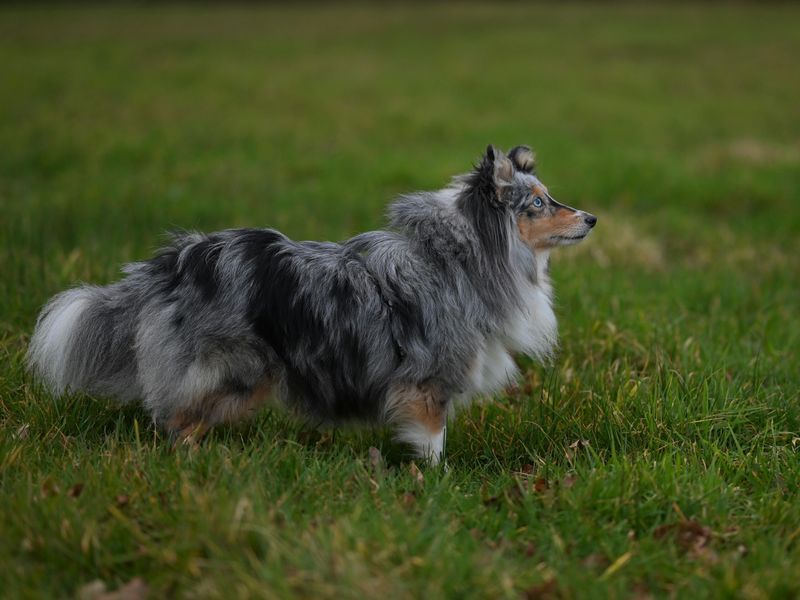
Shetland Sheepdogs are sensitive, bright, and motivated by clear guidance. An app gives you gentle, repeatable steps that build confidence without overwhelming.
You can track criteria and celebrate tiny improvements. A trainer helps you manage sensitivity to sound and motion, adjusting reinforcement to keep optimism high.
Blending technology with coaching often yields faster, happier learning.
Keep distractions mild at first and reinforce generous attention. Use shaping for position changes and add duration in tiny increments.
Offer easy wins after challenging reps so momentum stays positive. Practice short sessions multiple times a day, with calm decompression afterward.
With patient structure and thoughtful proofing, your Sheltie becomes braver, more focused, and eager to nail cues in everyday environments.
Papillon
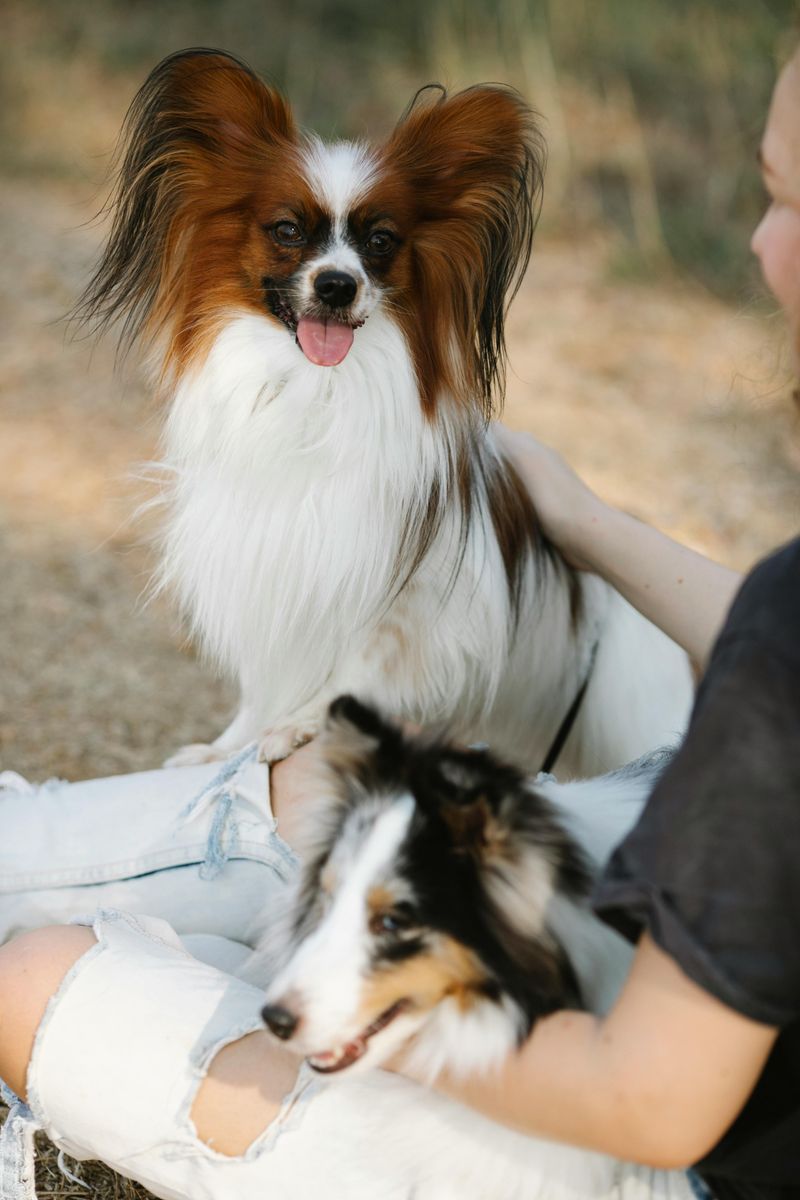
Papillons are tiny athletes with big brains, perfect for structured micro sessions. Training apps help you keep momentum with bite sized lessons and clear shaping plans.
You can quickly log progress and adjust difficulty. A trainer refines timing, handling, and ring prep if you dabble in sports.
The combo keeps sessions fun and focused without overdoing it.
Use treats sized for tiny mouths and prioritize soft surfaces for jumps or spins. Keep rep counts very low and enthusiasm high.
Add brief scent games to channel curiosity. Generalize cues in new rooms and yards so behaviors do not stay context locked.
With playful structure and gentle clarity, your Papillon learns fast and shows off charming, precise skills.
Standard Poodle
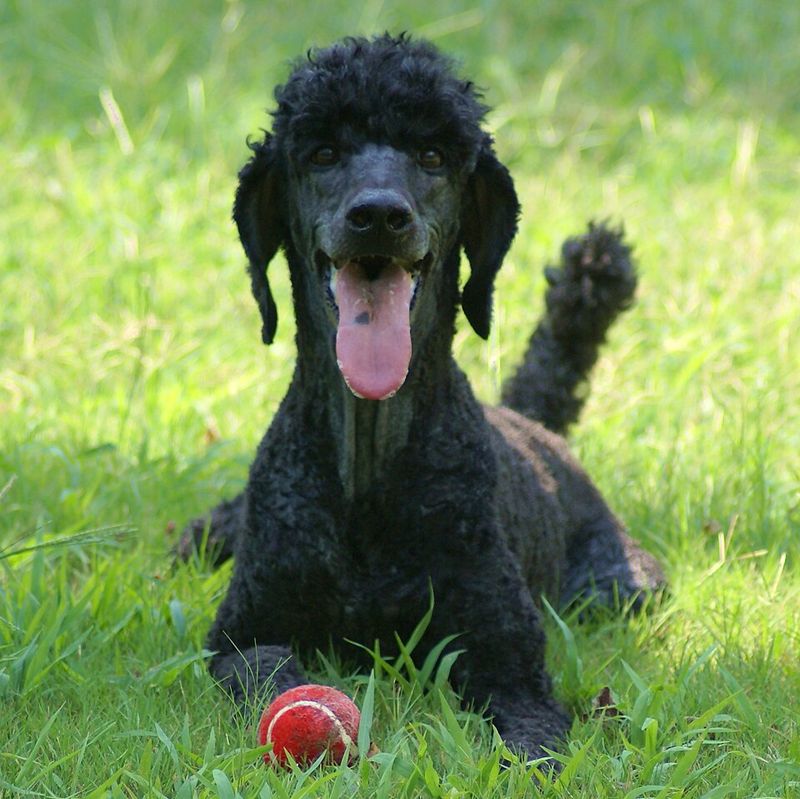
Standard Poodles are thinkers who appreciate fairness and clarity. Apps shine for designing stepwise shaping plans and tracking progress over weeks.
You can refine positions, retrieve chains, and impulse control with ease. A trainer adds polish on body language, ring routines, and distraction proofing.
The blend produces sharp learning without losing the Poodle’s fun, expressive style.
Use variable reinforcement to keep curiosity alive. Alternate scent games, platform work, and heel details to prevent boredom.
Keep sessions short, end on a win, and review video to tighten criteria. Maintain a relaxed cool down so arousal resets.
With thoughtful structure and creative challenges, your Standard Poodle learns quickly and stays eager, offering elegant, reliable behaviors on cue.
Labrador Retriever

Labrador Retrievers are enthusiastic learners who benefit from simple, consistent routines. Apps help you nail daily reps for leash manners, leave it, and recalls.
You can set reminders and log wins to keep motivation high. A trainer helps shape polite greetings and rein in springy enthusiasm around people.
Together, they provide structure that turns eagerness into reliable behavior.
Lead with engagement games and reinforce calm sits before doorways. Use scatter feeding and sniff breaks as functional rewards during walks.
Keep reinforcers valuable but small to avoid overfeeding. Practice recall games in safe, fenced areas before adding distance.
With friendly clarity and repetition, your Lab learns fast, stays cheerful, and delivers dependable manners in real life situations.
Golden Retriever
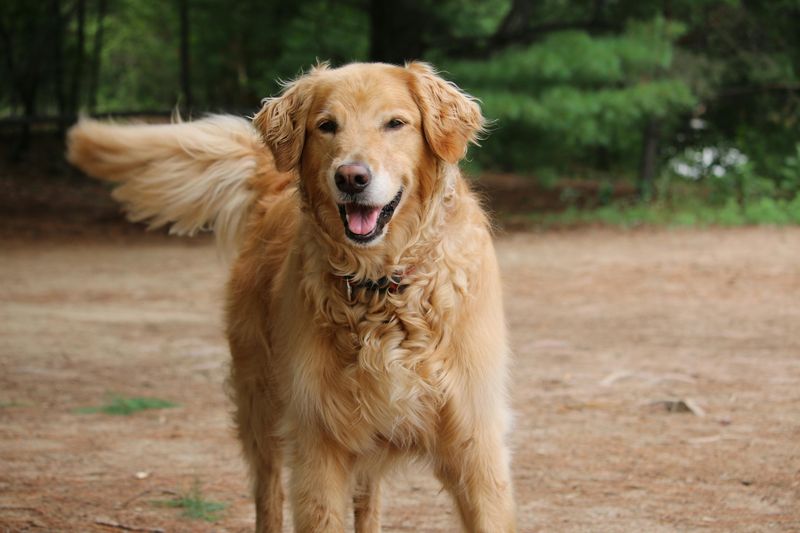
Golden Retrievers thrive on positive structure and patient repetition. Apps turn daily practice into a game, helping you track sit stays, recalls, and polite door manners.
You get reminders that keep consistency tight. A trainer provides finesse on arousal management and distraction proofing.
The mix produces speedy learning without dampening your Golden’s joyful personality.
Use soft verbal markers and gentle leash guidance. Reinforce calm holding of objects so retrieves stay thoughtful, not frantic.
Keep sessions short, then add light distractions like moving toys before busier environments. Celebrate wins and end while enthusiasm is high.
With steady, kind structure, your Golden learns quickly, keeps confidence strong, and carries that sunny focus from the living room to the busy park.
English Springer Spaniel
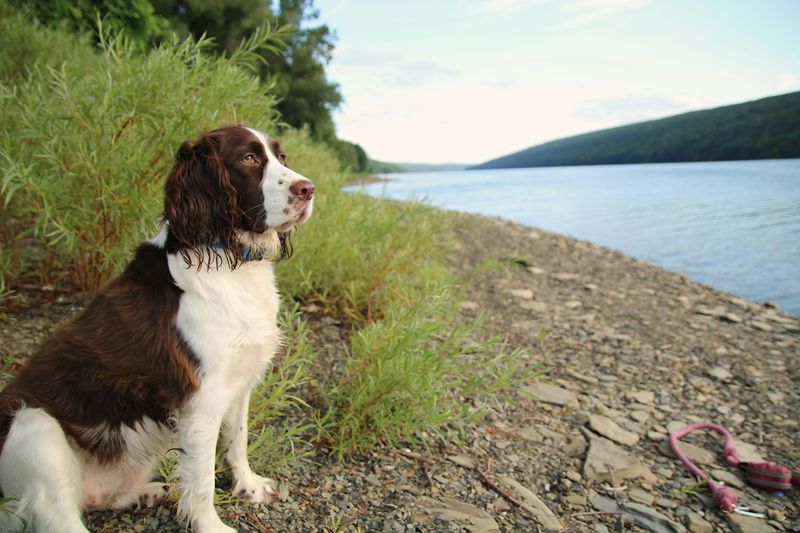
English Springer Spaniels bring zest and curiosity that thrive with predictable structure. Apps let you schedule short impulse control drills, heelwork, and recalls around real distractions.
You can track progress and adjust criteria calmly. A trainer helps balance birdy drive, reading arousal and preventing rehearsed chasing.
Together, they deliver faster, steadier results.
Use field friendly rewards like sniff breaks and controlled fetch. Keep sits and downs near motion brief at first, then add duration.
Practice patterned relaxation after exciting reps to reset. Work on settle on a mat before tackling heavy distractions.
With layered structure and thoughtful pacing, your Springer learns faster, holds focus when it matters, and channels that lively spirit into reliable obedience.