
Every time grain-free debates flare up, the same dog breeds flood the heart-health comment sections. You want clarity without panic, and you deserve it.
Let’s walk through the breeds people keep mentioning, why their names surface, and how to think about risk versus rumor. By the end, you will feel more confident talking to your vet and navigating those heated threads.
Doberman Pinscher
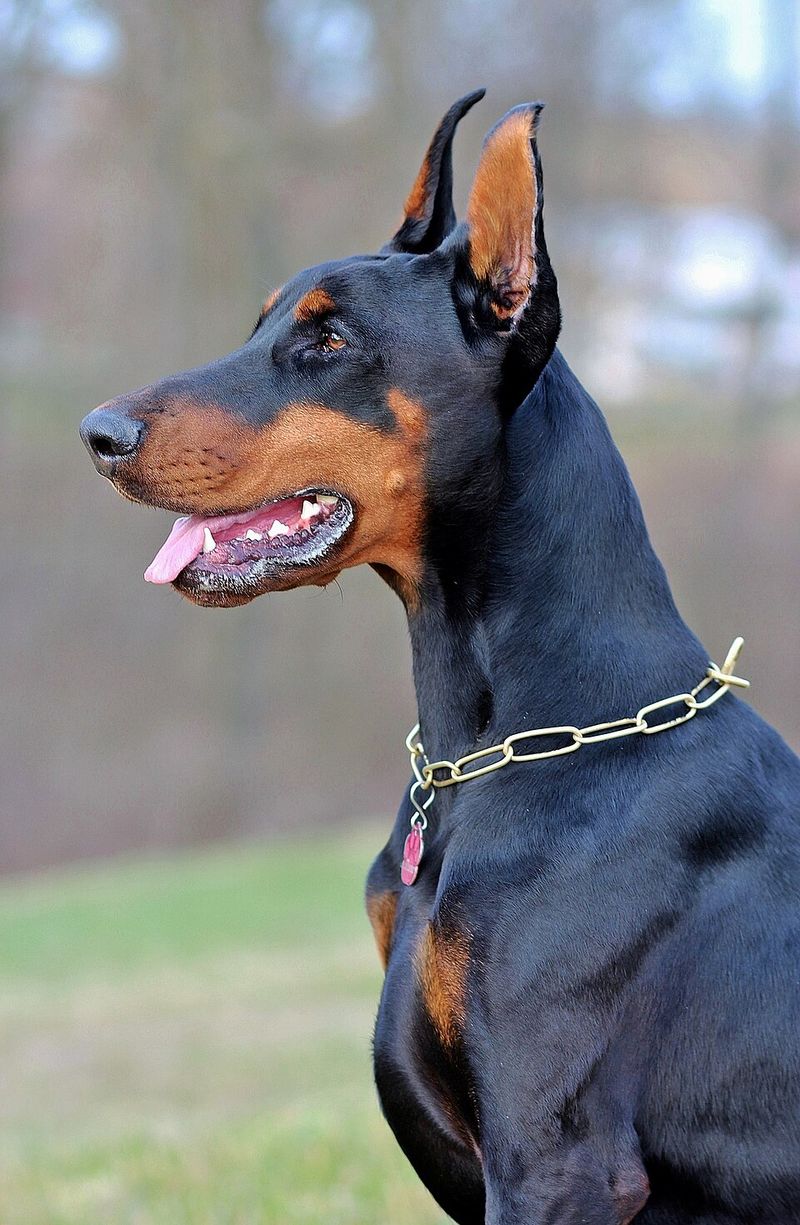
Dobermans show up constantly in heart-health threads because dilated cardiomyopathy gets mentioned alongside this breed. You see comments tying grain-free diets to risk, then others insist genetics play a larger role.
The truth usually lives in the middle, so you weigh your dog’s history, activity, and vet guidance.
Practical steps help. Ask your veterinarian for a baseline echocardiogram if your Doberman is middle aged or shows fatigue, cough, or exercise intolerance.
Discuss diet quality, taurine levels, and whether your current food meets AAFCO standards.
You do not need fear, just a plan. Keep detailed notes on breathing rate at rest, appetite, and endurance.
If anything shifts, you will notice early, which matters most.
Boxer

Boxers appear in these discussions because you see overlaps between athletic energy and occasional heart murmurs. Some commenters link diet changes to sudden fatigue, while others emphasize arrhythmogenic right ventricular cardiomyopathy as a breed topic.
You want facts that guide action, not worry.
Start with routine wellness checks and ask about a cardiac auscultation at every visit. Consider a Holter monitor if your Boxer has fainting spells or odd episodes.
Diet wise, look for world class quality control, clear nutrient profiles, and brands that publish research.
Daily habits matter. Track resting heart rate after sleep, watch tolerance on warm days, and keep exercise steady.
Small, consistent observations give you the earliest clues.
Great Dane

Great Danes show up in threads because giant breeds carry unique cardiac considerations. You will read arguments about taurine, carnitine, and whether grain-free formulas change risk.
Genetics, body size, and rapid growth patterns complicate the conversation.
Give your Dane steady nutrition designed for large and giant breeds. Talk to your vet about baseline echocardiograms around middle age or sooner if coughing or reduced stamina begins.
Pay attention to weight, as lean condition supports heart function.
Routine rhythms help. Break exercise into moderate sessions and avoid intense leaps on hot days.
If you track breathing at rest and note trends, you will be positioned to act early, which takes the fear out of guesswork.
Irish Wolfhound
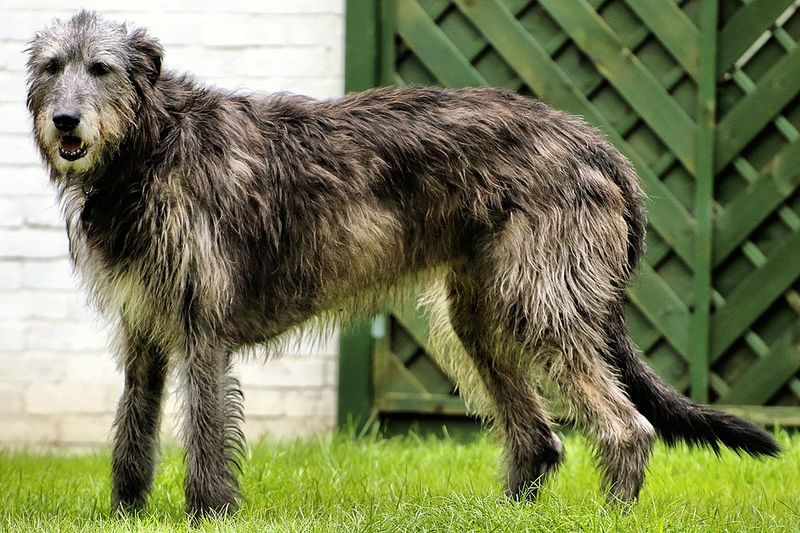
Irish Wolfhounds surface in heart threads because giant sighthounds get frequent scrutiny for cardiac concerns. You may see sweeping claims about diet and DCM, then counterclaims focusing on hereditary factors.
The best path is balanced, data driven care guided by your vet.
Set up regular checkups, including auscultation and possibly periodic echocardiograms in senior years. Choose nutrition formulated for large breeds with transparent testing and bioavailable amino acids.
Maintain a lean, strong body condition to ease cardiac workload.
Watch for soft signs like decreased enthusiasm for walks or subtle coughing at night. Log these notes in your phone so patterns are clear.
That habit makes conversations with your veterinarian more precise and effective.
Golden Retriever

Goldens often headline the grain-free debate because you see taurine deficiency stories circulate. Some owners share recoveries after diet changes, while others cite normal taurine despite symptoms.
You want practical steps that keep emotions from running the show.
Ask your vet about taurine testing if lethargy, cough, or exercise intolerance appears. Choose foods from companies publishing digestibility data, feeding trials, and board certified nutrition input.
Consistency beats fads, and regular weight checks support heart comfort.
Keep activity joyful but measured. Track resting respiratory rate while your Golden sleeps, and bring notes to appointments.
Early awareness improves outcomes, and it lets you stay engaged without spiraling through comment section panic.
Labrador Retriever

Labs show up because they are everywhere, so anecdotes about diet and heart health pile up quickly. You read one story about sudden fatigue and another about perfect test results.
Sorting signal from noise takes calm tracking and a great vet relationship.
Keep your Lab at an ideal body condition score to reduce cardiac strain. Choose diets with clear protein sources, balanced micronutrients, and solid quality control.
Discuss taurine status only if symptoms or your veterinarian suggests testing.
Daily structure helps. Schedule consistent walks, avoid abrupt extreme exertion, and watch heat sensitivity.
If you measure resting heart and respiratory rates weekly, you will notice early shifts and sidestep the panic loop.
German Shepherd Dog

German Shepherd Dogs land in heart comment sections when people mix orthopedic stories with stamina concerns. You may see claims that grain-free food fixed energy dips, then others warn about DCM links.
Real answers come from exams, not arguments.
Ask your vet for a thorough cardiac listen and discuss exercise plans that build endurance without overstrain. Choose diets with research backing, plus appropriate omega-3s for overall wellness.
If coughing or exercise intolerance appears, request imaging or referral to a cardiologist.
Structure wins. Track training volume, recovery, and resting vitals.
When you show your vet clean notes, you move from vague worry to concrete decisions that protect your dog’s heart and confidence.
Newfoundland
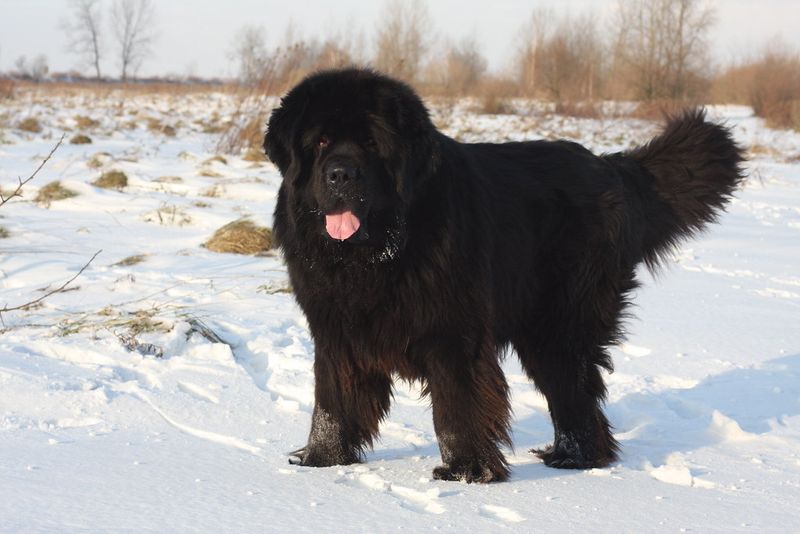
Newfoundlands pop up because heavy frames can complicate cardiovascular workload. In threads, you will see people point at diet, then others point at size and genetics.
Your job is to filter noise and focus on controllables.
Prioritize lean weight and structured, low impact exercise like swimming. Ask your veterinarian about periodic cardiac checks, especially as adulthood transitions to senior years.
Choose nutrition from companies with transparent sourcing and feeding trials rather than trendy formulations.
Watch for subtle clues like slower stair climbing or nighttime restlessness. Keep a simple health journal so you can spot trends.
When you bring those notes to appointments, decisions get easier and outcomes tend to improve.
Saint Bernard
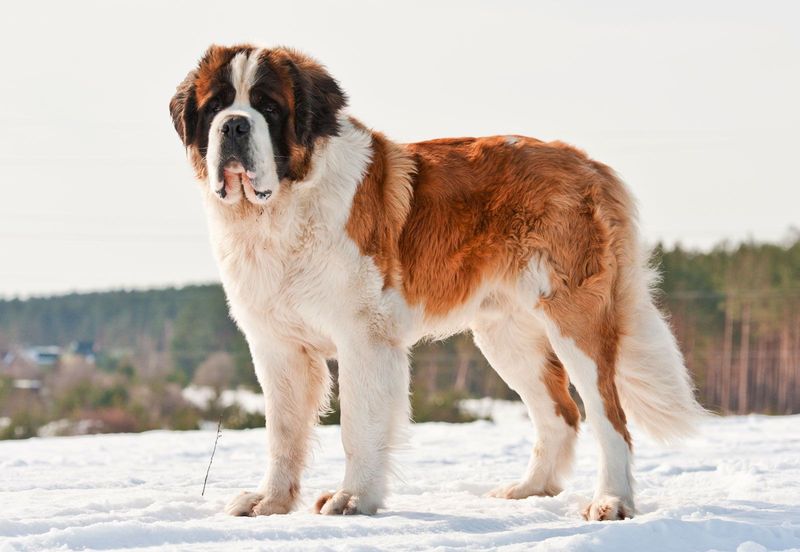
Saint Bernards appear in comment sections because giant breeds invite heart workload conversations. You read dramatic stories tied to diet shifts, then calmer voices remind everyone about genetics and growth.
Balance keeps you grounded and proactive.
Feed an evidence based large-breed formula and monitor body condition carefully. Ask your vet about baseline cardiac imaging if coughing, panting at rest, or fatigue develops.
Build fitness with steady, moderate walks and avoid heat stress.
Track small changes in sleep, appetite, and willingness to play. That simple routine gives you early warning and confidence.
With data and a trusted veterinarian, you can ignore extremes and focus on what truly supports your dog’s heart.
Cocker Spaniel

Cocker Spaniels show up in heart threads because small to medium breeds sometimes face mitral valve disease discussions. You will see grain-free arguments cross over, even when the condition is unrelated.
It helps to separate diet debates from specific diagnoses.
Schedule regular auscultation, especially in middle age, and discuss any cough or exercise changes promptly. Choose nutrition with proven quality control and balanced sodium.
If your vet hears a murmur, follow up with imaging to stage disease and build a plan.
Daily care matters. Keep teeth clean, maintain a healthy weight, and track resting respiratory rate during sleep.
A calm routine plus early intervention keeps you in control and reduces anxiety.
Miniature Schnauzer

Miniature Schnauzers enter the chat when owners link energy dips or cough to trendy diets. You will also hear about lipid metabolism quirks in the breed, which can complicate nutrition decisions.
The solution is thoughtful monitoring and evidence based food.
Ask your vet about fasting lipid panels if recommended, and keep treats modest. Choose diets with clear ingredient sourcing, appropriate amino acids, and strong quality assurance.
If coughing or reduced stamina appears, schedule a cardiac evaluation quickly.
Stay consistent with walks and weight management. Track resting breathing rates weekly and note any nighttime restlessness.
With organized observations and a collaborative veterinary plan, you can navigate comment-section noise and keep your Schnauzer thriving.