
Dog body language videos are everywhere, but some breeds play by different rules. What looks like a smile, a stare, or a stiff tail can mean something totally different depending on the dog in front of you.
If you have ever second guessed a wag or a yawn, you are not alone. Let’s decode the breeds people misread the most so you can feel confident, calm, and safer around them.
Basenji
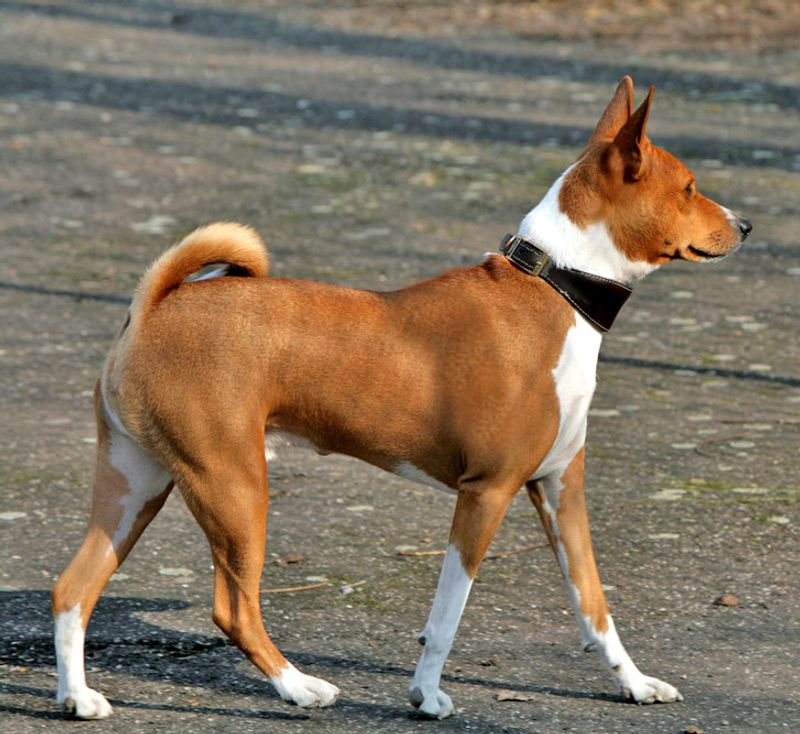
Basenjis often seem aloof, and that quiet can be confusing. The famous lack of barking does not mean relaxed.
Watch the tail position and ear tension. A high tight curl with a stiff body often signals arousal, not friendliness.
Rapid head turns and lip licks can be early stress signals you might miss.
Many people misread the yodeling vocalization as playful, but it can also mark frustration. When the forehead wrinkles deepen and the mouth stays tight, give space.
Slow blinks and softening ears usually show easing tension. Think small, calm movements.
Reward calm approaches. Let the Basenji choose contact.
Respecting choice builds trust and prevents misunderstandings.
Shiba Inu
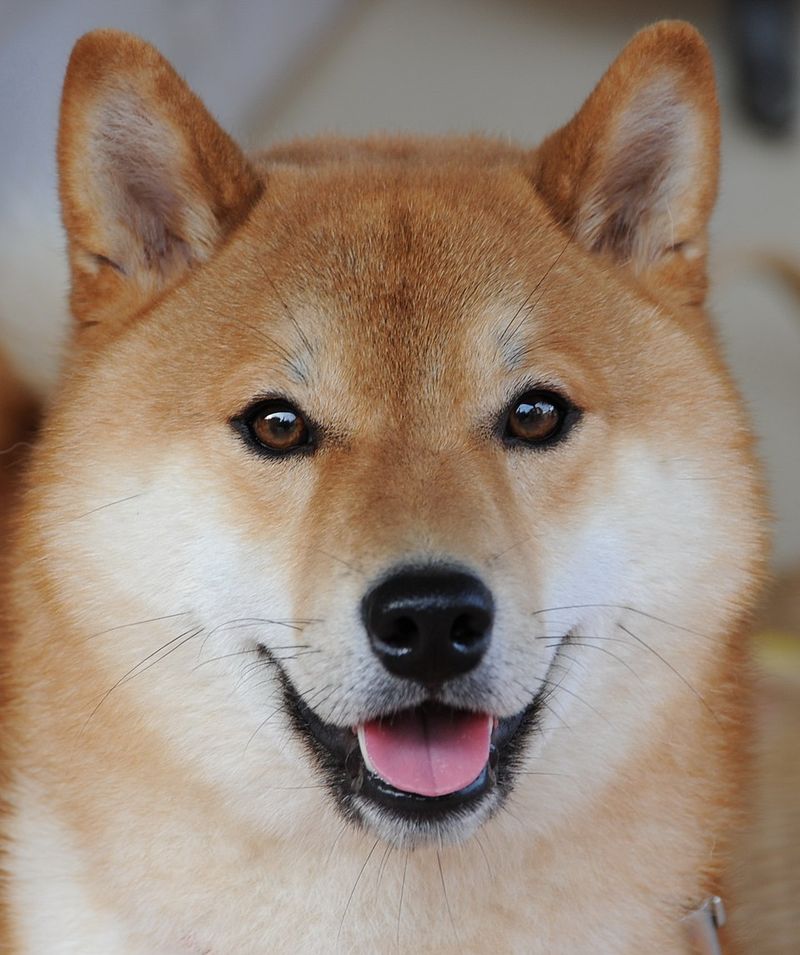
Shiba Inus look adorable, but their body language is subtle and quick. A stiff-legged approach with a tight mouth often means discomfort, not confidence.
That famous scream can signal fear or protest more than pain. Many people mistake a curled tail wag for friendliness, but velocity and body softness matter.
Loose shoulders, sideways approaches, and soft blinking are green lights. Hard stares and stillness are not.
The breed values personal space, so avoid looming or reaching over the head. Let the Shiba sniff you first.
Reward calm choices and offer exits. You will see more true engagement when pressure drops.
Calm predictability helps their independent nature shine.
Akita
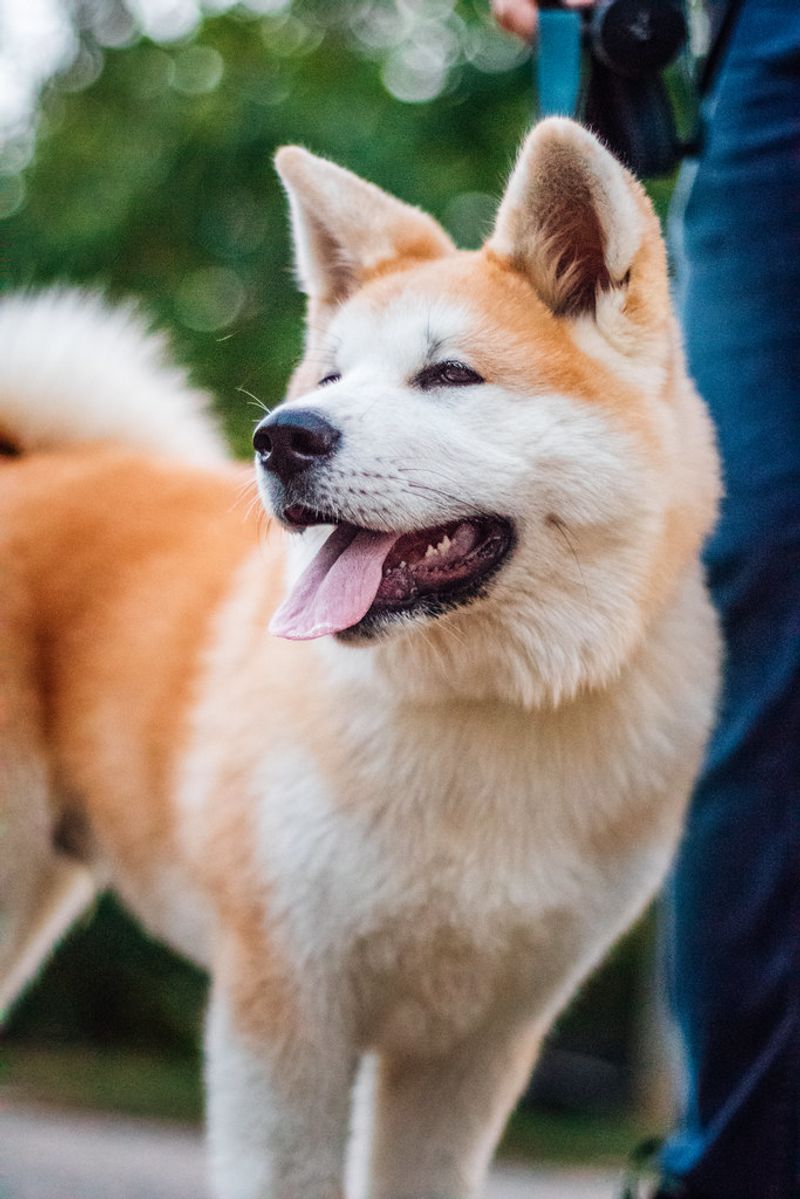
Akitas are dignified and economical with movement, which makes small changes meaningful. A quiet, forward lean paired with a closed mouth can signal rising tension.
People often read their stillness as obedience, but it can be a warning. Tail carriage is important, yet look at the base for stiffness.
Soft eyes, open mouth with gentle panting, and curved body lines suggest relaxation. Sudden freezing, head tilt without blinking, and tight lips need distance.
Avoid direct frontal approaches or sustained eye contact. Approach in an arc and invite, do not insist.
Reward polite interest. Clear boundaries help Akitas feel secure around you.
Respect earns cooperation with this powerful, thoughtful breed.
Chow Chow
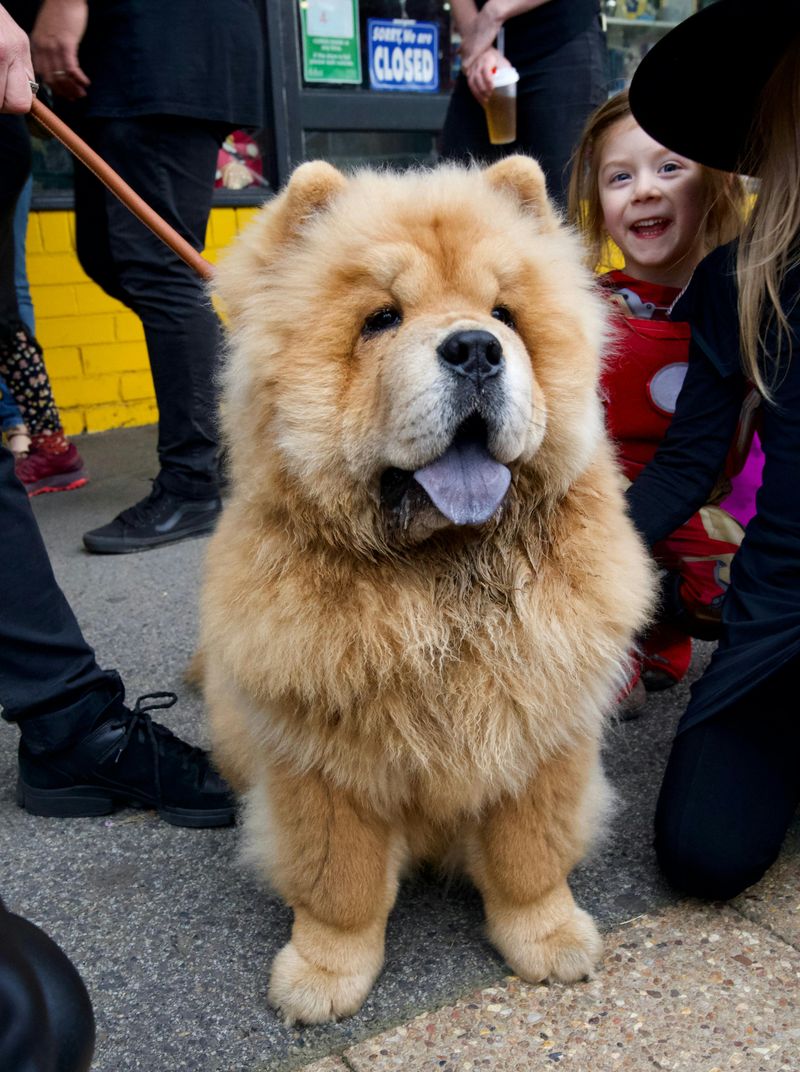
Chow Chows have heavy coats and abundant ruff, which hides facial cues. People often mistake their upright posture and low wag for friendliness.
Actually, a slow, low wag with a stiff back can be ambivalence or warning. Look for mouth tension, triangular eye shape, and stillness around the shoulders.
Give them time to assess. Sideways approaches and gentle sniff exchanges are safer than direct pats.
When relaxed, their eyes soften and the mouth loosens into a slight pant. Ears may angle outward rather than straight up.
If the tail drops a notch and the body curves, tension is easing. Respecting their aloof nature prevents conflict.
Calm, predictable handling helps them feel safe.
Shar Pei
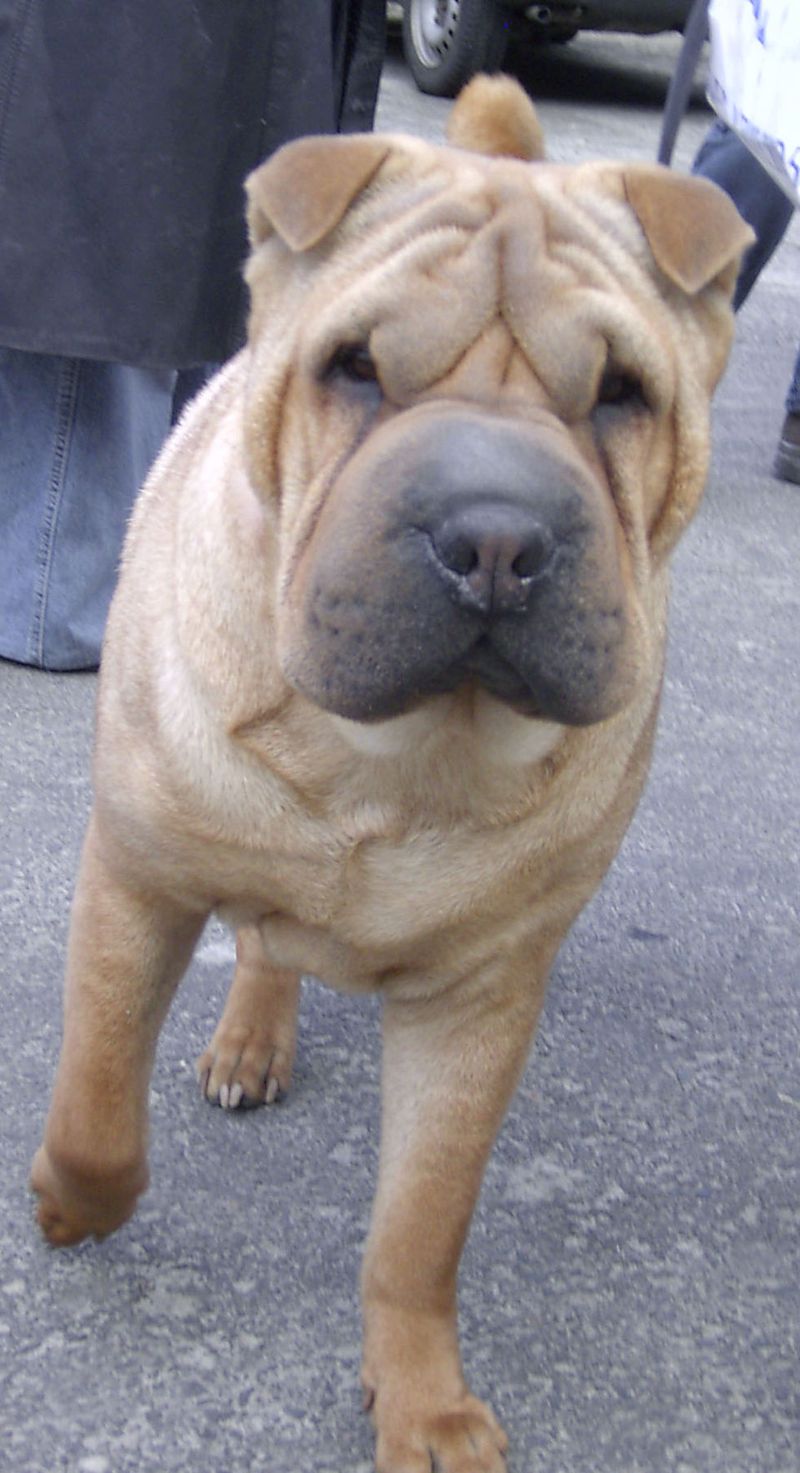
Shar Pei wrinkles can make neutral expressions look stern, so context matters. A forward stance with a closed mouth often signals evaluation, not guaranteed aggression.
People misread the brief stillness before decisions. Watch for tongue flicks, ear position changes, and shifting weight.
Those micro-movements tell the story.
Relaxation shows as softening eyes, looser lips, and a gentle sway in the tail. A quick freeze, brow pinch, and paw plant can be an early stop sign.
Avoid looming or bending over. Turn sideways and offer a hand near knee height for sniffing.
Let them choose contact. Reward calm retreats as well as approaches.
Predictability and choice help Shar Pei feel understood and safe with you.
Thai Ridgeback
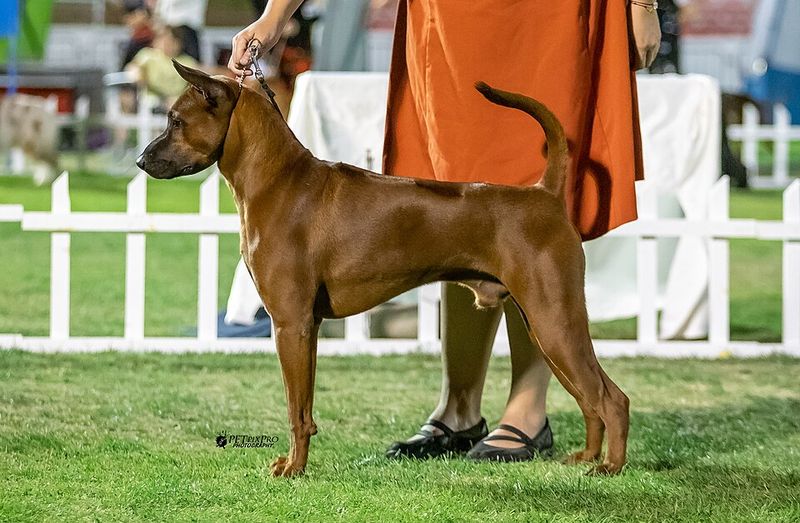
Thai Ridgebacks are athletic sentinels, often scanning and assessing. The ridge can lift with arousal, but so can many hairs along the back.
People misread sustained staring and high head carriage as dominance when it is usually vigilance. A still tail with a tight base often pairs with tension.
Signs of comfort include a softer waist, curved spine, and a slightly open mouth. They like space to move, so avoid restraining hugs.
Use lateral approaches and reward check-ins with food. If the ears tack forward and the body locks, pause interactions.
A blink or head turn shows decompression. Consistent routines and choice-filled games help this independent breed relax and communicate clearly with you.
Azawakh
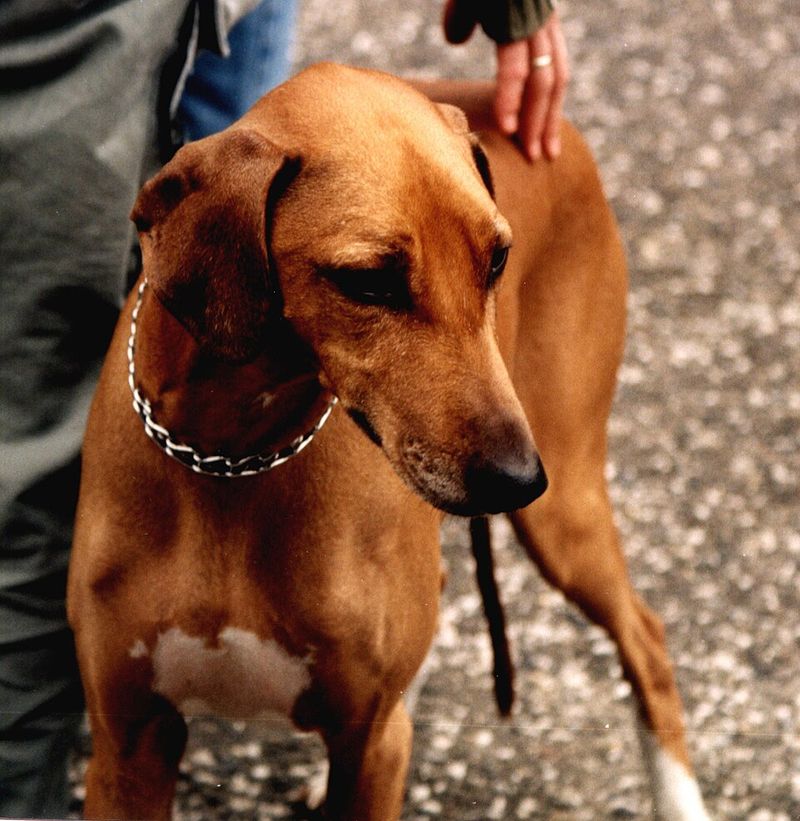
Azawakhs are ultra sensitive and naturally reserved with strangers. Their slender build exaggerates tension signs.
A high, still tail and elongated neck often mean watchfulness. People misread their quietness as calm.
Look for micro softening around the eyes, tiny lip corners, and a slight hip shift indicating relaxation.
Comfort grows with choice and distance. Let them observe rather than insist on greeting.
A loose, S-shaped approach and gentle sniff are green flags. Freezing, weight back, and tight lips suggest a pause is needed.
Use calm voices and predictable patterns. Reward checking in and allow exits.
When respected, Azawakhs warm slowly and show lovely, subtle affection that is easy to miss without patient observation.
Sloughi
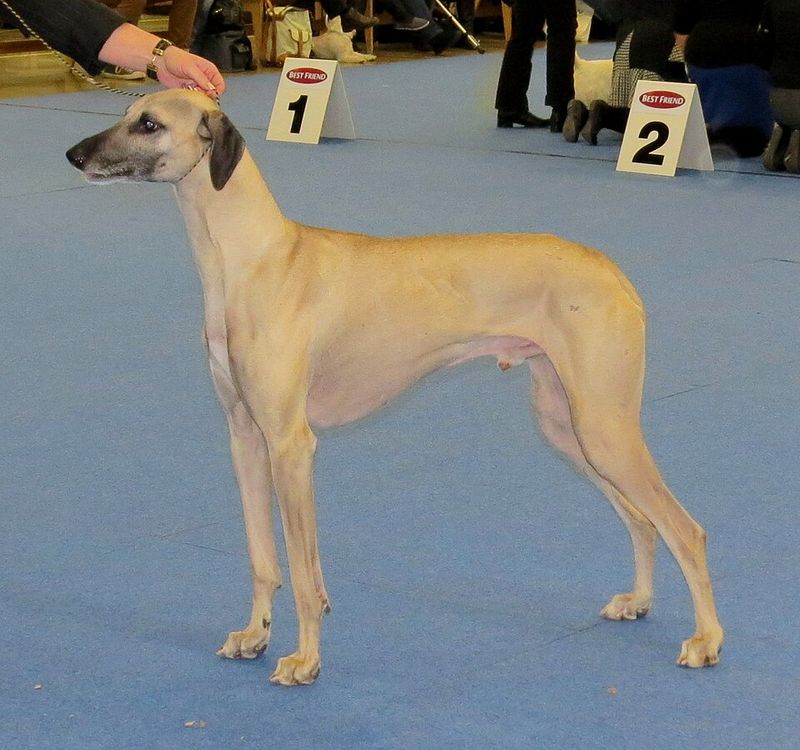
Sloughis carry a quiet dignity. Their subtle shifts tell you everything.
A lifted chin with a closed mouth can be uncertainty, not defiance. People often mistake their distance for snobbery.
In reality, they prefer calm, noninvasive interactions. Watch the tail base, spine curve, and ear angle for early indicators.
Relaxation appears as a gentle body curve and softer steps. Tension shows in tiptoeing, narrow stance, and a glassy stare.
Avoid fast hands and direct reaches. Turn sideways, blink softly, and let them initiate.
Reward small approaches and head dips. Consistency builds trust.
With patient handling, the Sloughi’s affectionate side emerges in quiet leaning and soft eye contact that feels like a whispered conversation.
Borzoi
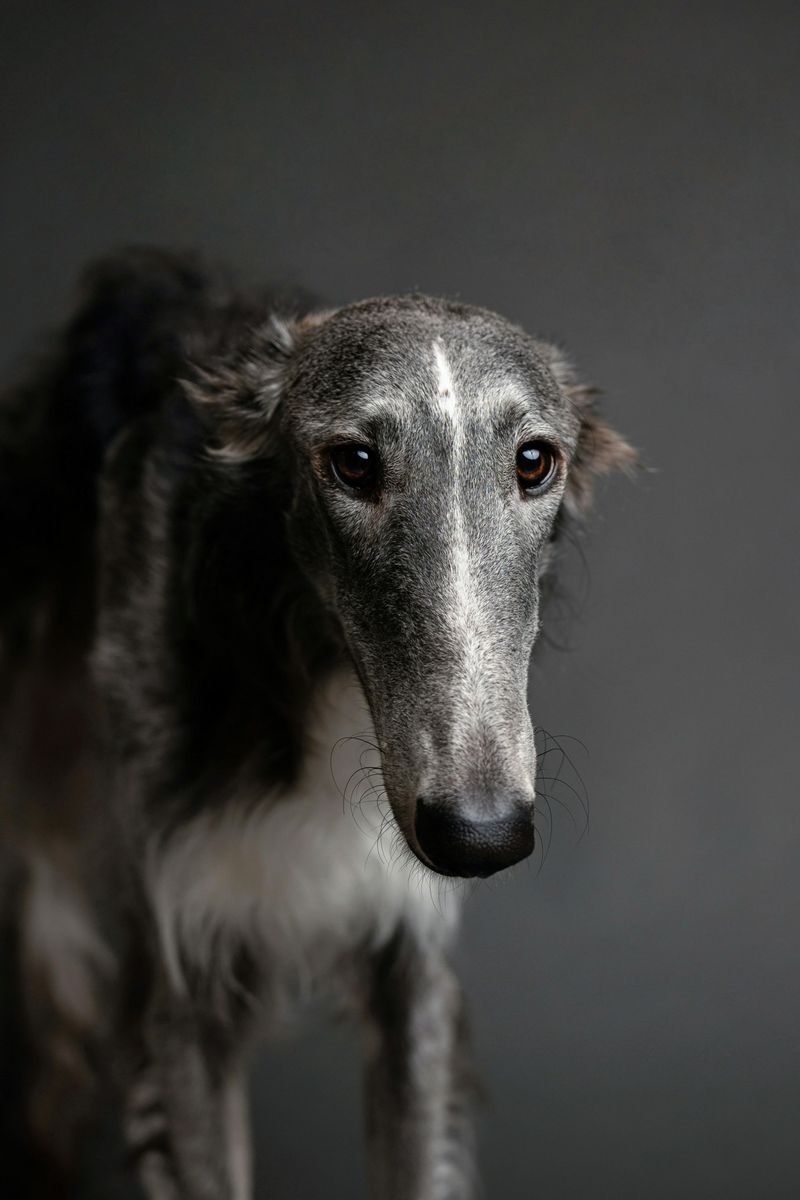
Borzoi have fluid movement that hides arousal until it spikes. A lifted head with nostrils working hard signals scanning.
People misread their calm trot as relaxation when it can be focused pursuit mode. Look at tail base stiffness and sudden stillness.
A quick freeze before motion is meaningful.
Relaxed Borzoi display soft, sweeping tail movements and curved lines through the spine. The mouth may open gently with a relaxed tongue.
Avoid revving them up with fast hands. Use slow strokes along the chest or shoulder.
Reward check-ins and name recognition. Offer calm decompression walks.
When you read the subtle shifts, their affectionate, goofy side appears and they choose closeness willingly.
Afghan Hound
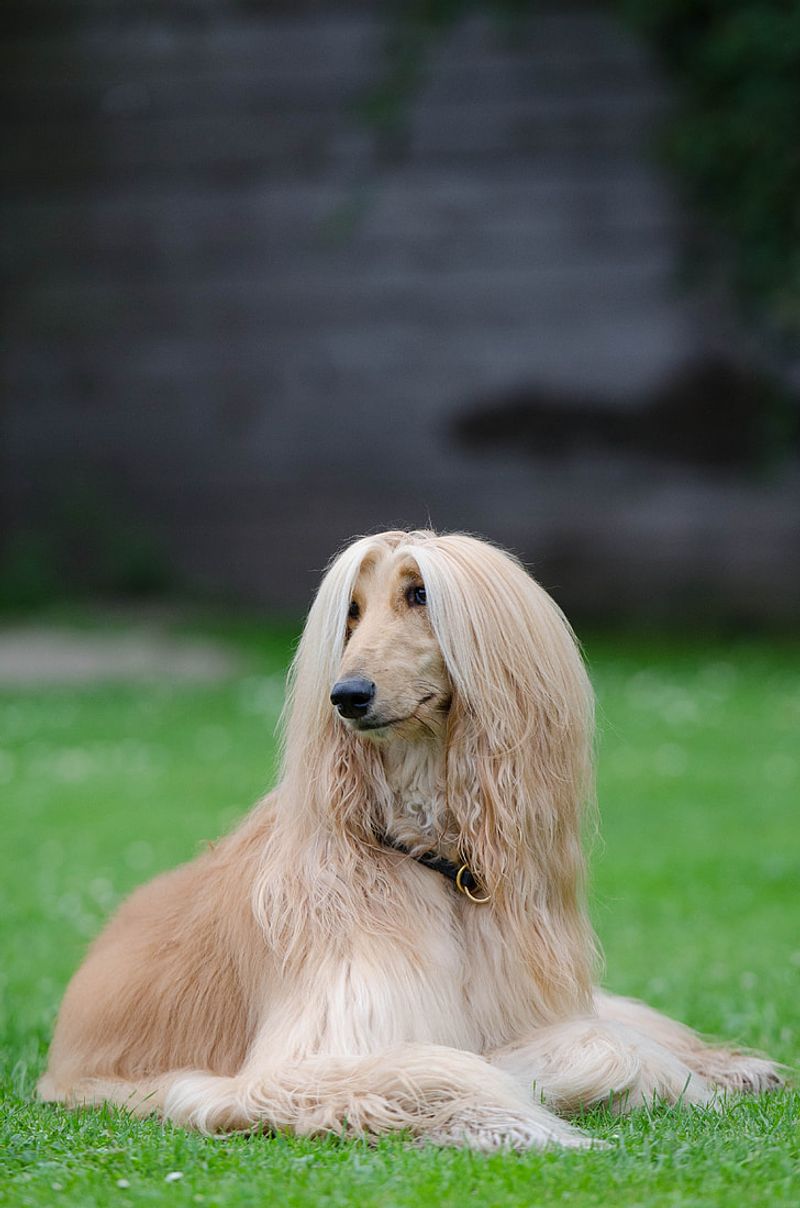
Afghan Hounds look dramatic, which can mask how they feel. High head carriage is normal, not always arrogance.
People mistake their aloofness for disinterest when it is often careful observation. Watch for ear set changes beneath the coat, tail carriage shifts, and mouth tension to read their mood accurately.
Relaxed Afghans show soft eyes, a gentle pant, and fluid tail arcs. Tension appears as a tight mouth, tall stillness, and quick head whips.
Avoid bustling approaches. Move slowly, invite, and let them decide.
Reward curiosity and quiet leaning. Grooming time is a great place to practice consent cues.
Understanding these signals reveals a sensitive, affectionate companion eager to engage on respectful terms.