You know that one dog who hardly makes a sound but always seems to know everything happening in the room? Those are the quiet watchers, the steady companions who trade noise for intuition.
This rebrand celebrates calm guardians that read the room, track your mood, and alert only when it truly matters. If you crave peace without losing protection or presence, these breeds are your silent soundtrack.
Great Dane
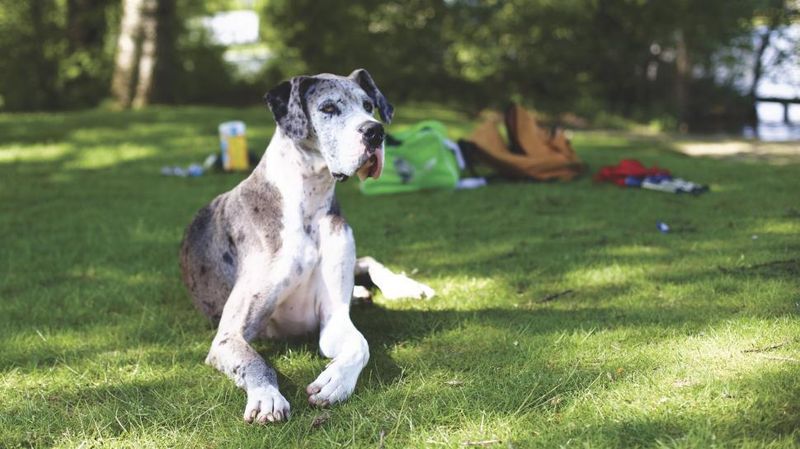
Great Danes are giant couch companions who save their voice for important moments. You will feel watched in the best way, as those wise eyes sweep the room and quietly log every detail.
They are sensitive, gentle, and surprisingly subtle for their size.
Daily routines matter. Keep things calm, provide structured walks, and expect them to lean when they want reassurance.
When a stranger approaches, they shift their posture, not their volume.
Training should be firm yet affectionate, because Danes respond to tone and trust. They do not need to shout to be heard.
With minimal barking and maximum presence, they anchor the home, reading your stress before you do and settling beside you like a weighted blanket.
Newfoundland
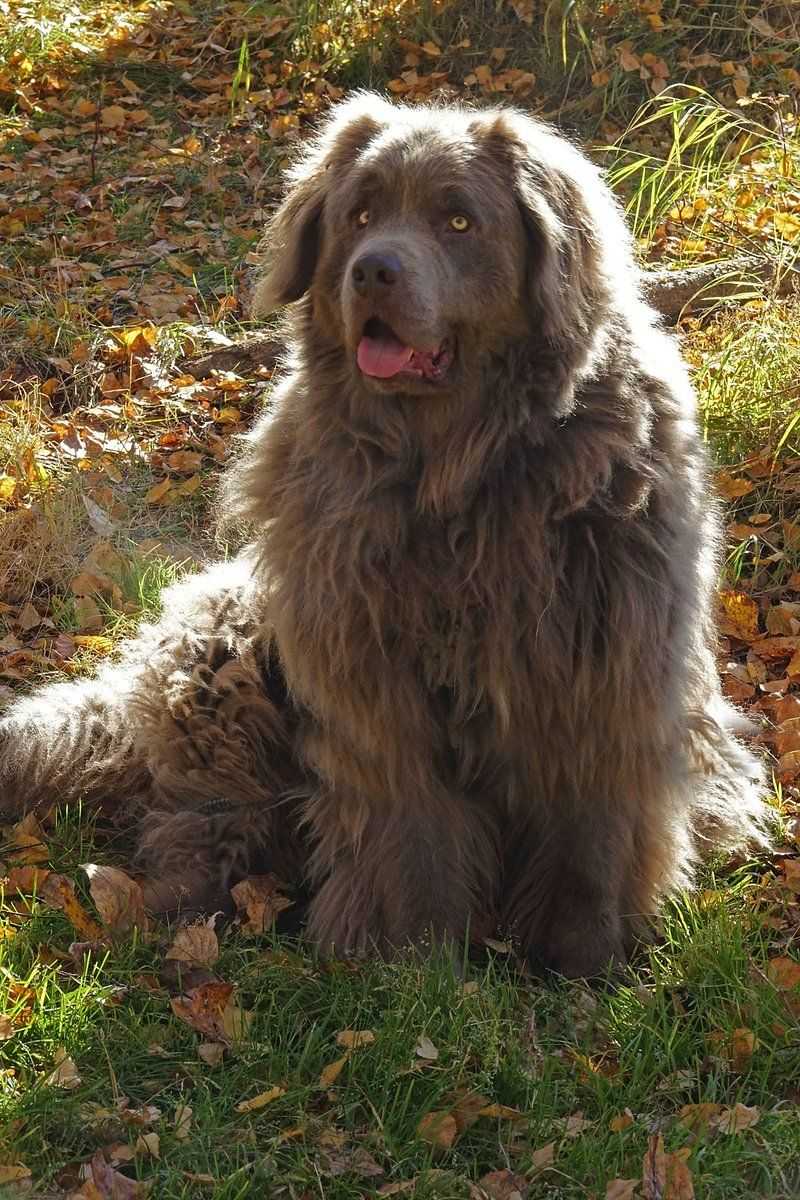
Newfoundlands are gentle giants with ocean level calm. Their voices are deep, yet rarely used, because they prefer to observe and step in only when necessary.
You will notice their quiet checks, a glance to the door, a shift closer to kids, a soft sigh when the house settles.
They were bred to rescue, so their attention feels anchored and kind. Keep them cool, keep them brushed, and give them purposeful tasks.
A silent companion is not a disengaged one.
Expect slow, thoughtful movement and a radar for emotional changes. They patrol by presence, not noise.
When something feels off, the Newfoundland plants those massive paws, meets your eyes, and lets the room know that calm authority is already on duty.
Basset Hound
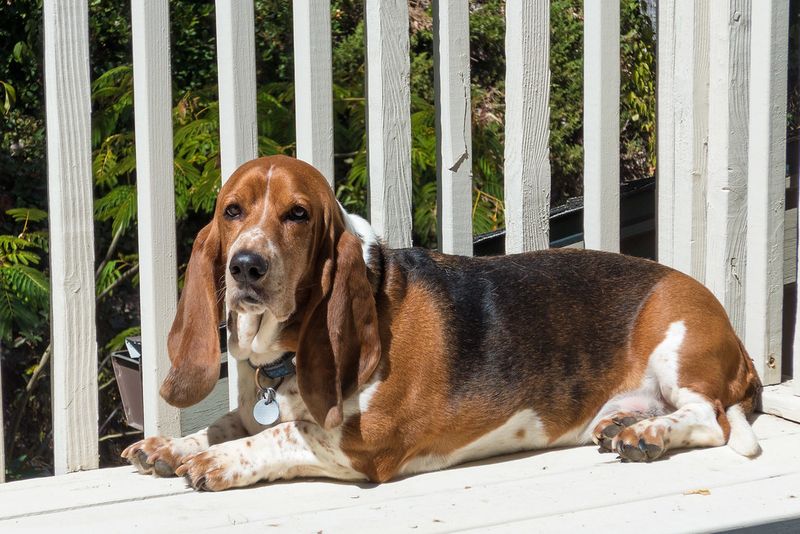
Basset Hounds look sleepy, but they are data collectors with noses. Their bark is rare indoors, because scent and stillness do the talking.
You will see them track the draft under a door or clock the exact moment a neighbor opens a gate.
They like routine and low drama. Short, steady walks and sniffaris keep their brains satisfied.
Keep training patient and consistent, because independence is part of their charm.
They are quiet with kids and tolerant of busy homes, preferring a sturdy bed and a set schedule. Alerting is a head lift, a stare, then a measured chuff.
When it counts, the Basset hound drops quiet hints that something beyond the walls just changed.
Clumber Spaniel
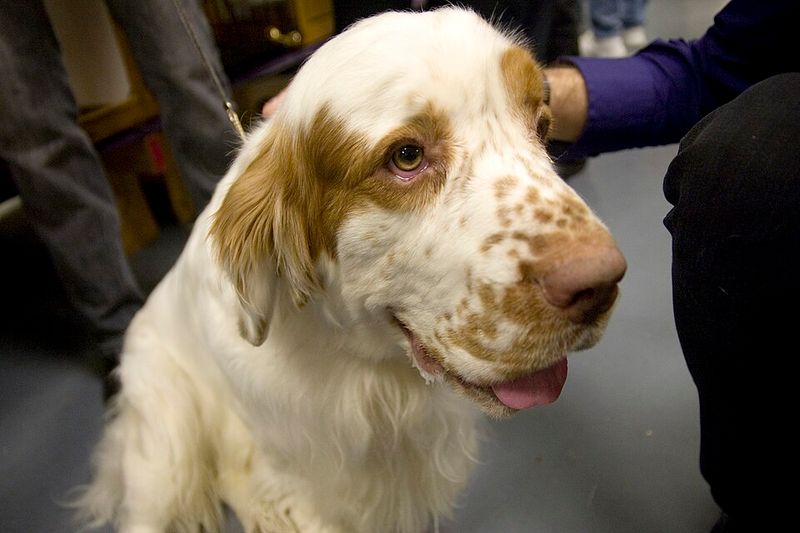
Clumber Spaniels are the introverts of the sporting world. They absorb a room, not with noise, but with steady attention and soft footfalls.
You will get a quiet shadow that follows you between kitchen and study, making sure everything stays predictable.
They are not barky, preferring gentle signals and proximity. Keep exercise low impact and mental enrichment steady, like nose work and hide and seek.
Grooming is a ritual, not a battle.
Clumbers notice patterns, doors left ajar, and footsteps that do not belong. When they alert, it is a low rumble rather than a siren.
Expect quiet companionship wrapped in velvet ears, the kind of presence that smooths out a hectic day without demanding center stage.
Greyhound
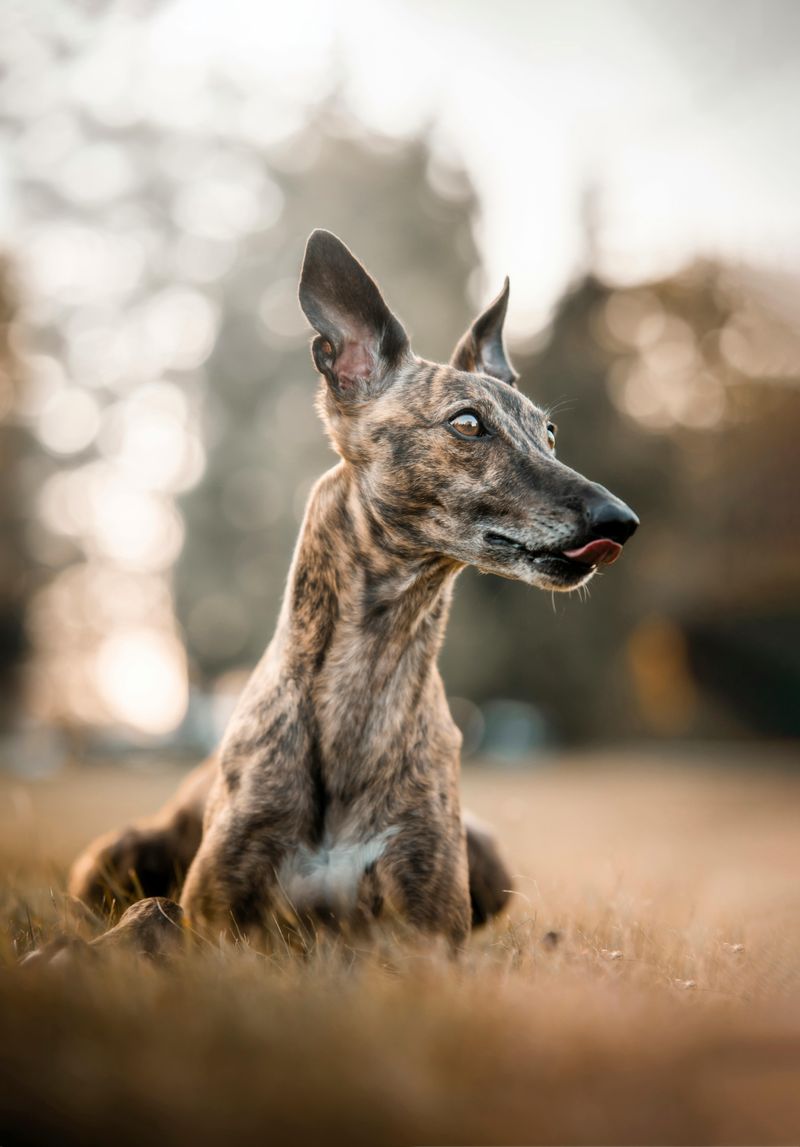
Greyhounds specialize in silence and observation. They move like whispers, then sprint like lightning outdoors.
Inside, you will get a poised roommate who listens more than speaks, clocking elevator dings and hallway footsteps without making a fuss.
They appreciate soft bedding, consistent warmth, and short bursts of exercise. Their stare is their alert, a laser line to the source, followed by a shift of ears.
Barking stays rare unless something breaks the pattern.
Training rewards subtlety. Keep it low pressure and timely, and they will mirror your calm.
A Greyhound watches the world from the sofa like a minimalist sentinel, conserving energy until the moment truly calls for action.
Whippet
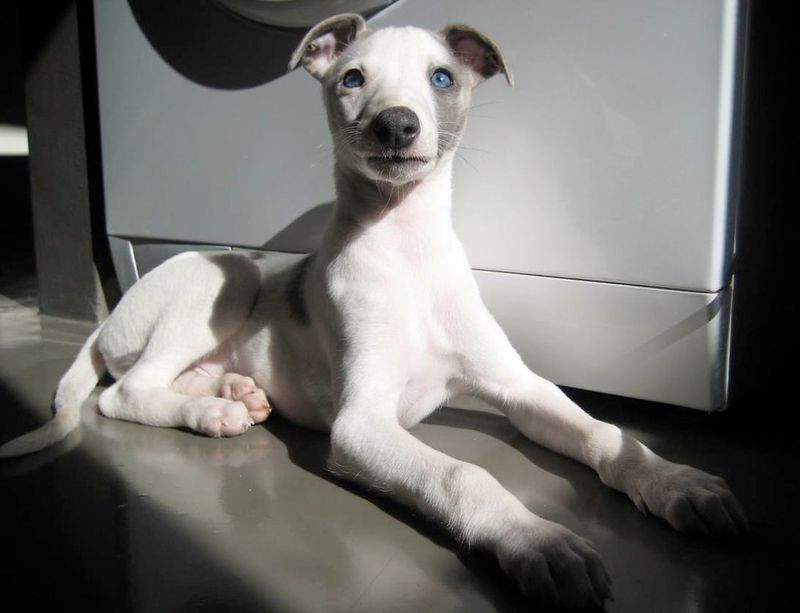
Whippets are quiet artists of comfort. You will find them tucked into sunlight, eyes half closed, ears twitching at distant sounds.
They log everything without comment, saving their energy for zoomies and heartfelt cuddles.
They prefer gentle handling, warm layers, and predictable schedules. Watch for the tiny signals, a head tilt or paw placement, because that is their version of an alert.
Barking is the last resort.
Training works best with soft voices and timely rewards. A Whippet watches without worry and returns to stillness when the moment passes.
In a small home or apartment, their hush blends with your day, offering a graceful presence that keeps the peace while staying beautifully aware.
Japanese Chin
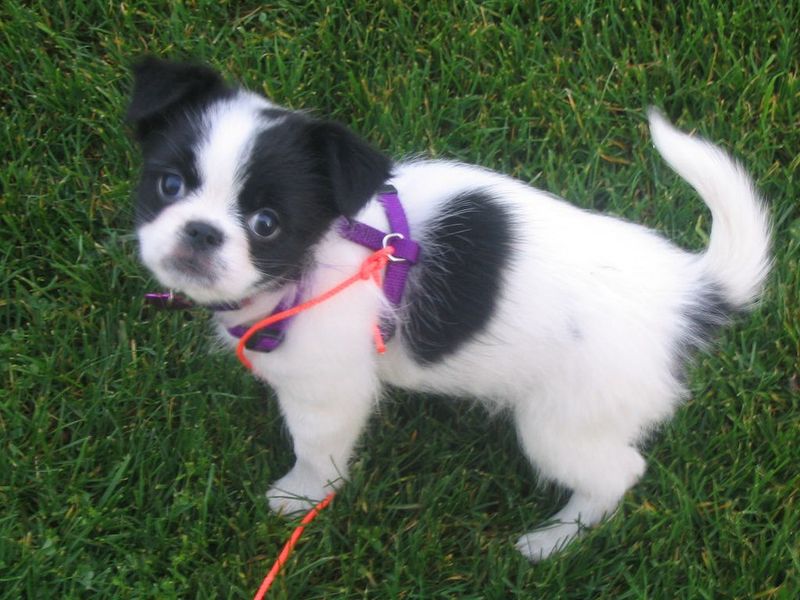
Japanese Chins are aristocratic observers with catlike manners. They float through rooms, pause to survey, and rarely bark unless something truly disrupts the vibe.
You will get delicate signals, a lifted chin, a slow blink, then a silent repositioning closer to you.
They thrive on routine, cleanliness, and gentle touch. Short play bursts and puzzle toys keep them bright.
Grooming becomes a calming ritual when handled softly.
Chins tune into human emotions, offering quiet comfort without demanding. Their alert is refined, more posture than volume.
If you want an elegant, mindful companion who seems to understand indoor etiquette by nature, the Japanese Chin will watch the world from your lap and keep the peace.
Tibetan Spaniel
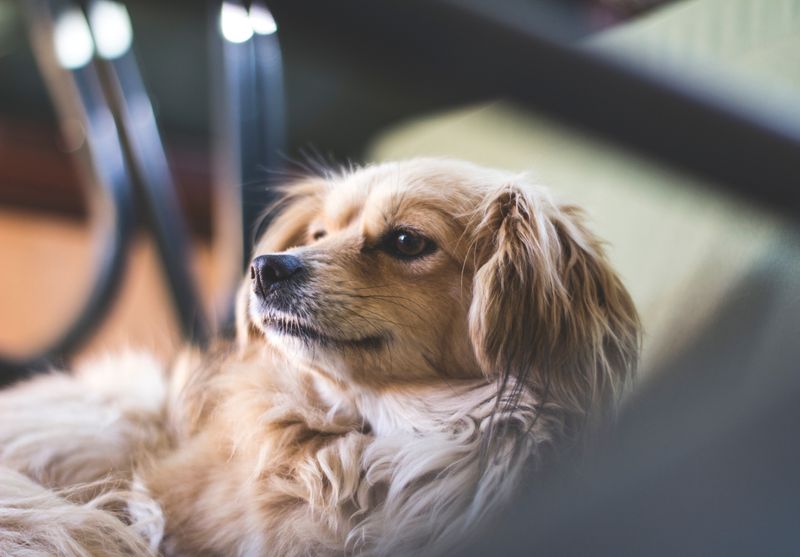
Tibetan Spaniels were bred to watch monastery walls, so yes, they have opinions without the noise. You will see a compact guardian who prefers elevation, scanning from the sofa back or windowsill with monk level focus.
Barking exists, but sparingly and purposefully.
Give them vantage points, mental games, and respectful handling. They bond deeply and read your mood with surprising accuracy.
Consistency builds trust and keeps them balanced.
Their alerts are efficient: a single note, a look, then quiet presence by your side. Tibbies are polite housemates with wise eyes and a soft mane that begs brushing.
Expect a calm sentinel who loves companionship and treats quiet as a daily practice.
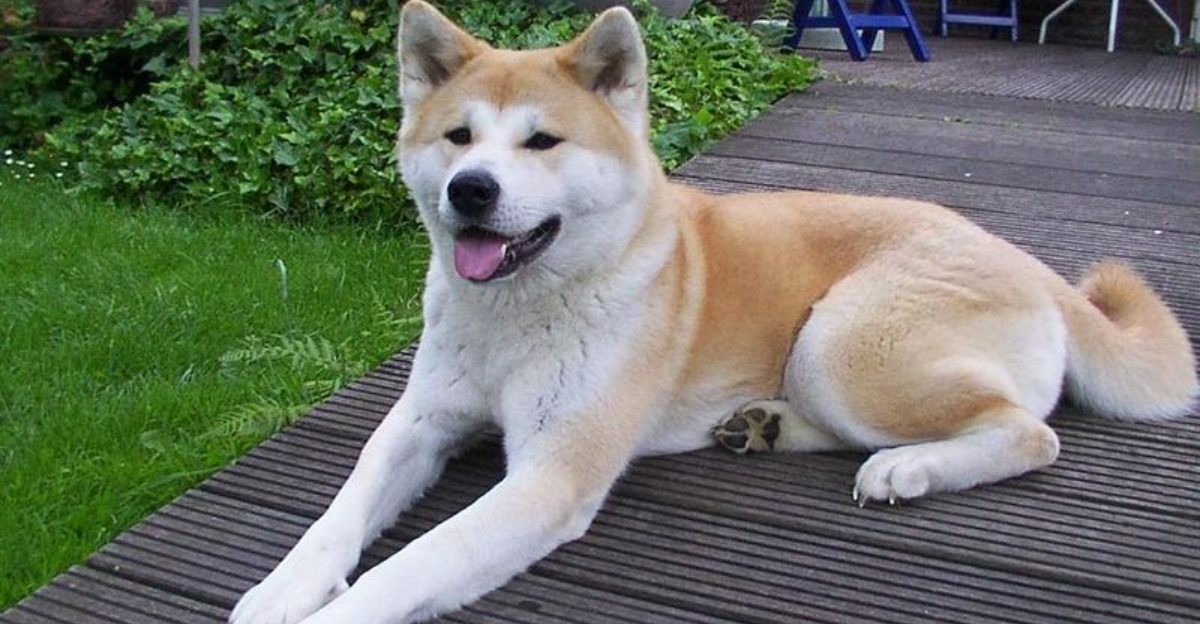
Akita
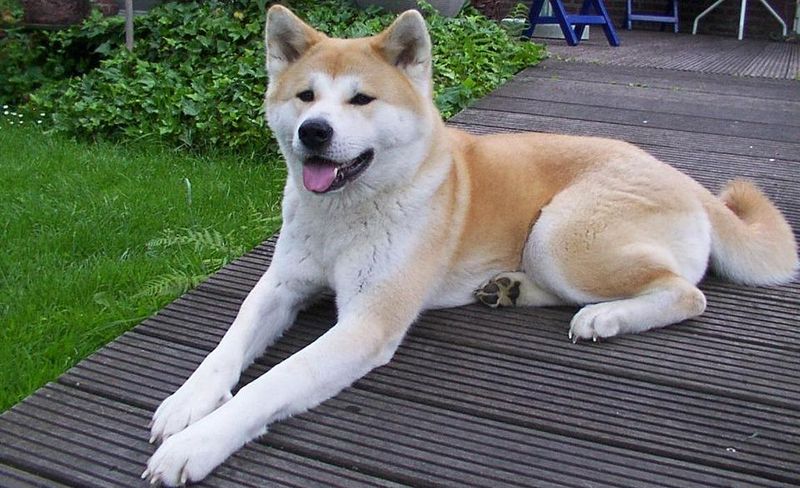
Akitas are dignified guardians who conserve words. They prefer presence over volume, claiming the doorway with calm certainty and steady eyes.
You will feel their watch more than you hear it, which is part of their deep appeal.
They require structured training, respectful boundaries, and purposeful exercise. Socialization is non negotiable to keep their instincts balanced.
When something feels off, the Akita steps forward, breathing quiet authority into the space.
They are loyal, sensitive, and protective without theatrics. Reward thoughtful behavior and keep routines consistent.
With an Akita, the house feels anchored, as if a silent promise runs between you: I have this, no need to shout.
Chow Chow
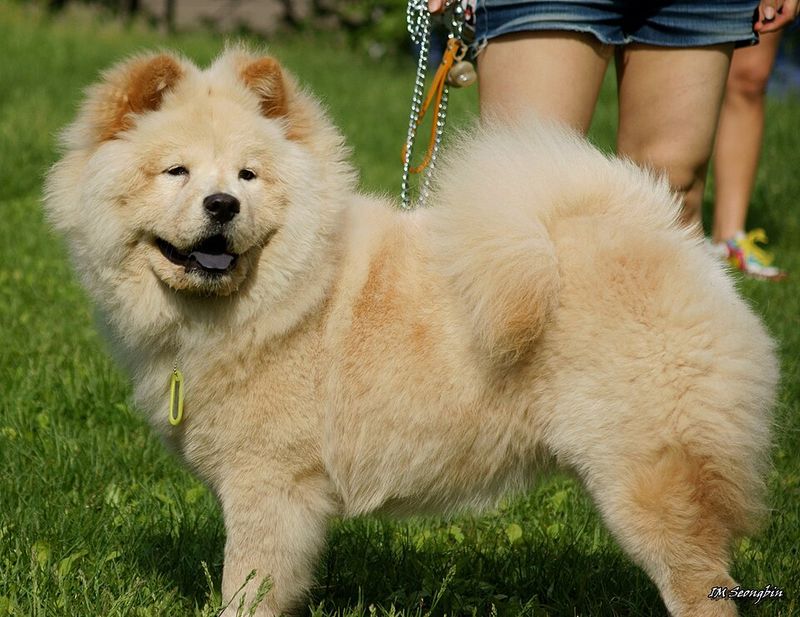
Chow Chows project regal quiet. They observe with an ancient stillness, reading doors, weather shifts, and footfalls before anyone else reacts.
You will get a companion who prefers understatement, signaling with a stance or gaze rather than a bark.
They like order, consistent grooming, and respectful space. Training should be clear and fair, never harsh.
They respond to calm leadership and predictable routines.
When on duty, a Chow becomes a statue with purpose. One measured sound is usually enough.
Their silence is not aloofness, it is confidence that the room is under control, and that you are part of the circle they carefully guard.