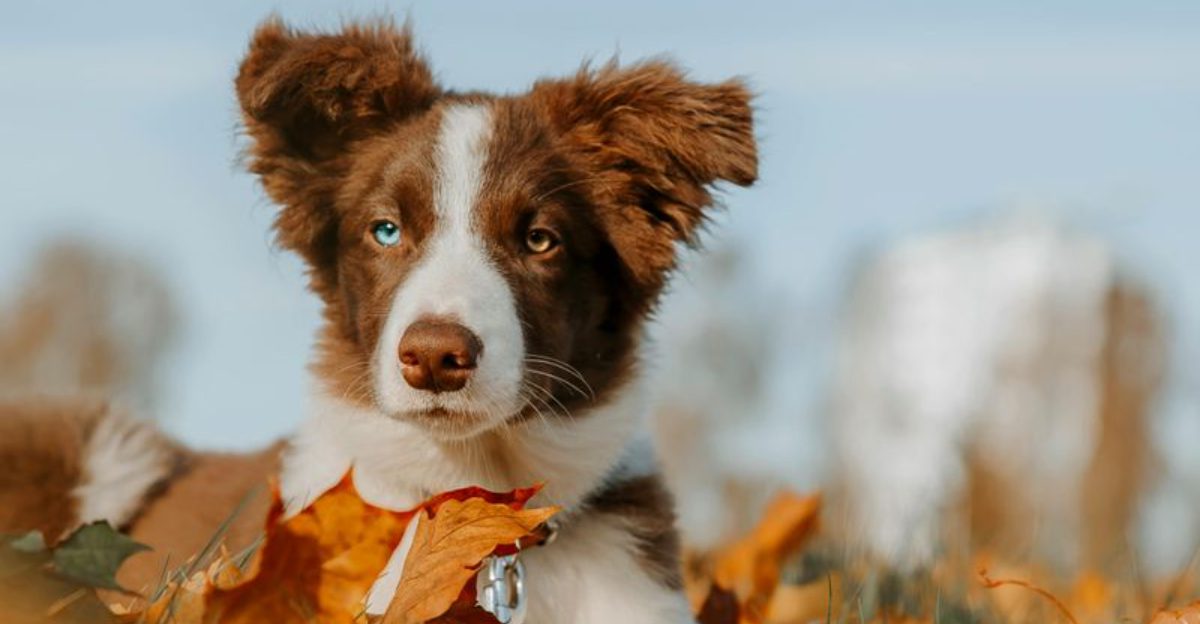
Puppy fear periods can sneak up fast, turning brave little explorers into startled shadows of themselves. If you have ever wondered why your confident pup suddenly balks at trash cans, you are not alone.
Owners across many breeds report surprising quirks during these windows, and the stories are incredibly relatable. Let’s walk through 11 breeds that often catch people off guard, plus what you can do right now to help.
German Shepherd Dog
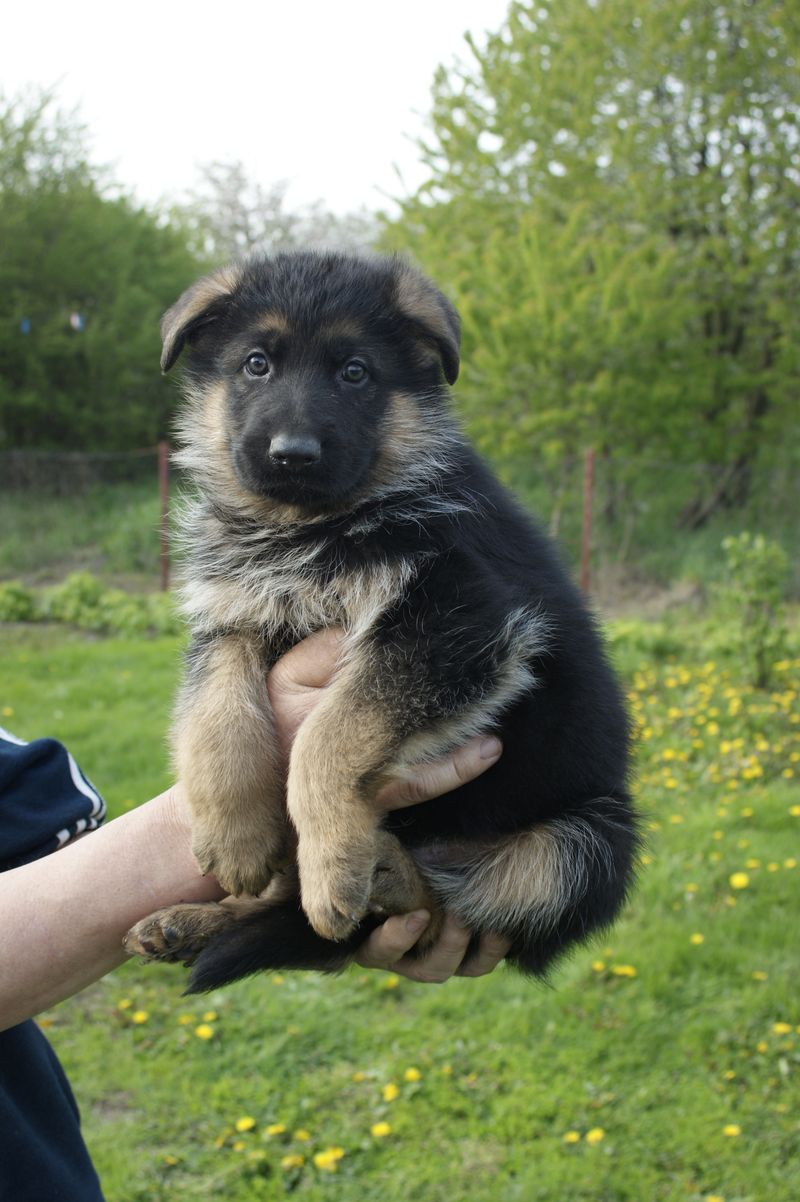
German Shepherd puppies are famously bold, yet in a fear period they can surprise you by startling at sliding doors or distant sirens. You might notice hesitation on stairs, a wary look at unfamiliar hats, and sticky clinginess during walks.
Keep sessions upbeat with short, game-like exposures and reward brave choices generously.
Do not force greetings or rush them through worry. Instead, create distance, read body language, and let curiosity lead.
Confidence builds with predictable routines, gentle handling, and calm, steady reactions from you.
Rotate easy wins, like targeting a hand or sniffing a cone, to maintain momentum. Invite calm canine role models if available.
With time and patience, their natural steadiness returns stronger.
Doberman Pinscher
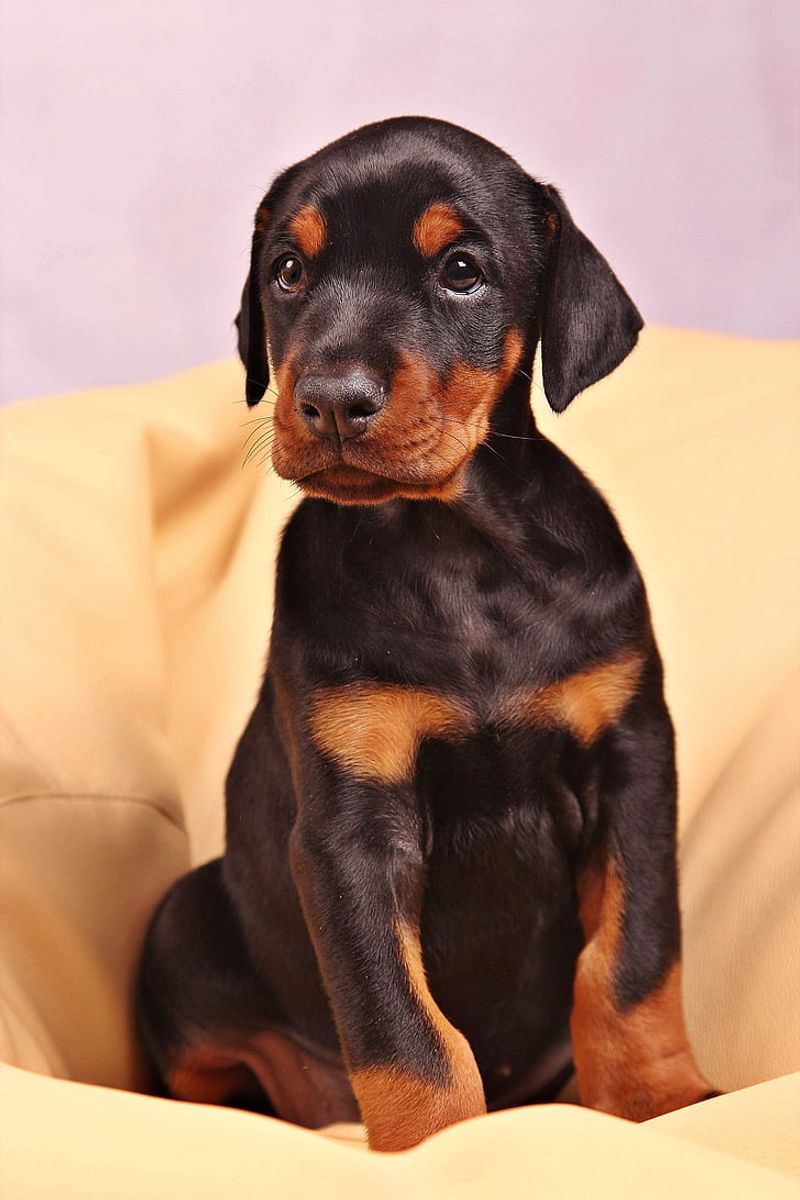
Doberman pups often read the room intensely, and that keen sensitivity can spike during fear phases. You may see flinching at metal clanks, elevators, or fast-moving scooters.
Keep outings short, avoid crowded pinch points, and pair each new sight with delicious treats.
Hold steady emotionally because your Dobie mirrors your vibe. Use calm voice, slow movements, and predictable patterns.
Mark tiny brave behaviors, like a brief glance, then retreat before overwhelm.
Practice neutral exposure from a distance and let your pup opt in. Puzzle feeders and sniff walks reduce stress and restore curiosity.
With thoughtful pacing, their athletic confidence returns, and you will preserve that close, trusting bond Dobermans crave.
Rottweiler
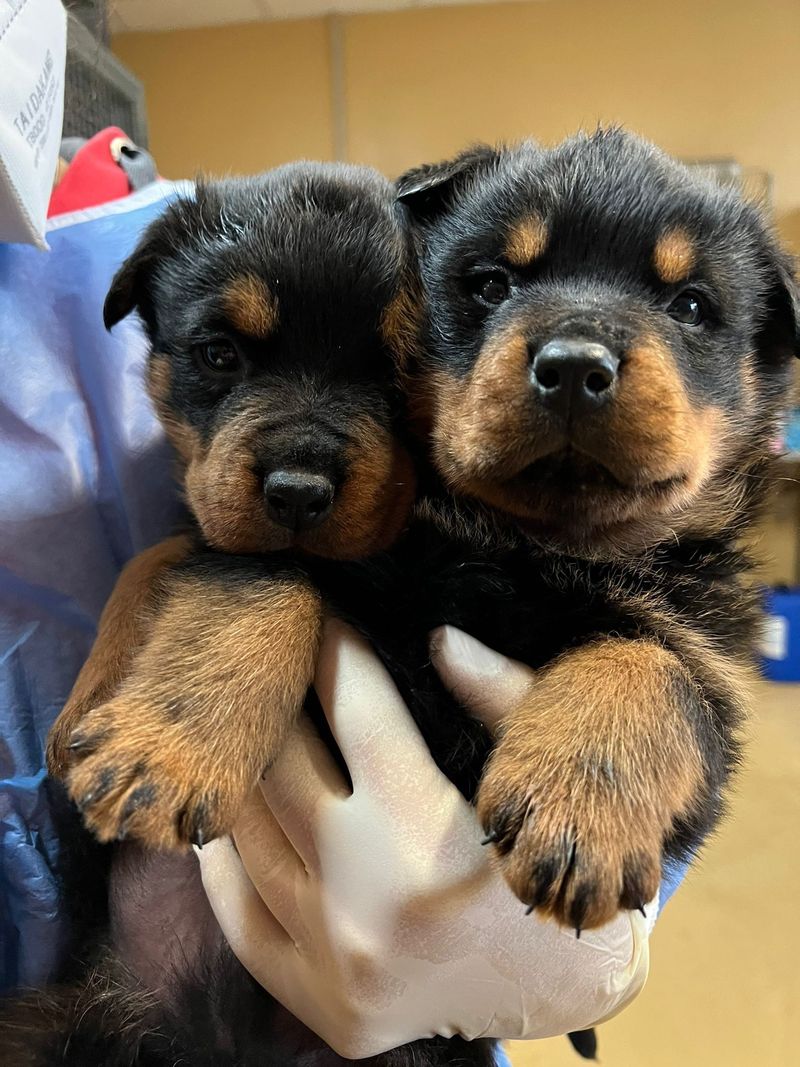
Rottweiler puppies can feel like solid little tanks until a fear window arrives and a flapping banner suddenly spooks them. Expect cautious sniffing, planted feet, and slow approaches.
Use calm praise, loose leash, and happy food scatters to reshape the scene.
Avoid pressure or dragging because that erodes trust. Keep sessions brief and end on a win.
Teach simple patterns like look at that, then look back to you for pay.
Introduce stable surfaces and quiet novelty first, then gradually layer motion and sound. Invite friendly humans who respect space.
Given patience and clarity, Rotties regain their grounded nature and carry forward a thoughtful confidence that suits their steady temperament.
Boxer
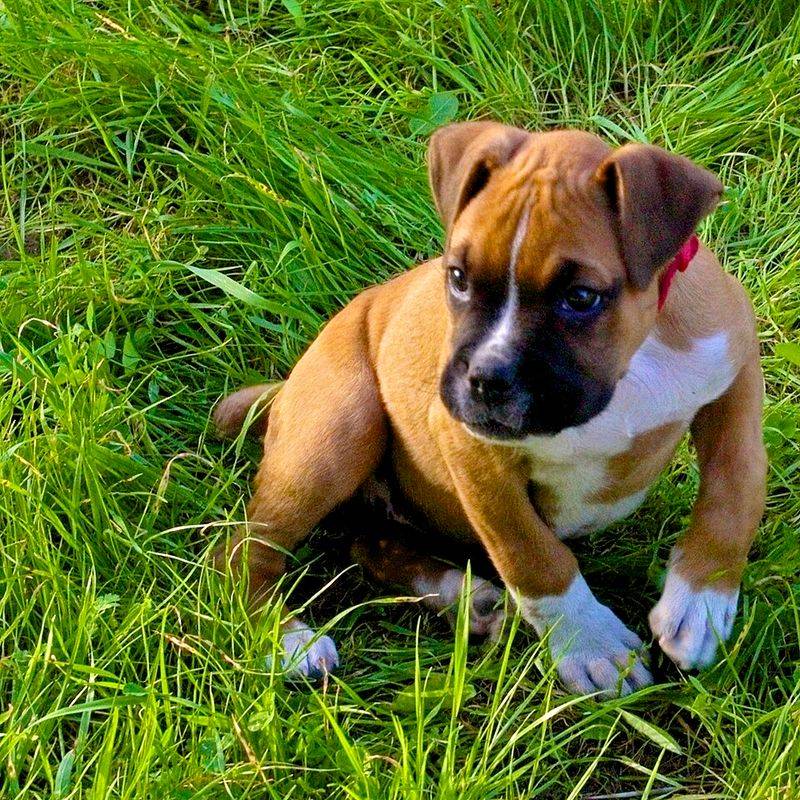
Boxer pups are comedians until a fear phase suddenly makes loud trucks or umbrellas feel suspicious. You might catch a goofy play bow turning into a cautious freeze.
Keep things light with short, silly training games and quick retreats before stress builds.
Use cheerfully tossed treats and easy tricks to flip the script. Let them sniff, watch, and decide, while you keep the mood breezy.
Avoid over-talking or coaxing too close too fast.
Enrich indoor time with chews, snuffle mats, and gentle tug to maintain confidence. Celebrate micro-bravery, then give a reset break.
With playful pacing and consistent rewards, that classic Boxer bounce returns without lingering worries.
Border Collie
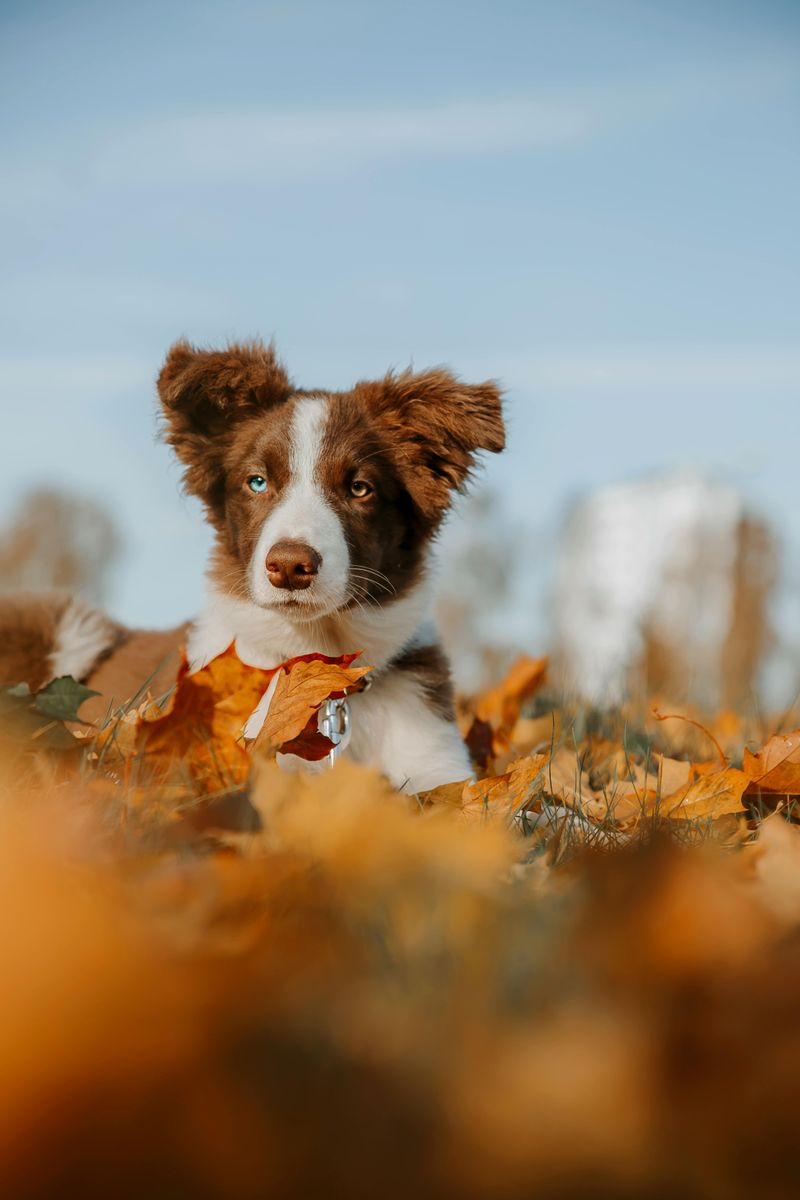
Border Collie puppies are perceptive and can fixate on tiny changes during fear windows. A new gate sound or waving sleeve may trigger a stare and sudden avoidance.
Keep novelty manageable and predictable, rewarding calm eye contact and disengagement.
Provide decompression with sniffy walks and simple herding-inspired games like following a moving target at distance. Use markers for looking away from triggers.
Do not flood with crowded dog parks.
Rotate quiet exposures and mental puzzles to satisfy their sharp minds. Train short, crisp sessions that end before fatigue.
With consistency and rest, their curiosity returns, and you guide that big brain toward confident problem solving instead of spirals.
Australian Shepherd
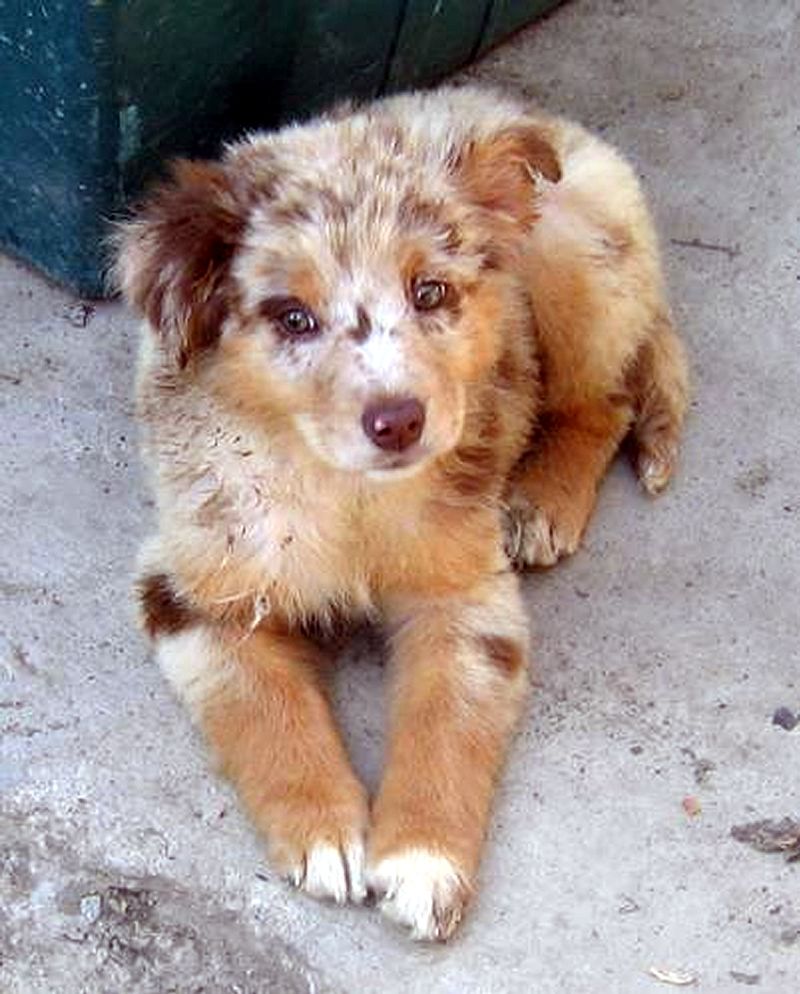
Australian Shepherd puppies often surprise owners by becoming suspicious of motion during fear phases. Spinning signs, bikes, or kids running can spark sticky staring or backing up.
Support with distance, upbeat markers, and food tossed behind to encourage turning away.
Provide structured tasks like nose targets and platform work for predictability. Keep greetings optional, not mandatory.
Avoid big group chaos when your pup is unsure.
Balance exercise with decompression, because overtired Aussies get snappy and overwhelmed. Use pattern games that your dog can win easily.
Over time, that alert energy channels into confident engagement, giving you a pup who observes, decides, and reengages without drama.
Shetland Sheepdog
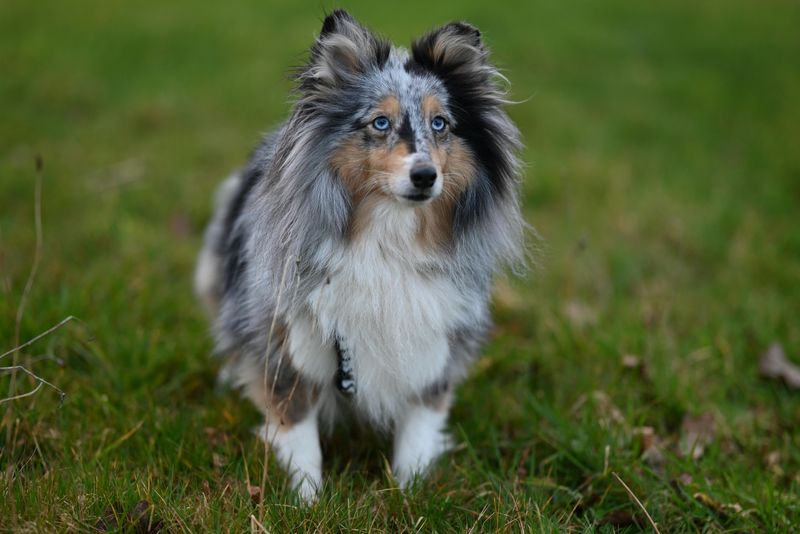
Shetland Sheepdog puppies can be sensitive and sound aware, which heightens during fear periods. You may notice startled jumps at clinks, sudden freezes near strangers, and preference for distance.
Keep sessions serene with slow breathing, soft words, and a predictable route.
Use treat-and-retreat so curiosity grows. Avoid crowding from well-meaning people who lean in.
Mark and pay for head turns, blinks, and relaxed posture.
At home, offer cozy safe spots and sound desensitization at low volume. Short shaping sessions boost self-efficacy.
With respect for their thoughtful temperament, Shelties regain confidence and show their bright, eager-to-learn personalities without feeling pushed.
Papillon
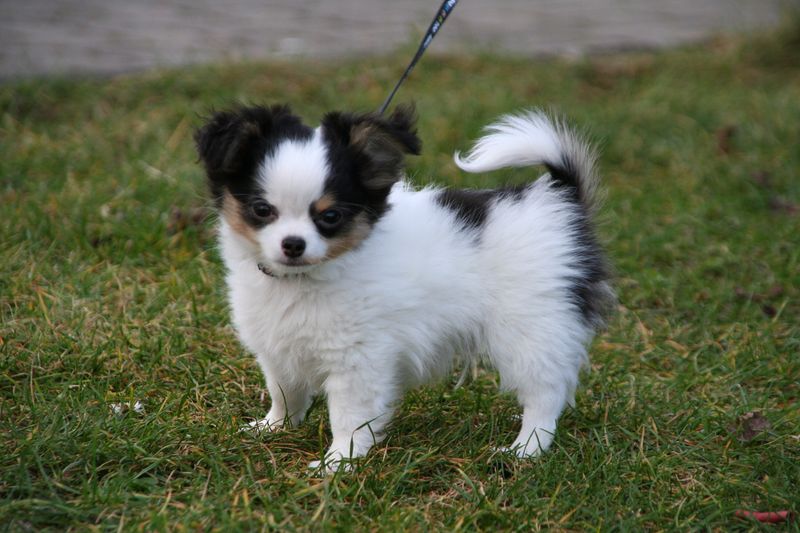
Papillon puppies carry big feelings in small bodies, and during fear phases they can startle at clattering dishes or sudden chair scrapes. Keep sessions micro-sized with quick successes, then breaks.
Reward curiosity with tiny treats and gentle praise.
Give space from looming hands and bending strangers. Use elevated mats or laps for security while observing at a distance.
Practice easy patterns like nose touches and settle on a mat.
Rotate quiet, low-traffic environments to rebuild optimism. Short, fun training games help channel their smarts without overload.
Soon you will see that bright butterfly energy flutter back, steady and social, without forcing interactions they are not ready to handle.
Cocker Spaniel
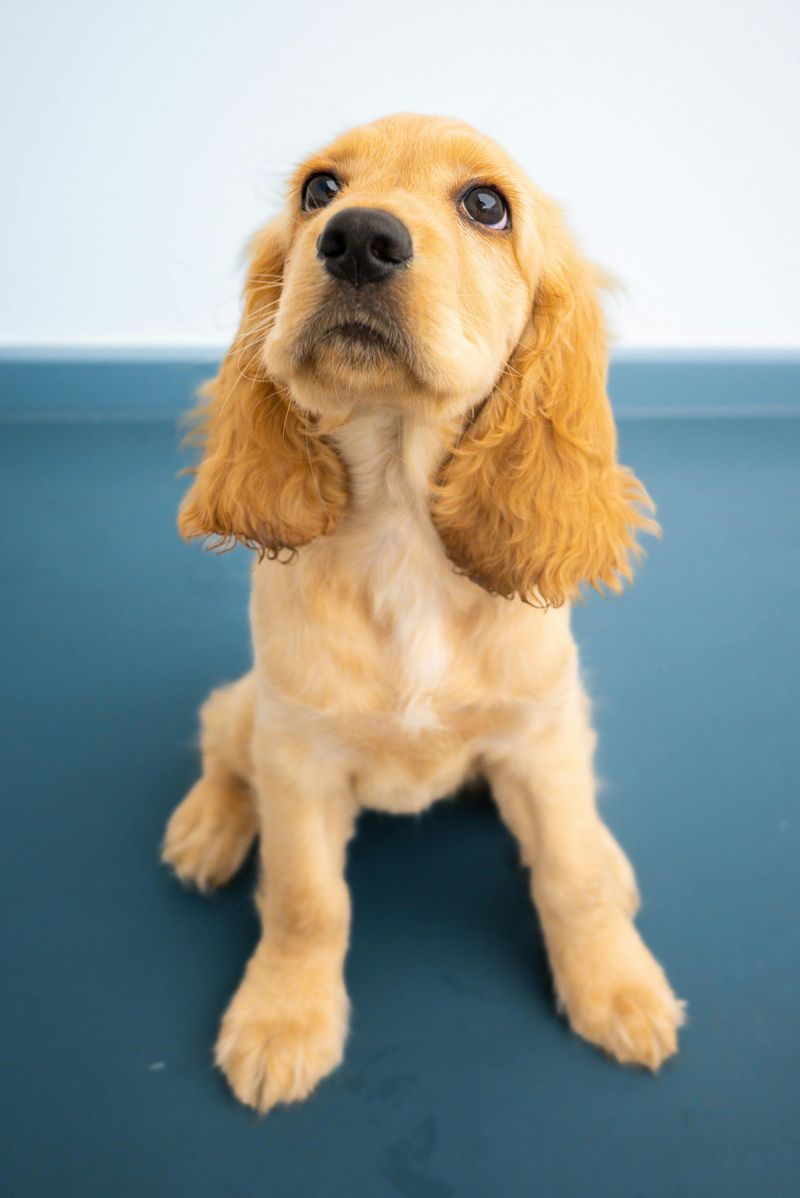
Cocker Spaniel puppies can pivot from sunny charm to sudden worry during fear windows. Hooded joggers, umbrellas, or rolling suitcases may cause sticky pauses.
Keep your leash loose, sprinkle treats generously, and lead gentle arcs around triggers.
Grooming sounds can be extra spooky now, so pair brushes and nail tools with peanut butter licks. Invite calm, low-pressure handling with choice and breaks.
Do not rush greetings or force cuddles from strangers.
Play simple sniff games and easy retrieves to restore cheer. Keep training short, upbeat, and varied.
With kind repetition and restful downtime, Cockers bounce back to their merry selves, unfurling that trademark tail wag once more.
Standard Poodle
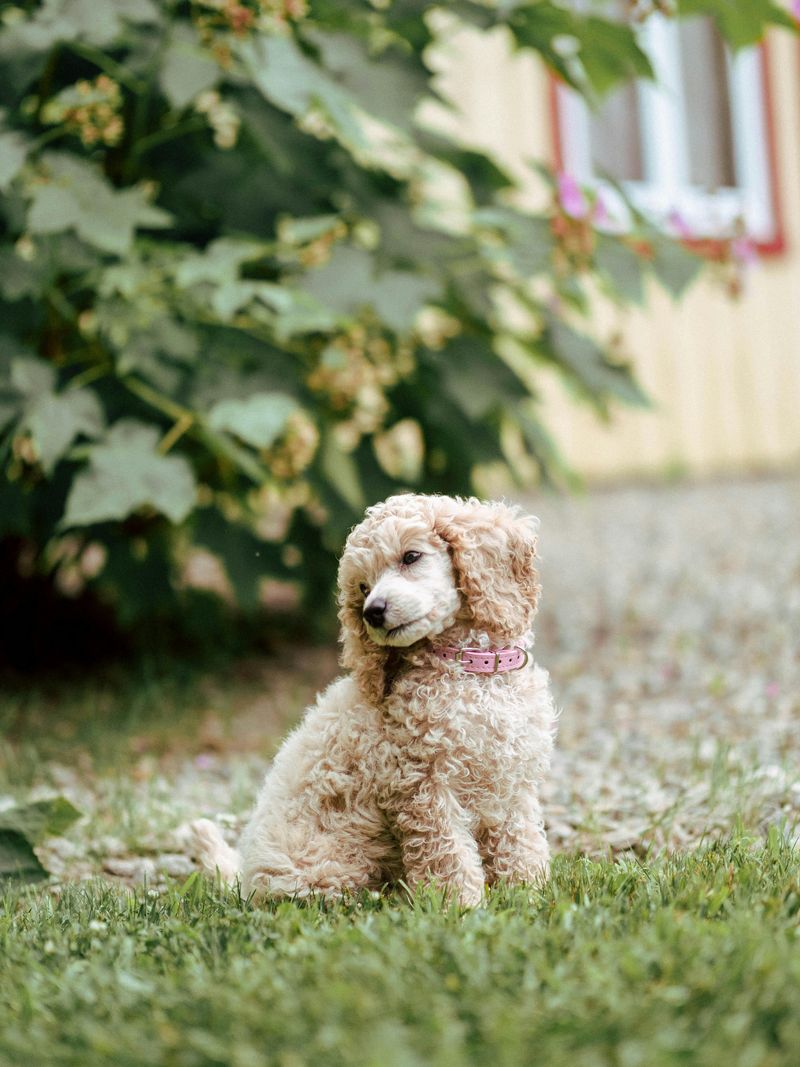
Standard Poodle puppies are clever observers, and during fear periods they may worry about reflections, statues, or sudden speaker announcements. Keep novelty gentle and layered, using happy markers and tasty treats.
Practice confident approaches followed by easy exits before stress accumulates.
Grooming tables and blow dryers need extra care now. Pair sessions with slow breathing, licks, and frequent breaks.
Let your pup choose to reengage rather than being restrained too long.
Work brief obedience and fun tricks to leverage their brains without pressure. Sniff walks and soft play help reset.
With respect for their sensitivity, you will see composed curiosity return, polished by thoughtful handling.
Belgian Malinois
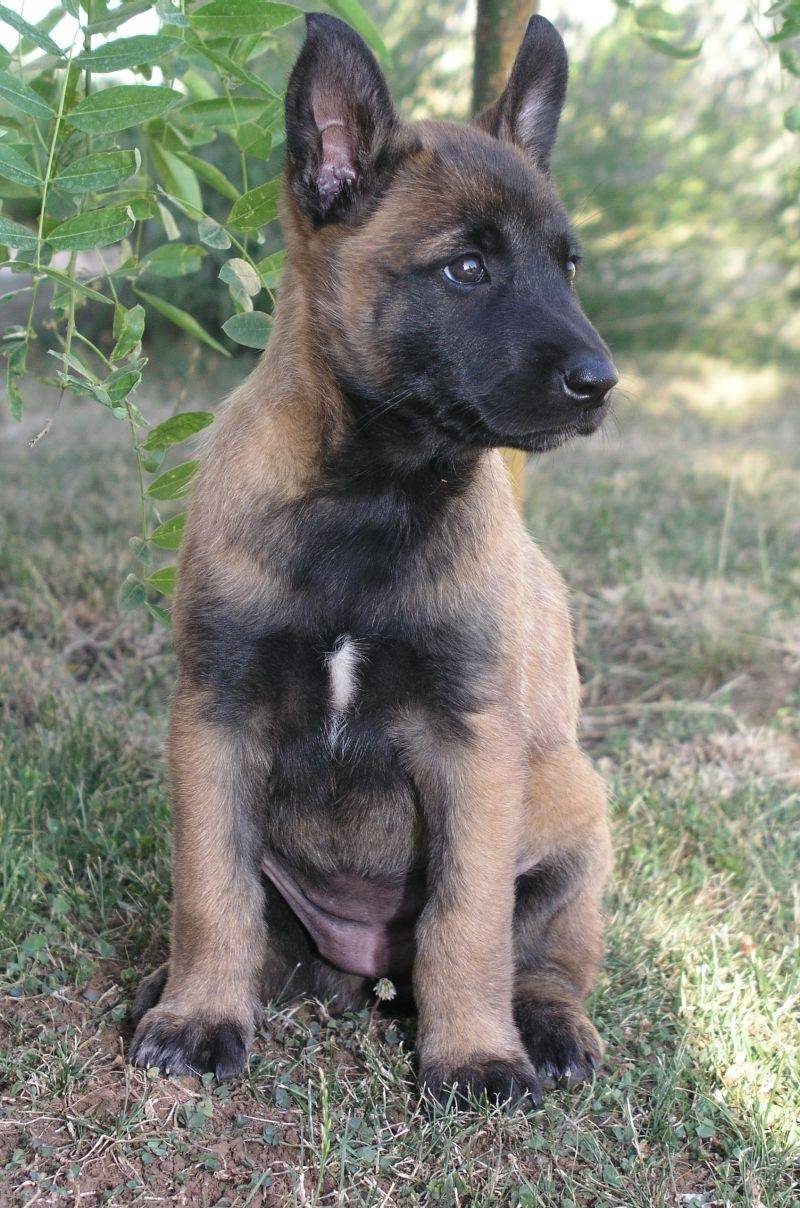
Belgian Malinois puppies bring intensity that can flip to reactivity during fear windows. Sudden motion, banging gates, or unfamiliar surfaces may cause explosive startle then avoidance.
Keep structure high and arousal low with short, purposeful drills and generous decompression.
Reward disengagement from triggers as much as engagement. Use distance, predictable patterns, and clear markers.
Skip chaotic dog parks and focus on controlled environments.
Provide chew outlets and scent work to drain mental energy safely. End sessions while your pup still wants more.
With calm leadership and precision, your Malinois learns to process novelty, returning to bold, focused work without unnecessary edge.