You can feel it the moment you clip on the leash and step onto the sidewalk. Some dogs get side-eye before they even sit, and owners brace for comments about control and courtesy.
The debate over dog manners in public is louder than ever, and certain breeds take the heat first. Let’s talk about the twelve that draw instant judgment, and how you can flip the script with calm handling and smart training.
Rottweiler
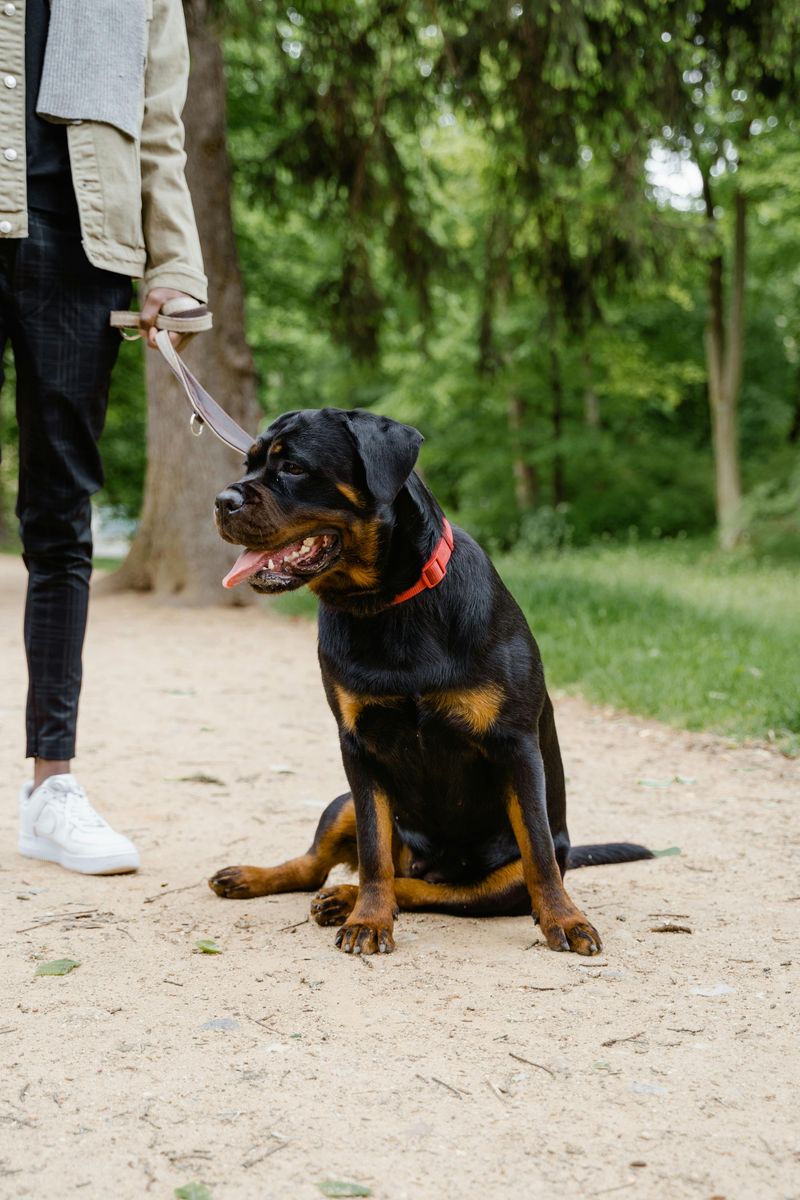
Rottweilers often trigger assumptions the second those blocky heads appear. You see people tighten their grip on coffee cups like a single shake might send them flying.
Yet a well-socialized Rottie usually wants your approval more than your bagel. With steady training, you can showcase polite greetings, loose-leash walks, and rock-solid sits at crosswalks.
The contrast turns skeptics into admirers.
Advocate through calm body language and clear boundaries. Keep sessions short, reward eye contact, and practice ignoring distractions.
If someone looks nervous, give extra space and let your dog’s manners speak first. A simple “he is in training” defuses tension.
Soon, the narrative shifts from intimidating to impressive, proving big presence can equal gentle etiquette.
Doberman Pinscher
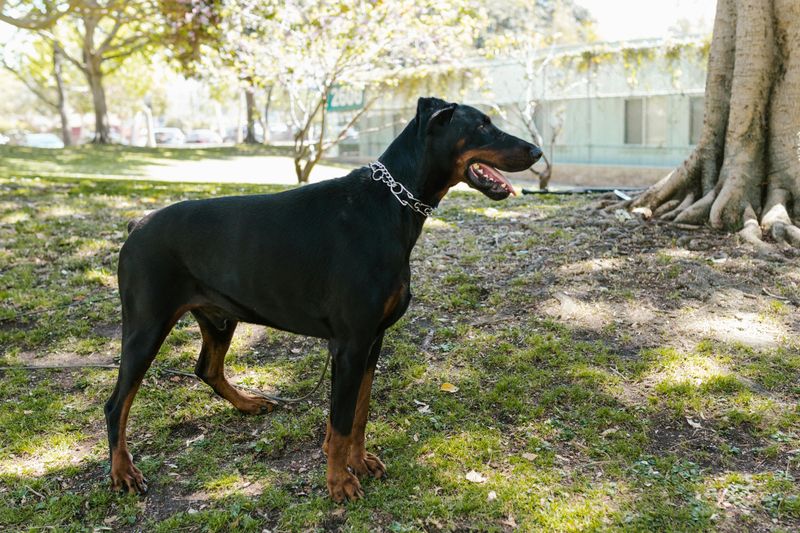
Dobermans carry a reputation that arrives ten steps ahead of them. You feel eyes on the sleek frame, waiting for a misstep.
That is your cue to demonstrate quiet confidence. Practice long down-stays near playground noise and cafe clatter, then release with soft cues.
Reward calm scanning, not frantic vigilance. A pink tug toy or gentle praise breaks tension and shows playfulness.
Alert does not mean aggressive, and you can prove it with predictable routines. Use heel positions to buffer tight crowds and pivot away from pressure.
If someone asks, share one quick training tip so they see the partnership. A polished heel, a friendly tail twitch, and a polite sit rewrite the story in seconds.
Cane Corso
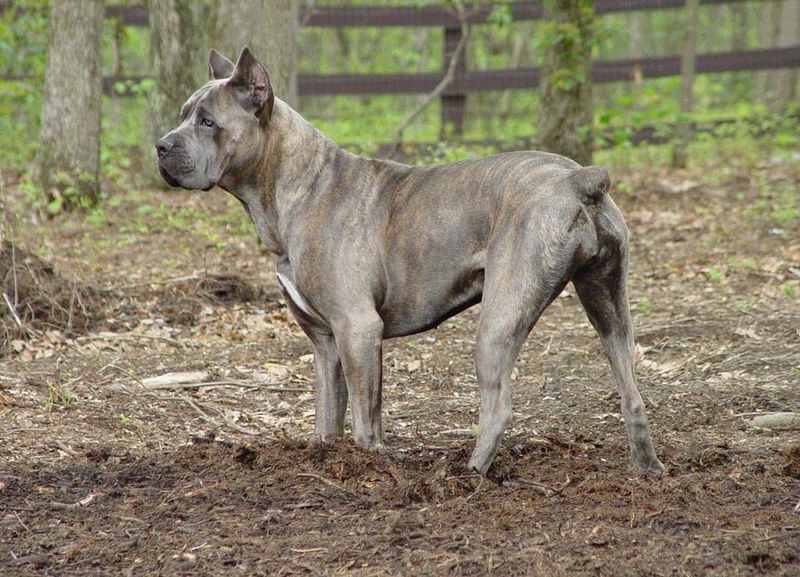
The Cane Corso looks like security on four legs, so people judge before the leash loosens. You can counter that with structured down-stays and careful place training.
Settle your dog under a table, reward slow breathing, and quietly feed focus. The big head resting on paws melts tension faster than speeches.
Keep greetings short and angled, never face-to-face crowding.
Teach a rock-solid leave-it for dropped food and stroller wheels. Distance is your friend when curious onlookers hover.
Explain that calm is trained, not accidental. A polite Corso at a cafe turns skepticism into smiles.
Own the narrative with consistency and patience. Every composed outing becomes a public service announcement for thoughtful guardianship.
Akita
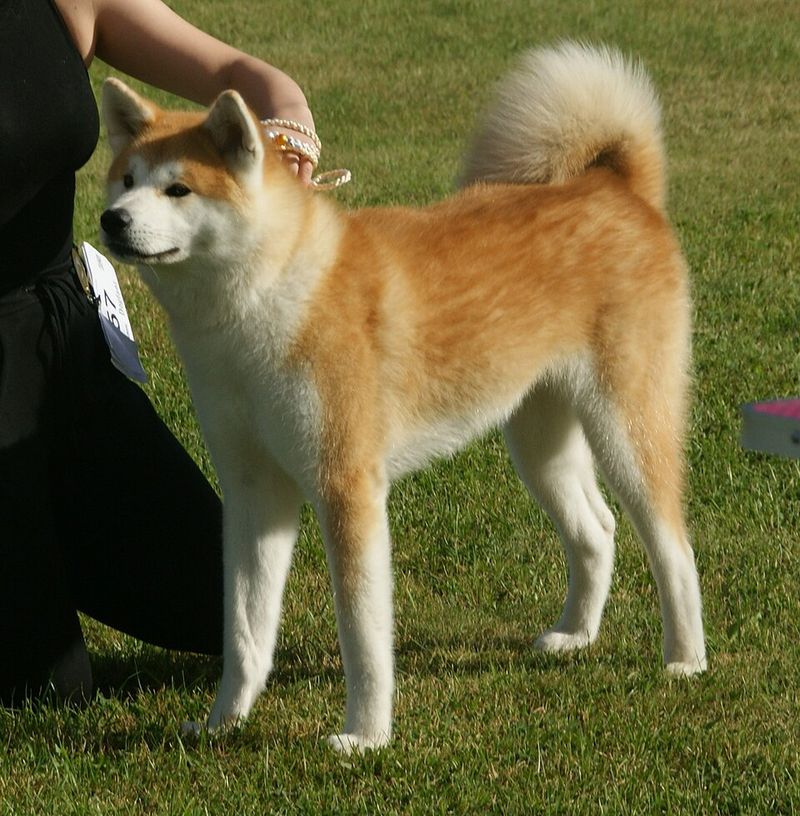
Akitas radiate independence, which many read as aloof or unpredictable. The trick is respecting that space while proving reliability.
Use neutral dog-to-dog passes with wide arcs, and praise non-reactions. Teach a solid watch cue to redirect pressure.
Calm handling beats chatter every time. You can model polite boundaries without forcing greetings your dog does not enjoy.
People judge confidence as dominance, but you can show thoughtful restraint. Practice stationing on mats at doorways, then graduate to store entrances.
Short, focused sessions beat long, fraying ones. Share that your Akita likes routine, not chaos.
A steady tail curl and relaxed mouth tell the real story. Let dignity and training define the moment, not assumptions.
Chow Chow
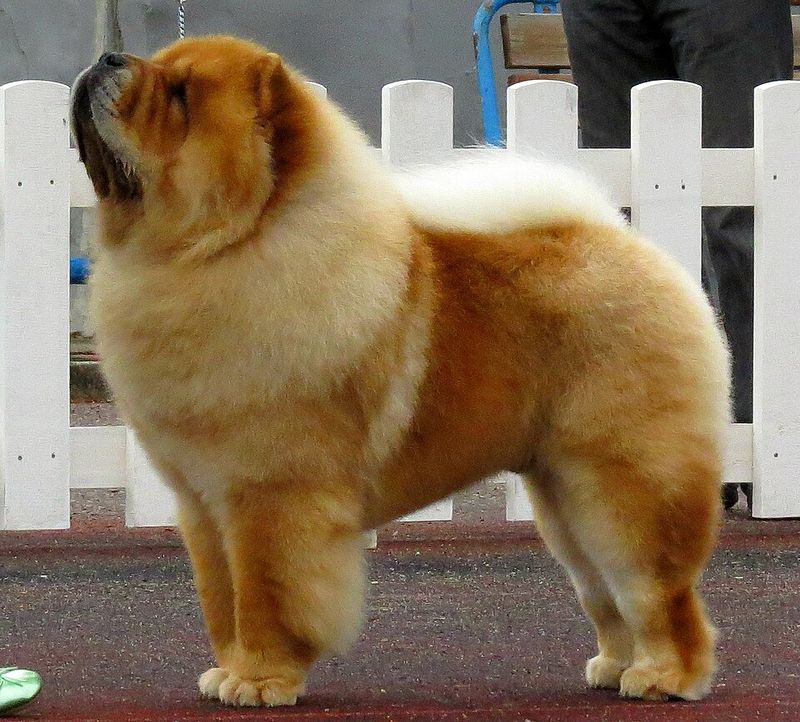
Chow Chows get judged for that regal stare and blue tongue before they sit. The vibe screams stubborn, but consistency unlocks cooperation.
You can practice slow, deliberate cues that match their thoughtful pace. Reward stillness and relaxed posture at crosswalks.
Teach a quiet heel for narrow sidewalks. When strangers approach fast, step aside and let curiosity cool.
Brush sessions and harnessing become mini-manners lessons. Pair handling with treats so public fussing is no big deal.
Keep greetings brief and from the side, not head-on. If kids ask to pet, coach them to offer a hand low and calm.
Soon your Chow’s patient manners outshine any stereotype, turning that lion fluff into a lesson in grace.
Shar Pei
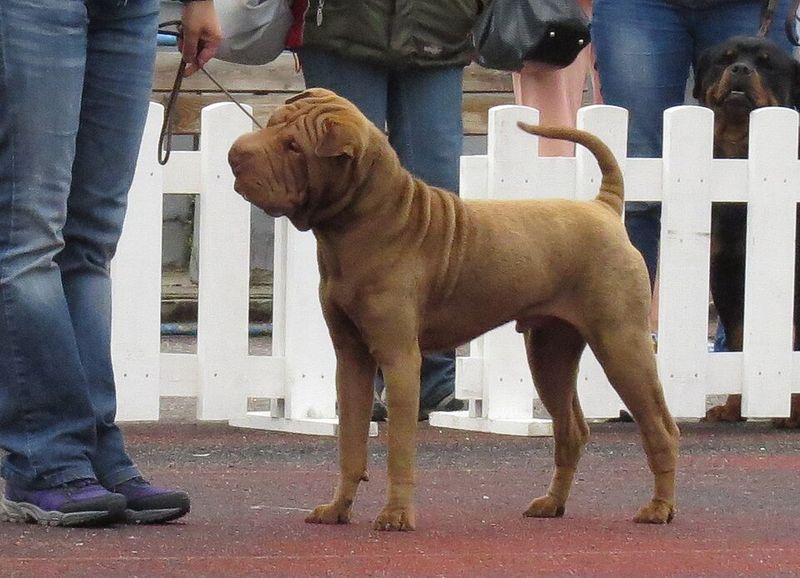
The Shar Pei’s furrowed brow makes people think cranky, even when the tail is neutral. You can flip that script with targeted impulse control.
Practice leave-it around sizzling food trucks and fallen snacks. Reward sniff-then-look-back behavior to build default check-ins.
Use a short leash for crowded aisles, but keep it loose to prevent tension. Calm narration helps too.
Grooming sensitivity can spill into public handling. Desensitize harness clips and ear checks at home first.
Then showcase polite acceptance in small doses outside. When strangers coo, protect space kindly and move on.
Your dog’s steady pace and soft blinks tell the truth. It becomes less about wrinkles and more about refinement under pressure.
Giant Schnauzer
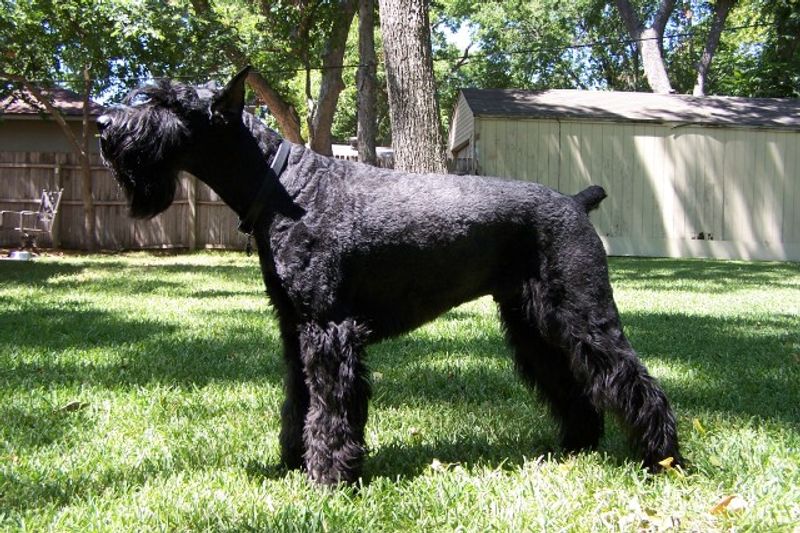
Giant Schnauzers look like executive security, so people assume intensity equals trouble. You can showcase precision instead.
Train hand signals for sit, down, and heel, then practice silent walks. That quiet communication impresses bystanders and calms your dog.
Reward stillness when bikes rush past. A tidy beard and focused eyes redefine the narrative as competent, not chaotic.
Channel drive into brain work before public outings. Five minutes of pattern games beats fifty of pulling.
Keep greetings brief and structured. If someone asks to pet, cue a sit and release early.
Your consistency becomes the headline. Soon, the giant becomes the gentleman, and the city feels like a training playground rather than a battlefield.
Rhodesian Ridgeback
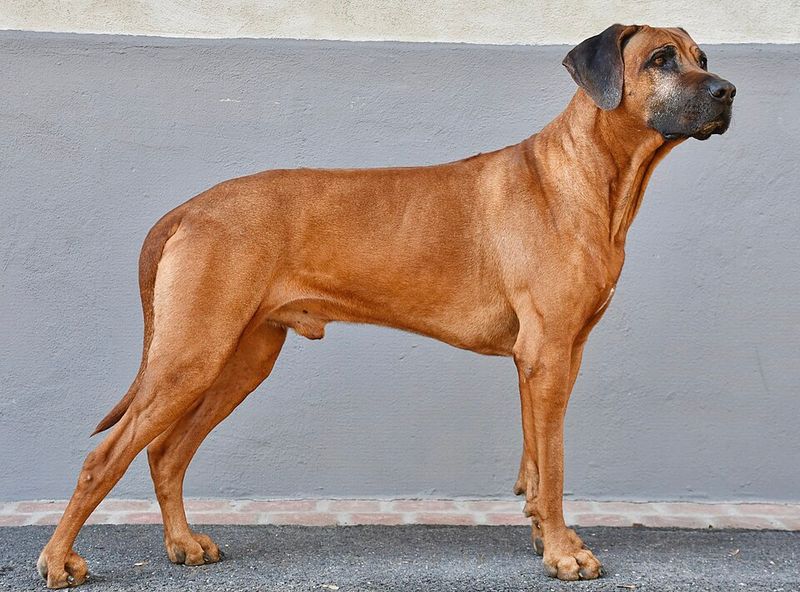
Ridgebacks draw comments about prey drive and stubborn streaks. You can answer with a polished stand-stay and thoughtful recall.
Practice at trailheads where excitement spikes. Reward orientation back to you before releasing for sniff breaks.
Keep recalls short, high-value, and fun. A long line builds success without drama, proving control is kind, not harsh.
In town, pivot away from lunging triggers with calm U-turns. Teach a chin target to settle for vet lines and store counters.
People will notice the smooth red coat and steadiness under pressure. Explain that this breed thrives on clear jobs and fair boundaries.
With routine, that proud silhouette becomes a poster for balanced freedom and responsibility.
German Shepherd Dog
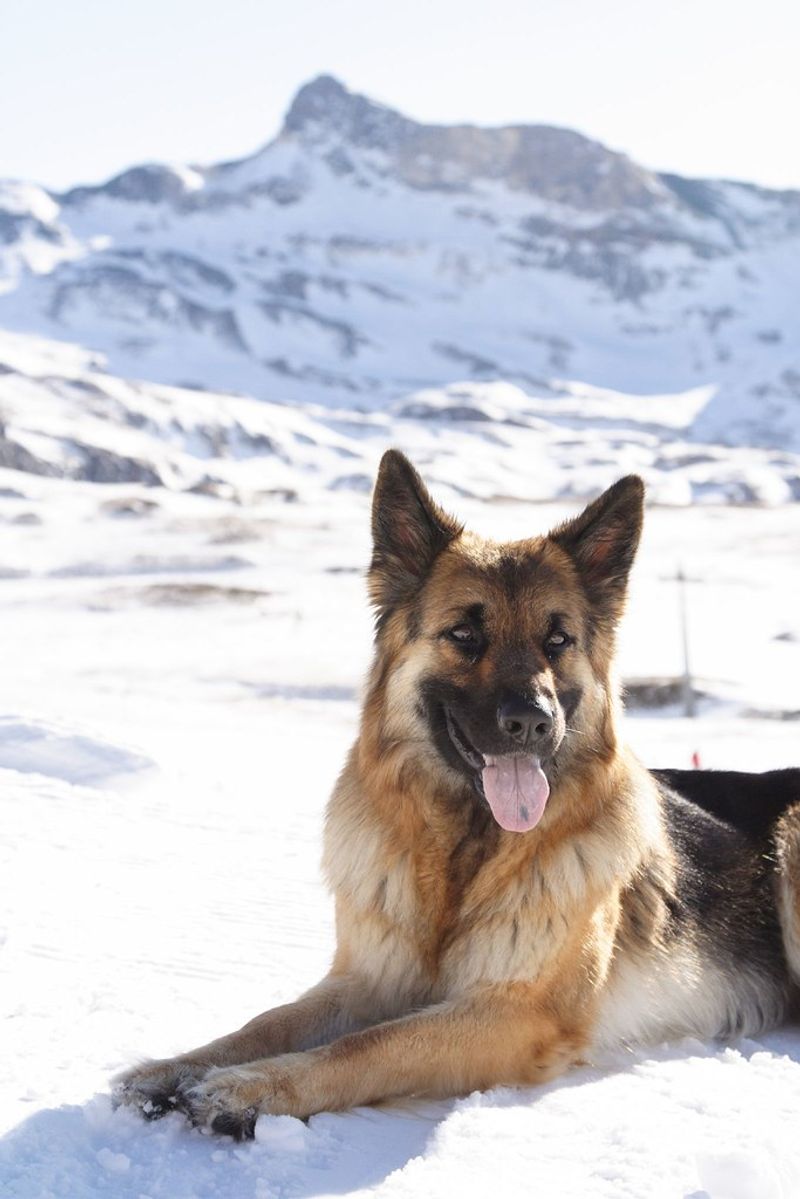
German Shepherds carry an aura of authority that can make bystanders wary. You can offset that with approachable manners and quiet cues.
Practice relaxed heels past bus stops and skateboards. Reward soft eyes and neutral ears.
A quick sit before boarding patios shows control without pressure. Keep sessions frequent and short so attention stays crisp.
Stimulation can tip into over-guarding if unmanaged. Build a strong “watch me” and effortless down-stays.
If someone asks questions, share how training channels drive into serviceable tasks. Demonstrate a smooth leave-it on trash and dropped food.
Suddenly the conversation shifts from fear to respect. Your dog becomes the neighbor everyone trusts around crowds and kids.
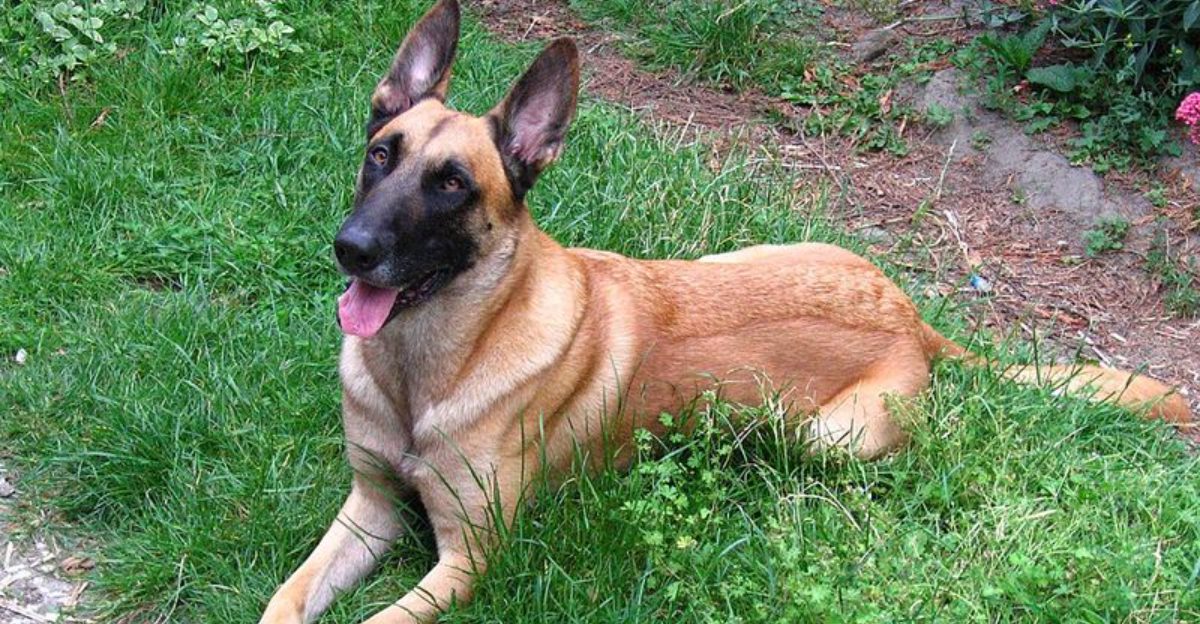
Belgian Malinois
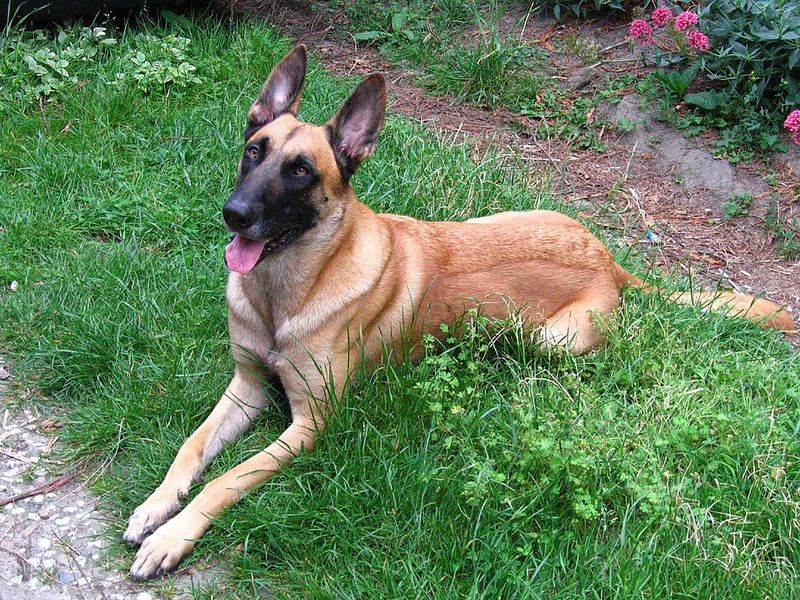
Malinois energy is a lightning bolt, and people expect fireworks. You can pre-load calm with scent work and pattern games before public trips.
A focused down-stay near a cafe table sends a powerful message. Reward breaths, not bounces.
Keep training snappy and upbeat. When stimulation spikes, pivot to a sniff mat or stationary target to reset arousal.
Clear jobs tame the whirlwind. Teach carry tasks, controlled fetch, and brief heel patterns.
Avoid crowded greetings and advocate for space politely. Share that this dog thrives on structure and fairness.
With consistency, the athletic frame reads as disciplined, not dangerous. Soon your Malinois becomes the model for channeling intensity into impeccable street manners.
Boxer
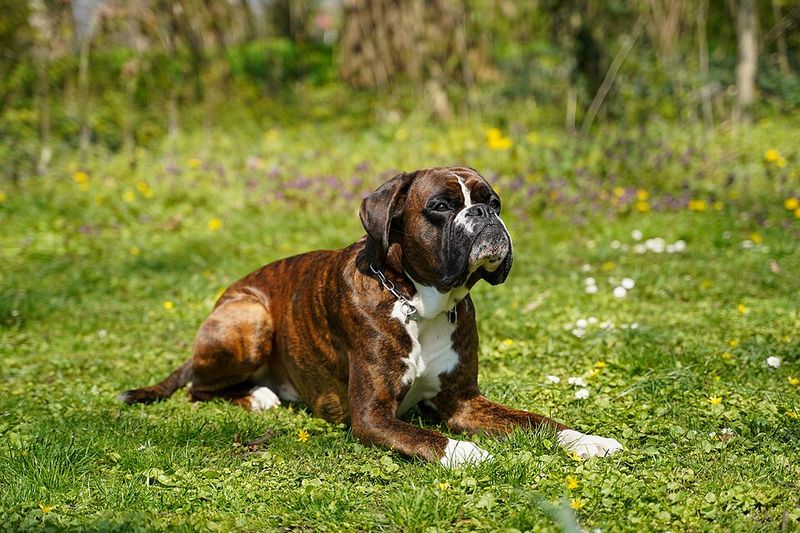
Boxers get labeled bouncy clowns, which can worry folks in tight spaces. You can keep the goofiness charming with structured impulse control.
Practice sit-waits at doorways and polite greetings with one sniff then disengage. Reward four paws on the floor and quick check-ins.
Short play bursts followed by calm sits turn excitement into a rhythm everyone can enjoy.
Use harnesses that reduce pulling, and rehearse slow approaches to kids and seniors. If energy spikes, step aside for a reset.
Offer a sniff break, then return to heel. Let that wiggly nub sell the friendliness while training sells the reliability.
Soon, your Boxer becomes the neighborhood morale booster with impeccable manners.
American Bulldog
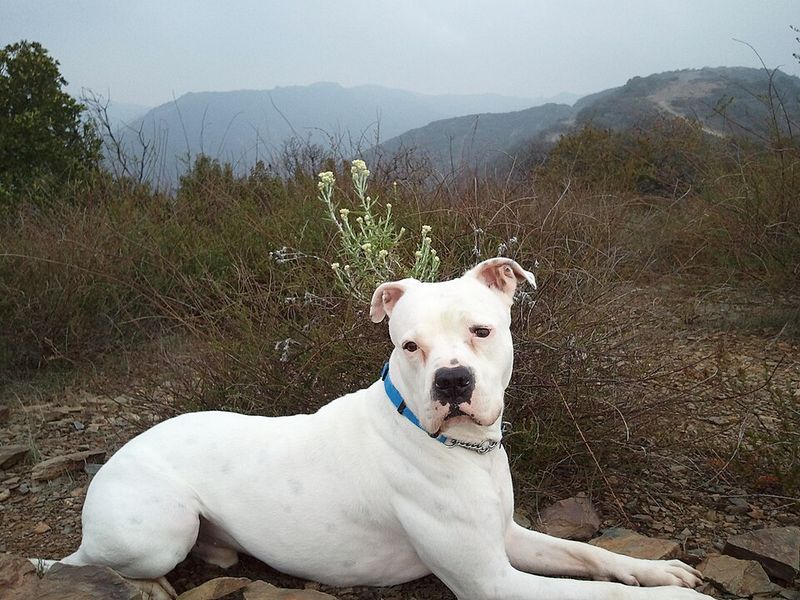
American Bulldogs are often judged by muscle first, manners second. You can flip that by rehearsing perfect sidewalk etiquette.
Practice loose-leash walking with frequent check-ins, then add food carts and scooters. Reinforce head turns away from distractions.
Keep greetings brief and angled. Advocate for space kindly when crowds close in, and your dog will mirror your calm leadership.
Teach a settle cue for outdoor dining and vet lobbies. Use sturdy gear that fits comfortably, not tightly.
Share how positive reinforcement builds reliability without harshness. The broad smile and steady trot start winning hearts.
Soon, people see an athlete with emotional control, not a stereotype. That is how public manners become reputation repair.