Parents are asking how to navigate playdates when a family dog is wary of kids, and the internet has plenty of strong opinions. You want safety, respect, and a calm home, but breed traits and individual training matter more than hot takes.
Let’s unpack the breeds people keep mentioning in boundary threads and what that means for everyday life. You will get practical, judgment free insight to set clear expectations and keep everyone comfortable.
Shar Pei
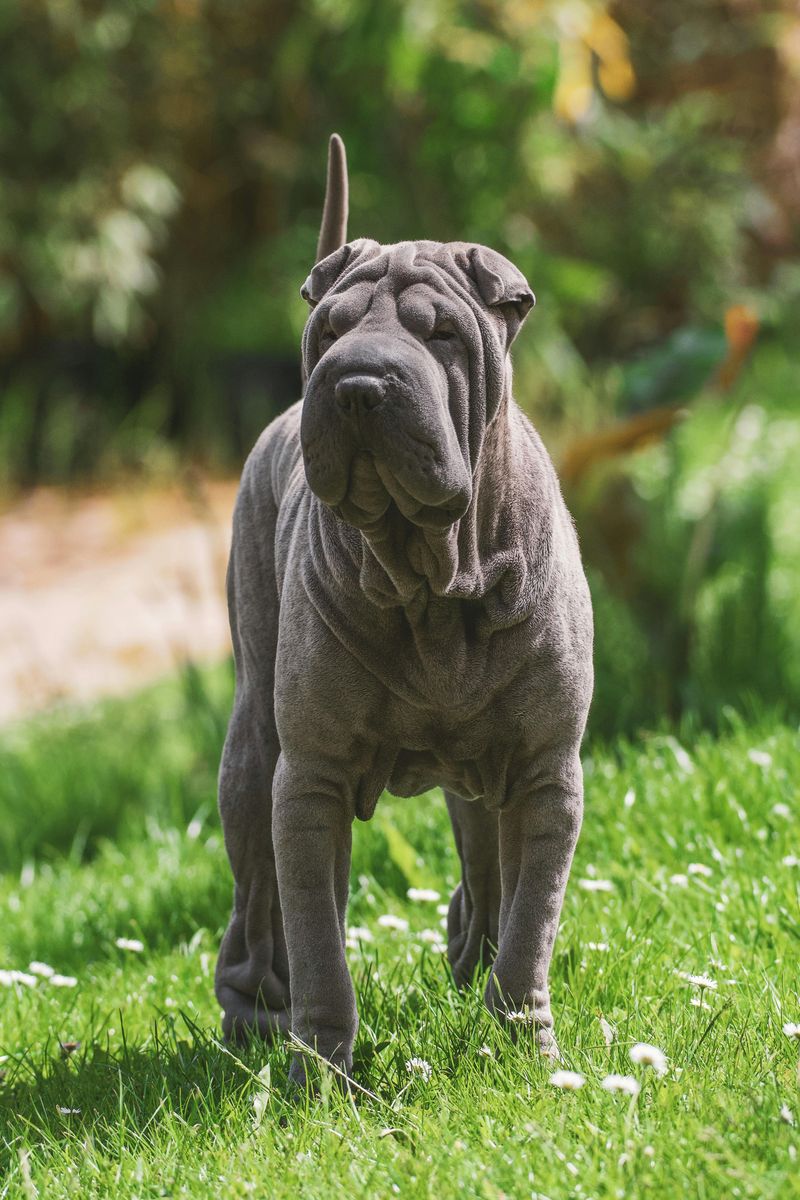
Shar Peis are famously loyal yet discerning, which can read as standoffish around unfamiliar children. Wrinkles and teddy bear faces lure kids in, but this breed values personal space and calm handling.
If you model slow approaches, soft voices, and hands off the face, you set the tone for respectful interactions.
Early socialization and confident training matter, because a wary Shar Pei may shut down or escalate. Manage the environment with leashes, baby gates, and short visits while you observe body language.
Reward the dog for choosing distance and relaxation. If your home hosts frequent, high energy play, consider structured decompression zones so the Shar Pei can retreat peacefully without conflict.
Akita
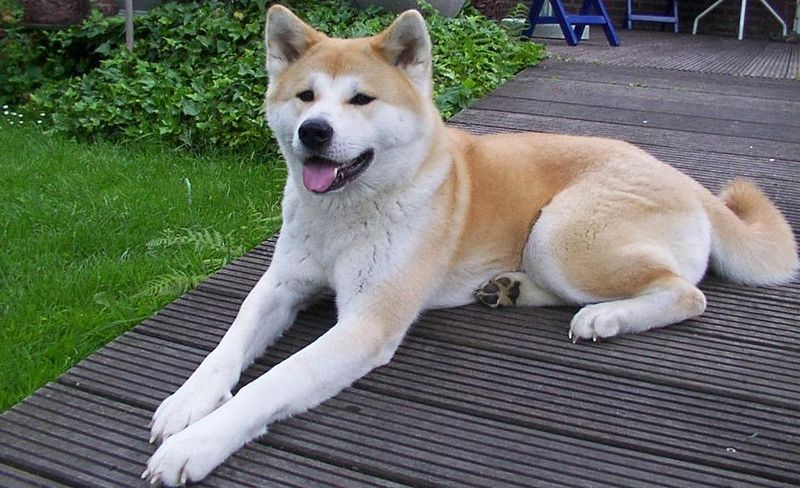
Akitas are powerful, devoted guardians, often deeply bonded to their people yet selective with outsiders. That loyalty can look like aloofness toward kids who move fast and squeal.
You will want firm boundaries, predictable routines, and clear rules for greetings, including no hugging or leaning over the dog.
Early socialization shapes outcomes, but management remains essential with a breed this strong. Use parallel activities so the dog relaxes while kids play at a respectful distance.
Teach a rock solid place cue and reinforce quiet disengagement. Supervision is non negotiable, and resource guarding prevention really matters.
When family culture is calm and consistent, an Akita can thrive while everyone’s safety and comfort stay front and center.
Chow Chow
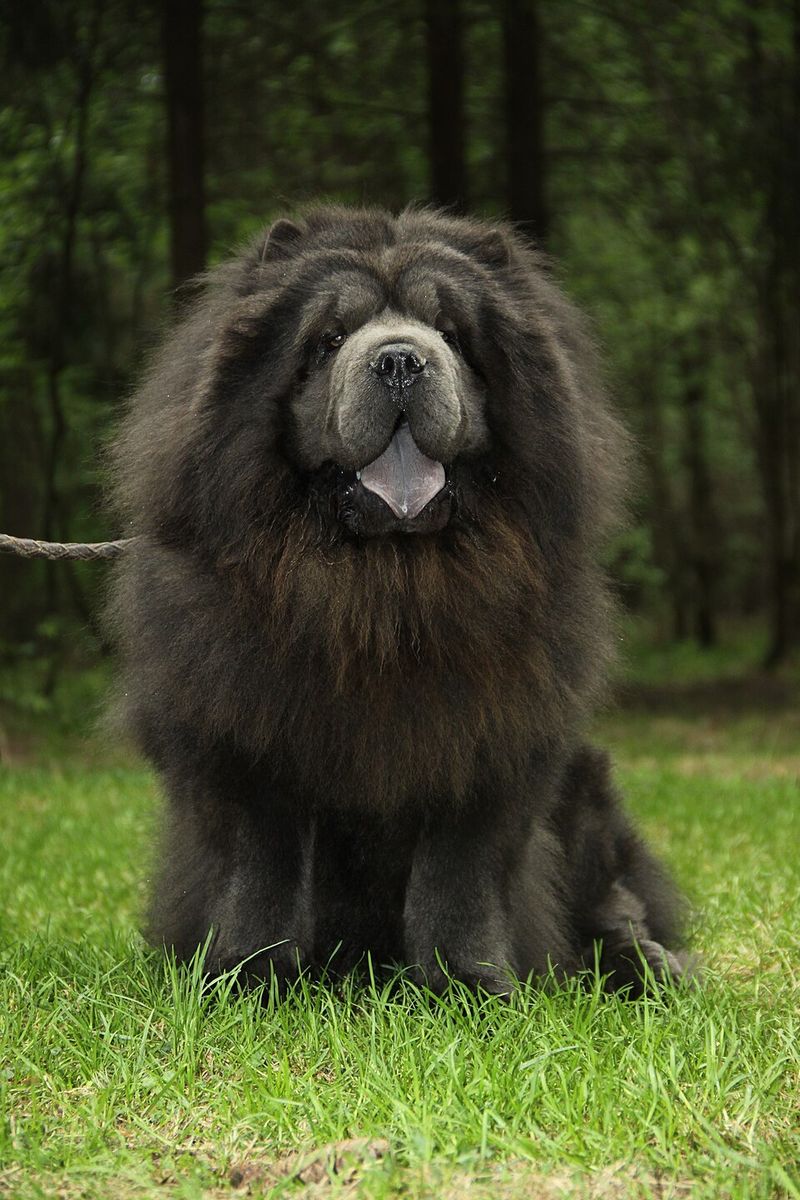
Chow Chows are famously catlike, independent, and dignified. Their plush coats invite petting, but many dislike surprise touch, especially from unfamiliar kids.
You can coach children to ask first, pet briefly on the shoulder, and step away if the dog signals discomfort. That quick consent ritual prevents most misunderstandings.
Start socialization early, include handling exercises, and pair calm exposure with tasty rewards. Chows appreciate routines, low chaos, and respectful distance during playtime.
Baby gates and clear zones help the dog choose quiet when energy spikes. Keep grooming comfortable to prevent sensitivity.
With consistent training and thoughtful structure, a Chow can share space peacefully, even if the vibe stays polite rather than snuggly.
Shiba Inu
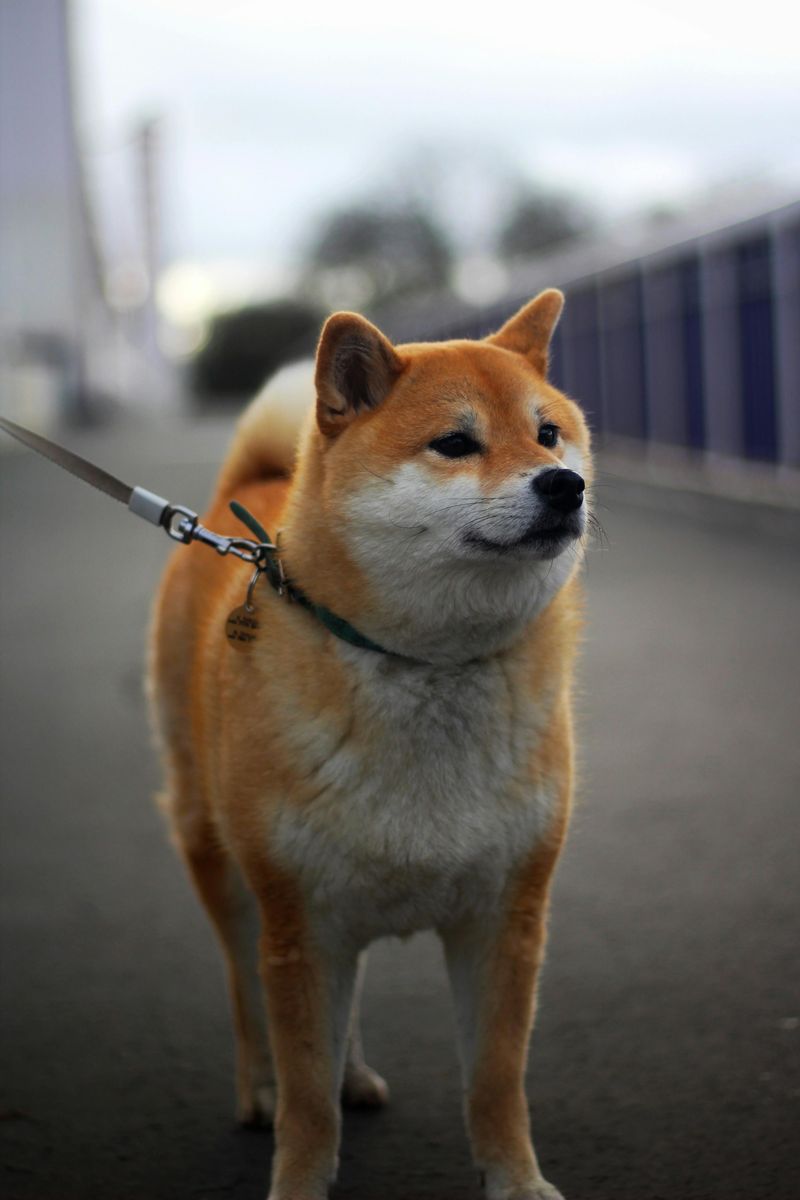
Shiba Inus are bold, clever, and vocal about their preferences. Quick movements and grabby hands can trigger that famous Shiba side eye or a dramatic yodel.
You will want structured introductions, leash management around playdates, and calm reward based training that values choice and consent for touch.
Teach kids to toss treats on the floor and ignore the dog until invited. Reinforce nose targeting and a go to mat cue so the Shiba can work for space and predictability.
Escape routes reduce pressure, especially in small homes. Keep toy and food rules crystal clear.
When the environment respects autonomy, Shibas often choose proximity, offering polite companionship instead of constant cuddles.
Basenji
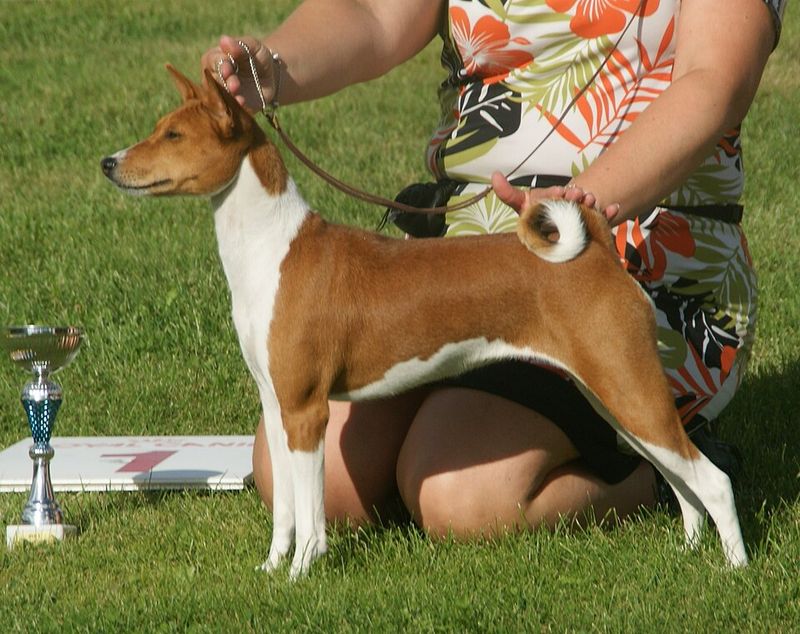
Basenjis are energetic, curious, and famously less barky, but quiet does not mean carefree. Sudden kid energy can overwhelm a dog that prefers controlled play.
You can channel instincts with scent games, flirt pole sessions, and structured walks before guests arrive. Tired brains and bodies make better choices.
Because Basenjis are agile escape artists, gates and closed doors are your friends. Teach kids to keep food off low tables and avoid chasing games.
Reward the dog for checking in, not fixating on motion. Short, positive exposures build trust.
When routines are predictable and outlets are plentiful, Basenjis coexist well, offering sleek, watchful presence rather than endless tolerance for rough handling.
Australian Cattle Dog
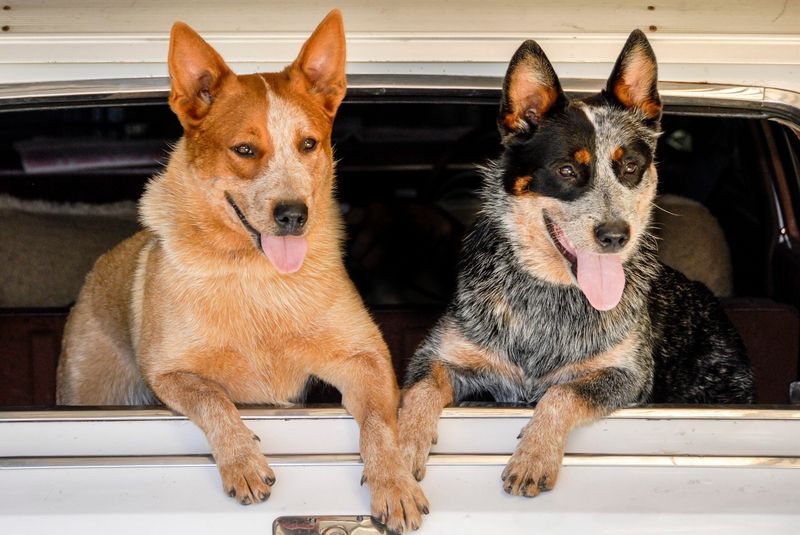
Australian Cattle Dogs are brilliant herders with a strong eye and heel nip tendency. Fast moving kids can flip that working switch.
You will want impulse control games, excellent recall, and redirection to tug toys. Pre play exercise helps, as does clear no herding the humans training from day one.
Set up long lines in yards, supervise closely, and use barriers to prevent rounding up children. Teach kids to move calmly and avoid squeals that spike arousal.
Brain work like puzzle feeders and trick training is golden here. With jobs to do and expectations defined, these dogs shine, offering focused companionship without herding chaos at every playdate.
Rhodesian Ridgeback
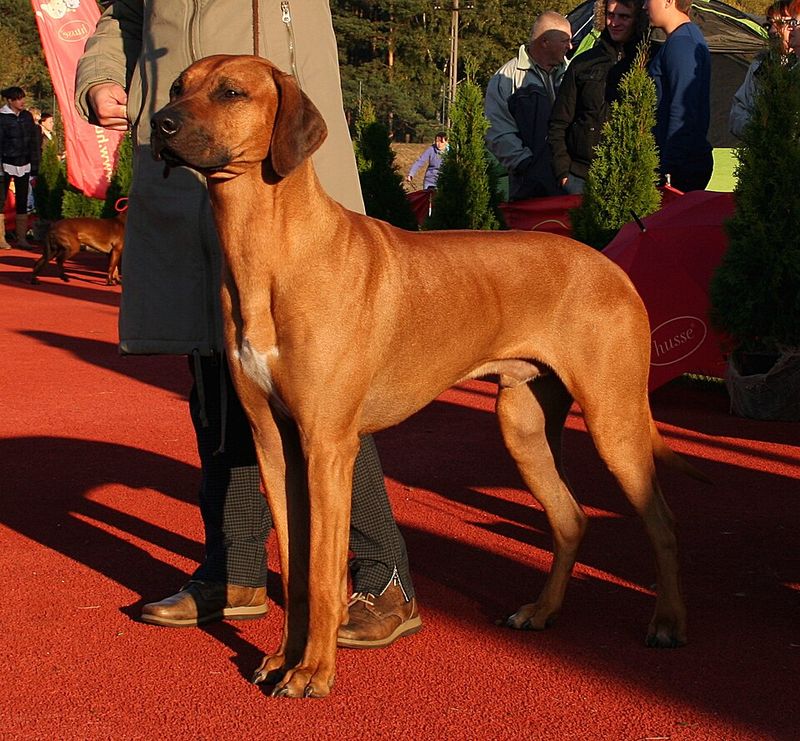
Rhodesian Ridgebacks are athletic guardians with a calm, observant presence. They are sensitive to rough handling and often prefer sturdy, predictable interactions.
You can set respectful rituals for greetings, use place training during high energy play, and supervise closely when friends come over. Their size alone warrants proactive management.
Daily exercise and mental challenges prevent bored bulldozing through living rooms. Teach kids to keep pathways clear and never climb onto the dog.
Reinforce gentle recall and release cues before opening doors. With consistency, Ridgebacks become steady housemates who watch quietly from a distance, then seek affection on their terms when the room settles.
Giant Schnauzer
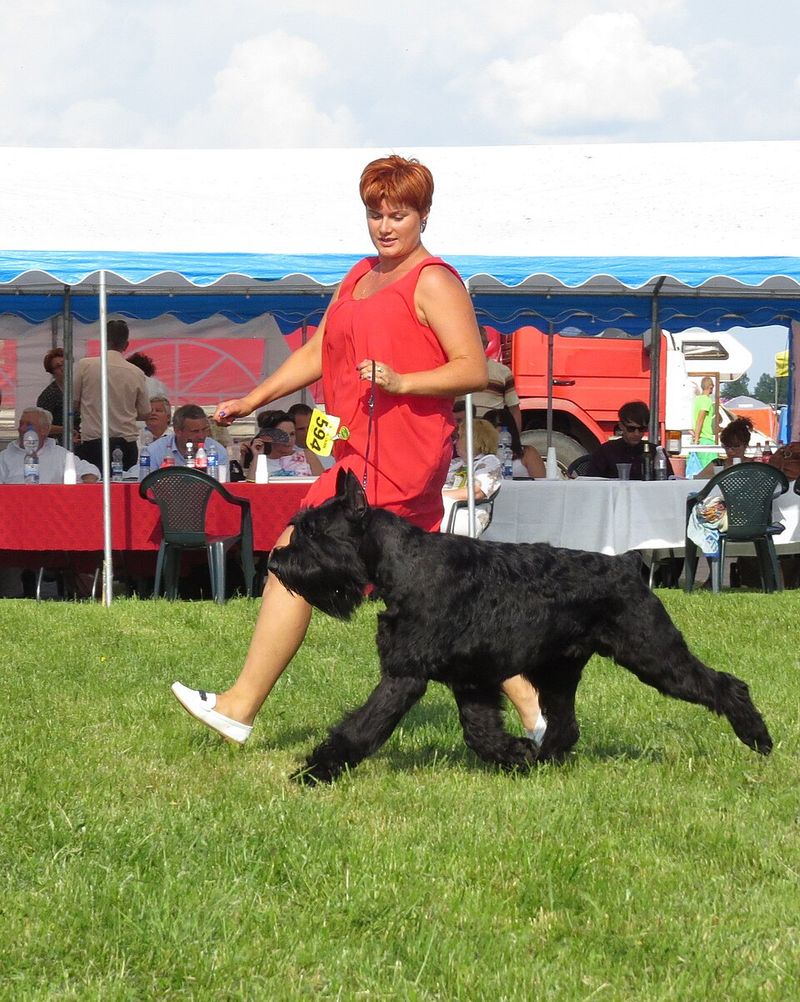
Giant Schnauzers are driven workers with big feelings and bigger bodies. Without structure, their enthusiasm can mow down toddlers accidentally.
You will want professional grade obedience, daily outlets, and strict door manners. Clear on and off switches help everyone, especially during noisy after school windows.
Teach a place cue, loose leash skills, and cooperative grooming early. Kids can help with simple training games that reward calm and focus.
Rotate enrichment like sniffy walks, fetch, and problem solving toys so energy has somewhere to go. When brains and bodies are busy, Giants become impressive, respectful companions who can share space safely without steamrolling your family routine.
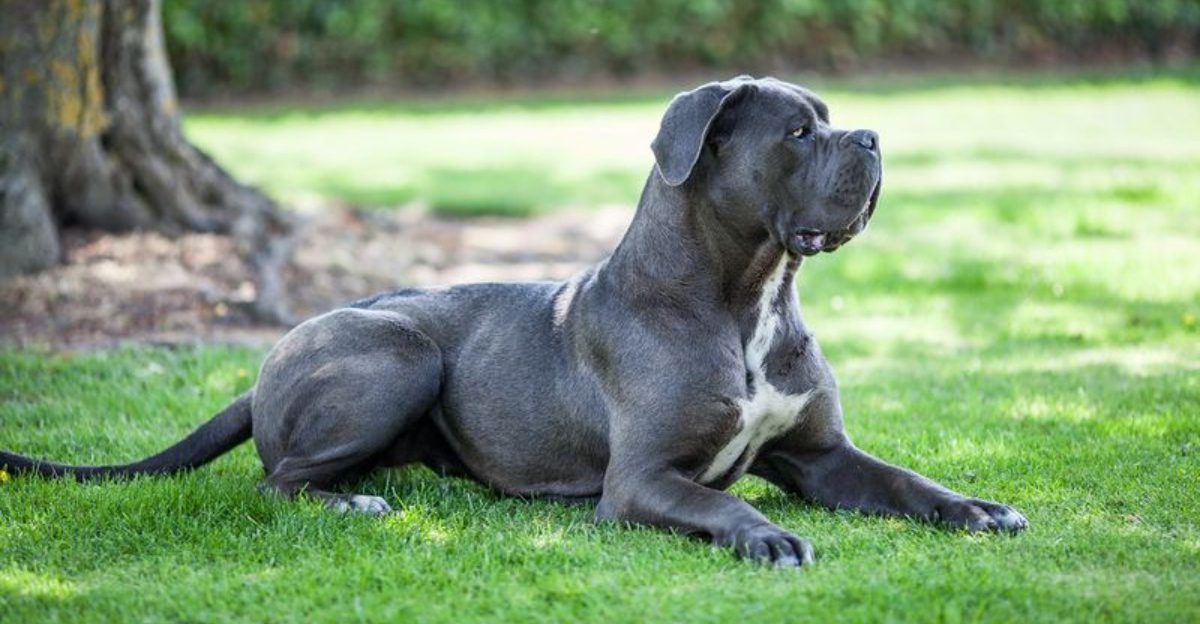
Cane Corso
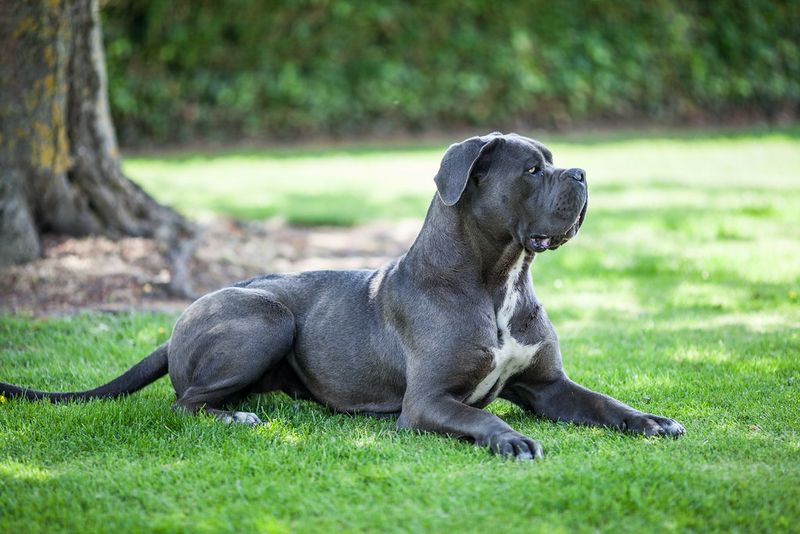
Cane Corsos are imposing guardians that need clear leadership and thoughtful socialization. Their protective instincts can misread kid chaos as a problem to manage.
You will want routine exposure to friendly visitors, handler focused training, and reliable place work during gatherings. Consent based petting rules are non negotiable.
Because size and jaw strength raise stakes, proactive management matters even with friendly individuals. Reinforce calm greeting patterns and maintain strict resource control.
Kids should never test tolerance with hugs or rough play. When boundaries are consistent and expectations clear, Corsos can be gentle, steady presences, choosing closeness after the room calms down.
Rottweiler
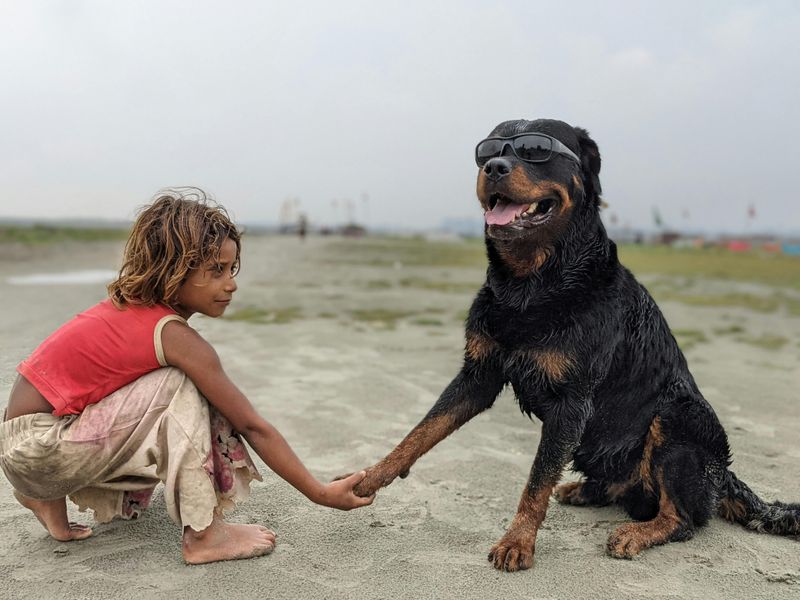
Rottweilers are confident, people oriented working dogs with substantial mass. They often adore family yet need structured introductions to kids who are not their own.
You can use leashes, step by step greeting rituals, and rock solid obedience to keep things predictable. Prioritize neutrality over forced friendliness.
Daily exercise, impulse control games, and consistent rules curb rowdy behavior. Teach kids to avoid riding, hugging, or grabbing collars.
Reward the dog for choosing calm while play happens at a distance. With respect for signals and proactive supervision, Rottweilers become dependable housemates who prefer steady companionship to nonstop cuddles, keeping harmony without compromising safety.