
Trendy dog hacks look easy, but they can backfire fast on smart, driven breeds. You deserve clear, humane guidance that actually works, not shortcuts that create frustration and reactivity.
Let’s call out the worst offenders so you can train confidently, safely, and with a plan that respects your dog’s brain. If you have one of these powerhouse breeds, this list will save you time, stress, and chewed furniture.
Belgian Malinois
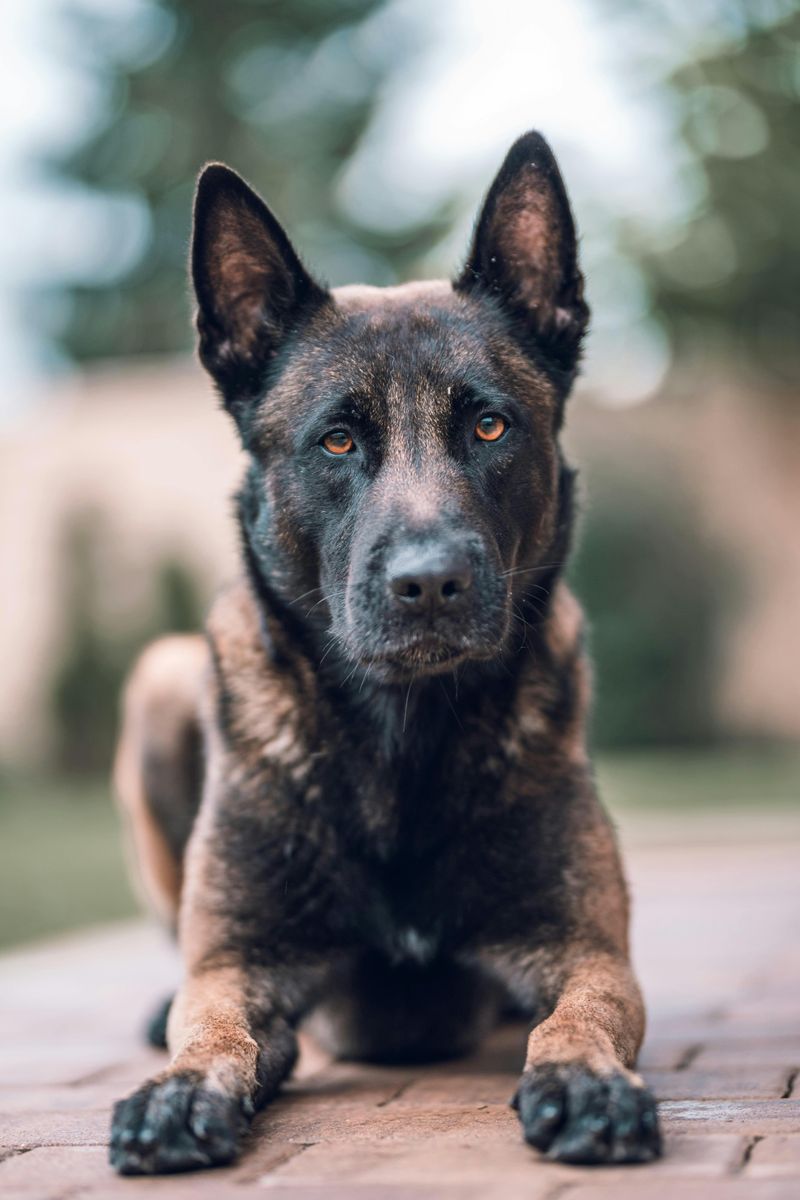
When hacks promise quick fixes for a Belgian Malinois, trouble follows. This breed thrives on structured routines, clarity, and purpose, not random tricks.
Inconsistent cues can spark frantic energy, leash biting, and escalating reactivity.
You need thoughtful engagement games, targeted obedience, and fair consequences delivered predictably. Build impulse control with place training, pattern games, and bite toy outlets.
Keep sessions short, challenging, and calm to avoid overstimulation.
Reward timing must be precise, and arousal levels carefully managed. Teach off switches as deliberately as heel or recall.
Skip chaotic “energy dumps” and aim for thoughtful problem solving that tires the mind, not just the muscles.
Dutch Shepherd

Dutch Shepherds are brilliant and intense, which makes hacky methods risky. Random trending drills can whip them into frantic patterns that look flashy but undercut stability.
They need consistency, neutrality, and a job that makes sense.
Teach steadiness before speed. Work calm heeling, place duration, and neutral exposure to novel environments.
Reward clarity and clean reps rather than viral theatrics that inflate arousal and frustration.
Use a balanced reinforcement plan and predictable structure. Rotate tracking, obedience, and problem solving to satisfy their work ethic.
Skip quick-fix dominance stunts and chaotic “confidence building” that actually creates conflict.
Doberman Pinscher
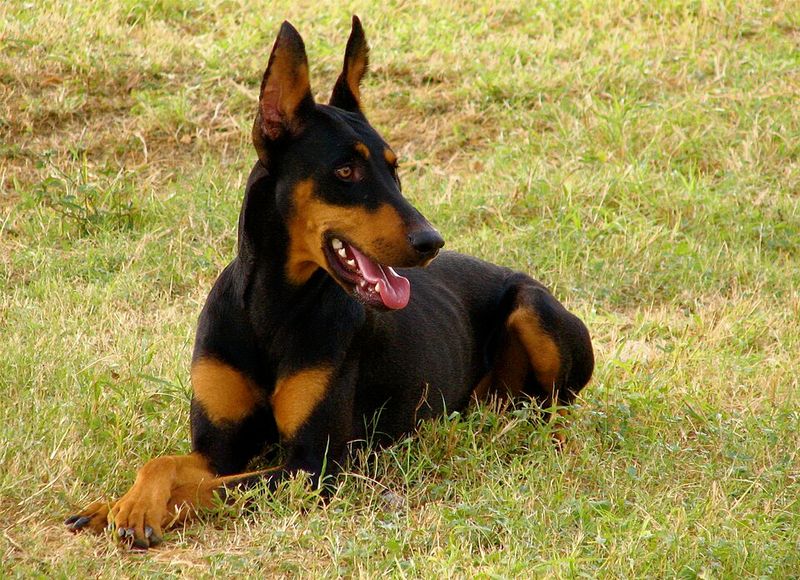
Dobermans crave clarity and a bond built on trust. Viral hacks that swing between bribery and harshness confuse them and invite pushback.
Over-arousal drills can trigger mouthiness, guarding, or shutdown.
Prioritize calm leash skills, boundary games, and polite greeting routines. Keep rewards thoughtful and timing crisp, not frantic.
Short, predictable sessions prevent the anxious edge some Dobermans carry.
Teach a solid recall and bed stay before fancy tricks. Use fair corrections only after teaching, never as shortcuts.
Gentle structure, steady social exposure, and mental puzzles will bring out their best without drama.
Australian Cattle Dog
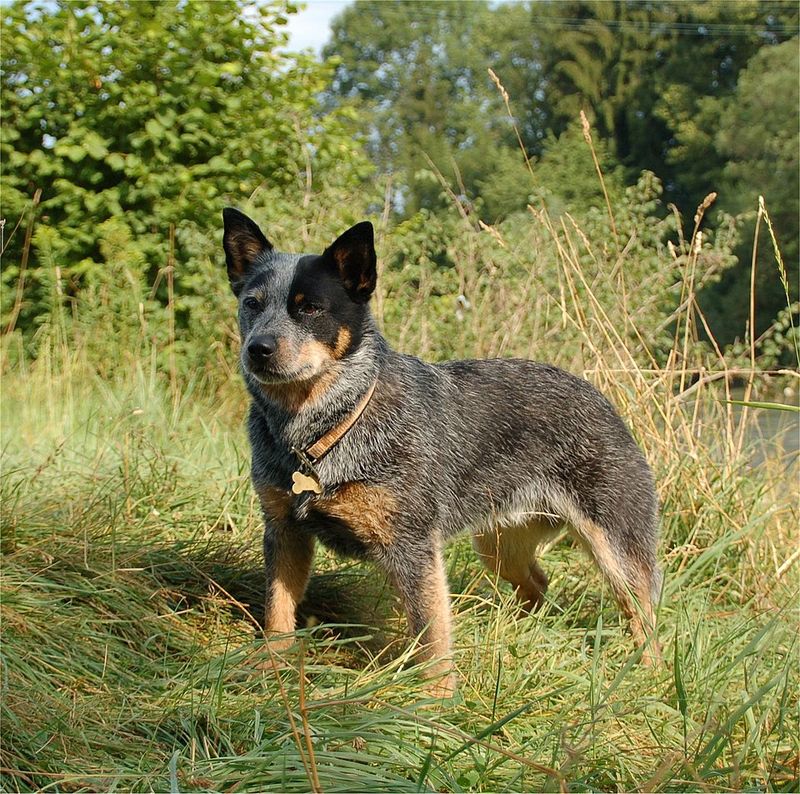
Heelers are tenacious problem solvers, so sloppy hacks become games they exploit. Overly stimulating trends can increase nipping, fixation, and herding of kids or pets.
They need thoughtful outlets that respect their grit and stamina.
Use structured fetch, scent work, and place drills to channel intensity. Reward stillness and impulse control as much as action.
Keep boundaries consistent across everyone in the home to avoid backsliding.
Rotate tasks to reduce boredom and bossiness. Avoid roughhousing that fuels nipping.
A calm daily framework plus meaningful jobs will give you a cooperative partner, not a clever menace.
Border Collie
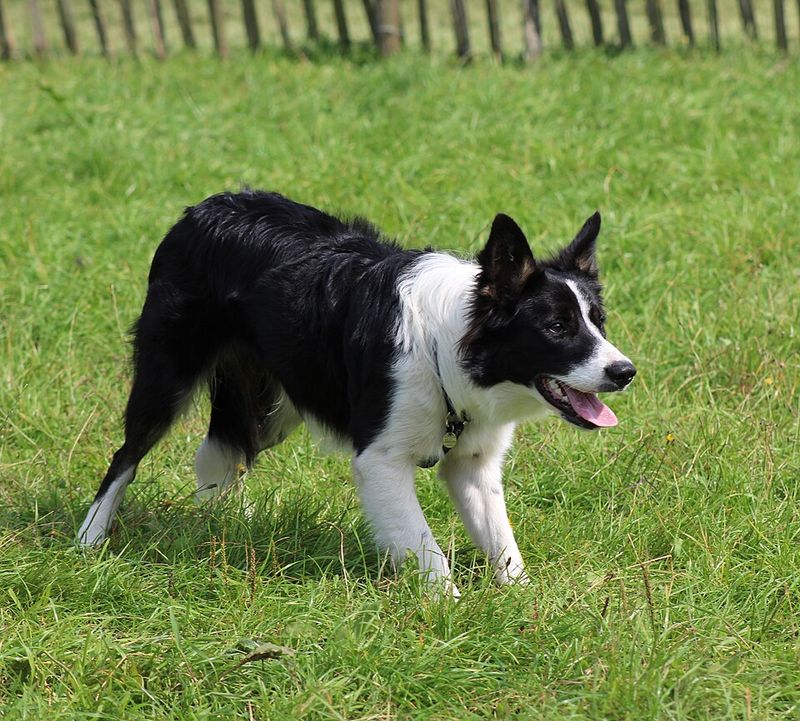
Border Collies learn everything, including your mistakes. Trendy hacks that hype them up can bake in obsessive staring, spinning, and sound sensitivity.
They need calm structure and precise reinforcement, not chaos disguised as enrichment.
Work on down-stays, mat relaxation, and thoughtful pattern games. Teach uncued disengagement from movement triggers.
Reward soft focus and slow breathing as much as quick responses.
Use low-arousal play and intentional decompression. Break tasks into simple slices, then build fluency.
Skip novelty overload and build a confident thinker who can settle anywhere.
Australian Shepherd
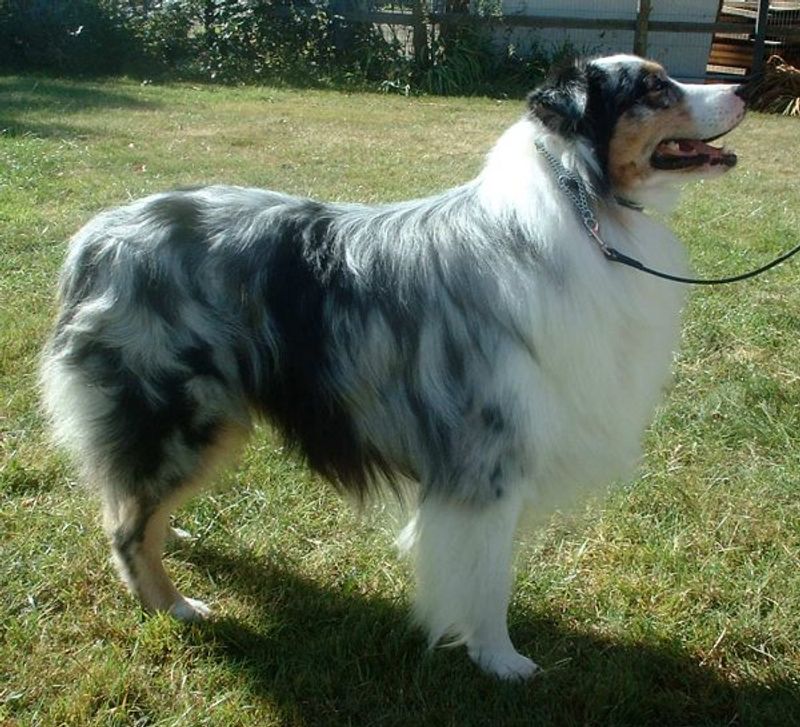
Aussies are bright, sensitive, and quick to form habits. Random hacks often inflate vocalization, herding behaviors, and boundary testing.
Instead, they thrive with predictable routines, clear markers, and guided outlets for energy.
Teach neutrality with place, door manners, and polite greetings. Balance agility or fetch with decompression walks and sniffing.
Reward calm decision making, not frantic performance.
Keep cues consistent among family members to avoid mixed messages. Use fair, minimal corrections after clear teaching.
Your Aussie will shine when you train the off switch as deliberately as the on switch.
German Shepherd Dog
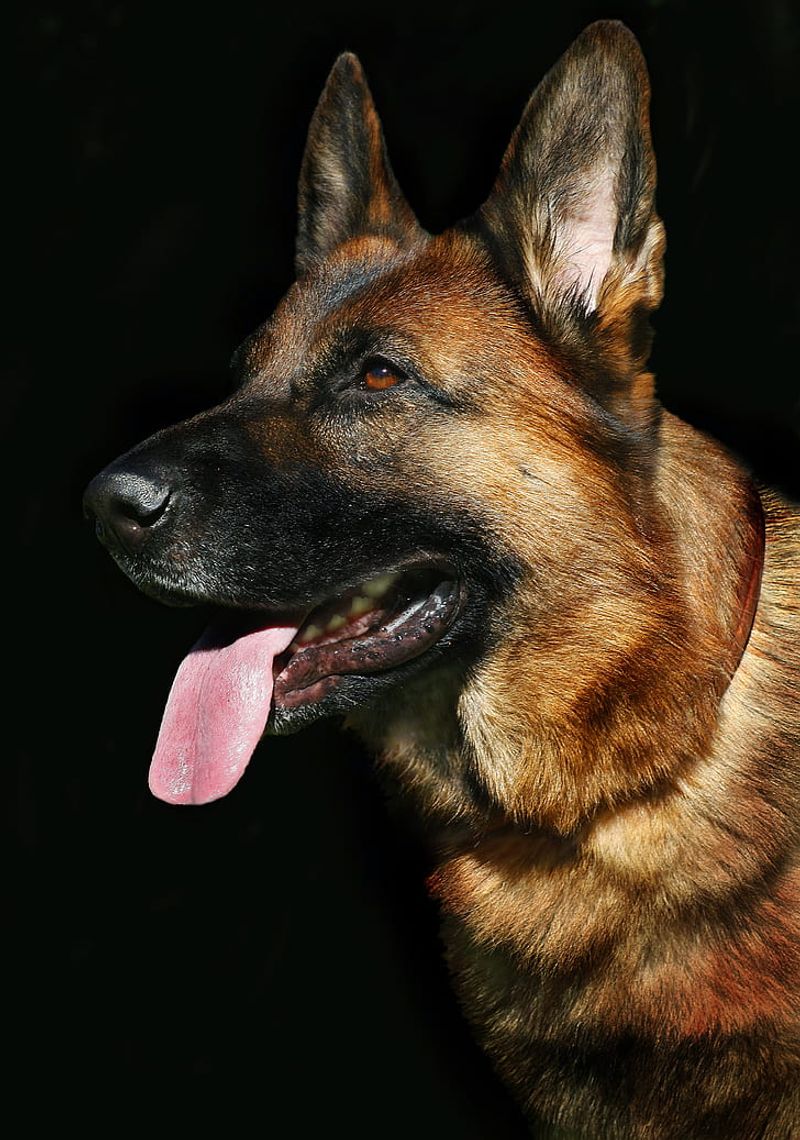
German Shepherds carry big feelings and big brains. Hacky trends can escalate reactivity, barrier frustration, and vocalization.
They need thoughtful social exposure and a training plan that respects drive without letting arousal run wild.
Build foundations: engagement, heel, place, and rock-solid recall. Reward neutrality around dogs and people.
Use structured decompression to lower overall stress so learning sticks.
Be consistent with boundaries and avoid flashy stunts that teach brattiness. Fair corrections belong only after teaching and proofing.
With clear leadership and predictable routines, your Shepherd becomes steady, not stormy.
Jack Russell Terrier
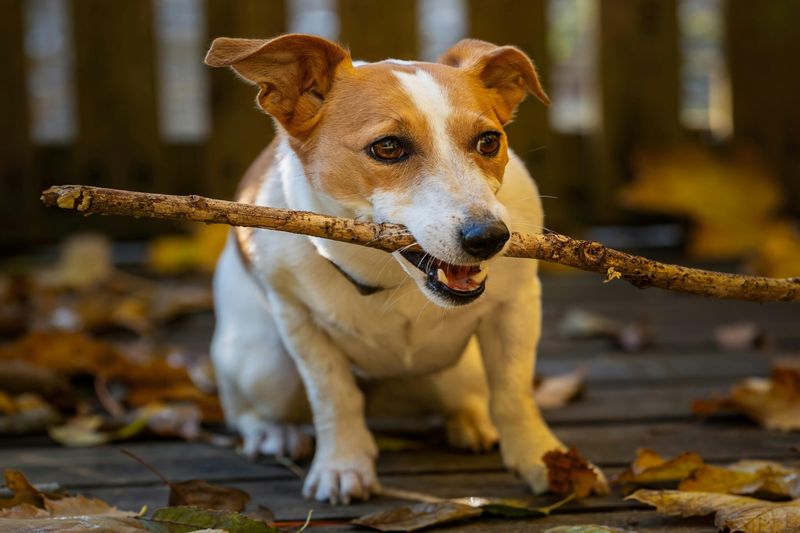
Jack Russells are explosive athletes with cheeky brains. Quick-fix hacks often supercharge barking, digging, and bolt-y behavior.
They need channelled outlets and clear criteria, not chaos or endless fetch loops.
Teach impulse control with sits at thresholds, place, and structured play. Use puzzles, scent games, and brief tug with clean outs.
Keep sessions short and end while success is high.
Proof recalls and leash skills in low distraction first. Avoid rough teasing that creates conflict.
A steady plan turns mischief into brilliance you can actually live with.
Miniature Schnauzer
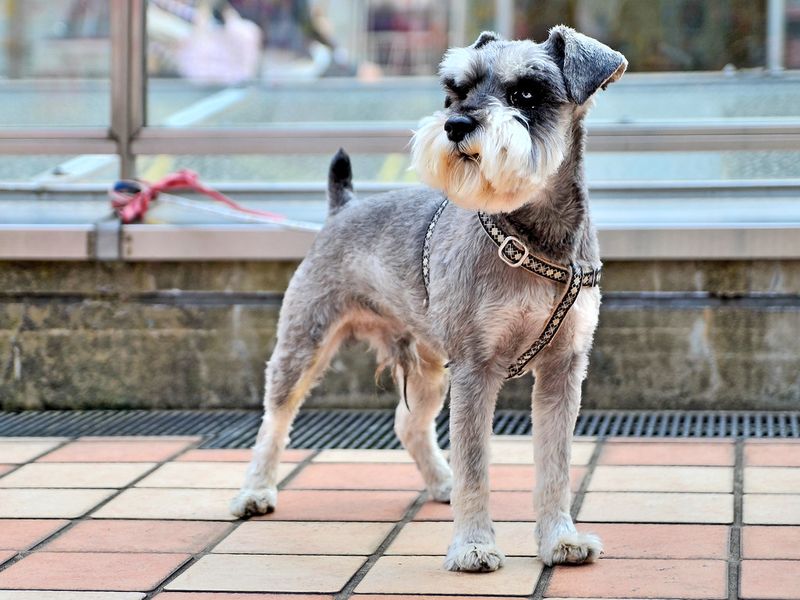
Mini Schnauzers are smart and vocal, so viral hacks that reward excitement can create nonstop barking and fence drama. They do best with calm reinforcement, clear boundaries, and predictable practice.
Consistency keeps their sass charming, not chaotic.
Polish leash mechanics, polite greetings, and place duration. Reward quiet moments before sound.
Use simple pattern games to replace demand barking with patience.
Expose them to the world without flooding: short trips, easy wins, and quick exits. Keep training light but structured, with fair follow-through after teaching.
You will get a confident companion who listens even when life gets noisy.
Boxer
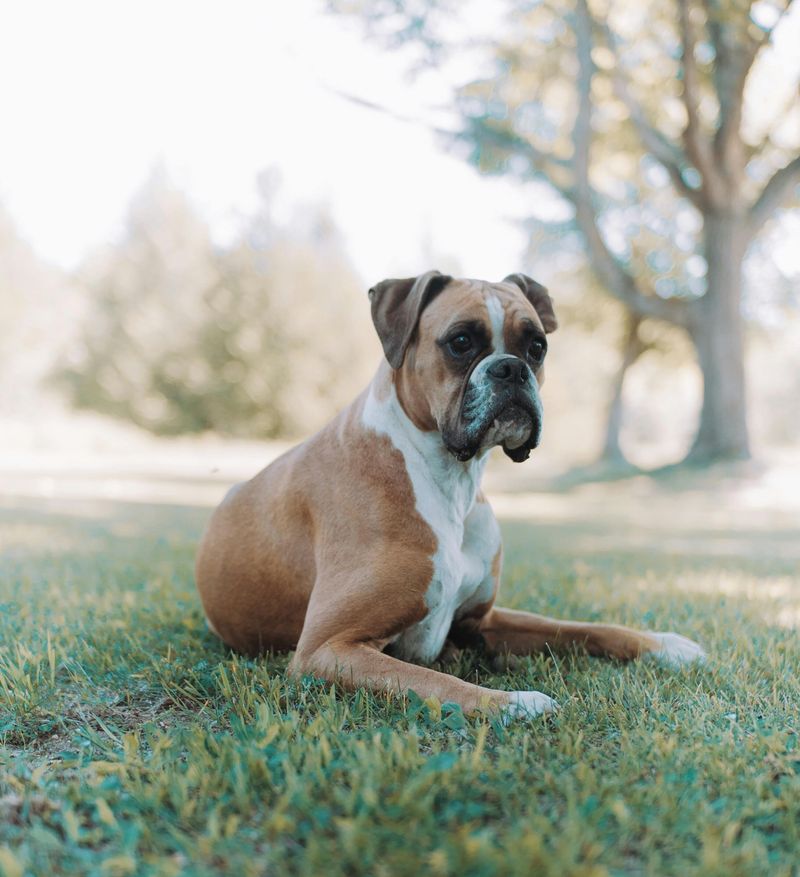
Boxers bring bouncy joy and big feelings. Random hacks that hype them up can spill into jumping, mouthing, and selective hearing.
They need play paired with rules and recovery periods that teach self-control.
Use structured fetch, short obedience bursts, and place training to manage arousal. Reinforce four paws on the floor and calm greetings relentlessly.
Keep cues simple and tone upbeat but steady.
Teach a reliable recall and loose leash before trick routines. After clear teaching, use fair, minimal corrections to maintain standards.
Balanced fun and boundaries turn goofball energy into everyday brilliance.