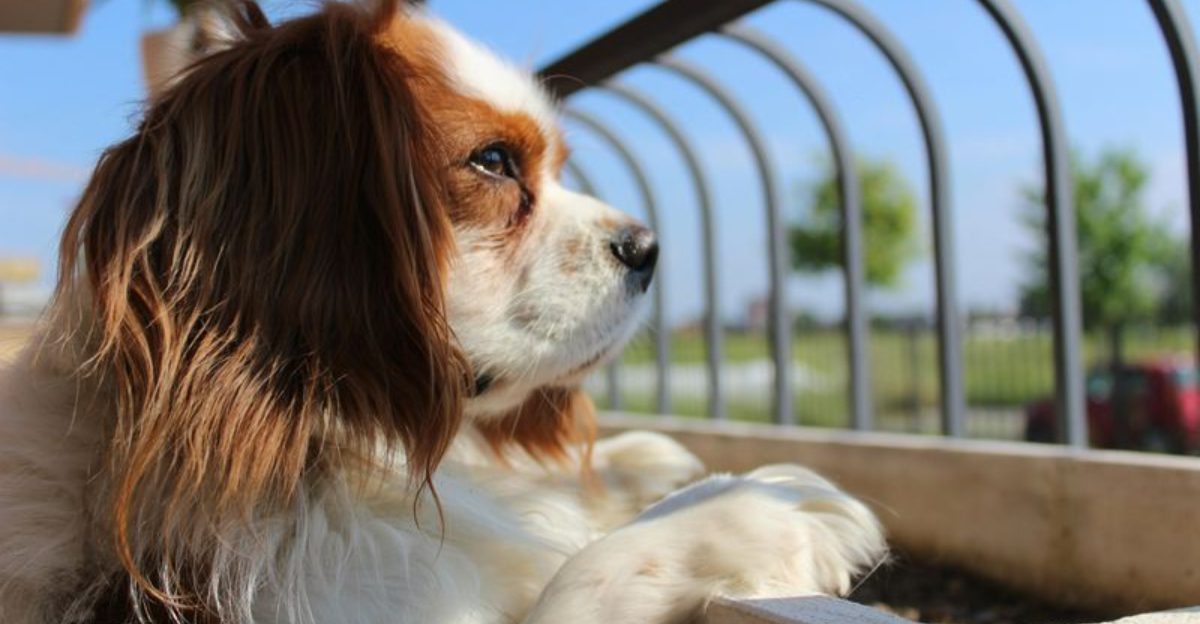
Dog breath TikToks are hilarious until you realize your pup’s mouth might need help. Tiny jaws, crowded teeth, and sugary treats can set the stage for stink and plaque way earlier than you think.
The good news is a smart routine can save you vet bills and your nose. Here are the breeds owners say benefit most from starting dental care early, plus practical tips you can use tonight.
Chihuahua
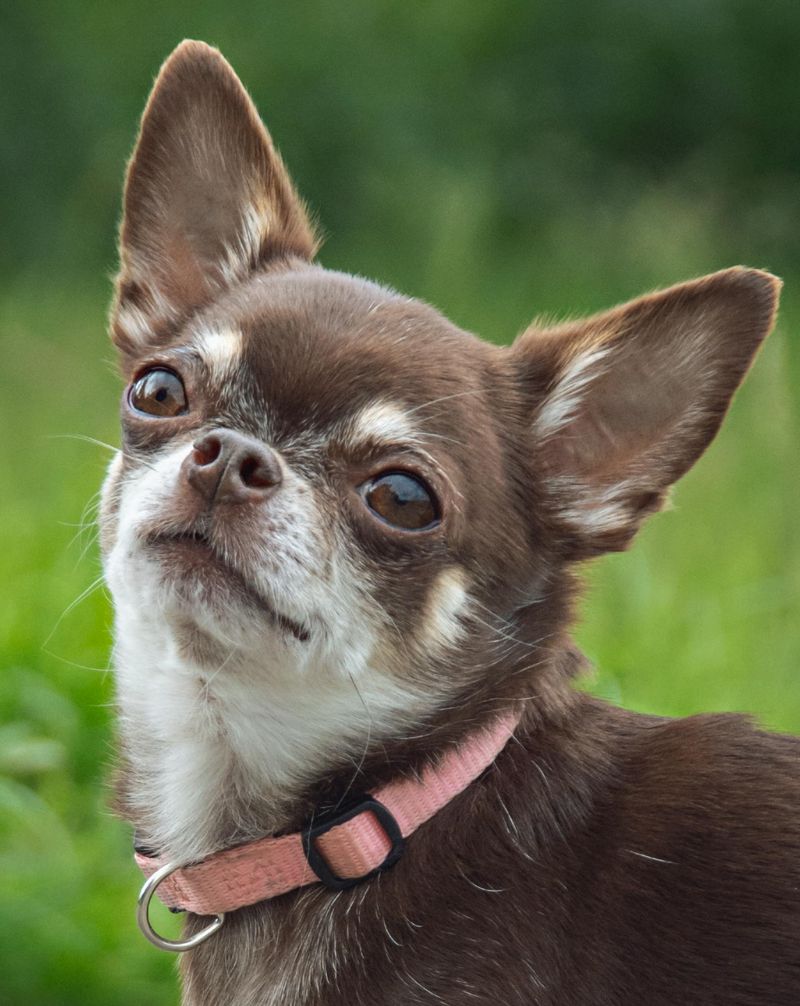
Chihuahuas pack a lot of teeth into tiny mouths, so crowding is common and plaque sticks fast. You might notice sour breath after teething, especially if kibble bits lodge along the gumline.
Brush daily with a finger brush and enzymatic toothpaste, and offer small dental chews sized for toy breeds.
Because many Chihuahuas dislike mouth handling, start with short sessions and reward generously. Water additives can help between brushings, but they are not a substitute.
Schedule professional cleanings as your vet recommends, since early tartar can lead to painful gum recession.
Watch for red gums, lip-licking, or pawing at the face. Regular vet checks and chew toys that do not splinter keep things manageable and your pup more comfortable.
Yorkshire Terrier
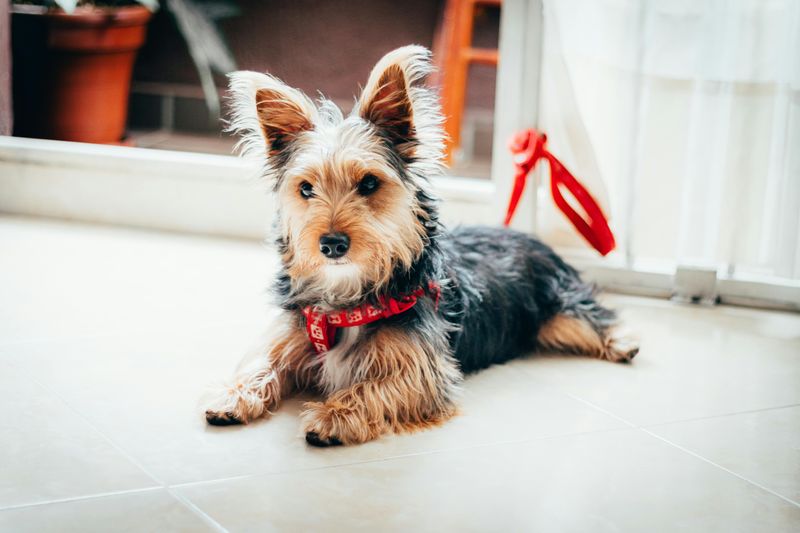
Yorkies have delicate jaws and often retain baby teeth, which traps debris and fuels stinky breath. You will want to check for double canines during adolescence and ask your vet about timely extractions.
Daily brushing, plus a soft dental chew, goes a long way toward keeping tartar under control.
Because hair can mat around the mouth, trim whisker areas to reduce odor holding. Add a dental diet or kibble with plaque control if your vet approves.
Enzymatic gels work well for wiggly pups who hate brushes, giving you another effective option.
Look for brown buildup on back molars and any flinching when chewing. With consistent care, your Yorkie’s kisses smell fresher and overall health improves, since gum inflammation stresses the whole body.
Pomeranian
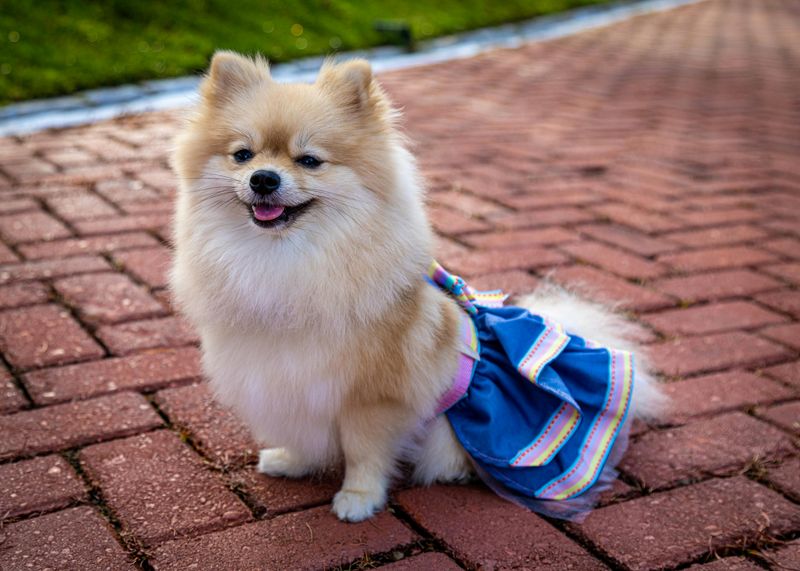
Pomeranians are famous for plush coats and surprisingly crowded mouths, which invites plaque to camp out. Start brushing as soon as adult teeth erupt, because tartar hardens quickly in small breeds.
Choose a tiny brush head, and angle bristles at forty five degrees to massage the gumline.
Short, cheerful sessions build trust and let you reach tricky premolars that smell first. Offer rubbery chew toys that flex rather than chip small teeth.
Dental water additives can help maintain fresh breath between brushings when life gets busy.
Regular vet cleanings under anesthesia may still be needed, but you will stretch the time between. Watch for sneaky signs like drooling, head tilts, or dropping kibble, which can mean painful pockets forming under the gum.
Maltese
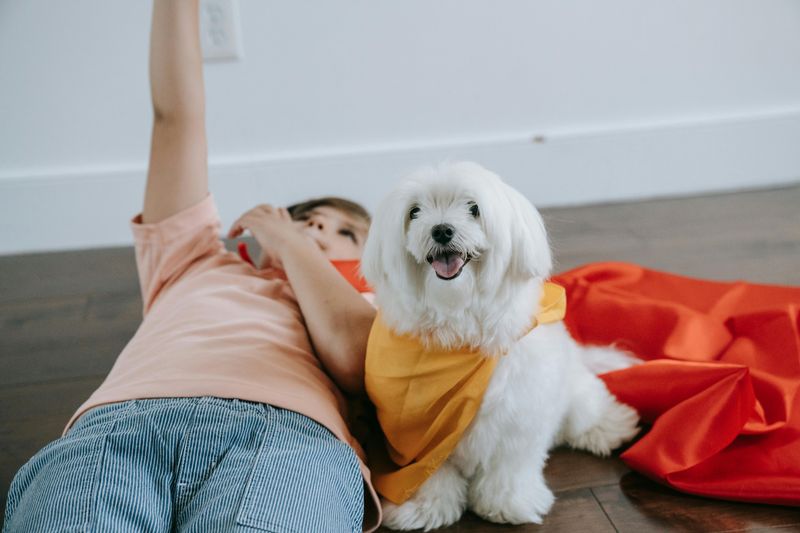
Maltese pups often struggle with plaque because their tiny jaws hide food in crevices. Tear staining can add extra odor around the muzzle, so a clean mouth really helps the face smell better.
Brush gently each night and pair with a gel for days when brushing feels rushed.
Choose dental chews approved by vets to avoid high calorie snacks that fake freshness. Schedule checkups to monitor for early gum disease and loose incisors.
A soft cloth wrap around your finger can be less intimidating than a brush for sensitive dogs.
Notice if your Maltese resists crunchy treats or rubs the face on carpets. Early care means fewer extractions later and sweeter snuggles, especially important for a breed that loves being close to you.
Shih Tzu
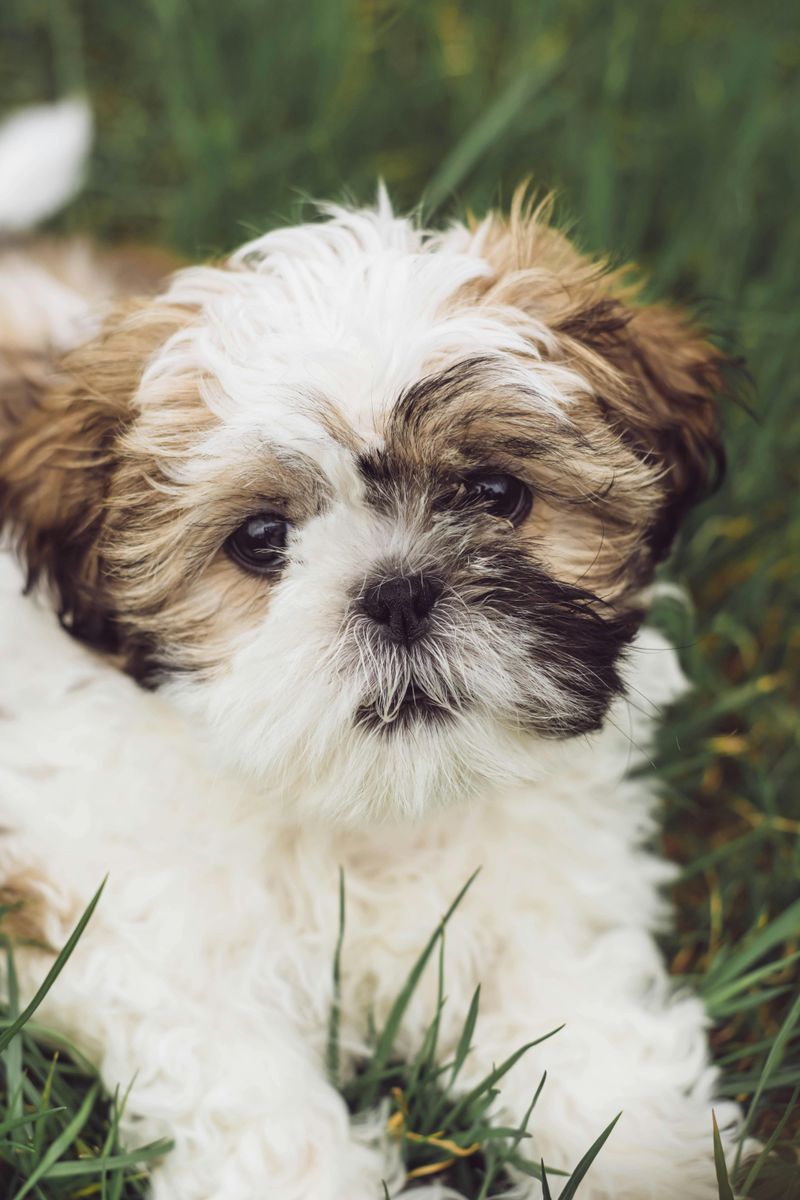
Shih Tzus have short muzzles and tight dental spacing, so plaque builds rapidly at the gumline. Start with gentle desensitization by touching lips, then gums, before introducing toothpaste.
Aim for daily brushing and a weekly check of the back molars where stink often begins.
Because brachycephalic breeds can breathe noisily, keep sessions calm and brief. Offer safe chews that encourage scraping action without fracturing teeth.
Consider a dental diet if your vet suggests it, especially for older dogs reluctant to chew vigorously.
Warning signs include red margins on gums, bad morning breath that lingers, and reluctance to play tug. Consistent, kind routines protect comfort and keep those adorable underbites from hiding serious dental trouble.
Toy Poodle
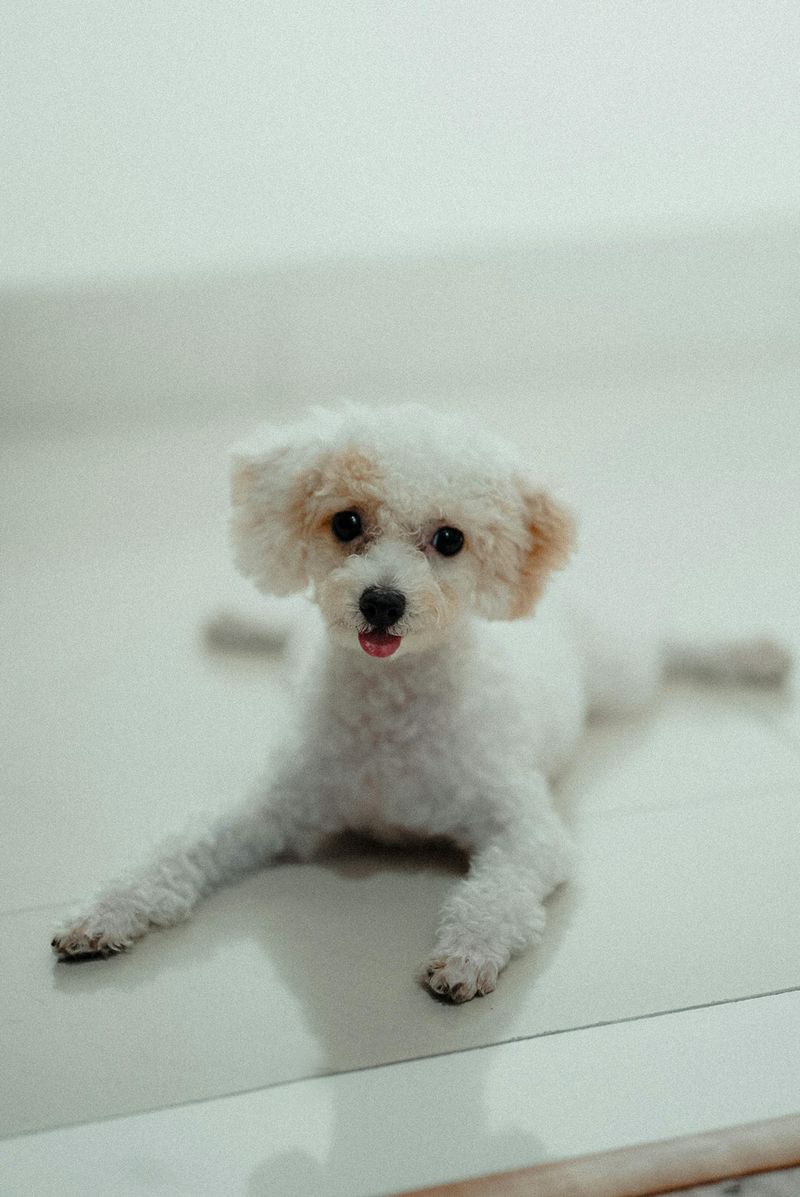
Toy Poodles are smart and trainable, which makes dental routines easier if you start early. Their small teeth still crowd, so plaque accumulates fast without daily attention.
Use a pea sized amount of enzymatic toothpaste and small circular strokes along every surface.
Turn brushing into a trick with treats, praise, and a release cue. Add dental wipes for nights when you are short on time, and rotate in a rubber chew.
Professional cleanings may be needed less often when home care is consistent and calm.
Watch for staining near the gumline or a sudden preference for softer food. Keeping your Toy Poodle’s mouth fresh helps overall health, supporting heart and kidney wellness while making cuddles smell a lot nicer.
Papillon
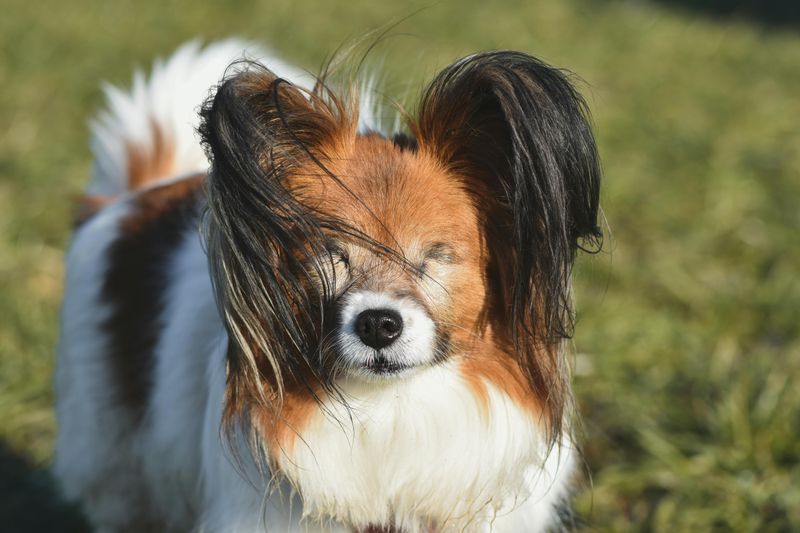
Papillons have elegant, narrow jaws that hide plaque in sneaky places. Start with dental wipes to build confidence, then move to a tiny brush once your pup is relaxed.
Focus on the back teeth where kibble dust clings and breath turns sour first.
Introduce flavored toothpaste and keep sessions upbeat to avoid avoidance behaviors. Offer textured chews that encourage scraping without risking fractures.
A quarterly mouth check at home helps you spot redness early and book a timely cleaning.
Signs to watch include pawing at the muzzle, yellow film near the gumline, and hesitant chewing. Consistent care protects those beautiful smiles and lets you enjoy closer snuggles without worrying about a whiff of dog breath.
Dachshund
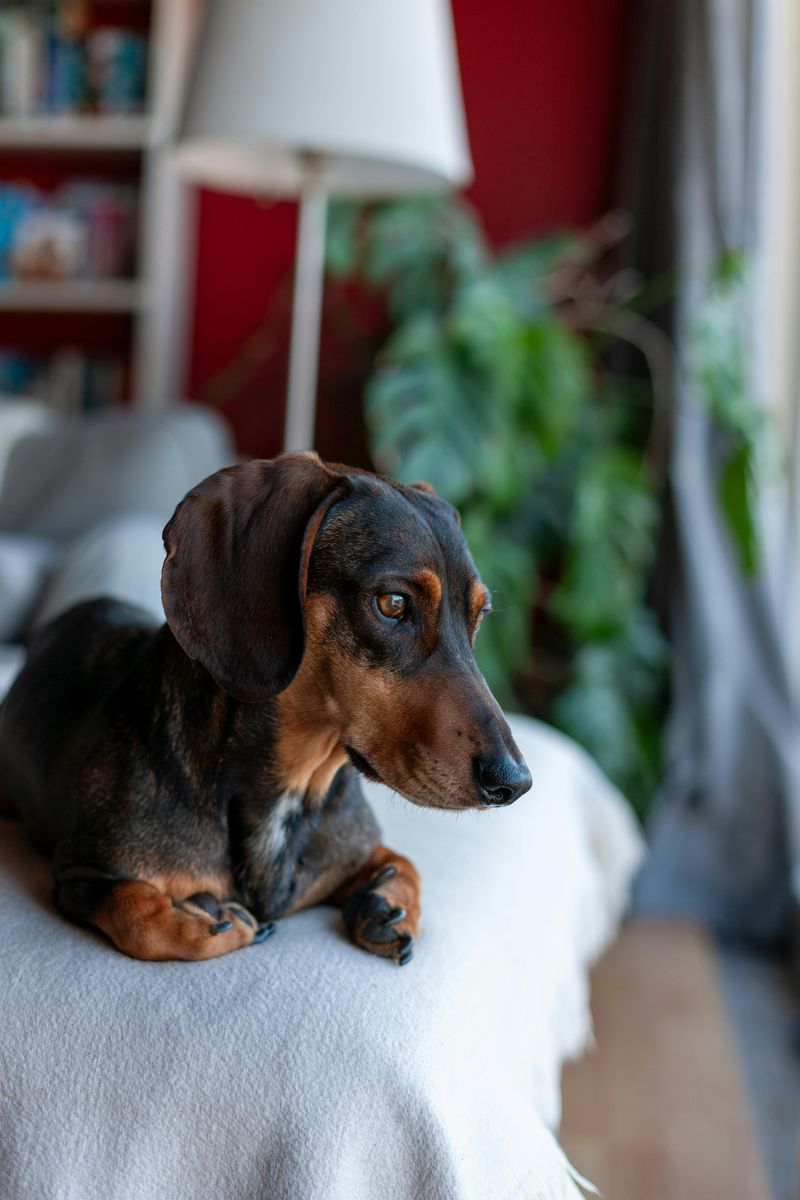
Dachshunds can develop tartar quickly, especially along the long jaw where debris settles. Start brushing early with steady, gentle strokes and reward patience with a favorite chew.
Because they love gnawing, choose dental treats that are firm yet safe for small mouths.
Back molars can get overlooked, so lift lips and peek weekly. If gums look red or bleed, pause and consult your vet for a plan.
A water additive plus brushing gives you a practical one two combo on busy weeks.
Notice changes like dropping food or avoiding hard toys, which can signal pain. Routine care keeps your Doxie more comfortable for adventures and helps prevent the sneaky progression from plaque to periodontal disease.
Pug
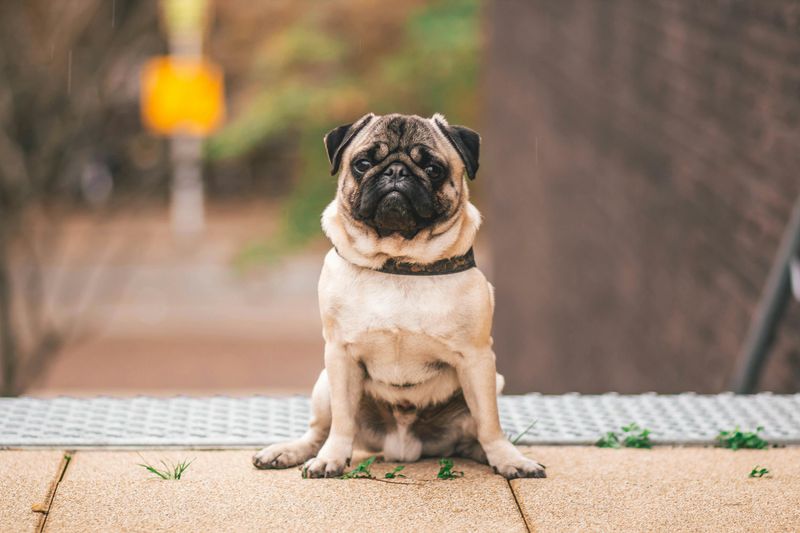
Pugs have short muzzles and often tight dental arches, which trap saliva and food residue. That combo fuels noticeable morning breath unless you build a steady routine.
Brush daily, paying attention to the back premolars where odor tends to bloom.
Because skin folds can hold smells, wipe the muzzle after meals and brushing. Offer vet approved dental chews and consider a dental diet if your vet agrees.
Keep sessions calm, since some Pugs snort more when stressed, making brushing awkward.
Watch for drooling, face rubbing, or a sudden dislike of crunchy treats. Consistent care protects gum health and helps your lovable clown breathe easier, making cuddle time fresher for everyone in the house.
Cavalier King Charles Spaniel
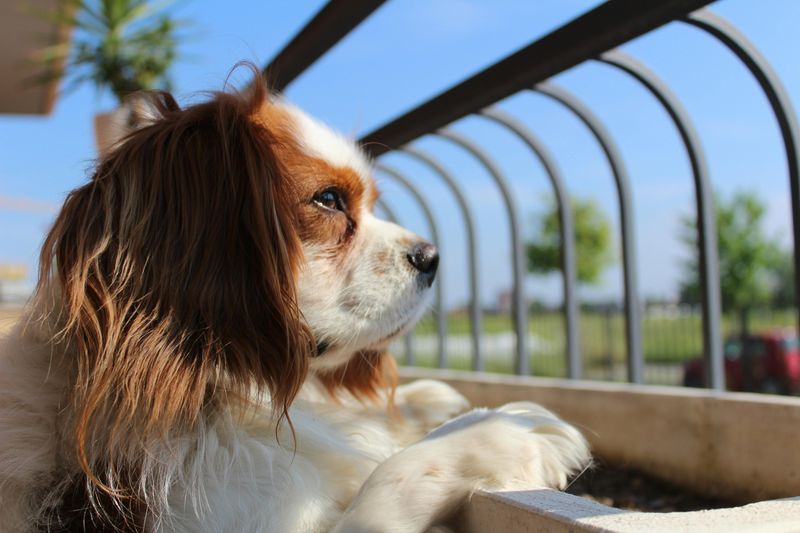
Cavaliers are affectionate and close to your face, so fresh breath really matters. Their gentle mouths still collect plaque quickly, especially along the upper molars.
Begin brushing early, keep it positive, and use an enzymatic paste that rewards with flavor.
Because Cavaliers can have heart concerns, dental health is extra valuable for overall wellness. Add dental chews that are appropriately sized and avoid anything too hard.
Schedule regular vet checks to catch subtle gum changes before they cause discomfort.
Notice pink, puffy gum edges or reluctance to chew favorite toys. With a steady routine, you will enjoy sweeter kisses and happier mealtimes, keeping that silky eared companion healthy from nose to tail for years.