
Some dogs warm up to every pup at the park, but others prefer a respectful bubble. If your companion leans aloof, you are not alone, and there is nothing “wrong” with them.
Breed tendencies, instincts, and confidence can make polite distance their comfort zone. Let’s explore ten breeds owners say often prefer space, plus how you can advocate for your dog while keeping social moments calm and safe.
Akita
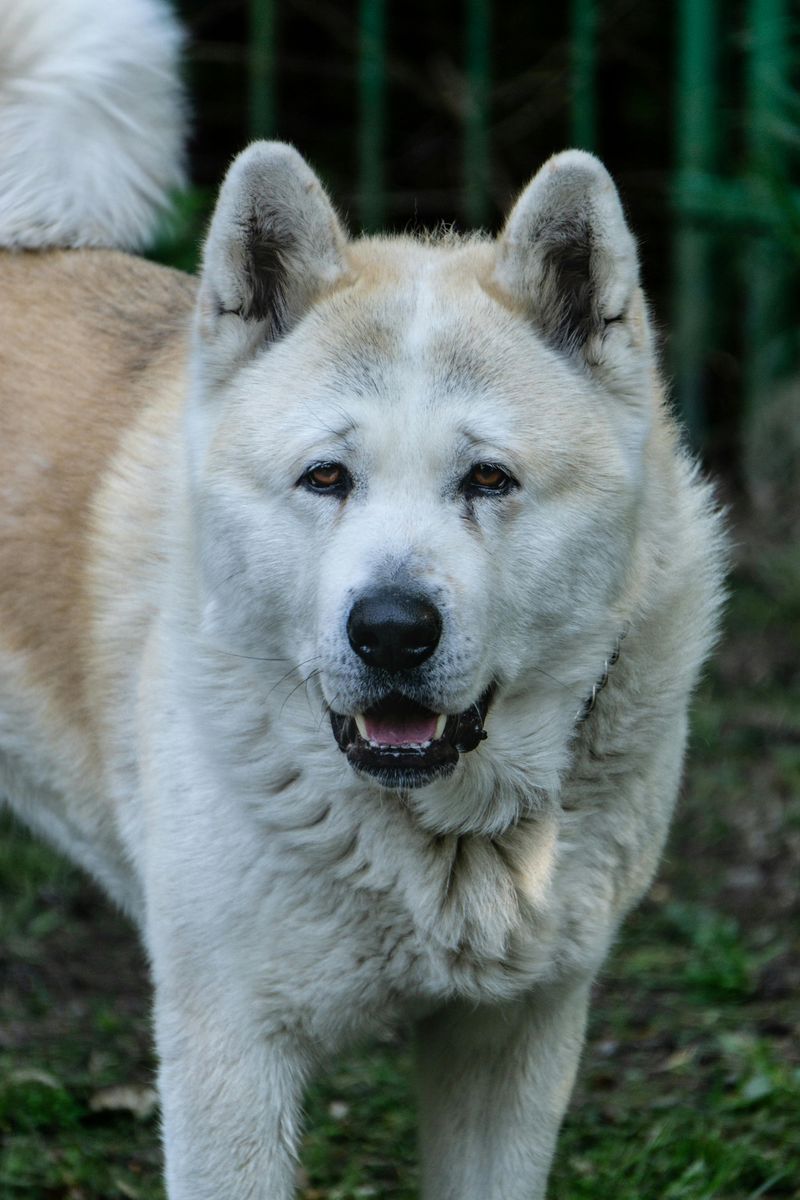
Akitas often carry themselves like honored guests, not party hosts. They tend to be selective with canine company and value calm introductions over chaotic meetups.
You will notice they stand tall, read the room, and decide whether interaction is worth their energy.
Give this breed predictable structure and space. Parallel walks and gentle, side by side exposure usually work better than face to face greetings.
Respect their signals, and you will see more confidence, fewer grumbles, and a steady, thoughtful companion.
Because of their history as guardians and hunters, neutrality is success. Focus on impulse control games, reliable recall, and supervised decompression.
Socialization should prioritize stability, not forced friendships, and your Akita will thank you.
Chow Chow
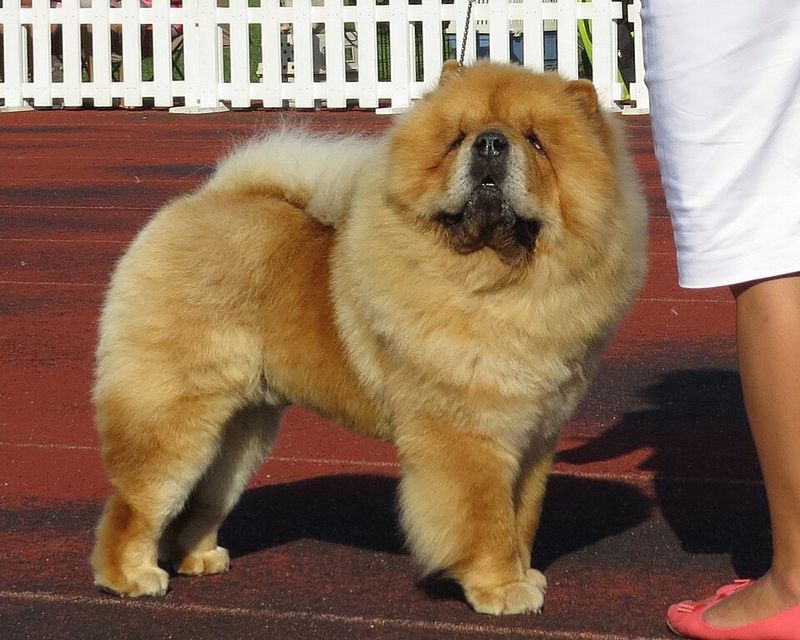
Chow Chows read like stoic philosophers. They are famously reserved, and many prefer observing over mingling.
A polite sniff and disengage can be their perfect social script, especially around pushy or high-energy dogs.
Advocate for slow approaches and curved paths. Let your Chow control proximity, and keep greetings brief with easy exits.
Reward head turns, soft eyes, and loose body language so neutrality becomes a habit.
This breed thrives on routines that reduce surprises. Teach scatter feeding for decompressing outdoors and pattern games for predictability.
With consistent handling, your Chow Chow can feel secure in bustling spaces while still maintaining that dignified bubble.
Shar Pei
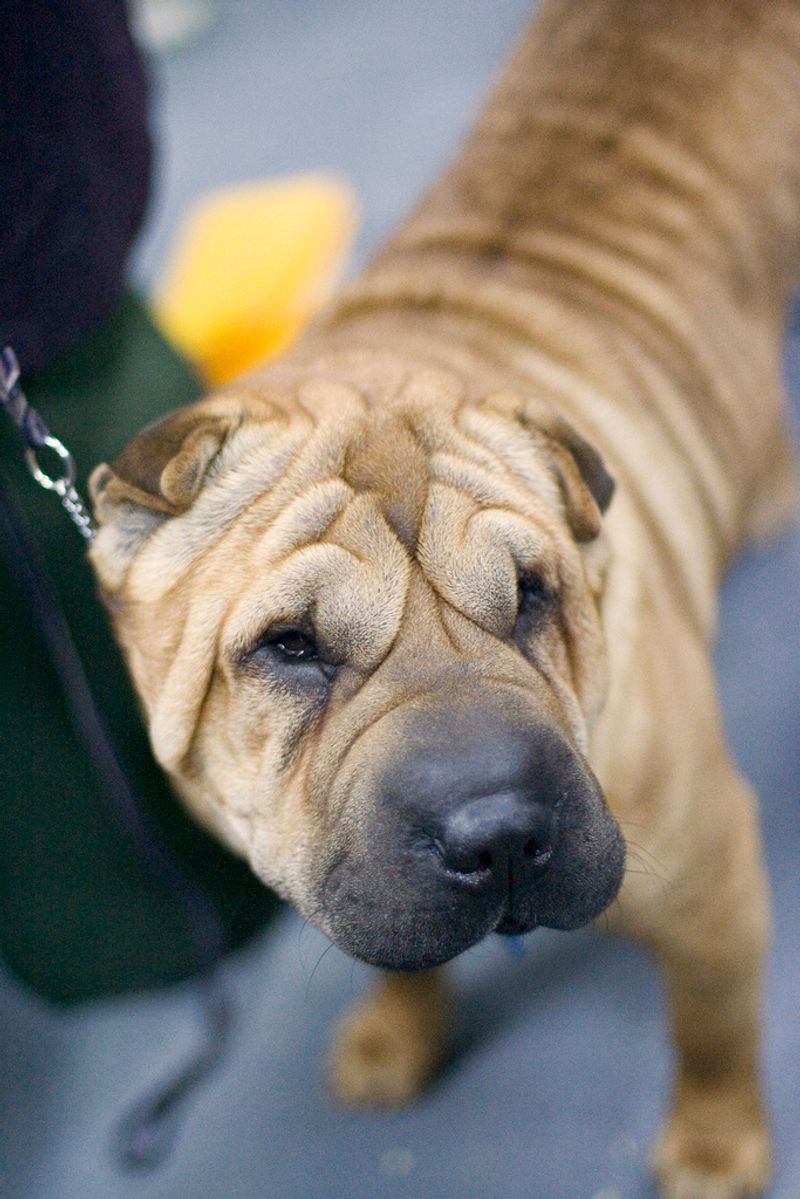
Shar Pei dogs often lean toward independence, sizing up situations before engaging. Many owners report that calm, parallel time beats any nose to nose greeting.
Push too fast and you will see those thoughtful brows crease with tension.
Keep interactions structured. Use long lines, reward check-ins, and avoid crowded off leash parks.
Controlled exposures build trust, while chaotic play can spark grumbles or hard stares.
Health matters too. Watch skin comfort and eye care because irritation can shorten patience.
Practice short, positive sessions near neutral dogs, then celebrate disengagement. Your Shar Pei does not need a friend group to be well adjusted, just fair boundaries and clear communication.
Shiba Inu
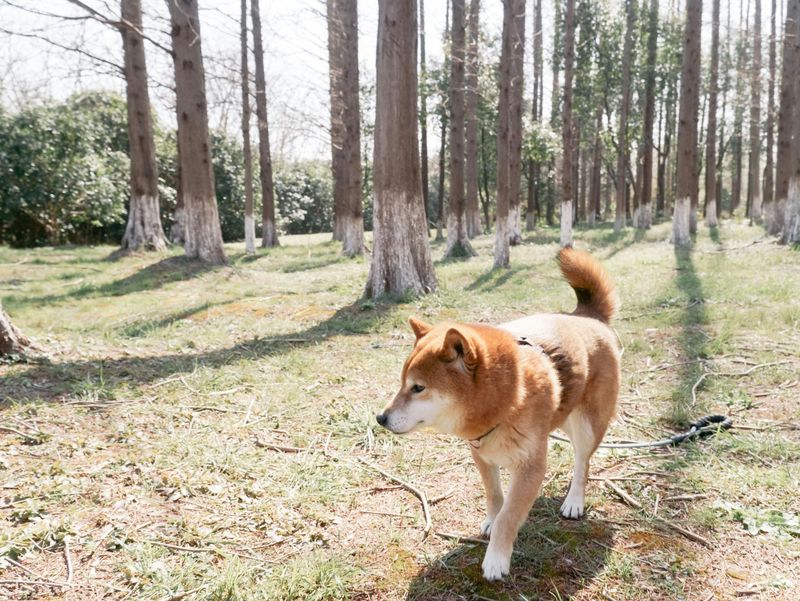
Shibas are famous for confident independence and sharp opinions. Many prefer keeping conversations short and distances comfortable.
If another dog barrels in, that signature Shiba side eye says everything.
Choose quiet paths and plan curved, moving introductions. Reinforce voluntary check-ins, and let your Shiba opt out without pressure.
A quick sniff, then a graceful exit often prevents drama and keeps arousal low.
Mental work matters as much as mileage. Try nosework, trick training, and scatter searches to satisfy that bright mind.
With predictable routines and respectful handling, your Shiba Inu can navigate busy spaces while preserving their personal space and peace.
Rhodesian Ridgeback
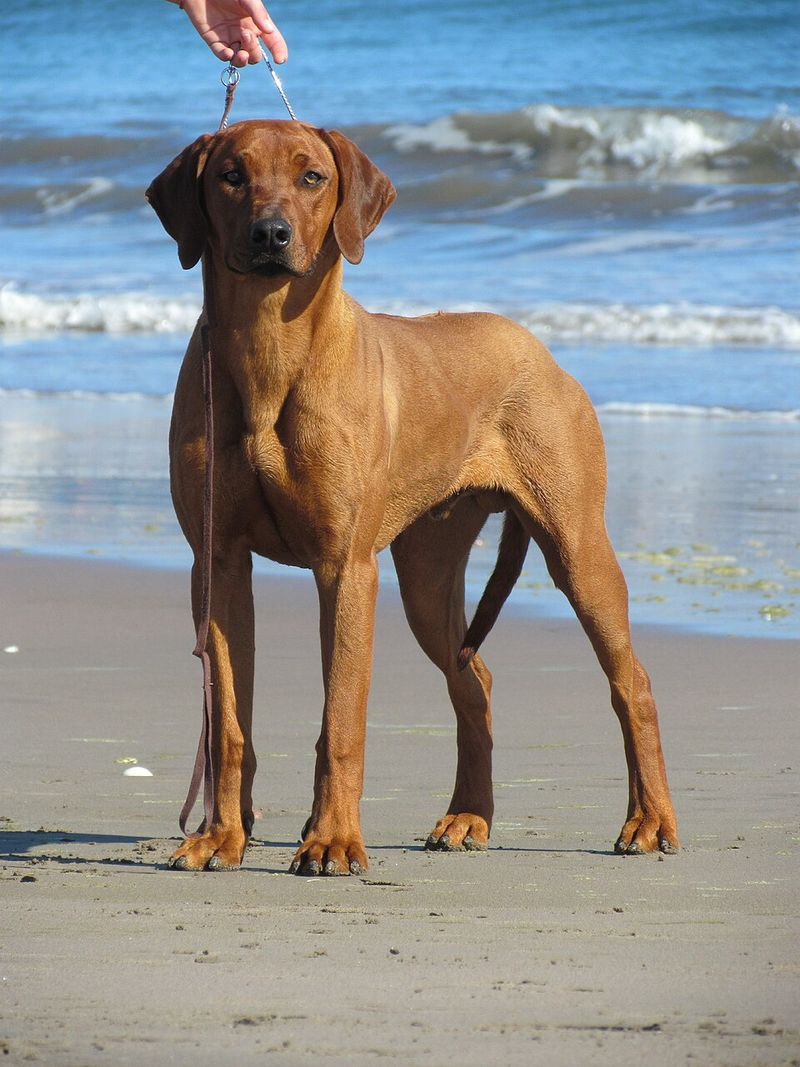
Ridgebacks are athletic hunters with a practical social style. Many stay aloof with unfamiliar dogs, preferring movement over mingling.
A calm trot near another dog often works better than face to face introductions.
Use long lines and moving patterns like figure eights to keep focus on you. Reward disengagement and loose body language, and avoid cramped spaces where pressure builds.
Their confidence shines when they can survey, not be cornered.
Channel energy into scentwork, recall games, and hill sprints. Clear boundaries, strong obedience, and consistent decompression walks help maintain neutrality.
Your Rhodesian Ridgeback does not need a playgroup to be fulfilled, just purpose and space.
Giant Schnauzer
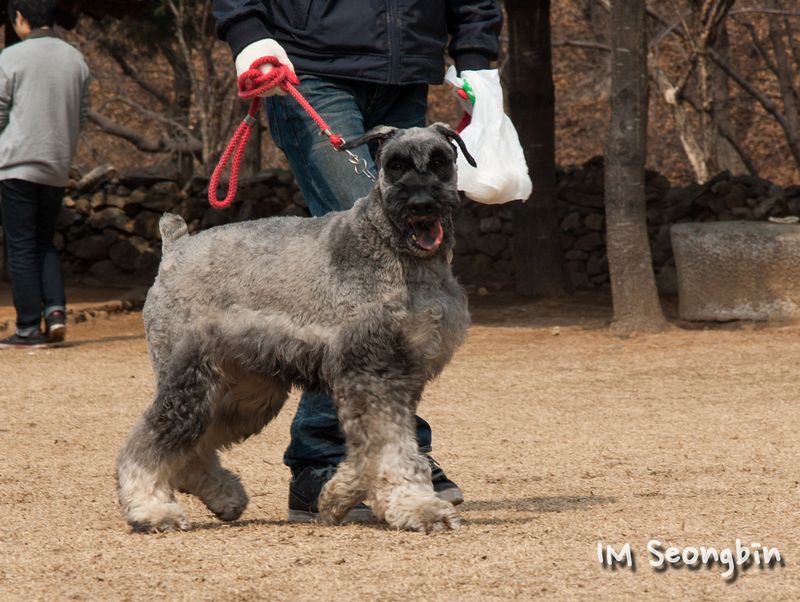
Giant Schnauzers bring intensity and brains, which can translate to selective social habits. Many prefer working with you over greeting strangers.
When interactions happen, they go best with clear structure and swift exits.
Teach solid engagement and heelwork so focus stays anchored. Practice parallel walks, then reward calm glances and relaxed tails.
Skip crowded off leash zones that overload arousal and impulse control.
Daily outlets matter. Try bite-safe tug, agility foundations, and scent puzzles to meet drives.
With purpose and predictable routines, your Giant Schnauzer can pass dogs smoothly without collecting conflicts, keeping their world orderly and you in the center.
Presa Canario
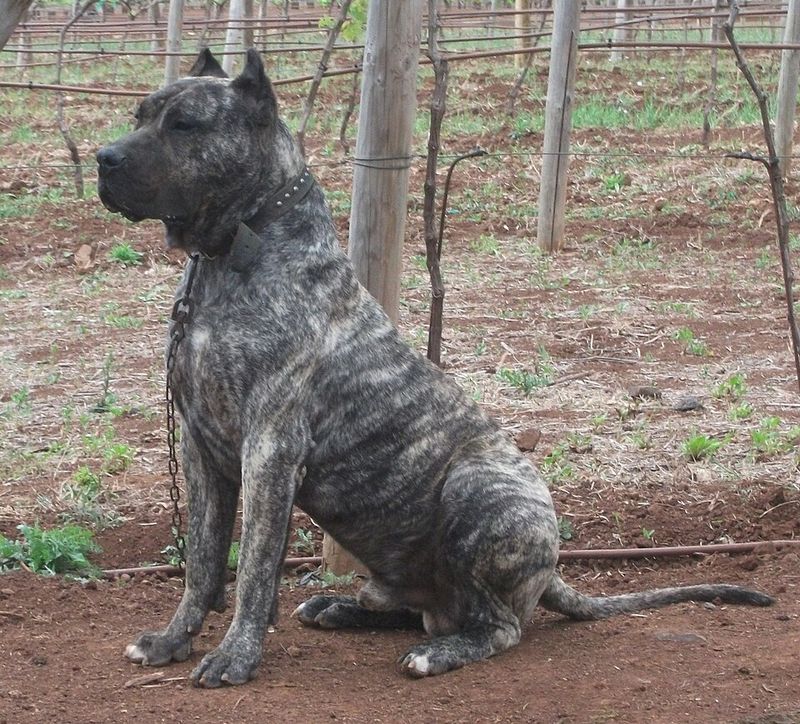
Presa Canarios are formidable guardians, often preferring to mind their business. Many do best with calm neutrality and zero pressure to mingle.
A wide arc around approaching dogs keeps stress low and judgment clear.
Focus on obedience under distraction and consistent boundaries. Use place training, engagement games, and reliable recalls to preserve space.
Avoid chaotic dog parks, and choose controlled, experienced canine partners for any exposure.
Body language matters. Reward soft eyes, loose shoulders, and easy disengagement.
With thoughtful handling and a steady routine, your Presa Canario can navigate public settings confidently while maintaining respectful distance and safety for everyone.
Dogue de Bordeaux
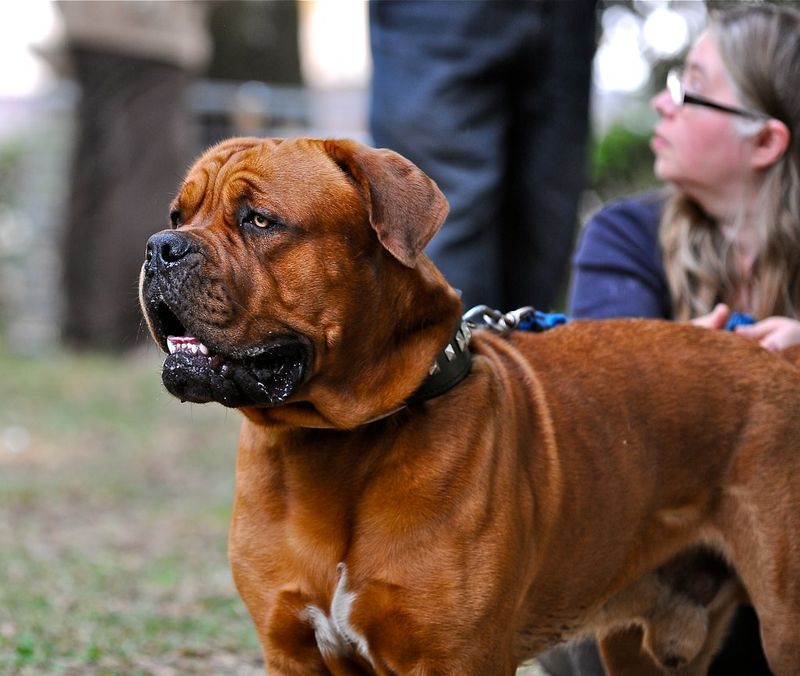
The Dogue de Bordeaux is affectionate with family yet often uninterested in canine small talk. Many prefer slow, polite encounters or none at all.
Pushy greetings can flip their mood from tolerant to tired quickly.
Keep sessions short and sweet. Choose wide spaces, walk in curves, and let them sniff the breeze instead of noses.
Reinforce calm disengagement and keep arousal down with frequent breaks.
Mind their joints and stamina because discomfort reduces patience. Provide steady routines, enrichment at home, and predictable outings.
With thoughtful pacing, your Dogue de Bordeaux can stay serene around dogs without needing a best friend at every stop.
Neapolitan Mastiff
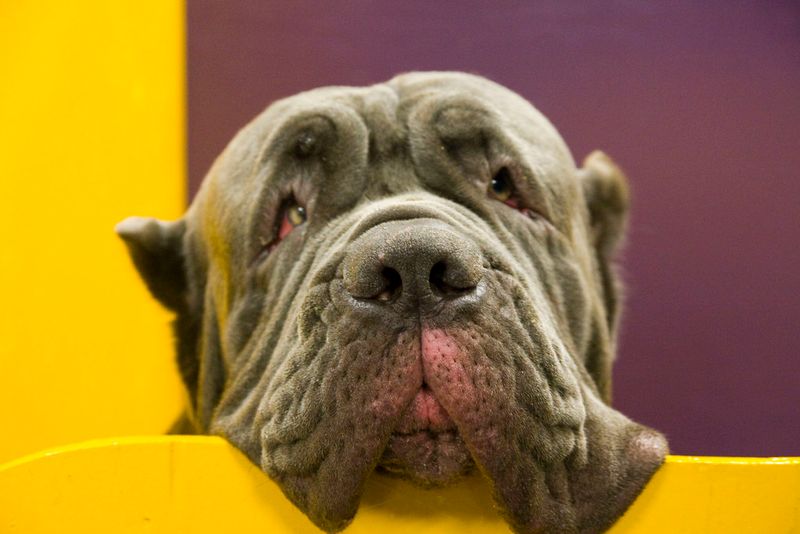
Neapolitan Mastiffs project a calm, massive presence and often appreciate generous space. Many owners find that neutrality is a win, especially in narrow paths or busy sidewalks.
Slow, predictable movement helps them stay settled.
Use structured walks, reward check-ins, and avoid nose to nose meetings with unfamiliar dogs. Choose routes with easy room to arc.
Reinforce relaxed body cues and soft eye contact, then move on.
Comfort is key for this heavy breed. Keep sessions short, watch heat, and prioritize low-impact enrichment.
With clear boundaries and steady routines, your Neapolitan Mastiff can coexist peacefully without obligatory playdates or forced friendships.
Australian Cattle Dog
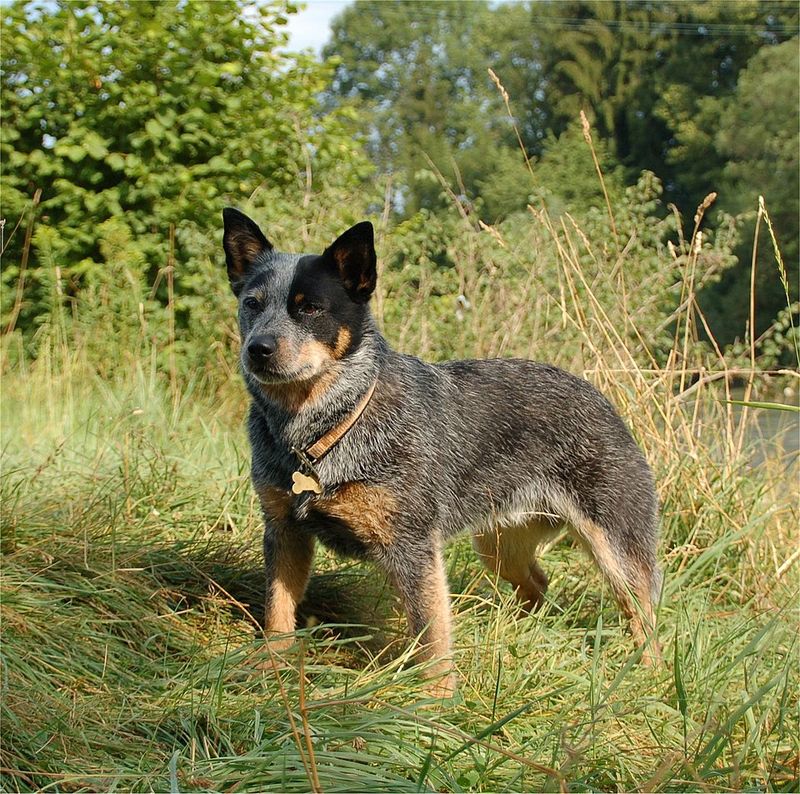
Australian Cattle Dogs are sharp, energetic problem solvers who often value purpose over pleasantries. Many show dog selective tendencies, preferring to work, observe, and keep interactions brief.
Fast, rude approaches can trigger defensive fussing.
Give them jobs on walks: patterning, heel to release, and scentwork. Practice parallel time with calm partners, and use long lines for safe space.
Reward disengagement, then move on before arousal spikes.
Mental outlets prevent friction. Rotate tug, fetch with rules, and brain games to channel intensity.
With structure, fair management, and predictable routines, your Australian Cattle Dog can stay cool around others without needing constant play.