
If torn ACL and CCL threads keep popping up in your feed, you are not imagining it. More owners are asking why their energetic fetch sessions seem to end with limps, surgery talk, and long recoveries.
The truth is that some breeds are mentioned far more often, and knowing why can help you prevent the next scary vet visit. Let’s walk through the usual suspects and what you can do right now to protect those hard working knees.
Labrador Retriever
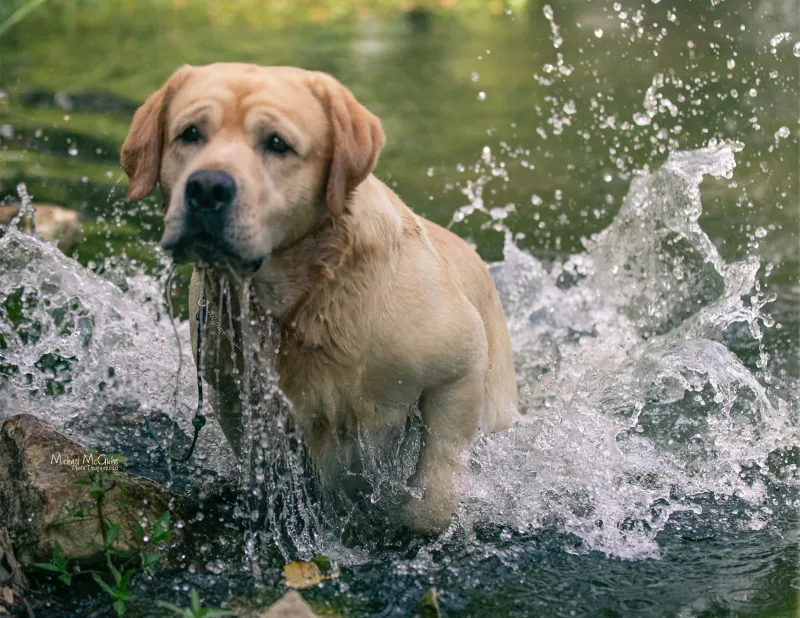
Labradors live for fetch, which is exactly why their knees take a beating. Quick starts, twisting landings, and wet grass create the perfect storm for CCL strain.
You might notice a sudden skip, toe touching, or that classic sit with the leg stuck out. Early rest helps, but repeated flare ups often mean bigger trouble.
Excess weight quietly adds risk, even in athletic dogs.
To help, keep nails short, warm up with leashed trotting, and throw in straight lines on soft turf. Avoid high bouncing balls and slick floors that trigger spin moves.
Consider strengthening work like controlled hill walks, cavaletti, and sit to stand reps. If limping persists, ask your vet about TPLO versus conservative management.
Prevention beats surgery every time.
Golden Retriever
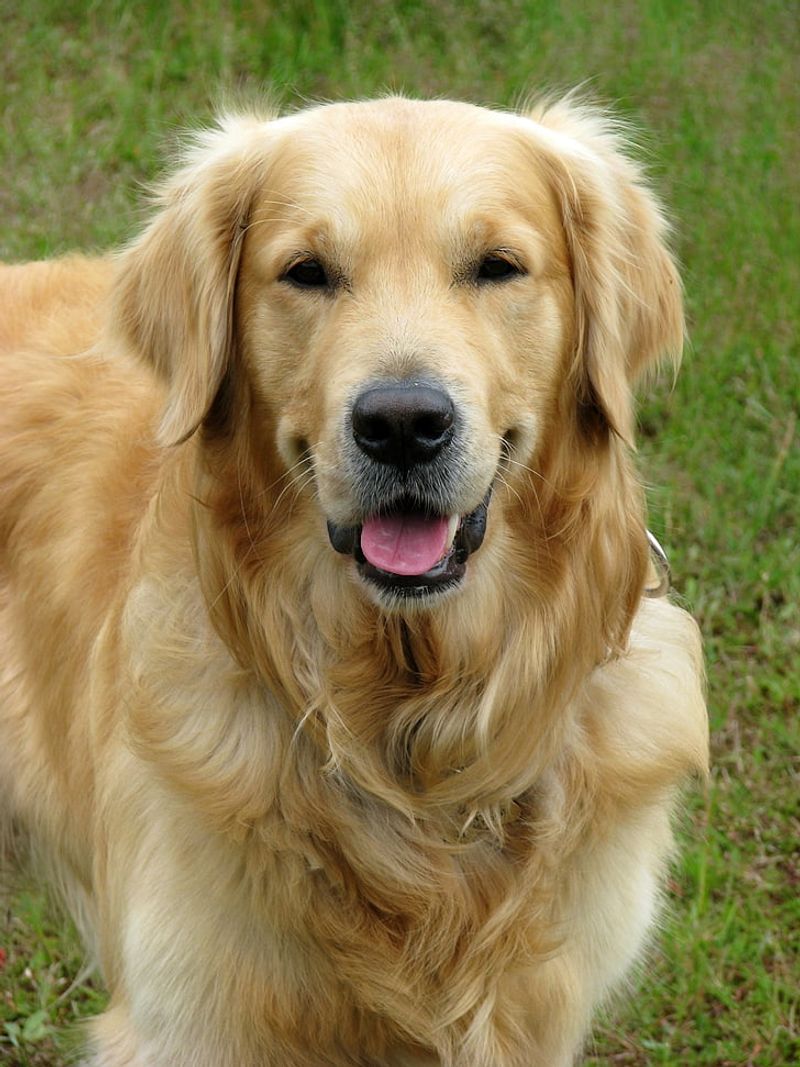
Goldens bring big enthusiasm and soft tissue vulnerability together. Their playful spins and sudden stops during fetch can overload the CCL.
Owners often report an occasional bunny hop, then a sharp limp after a misstep. Because Goldens may mask pain, subtle signs matter.
A reluctance to jump into the car or lagging on stairs is a red flag, especially after hard play.
Protect those knees by keeping sessions short, surfaces consistent, and throws low arc. Cross train with swimming and leash hikes for balanced strength.
Trim down extra pounds, even two or three, to reduce joint strain. Regular conditioning improves outcomes if injury happens.
If you suspect trouble, get a hands on exam and discuss imaging plus bracing or surgical options.
German Shepherd Dog
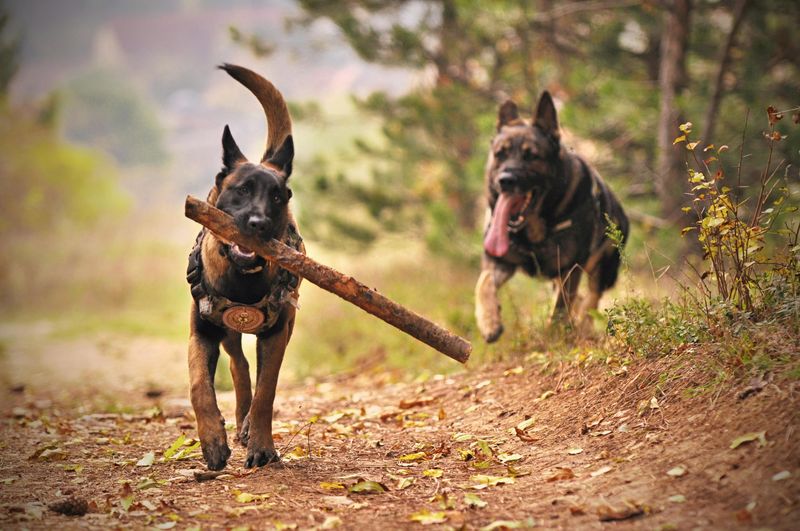
German Shepherds combine drive, speed, and sometimes steep rear angulation, which can stress the CCL. Hard cornering to chase a ball is a common setup for trouble.
Look for a head bob, sitting sideways, or muscle loss in the thigh over weeks. Some dogs show intermittent limp that worsens after rest.
Left alone, instability may trigger meniscus damage.
Prehab matters. Build hamstring and core strength with controlled backs, hill walking, and figure eights on leash.
Throw in straight lines and stop before fatigue. Use rubberized surfaces, not tile or icy grass.
Discuss joint health with your vet early, including weight targets and omega 3 support. If injury occurs, TPLO often suits this breed’s size and activity level.
Rottweiler
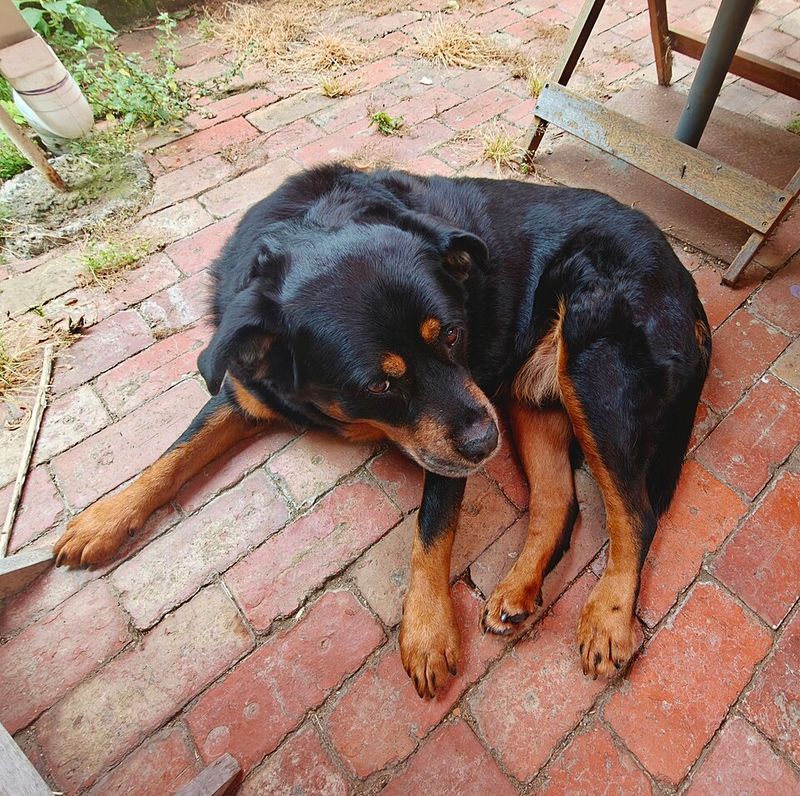
Rottweilers are heavy, athletic, and love explosive play, a combination that hammers the knees. A single bad landing can start a partial tear that lingers.
Watch for stiffness after naps, stepping wide in turns, or reluctance to sit square. Owners sometimes blame growing pains when it is actually ligament strain.
Without management, the opposite knee often follows within a year.
Plan short fetch sets with generous rests. Keep body condition lean and nails tidy to improve traction.
Strengthen with slow controlled sits, stands, and backward steps. Consider non slip rugs at home to prevent slips after play.
If a tear is confirmed, surgical stabilization plus structured rehab delivers the best return to function for big boned power breeds like Rotties.
Boxer
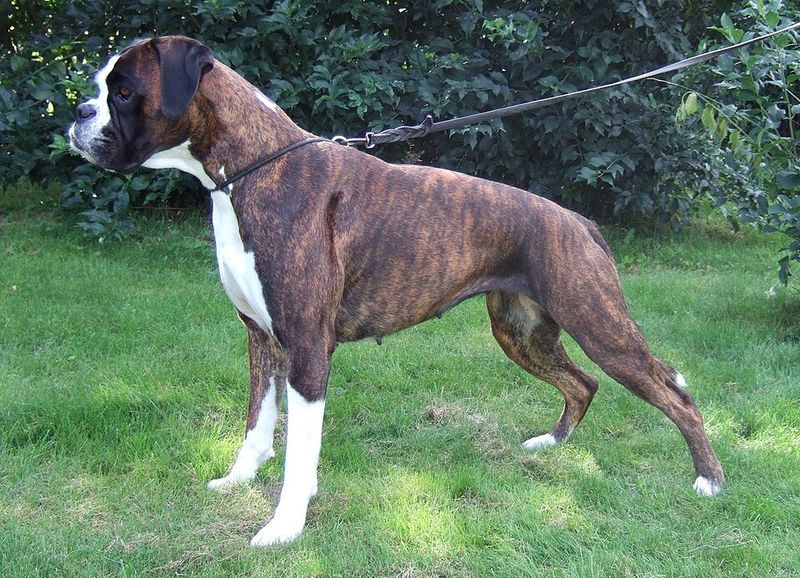
Boxers are spring loaded athletes, but that vertical pop can punish knees during fetch. They twist to snag bouncy balls, then slam down on one leg.
The first clue might be a quick yelp followed by toe touching. Later, you may notice a rounded back when walking or avoiding turns.
Enthusiasm masks pain until the next sprint makes it obvious.
Keep throws low and predictable. Use soft discs or fleece tugs dragged on the ground to reduce leaping.
Add targeted conditioning like controlled figure eights and lateral stepping over poles. Keep sessions short and finish before fatigue.
A supportive brace can help mild sprains, but lingering lameness needs a veterinarian. Catching issues early preserves those goofy Boxer zoomies.
Staffordshire Bull Terrier
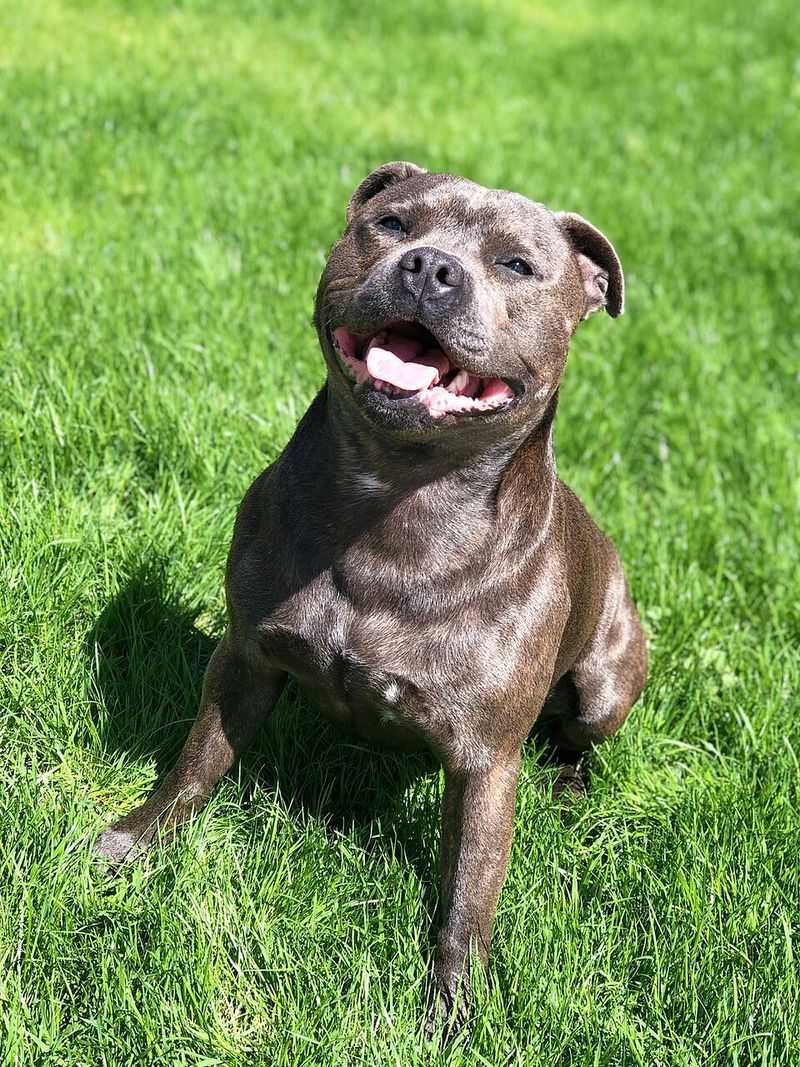
Staffies hit hard and turn harder, making the CCL a common casualty. Their stocky build plus explosive acceleration into a ball creates big shear forces.
Owners often notice a sudden limp after a sharp pivot or slip. Some dogs power through with adrenaline, then struggle to rise later.
Repeated micro strains can progress to a full tear without rest.
Dial down ricochet style fetch. Favor tug to hand, flirt pole in straight lines, and controlled retrieves.
Keep nails short and manage weight ruthlessly. Add core drills like cookie stretches and sit to stand transitions.
If lameness lasts more than a day, book an exam. Early treatment, including anti inflammatory support and rehab, helps avoid chronic knee arthritis in these compact athletes.
American Staffordshire Terrier
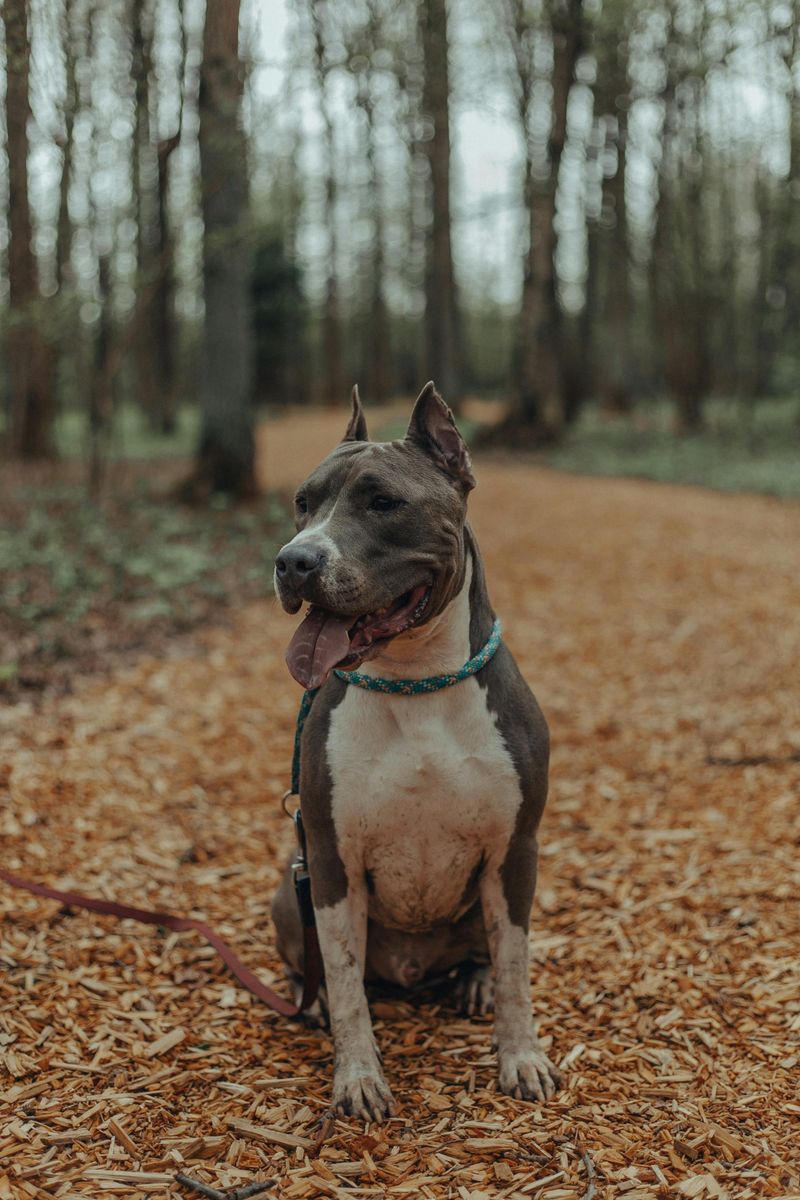
AmStaffs bring power and agility, which can overload knees during quick decelerations. A misjudged landing or slippery patch often starts a partial tear.
Signs include a skip on turns, difficulty sitting square, and soreness after hard play. Many owners confuse the issue with hip problems.
A hands on exam can differentiate stifle instability from other causes.
Protect the joint with straight line retrieves and controlled stops. Use textured surfaces for traction and avoid wet turf.
Build posterior chain strength using uphill walks, cavaletti, and backing between poles. Keep body condition lean and monitor symmetry in thigh muscles.
If a tear occurs, surgical stabilization plus structured rehab usually delivers excellent function for these powerhouses who love to play hard.
Newfoundland
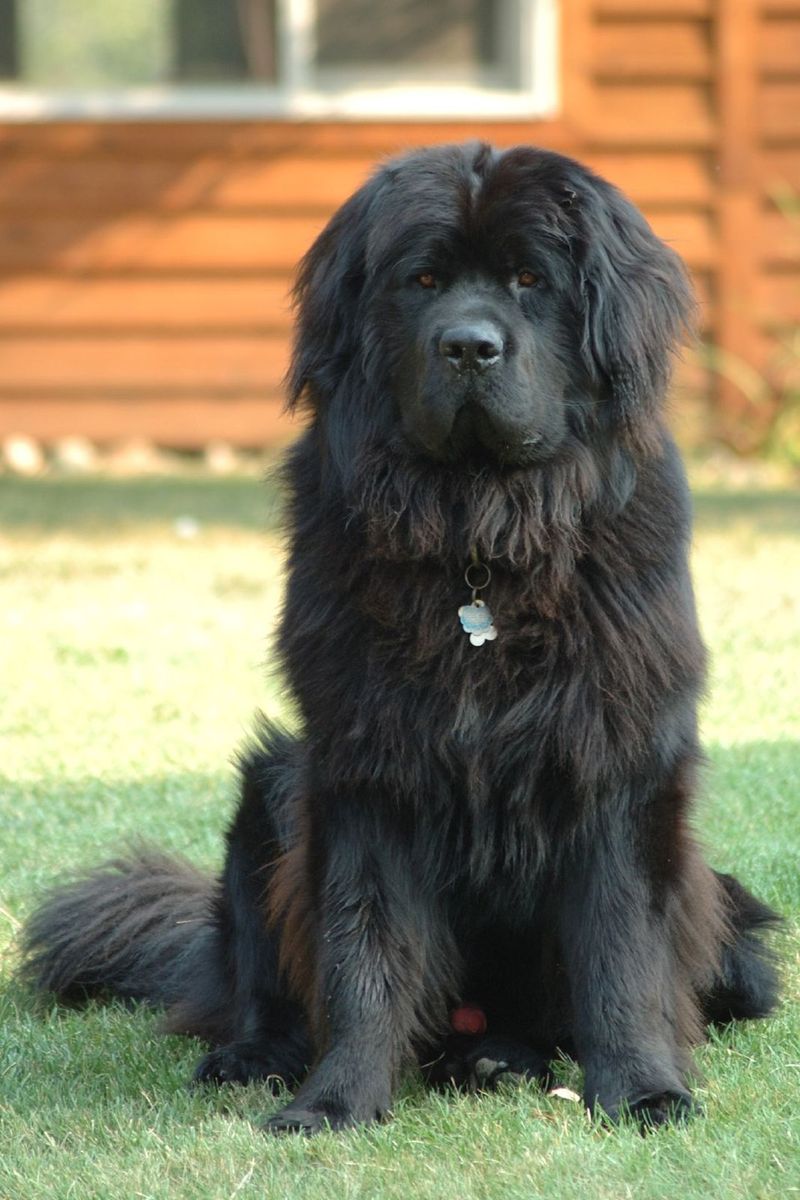
Newfoundlands are gentle giants with heavy frames, so knee stress adds up fast. Even moderate fetch on wet grass or sand can lead to slips that strain the CCL.
Watch for slow rising, a sway in the rear, and reduced enthusiasm for stairs. Because they are stoic, you might only see a soft limp after rest.
Early radiographs and orthopedic exams are wise.
Keep sessions brief on supportive surfaces. Swim work is fantastic cross training, but avoid explosive dock jumps.
Maintain a lean weight and consider anti slip runners at home. Strengthen with controlled hill walking and careful sit to stand work.
If injury happens, discuss surgery options sized for giants and plan diligent rehab to protect the opposite knee.
Bernese Mountain Dog
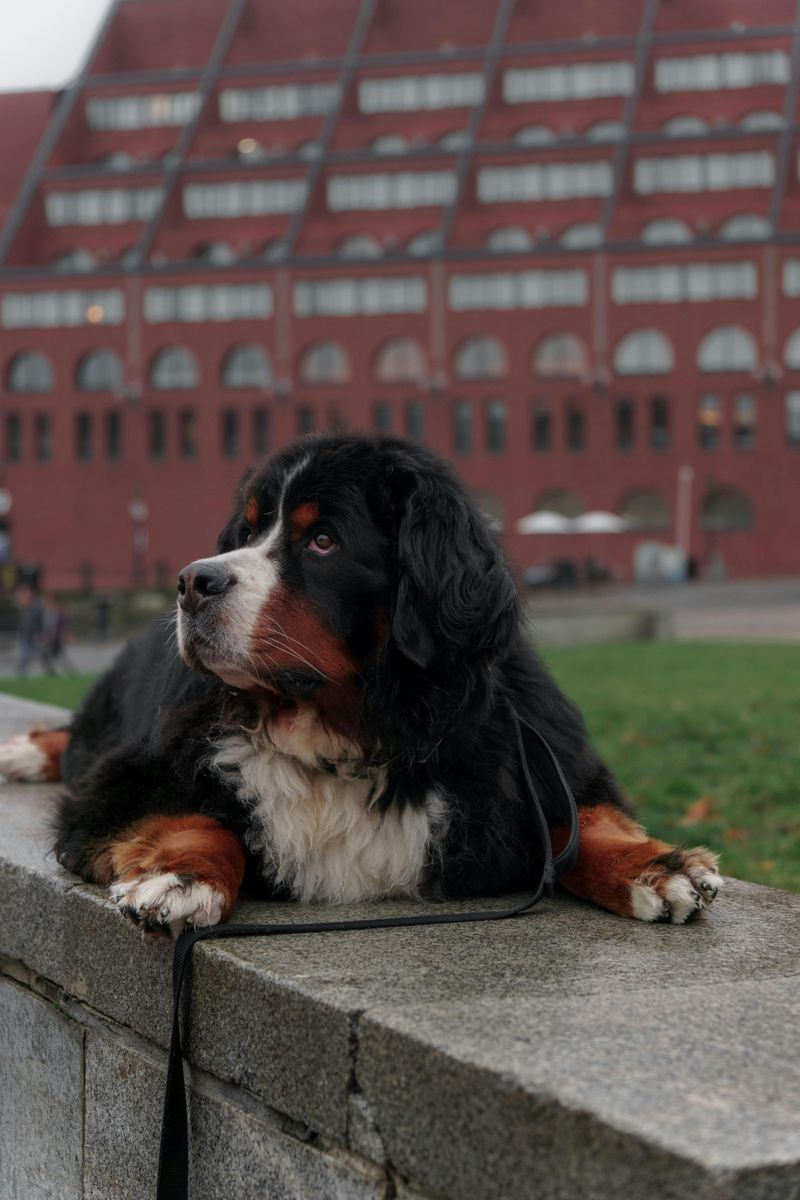
Berners grow fast, carry weight, and often have soft tissue vulnerabilities. A sudden pivot to chase a ball or a slippery deck can start trouble.
You might notice hesitation to load into the car, or a sidestep sit. Early rest and anti inflammatory support help, but recurring limps suggest instability.
Owners often report the second knee failing within a year if the first is ignored.
Choose low impact fetch with straight throws on grass, not ice or tile. Cross train with hiking and controlled stair work to build balanced strength.
Keep weight lean, trim nails, and use traction mats indoors. If a tear occurs, discuss surgical stabilization plus rehab.
Routine conditioning and smart play protect those big beautiful Bernese knees for the long haul.
Great Pyrenees
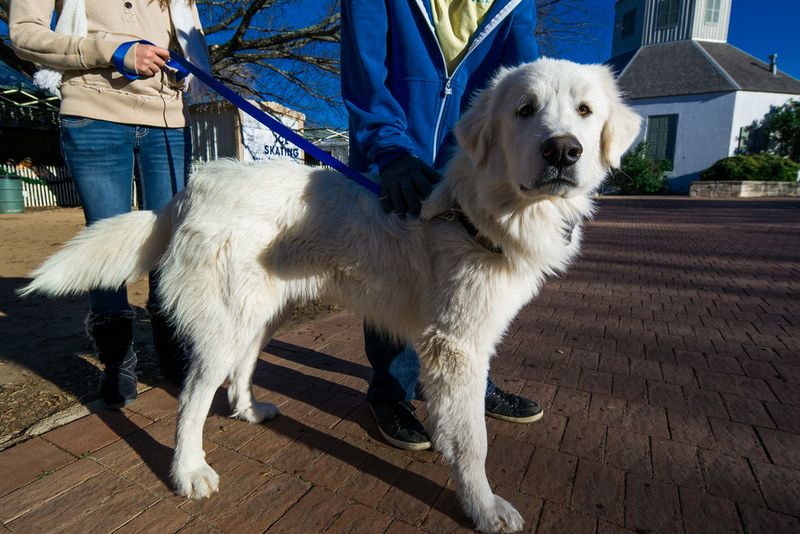
Great Pyrenees are steady guardians, but their size makes every awkward step costly. Fetch on uneven ground or quick pivots can strain the CCL.
Owners often notice a drifting rear end, slow sit, or stiffness after night patrols. Because they underplay discomfort, subtle lameness may be missed.
Delayed treatment risks meniscal damage and long rehab timelines.
Keep play measured and straight. Avoid slick floors, steep slopes, and high impact leaps.
Strengthen with slow leash work, controlled figure eights, and short hill climbs. Maintain a lean body condition to ease joint load.
If limping persists beyond a day, see your vet for drawer testing and imaging. Early stabilization and structured rehab can return these gentle giants to comfortable duty.
Cane Corso
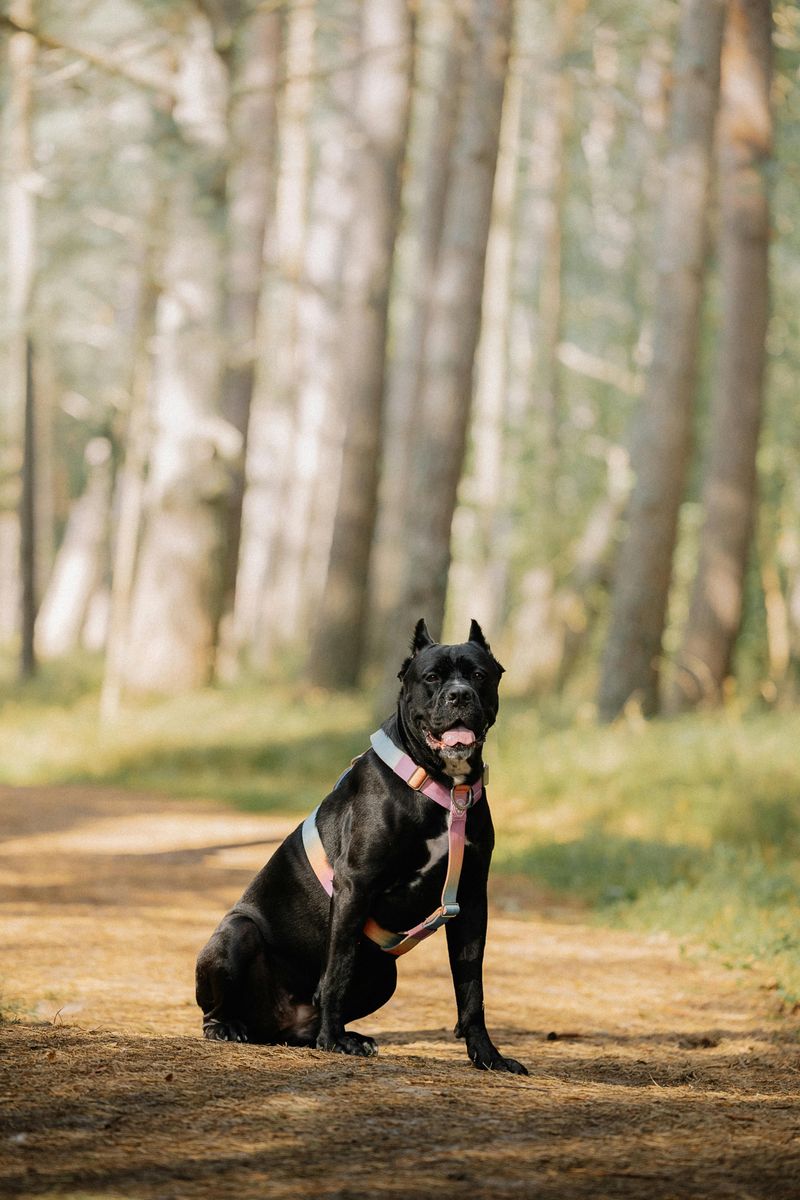
Cane Corsos are powerful sprinters with heavy frames, so sudden stops stress the CCL. A twist on synthetic turf or a bad landing off a curb often starts a partial tear.
Look for shortened stride, toe touching after play, or a reluctance to jump into vehicles. Ignoring small limps can set up the other knee for failure.
Keep fetch on natural grass in straight lines with low arcs. Add posterior chain strength using uphill walking, step overs, and controlled backing.
Keep nails short and traction solid at home. If injury occurs, consult a surgeon experienced with giant breeds and discuss TPLO versus alternative procedures.
Consistent rehab plus weight management are critical to getting a Corso comfortably back to guard duty.
Standard Poodle
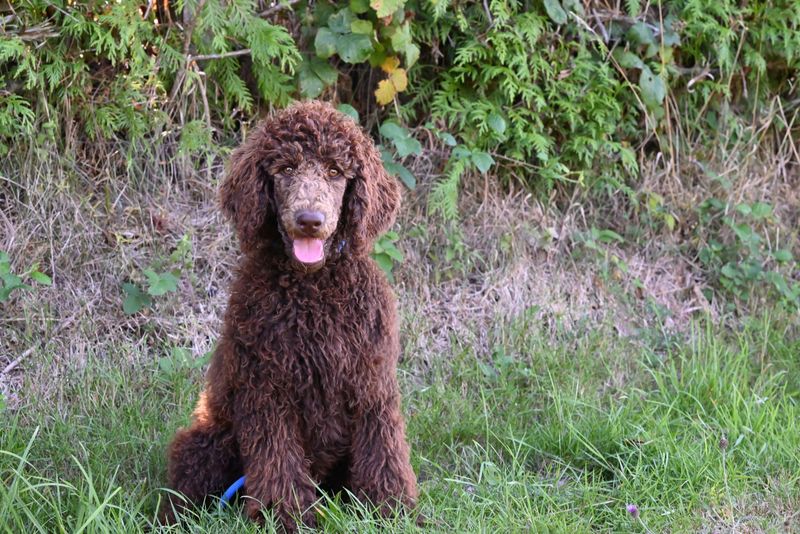
Standard Poodles are agile and clever, which cuts both ways during fetch. They tend to leap, twist mid air, and land off balance.
A sudden skip, carrying the leg, or cautious stairs after play can signal CCL strain. Because they learn quickly, habits change fast, so watch for refusal to jump.
Early rest and evaluation prevent spiraling setbacks.
Keep throws low with straight chases. Cross train with swimming, controlled trotting, and cavaletti to build even strength.
Maintain lean condition and keep coats trimmed around feet for traction. Use non slip runners indoors after big days.
If a tear happens, surgical stabilization plus diligent rehab often restores elegant movement. Smart management keeps your Poodle fetching without sacrificing those dancer like knees.