
Trigger stacking is when little stressors pile up until your dog feels overwhelmed. You might miss the early clues, then wonder why a small thing sparks a big reaction later.
Once you know what to watch for, you can intervene sooner and help your dog reset. Let’s decode the subtle signs so tomorrow’s walk feels calmer and safer for both of you.
Reacts to smaller things than usual
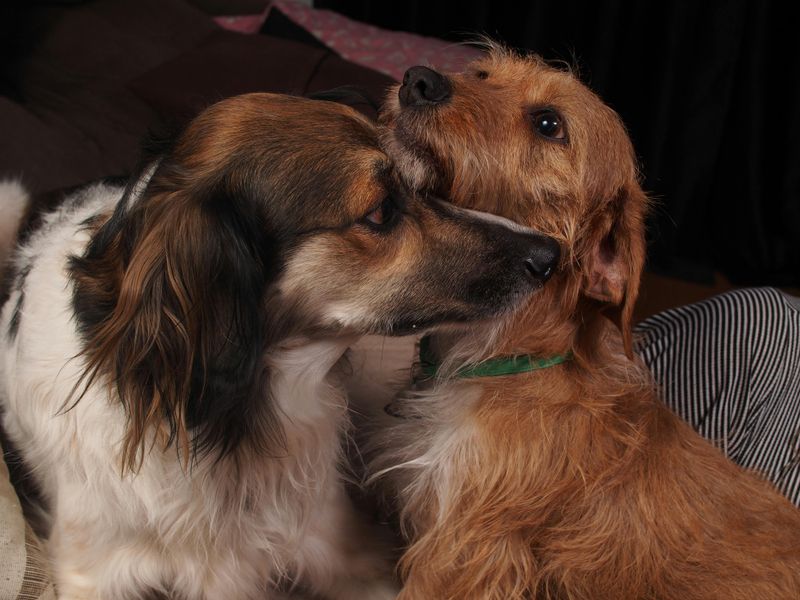
When stress stacks up, thresholds shrink. A dog that usually shrugs off bikes or squirrels might suddenly react to a rustling bag, a distant footstep, or a gentle touch.
You see bigger feelings about smaller things, like a bark where there used to be a glance.
This is not stubbornness, it is a nervous system broadcasting overload. Think of your dog as running on low battery, and every tiny spark looks louder than usual.
Your job is to note the pattern and create distance sooner.
Shorten outings, offer sniff breaks, and end on easy wins. If the world gets smaller, it is time to decompress.
Calm today can prevent a blowup tomorrow.
Can’t settle after walks
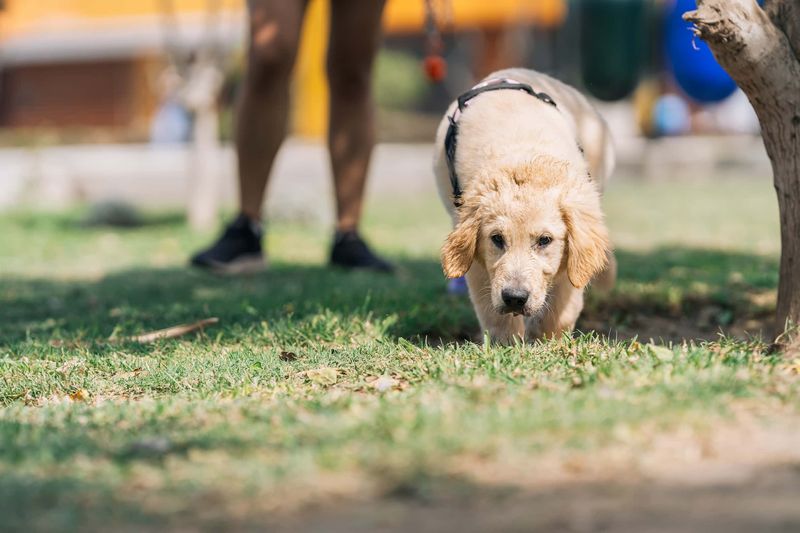
Walks should help your dog relax. If you come home and they pace, hover, and cannot downshift, stress likely outweighed fun.
The nervous system stayed switched on, replaying every near miss and startling sound.
Instead of longer routes, try calmer ones with more sniffing and fewer crowds. Offer decompression in a quiet yard or along a slow nature path.
Trade speed for control, predictability, and choice.
Back home, provide a chew, a lick mat, or scatter feeding. Dim the lights, skip rousing games, and avoid stacking more stimulation.
Rest is training. When settling returns, your walk plan is on track.
Pants even in cool weather
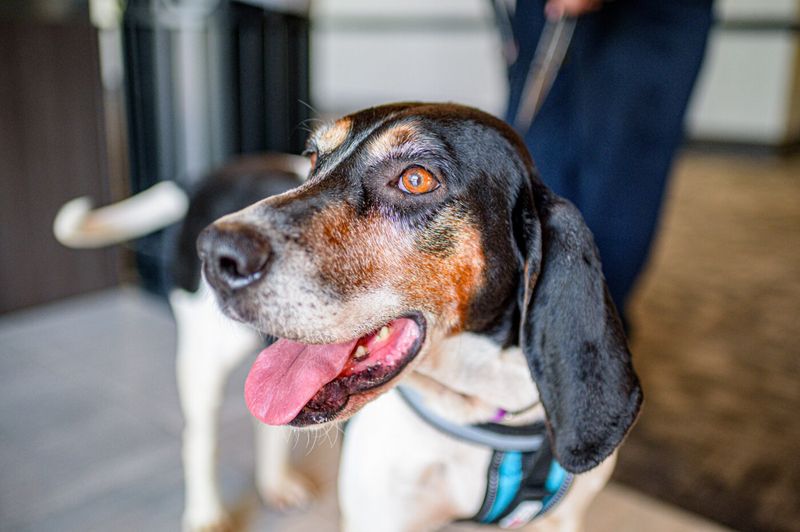
Panting is not just heat or exertion. In cool weather, noticeable panting can flag arousal, discomfort, or anxiety.
Combine it with wide eyes, shallow breaths, and tight facial muscles, and you are likely seeing stress.
Give space from triggers, slow the pace, and let your dog sniff. Water breaks help, but safety and distance matter more.
If panting spikes as you approach busy corners, reroute and lower the pressure.
Track patterns in a journal. Note time of day, locations, and events beforehand.
If panting persists, consult your vet to rule out pain, then a trainer for behavior support. Information turns guesswork into a plan.
Paces or can’t lie down
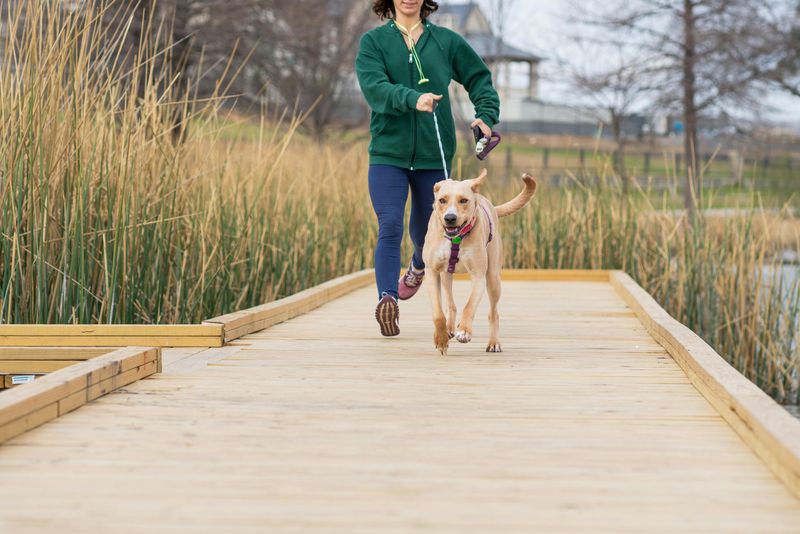
Restless pacing is your dog’s body saying it cannot power down. You might see circling, frequent position changes, or half hearted attempts to lie, then popping back up.
The nervous system is scanning for threats that felt unresolved earlier.
Help by creating a predictable wind down routine. Use a mat, white noise, and a chew to shift the brain toward calming.
Keep interactions low key and avoid training drills.
Short term, reduce stimulation for the next 24 hours. Choose quiet routes, limit visitors, and keep play gentle.
Over time, your dog will learn that home equals safety and stillness. Consistency teaches the body to exhale.
Startles at normal sounds
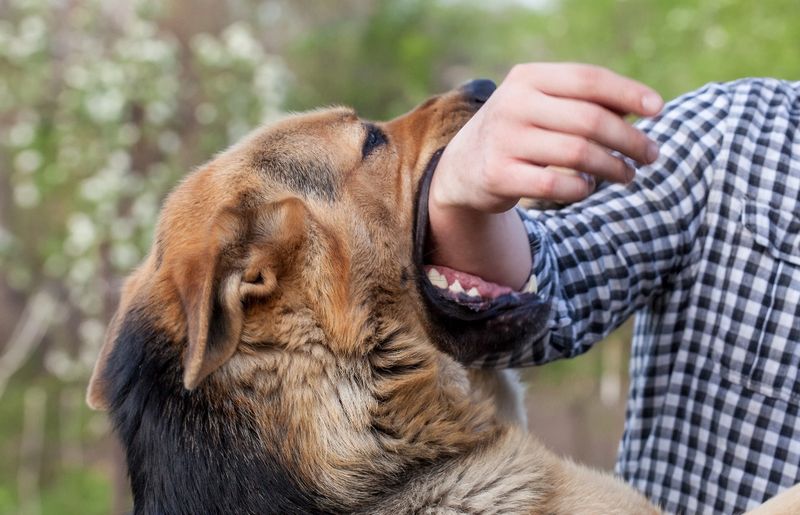
When ordinary noises cause big flinches, stress might be stacked high. A dropped spoon, a closing door, or footsteps upstairs should fade into background.
If they now spark jolts, the bucket is close to spilling.
Shift your agenda to recovery mode. Lower household noise, add predictable cues, and provide a safe landing spot like a covered crate or bed.
Stage gentle sound exposures paired with food only when calm returns.
Remember, startle response is reflexive, not defiance. Punishment increases fear.
Meet your dog where they are today, not where they “should” be. Small wins, repeated often, rebuild resilience.
Pulls harder and scans constantly
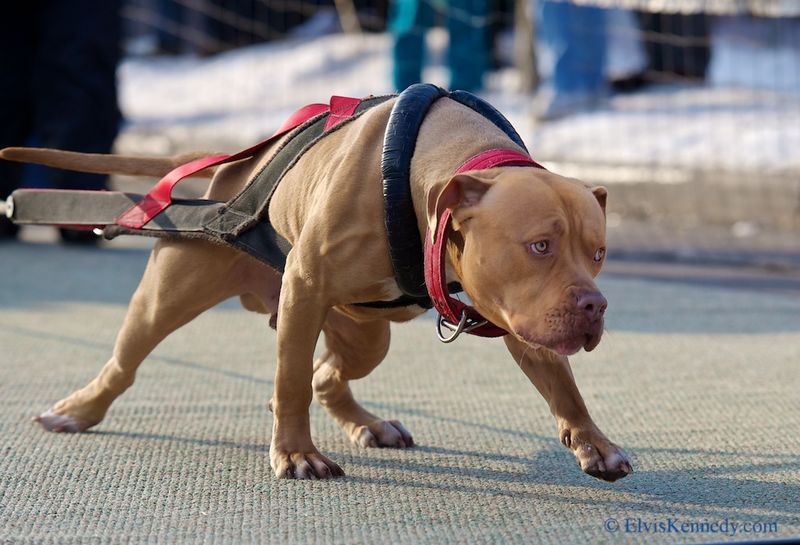
Constant scanning looks like a periscope head, stiff body, and quick darting eyes. Add heavy pulling and you have a dog trying to create distance or control.
It is a survival strategy, not rudeness.
Switch to calmer routes with fewer corners. Use a well fitted front clip harness for mechanical help.
Reward check ins, sniffing, and following you around visual blockers like cars and hedges.
Keep sessions short and end early if arousal climbs. The goal is not miles, it is nervous system safety.
When scanning settles, leash manners improve naturally. Build trust first, skills second.
Ignores cues they know well
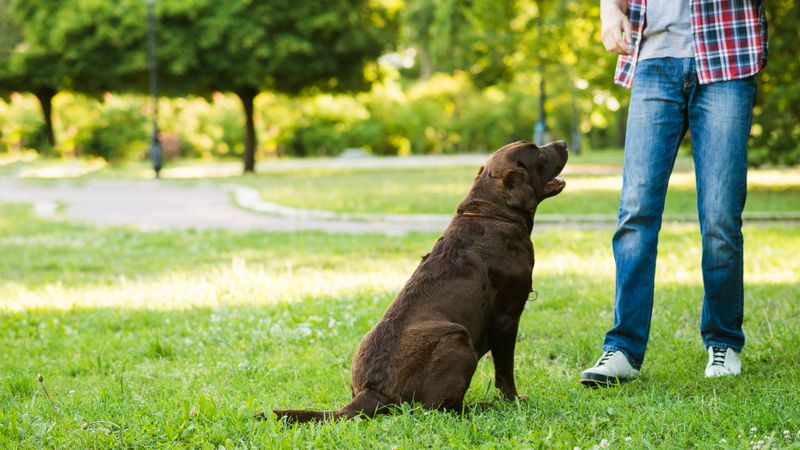
When stress rises, thinking skills drop. A reliable sit or come can vanish because the brain is busy staying safe.
Ignoring cues is not naughty, it is bandwidth loss.
Step down difficulty. Ask for easier behaviors at greater distance from triggers.
Pay generously for small successes and skip corrections that add pressure.
Later, rehearse cues in calm settings to refresh muscle memory. Layer in distractions gradually, keeping your dog under threshold.
The more safety you provide, the more skills return. Capacity comes before compliance, every time.
Mouth stays tight or closed
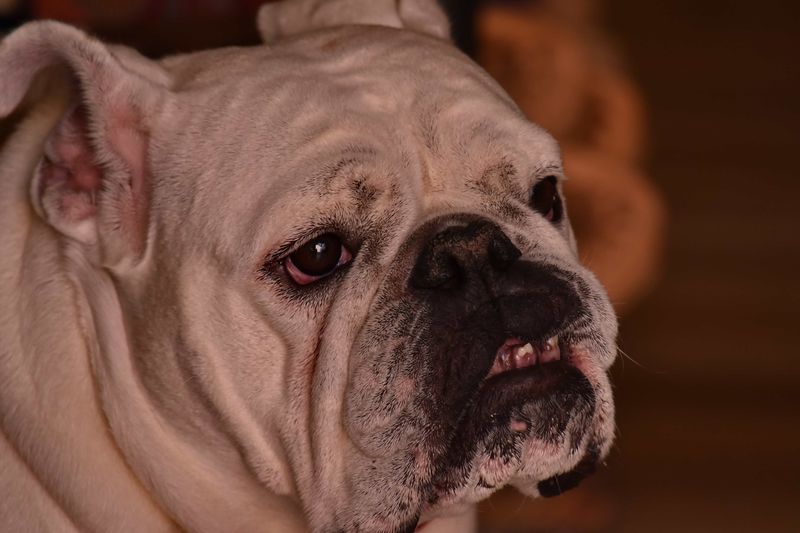
A tight mouth is a quiet stress tell. Watch for a closed mouth during easy moments when it would normally hang soft and open.
You might see tension at the corners, a flattened tongue, or shallow breathing.
Pair this with other signals like stiff ears, hard eyes, or a still tail. When several stack, take a break.
Create distance, offer sniffing, and keep hands gentle and slow.
Teach a relaxed chin rest or breathy hand target in low pressure spaces. These become anchors you can use outside.
The goal is not perfect behavior, it is a soft body. Soft bodies learn well.
Sleep gets worse that night
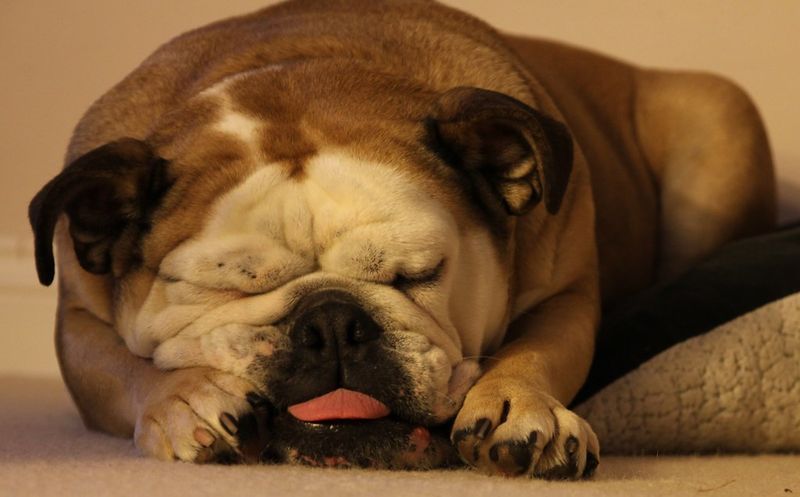
Poor sleep after a busy day is a giant clue. You might notice restless shifting, more wake ups, or choosing the hallway over their bed.
The brain is still processing yesterday’s stress reel.
Support recovery with an early evening, calm enrichment, and a quiet bedroom. White noise helps mask bumps and car doors.
Keep the morning easy to prevent more stacking.
Track sleep quality for patterns. If rough nights follow specific routes or visitors, adjust plans.
Consider vet input for pain and a trainer for behavior support. Good sleep is medicine.
Protect it fiercely.
Next-day “random” reactivity
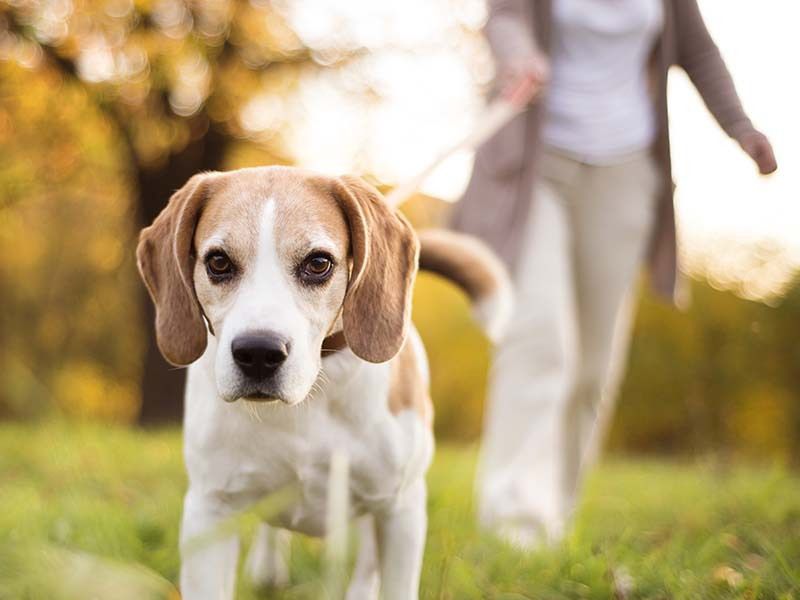
Reactivity that seems random the next day is often yesterday’s stress finally spilling. The bucket did not empty overnight, so thresholds stay low.
Small triggers turn big because capacity is gone.
Respond by shrinking the world temporarily. Choose low traffic times, widen distance, and give your dog a say with choice points.
Reinforce calm glances and smooth head turns away from triggers.
Later, rebuild resilience with decompression walks, restful days, and gentle pattern games. Keep notes so you can predict and prevent.
When you respect the nervous system’s timeline, progress sticks. Tomorrow’s calm starts with today’s recovery.