
If your dog thinks fetch is a full time job, you are not alone. Certain breeds turn play into a mission, and that single minded focus can spiral into anxiety, reactivity, and nonstop pestering.
The good news is you can channel that energy into healthier outlets that calm the mind and body. Let’s unpack the breeds most likely to fixate and how you can guide that drive without losing your sanity.
Border Collie
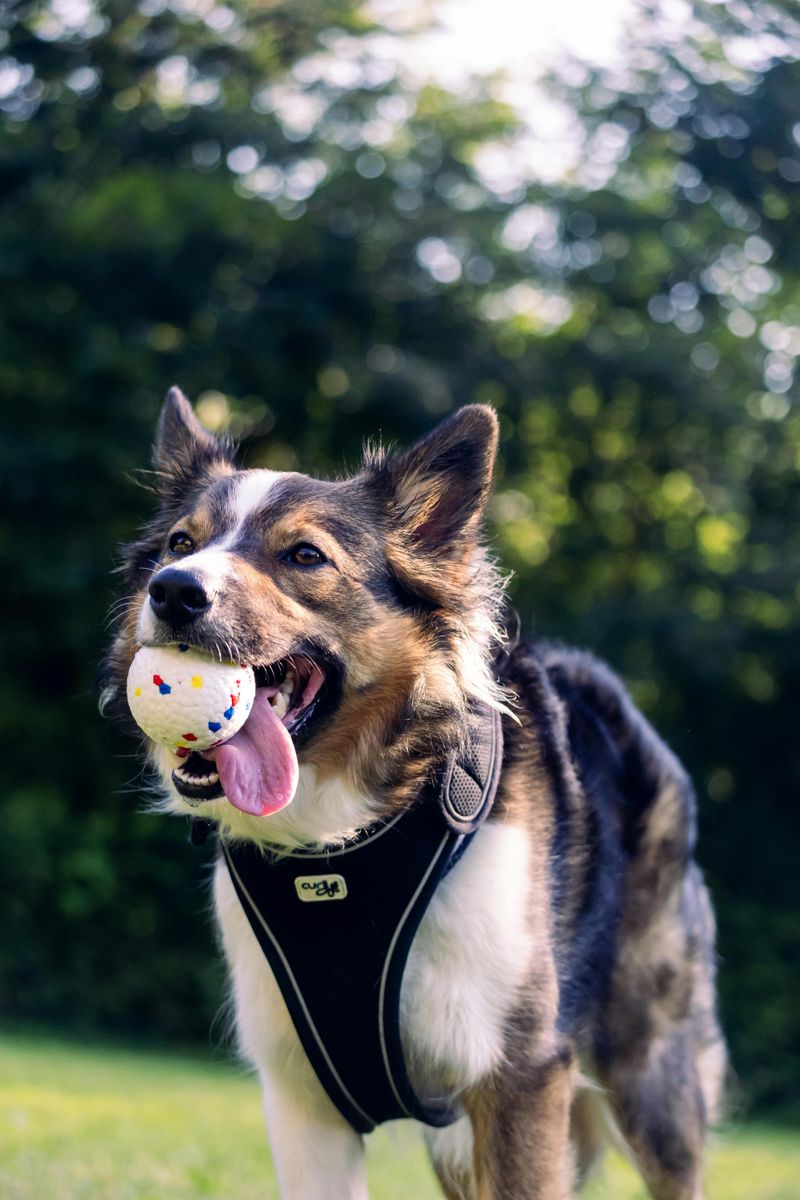
Border Collies were practically engineered to obsess. That laser stare, quick thinking, and bottomless gas tank can morph into ball fixation if you do not set boundaries.
Without brain work, you will see spinning, stalking shadows, and relentless pestering for just one more throw.
Channel the drive with structured fetch, not chaotic marathons. Add impulse control: sit before release, down between throws, and surprise breaks to sniff.
Daily jobs like scent games, herding lessons, or agility satisfy purpose and reduce frantic energy.
Rotate toys and end sessions early while your dog still wants more. Teach a firm all done cue and pair it with calm mats.
A tired mind beats miles of fetch every time.
Australian Shepherd
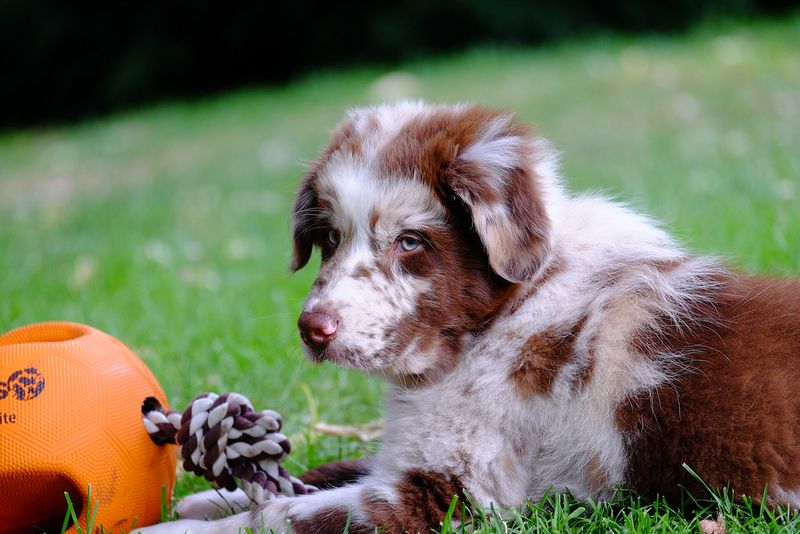
Australian Shepherds read your every twitch, so a flung ball becomes a binding contract. Their smarts and sensitivity can create feedback loops of demand barking and herding you toward the toy bin.
Left unchecked, that focus turns into guarding the ball or chasing bikes for a quick dopamine hit.
Break the cycle with training games that pay for patience. Ask for eye contact, then release to fetch.
Mix in sniff walks and trick training to diversify rewards.
Use calm gear like long lines for structured play and finish on a settle cue. Crate or place time helps them decompress.
Keep sessions short, switch locations, and give chewing outlets to smooth the edges on that buzzing brain.
Belgian Malinois
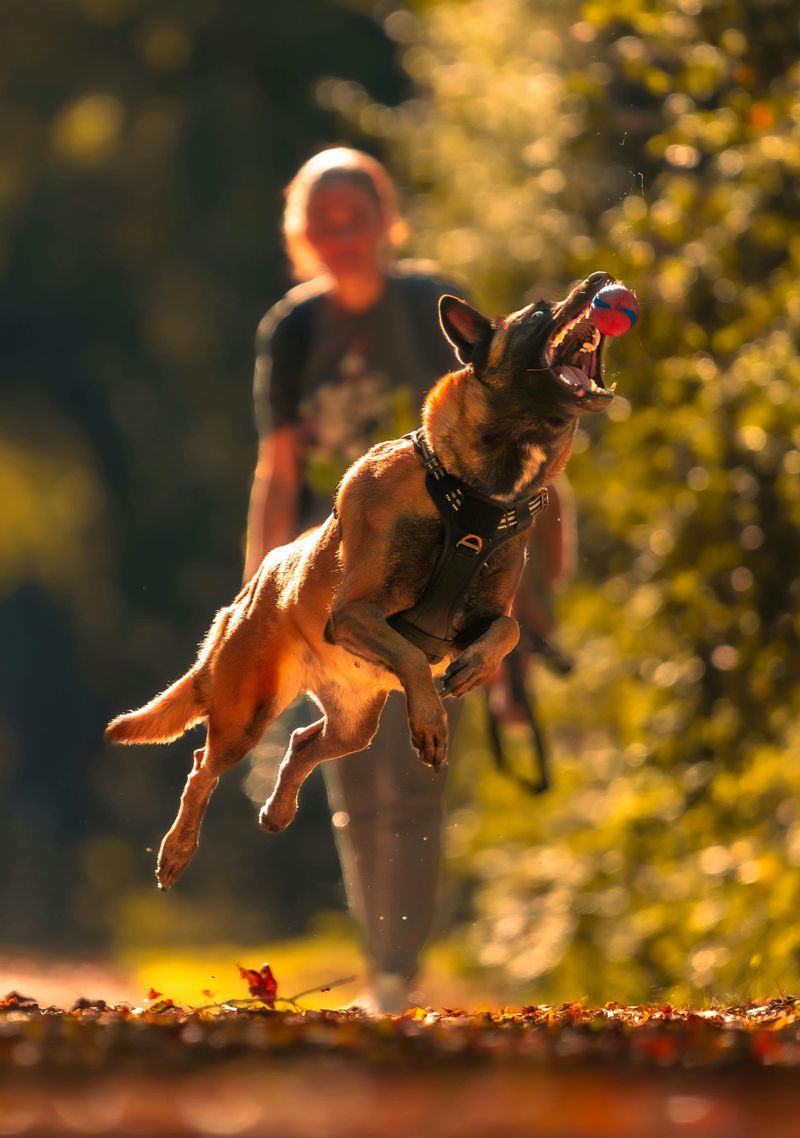
A Malinois does not just love the ball. It treats the ball like a mission objective.
Drive plus nerves can make fetch feel like a pressure cooker, leading to mouthing, frantic pacing, and explosive reactions if the game ends.
Swap endless throws for bite pillows, spring poles, and tug with rules. Start and stop on cues, require grips on command, and use outs for clarity.
Insert obedience between reps to bleed off arousal and build control under excitement.
Daily decompression is non negotiable. Sniffing fields, scatter feeding, and place training protect the nervous system.
If you feel overwhelmed, partner with a balanced trainer experienced with high drive working dogs.
German Shepherd Dog
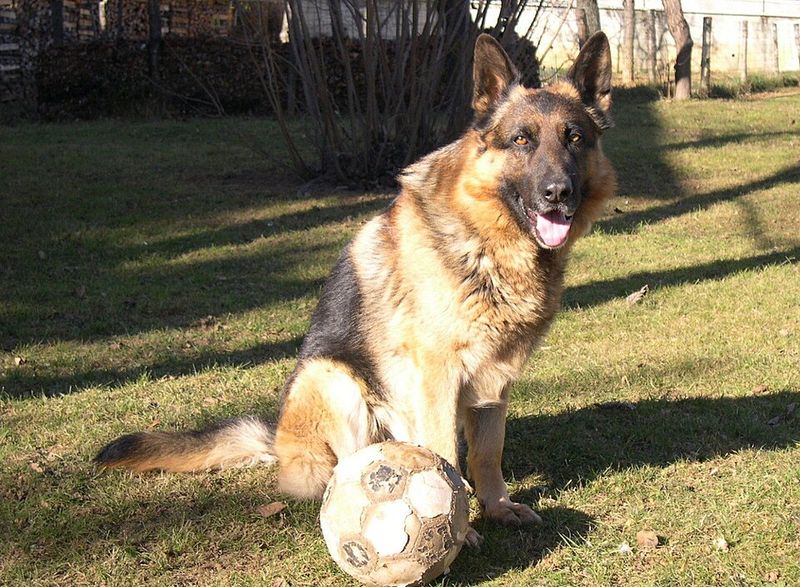
German Shepherds thrive on purpose, so a ball easily becomes the job. Repetitive fetch can inflate adrenaline, creating whining, pacing fences, and fixating on reflections.
Joints also pay the price if you chase vertical leaps or hard stops on slick surfaces.
Trade volume for structure. Ask for heel, sit, then a single throw.
Practice outs, hand targets, and mid game settles. Mix tracking games, obedience drills, and calm treadmill walks to meet needs without spiking arousal.
Use varied textures and locations to prevent pattern addiction. Teach find it searches with the ball hidden in low grass.
End with massage or long chews so your dog lands softly instead of crashing after the high.
Labrador Retriever
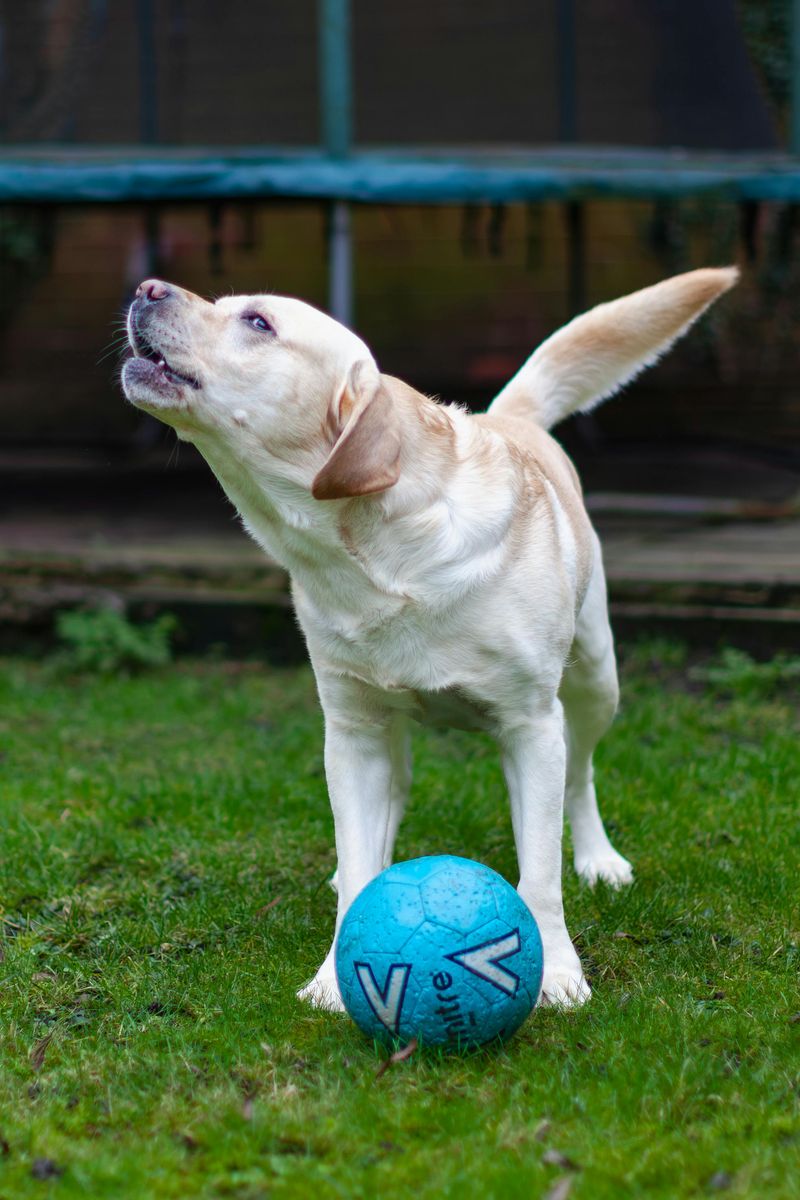
Labradors were born to retrieve, and many would swim across counties for a floating bumper. That joyful obsession can become nonstop nagging, dropping soggy toys in your lap and ignoring every cue when the ball appears.
Weight gain and joint strain lurk when fetch becomes the only exercise.
Replace marathon retrieves with intervals. Five focused throws, then a sniff break and training reps.
Use water work for low impact sessions and vary objects to keep brains engaged.
Teach a parked fetch where the ball stays until released. Reinforce calm holds and clean deliveries to hand.
Round out the routine with food puzzles and nosework so your Lab sleeps satisfied, not simmering for the next toss.
Golden Retriever
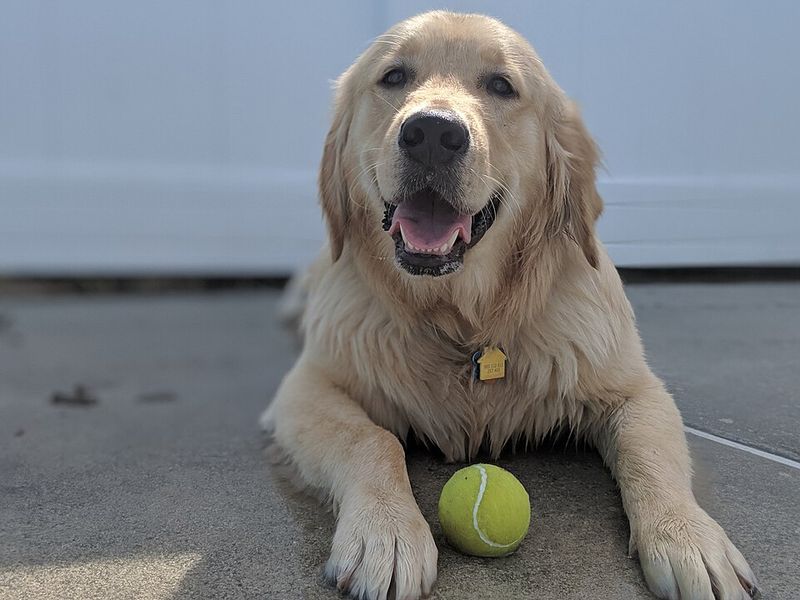
Goldens adore pleasing you, and the ball often becomes the love language. That sweetness can morph into pleading stares, pawing, and soft whining that never ends.
Repetition without structure builds anticipation spikes, followed by meltdowns when play stops.
Make manners the gateway to fetch. Ask for calm sits, chin targets, and steady holds before release.
Split sessions with leash walks and scatter feeding to dial down arousal.
Rotate locations and cues so fetch is not the only party. Teach retrieve to different objects, even a plush toy placed on a mat.
End with cuddle decompression and a stuffed Kong so the transition from action to rest feels rewarding, not unfair.
Jack Russell Terrier
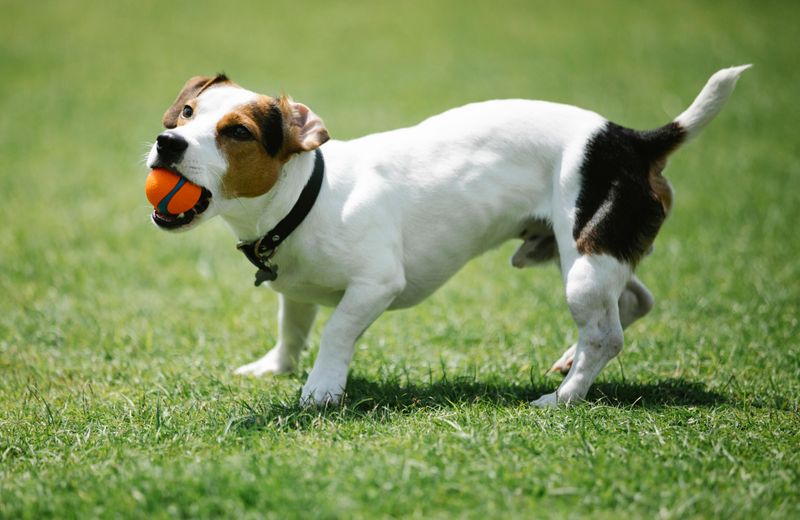
Jack Russells are pocket rockets with opinions. A bouncing ball can light the fuse, triggering shrieking, zoomies, and epic digging when you stop.
Their hunting instincts love fast movement, so fetch easily eclipses listening skills and rest.
Start with rules: quiet earns the throw, and barking pauses the game. Use fetch to practice impulse control with sits, downs, and stay then release.
Keep sessions short, then channel energy into scent boxes or supervised digging pits.
Long lines help prevent runaway chases. Teach retrieve to hand, not victory laps.
End with snuffle mats and sunbathing to relax that spring loaded body, turning obsession into a tidy, satisfying ritual.
Australian Cattle Dog
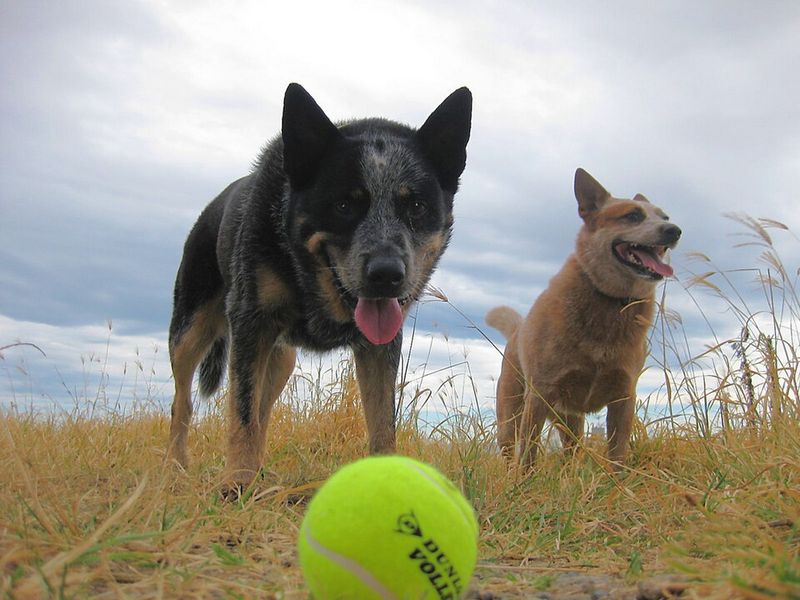
Cattle Dogs bring grit and grit brings fixation. They will work the ball like livestock, circling and heel nipping if arousal spikes.
Without structure, you may see guarding, intense staring, and redirected nips when the game ends suddenly.
Use jobs to your advantage. Put obedience between throws, practice direction changes, and finish with a down on a mat.
Tug with clear outs channels mouthiness safely and predictably.
Plan decompression daily. Rural style sniff walks, puzzle feeders, and trick chains drain the mental battery.
Keep sessions brief, vary terrain, and protect joints with controlled retrieves. A clear all done plus a chew toy closes the loop and prevents post play tantrums.
Vizsla
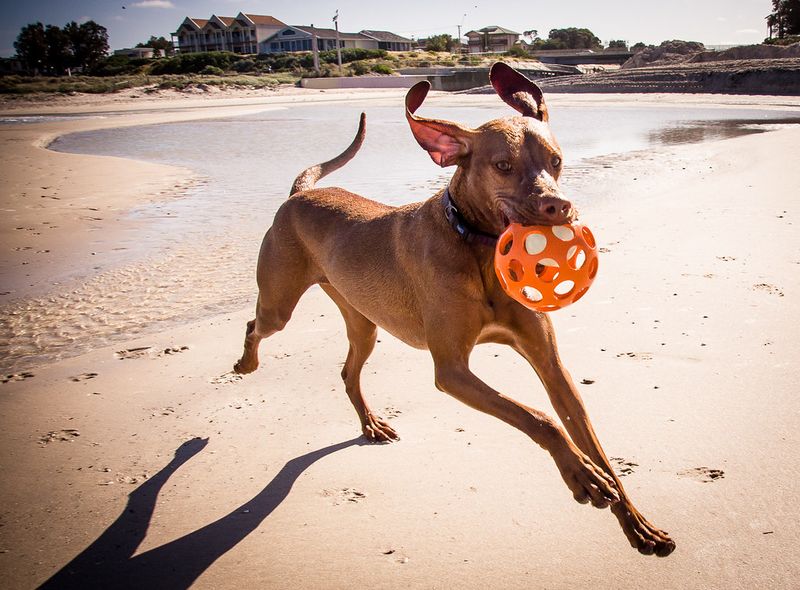
Vizslas are velcro athletes who crave motion and closeness. The ball offers both, which can create clingy demand behaviors and frantic pacing when separated.
Overthrowing builds cardio monsters without teaching any off switch, and you will feel it at bedtime.
Blend movement with mindfulness. Practice place training, then release for two crisp retrieves.
Add nosework hides for the ball to engage their natural hunting style without constant sprinting.
Use softer ground and low arcs to protect joints. Teach drop into hand and reward with a calm stroke, not another throw.
Close with cuddle time and licking mats. Your sensitive red shadow will relax faster with predictable rituals and variety.
Weimaraner
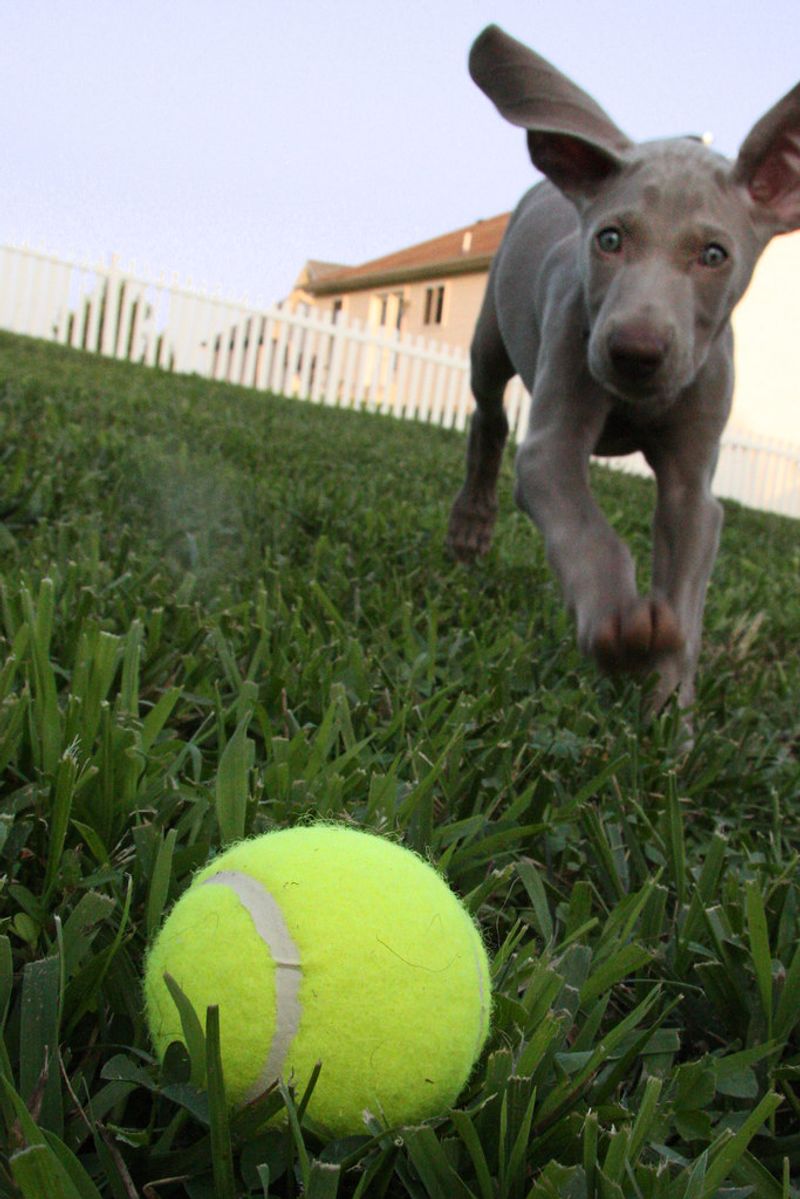
Weimaraners lean intense and clever, so repetitive fetch can become a compulsion. Expect pacing windows, vocalizing, and sneaky ball theft from counters if you let the obsession run.
Their bodies are powerful but prone to overuse if you chase endless sprints.
Introduce variety. Hide the ball for tracking, alternate with tug, and sprinkle obedience between retrieves.
Reward calm with access to the game, not the other way around.
Use predictable end cues and enforce rest with crate naps or mat settles. Add swimming or hill walks to distribute strain.
Mental work like shaping tricks taxes the brain in healthier ways, leaving your gray ghost content without chasing stimulation late into the evening.
Dalmatian
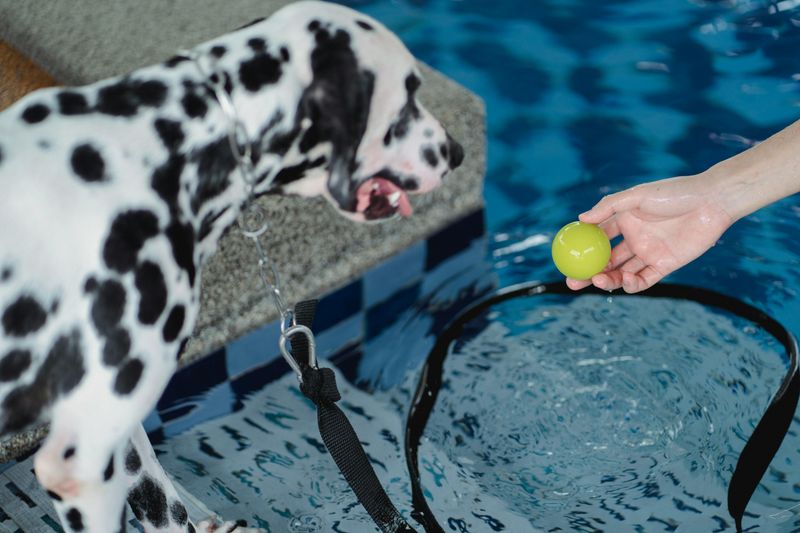
Dalmatians are endurance specialists with a flair for routine. A daily fetch habit quickly becomes mandatory in their minds, and you will hear protests if the schedule slips.
High repetition can trigger overarousal, toy guarding, and wear on hips and shoulders.
Balance miles with manners. Use leashed warmups, then a few structured throws.
Insert obedience, nosework, and target games to stretch the brain. Reward quiet eye contact before launch to reduce frantic starts.
Rotate environments and objects to prevent pattern addiction. Teach a parking spot for start and end of play so transitions feel safe.
Hydration, cooldown walks, and chew time finish sessions without emotional whiplash, leaving the spotted athlete satisfied and sane.