
The debate over when to spay or neuter is louder than ever, and certain breeds keep landing in the crossfire. You want the healthiest future for your dog, but every article seems to say something different.
Vets caution about joints and hormones, shelters emphasize population control, and breed communities offer passionate anecdotes. Let’s cut through the noise by looking at the most debated breeds and what timing questions owners are actually wrestling with.
Golden Retriever

Golden owners argue because this breed is linked to orthopedic risks and cancer considerations. Early spay or neuter may lower certain behavior and reproductive issues, yet studies suggest waiting can reduce cruciate ligament injuries.
Hormones influence growth plates, so timing affects joints, coat, and even energy levels.
Many veterinarians recommend waiting until near skeletal maturity, often 12 to 18 months. Others balance lifestyle needs, like multi-dog homes or daycare requirements, which may push earlier scheduling.
You should discuss family risk tolerance, training progress, and your dog’s body condition.
Ask your vet about breed-specific cancer data, growth milestones, and alternatives like vasectomy or ovary-sparing spay. There is no one-size-fits-all.
Personalized planning wins.
Labrador Retriever
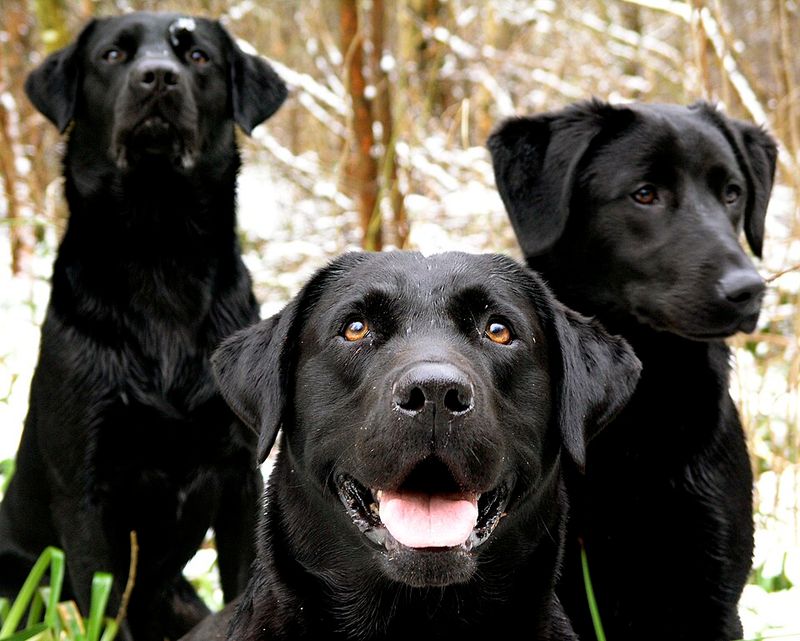
Labs grow fast and love activity, so timing choices often center around protecting joints. Early alteration may reduce roaming and some behaviors, but it can increase cruciate and hip stress if growth plates close differently.
Owners juggle daycare rules, intact dog management, and training goals.
Many choose twelve to eighteen months for large males, sometimes earlier for females to avoid accidental litters. Field-bred Labs with demanding sports schedules might wait longer under a vet’s guidance.
Talk about body condition, genetics, and orthopedic screening.
Your vet may suggest a tailored window based on growth tracking and lifestyle. Consider hormone-sparing options when available.
Consistency with weight management and controlled exercise matters just as much as timing.
German Shepherd Dog

German Shepherd guardians debate timing because hips, elbows, and cruciate ligaments are constant concerns. Early spay or neuter may help with certain behaviors, yet delaying can support musculoskeletal development.
These dogs often work in sport or service, intensifying conversations around hormones and performance.
Some trainers encourage waiting until 18 to 24 months for intact hormones to guide growth and drive. Families balancing suburban life may aim earlier for practicality and reduced heat cycle management.
Weigh breed history, working goals, and household logistics.
Discuss screening for joint disease, pain management, and conditioning plans with your vet. A staged approach with behavioral supervision can bridge the gap.
The best plan respects both health evidence and daily realities.
Rottweiler

Rottweilers spark strong opinions because of orthopedic load and cancer considerations. Early alteration can reduce accidental litters and some aggression-linked behaviors, but many worry about ligament injuries and bone development.
Hormonal timing influences frame, muscle, and confidence.
Breeders and working homes often favor waiting until at least 18 months, sometimes two years, to protect joints. Urban households with limited intact management may opt earlier, using training and supervision to compensate.
Evaluate temperament, exercise demands, and genetic screening.
Ask your vet about breed-specific risks, growth curves, and body condition scoring. Consider alternatives like vasectomy or ovary-sparing procedures if available locally.
Ultimately, your daily management capacity shapes the safest timing choice.
Boxer

Boxers bring cancer conversations front and center, and that colors spay or neuter timing debates. Early procedures can simplify life and reduce some reproductive issues, yet many owners weigh potential hormone benefits for tissue and joint health.
Activity level and sensitivity to heat cycles matter.
Some vets suggest waiting to at least first maturity milestones, while monitoring behavior and environment closely. Families concerned about accidental breeding may choose earlier with a strict management plan.
Ask about emerging data, since Boxer-specific studies are still evolving.
Discuss heart screening, body condition, and cancer awareness with your veterinary team. Tailor exercise and training to reduce stress on developing joints.
The plan that fits your routine consistently is usually the safest choice.
Doberman Pinscher
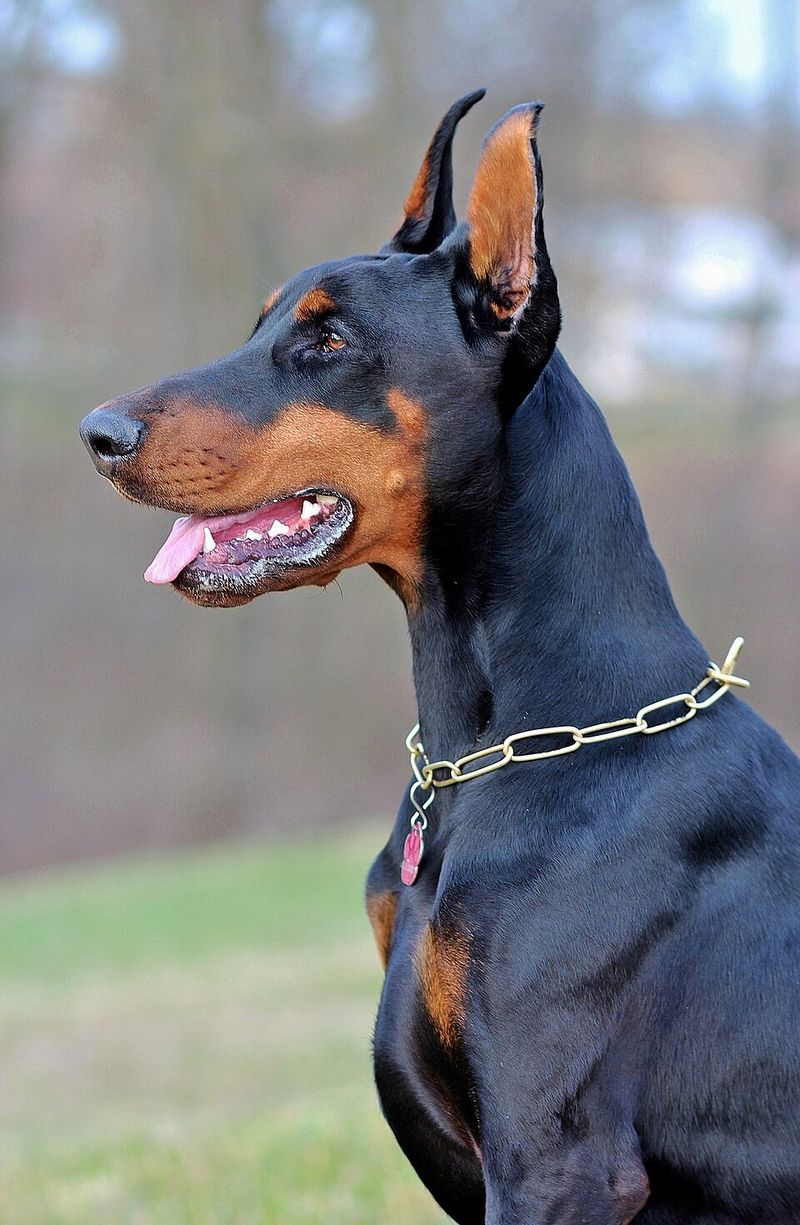
Dobermans are athletic and sensitive, so timing affects structure, drive, and behavior management. Early alteration may help with roaming and marking, but delaying can support joint stability and muscular development.
Some owners also consider breed health testing like DCM monitoring when planning surgery.
Working and sport homes often wait until 18 to 24 months, depending on growth and training goals. Families prioritizing ease may schedule earlier with strict leash, crate, and supervision habits.
Your dog’s temperament should guide decisions as much as size.
Consult a vet experienced with dobermans about heart screenings, recovery plans, and pain control. Consider hormone-sparing options if you need population control but want structural benefits.
A thoughtful, staged approach usually works best.
Great Dane
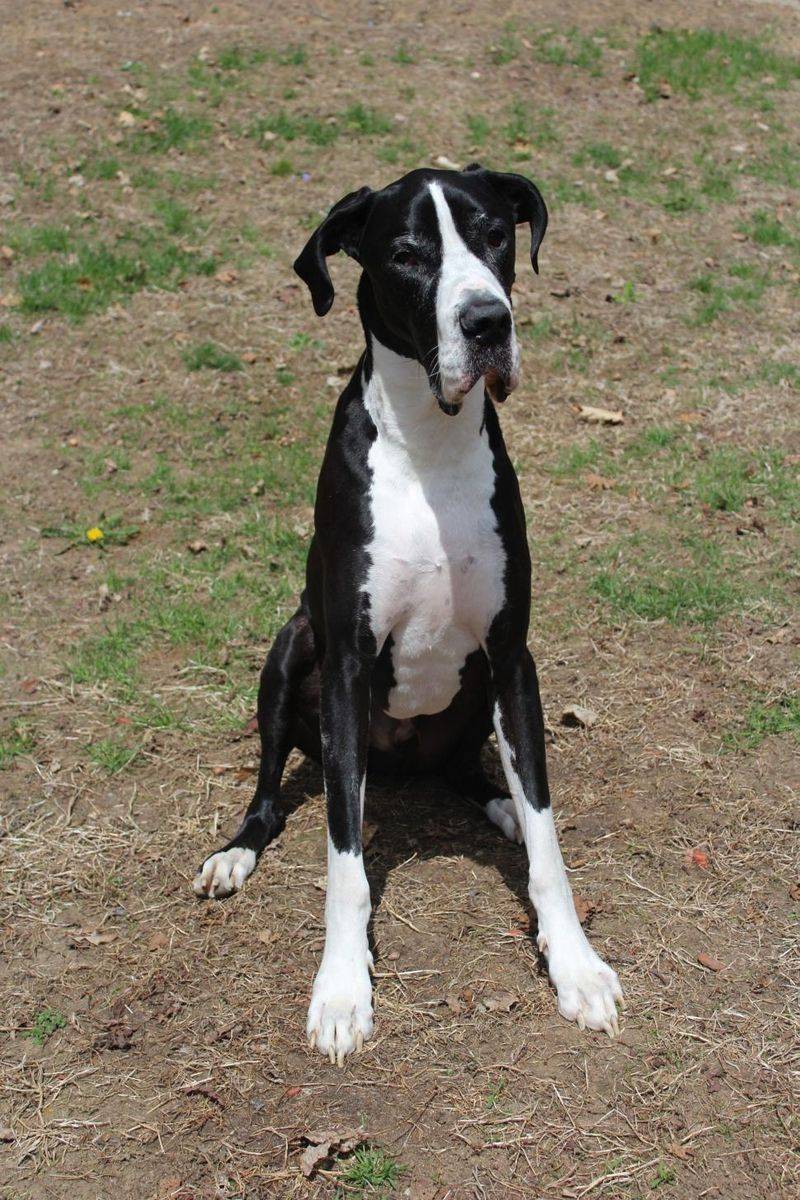
Giant breeds like Great Danes complicate timing because growth plates close later and orthopedic risks are high. Early alteration may simplify management but can alter stature and ligament vulnerability.
Owners often balance bloat awareness, rapid growth, and gentle conditioning.
Many veterinarians recommend waiting until skeletal maturity, often 18 to 24 months, especially for males. Females might be timed between heats to minimize risk and household stress.
Keep weight lean and activity controlled during growth.
Discuss anesthesia safety for giants, gastropexy options, and tailored recovery. Your vet can chart growth metrics and adjust timelines.
With Danes, patience pays dividends, as careful timing plus smart nutrition protects long-term mobility and comfort.
Bernese Mountain Dog

Berners face cancer conversations and heavy orthopedic loads, making timing contentious. Early procedures reduce reproductive risks and simplify mixed-gender households, yet delaying can support joint integrity and balanced growth.
Owners often factor in hiking habits and cold-weather activity.
Some vets advise waiting to 18 months or more, especially for males, while managing behavior proactively. Families worried about accidental breeding may choose earlier with strict supervision and training.
Keep weight trim to protect hips and elbows.
Ask your vet about emerging cancer data, anesthesia plans, and post-op joint protection. Consider ovary-sparing spay or vasectomy when available.
The best decision fits your daily capacity and respects this breed’s slower maturation timeline.
Standard Poodle

Standard Poodles are athletic, clever, and often kept intact for sports, which shapes timing debates. Early spay or neuter may simplify grooming visits and social settings, but waiting can benefit joint and coat quality.
Some guardians also weigh autoimmune considerations in family lines.
Sport homes might delay until 14 to 24 months, guided by performance goals and maturation. Companion homes often choose an earlier window with strong training and management.
Your dog’s coat maintenance and social calendar matter too.
Review thyroid screening, recovery logistics, and pain management with your vet. Consider hormone-sparing procedures if you need contraception without full gonad removal.
Tailor the plan to lifestyle, not just the calendar, and you will feel confident.
Cocker Spaniel

Cockers raise timing questions around behavior, ear health, and potential endocrine issues. Early spay or neuter may curb roaming and reduce certain reproductive diseases, but waiting can support musculoskeletal balance.
These sweet dogs often live in close quarters, so heat cycles and marking affect daily life.
Many families choose a middle-ground timeline, coordinating with training progress and home management. Discuss grooming schedules and ear care, since post-op exercise restrictions can complicate maintenance.
Your routine ultimately shapes the safest decision.
Ask your vet about breed risks, anesthesia sensitivity, and pain control. Consider alternatives if population control is essential but hormonal benefits are desired.
With consistent weight control and exercise, timing becomes one part of a larger wellness strategy.
Dachshund

Dachshunds spark unique concerns because of long backs and intervertebral disc disease risk. Some owners fear early alteration could affect muscle tone supporting the spine, while others prioritize behavior and accidental litter control.
Weight management is critical regardless of timing.
Vets may suggest waiting until skeletal maturity while maintaining strict activity moderation and core-strengthening play. Apartment living and multi-pet households sometimes push earlier procedures, demanding careful supervision.
Use ramps and avoid jumping during growth and recovery.
Discuss spine health, anesthesia planning, and pain protocols with your vet. Consider laser therapy post-op and targeted conditioning.
With thoughtful timing and daily ergonomic habits, you give that long back the best chance to stay resilient.
Siberian Husky

Huskies are energetic escape artists, so timing includes management of roaming and drive. Early spay or neuter can reduce some behaviors, but waiting may support joint health in a breed built for endurance.
Coat changes and seasonal shedding also influence owner preferences.
Active homes often delay until 12 to 18 months while doubling down on training and secure fencing. Urban families may schedule earlier for simplicity and daycare compliance.
Balance athletic plans with supervision capacity.
Ask your vet about orthopedic screening, recovery after heavy exercise, and nutrition to keep lean muscle. Consider alternative procedures if you want contraception with hormonal preservation.
In the end, your lifestyle and consistency decide the safest timeline.