
Nighttime zoomies, shadow staring, and eerie hallway pacing have dog owners swapping stories like ghost hunters. If your pup turns into a flashlight-dodging gremlin after sunset, you are not alone.
The witching hour can bring out quirky instincts, pent-up energy, and breed-specific quirks that feel supernatural. Let us decode the late-night madness so you can sleep a little easier.
Basset Hound
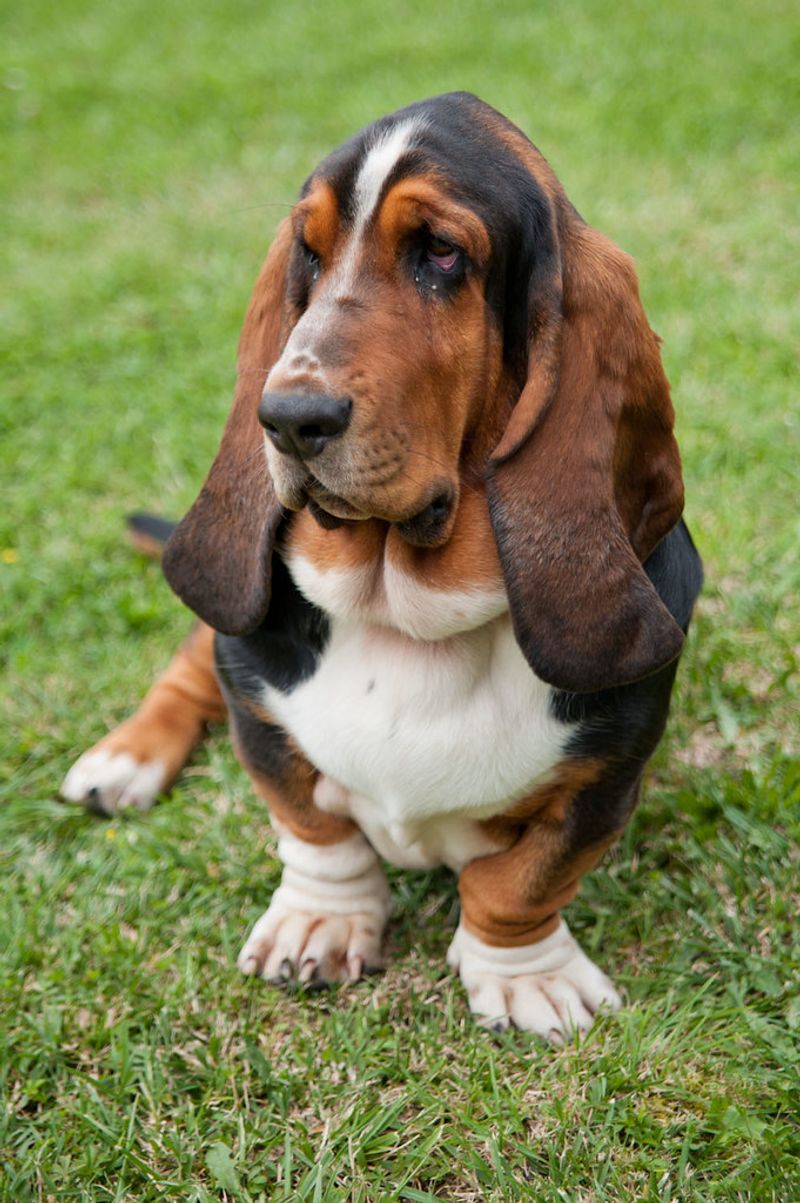
Basset Hounds tend to patrol the house like sniffing detectives, even at midnight. Those legendary ears scoop up scents, and the nose keeps working long after you are ready for bed.
If your Basset seems possessed, it is usually just scent-driven curiosity refusing to clock out.
Nighttime howls can be triggered by distant sirens, critters, or shifting air pressure. Offer a late sniffy walk, puzzle feeders, and a comfy, scent-rich bed to ground that busy nose.
Keep lights low, add white noise, and avoid feeding into melodrama.
Consistent routines help this soulful clown settle. Gentle, low-key play before bedtime releases energy without amping arousal.
A stable sleep spot near you eases anxiety and stops the spectral hallway shuffle.
Beagle

Beagles are scent missiles, and night unlocks a fragrance buffet. Cool air concentrates smells, so your Beagle may pace, bay, and air-scent like a paranormal investigator.
It is not possession, just biological programming turned up to eleven.
Create a scent job before bed: scatter feed, snuffle mats, and slow foraging games. Keep blinds closed so wildlife does not trigger baying.
A crate or pen can feel like a den and reduce hallway stakeouts.
Teach a calm mat routine and reinforce quiet with tiny treats. Late potty trips plus controlled sniff breaks reduce frustration.
When that siren wails, redirect with a cue and reward silence so the midnight chorus fades over time.
Brittany
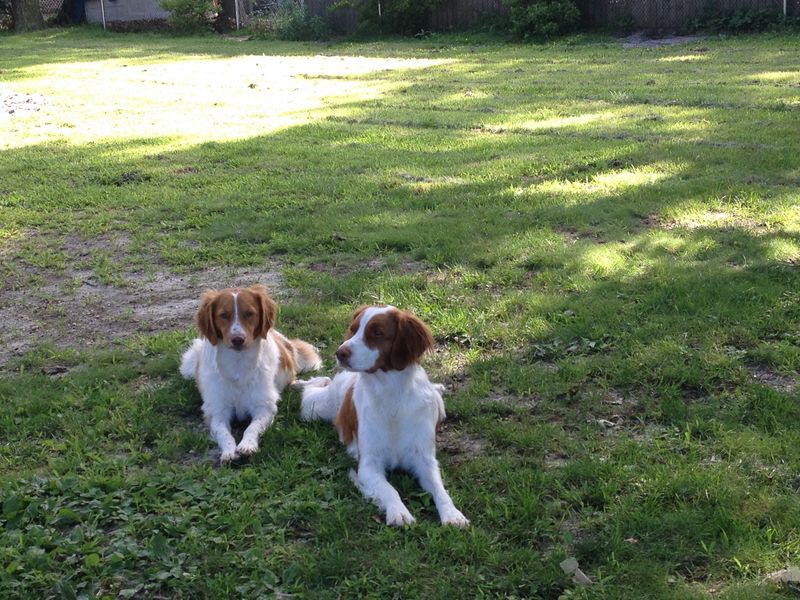
Brittanys are high-drive bird dogs who struggle with off-switches, especially when under-exercised. The witching hour often looks like sprinting circuits, couch parkour, and hypervigilant window watching.
It feels spooky, but it is really unused energy seeking a job.
Front-load the day with aerobic work and brain games. Field retrieves, scent drills, and structured fetch help.
Two shorter workouts beat one marathon session, and a decompression sniff walk before dusk smooths arousal.
At night, pivot to calm skills: place training, lick mats, and massage. Dim the environment, use predictable cues, and avoid roughhousing after dinner.
A lightweight indoor tether session teaches settle. Channel the athlete, and bedtime stops feeling like a haunting.
English Pointer

English Pointers brim with intensity, scanning for movement even in low light. When the house quiets, tiny sounds and street shadows can spark sentinel mode.
That statuesque point at 1 a.m. is not ghost tracking, just a hunter’s brain on duty.
Meet the drive with structured outlets: long-line field walks, recall games, and controlled chase play earlier in the day. Practice down-stay on a cushy mat with gradual duration near bedtime.
Reward soft eyes and loose muscles.
Block visual triggers by closing curtains and parking the bed away from windows. Offer a chew that lasts 15 minutes, then fade the environment to sleepy.
Consistency transforms their vigilance into predictable, peaceful nights.
German Wirehaired Pointer

German Wirehaired Pointers combine grit with relentless curiosity. At night, that translates into perimeter checks, floor sniffing, and alert barking at phantom rustles.
It reads spooky, but it is protective energy plus working-drive overflow.
Burn the fuse thoughtfully: tracking lines, nosework hides, and endurance walks. Rotate tough chews and enrichment to prevent frantic pacing.
A body-warming vest or snug shirt can lower arousal for some dogs.
Teach a reliable go-to-bed cue and link it to deep breathing time with slow petting. Keep the sleeping area quiet and dim, away from doors.
With clear jobs in daylight and soothing rituals at dusk, their inner night guard clocks out.
Irish Setter

Irish Setters bring exuberant flair that can spike after sunset. When attention needs are unmet, you might get playful nips, bed zoomies, and dramatic side-eye at closed doors.
It is theatrical, not supernatural.
Schedule romps and training reps earlier, then shift to chill mode hours before bed. Polite settle cues with variable rewards build impulse control.
Use scent-based enrichment rather than high-arousal fetch late at night.
Soothing routines matter: brushed coat, gentle ear rubs, and a predictable wind-down playlist. Keep late meals small to avoid stomach restlessness.
With connection plus boundaries, the midnight stage performance fades into a quiet curtain call.
Gordon Setter
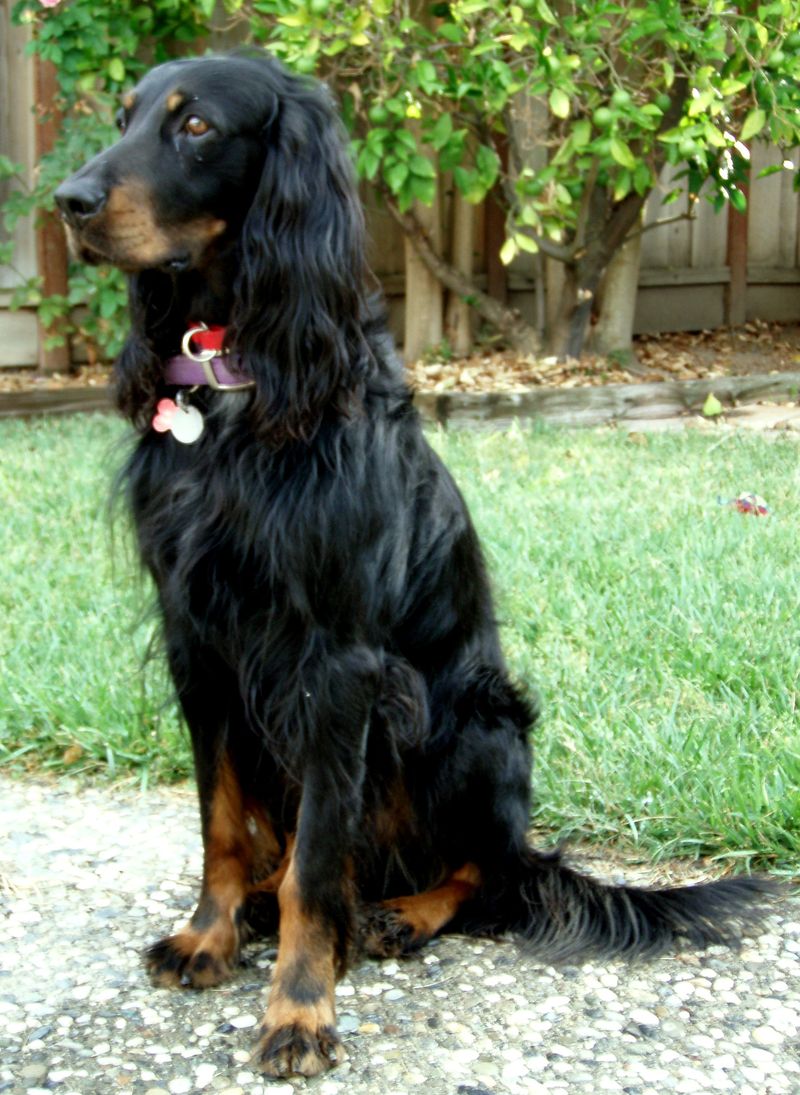
Gordon Setters are thoughtful, loyal hunters who can turn into dignified night sentries. Expect window posts, low chuffs, and slow hallway patrols if stimulation runs low.
It looks eerie because they move with deliberate purpose.
Offer strategic outlets: controlled pointing games, pattern training, and long sniff walks. Teach a strong settle on a defined bed with quiet reinforcement.
Curtains, white noise, and a consistent bedtime signal reduce guard loops.
Quality companionship matters for this breed. A brief evening obedience session satisfies their brain without spiking energy.
Given clear structure and calm connection, the midnight watch dissolves into a restful, noble snooze.
Whippet
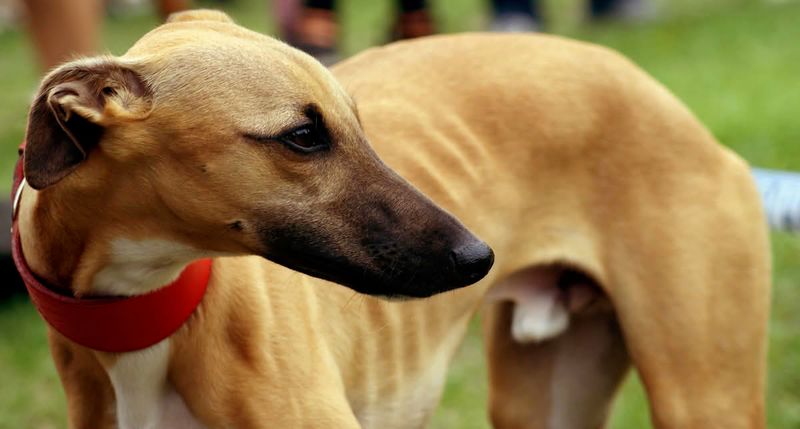
Whippets are sprint-and-snooze athletes who can get the late-night zooms if they missed their daytime run. Sudden bursts, sofa launches, and hallway skids read like ghost-chasing.
Really, it is speed looking for a safe runway.
Prioritize daytime sprints in a secure area, then calming decompression. Avoid high-velocity games close to bedtime.
Provide warmth, since many Whippets sleep better with a cozy blanket or pajamas.
Use soft lighting, white noise, and a predictable cue to settle on a bed. Short lick-mat sessions help shift gears.
Once their sprint quota is met and their body temp is snug, you will trade midnight chaos for elegant cuddles.
Italian Greyhound

Italian Greyhounds are sensitive, chilly, and clingy in the sweetest way. Night drama often revolves around temperature, separation, and tiny noises that feel huge at 2 a.m.
The trembling and pacing can look spooky but usually mean discomfort or worry.
Warmth fixes half the story: sweaters, heated pads with safeguards, and draft-free corners. Keep late routines gentle and predictable, and offer a nearby bed to reduce FOMO.
Skip wild play and choose quiet sniff or shaping games.
Teach a bedtime ritual: potty, cuddle, settle cue, treat. If anxiety spikes, try gradual independence training by inches.
With warmth and reassurance, the so-called haunting fades into a delicate, restful curl-up.
Boston Terrier
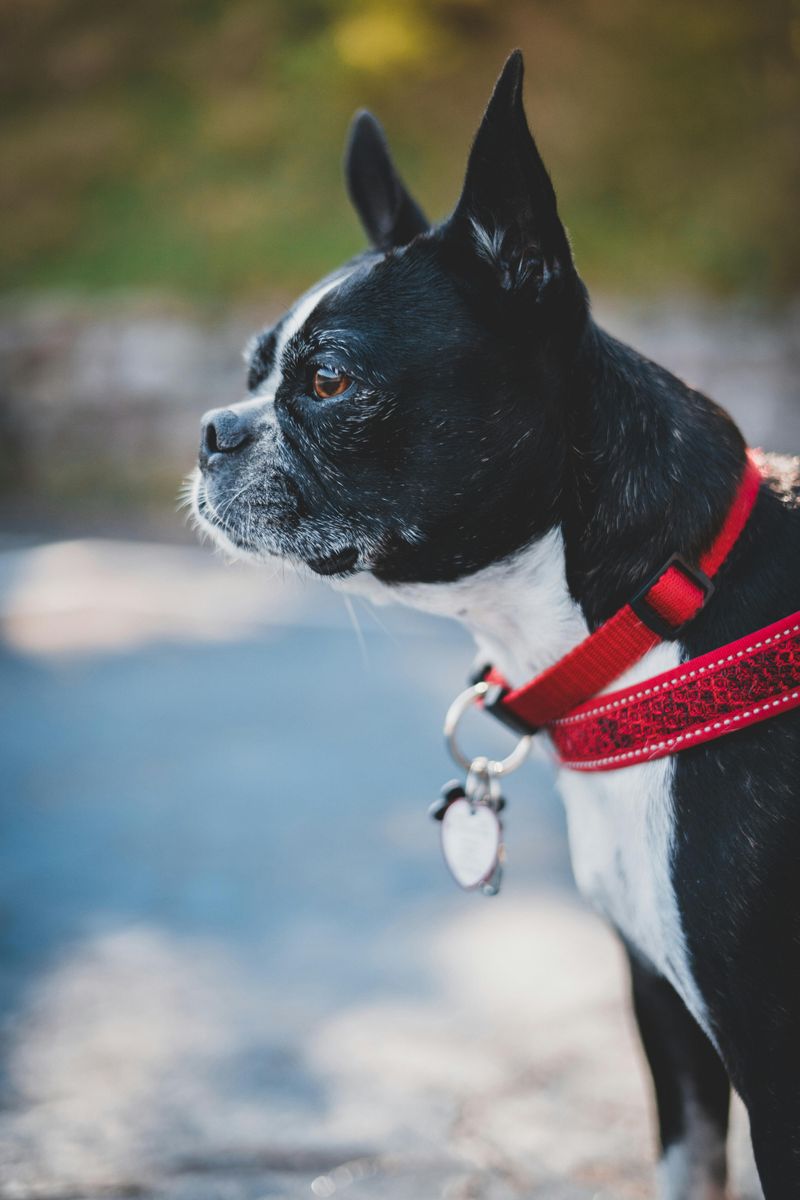
Boston Terriers pack big personality into compact bodies. At night, that can bubble up as snorty zoomies, toy squeak concerts, and sudden hallway sprints.
Add brachy breathing and you get spooky snuffles that sound otherworldly.
Tire the brain, not just the body: short training bursts, nose targets, and puzzle feeders before evening. Keep play light and end sessions early to avoid over-arousal.
Elevate the head during sleep and manage temperature for easier breathing.
Dim lights, soft music, and a known settle spot cue quiet. Reinforce calm with tiny treats, then fade attention.
With a gentle routine and breathing-friendly setup, the night gremlin transforms into a snoring comedian.