
If your dog locks eyes with you like it is reading your soul, you are not alone. The My Dog Will not Stop Staring trend has taken over feeds, and people are both amused and a little creeped out.
That intense gaze can feel like a secret message you are supposed to decode. Let us break down the 10 breeds people mention most and why their stare hits different.
Doberman Pinscher
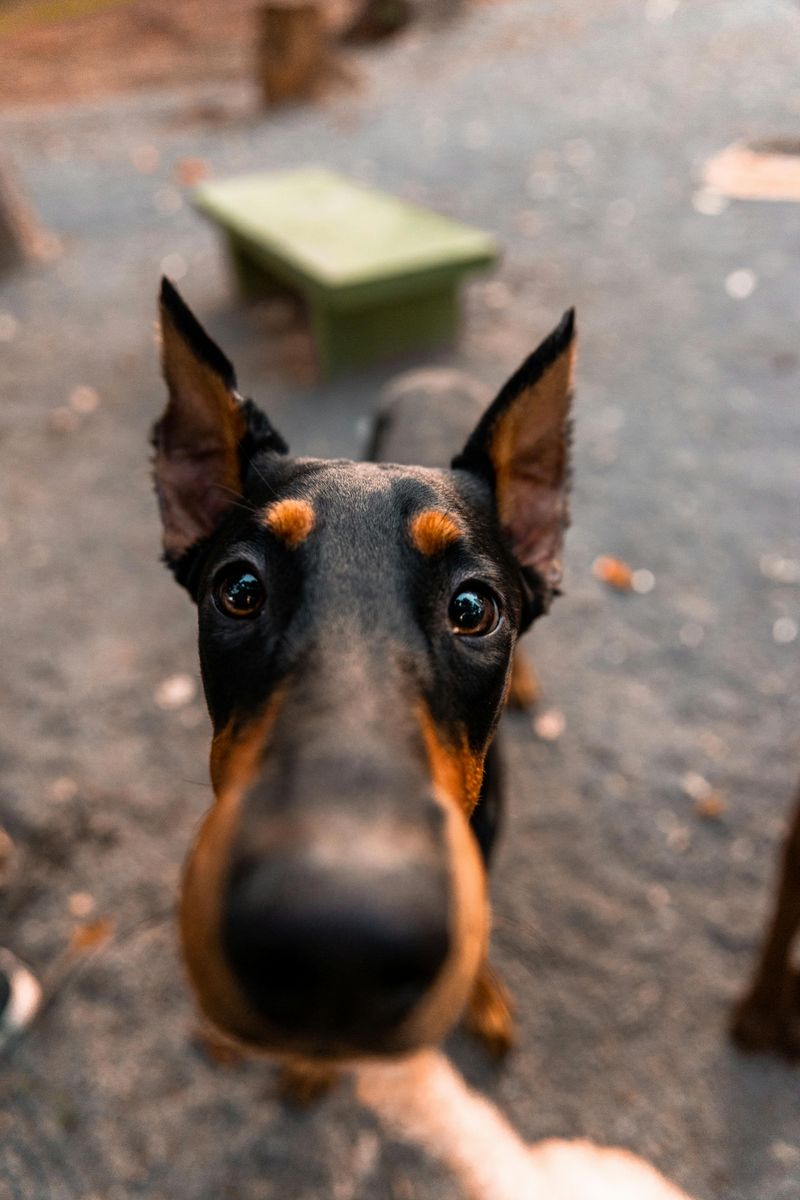
Dobermans stare with a laser focus that can feel like a security scan. You will notice their body stays still while the eyes do all the talking, tracking your every move.
It is protective, not spooky, but that unwavering look can raise goosebumps.
They read micro expressions and anticipate cues, so your face becomes their command board. If you delay a routine, the stare gets longer, like a silent countdown.
Enrich their day with training games and purposeful jobs to channel that intent.
Remember, calm reassurance beats nervous laughter. Reward relaxed eye contact, then release with a cue and a treat.
Their gaze means loyalty, readiness, and a brain that loves having work to do.
Rottweiler
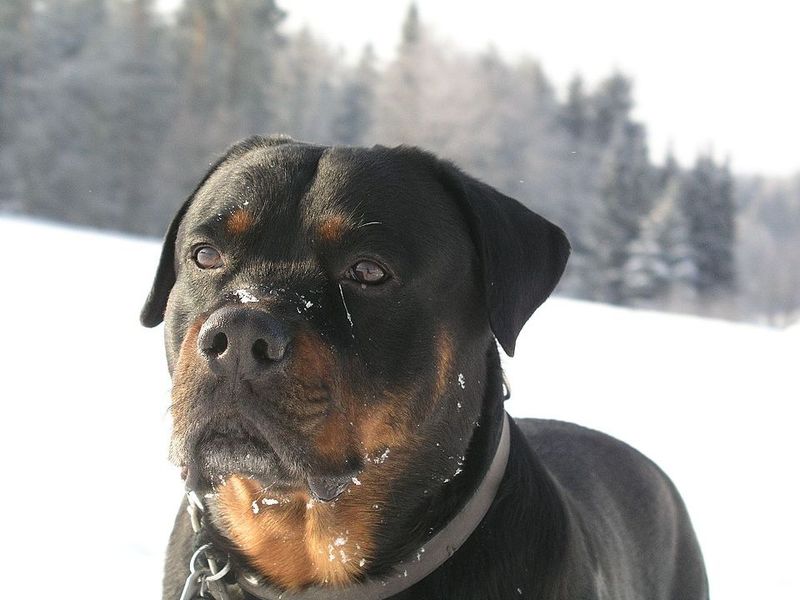
Rottweilers have a steady, soulful stare that feels like a question and a promise at the same time. They are guardians, so they monitor doorways, hallways, and you.
When they look hard, they are collecting context and confirming you are safe.
That watchfulness can read as eerie in a quiet room, especially if the head tilts with slow precision. Offer structured obedience sessions and impulse control games.
A place command and release cue help them relax between duties.
Do not scold for eye contact. Instead, praise calm looks and redirect to a chew or sniff mat.
Their gaze is affectionate vigilance, and when their eyebrows wiggle, you know the seriousness is softening.
Belgian Malinois
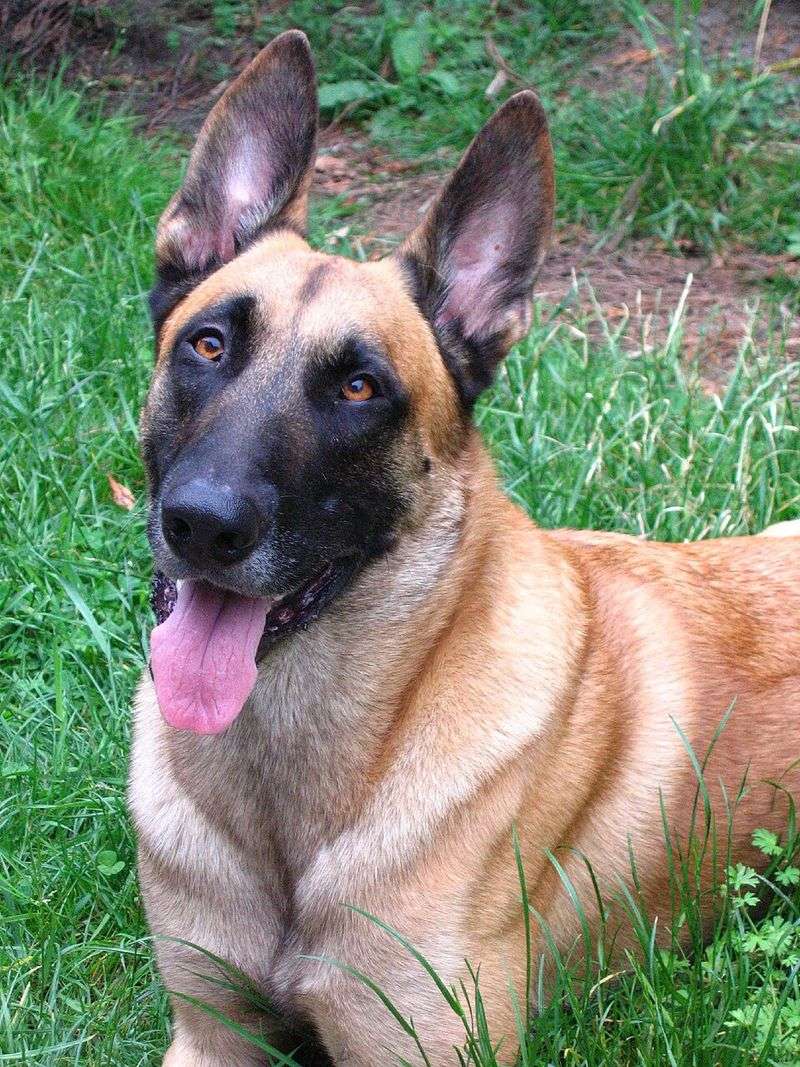
The Malinois stare is like a live wire. You feel it before you see it, a buzz of anticipation that says what is next.
These dogs laser in because their brains are built for tasks, and your slightest movement could launch a mission.
Without structure, that focus becomes a creepy hallway stare or a pacing loop. Daily bite-safe tug, scent work, and precision training discharge the mental pressure.
Use clear markers, short sessions, and predictable decompression.
Teach a watch cue, then a break cue, so the stare has boundaries. Reinforce settling on a mat with scatter feeding.
With enough outlets, their eyes soften, and the intensity turns into partnership, not pressure.
Dutch Shepherd
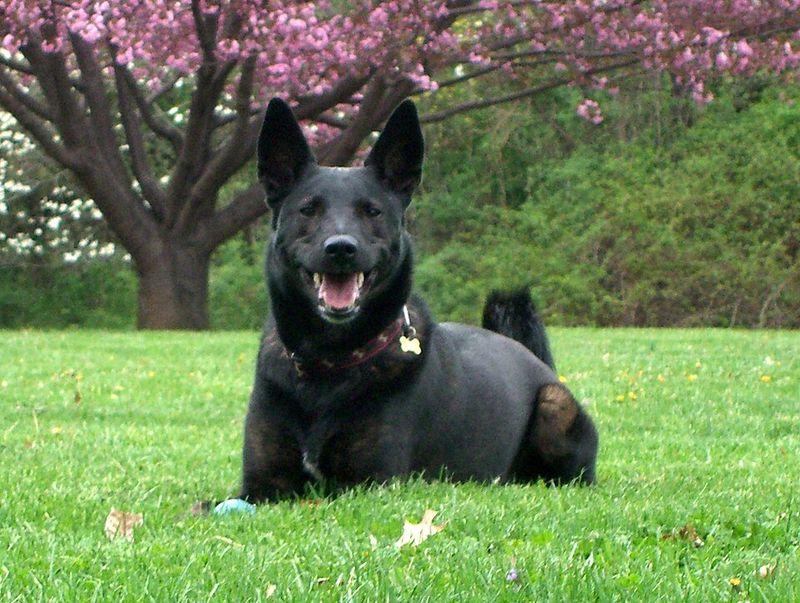
Dutch Shepherds have a calculating look, like they are solving a puzzle only they can see. That stare often comes before a burst of action, because they predict patterns and love being first to react.
You will notice the ears twitch as if tuning a radio.
Channel it with tracking lines, flirt pole play, and place-to-place drills. If the gaze gets intense at windows, frost film or manage sightlines.
Replace neighborhood surveillance with scent games that leave them satisfied.
Teach them to check in, then go sniff as a reward. Mark the glance, release the pressure, and watch them exhale.
Their stare is curiosity wrapped in responsibility, and it mellows when their brain feels successful.
Boxer
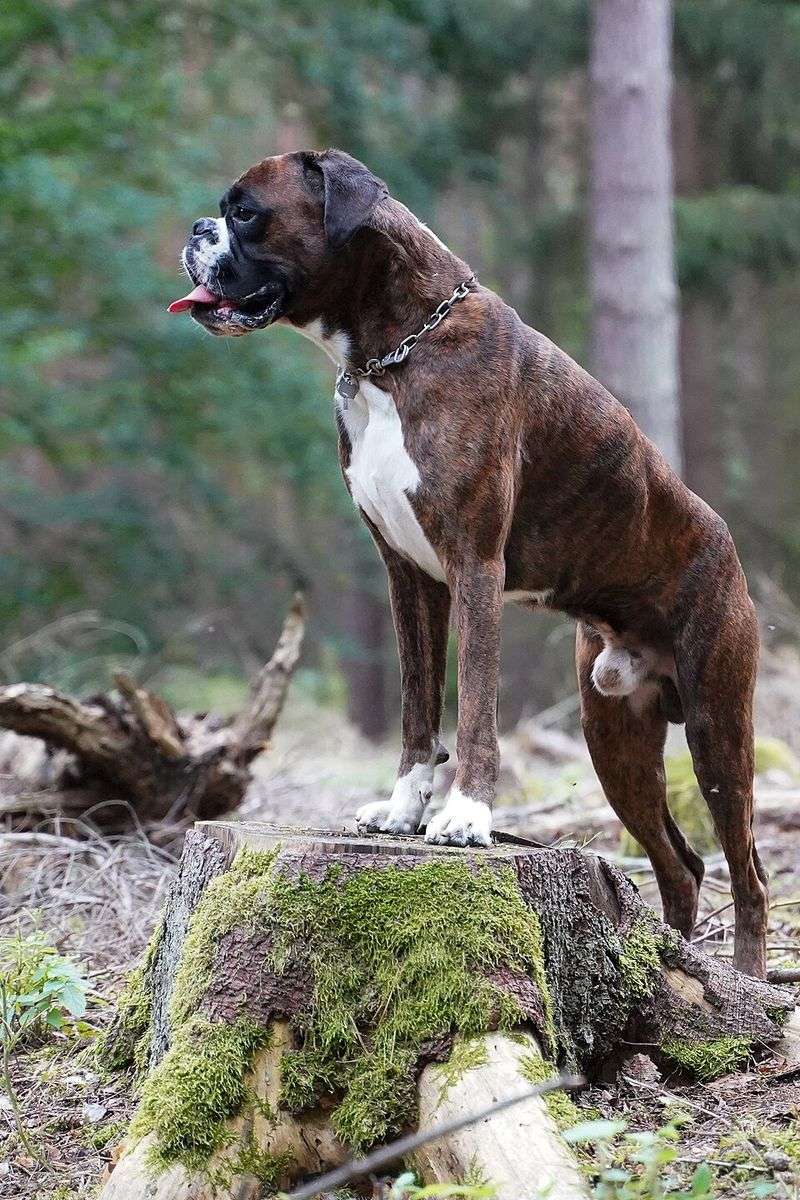
Boxers stare with comedic intensity, like they are trying to beam thoughts into your skull. They are goofy, but that unblinking look can surprise you when the room goes quiet.
Often they want play, snacks, or a bathroom break, and they are not subtle.
Meet the gaze with a cue and routine so the ask becomes clear. Teach touch, sit, and go get your toy to translate the look into action.
Short bursts of fetch or tug drain the wiggles.
If the stare shows up at dinner, reward calm waiting on a mat. Blink slowly, speak softly, and release for good manners.
Suddenly the creepy becomes charming, and those saucer eyes melt your resolve.
Chesapeake Bay Retriever
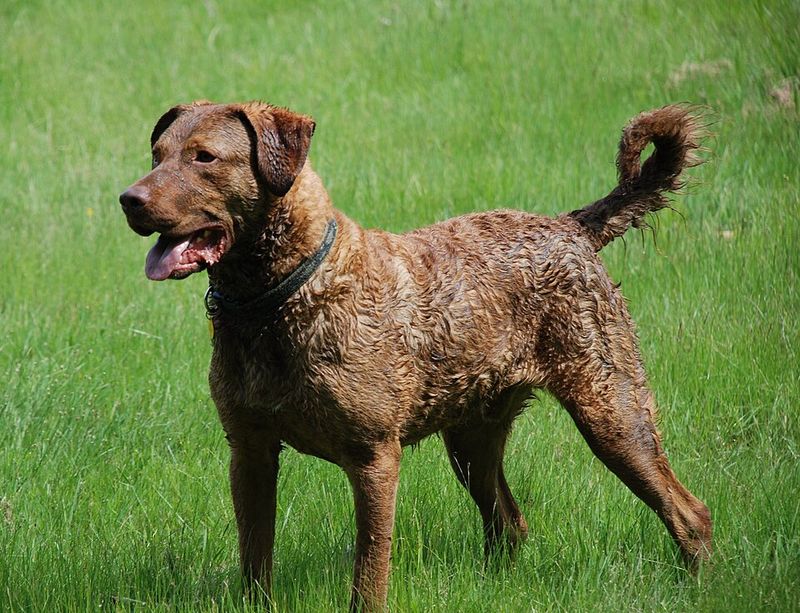
Chessies have a weathered, unwavering stare that reads like a captain scanning a storm. They are independent thinkers, so eye contact often means they are weighing your plan against their instincts.
In quiet rooms, that thoughtful gaze can feel intense.
Give them jobs that feel meaningful, like retrieve drills, blind fetches, and water work. Use fair pressure and clear praise, not over-cheerleading.
Their respect grows when your timing is consistent.
At home, alternate settle time with problem-solving toys. Reinforce a down-stay and release to keep the stare from hovering.
When their eyes soften after a task, you will see gratitude behind the grit, and the creepy vibe dissolves.
Catahoula Leopard Dog
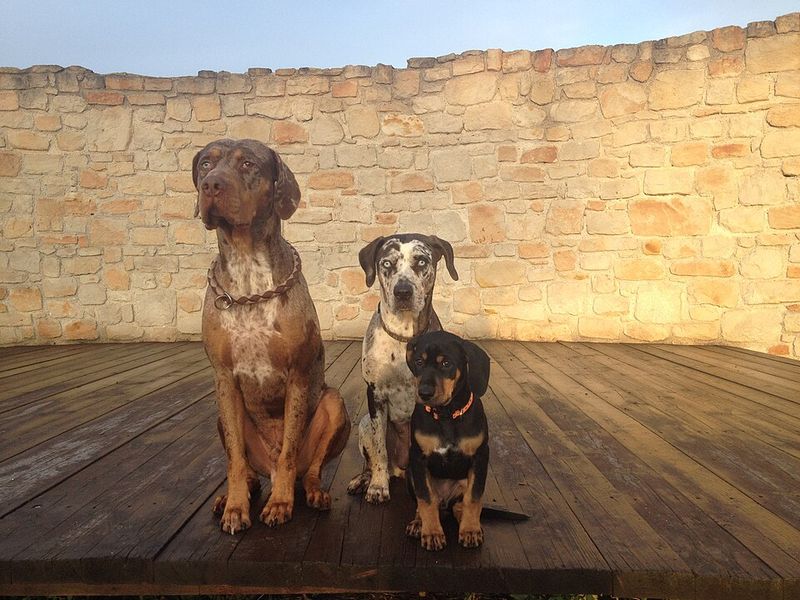
Catahoulas carry a frontier stare that feels ancient and purposeful. Those glassy eyes can look right through you, especially when they are bored and scanning for work.
They are problem solvers, so standing still becomes surveillance mode.
Redirect with long-line hikes, drag-weight workouts, and puzzle feeders. Teach directional cues and scent trails to satisfy the hunter brain.
If window watching spikes, manage views and schedule structured searches indoors.
Reward check-ins with a go work release, sending them to a task mat. That way the stare predicts action, not tension.
Once they have a mission, the intensity becomes partnership, and you get that satisfied, quiet nod.
Australian Cattle Dog
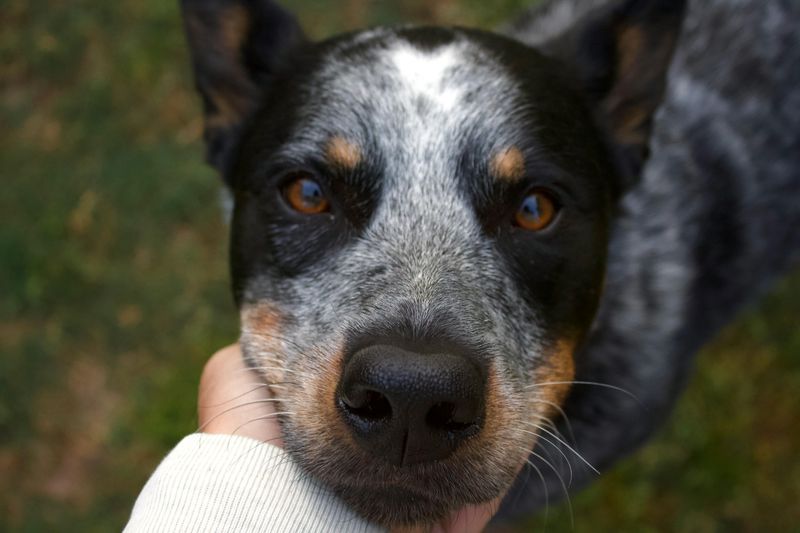
Aussie Cattle Dogs use their eyes like a steering wheel. That piercing stare is a herding tool, and at home it can feel like you are being moved without touching.
They are masters of pressure and release, even on the couch.
Give their gaze a job with flank commands, fetch to hand, and heel games. Short, sharp training bursts suit their quick brains.
If they fixate on kids or bikes, redirect to a mat and build a settle cue.
Reinforce breaks after eye contact so the intensity cycles down. Toss a treat behind them to reset.
Soon the creepy melts into communication, and the stare becomes a respectful check-in rather than a push.
Shiba Inu
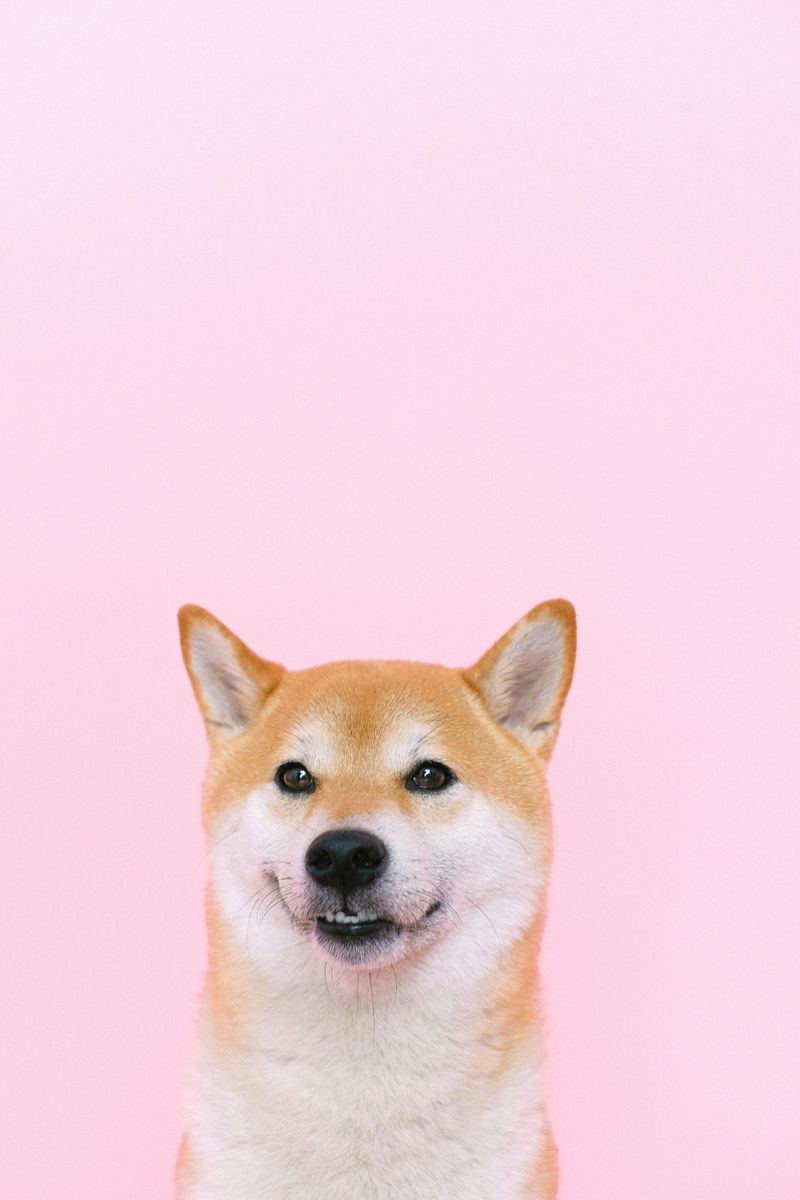
Shibas give a polite, unreadable stare that can feel mildly judgmental. They are independent and prefer choices, so eye contact is often a negotiation.
You might get the stare, the slow blink, and then a decisive turn away.
Use choice-based training to keep trust intact. Offer yes and no cues, then reward calm participation.
Scatter feeding and scent walks help soften that enigmatic look.
Do not crowd their face when they are staring. Instead, invite with a hand target and step back.
When they opt in, mark and treat. The vibe shifts from creepy to cordial, and their eyes warm like a small sunrise.
Rough Collie
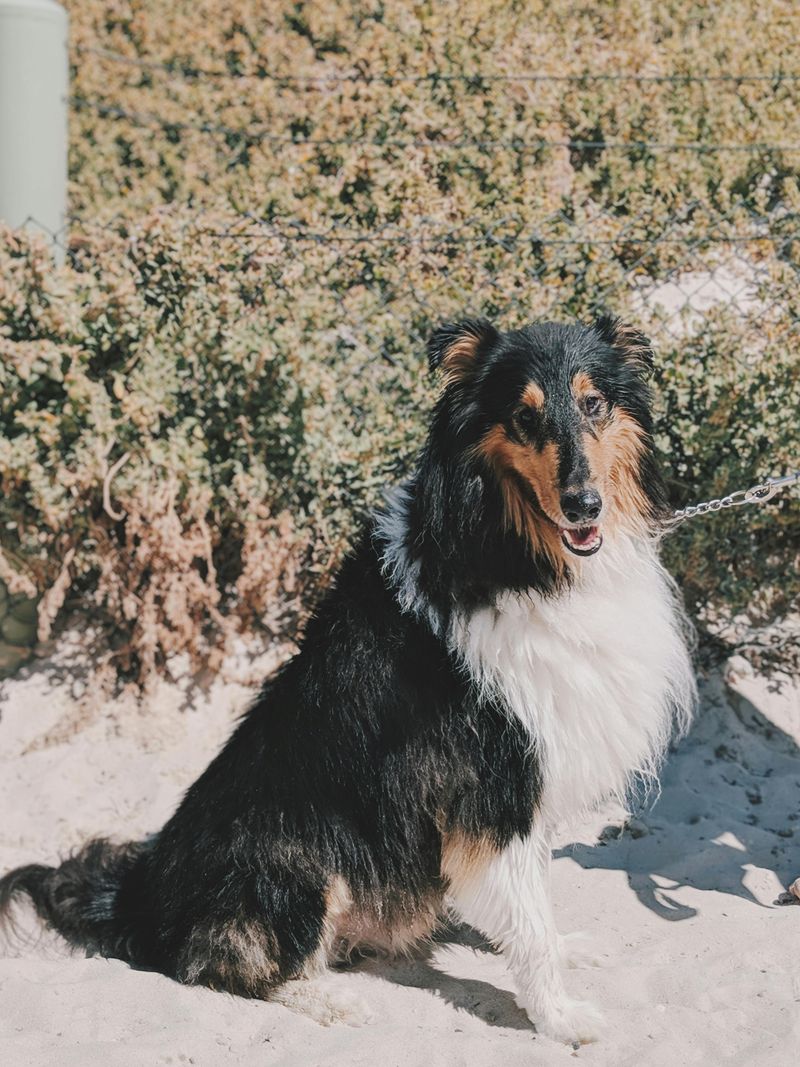
Rough Collies stare with gentle precision, herding with their eyes while reading your mood. It is less creepy and more tender, but in quiet houses that steady gaze can still feel uncanny.
They check your face for next steps and reassurance.
Give structure with rally-style cues, figure eights, and long down-stays. Teach a look then go sniff pattern to balance attention with decompression.
Grooming sessions become bonding when you pair them with calm eye contact and treats.
Handle sensitivity kindly. If the stare deepens during stress, offer distance and a simple task.
Soon their eyes soften into a comforting glow, and that watchful presence feels like home.