Viral posts make tail wagging look like a universal thumbs up, but dogs speak a far more nuanced language. Some breeds are routinely misread because their tails, faces, or skin hide the real signals.
If you have ever assumed a wag means friendly, you could be stepping into a tense situation without realizing it. Let us break down the subtle cues so you can read these misunderstood breeds with confidence.
Bull Terrier
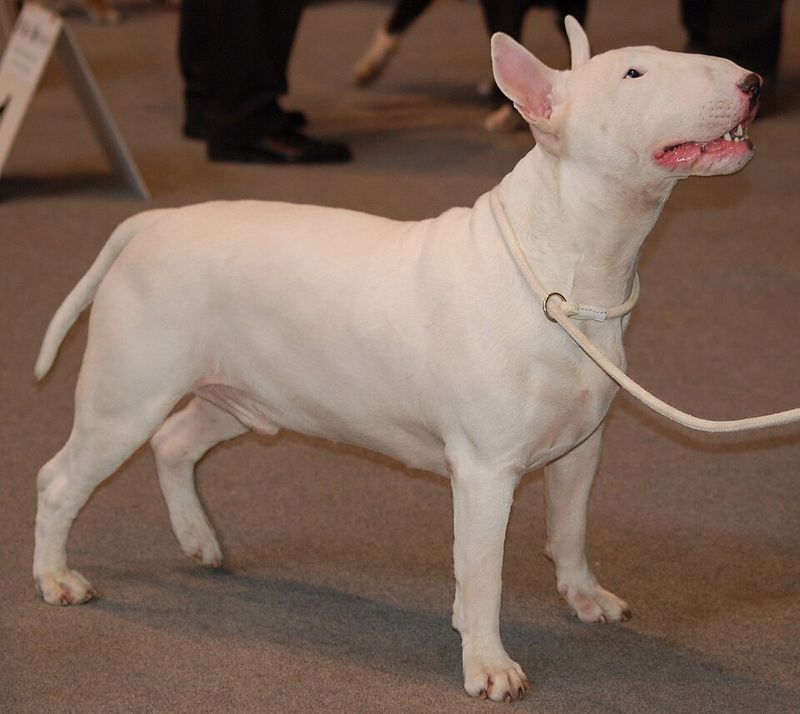
People often think a Bull Terrier’s wag means open invitation, yet arousal can look similar to joy. Watch the tail speed, the stiffness in shoulders, and how the eyes narrow like little commas.
A tight, vibrating wag with a forward lean says maybe wait and let the dog decompress.
Check the mouth. Soft lips, little panting, and a rhythmic, side-to-side wag usually signal comfort around you.
But a closed mouth, still body, and a stare from those triangular eyes means excitement tipping toward stress. Give space, let the dog choose contact, and curve your approach.
Look for shake-offs, sniffing, and blinking as calming signals. Slow things down, and you will see the real message.
American Bulldog
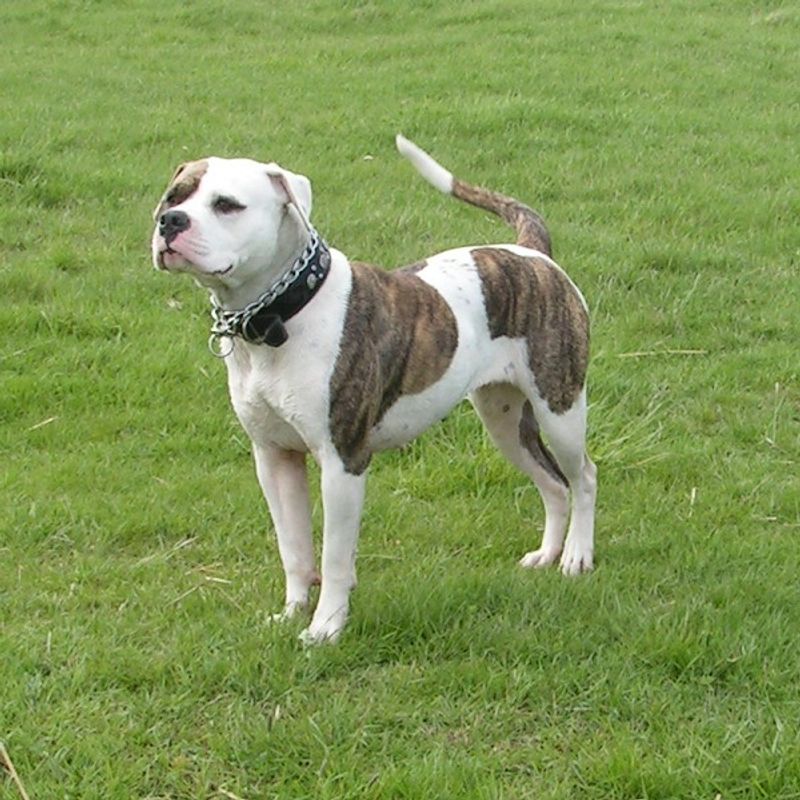
Big heads, big hearts, and a wag that fools people. American Bulldogs can wag while feeling socially conflicted.
The key is body looseness. If you see jelly-like hips, soft eyes, and a gentle arc in the tail, that is friendly.
If the back turns into a board and the tail thumps hard, it is arousal, not necessarily invitation.
Watch weight shift. Rocking back and forth or leaning forward says the dog is making decisions fast.
Give time and distance. Avoid head pats.
Offer a side angle and let the dog approach you.
Look for micro-signals like lip licking, a quick yawn, or sniffing the ground. Those calming signals tell you the dog wants slower interactions.
Staffordshire Bull Terrier
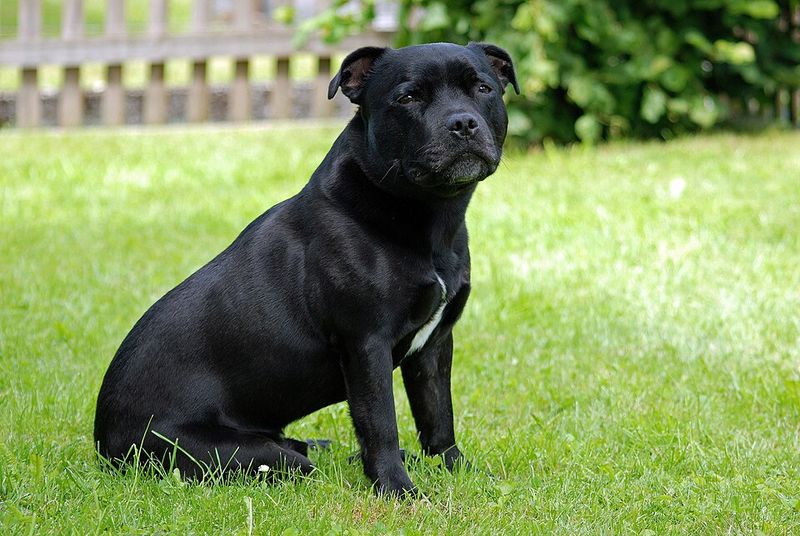
Staffies are enthusiastic communicators, and that enthusiasm gets misread. A helicopter wag can mean thrilled, but pair it with tight cheek muscles and spring-loaded legs, and you are seeing overarousal.
Check the brow. Soft, rounded eyes and a loose smile say yes, while a fixed stare with the tail flagging high says slow down.
Many Staffies love people, yet they can flip from hello to too much quickly. Breaks help.
Scatter treats, pause the greeting, and watch for shake-offs that reset arousal.
Let the dog choose touch. Side scratches often beat head pats.
When the wag slows and the hips sway, pressure is dropping. That is the moment to re-engage gently and keep things light.
American Staffordshire Terrier
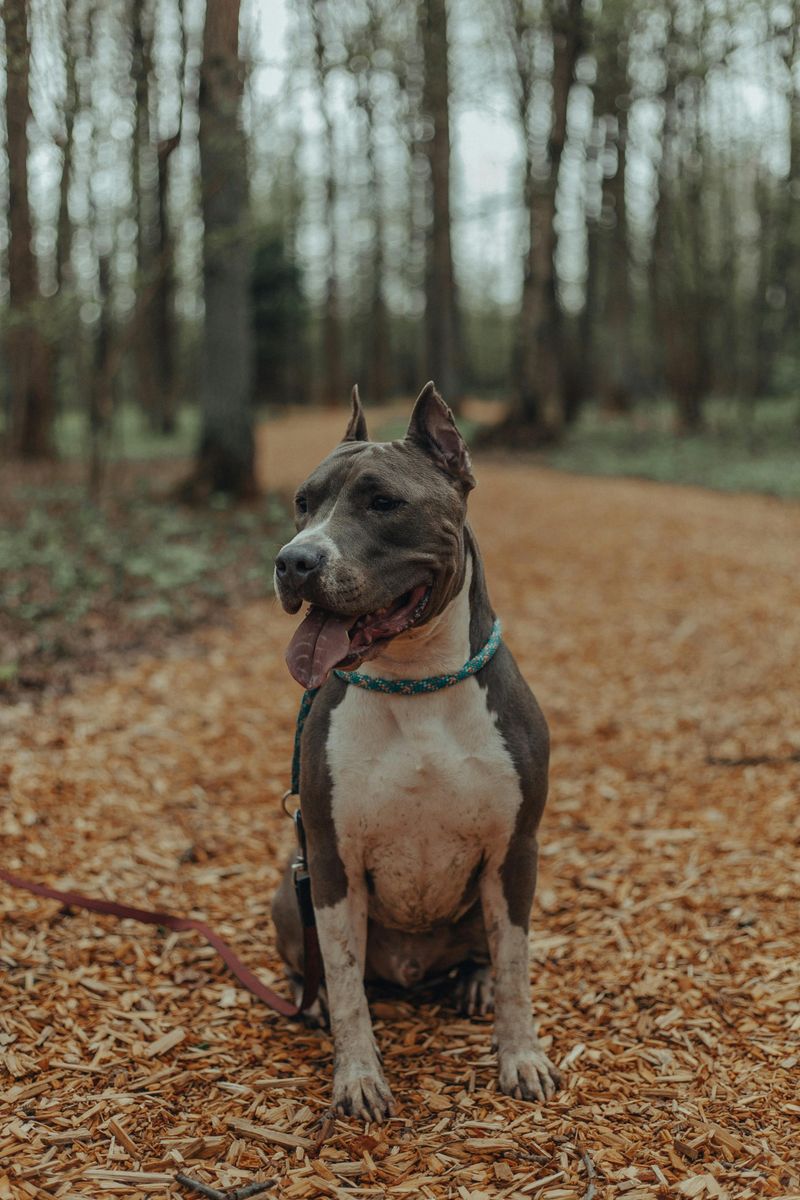
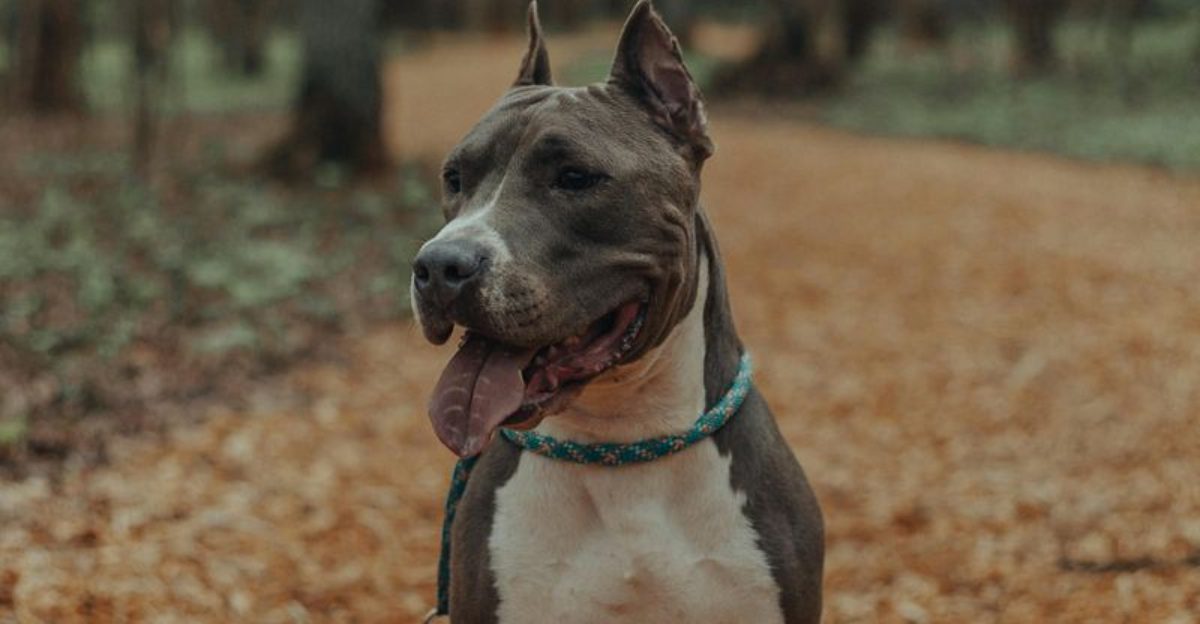
People often assume the American Staffordshire Terrier’s wag equals consent, but context rules. A high, tight wag paired with forward ears and a closed mouth can be stress.
Low, sweeping wags with relaxed shoulders mean comfort. Check the gait.
Bouncy, loose steps say playful, while prancing with stiff legs signals arousal.
Let greetings be slower. Arc your approach, avoid looming, and use sideways body language.
Offer a sniffable hand without leaning. If the dog blinks, licks lips, or looks away, it is asking for a beat.
Reward curiosity without crowding. When the body softens and the tail makes broad fans near hip level, that is your green light.
Confidence grows when you honor those signals.
Cane Corso
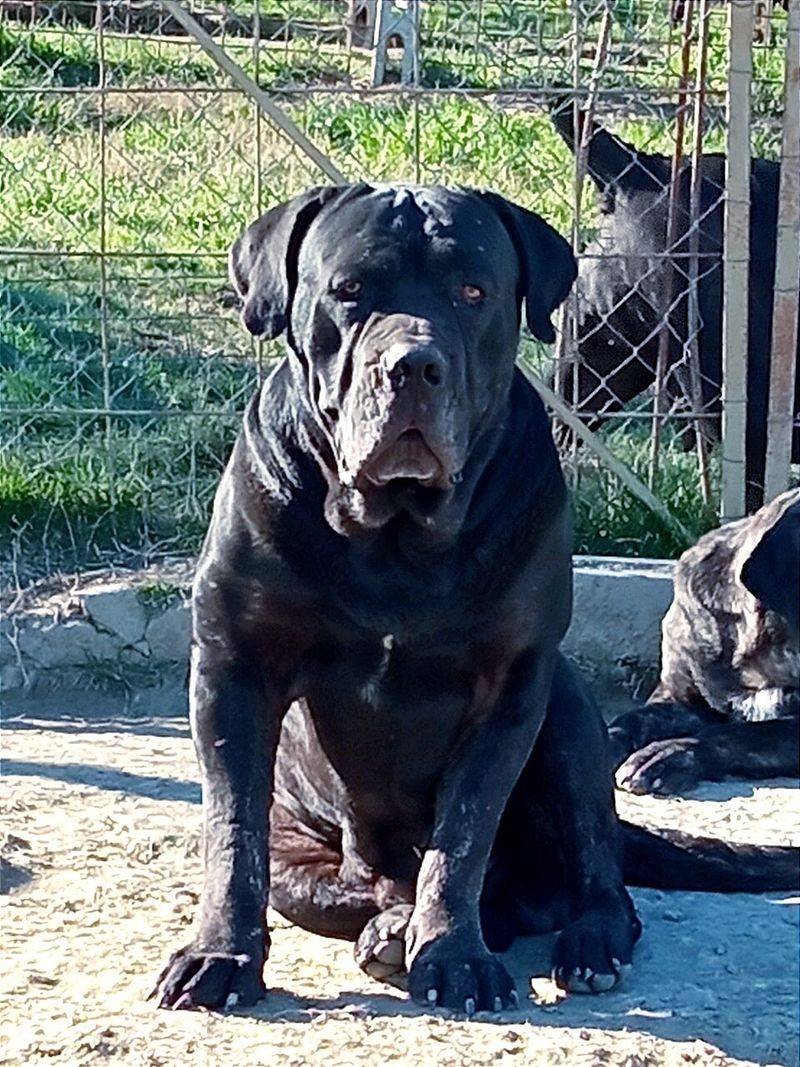
With a Cane Corso, the face can look stern even when the mood is calm. Do not rely on the tail alone, especially if docked.
Read the whole frame. Are the shoulders relaxed, the chest open, and the eyes soft like wet stones.
A low, slow wag with a loose jaw suggests comfort, while a high, metronome wag alongside stillness signals tension building.
Approach in an arc and give respectful space. Let the dog initiate proximity.
Avoid fast hands and direct staring.
Watch for head turns, blinking, and slow exhale breaths. Those are calming signals.
When the body gets wiggly and the tail sweeps broadly at mid height, you have true friendliness, not just arousal.
Dogue de Bordeaux
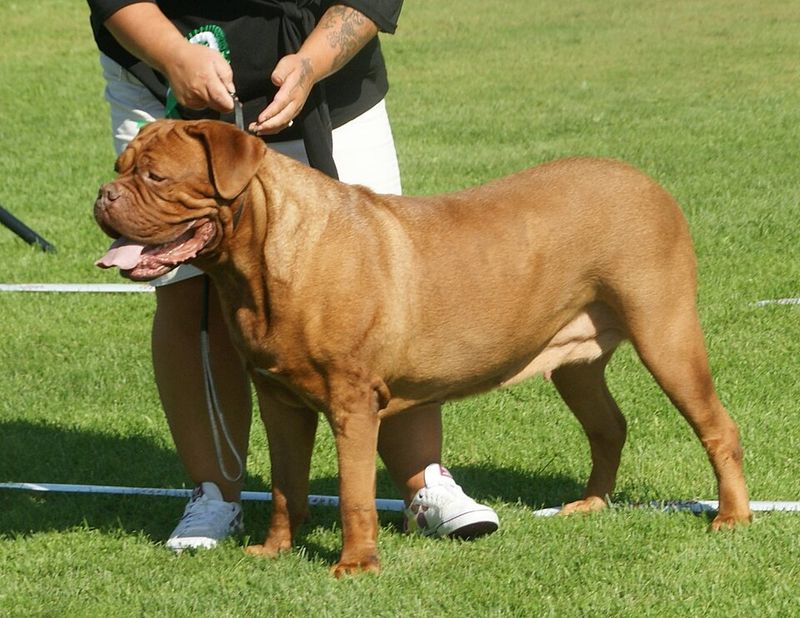
The Dogue de Bordeaux carries a serious face that can hide soft feelings. A wag can look friendly, yet mouth tension tells more.
When the lips hang loose and the eyes blink softly, the dog is probably at ease. A rigid tail paired with still shoulders is caution.
Check the breath rhythm. Smooth panting beats choppy, shallow breaths.
Slow greetings are best. Offer side pets and avoid hovering.
If the dog pauses to sniff the ground or shake off, pressure is dropping.
Look for the whole body to loosen, hips to sway, and the tail to sweep at mid height. That blend means please continue.
Respecting those signals builds trust quickly.
Neapolitan Mastiff
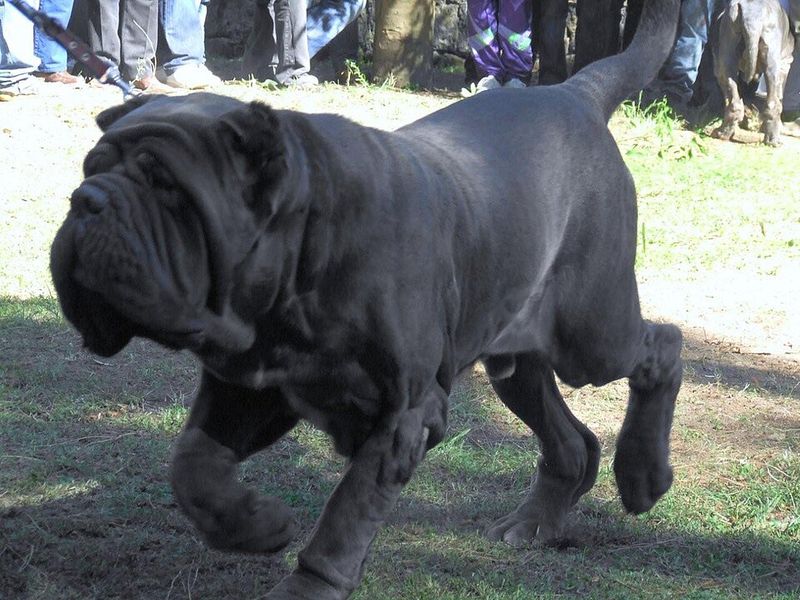
All that loose skin can hide the Neapolitan Mastiff’s micro-expressions. A tail wag does not speak alone.
Scan the whole body. Are the wrinkles relaxed or pulled tight.
Is the dog leaning forward with a closed mouth. That combo says alert and possibly stressed, even if the tail moves.
Give gentle space. Arc your body, keep your hands low and slow, and avoid direct frontal approaches.
Trust the dog to come to you when ready.
Calming signals include blinking, slow head turns, and a big body shake. When the mouth opens softly and the tail sweeps lazily near hip height, you are in friendly territory.
Let the dog set the pace for touch.
Akita
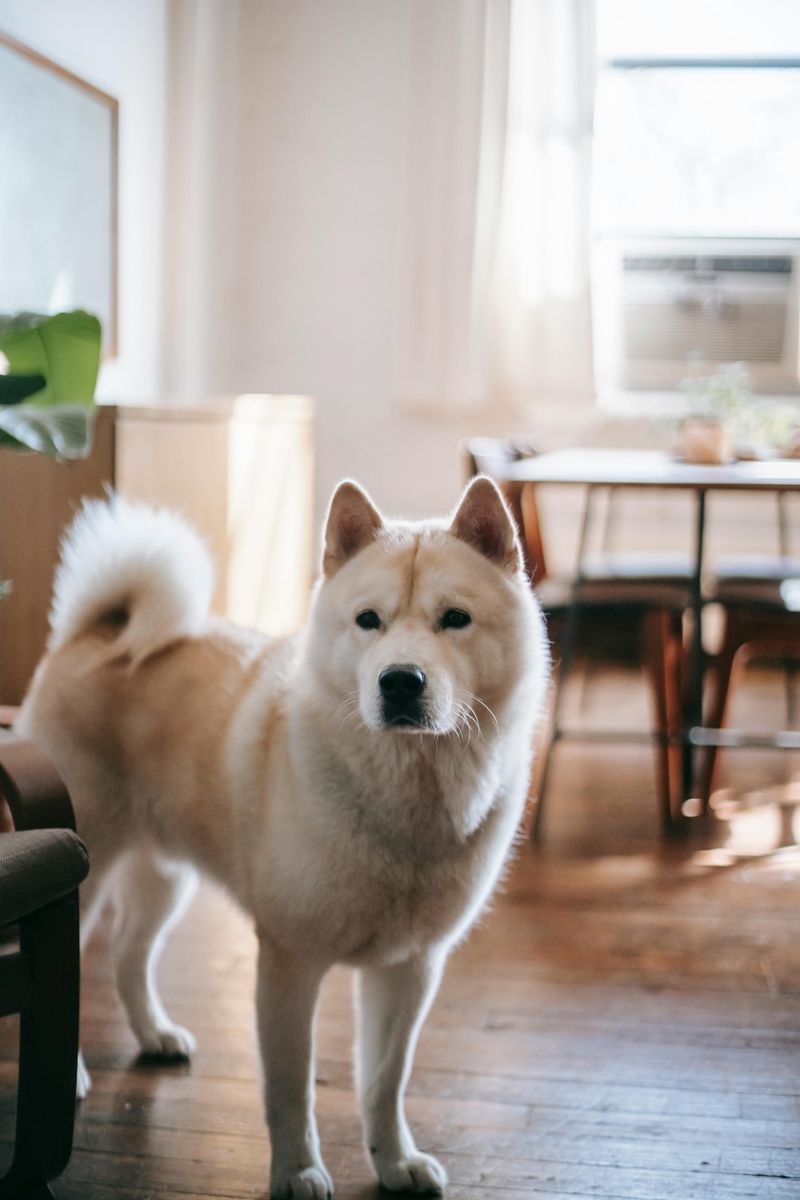
Akitas often carry a high curled tail, so wag position can mislead. Focus on rhythm and body softness.
Short, stiff wags with a tall stance and closed mouth say alert. A gentle sway through the hips and a slow blink read as comfortable.
Watch ear movement. Forward, fixed ears pair with tension, while flicking, relaxed ears suggest ease.
Approach indirectly. Let the dog circle and sniff.
Avoid quick pats and leaning hugs. Show your profile and move calmly.
Look for subtle consent cues like stepping closer, shoulder brushing, or a relaxed exhale. When the tail loosens its curl slightly and the body gets wiggly, that is your true welcome.
Respect boundaries, and trust grows.
Chow Chow
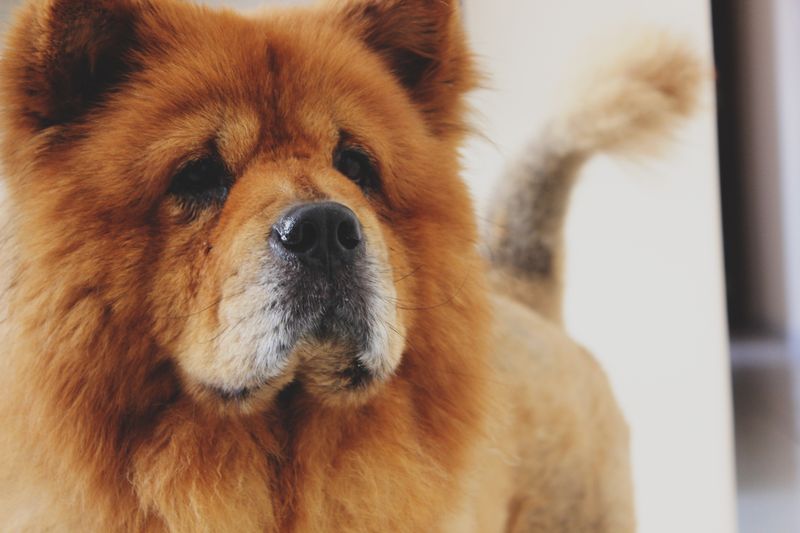
Chows wear a permanent frown, which tricks people into thinking grumpy or aloof. Tail wags can be tiny and high, so context matters.
A still, upright posture with a tight mouth says no thanks. A slightly open mouth, soft eyes, and a slow tail swish mean maybe yes.
Watch the feet. Weight rocking forward signals intensity, while a relaxed sit signals comfort.
Offer choice. Stand sideways, blink, and let the dog close distance.
Avoid reaching over the head.
Calming signals include lip licking, a small yawn, and turning the head. When the body feathers into movement and the tail softens its curve, you are reading real friendliness, not just motion.
Shar Pei
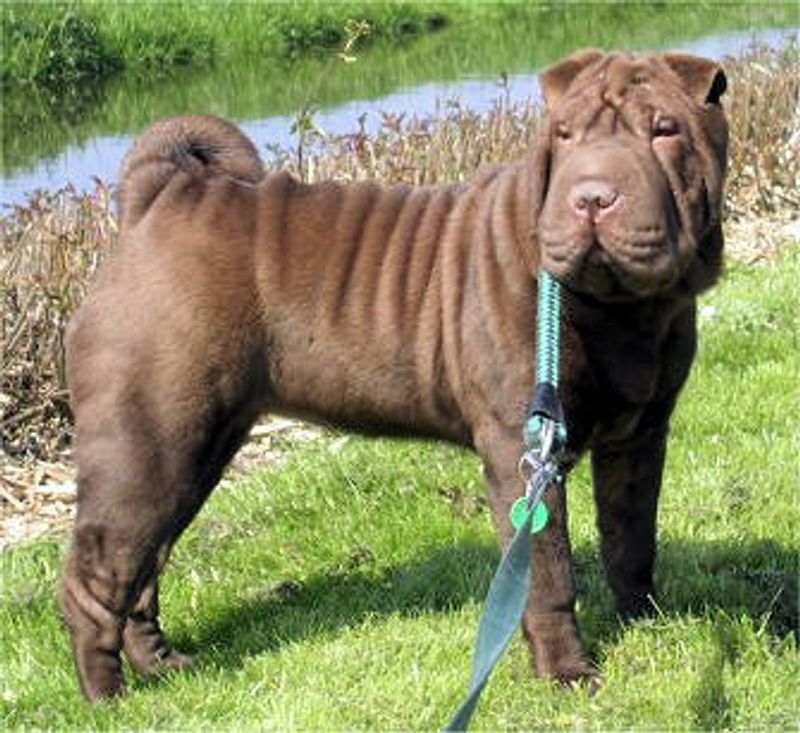
Shar Pei wrinkles can hide eye and mouth softness, so people rely on the wag and get it wrong. A high, tight curl with a stiff body can mask stress.
Look at the breath and the shoulders. Slow panting and loose muscles say relaxed.
Rapid breathing with stillness says tension.
Approach with an easy arc. Offer a hand at knee level and avoid hovering.
Let the dog take the lead. Pause if you see lip licking or a quick head turn.
Green lights include a wiggly midline, soft blinking, and a tail that loosens into a gentle sweep. That is your cue to continue calmly and keep pressure low.