
Scrolling late at night and saw yet another frantic post: my dog ate a gummy, what now. If you have pets, your heart probably drops just reading that.
The spike is real, and certain breeds get mentioned over and over when gummies go missing from coffee tables and backpacks. Let’s walk through the breeds most often seen in emergency posts and what you should do if it happens to yours.
Labrador Retriever

Labs are sweet-natured opportunists. If something resembles food, they will test that theory with their mouths.
Gummies on the counter, in a gym bag, or tucked in a jacket pocket are basically invitations. You know their hopeful eyes and lightning-fast snatch.
That is why emergency posts often feature Labs.
If a Lab swallows a gummy, stay calm and check the label. Identify xylitol, THC, or high sugar as the main concerns.
Call your vet or a poison hotline and note the time, amount, and any symptoms like wobbliness or vomiting. Prevent repeat adventures by using lidded containers and training leave-it.
Labs learn quickly.
Golden Retriever

Goldens have soft mouths and softer boundaries around snacks. Their friendly curiosity can lead straight to your candy stash.
Emergency posts often mention the classic scenario: the Golden quietly cleans up a dropped gummy before anyone notices. You find the crinkled wrapper and feel that sudden panic.
Act fast by checking whether the gummies contain xylitol or cannabis. Monitor for lethargy, tremors, or vomiting, and call your vet with weight and approximate quantity.
Hydration and calm observation matter. Goldens respond well to structured management: closed doors, elevated storage, and reliable leave-it practice.
Keep wrappers out of reach, too. Their sweetness deserves a safer home setup.
Beagle

Beagles are nose-driven detectives. If your gummies smell like fruit, a Beagle will locate them faster than you can say drop it.
Many emergency posts start with a Beagle unzipping a lunchbox or raiding a kid’s backpack. Their persistence makes prevention a real commitment.
If gummies go missing, confirm the ingredients and call your vet. Xylitol is especially dangerous, and THC requires immediate guidance.
Watch for restlessness, drooling, or coordination issues. Have the wrapper ready when you call.
For prevention, use secure containers and hang backpacks out of reach. Mental enrichment and food puzzles help channel that relentless curiosity.
A busy Beagle is a safer Beagle.
Boxer

Boxers bring energy and creativity to mischief. Their athletic build means counters are not safe zones unless you plan accordingly.
Many emergency posts describe a Boxer hopping up, snagging candy, and zooming off. You will find the dish empty and the dog looking very pleased.
When a Boxer eats a gummy, look for ingredients like xylitol or THC. Call your vet quickly with weight, amount, and timing.
Monitor for pacing, tremors, or vomiting, and follow professional instructions. To prevent future incidents, train off counters, use tall storage, and offer vigorous exercise.
A well-exercised Boxer is less tempted to experiment. Structure plus enrichment helps keep candy out of the danger zone.
German Shepherd Dog

German Shepherds are intelligent problem solvers. That means doors, bins, and zippers are challenges, not barriers.
Emergency threads often mention a shepherd methodically opening a drawer or bag to sample treats. Their size can magnify dose risks, although toxicity thresholds vary by substance.
If ingestion happens, identify the product and call your vet immediately. THC may cause disorientation and dribbling urine, while xylitol can trigger hypoglycemia.
Record the time, brand, and best guess of quantity. For prevention, rotate enrichment toys, secure storage in high cabinets, and practice a solid leave-it.
Shepherds thrive on jobs. Give them structured activities so your snacks are not their puzzles.
Bulldog
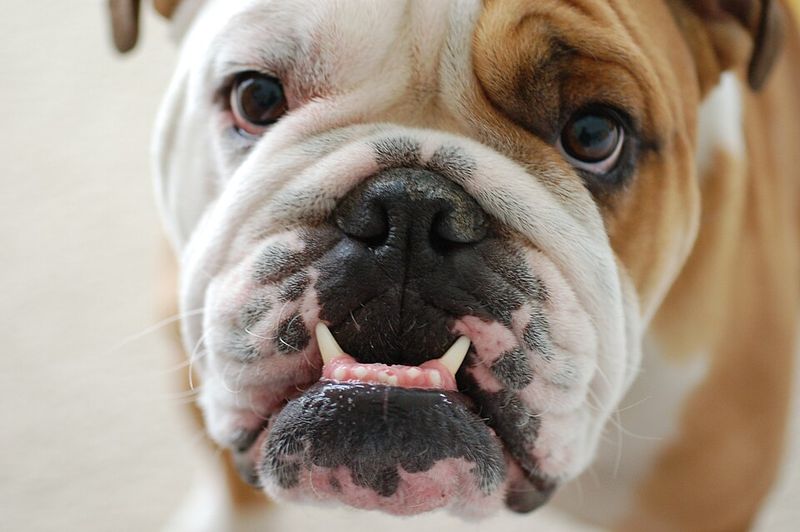
Bulldogs are charming opportunists with a slow-and-steady approach. They may not jump high, but a low table or couch-side snack is easy pickings.
Emergency posts often describe a Bulldog quietly inhaling sweets while everyone watches TV. By the time you notice, the bowl is empty.
Check the ingredient list immediately and call your vet if xylitol or THC is involved. Bulldogs can also struggle with vomiting and aspiration, so avoid inducing anything without veterinary guidance.
Watch for wobbliness or unusual sedation. Prevention is mostly about positioning: raise snacks, use closed containers, and supervise closely during gatherings.
Consistency helps Bulldogs form safer habits, and a reliable leave-it pays off.
Pug

Pugs are people-focused shadow dogs, which means whatever you touch becomes irresistible. Emergency posts often start with a Pug sneaking a gummy from a side table during movie night.
Their small size raises the stakes with xylitol or cannabis. Even one piece can be a big problem.
If it happens, call your vet promptly and monitor for wobbly gait, glassy eyes, or vomiting. Provide the wrapper details and your dog’s weight.
Keep water available and follow professional guidance. Prevention means putting snacks higher, closing doors, and teaching wait and leave-it.
Puzzle feeders can satisfy their food motivation safely. Your Pug’s big personality deserves equally big safety habits.
French Bulldog

Frenchies mix curiosity with determination. A clear jar of bright gummies looks like a toy plus snack, which is trouble.
Many emergency posts feature a Frenchie nudging containers until something drops. Their compact size increases risk from even small amounts of xylitol or THC.
If ingestion occurs, call your vet, describe the brand, and estimate quantity. Look for lethargy, unsteady walking, or drooling.
Avoid home remedies unless directed. For prevention, switch to opaque child-locked containers and store them high.
Practice structure during gatherings when candy circulates. Enrichment through training and scent games curbs boredom-driven scavenging.
Frenchies love routines, and safety can be part of that routine.
Dachshund
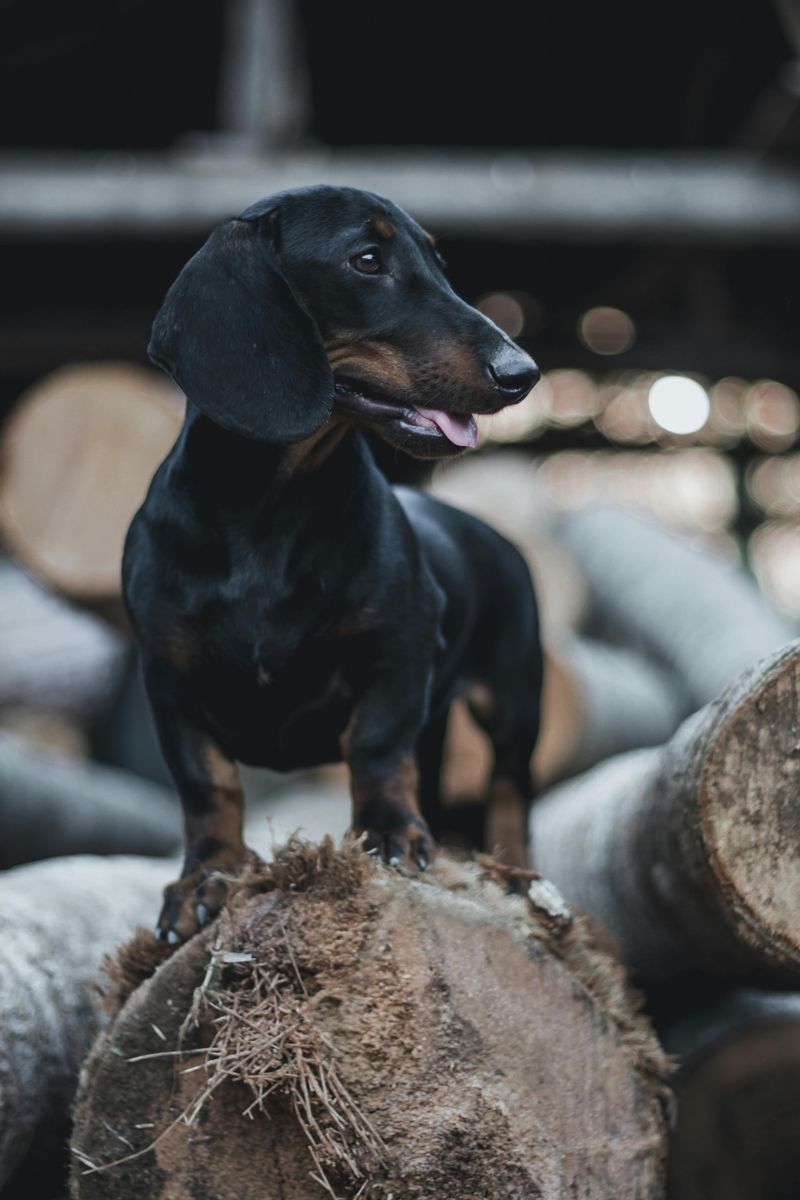
Dachshunds are fearless snack hunters with surprising reach. Their persistence and tunneling mindset lead them under furniture and into bags.
Emergency stories often involve a determined doxie extracting a treat stash from a tote. Because of their small size, dosage matters a lot.
If a Dachshund eats a gummy, immediately check for xylitol or THC and call your vet. Watch for shaking, drowsiness, or vomiting.
Keep the dog calm and note times. Prevention includes elevated storage, zipped containers, and consistent leave-it training.
Rotate toys and nose work to satisfy their hunting instincts without raiding human treats. With doxies, management and mental engagement are the winning combo.
Cocker Spaniel

Cockers are sensitive, food-motivated companions. Their expressive eyes win snacks, and their noses find the rest.
Many emergency posts start with a Spaniel discovering gummies in a child’s lunchbox or under a chair. Those silky ears were made for sneaking close without being noticed.
If ingestion happens, verify ingredients and contact your vet, especially if xylitol or THC is present. Monitor for pacing, vomiting, or dilated pupils.
Keep packaging for reference. Prevention involves tidy routines: closed lunchboxes, cleared floors, and sealed bins.
Provide chew options and training sessions to redirect that curiosity. With Cockers, consistency turns near-misses into non-events.
Chihuahua
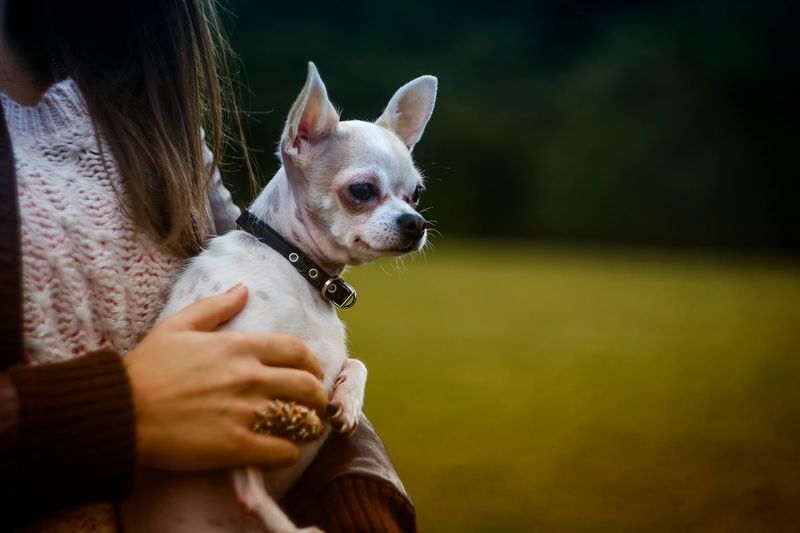
Chihuahuas are tiny, bold, and incredibly quick. A single gummy can be significant for their size, which is why emergency posts about small dogs feel extra urgent.
The classic scenario is a purse left open on the couch, with a Chihuahua investigating like a pro.
If it happens, call your vet immediately and share weight, timing, and ingredients. Look for wobbling, vocalization, or sleepiness.
Keep the environment calm while you follow guidance. Prevention is about habit design: always zip bags, hang purses, and store sweets high.
Training works, but management wins with tiny explorers. Protect that big personality in a small package.
Siberian Husky

Huskies are clever, agile, and motivated by novelty. If a gummy packet rustles like trail snacks, curiosity says try it.
Emergency posts often describe a Husky counter-surfing or raiding a gear bench. Their athleticism means few surfaces are out of reach without planning.
If a Husky eats gummies, identify ingredients quickly and call your vet, especially for xylitol or cannabis exposure. Watch for ataxia, drooling, or unusual vocalization.
Keep the dog calm and follow professional directions. Prevention includes higher storage, lidded containers, and serious exercise to reduce foraging boredom.
Training impulse control and leave-it helps too. With Huskies, outsmarting the outsmartable is the daily game.