
When a usually bouncy dog suddenly hesitates to hop on the couch, it is easy to blame age and move on. But subtle changes like shorter walks, slower stairs, and stiff mornings can signal real discomfort you should not ignore.
Some breeds are masters at hiding aches, pushing through pain to please you. Learn the quiet clues and proactive steps that help your best friend feel comfortable again.
English Bulldog
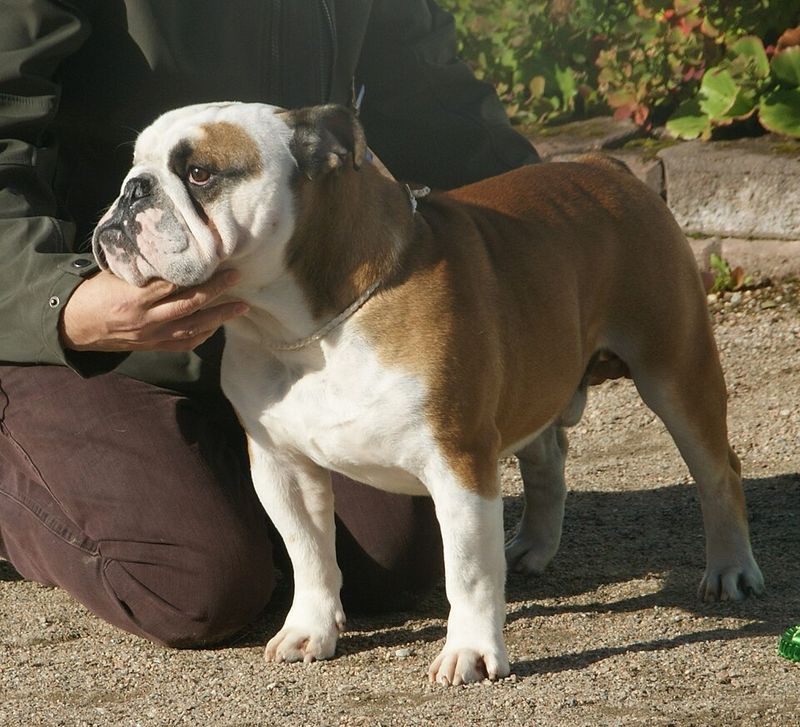
Bulldogs are stoic and friendly, which means they often downplay discomfort to keep up with you. Watch for small hesitations, like pausing before hopping off a curb or choosing to sit instead of stand.
Short, choppy steps and a bunny hop run can hint at sore hips or knees.
Excess body weight magnifies joint stress, so keep portions measured and treats modest. Non slip rugs, a low bed, and gentle ramp access make daily life easier.
Consider short, frequent walks over one long outing.
Ask your vet about joint supplements, weight targets, and low impact exercises like underwater treadmill. Early radiographs guide smarter activity choices.
The goal is simple: steady comfort and a happy bulldog grin.
Basset Hound
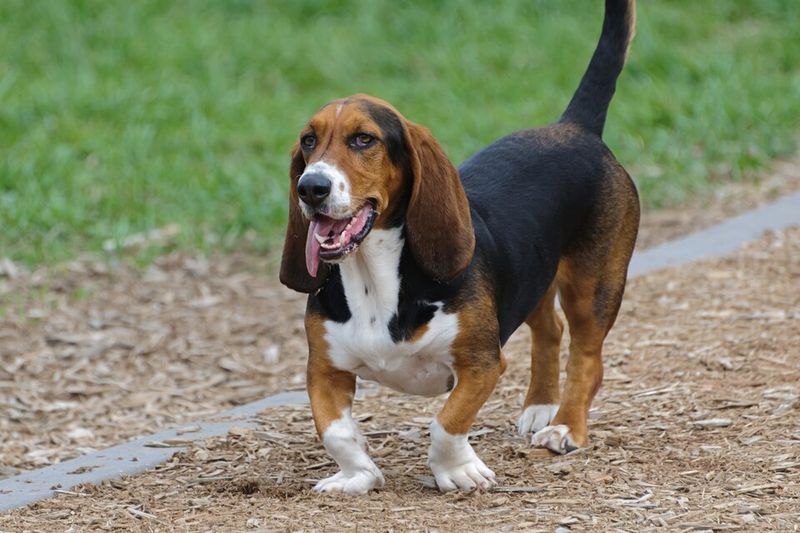
Basset Hounds carry a lot of weight on short legs, so even minor joint changes can feel big. Look for reluctance with stairs, jumping into cars, or standing from naps.
Subtle whining when lifted or a shift to resting on cool floors can point to sore elbows or hips.
Keep nails trimmed and floors grippy to prevent slipping. Measured walks with gentle hills build strength without pounding joints.
A supportive harness reduces pressure on the neck and shoulders.
Work with your vet on body condition goals and anti inflammatory plans if needed. Omega 3s and glucosamine may help, paired with steady routines.
With thoughtful adjustments and patience, your Basset can stay cheerful and mobile.
Clumber Spaniel
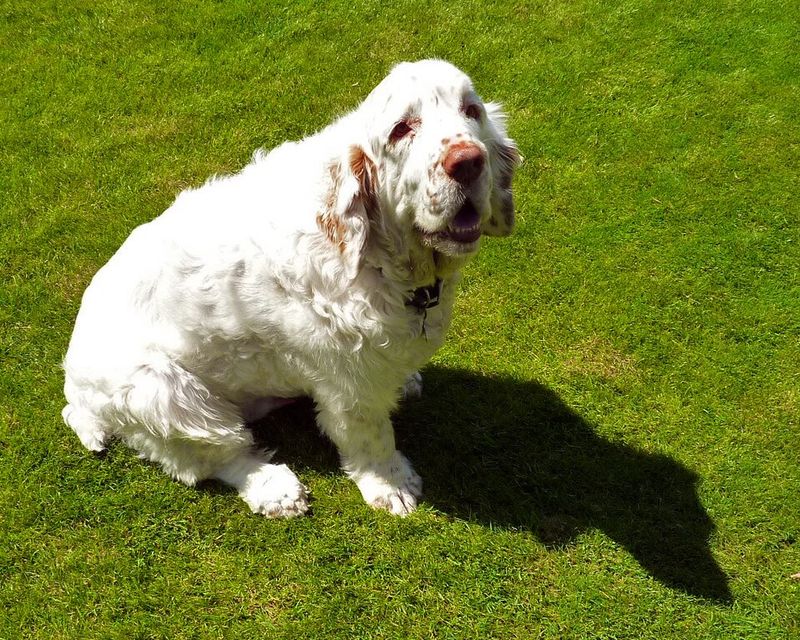
Clumber Spaniels are heavy boned sporting dogs that love to work through discomfort. If fetching slows or jumping into the car becomes uncertain, joints may be talking.
Watch for stiff starts after naps, short strides, or an occasional limp after play.
Swap high impact games for controlled retrieves on grass. Keep weight lean using measured meals and puzzle feeders.
Non slip runners in hallways help them move confidently between rooms.
Your vet can recommend targeted exercises to strengthen glutes and core. Ask about anti inflammatory options during flare ups and supportive supplements.
With steady, low impact conditioning and thoughtful home setup, your Clumber can stay engaged, upbeat, and ready for gentle adventures.
Sussex Spaniel
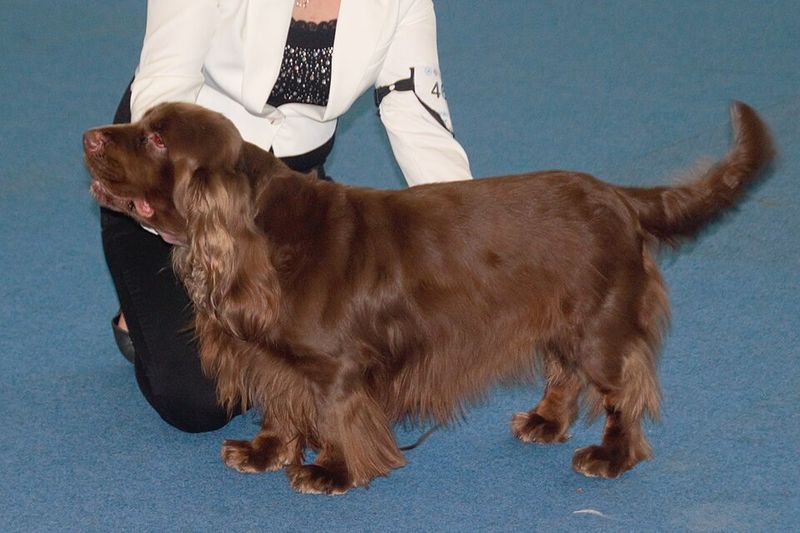
Sussex Spaniels are devoted partners that hide aches behind wagging tails. You might notice shorter strides, hesitation before jumping into the car, or a preference to sit and watch rather than chase.
Stiffness after resting and slow warm ups are common early flags.
Choose low impact activities like scent games and gentle hill walks. Keep nails in check and use area rugs for traction on slick floors.
A harness helps distribute pressure more comfortably than a collar.
Regular vet checkups, especially after big growth spurts, can catch problems early. Discuss diet, weight, and joint support supplements.
With consistency and patience, your Sussex can stay cheerful and comfortable without overdoing it.
Shar Pei
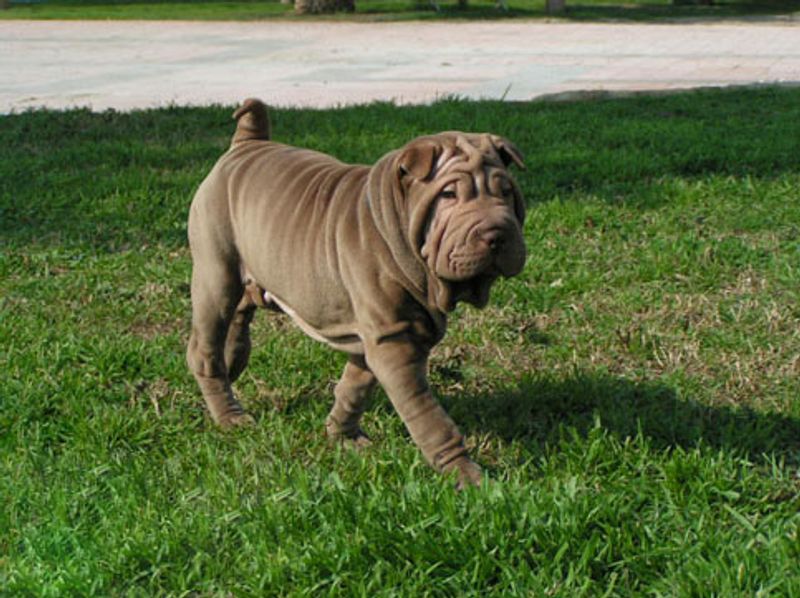
Shar Pei dogs are famously stoic, often masking discomfort until mobility changes become obvious. Hesitation on stairs, difficulty rising, or a sudden dislike of jumping into the car can signal joint pain.
Sometimes you will hear a soft huff or see brief limping after hard play.
Keep exercise steady and moderate, avoiding repetitive high impact fetch. Maintain a lean body with balanced nutrition and careful treat control.
Provide traction mats and a supportive orthopedic bed for deeper rest.
Ask your vet about baseline X rays and supplement options. During flare ups, short leash walks and controlled rest protect sore joints.
With attentive care and small daily tweaks, your Shar Pei stays confident and comfortable.
Chow Chow
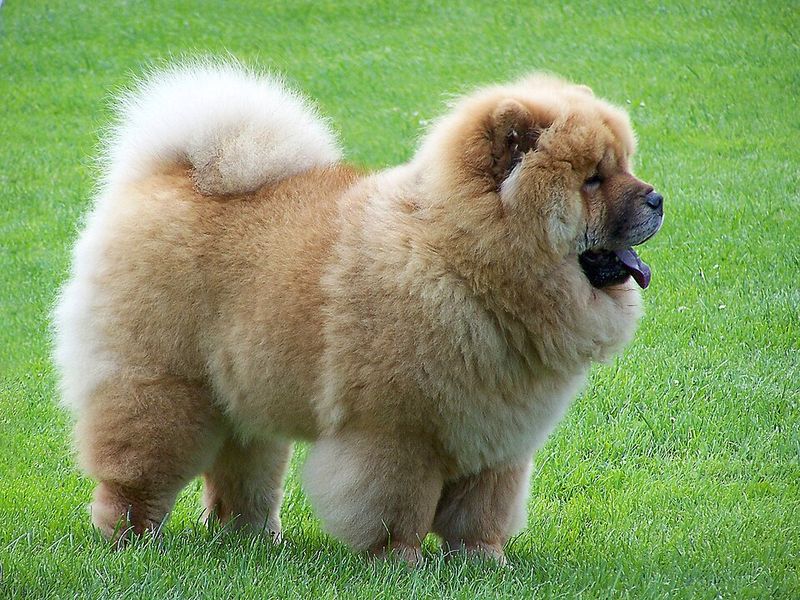
Chow Chows carry a sturdy frame that can stress hips and knees over time. If your Chow avoids stairs, lags behind on walks, or plants their feet before jumping, discomfort may be building.
Stiff starts in the morning and a reduced desire to play are early signals.
Keep activity low impact with short, frequent walks on grass. A car ramp and raised food bowls reduce strain on joints and neck.
Regular grooming prevents matting that alters gait or stance.
Partner with your veterinarian to monitor weight and consider joint supportive supplements. Pain control and physical therapy can help during flare ups.
With thoughtful routines, your Chow can stay dignified, mobile, and content.
Newfoundland
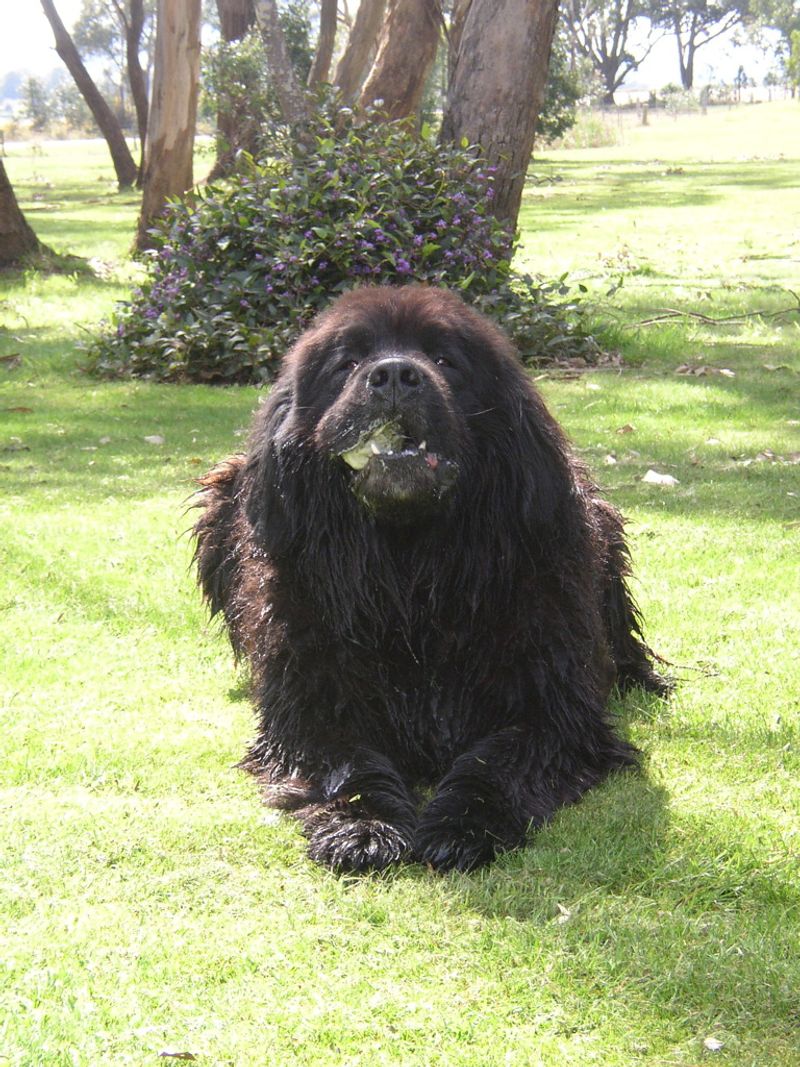
Newfoundlands are massive, gentle dogs that often power through pain. Early clues include slower entries into cars, skipping stairs, or lying down rather than sitting.
After swimming or long walks, look for stiff recovery and shortened strides.
Water exercise is wonderful, but keep sessions controlled and warm up first. Use wide ramps, firm beds, and area rugs for stability around the house.
Focus on lean body condition to reduce joint load significantly.
Schedule routine orthopedic checkups and discuss supplements plus anti inflammatory plans. Simple strength work, like controlled hill walks, supports hips and shoulders.
With measured activity and daily comfort tweaks, your Newf stays joyful, steady, and capable.
Saint Bernard
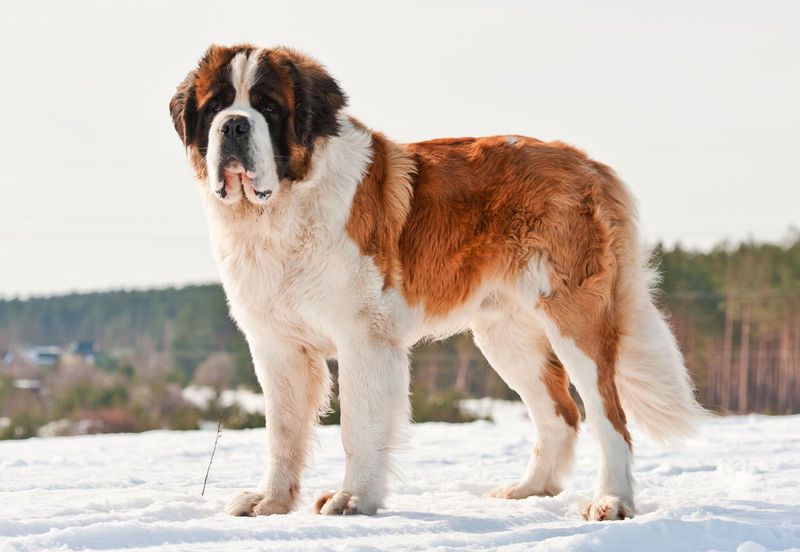
Saint Bernards grow quickly and carry tremendous weight, making joints vulnerable. You might notice awkward transitions from lying to standing, reluctance with steps, or gentle grunts when moving.
A shorter stride and toe dragging after long naps are early hints.
Keep growth slow and steady with vet guided nutrition. Use non slip flooring, supportive beds, and a car ramp to reduce strain.
Practice short, controlled walks and avoid repetitive jumping games.
Ask your veterinarian about screening for hip and elbow issues, plus tailored conditioning exercises. Pain relief plans and supplements can preserve quality of life.
With mindful management, your Saint can stay affectionate, strong, and eager for calm adventures.
Leonberger
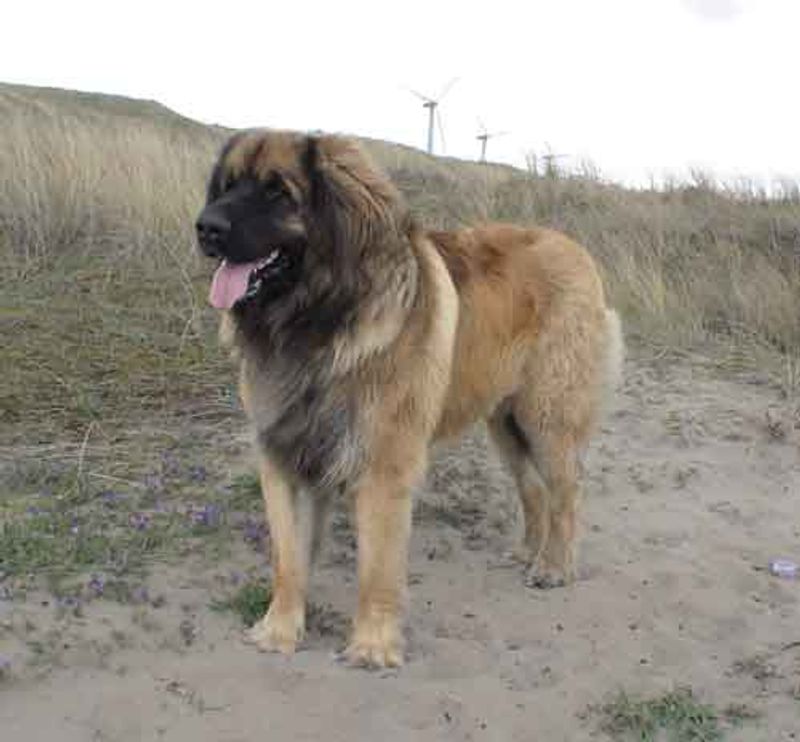
Leonbergers are athletic giants that may mask aches to keep pace with you. Signs include reluctance to jump into SUVs, careful stair work, or sitting instead of standing to greet.
After play, you might see a slight head bob or shortened stride.
Choose soft surfaces for training and keep sessions brief but frequent. A well fitted harness and wide ramp protect shoulders and hips.
Maintain lean condition with measured meals and purposeful walks.
Routine orthopedic exams catch issues before they escalate. Discuss omega 3s, joint supplements, and pain control strategies as needed.
With supportive habits and patient guidance, your Leo can stay confident, playful, and comfortable on the move.
Bernese Mountain Dog
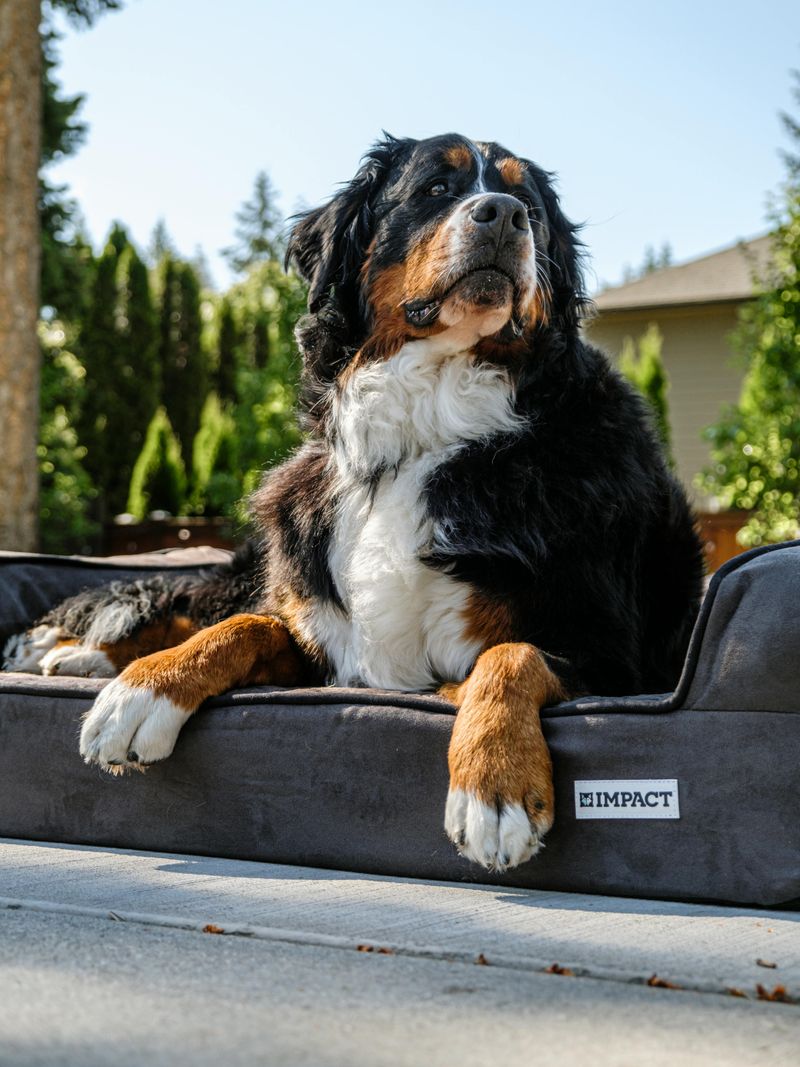
Bernese Mountain Dogs are eager to please, which can hide discomfort. If your Berner slows on stairs, hesitates to jump, or prefers shorter routes on walks, pay attention.
Stiff mornings, shifting weight off a hind leg, or a gentle sigh during movement can be clues.
Keep exercise balanced with gentle hills and controlled strength work. Traction mats, a supportive bed, and car ramps reduce daily strain.
Prioritize lean weight to spare hips and elbows.
Partner with your vet on screening plans and supplement options. During flare ups, dial back activity and use guided physical therapy.
With consistent care and calm routines, your Berner can stay bright eyed and comfortably active.
Great Pyrenees
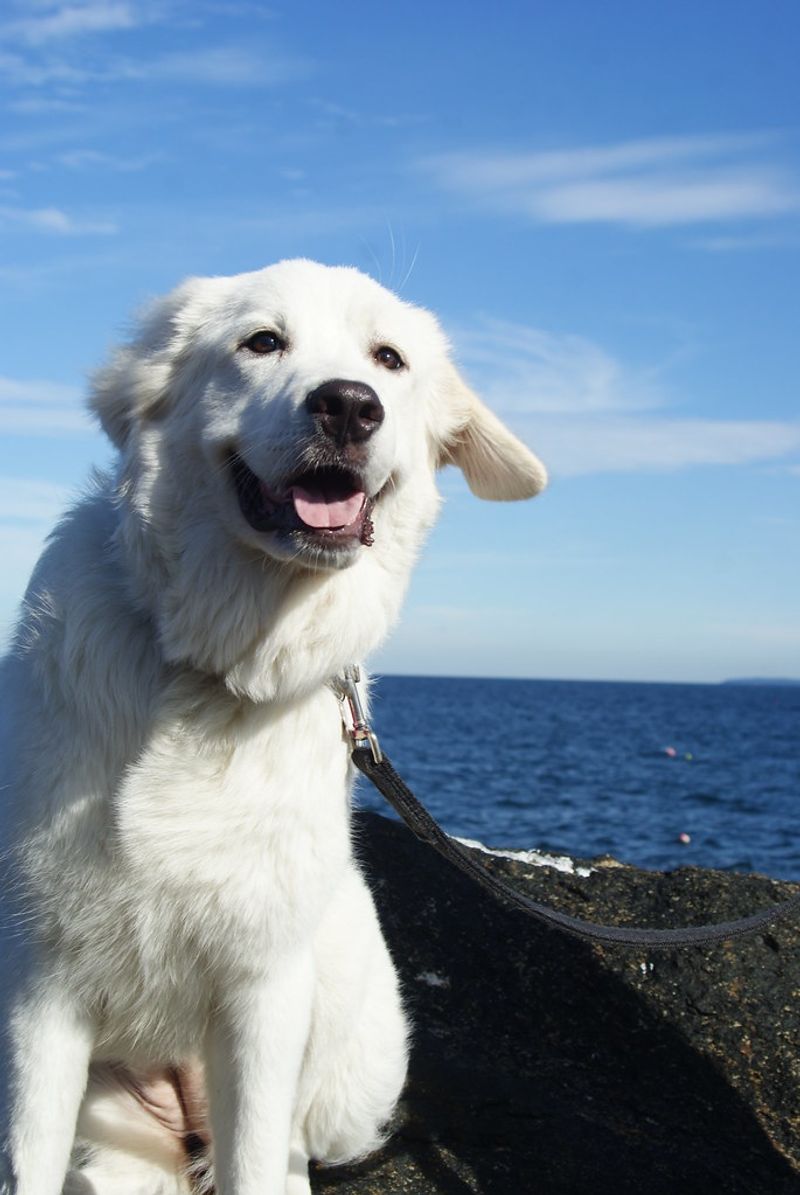
Great Pyrenees are steady guardians that may underreport pain. Watch for careful stepping on stairs, reluctance to load into vehicles, or choosing to lie rather than sit.
Shortened gait and stiffness after chilly nights can be early indicators.
Keep walks purposeful but short, focusing on soft ground. Provide sturdy ramps, grippy floors, and a thick orthopedic bed.
Maintain a lean body with measured meals and limited rich treats.
Consult your veterinarian about preventative screenings and targeted conditioning. Joint supplements and anti inflammatory plans can help during rough patches.
With thoughtful routines and warmth, your Pyr can stay comfortable, confident, and ready for gentle patrols.
Tibetan Mastiff
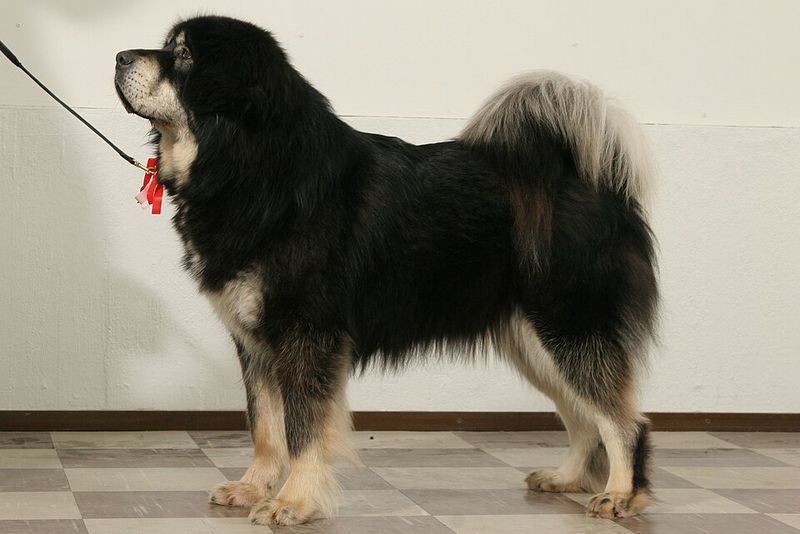
Tibetan Mastiffs are independent and stoic, often showing pain only through small changes. You might notice slower starts, reluctance with steps, or choosing flatter routes on walks.
Occasional limping after play and a cautious approach to jumping are meaningful clues.
Favor low impact routines with short, steady sessions. Use ramps, cushioned beds, and non slip surfaces throughout the home.
Keep weight trim with measured feeding and high quality nutrition.
Plan regular orthopedic checkups and ask about supplements and pain relief strategies. Simple strength and flexibility exercises support long term mobility.
With calm, consistent care, your Tibetan Mastiff stays comfortable, dignified, and ready for peaceful companionship.