
If you have googled why your dog is suddenly draining the water bowl, you are not alone. Pet forums and vet lines are buzzing, and certain breeds pop up again and again.
Some dogs simply run hot or stress drink, but thirst can also flag health issues that deserve attention. Let’s walk through the breeds people mention most and what might be going on so you can act with confidence.
Miniature Poodle
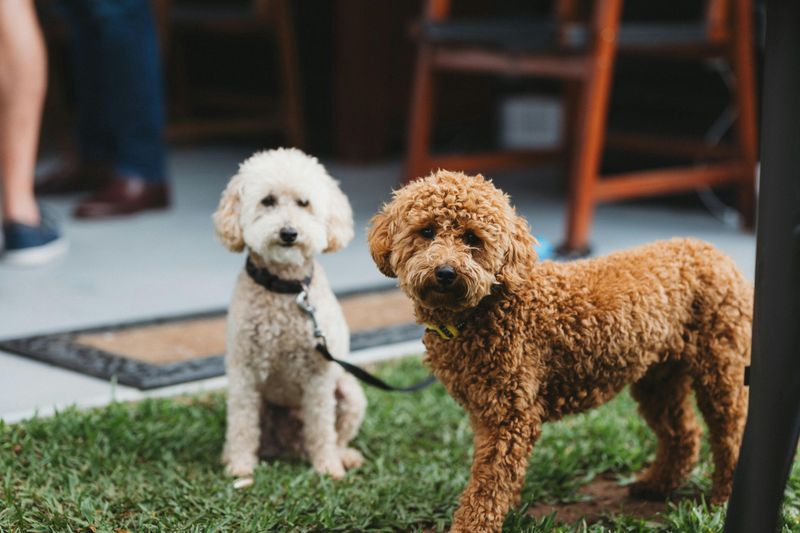
Miniature Poodles are clever, sensitive, and often very active, which can drive frequent water sipping after play. You might also notice thirst spikes with hot weather, anxiety, or salty training treats.
If drinking seems excessive, track amounts for a week and note energy, appetite, and urination changes.
Because Poodles can be predisposed to conditions like Cushing’s, diabetes, or urinary issues, persistent thirst deserves a vet chat. Bring a log and a fresh urine sample if possible.
Ask about bloodwork, electrolytes, and endocrine screening so you rule out medical causes early.
Meanwhile, offer multiple bowls, clean them daily, and avoid sudden diet changes. Use puzzle feeders to slow stress gulping.
You know your dog best, so trust your gut and call the vet when something feels off.
Standard Poodle
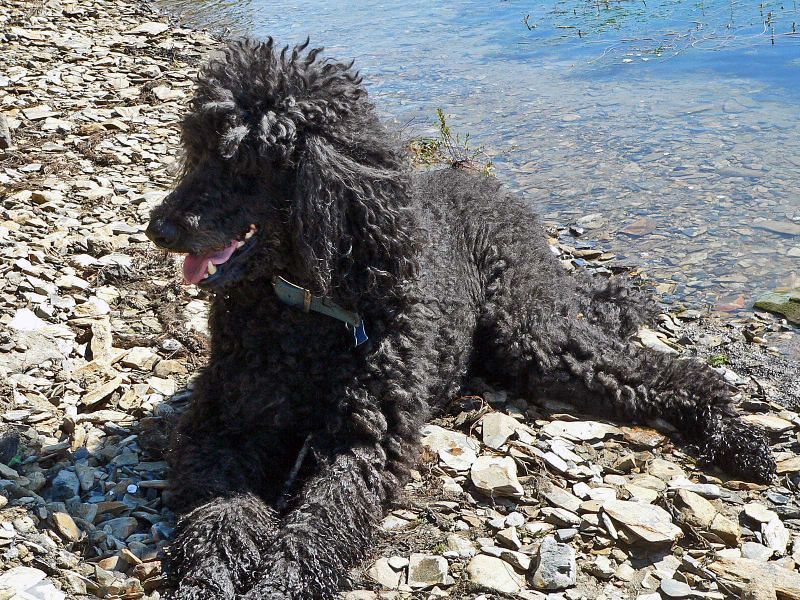
Standard Poodles work hard and think hard, so water intake can spike after training or long runs. Heat, grooming stress, or kibble high in sodium may also nudge thirst higher.
When the bowl empties faster than usual, log the pattern, including nighttime drinking or house soiling.
Excessive thirst can signal diabetes, kidney concerns, or Cushing’s, conditions seen in Poodles. Early bloodwork and a urinalysis provide clarity and peace of mind.
Ask your vet about diet, hydration targets, and whether endocrine screening is appropriate.
At home, split exercise into cooler parts of the day and provide shaded rest. Refresh bowls twice daily and consider a fountain for clean, moving water.
Small tweaks help, but consistent overdrinking needs professional eyes.
Schnauzer (Standard)
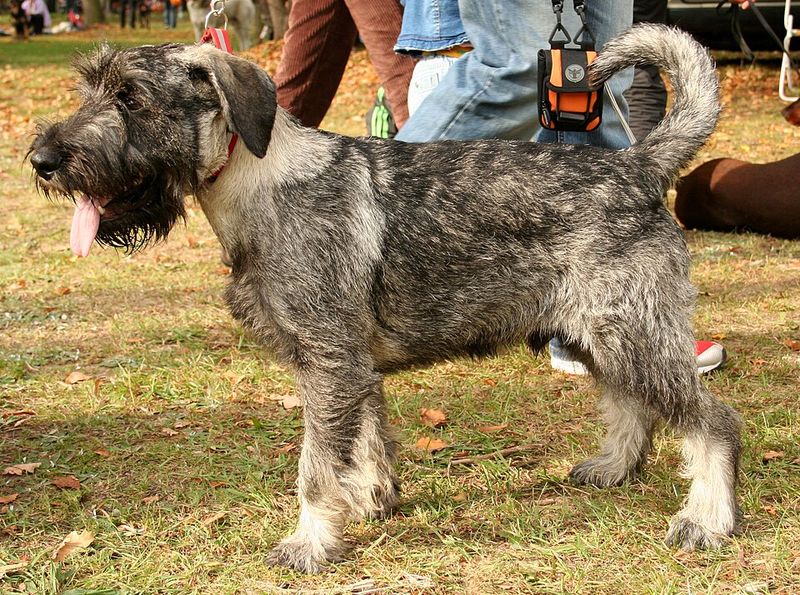
Standard Schnauzers are energetic guardians that often drink more after vigorous activity. Salty treats, hot days, or mild anxiety can also push intake higher.
Keep a daily log of ounces and note any accidents, panting, or restlessness at night.
This breed can be prone to pancreatitis and metabolic issues, so sudden thirst changes merit testing. Request blood chemistry, glucose, and urinalysis to screen for diabetes or kidney problems.
If needed, discuss abdominal imaging and diet adjustments with your vet.
Offer frequent rest breaks, rinse bowls to prevent biofilm, and use a slow-feeder to curb stress gulping. Consistency helps you spot real shifts.
When thirst trends upward without a clear trigger, do not wait to schedule an exam.
Schnauzer (Giant)
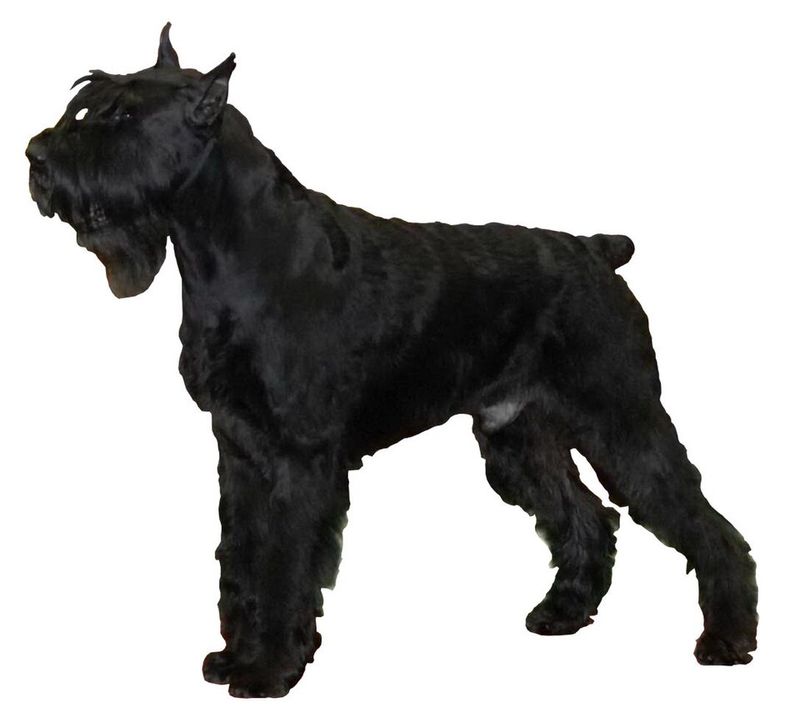
Giant Schnauzers burn serious calories, and after heavy work or training, big gulps are expected. Over time, though, unexplained polydipsia should raise a flag.
Track water intake per kilogram of body weight and write down urination frequency, appetite, and weight trends.
Giant breeds can experience endocrine disorders, renal issues, or side effects from certain medications that increase thirst. Ask your vet for comprehensive labs, including electrolytes and urine specific gravity.
Early data can prevent small issues from becoming crises.
At home, split meals, limit salty extras, and provide cool rest zones. A raised, sturdy water station helps posture for big dogs.
If night drinking wakes you often or accidents start, you need prompt veterinary guidance.
Schnauzer (Miniature)
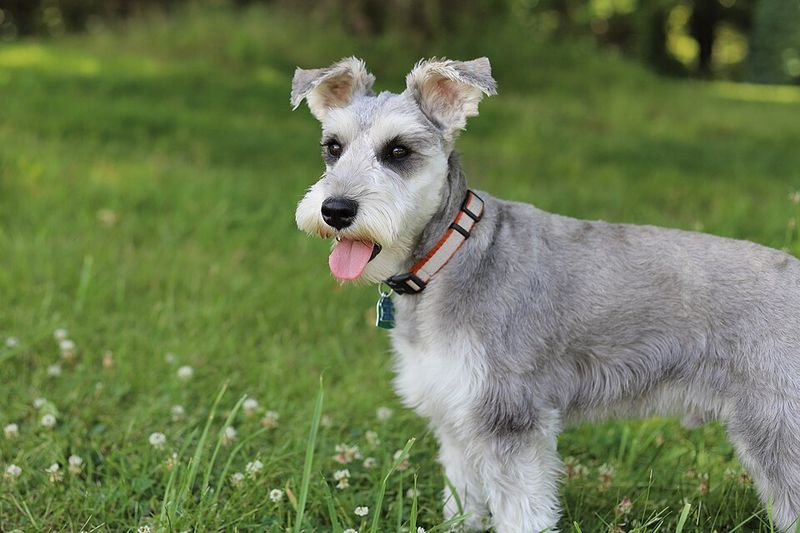
Miniature Schnauzers are charismatic and sometimes anxious, which can lead to stress sipping. Greasy snacks or salty chews may also drive thirst.
If the bowl is emptying faster, note timing, activity, and any tummy upset or peeing changes.
This breed can be predisposed to pancreatitis and diabetes, so do not ignore persistent polydipsia. Ask your vet for bloodwork, urine tests, and a diet review.
Discuss healthy fats and sodium levels to support long-term wellness.
Keep fresh water available but discourage frantic chugging right after meals or zoomies. Offer calm downtime and enrichment toys to lower nerves.
You are the expert on your dog’s normal, so trust patterns and act early when something feels off.
Samoyed
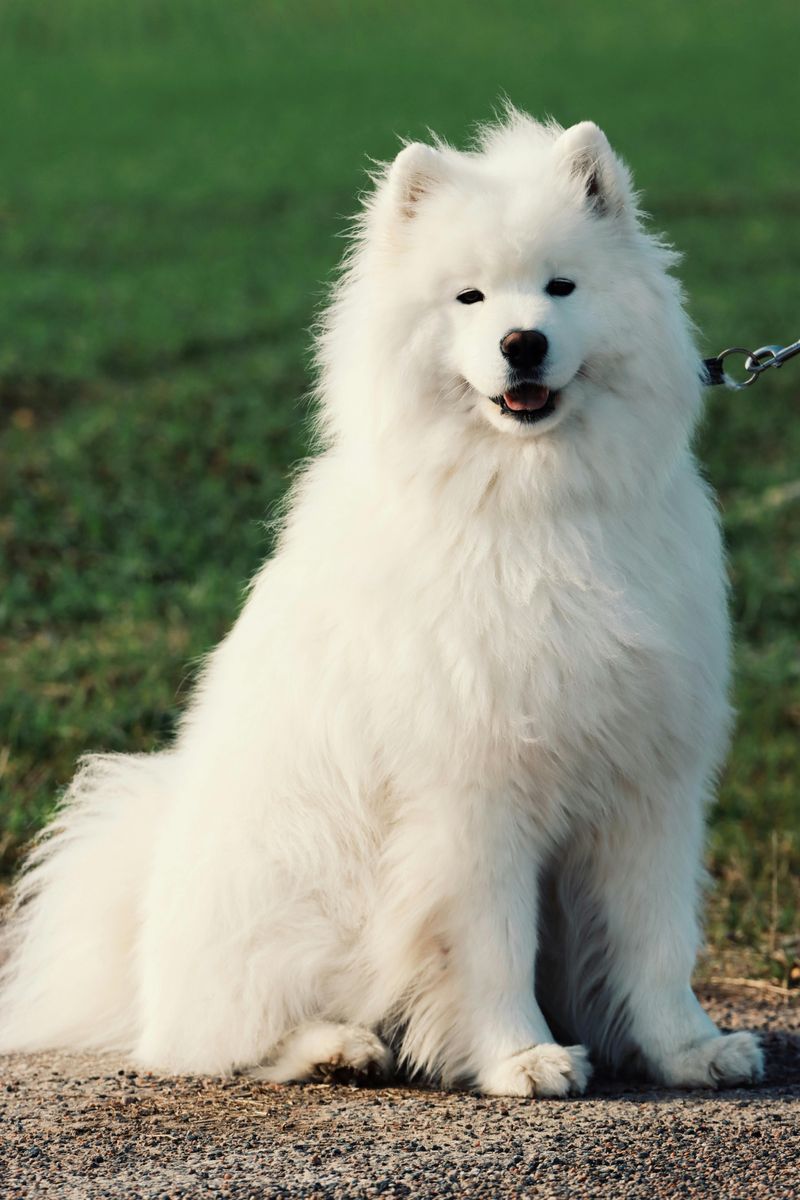
Samoyeds wear heavy coats and can overheat easily, so warm weather quickly boosts thirst. After play or herding-style games, you may see big, happy gulps.
The key is knowing what is normal for your dog and logging changes in ounces and bathroom breaks.
Because endocrine disorders or kidney concerns can present as polydipsia, schedule a checkup if thirst surges without heat or exercise. Request bloodwork, urine specific gravity, and thyroid screening if other symptoms appear.
Catching issues early keeps these smiling clouds comfortable.
Provide shaded rest, cool mats, and multiple bowls around the home. Clean daily to prevent biofilm and encourage steady sipping.
When behavior shifts fast or accidents start, your vet visit should not wait.
Keeshond
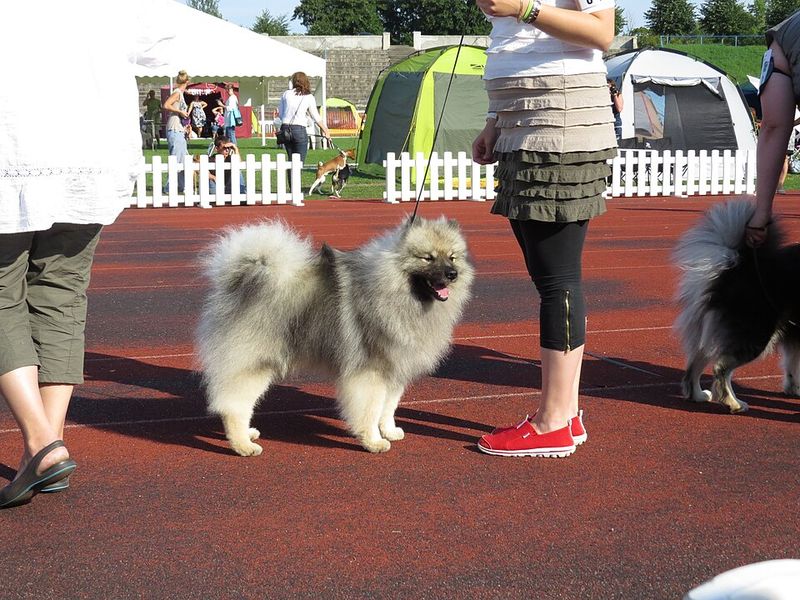
Keeshonden have dense coats and lively personalities, so thirst rises after play or grooming stress. Sometimes anxious excitement around visitors triggers extra sips.
Track baseline intake for a week, including nighttime patterns and any urination changes.
Persistent overdrinking can indicate kidney disease, diabetes, Cushing’s, or medication side effects. Ask your vet about chemistry panels, urinalysis, and adrenal screening when warranted.
Clear data helps you decide on diet tweaks and follow-up tests.
Offer cool resting spots, avoid salty treats, and rinse bowls thoroughly. A pet fountain may entice gentle, frequent sipping rather than big chugs.
When something feels off or routines shift suddenly, trust your instincts and get a professional opinion.
American Eskimo Dog
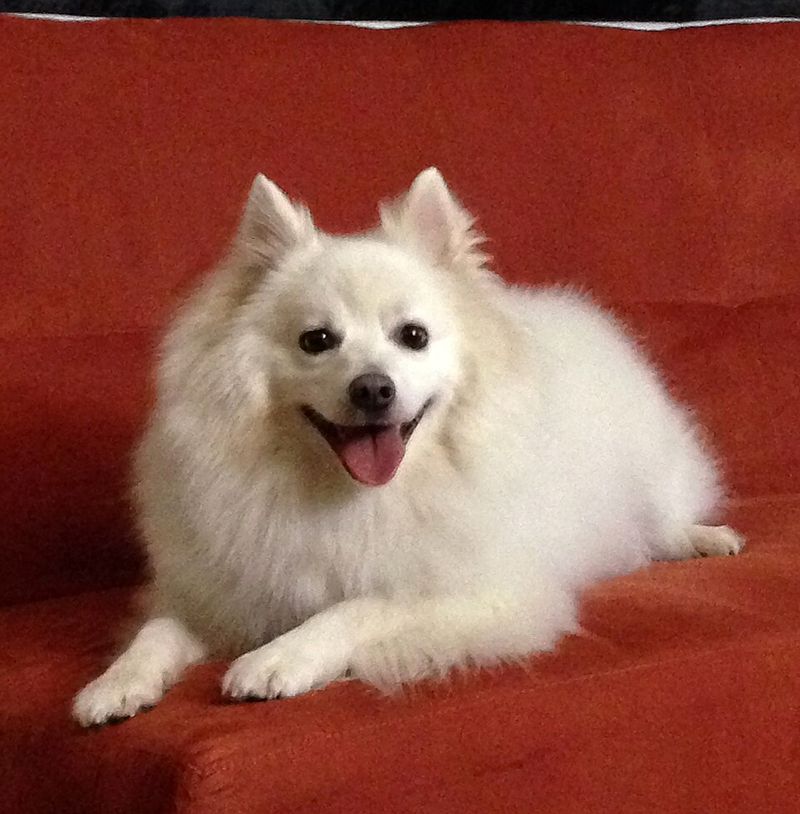
American Eskimo Dogs are alert, playful, and fluffy, often drinking more after vigorous training or warm walks. Excitement or nervous energy can also lead to repeated sips.
Start a simple log with daily ounces, activity notes, and bathroom patterns so trends become clear.
Excessive thirst may hint at endocrine problems, kidney challenges, or infection. Speak with your vet about bloodwork, urine tests, and diet review to sort behavior from medical causes.
If energy drops, appetite changes, or accidents appear, escalate quickly.
Provide fresh water in multiple spots, especially near rest areas. Keep bowls squeaky clean to encourage steady hydration.
With consistent routines, you will spot changes faster and advocate confidently for your fluffy friend’s health.
Eurasier
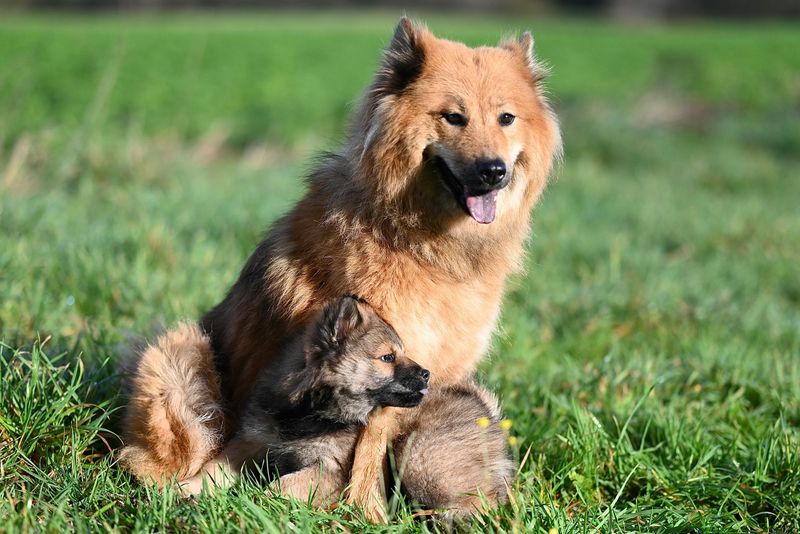
Eurasiers are calm companions, but heat and stress still nudge thirst higher. After brisk walks or playdates, extra sips are normal.
If the bowl starts emptying far quicker, capture daily totals and note nighttime restlessness or new accidents.
While generally healthy, Eurasiers can still face endocrine or renal issues that present as polydipsia. Vets often start with blood chemistry and urinalysis, then expand testing based on results.
Early answers reduce worry and support targeted care.
At home, prioritize cool spaces, moderate exercise in warm weather, and low-sodium treats. A flowing fountain may promote gentle, frequent drinking.
If your gut says the pattern is different, listen and book an appointment sooner rather than later.
Rough Collie
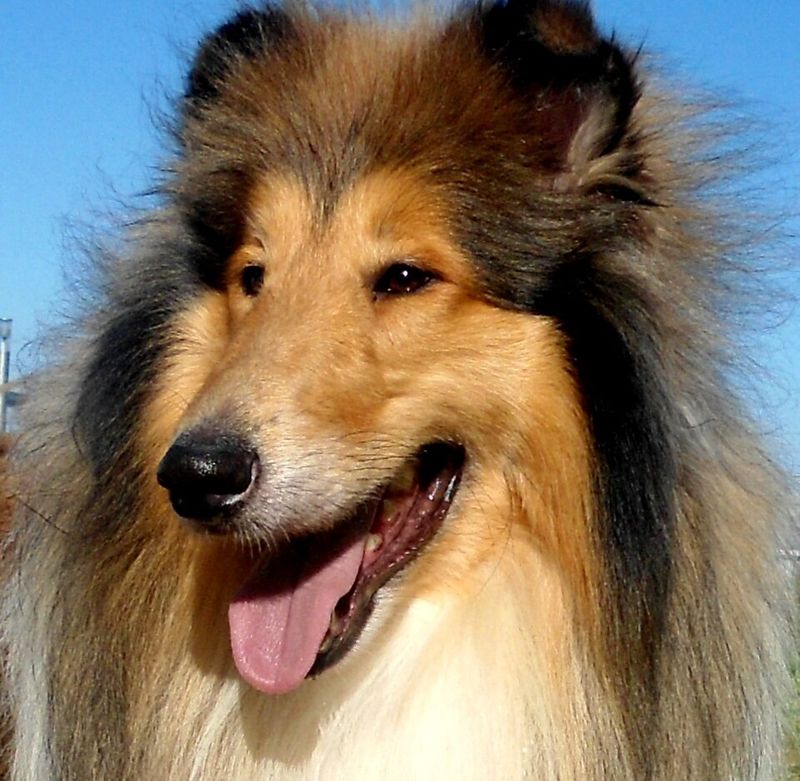
Rough Collies are sensitive herders that can stress drink during changes in routine. Warm grooming rooms or long hikes can also boost thirst.
Keep a simple chart of water ounces, appetite, and urination so you know what is truly new.
Because Collies may have medication sensitivities and breed-specific considerations, bring a thorough history to your vet. Ask for bloodwork, urine specific gravity, and appropriate screening based on symptoms.
Quick action protects these gentle souls from avoidable discomfort.
Offer shade, break up exercise, and rotate calm enrichment to lower anxiety. Clean bowls daily and consider a fountain for enticing flow.
If thirst rises without a clear reason, do not wait for it to resolve on its own.
Shetland Sheepdog
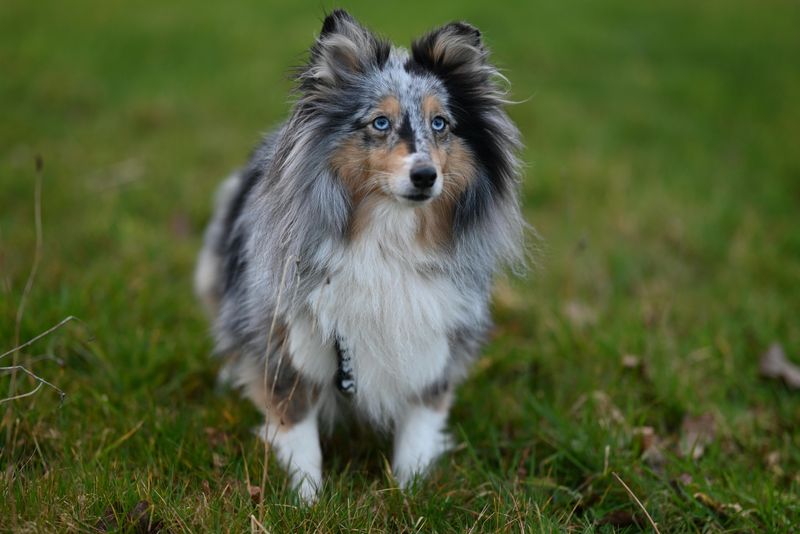
Shetland Sheepdogs are bright and sensitive, so excitement or nervousness can trigger extra sips. After agility practice, expect normal thirst bumps.
The red flag is sustained overdrinking paired with increased urination or night waking.
Shelties can encounter endocrine or renal issues like any breed, so baseline testing helps. Ask your vet for bloodwork, a urinalysis, and diet review, especially if weight or energy shift.
Early feedback guides smart next steps.
At home, reduce salty snacks, cool down gradually after workouts, and provide multiple fresh bowls. Keep a weeklong log to compare against future flares.
Trust your observations and get help quickly if the pattern keeps growing without explanation.
Border Collie
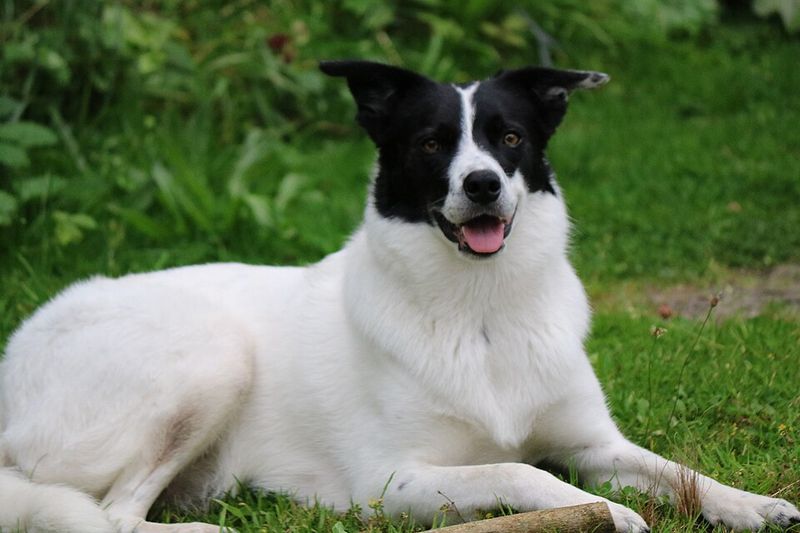
Border Collies run hot from intense work and mental drive, so post-exercise thirst is expected. When the urge to drink stretches into rest periods, start tracking ounces, potty frequency, and behavior changes.
Heat, stress, or high-sodium kibble can all nudge intake upward.
Consistent polydipsia deserves a vet visit to rule out diabetes, kidney disease, or Cushing’s. Ask for labs and urine tests, plus a conversation about training load, supplements, and diet.
Data helps separate hardworking thirst from medical red flags.
Schedule workouts during cooler hours, offer shade, and provide calm decompression after tasks. Refresh bowls often and consider a fountain to encourage steady sipping.
When the trend rises without cause, do not wait to address it.