
Some dogs do not bark, growl, or lunge when overwhelmed. Instead, they freeze, turn away, and quietly shut down, leaving you guessing until stress becomes a bigger problem.
This silent dog stress is easy to miss and often mistaken for calm or stubbornness. Learn how to spot it in breeds known for going quiet under pressure, so you can step in with compassion and confidence.
Whippet
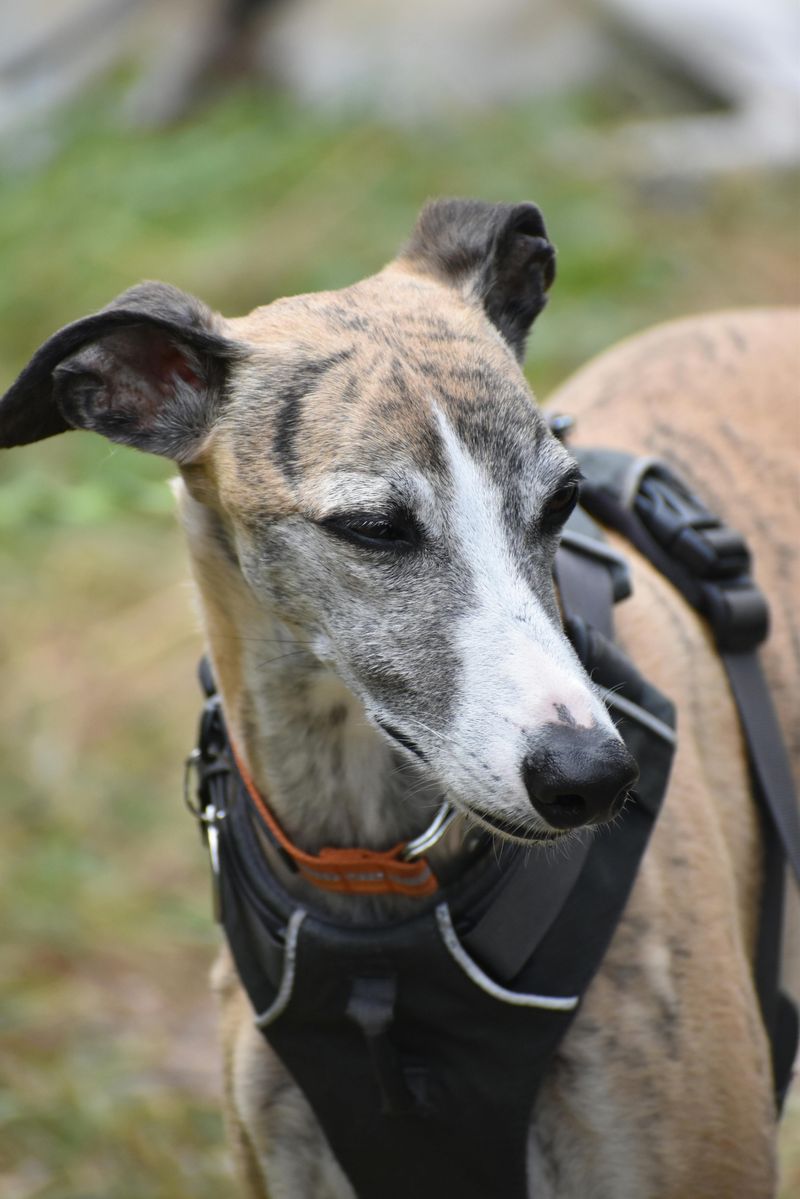
Whippets often shut down when pressure builds, choosing stillness over barking. You might see a lowered head, tucked tail, or a small lick of the lips that passes in a second.
They can appear aloof, but really they are saying this is too much right now.
In busy spaces, offer distance and a soft place to settle. Keep interactions gentle and predictable, and watch for freezing, slow blinking, or refusal to take treats.
Short decompression walks help them reset without overstimulation.
Teach a quiet go to mat cue and reward micro-relaxation, like sighs or soft eyes. Avoid rough handling or sudden grabs around their slender bodies.
With patience, you will see their confidence grow in thoughtful, sustainable ways.
Italian Greyhound
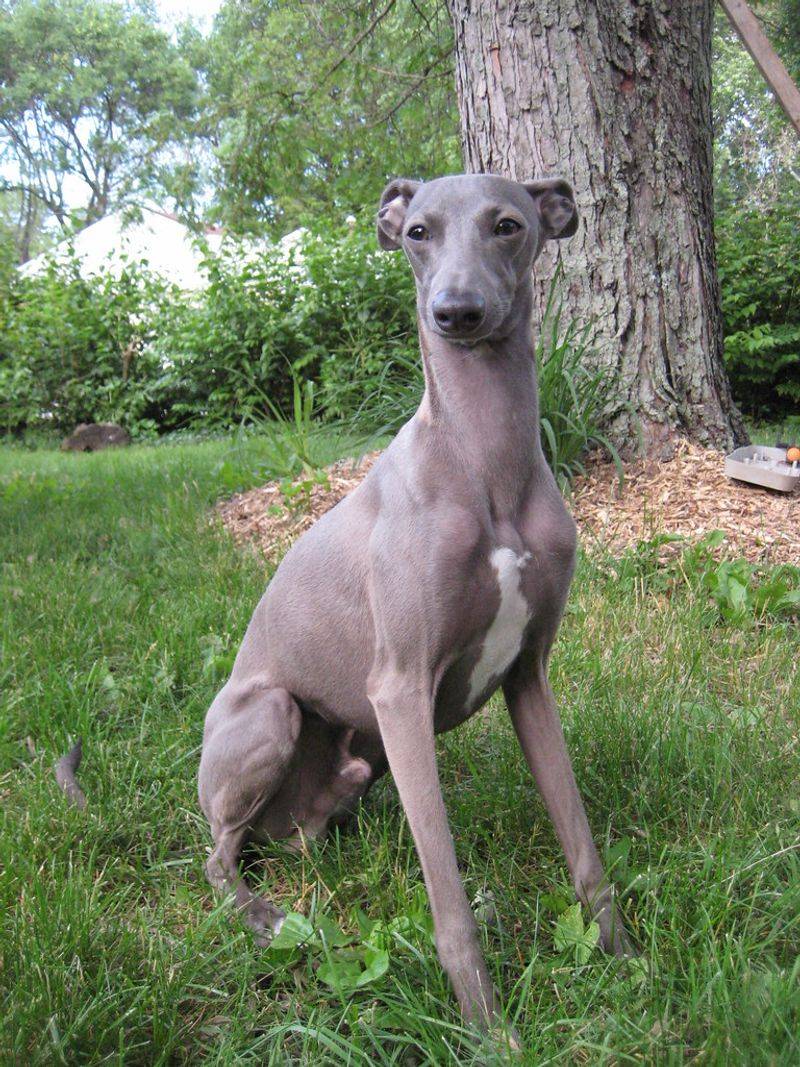
Italian Greyhounds often internalize stress, showing trembles that owners mistake for cold. They may avert their gaze, lift a paw, or curl tightly into a tiny donut.
When it is too much, they freeze and become glassy-eyed, quiet as a whisper.
Help by creating cozy, predictable routines and gentle handling. Use soft voices, warm layers, and slow exposure to new environments.
Look for micro signals like tongue flicks, hesitant steps, and refusing familiar cues.
Give choice by letting them approach at their own pace. Reward check-ins and relaxed breathing.
If visitors arrive, offer a retreat space where they can watch without pressure, turning scary moments into manageable, confidence-building experiences.
Greyhound
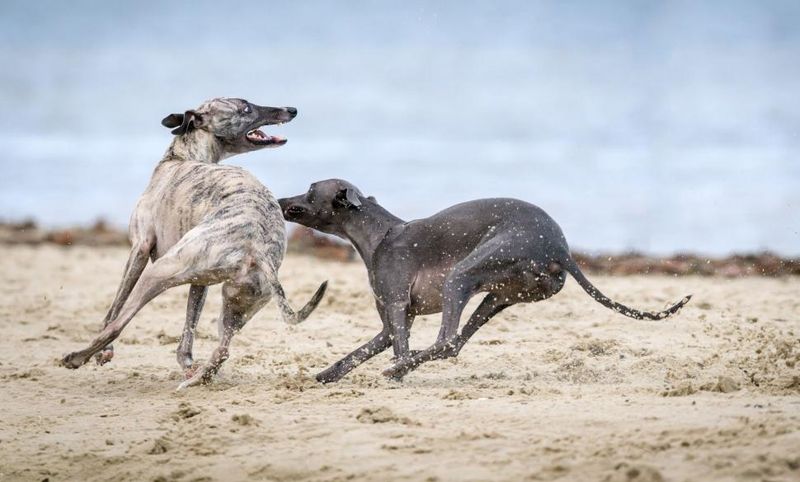
Greyhounds are dignified and sensitive, often coping through stillness rather than vocal protest. When overwhelmed, they may stand statue-still, turn their head away, or clamp their mouth tight.
Many refuse treats or move in slow motion when their stress rises.
Use gentle introductions and avoid crowding their space. Provide layered choices: step away, sniff, or settle in a comfy bed.
Reinforce small relaxations, like softening ears or exhaling.
Keep gear comfortable to protect delicate skin. Decompression walks in quiet areas help drain tension without adding arousal.
With patience, you will see confident curiosity return as the dog learns that opting out is respected and safety is always available.
Saluki
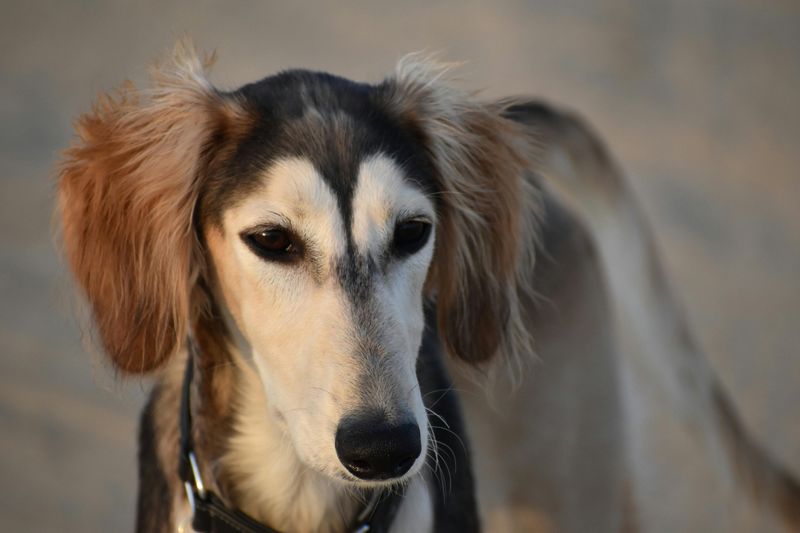
Salukis are elegant observers who withdraw when uneasy. Instead of protesting, they may shift away, smooth their lips, or hold their breath.
You will notice a regal stillness that looks polite but hides rising anxiety.
Respect their autonomy and offer predictable choices. Keep greetings low-key and let them approach on their own timeline.
Reward small signs of engagement, like sniffing or gentle eye contact, rather than forcing interaction.
Use long lines in open spaces so they feel supported, not trapped. Rotate restful spots and provide textured mats to encourage relaxed postures.
With steady routines and thoughtful exposure, their quiet can transform from shutdown to serene confidence.
Borzoi
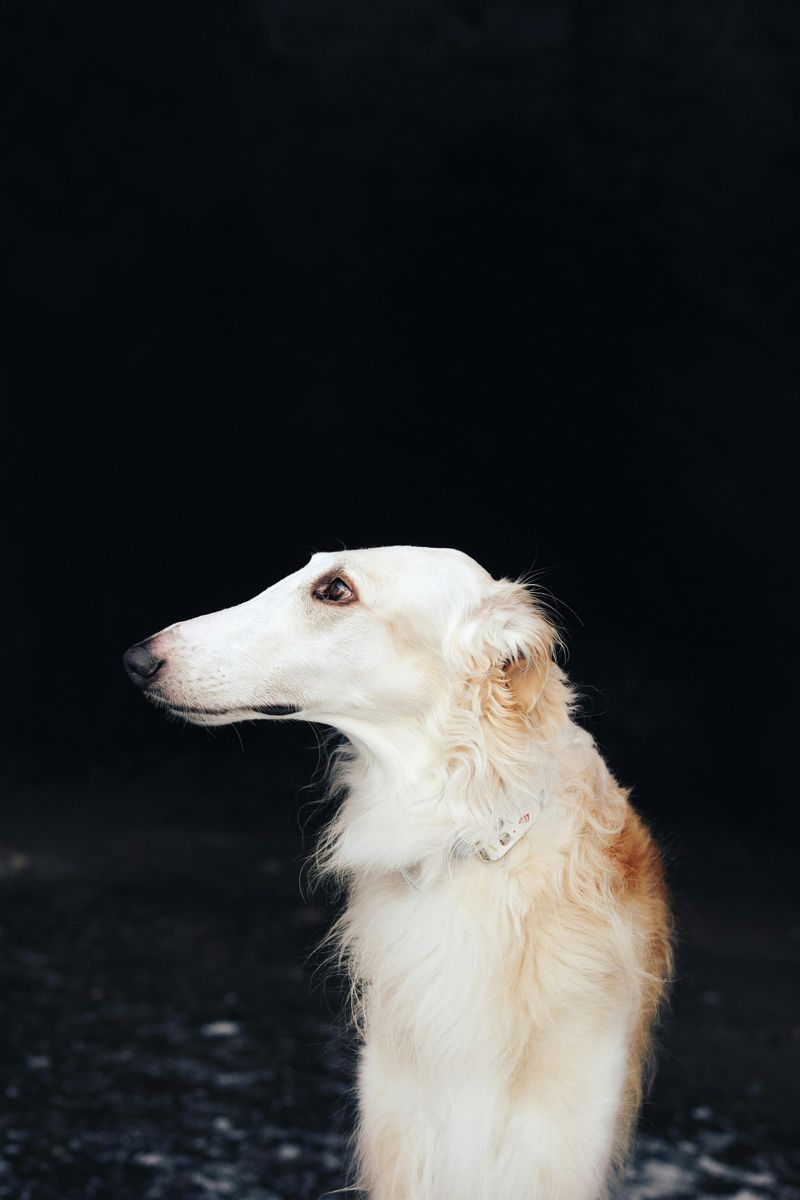
Borzoi carry stress with aristocratic restraint. They may lock their posture, tighten their jaw, or gently lean away from touch.
Many simply disengage, staring into the distance as if wind has their attention, when really they are asking for space.
Offer calm routines and gentle, predictable handling. Avoid busy environments that flood their senses.
Mark and reward tiny relaxations, like the first yawn or a softening tail.
Practice low-pressure socialization with distance and quiet observers. Encourage sniffing and slow exploration rather than direct approaches.
Over time, the dog learns that stepping back is honored, and confidence grows through choice and safety.
Afghan Hound
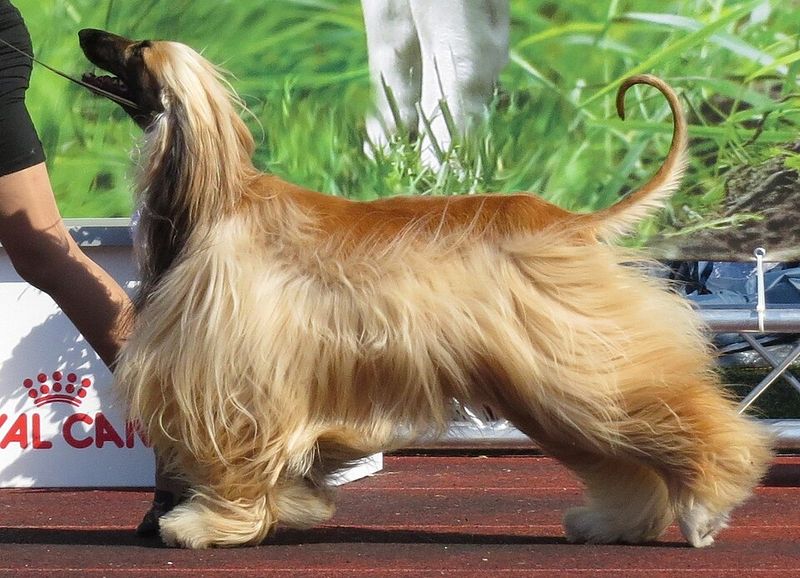
Afghan Hounds mask discomfort behind poise. When worried, they often go still, tighten their lips, and avoid eye contact, seeming aloof rather than anxious.
Their silky curtain of hair can hide shifting ears or a tucked tail.
Create a calm grooming routine and pair every touch with choice and reward. Keep sessions short, celebrate micro-compliance, and avoid restraint that feels sudden.
Offer escape routes during visitors so they are not cornered.
Watch for early whispers of stress: refusing treats, slow sits, or a frozen stance. Decompression sniffing and quiet walks help them reset.
Trusted, predictable handling turns their quiet into steady confidence without pushing them past threshold.
Basenji
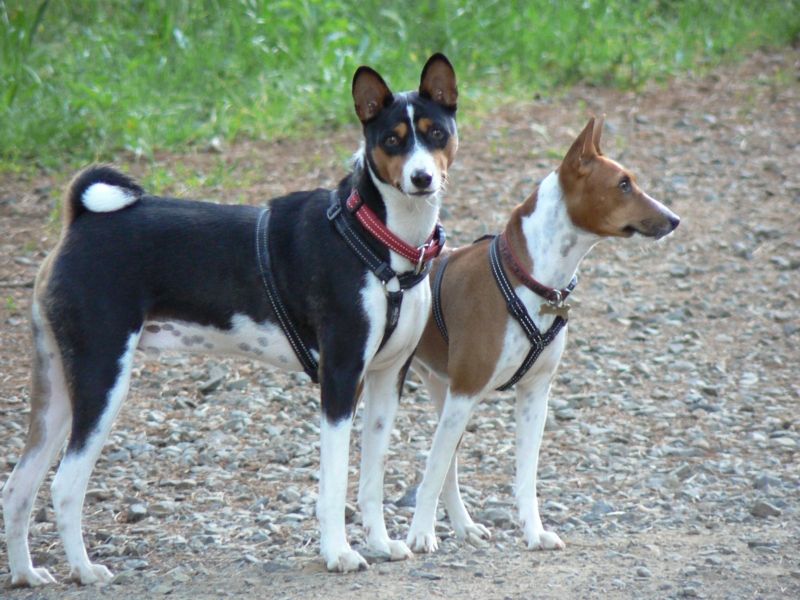
Basenjis are famously quiet, and their stress can be quieter still. Instead of warning barks, you might see a quick tongue flick, rapid sniffing, or sudden stillness.
They can look stubborn when they are actually overwhelmed and shutting down.
Help by reducing demands and offering choices. Use scent games and gentle hand targeting to boost agency.
Keep sessions short and end on a relaxed note to preserve confidence.
Look for early changes like refusing a favorite treat or looking away repeatedly. Provide structured rest and predictable routines.
With respect for their independence, you will see curiosity return and communication become clearer without pressure.
Shiba Inu
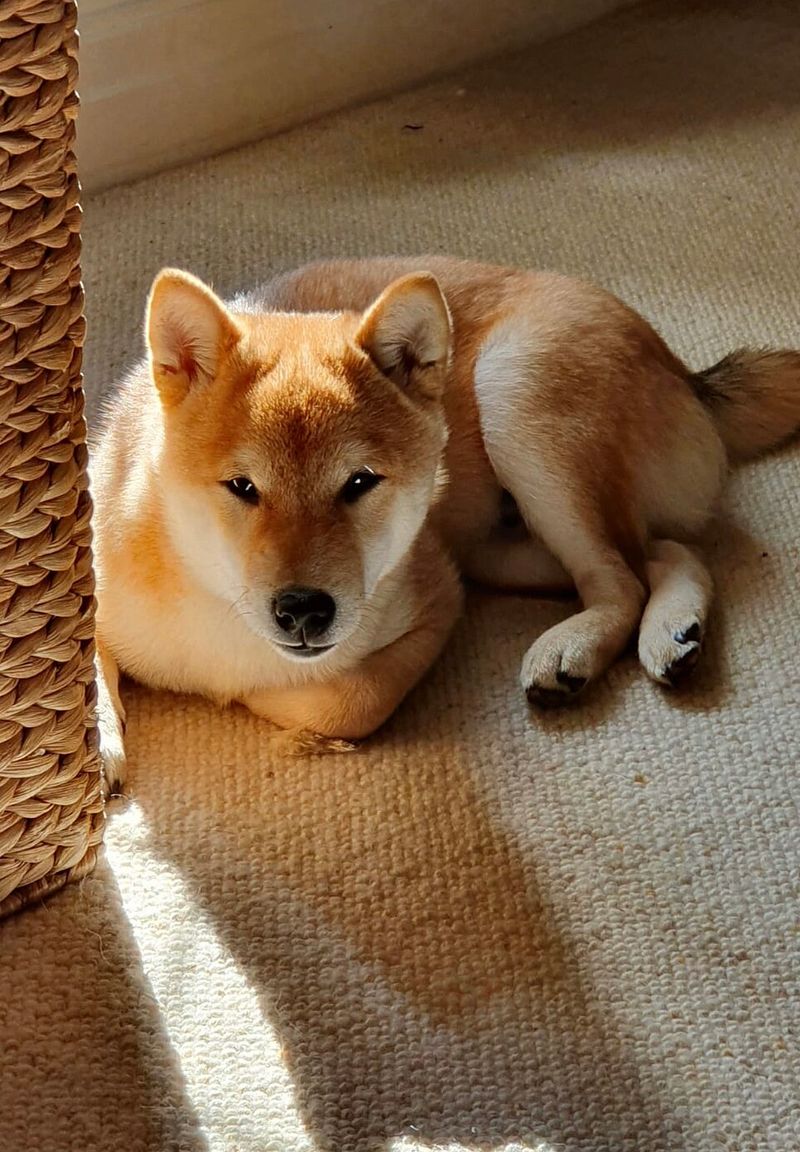
Shiba Inus are stoic and often misunderstood. When stressed, they may go silent, close their mouth, and turn their body away.
Their tail may lower slightly, but that shift is easy to miss behind fluff and confidence.
Respect their space and let them initiate contact. Build trust with predictable routines and high-value reinforcers.
Teach cooperative care skills so grooming and handling become choice-driven.
Watch for subtle refusals, like ignoring cues or freezing mid-movement. Offer decompression walks and calm sniffing sessions to release pressure.
Over time, honoring their quiet requests leads to reliable communication and steadier, happier engagement.
Akita
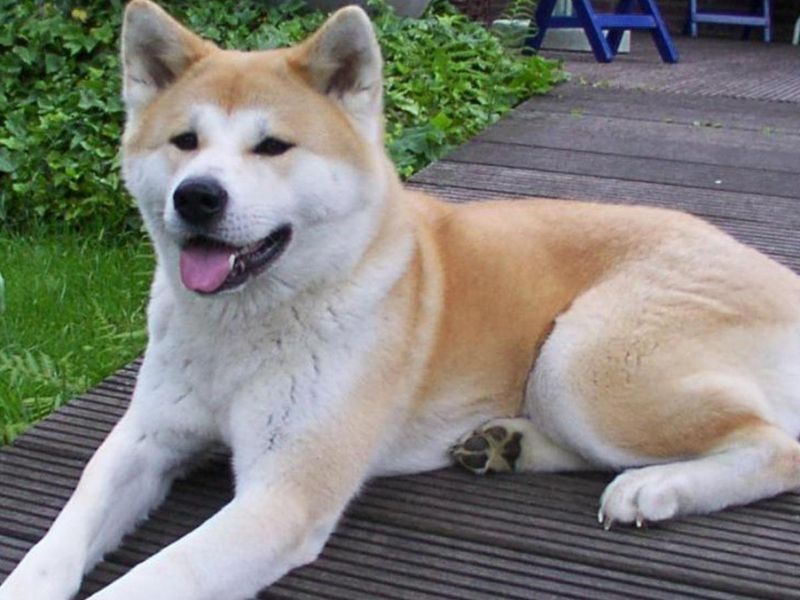
Akitas value composure, and silence is often their first language. Under pressure, they may stand still, turn their head away, or blink hard while seeming calm.
Owners often misread this poise as compliance instead of brewing stress.
Set clear boundaries and offer choices to step away. Use low-arousal training with generous distance from triggers.
Reinforce relaxed postures and soft eyes to build coping skills.
Practice cooperative care for handling and vet visits. Watch for early shut down signs like treat refusal, frozen sits, or a tight mouth.
Respecting quiet communication keeps everyone safe and strengthens trust without forcing interaction.
Chow Chow
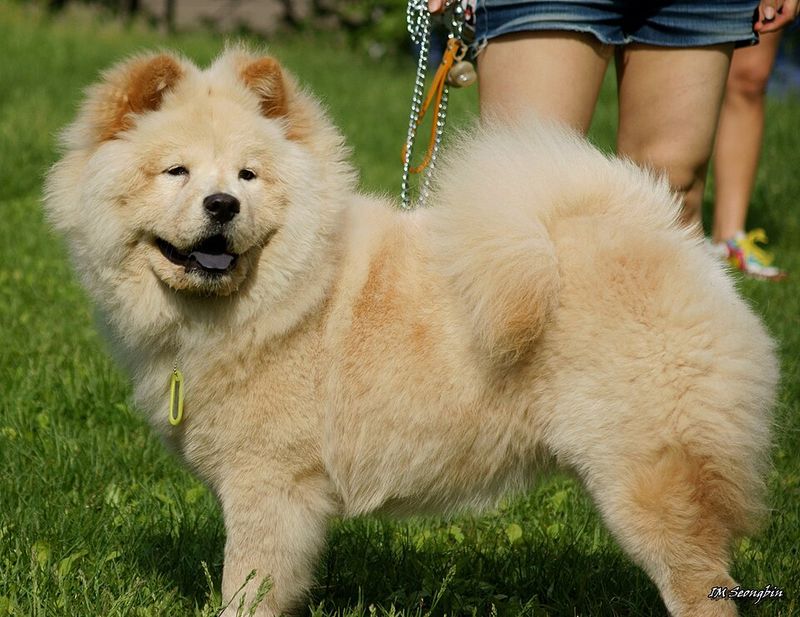
Chow Chows can look stoic even when tension is rising. They may grow silent, tighten their lips, and subtly lean away from touch.
That dignified stillness is often mistaken for indifference when it signals discomfort.
Give them space and predictable routines. Use calm, clear cues and reward softening body language.
Keep grooming slow, with frequent breaks and consent checks to prevent shutdown.
Monitor micro signs like turning the head, refusing treats, or holding breath. Offer decompression time after social events.
When their quiet voice is heard, you will see steadier engagement and a more relaxed, confident companion.
Shar Pei
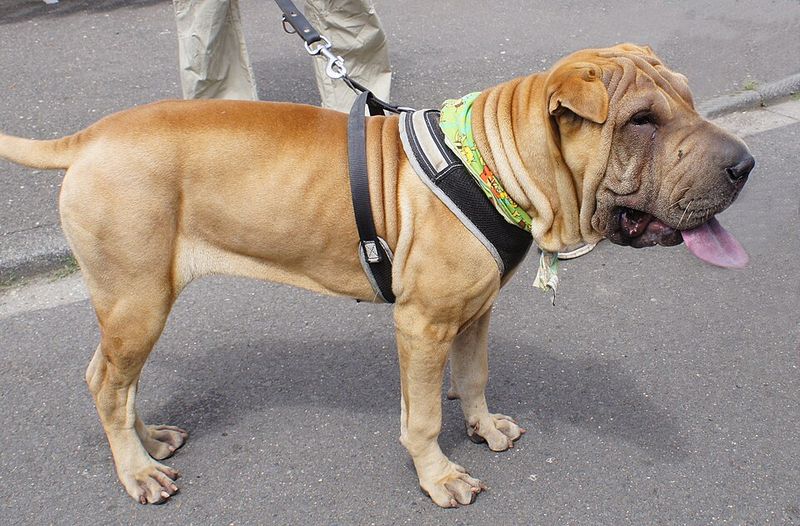
Shar Pei can retreat inward when overwhelmed, showing a tight mouth and distant gaze. Their wrinkles can hide micro-expressions, making stress easy to miss.
You might see statue-like stillness or slow responses instead of overt reactions.
Support them with quiet routines and respectful handling. Teach cooperative care to reduce grooming and vet stress.
Short, positive sessions help build trust without crowding them.
Watch for early disengagement like turning away or refusing known cues. Offer safe zones and allow breaks during social visits.
When their subtle signals are honored, they become more willing to participate and learn.
Pharaoh Hound
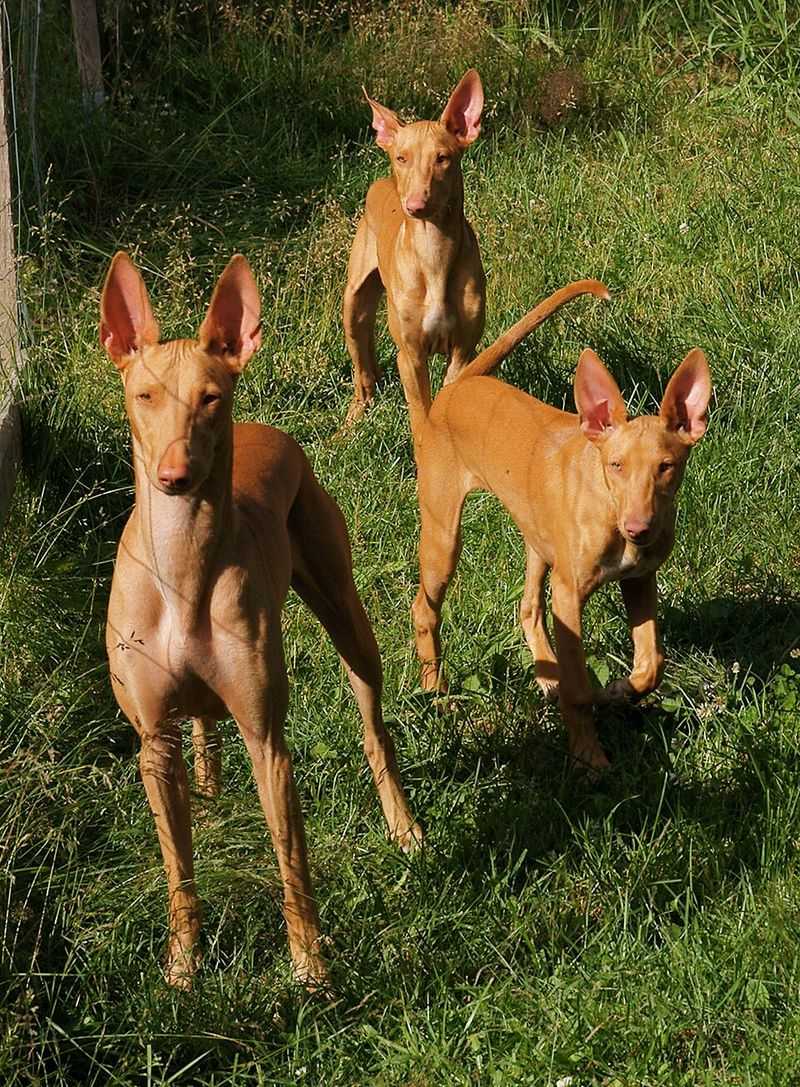
Pharaoh Hounds are sensitive and expressive, but stress can make them go silent. You may notice a frozen stance, tight mouth, or ears easing back while they look away.
They might stop taking treats and simply stand politely apart.
Lower intensity by increasing distance and control the environment. Reinforce curiosity with sniffing games and gentle targeting.
Keep sessions brief and upbeat to prevent overwhelm.
Mark tiny relaxations like a shoulder drop or slow exhale. Provide cozy rest areas where they can observe without pressure.
Over time, honoring their quiet signals builds resilience and a steady sense of safety.