
Head shaking can sound like a tiny drumline in your living room, and it usually means your dog is begging for ear help. If you have a floppy eared friend, moisture and debris can turn into annoying flare ups fast.
The good news is that small habits go a long way toward calmer, happier ears. Let’s walk through the breeds that pop up most in ear flare threads and how you can stay ahead of the shake.
Basset Hound
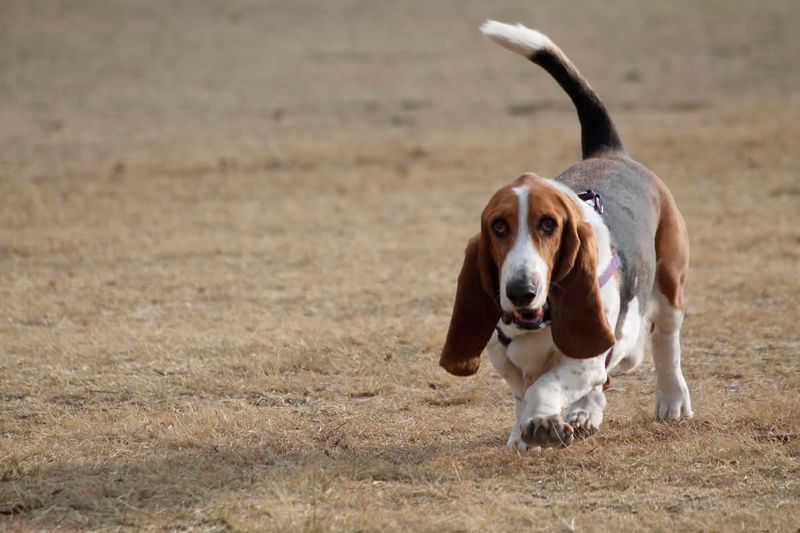
Basset Hounds bring those velvet curtain ears that brush the ground and trap every bit of life’s dust. You will hear that familiar shake after walks, baths, or even naps, because their canals hold onto moisture and debris.
Consistent ear checks become a weekly ritual, not a crisis response.
Use a vet approved cleaner, cotton pads, and patience. After wet play or rain, dry the ear flaps gently and give a short post walk inspection.
Watch for sour smells, brown buildup, or head tilt because those can hint at infection or ear mites.
Diet can matter too, since allergies often ride shotgun. When in doubt, ask your vet for culture guided treatment.
Bloodhound
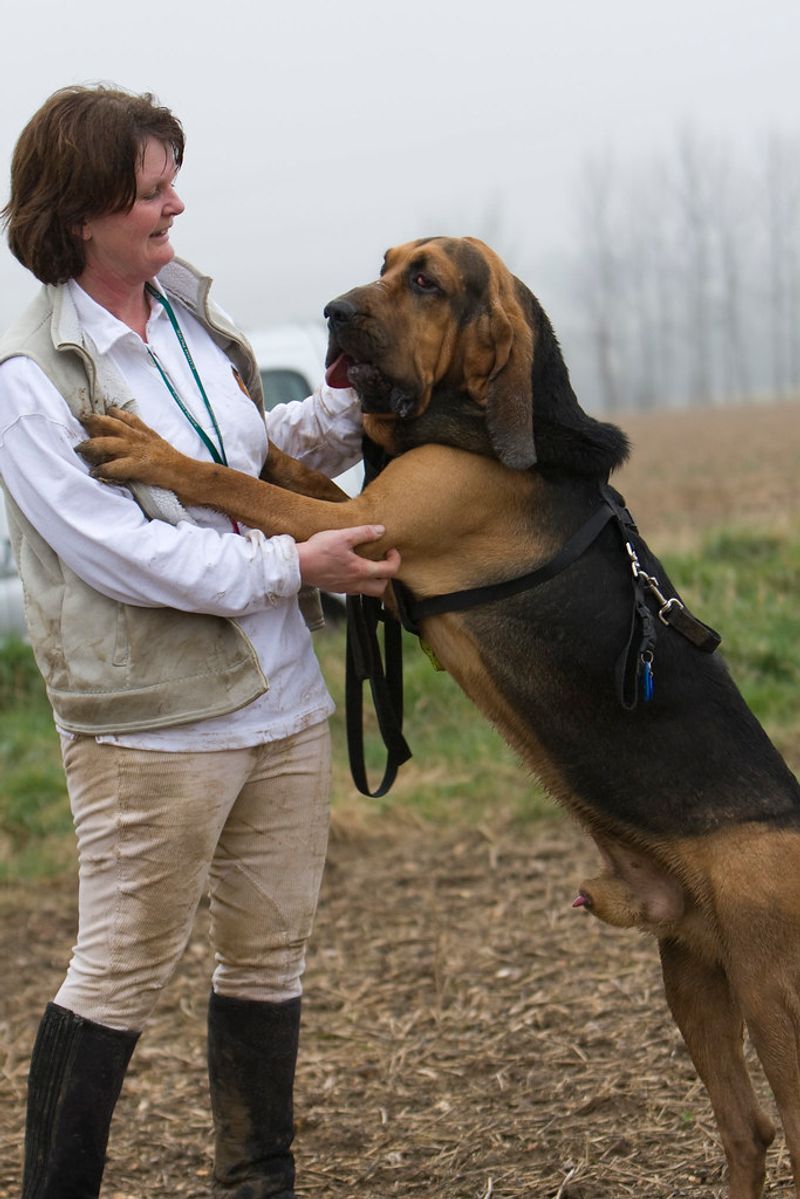
Bloodhounds track scents like legends, but their deep ear canals and heavy leathers create a warm tent for yeast and bacteria. You will notice rhythmic head shakes after hunts, hikes, or hot days.
A quick ear flush post adventure can save you from late night scratching frenzies.
Lift the ear, let it breathe, and trim excess hair to promote airflow. Keep a soft towel handy and gently blot moisture after swimming.
Any redness, thick discharge, or sudden pain deserves a vet check, not home guesses.
Allergy control helps, especially in spring and fall. Rotate cleaning frequency with seasons, and set phone reminders so care becomes routine rather than reactive.
Cocker Spaniel
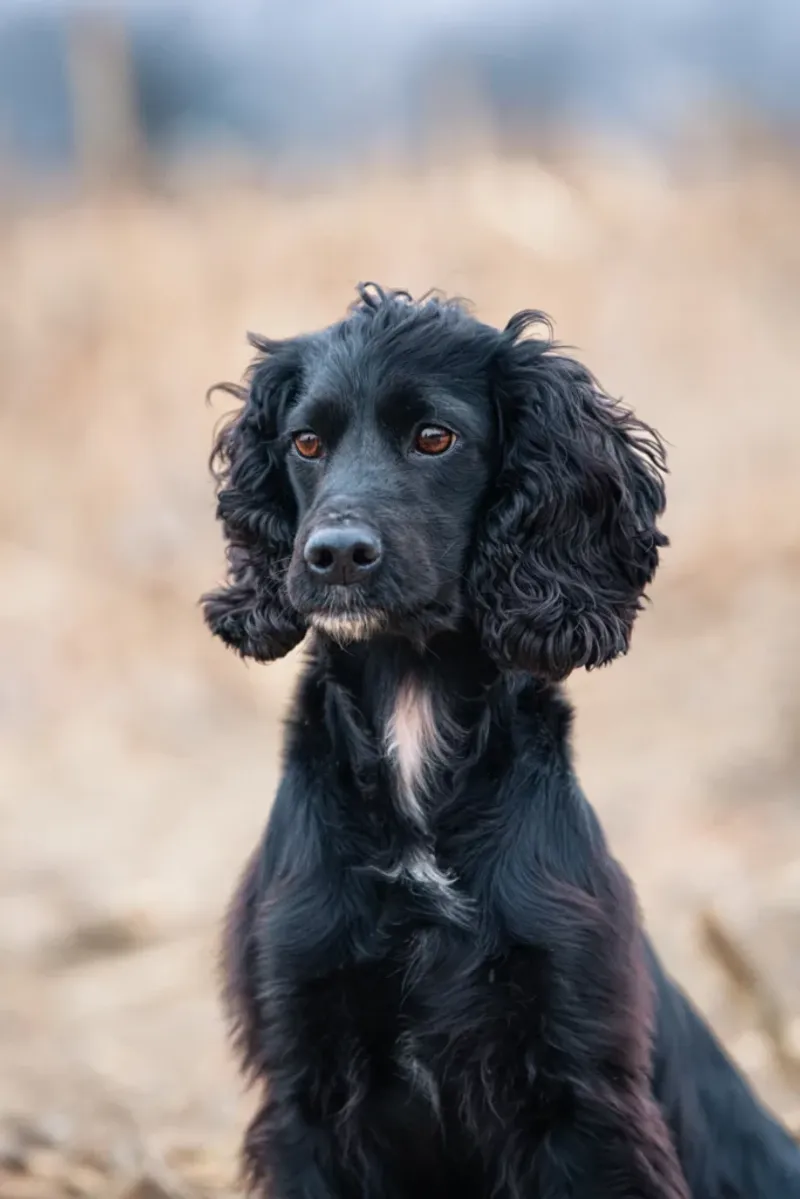
Cocker Spaniels star in ear flare threads because their canals are narrow and their ears are lush. You will often catch them shaking after grooming or humid weather.
Keep an eye on wax texture and color, and learn your dog’s normal so changes jump out quickly.
Schedule regular cleanings and consider hypoallergenic diets if itching joins the party. Gently pluck only vet recommended hair around the opening for airflow.
Dry thoroughly after baths and avoid letting cleaner pool inside.
If head shaking seems constant, ask for a cytology to guide medication. Long term control beats constant guessing, and small daily habits build comfort.
Your Cocker will thank you with calmer ears and fewer late night wake ups.
English Springer Spaniel
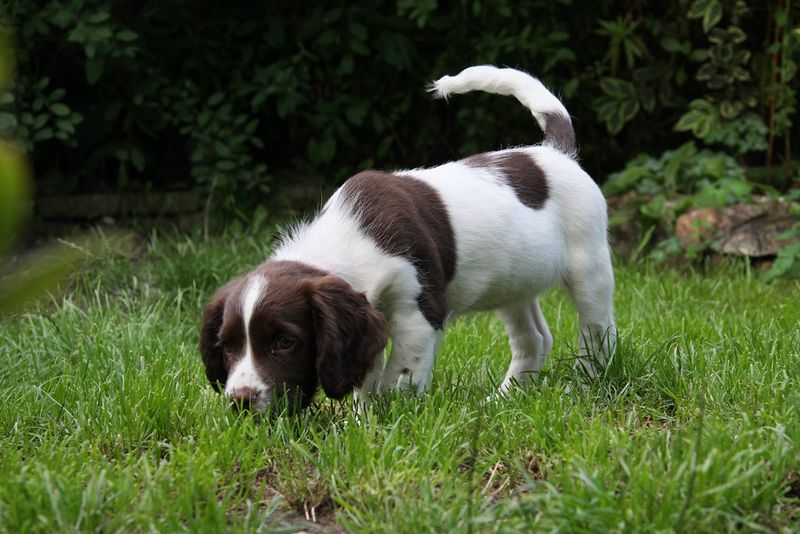
English Springer Spaniels live for wet grass and ponds, which means those feathery ears act like sponges. You will notice head shaking after retrieves or bath time, a hint that moisture is lingering.
A thorough rinse and dry routine can be the difference between happy flaps and sore canals.
Use a drying ear solution recommended by your vet, especially after water work. Comb, trim feathering lightly, and check weekly for odor or redness.
If scratching pairs with paw licking or seasonal sneezing, think allergies.
Springers thrive on structure, so build ear care into your training routine. Reward calm checkups and make it quick but consistent.
Catch issues early and your field partner stays comfortable season after season.
Clumber Spaniel
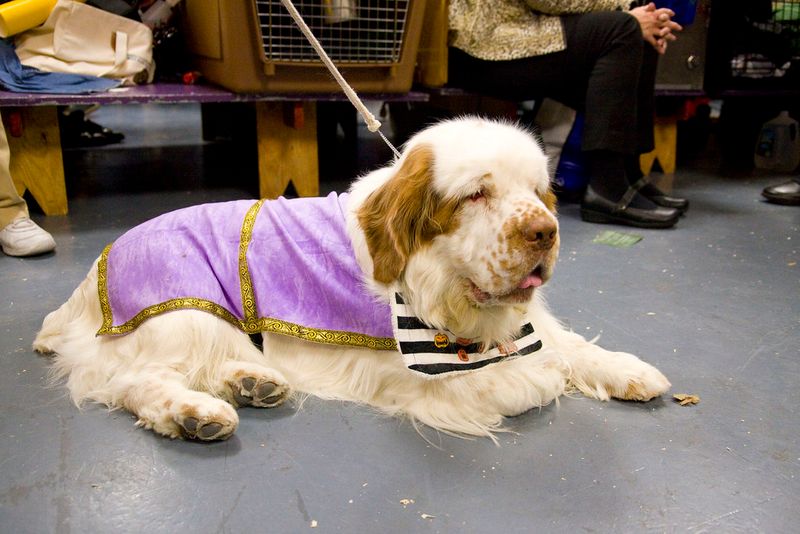
Clumber Spaniels carry weighty ears and a love of lounging, which keeps ear canals warm and humid. You will hear that soft flap shake after naps or summer walks.
A weekly inspection with cotton pads and a mild cleaner keeps things calm.
Dry thoroughly after grooming and keep ear hair tidy without over plucking. If you smell a sweet or sour scent, or see redness, call your vet early.
Cytology driven treatment prevents yo yo flare ups and unnecessary antibiotics.
Consider food trials if you see recurring yeast blooms. Routine, gentle care beats emergency scrambles.
Your Clumber’s comfort shows in quieter nights and fewer head shakes.
Sussex Spaniel
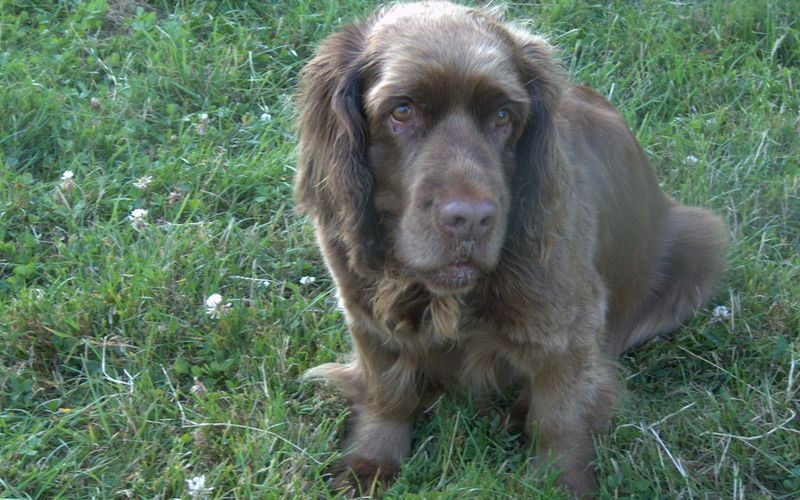
Sussex Spaniels have heavy, low set ears and a thick coat that traps humidity. You will catch them shaking after exercise or snoozes in warm rooms.
A quick ear flip for airflow and a gentle wipe can stop little irritations before they snowball.
Use a pH balanced cleaner and avoid aggressive swabs deep inside. Trim feathering lightly to reduce matting near the opening.
If discharge darkens or the shake becomes frequent, schedule a veterinary exam for culture and plan.
Seasonal allergies may nudge flares, so track patterns in a notes app. Small, steady steps win here.
Your Sussex will stay cheerful when ears feel light and comfortable.
Field Spaniel
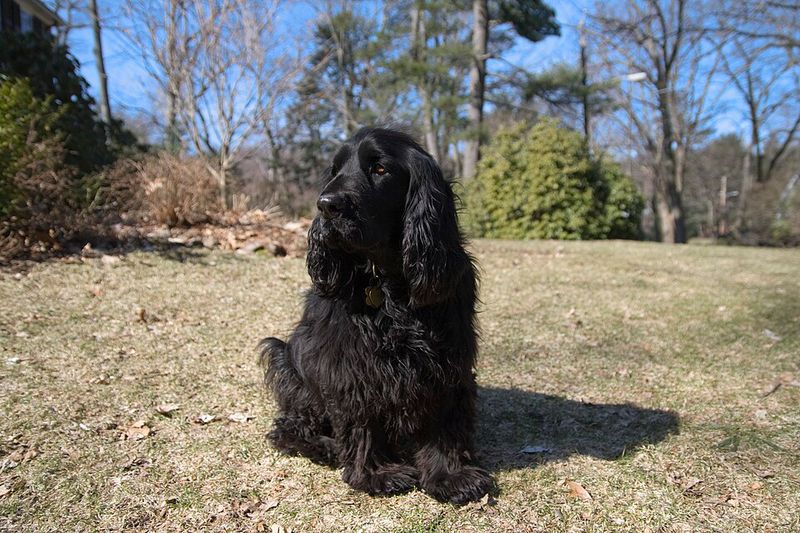
Field Spaniels hit the trail happily, but forest debris loves hitching rides in their ears. You will hear the shake after brambles, puddles, or windy romps.
Pack a pocket towel and cleaner on hikes to handle problems on the spot.
Check for grass awns and tiny burrs, especially in late summer. Keep the opening neat, and dry thoroughly after any water contact.
If you notice persistent scratching, ask your vet about allergies and yeast balance.
Train a calm chin rest so ear care becomes quick and stress free. Little rituals right after exercise work best.
Your Field will bounce back faster when ears stay clean, dry, and clear.
Lagotto Romagnolo
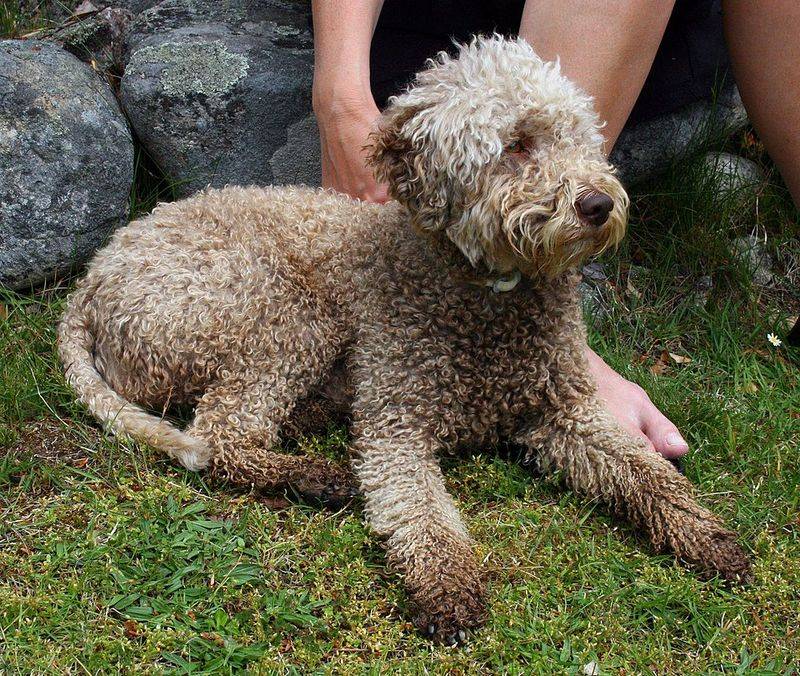
Lagotto Romagnolos are water loving truffle hunters with dense curls that hold moisture. After swims, you will notice rapid head shakes and a quick scratch.
Drying those curls around the ear base is just as vital as cleaning the canal.
Ask your vet about safe hair management near the opening, since excessive plucking can irritate skin. Use an ear drying solution post swim and avoid heavy perfumes.
Watch for redness at the base of the ear flap, not just inside.
Allergies sometimes ride with curly coats, so track seasonal patterns. Build post water care into your fun and it never feels like a chore.
Your Lagotto will keep splashing without the itchy aftermath.
Portuguese Water Dog
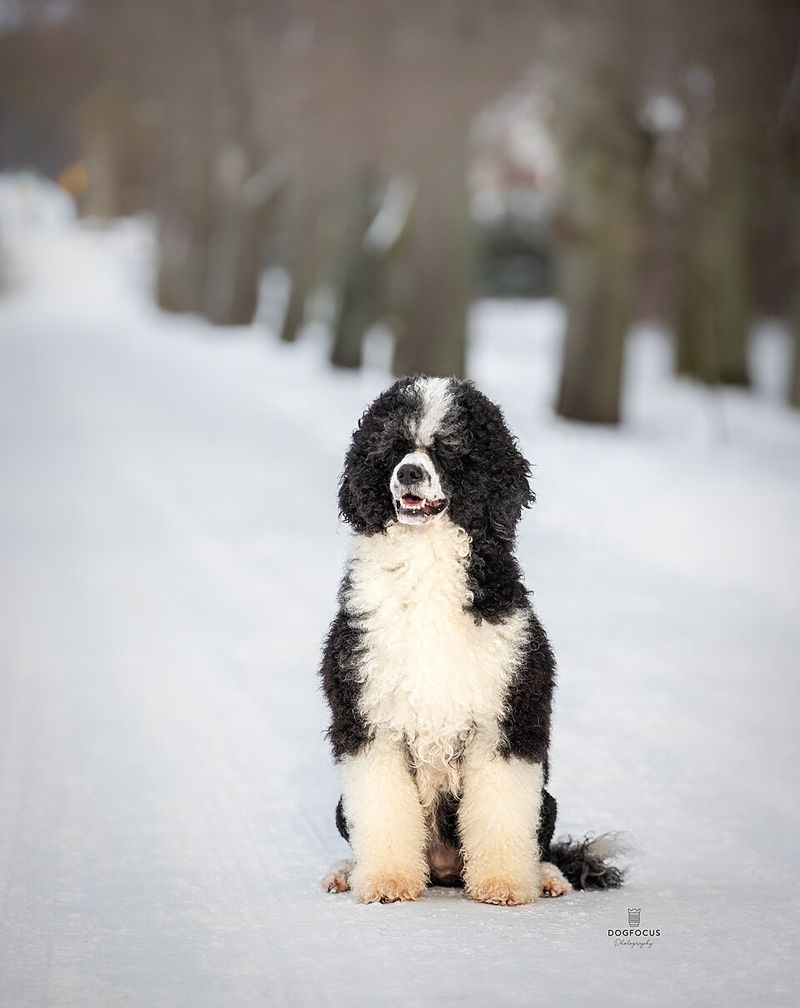
Portuguese Water Dogs excel in splash zones, and that means ear care cannot be optional. You will hear shaking at the dock and in the car ride home.
Get ahead by rinsing after lake days and using a drying solution with gentle massage.
Keep hair neat around the ear opening to help airflow. Blot, do not rub, and let the ear flap rest open for a few minutes.
If smell lingers or your dog resists touch, pause and call your vet.
Teach a quick post swim routine so excitement never stalls the process. Consistency keeps yeast from building momentum.
Your water dog stays comfortable and ready for the next splash session.
Spanish Water Dog
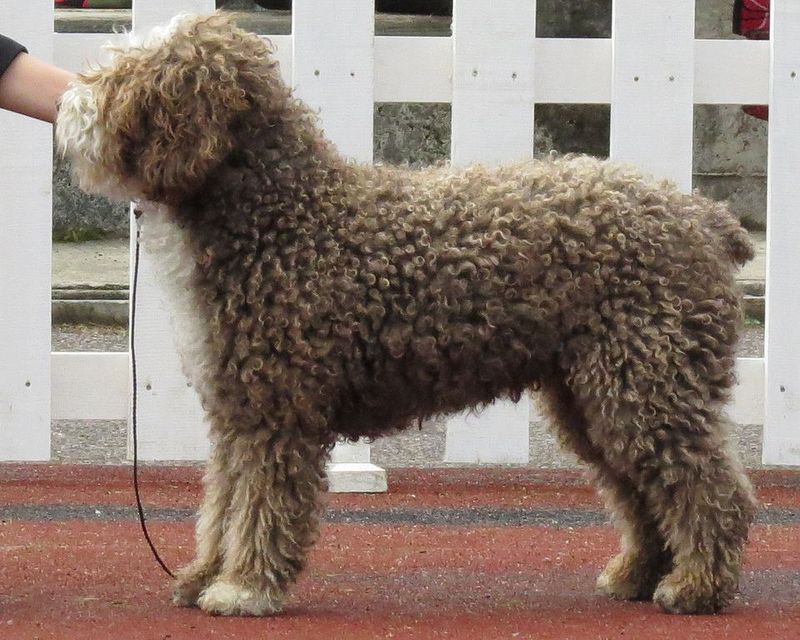
Spanish Water Dogs wear textured coats that trap seawater and sand, and their ears are no exception. After beach play, you will notice brisk shaking and the occasional head rub on towels.
Rinse salt, dry thoroughly, and clear sand from the ear base.
A balanced ear cleaner helps prevent yeast from capitalizing on moisture. Avoid harsh scrubbing because irritation invites trouble.
If you see swelling or your dog yelps, let your vet check for foxtails or foreign bodies.
Log flare patterns tied to tides, seasons, and grooming cycles. A simple checklist after beach days can save you midnight discomfort.
Your swimmer keeps exploring while ears stay quiet and healthy.
Standard Poodle
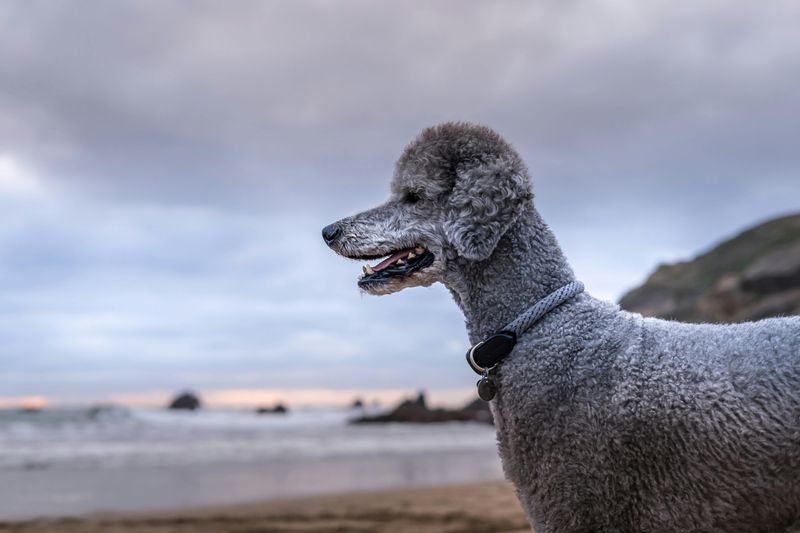
Standard Poodles often have hair growing inside the canal, which can trap wax and moisture. You will hear that head shake after grooming days or humid walks.
Work with your vet and groomer on a plan for safe hair management and cleaning.
Over plucking can inflame skin, so find a balance based on your dog’s history. Use gentle cleaners, blot dry, and reward calm behavior.
If you detect a sweet smell or dark discharge, ask for cytology to identify yeast or bacteria.
Allergy management helps break the flare cycle. Build steady, predictable care so ears never become an emergency.
Your Poodle’s sparkle shines when ears feel fresh and calm.
Irish Water Spaniel
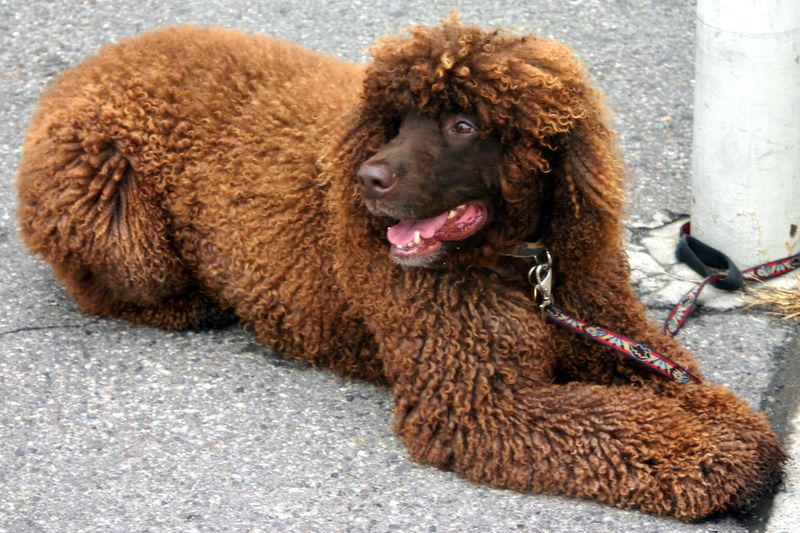
Irish Water Spaniels are powerful swimmers with long ear flaps and dense curls. After water retrieves, you will hear that unmistakable shake and see a quick paw to the ear.
Make post swim cleaning and thorough drying part of the sport.
Keep curls trimmed around the ear base to support airflow. Use a drying ear solution and gently massage at the base, avoiding deep probing.
If irritation repeats, ask your vet about allergies or underlying dermatitis.
Train a calm stand so handling is easy in the field. A travel kit with pads, solution, and a towel keeps you ready.
With small rituals, those lively ears stay happy all season.