
Some dogs look like gentle giants or sleek athletes, but their needs can catch new owners off guard. Behind the impressive looks are training demands, exercise requirements, and strong instincts that require commitment every day.
If you are considering one of these breeds, understanding the reality helps prevent heartbreak and rehoming. Let’s walk through the truth so you can choose with open eyes and a confident plan.
Cane Corso
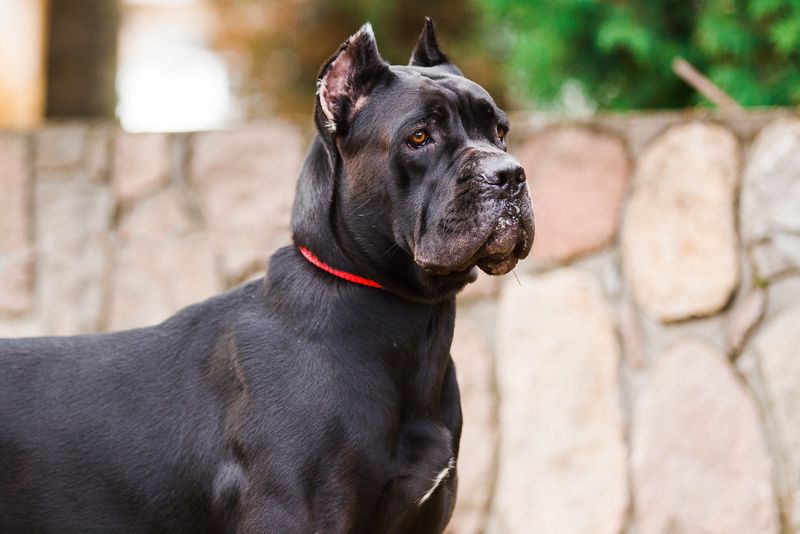
The Cane Corso is stunning, but that presence comes with serious responsibility. Bred for guardian work, this dog has strong protective instincts and needs clear structure from day one.
Without confident training, boundaries, and daily mental tasks, behaviors can snowball fast and become hard to manage.
Expect a high drive for work, significant exercise needs, and deep loyalty that can turn to reactivity if under socialized. You will need consistent obedience, controlled exposure to people and dogs, and a secure yard.
If you enjoy training and leadership, the Corso will thrive by your side.
Dogue de Bordeaux
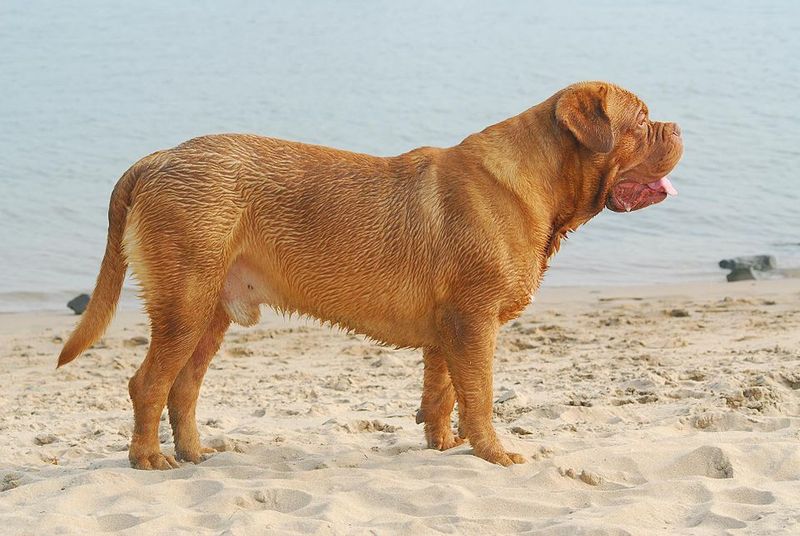
The Dogue de Bordeaux looks like a gentle, drooly teddy bear, but its size and power require respect. This breed matures slowly and can be stubborn, so patient training and consistent rules are essential.
Health considerations like joint care, heat sensitivity, and short bursts of energy demand thoughtful routines.
Daily exercise must be moderate and controlled to protect developing joints. Socialization is crucial to channel their protective nature into confident calm.
Add in serious drool management, sturdy equipment, and vet funds for a giant breed. With structure, affection, and a steady hand, this devoted guardian becomes a steady companion for the right home.
Neapolitan Mastiff
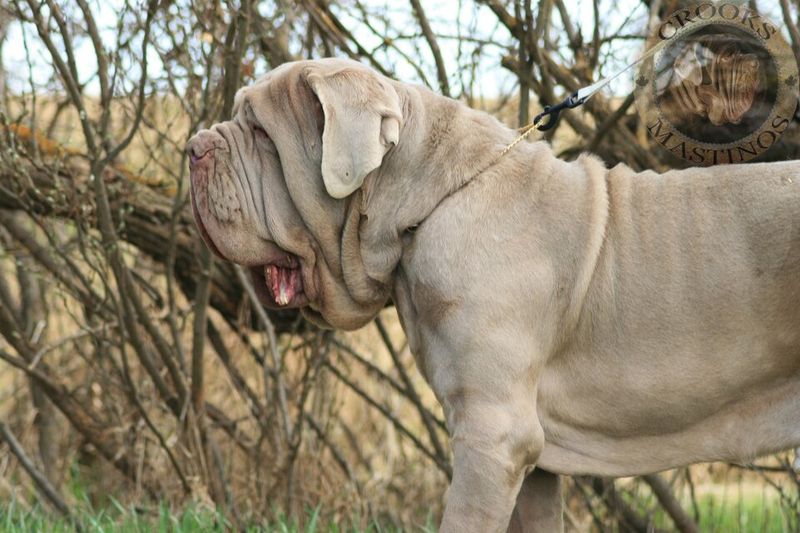
The Neapolitan Mastiff is breathtaking, but the reality is big care, big training, and big expenses. Those dramatic wrinkles need meticulous cleaning to prevent infections.
Their protective instincts can be intense, so firm, kind leadership and early socialization are non negotiable for safety and confidence.
Exercise should be steady but not excessive, protecting joints while keeping the mind busy. Expect drool, shedding, and a presence that fills any room.
Vet bills, specialty gear, and strong fencing are not optional. In the right hands, they become calm, watchful guardians with hearts of gold.
In the wrong hands, overwhelm sets in quickly, leading to rehoming.
Bullmastiff
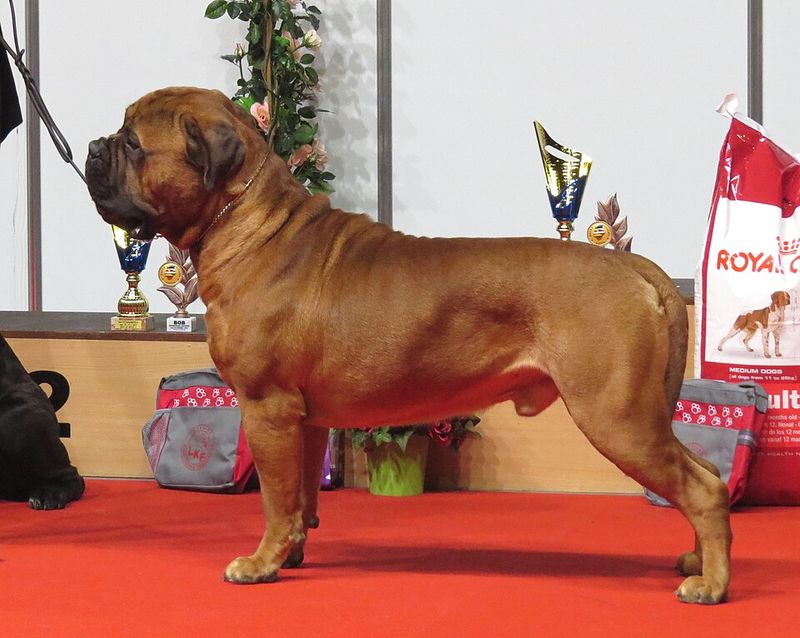
The Bullmastiff was bred to quietly pin poachers, and that quiet confidence can be misunderstood as low maintenance. This dog is strong, stoic, and sensitive to household energy.
Training should be calm, consistent, and reward based, avoiding harsh methods that shut them down or cause pushback.
They need daily movement, impulse control games, and careful socialization to stay steady in public. Apartment life can work with diligence, but elevators and strangers require practice.
Expect slobber, snoring, and a protective streak that needs management. With respectful leadership and structure, the Bullmastiff becomes a loyal shadow who reads you beautifully.
Presa Canario
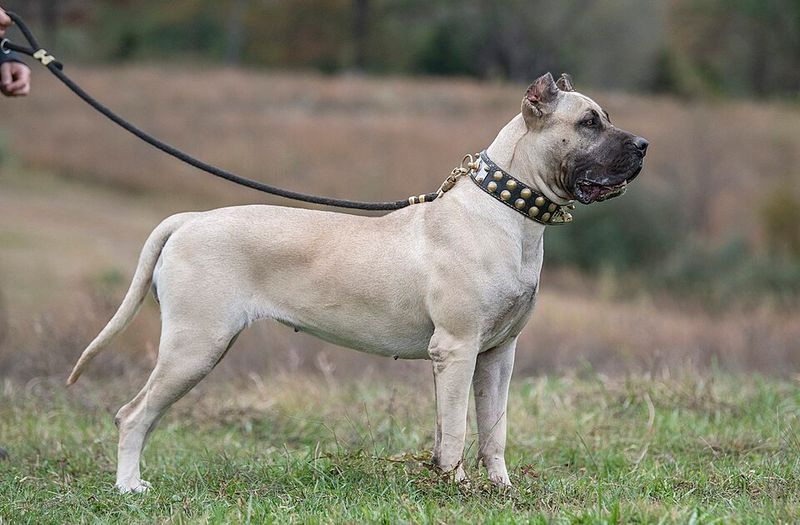
The Presa Canario is not a casual pet. Bred for ranch work and property protection, this breed thrives with purpose, structure, and experienced handling.
Without clear boundaries and proactive socialization, their confidence can harden into pushy or defensive behavior that the average owner struggles to manage.
Daily training, controlled introductions, and secure containment are musts. Mental outlets like scent work, obedience, and utility tasks help channel drive.
Insurance, local laws, and breed stigma also matter. If you love training and can provide leadership without force, the Presa rewards you with loyalty and grit.
If not, the mismatch can lead to heartbreaking rehoming.
American Bulldog
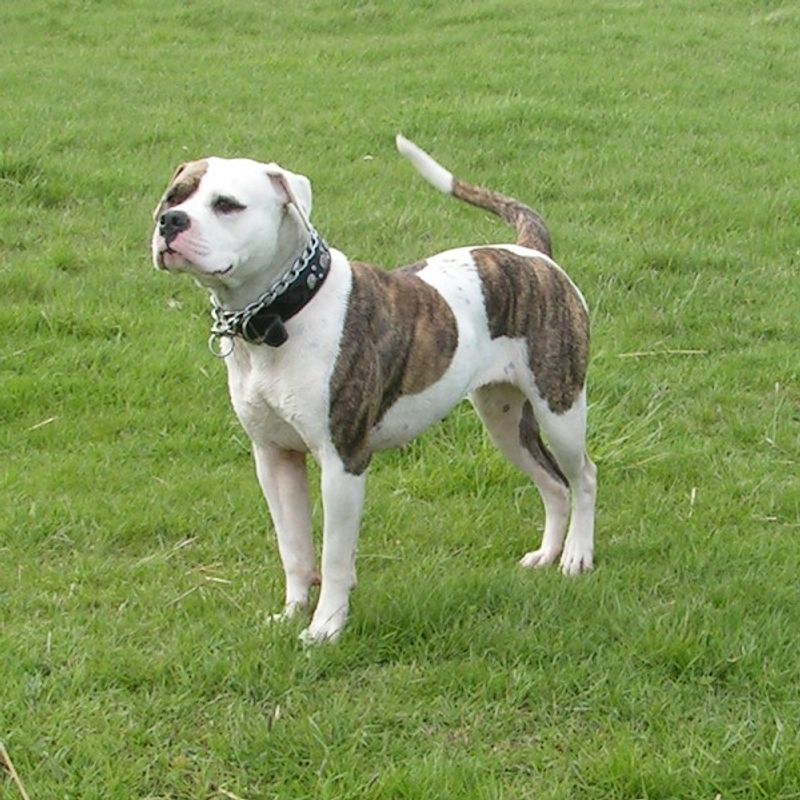
American Bulldogs are athletic clowns with serious power and stamina. People often expect a couch potato, then discover a driven working dog who needs jobs and structure.
Daily exercise should include sprints, tug, and obedience to keep arousal in check and manners polished in real life settings.
Without outlets, frustration can show as pulling, jumping, or chewing. Early socialization with neutral dogs and people builds calm confidence.
Expect strong opinions and big hearts that thrive under fair, consistent rules. If you enjoy training games and channeling muscle into work, you will adore this breed.
Skip structure, and you may face rehoming pressure fast.
Akita
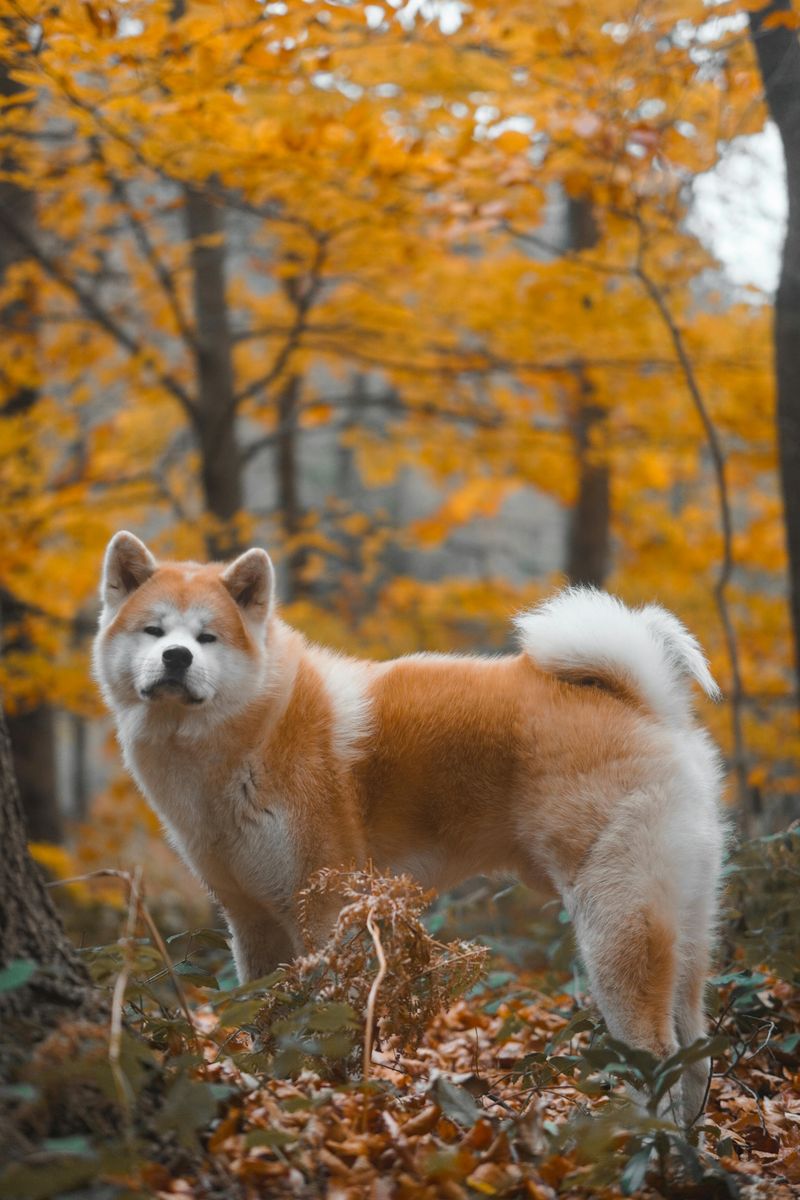
The Akita is dignified, independent, and stunning, but rarely a social butterfly. Many are selective with other dogs, and same sex friction is common.
Training needs a calm, respectful approach that honors their intelligence, not endless repetitions. Early socialization builds neutrality, not forced friendliness.
Coat care is serious during seasonal shedding, and heat management matters with that thick double coat. Secure fencing is non negotiable, as prey drive can kick in fast.
You will need to prioritize impulse control, grooming, and realistic expectations. Treat them like a partner, and they will meet you there.
Treat them like a lab substitute, and you may struggle.
Rhodesian Ridgeback
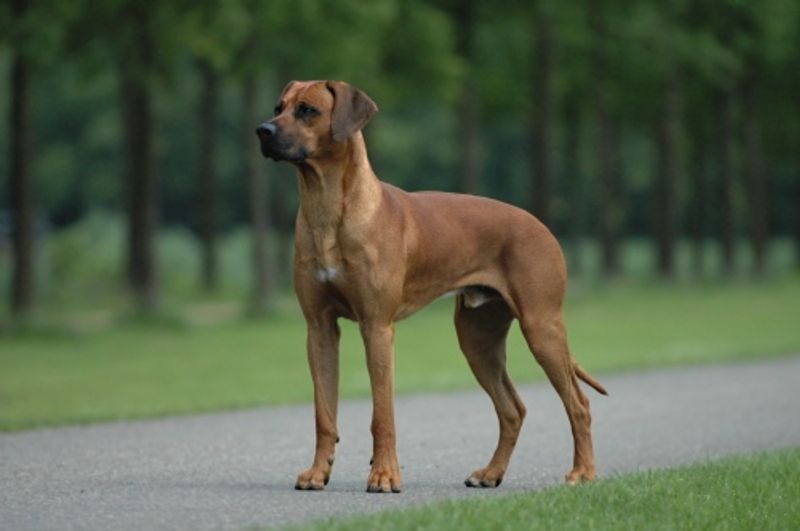
Rhodesian Ridgebacks are elegant hunters with endurance to spare. Many new owners underestimate their exercise needs and independent minds.
Leash manners and recall require methodical training with high value rewards, not wishful thinking. They do best with structured runs, tracking games, and calm leadership.
Expect prey drive and a strong chase instinct, which means careful management around wildlife and small pets. Apartments can work with dedication, but under exercised Ridgebacks invent trouble.
Health care, nail care, and joint friendly conditioning matter for this athletic frame. When you meet their mind and body needs, you get a regal, affectionate partner who shines.
Giant Schnauzer
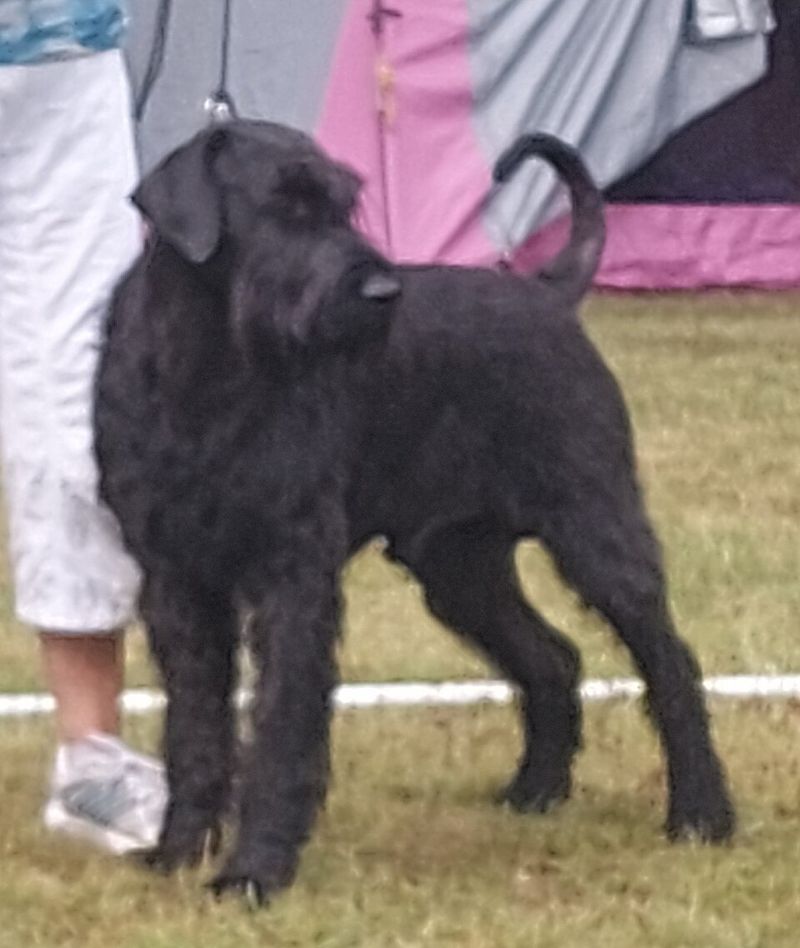
The Giant Schnauzer is a working powerhouse built for focus and stamina. That sharp mind needs real jobs daily, from obedience and tracking to protection sports with responsible guidance.
Without structure, they will outthink you and create their own projects, usually involving mischief.
Coat care is real work too, with hand stripping or regular grooming to maintain texture. Expect pushy adolescence, intense play, and strong guarding tendencies that need channeling, not suppression.
Clear rules, fair corrections, and tons of engagement keep things smooth. If you love training and puzzles, this breed is thrilling.
If not, frustration builds and rehoming becomes a risk.
Standard Schnauzer
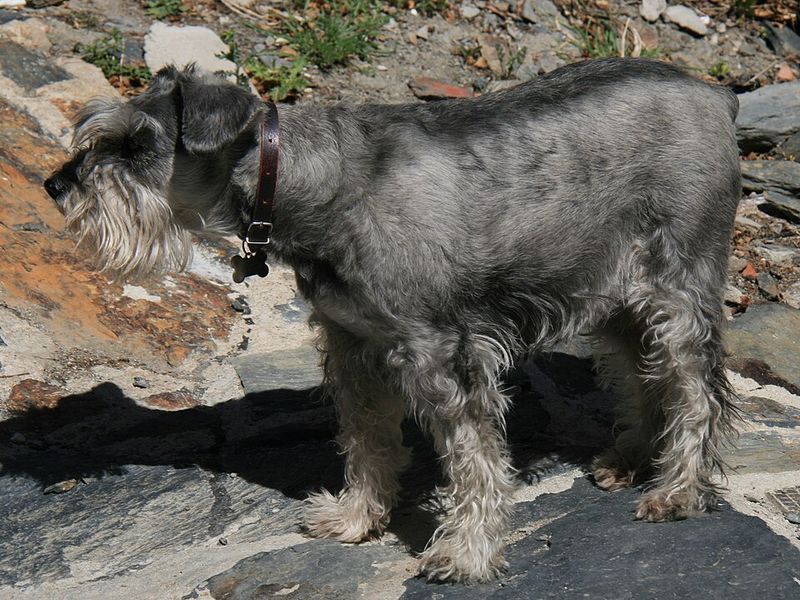
The Standard Schnauzer is spirited, clever, and often underestimated. This is not a casual medium dog, but a thinking partner who questions sloppy leadership.
Daily mental work, clear boundaries, and consistent routines prevent nuisance barking and creative rule bending that can overwhelm first timers.
Grooming matters, with regular hand stripping or clippering, plus brushing to prevent mats. They thrive in sports like rally, agility, and scent work, and need brisk walks that include training reps.
Socialization should build neutrality and confidence, not hyper friendliness. Meet their brain and body needs, and you get a witty, loyal sidekick.
Skip the work, and chaos creeps in.
Rottweiler
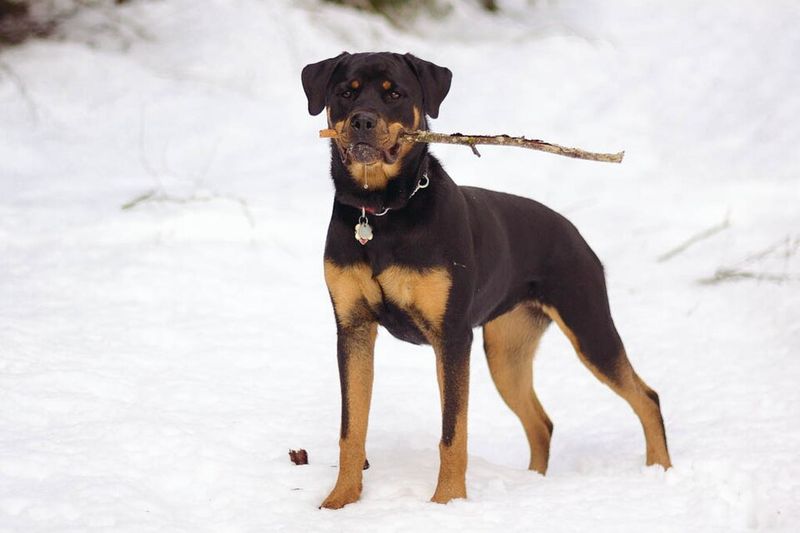
The Rottweiler is powerful, biddable, and deeply loyal, but not plug and play. Early socialization must be strategic, focusing on neutrality and engagement with you rather than greeting everyone.
Clear rules, structured play, and impulse control help prevent pushiness that can intimidate.
They are happiest with purposeful work like obedience, tracking, or protection sports under ethical guidance. Expect shedding, drool, and a presence that needs confident handling in public.
Insurance, breed restrictions, and training costs are real considerations. When guided with fairness and consistency, the Rottie becomes a superb companion.
Without that, misunderstandings mount and rehoming becomes too common.
Doberman Pinscher
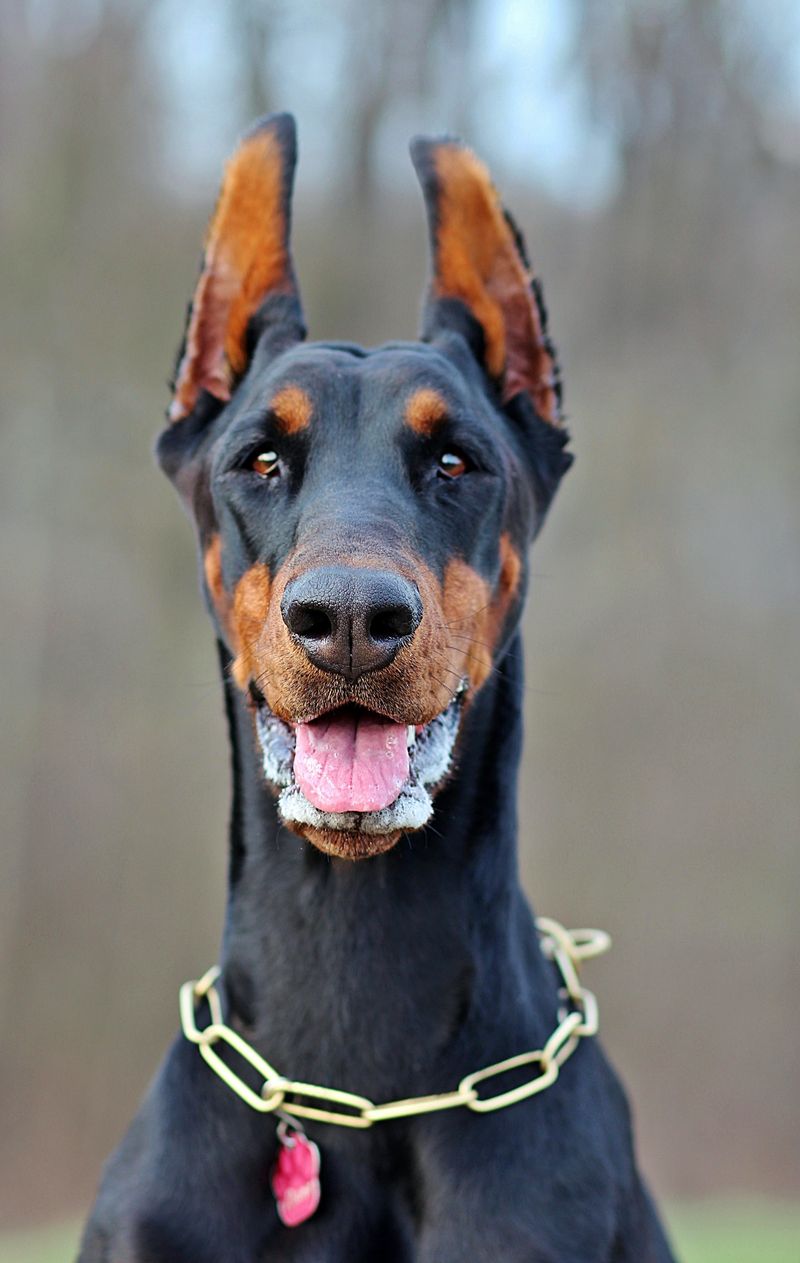
The Doberman is sensitive, fast, and tuned into your emotions. That sensitivity is a gift if you provide calm, consistent structure, but it can spiral with chaotic routines or harsh corrections.
They need daily training, meaningful exercise, and enrichment that challenges body and mind.
Health screening, insurance, and ethical breeder support matter due to potential genetic issues. Socialization should prioritize neutrality, handling, and resilience in novel places.
Many do best with a job like obedience or tracking. If you want a velcro partner and enjoy training, the Doberman will steal your heart.
If you wing it, anxiety and reactivity can grow quickly.