
Reactive dogs are getting a wave of smart, compassionate enrichment ideas, and it is changing daily life for so many pups. Private play sessions, calmer decompression walks, and scent games are popping up everywhere in community groups.
If you have a vocal hound or a high drive tracker, you are not alone. Let’s explore the breeds most mentioned and the enrichment that helps them actually exhale.
Catahoula Leopard Dog
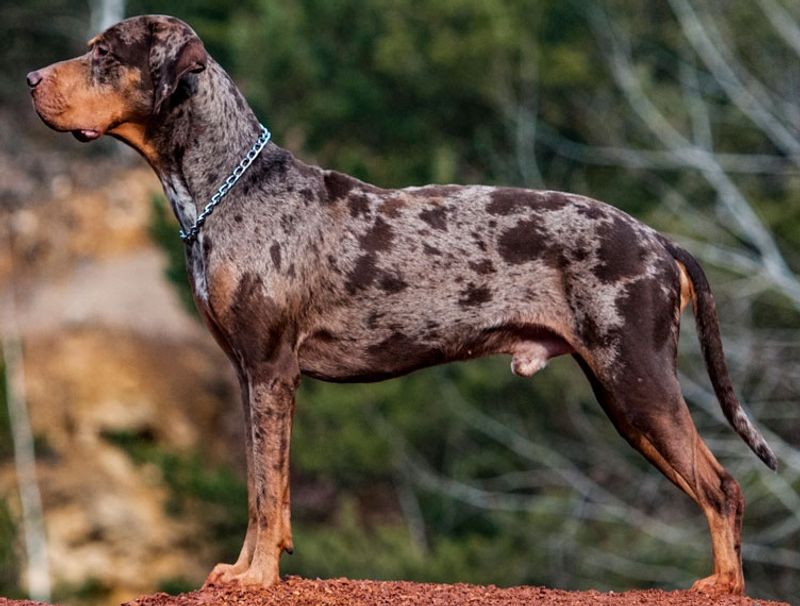
Catahoulas thrive when their brains and noses work together, so scent puzzles and track-and-treat games help burn mental fuel safely. Private play with clear start-stop signals reduces overarousal, letting you reward calm choices.
Use a long line in quiet fields to practice decompression sniffing without social pressure.
Rotate chew textures and add lick mats during wind-down routines to lower heart rates. Puzzle feeders before walks reduce explosive exits, and box searches provide controlled outlets for intensity.
Keep training crisp with two to three minute reps, then break for sniffing to reset arousal.
Noise sensitivity can spike reactivity, so soft white noise and predictable routines soothe. Track progress with short video notes.
Celebrate neutrality as the win.
Treeing Walker Coonhound
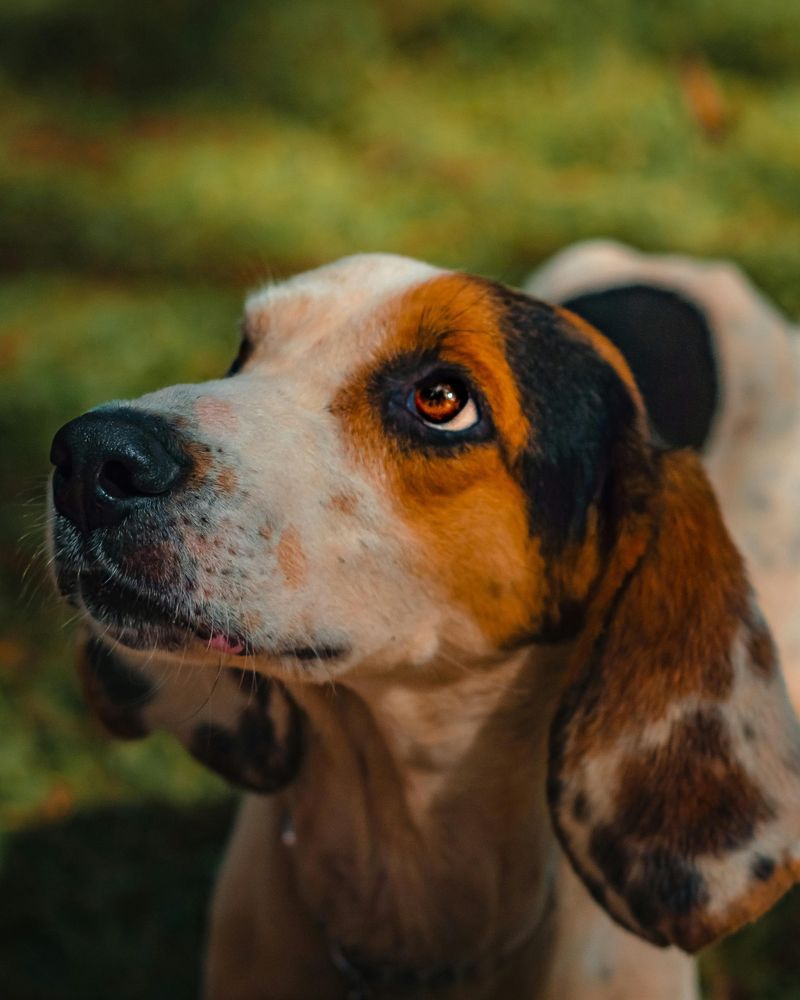
These sleek hounds explode with enthusiasm, so controlled sniffaris become your secret tool. Choose quiet woods, attach a long line, and let the nose lead low-stakes exploration.
Reward check-ins with soft praise, not hype, to maintain a thinking brain instead of chase mode.
Private play with a flirt pole works best when layered with pattern games and predictable rules. Pair treeing instincts with vertical nose work, like hidden treats on trunks.
When neighbors appear, pivot to pattern feeding for smooth exits.
Soundscapes of forest birds can calm between sessions. Use crate decompression after high excitement, with a frozen lick mat.
Keep walks shorter than you think, ending on calm. Consistency beats intensity every time.
Bluetick Coonhound
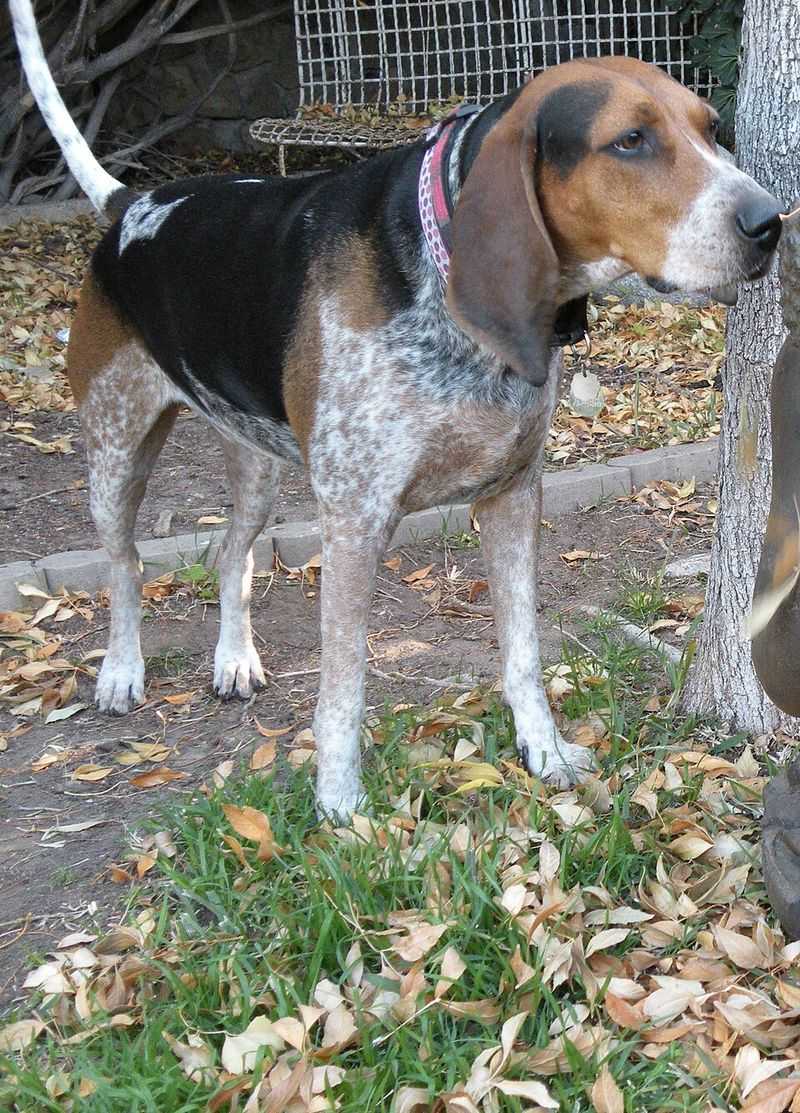
Blueticks love a job, so scent lines with tea bags or clove oil deliver satisfying work without chaos. Begin with short tracks, mark quietly, and let the celebration be sniffing more.
Private play is best as calm tug with firm rules and soft releases.
Use neighborhood scent posts strategically, allowing brief sniff access before cueing away to food scatters. This meets needs without spiraling arousal.
Practice chin targets and breathing routines for polite greetings at distance.
De-stress kits might include snuffle mats, braided chews, and soft music. Keep windows covered to reduce visual triggers at home.
End evenings with gentle massage down the ear base and shoulders. Progress arrives when your dog recovers faster, not just behaves longer.
Redbone Coonhound
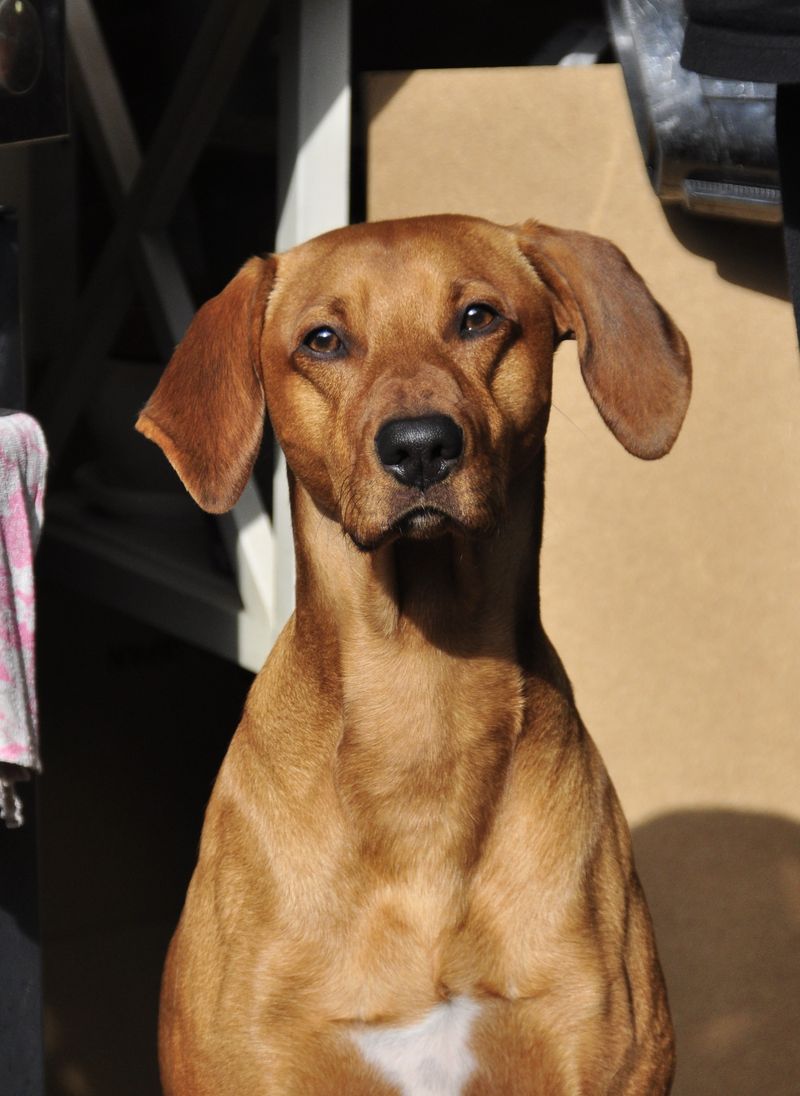
Redbones carry joyous energy that can tip into barking when frustrated, so structure matters. Start with engagement at home, then layer simple search games outdoors.
Private play should be brief tug rounds, followed by a settle on a mat to teach on-off switches.
Use food scatters on grass to dial down intensity after any chasey game. A long line keeps freedom while protecting from triggers.
Teach an automatic check-in when hearing distant dogs, pairing with calm treats tossed behind.
Evening decompression looks like lick mats plus gentle ear strokes. Schedule training before meals so food motivation stays high without frantic grabbing.
Document arousal scales daily. Small adjustments create big calm, and your Redbone learns relaxation is rewarding.
Plott Hound
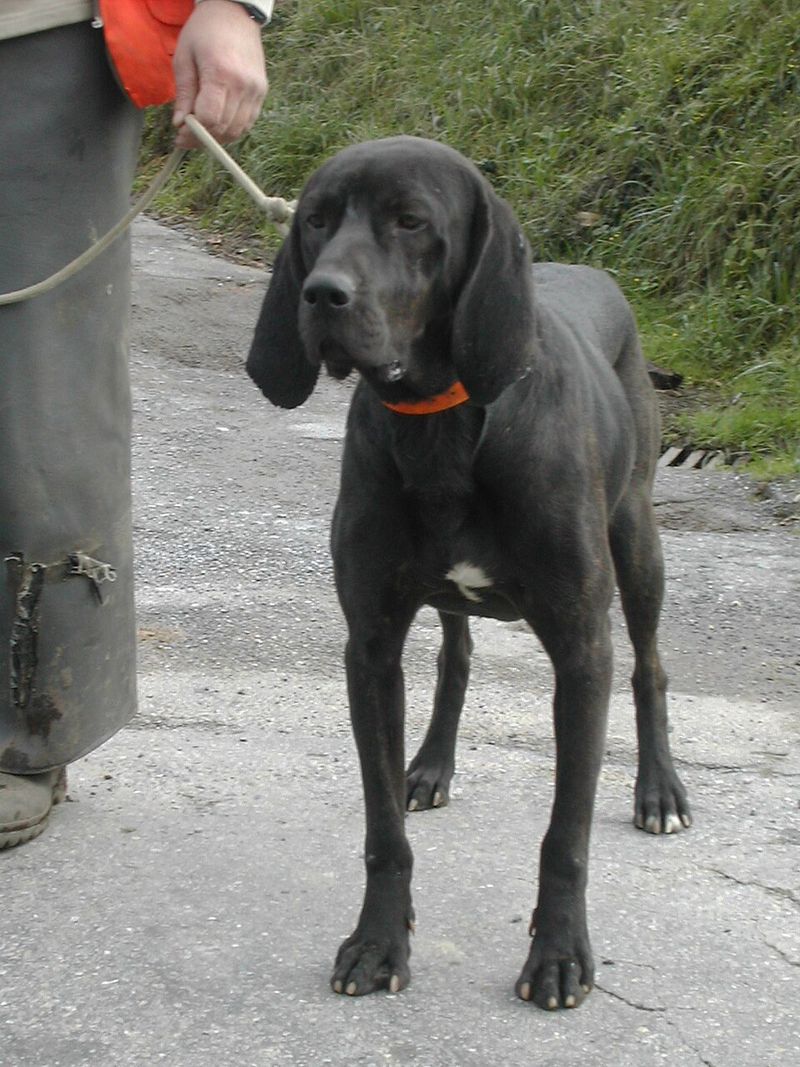
Plotts are powerful scent athletes who benefit from structured, low-conflict tracking. Start with short urban trails using food drops every few steps, increasing gaps as confidence grows.
Private play works when combined with impulse control, like tug only on cue and an instant drop.
Introduce two scent boxes with different targets, rewarding calm indication instead of pawing. After any arousing activity, switch to a predictably quiet corner for decompression sniffing.
Use figure-eight walking patterns to restore rhythm.
Daily enrichment can include cardboard shred stations and supervised gnawing for jaw satisfaction. Keep greeting distances generous to prevent hard-stares.
Build resilience with short car-park sessions, then exit for a scatter search. End with water, shade, and a soft mat.
Black and Tan Coonhound
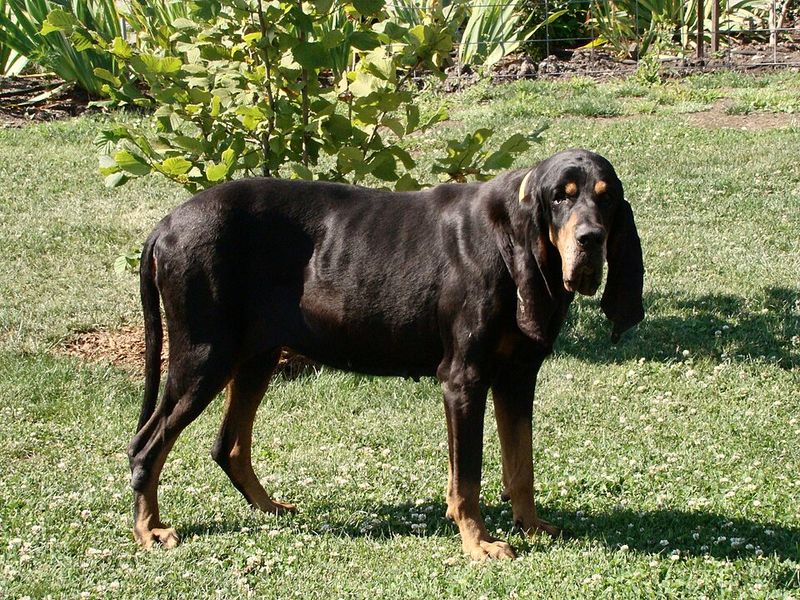
These melodious hounds can get vocal quickly, so plan for quiet brain games that satisfy without hype. Use stuffed Kongs, layered puzzle feeders, and scent hides behind furniture corners.
Keep rewards low-key to prevent baying spirals.
Private play might be gentle tug or short fetch with a soft, silent toy. Follow each burst with a scatter search to shift from chase to nose.
Long-line park loops let the dog choose sniff targets while you protect space.
At home, block window access and introduce calm pattern games before visitors. A cozy den with white noise helps recovery after outings.
Track triggers and wins in a simple log. The goal is faster settling, not perfect silence.
American Foxhound
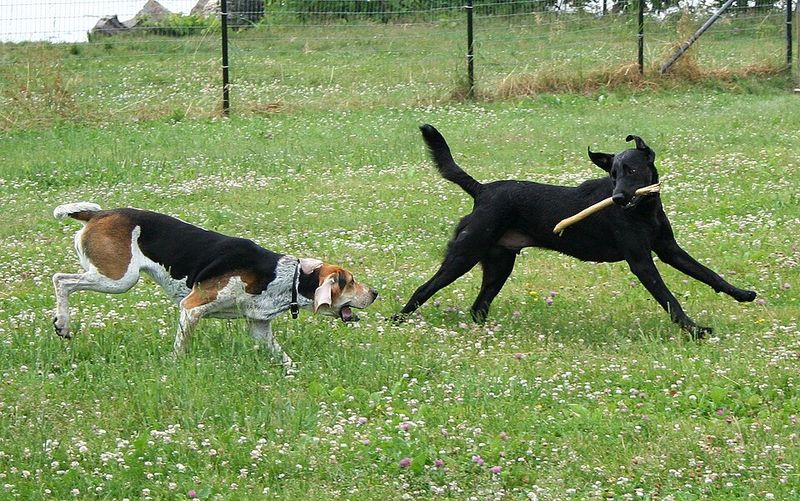
American Foxhounds brim with endurance, so quality decompression tops quantity. Choose open meadows for long-line trots, rewarding spontaneous check-ins.
Keep arousal low by avoiding repetitive fetch and using hide-and-seek recalls instead.
Private play is smoother with flirt-pole arcs kept short and slow, ending in a sniff scatter. Scent cones with spices provide indoor jobs on rainy days.
Introduce a settle mat and reinforce when ears and tail soften.
Build resilience using predictable routines and low-key departures to prevent frustration howls. Use soft collars or well-fitted harnesses for comfort.
End sessions with water, shade, and a few deep breaths together. Over time, recovery speeds up, and calmer curiosity replaces frantic scanning.
English Foxhound
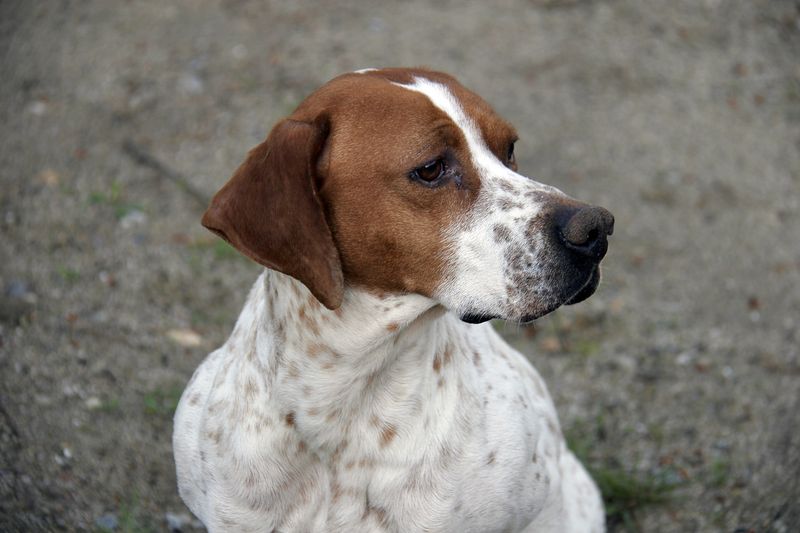
English Foxhounds shine with cooperative tracking, so lay simple trails with food drops at corners. Mark quietly and let the nose work be the true reward.
Keep private play short with clear releases, then immediately shift to a lie-down on a mat.
Use patterned walking near light distractions, rewarding head dips to sniff rather than stare. Try indoor scent corners using tea strainers for tiny odor hides.
Soft chews after training help transition from work to rest.
Limit unpredictable dog meetups to maintain confidence. Add a “find it behind you” cue for smooth turns away from triggers.
Keep sessions under ten minutes and finish while calm. Your foxhound learns that relaxation closes every game.
Harrier
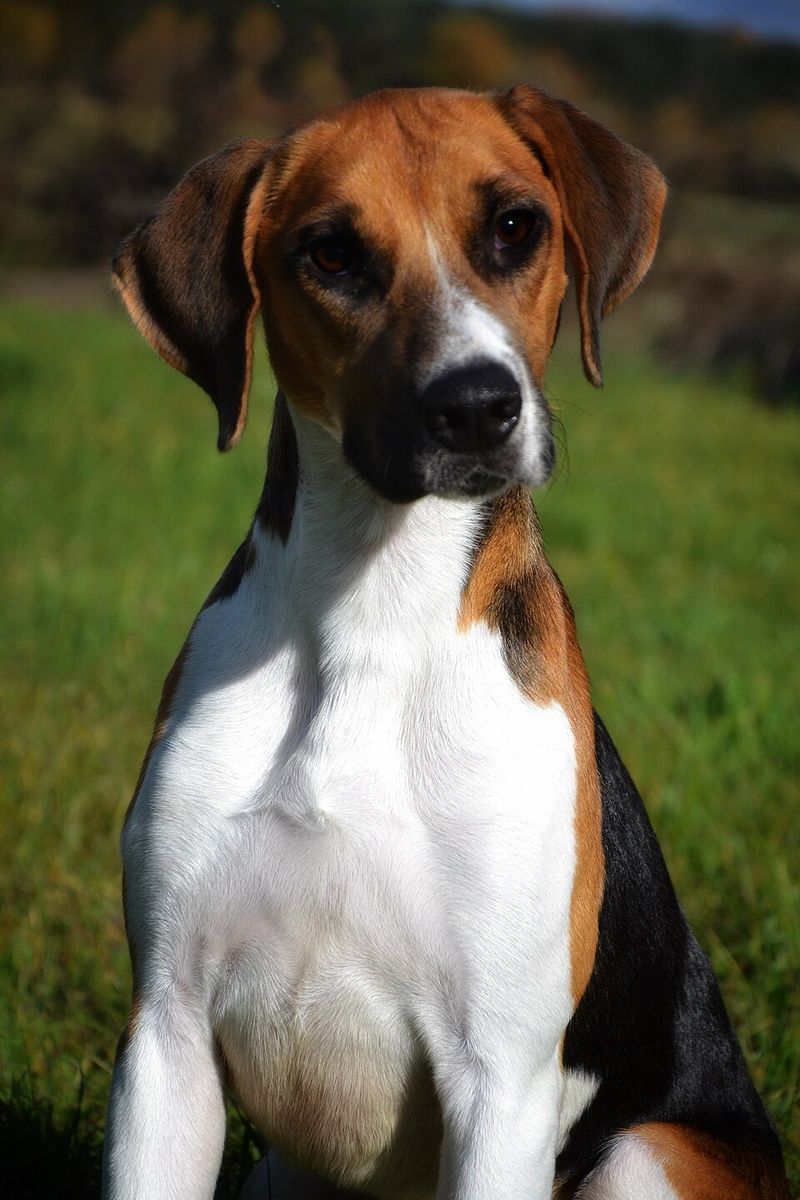
Harriers benefit from purposeful movement blended with nose work. Set up a low-impact backyard circuit: step-overs, a pause mat, and scent tubs.
Rotate stations to prevent pattern anticipation, rewarding in place to avoid chase surges.
Private play becomes calmer when you add start buttons, like a chin target before tug. Follow with a slow sniff walk to bleed off adrenaline.
Use food jar targets to teach stillness and soft eyes.
Schedule micro-naps after workouts in a darkened room. White noise and a cooling mat help reset the nervous system.
Track arousal before and after sessions to calibrate difficulty. Aim for more curiosity, fewer vocal spikes, and steady breathing.
Beagle
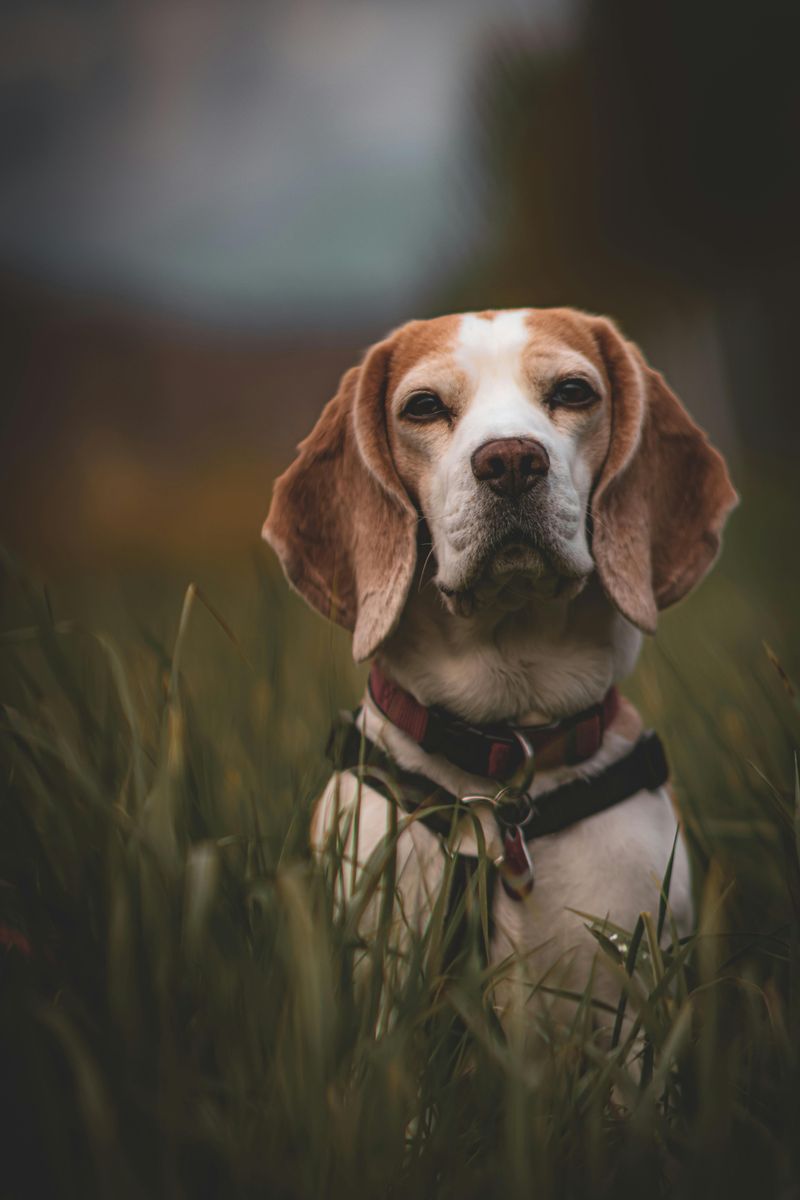
Beagles are scent pros, and channeling that nose reduces reactivity dramatically. Start with cardboard search games and gradually add harder hides behind chair legs.
Keep your voice soft and let sniffing be self-rewarding.
Private play can be tiny tug bursts or treat tosses into snuffle mats. After doorbell alerts, cue a “find it” trail to redirect energy.
On walks, long lines plus frequent pauses allow decompression at safe distances from triggers.
Block street views to quiet window watching. Practice calm handling around ears and paws for vet-friendly confidence.
Track success by recovery speed after surprises. When the nose gets a job, the rest of the body follows into calm.
Basset Hound
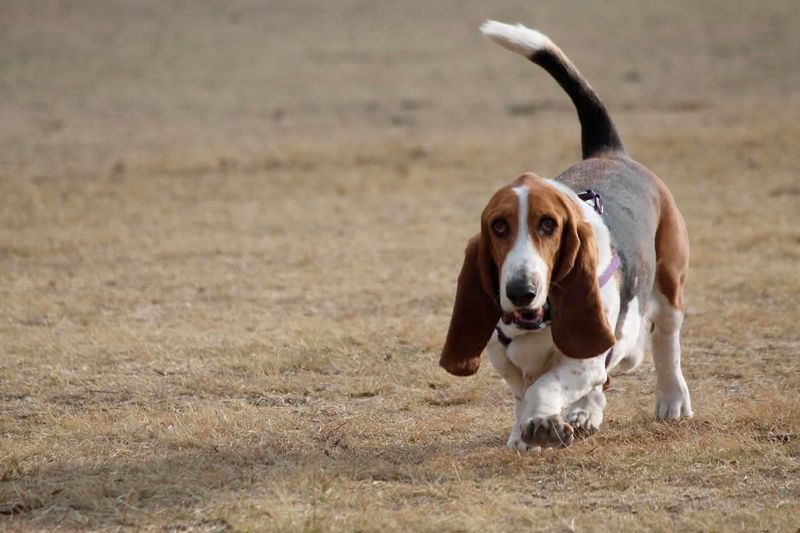
Bassets love slow, thoughtful work, so a scent ladder of low boxes fits their style. Present one easy win, then gradually increase difficulty, rewarding with quiet food delivery.
Keep private play gentle, like slow tug or nose-to-hand targeting.
Use short patio sniff sessions for decompression, avoiding stairs that strain joints. Teach a stationing mat near the door for calm during deliveries.
After exciting moments, guide a scatter search to shift from guarding to foraging.
Massage along the shoulders and chest encourages deep breathing. Maintain predictable routines to reduce frustration vocalizing.
Track arousal levels using a simple 1 to 5 scale. Aim for contented sighs and soft eyes as your daily success metric.
Bloodhound
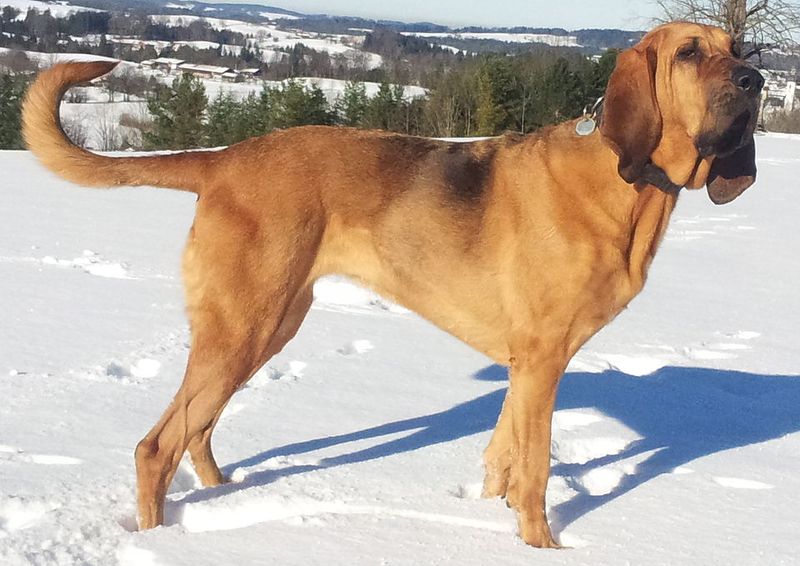
Bloodhounds flourish with respectful scent missions, but intensity needs careful dosing. Keep mantrailing sessions short, prioritize water breaks, and end while curiosity remains.
Private play should be low-arousal tug or structured find-the-article games.
Between tracks, shift to calm sniffing in shade to avoid overload. Use soft harnesses that distribute pressure evenly.
Pattern games like 1-2-3 treat help reset focus when distractions spike.
Home routines include darkened rest spaces, slow feeder bowls, and chew rotations. Record recovery times after each outing to gauge readiness for the next challenge.
Your goal is not tiring the dog out, but balancing drive with steady nervous system health. Calm becomes the default through consistent practice.