
Dog talking buttons are trending again, and it is impossible not to click every single video. Some breeds seem to pick up soundboard words faster, pairing curiosity with laser focus.
If you are wondering which pups crush the learning curve, you are in the right place. Here are the dogs people swear master buttons quickly and make communication feel downright magical.
Poodle (Standard)
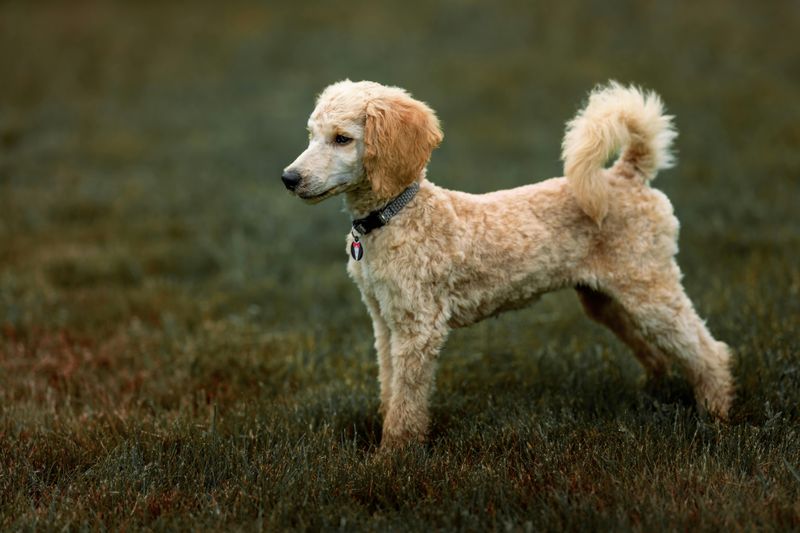
Standard Poodles are famously clever, and that big brain shows when you introduce a button board. They track patterns quickly, notice your routines, and love tasks that feel like a game.
Start with high-value words like outside, play, and water, keeping sessions short and upbeat.
Because they are sensitive, your tone matters as much as the reward. Celebrate even tiny hits, and they will chain words into short requests surprisingly soon.
Give them chances to use their voice regularly, and you will see confidence flourish.
Enrichment is everything for this breed. Rotate button placements to prevent rote memorization and encourage true comprehension.
A Standard Poodle thrives when you challenge body and mind together, mixing button time with training and exercise.
Poodle (Miniature)
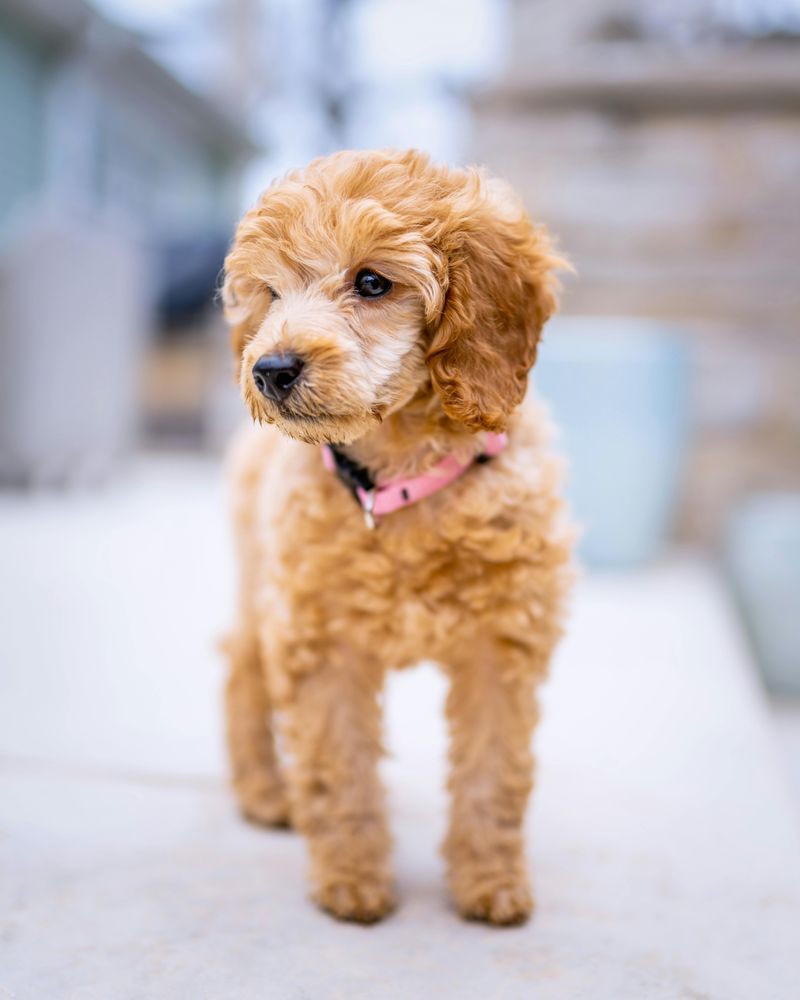
Miniature Poodles combine sharp intelligence with a playful streak, making button training feel like a daily puzzle. They love routines, so set predictable practice times and keep word labels consistent.
Start with need-based buttons like potty, food, and help to build usefulness and motivation.
These dogs respond well to precise timing. Mark the moment they glance or paw a correct button, then immediately deliver what it represents.
You will see them experiment and refine quickly, turning random taps into intentional asks.
Because Minis can be vocal, buttons can reduce frustration and barking. Prevent button spam by requiring eye contact before honoring requests.
Keep practice short, sprinkle in scent games, and you will watch nuanced communication appear surprisingly fast.
Border Collie
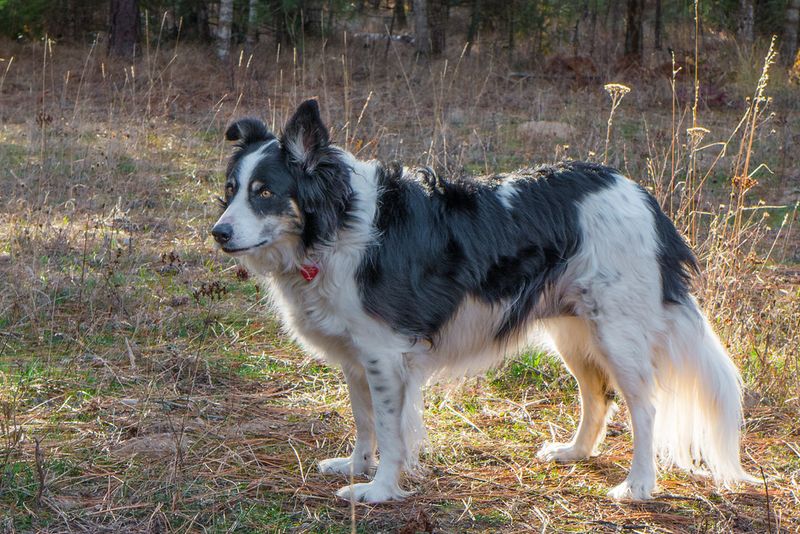
Border Collies are laser-focused problem solvers, which translates beautifully to button boards. Their drive to understand tasks makes them quick to map words to outcomes.
Start with action-heavy vocabulary like fetch, ball, outside, and go, then add feeling words once basics stick.
Because they can fixate, build breaks into training. Use calm markers to prevent frantic button mashing.
Collies thrive on jobs, so let them announce chores like bring leash or find toy to channel that working energy.
Teach categories and locations early. Group toy buttons by type to encourage generalization, not just memorization.
With structure and variety, a Border Collie will not only talk but also make surprisingly specific, context-aware requests.
Australian Shepherd
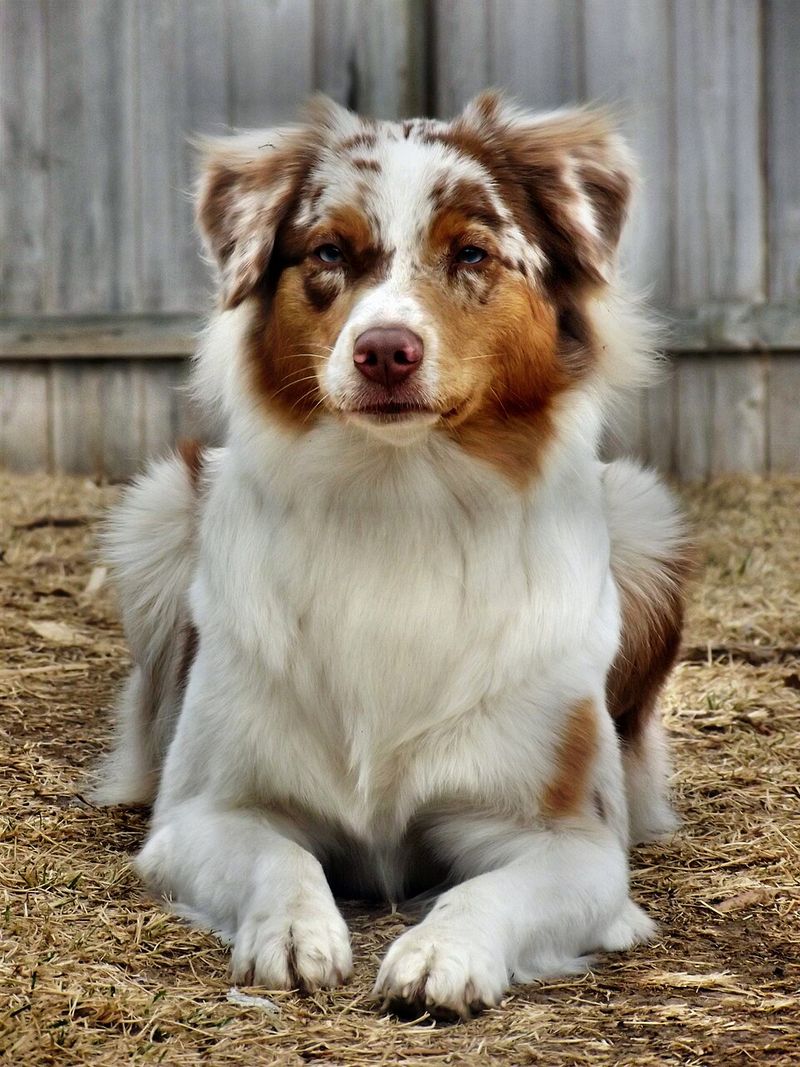
Australian Shepherds bring enthusiasm and big feelings to communication. They are quick studies when the task feels collaborative.
Begin with routine words like walk, car, and play, pairing each press with immediate action to cement meaning.
Aussies can become overexcited, so preface button time with a quick sniffy walk or trick session. That little energy release helps them think clearly.
Reinforce calm presses and require a brief pause before fulfilling requests to prevent rapid-fire tapping.
Expand vocabulary around jobs, like herd toys, clean up, or help. Many Aussies love responsibility and will proudly use buttons to start activities.
Rotate new words weekly and revisit old ones, keeping sessions fun, short, and predictable for sustained success.
Shetland Sheepdog
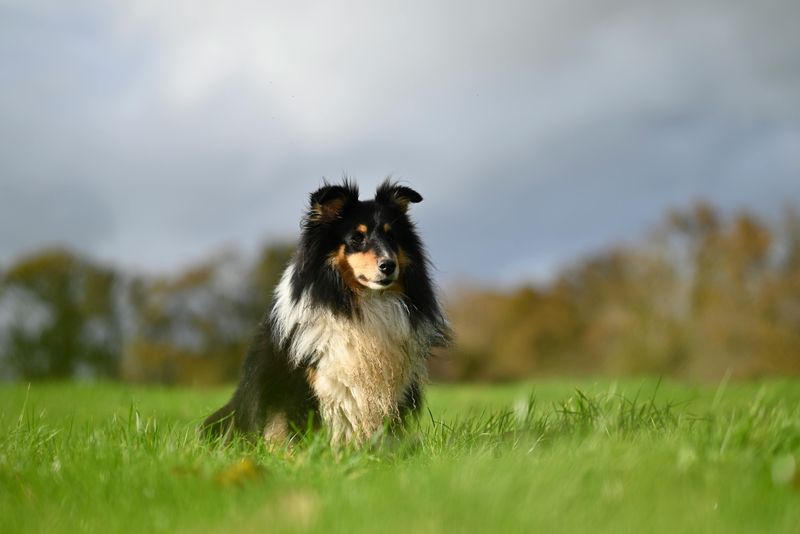
Shetland Sheepdogs are observant, sensitive, and eager to please, which makes button learning feel intuitive. They notice subtle patterns and quickly link cause to effect.
Start with simple needs and gradually introduce social words like cuddle and friend for heart-melting exchanges.
Shelties can be sound-sensitive, so choose buttons with adjustable volume. Reward soft, deliberate presses and discourage frantic tapping by inserting tiny pauses.
Keep sessions gentle, with lots of praise and predictable follow-through.
They respond beautifully to placement cues. Keep related buttons clustered and use color-coding to help visual learners.
With patient repetition and calm energy, Shelties often develop surprising nuance, using buttons to request space, comfort, or specific games without stress.
Papillon
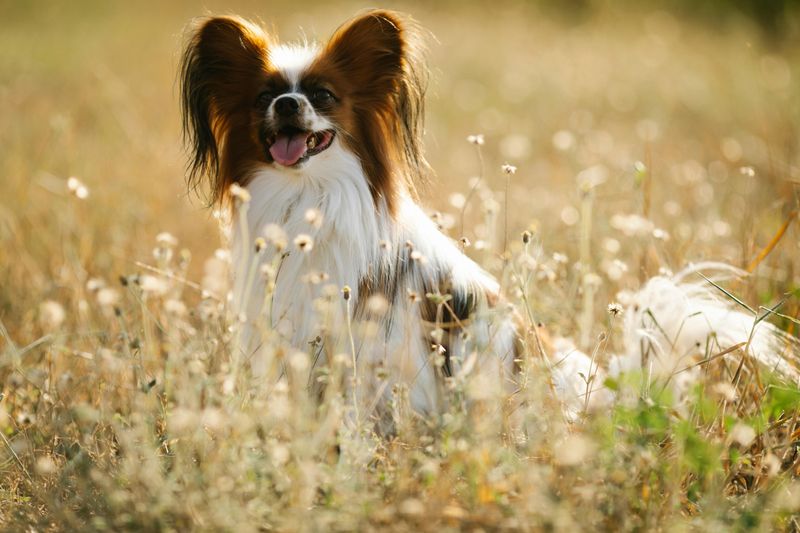
Papillons pack serious smarts into a tiny, joyful frame, which makes button boards a fun challenge. Their curiosity drives exploration, so let them watch you model words frequently.
Begin with essentials like treat, play, and up, and immediately honor accurate presses.
Because Papillons are light and quick, use low-profile buttons with responsive sensors. Mark calm, single presses to avoid rapid multi-taps.
Consistency is your best friend here, with tiny sessions sprinkled through the day.
These social butterflies love conversation. Add people and pet names to deepen engagement, and rotate in trick words to keep them proud.
When the environment feels positive and predictable, a Papillon will surprise you with fast, confident button use.
Cavalier King Charles Spaniel
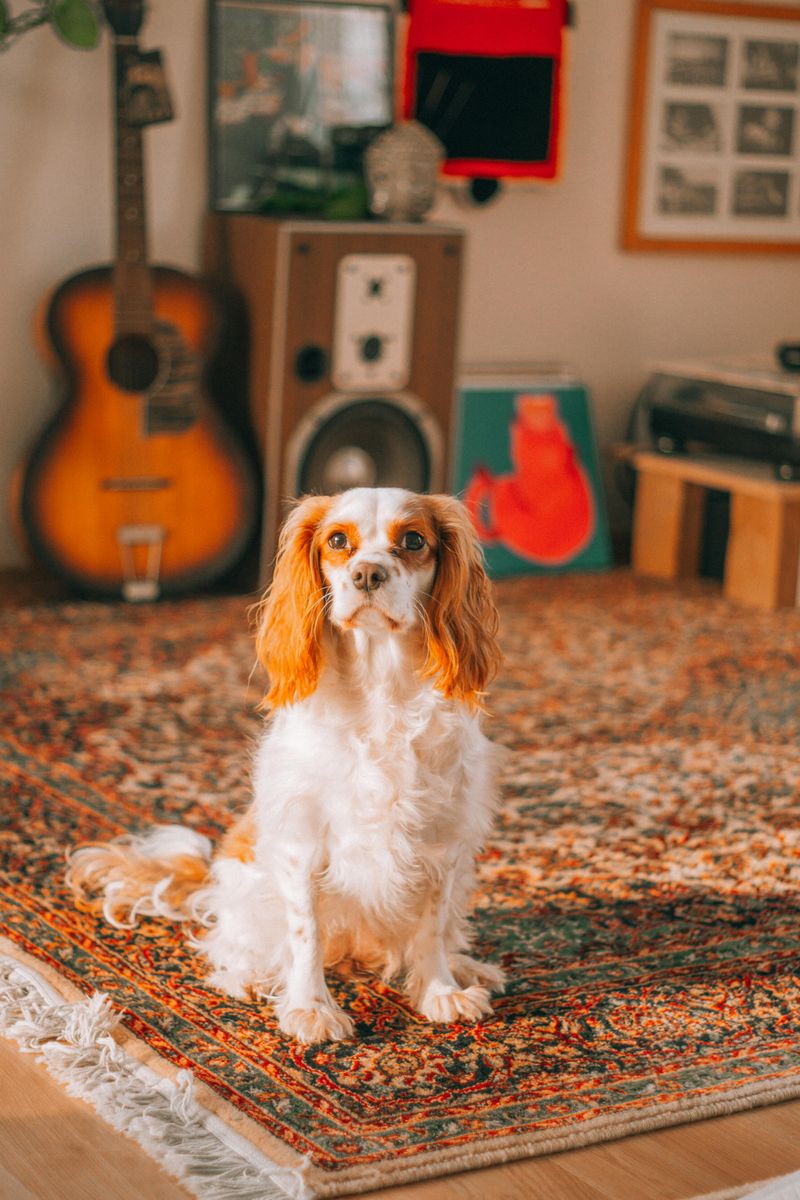
Cavaliers are affectionate and people-focused, making them natural communicators with button boards. Their motivation is often closeness, so start with words like cuddle, lap, and brush.
Pair each button with a warm, immediate response to build trust and clarity.
They can be sensitive, so keep volumes low and sessions short. If your Cavalier hesitates, model the word and show the outcome calmly.
Over time, you will see gentle, deliberate presses replace uncertain pawing.
Introduce needs next, like water, potty, and rest, to reduce whining and guesswork. Add social names and favorite toys to inspire playful exchanges.
With patience and consistency, Cavaliers learn quickly and use buttons to ask for comfort, playtime, and cozy routines.
Cocker Spaniel
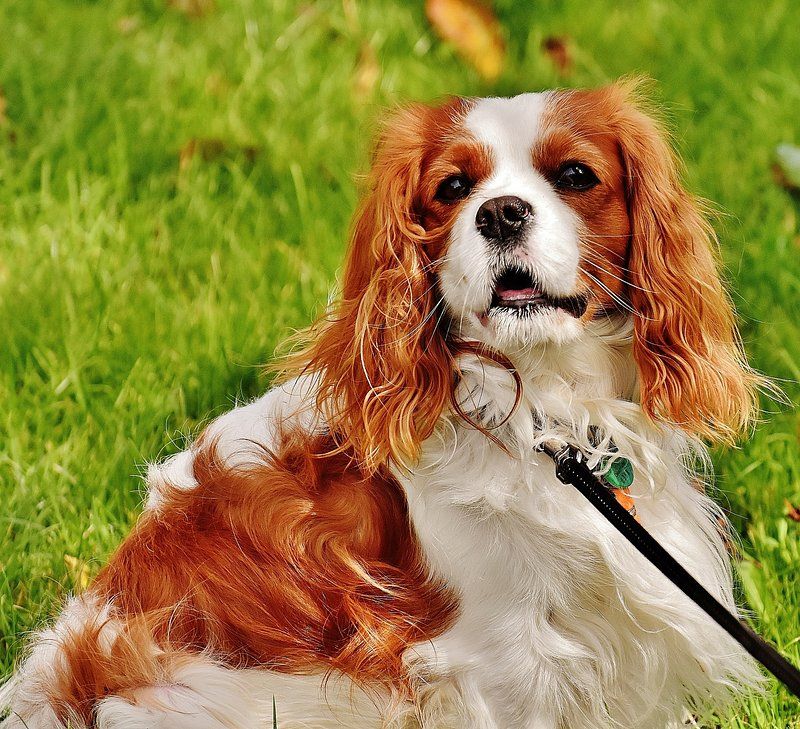
Cocker Spaniels are eager to connect and thrive with clear, upbeat communication. Buttons give them an easy outlet for needs and feelings.
Begin with practical vocabulary like potty, outside, and treat, then layer in softer words like brush or cuddle for calm moments.
They can get excited and barky, so reward quiet, focused presses. Keep the board on a non-slip mat and choose low-resistance buttons to avoid frustration.
Mark success quickly and follow with the exact outcome promised.
Spaniels enjoy variety. Rotate games and add fun categories like toy types to prevent boredom.
With predictable routines and lots of praise, Cockers become confident button users who check in, request breaks, and advocate for needs clearly.
Miniature Schnauzer
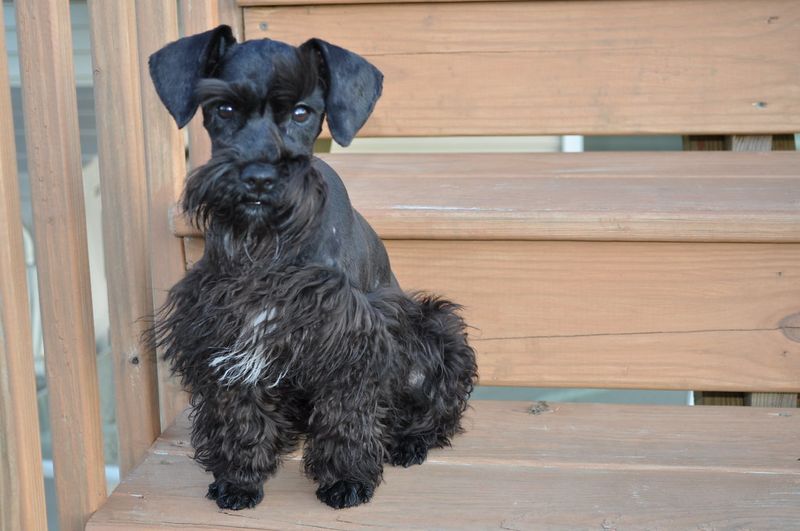
Miniature Schnauzers are spirited, curious, and quick to test new ideas, which suits button training. They love clear rules and will thrive when the board layout stays consistent.
Start with outside, snack, and play, then introduce wait to add impulse control.
Because they can be vocal watchdogs, buttons can redirect barking into purposeful requests. Reinforce calm presses and ask for eye contact before granting outcomes.
Short, energetic sessions keep their attention sharp without overwhelm.
Use labels with bold contrast to help visual recognition. Add fun problem-solving tasks like find toy and bring to link words with jobs.
With structure, praise, and patience, Mini Schnauzers quickly turn curiosity into reliable, expressive communication.
Havanese
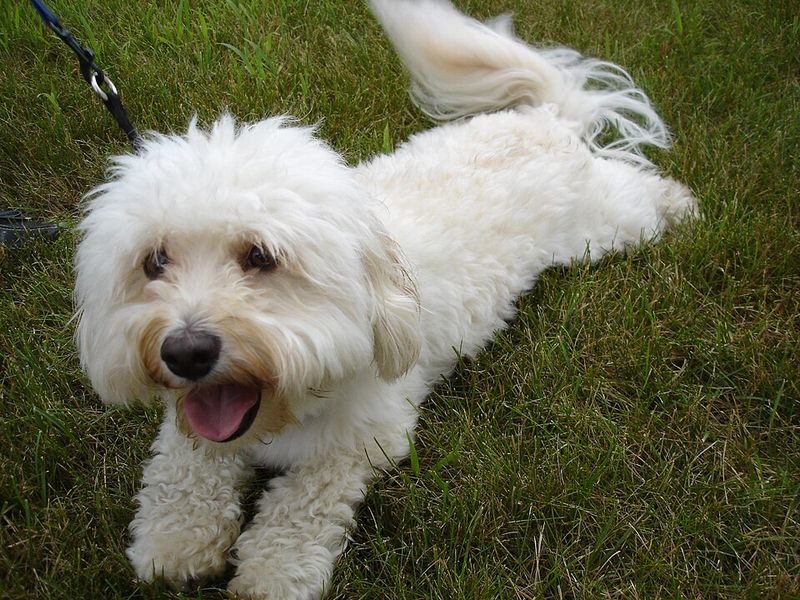
Havanese thrive on connection and routine, which makes button boards feel natural. They love to follow you around and mirror your actions, so modeling matters.
Start with daily-life words like water, potty, up, and play, and immediately reward correct presses.
Keep sessions gentle and upbeat. These dogs read your mood easily, so relaxed practice encourages confident attempts.
Use lower-profile buttons for small paws and consider tactile markers for better targeting.
Because they are social butterflies, add names and visit as vocabulary grows. Rotate in cozy words like blanket or movie to enrich downtime.
With patience and predictable feedback, Havanese become expressive, asking for comfort, fun, and little adventures through their buttons.
Boston Terrier
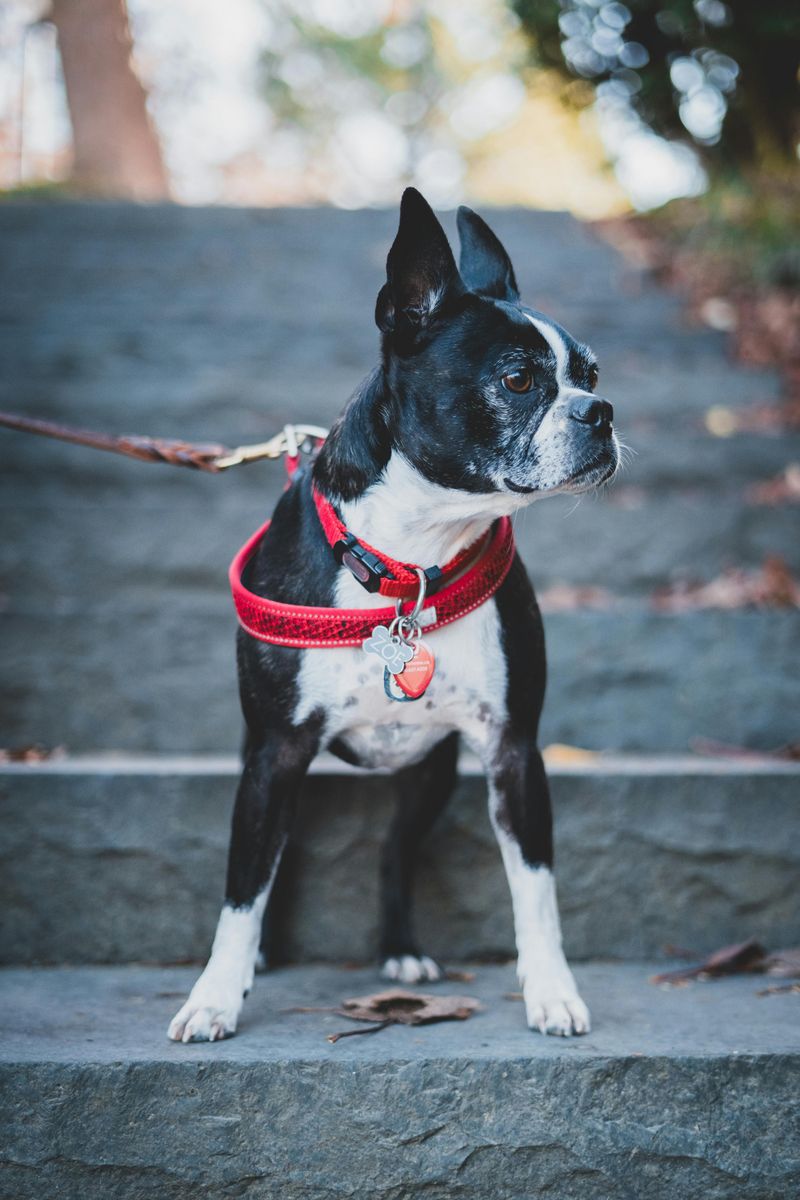
Boston Terriers bring goofy charm and surprising focus to button training. Their willingness to try earns quick progress when feedback is immediate.
Start with action words like play, outside, and zoom, then add calm words like rest and snuggle to balance energy.
Because Bostons can get amped, practice after a short walk to take the edge off. Reward single, intentional presses and ignore rapid tapping.
Clear expectations help curb button spamming while keeping enthusiasm high.
Use durable, easy-press buttons suited for stout paws. Add toy names, people, and locations so they can request favorites.
With consistent structure and playful spirit, Boston Terriers soon use soundboards to ask for activities and settle when they need a break.
Pembroke Welsh Corgi
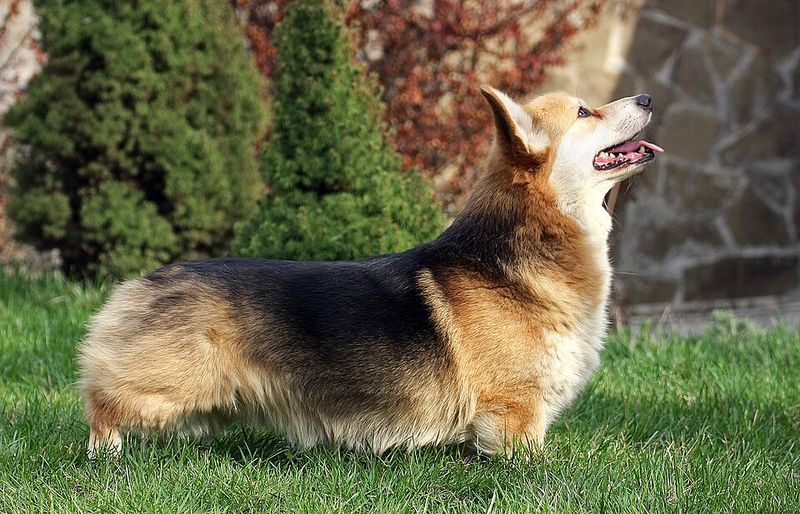
Pembroke Welsh Corgis are clever, food-motivated, and love problem-solving, making button training a great fit. Start with essentials like potty, treat, and outside, then introduce job words like bring or help.
Their herding heritage means structured tasks keep brains happy.
Corgis can be persistent, so set rules early to prevent spamming. Ask for a sit or eye contact before honoring a press.
Keep volume moderate and choose low-profile buttons that are easy for short legs to reach.
They excel with categories, like toy types or locations, which encourages generalization. Celebrate calm, accurate presses and follow through consistently.
With routine, patience, and a dash of humor, Corgis quickly learn to use buttons to request work and play.