
Every time tools vs rewards pops up online, the same fiery examples get tossed around. You can almost predict the breeds cited when tempers rise and comment threads turn into all caps.
If you have a strong opinion, these dogs will challenge it and sharpen it. Let’s talk about the twelve names that keep the debate loud, nuanced, and surprisingly personal.
American Bully
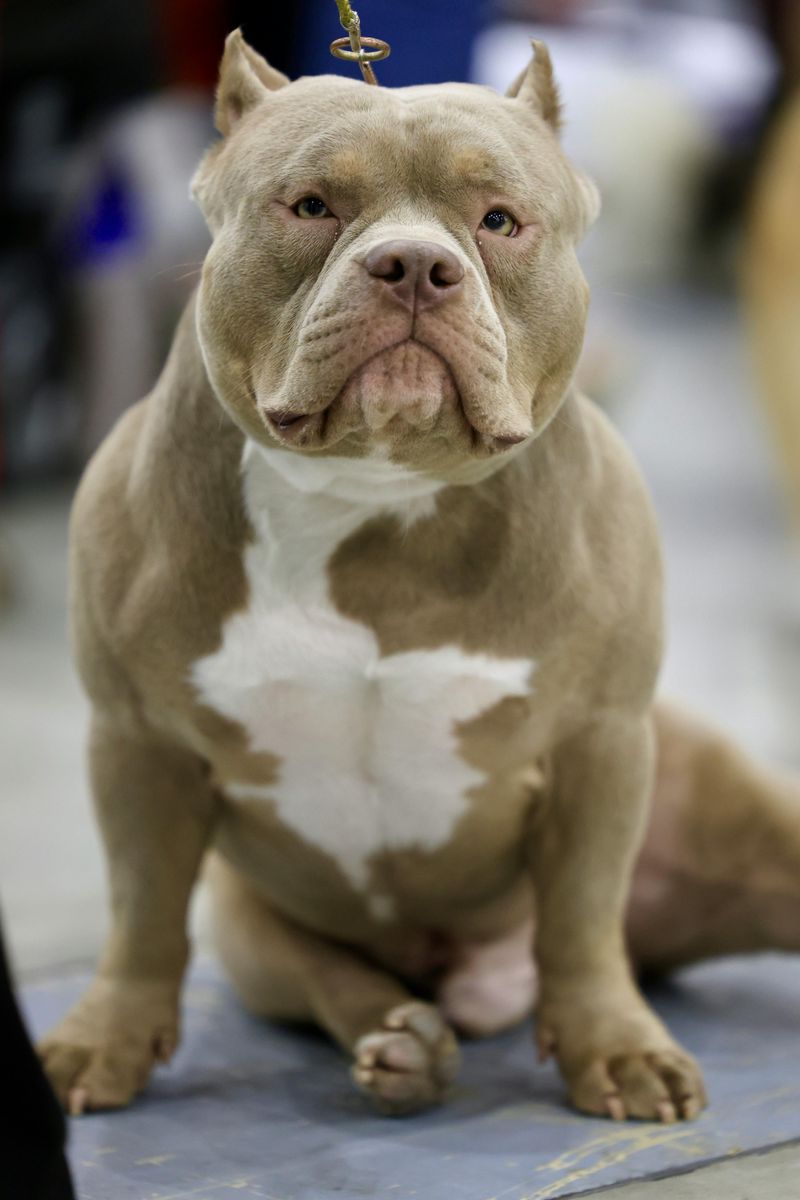
American Bullies spark debates because their presence alone makes people assume power first, training second. You hear arguments that clear structure and precise handling are non negotiable.
Others push for rewards to build trust and defuse reactivity before adding any pressure at all.
What works best often blends both worlds, scaled to temperament and environment. Many owners find success with thoughtful marker training, then layer in fair boundaries.
Consistency, calm leash skills, and neutrality around distractions matter more than labels.
Be honest about genetics and energy. Advocate for controlled social exposure, impulse control games, and short, high value sessions.
If tools are used, pair them with clarity, timing, and decompression. The goal is always predictability, not intimidation.
German Shepherd Dog
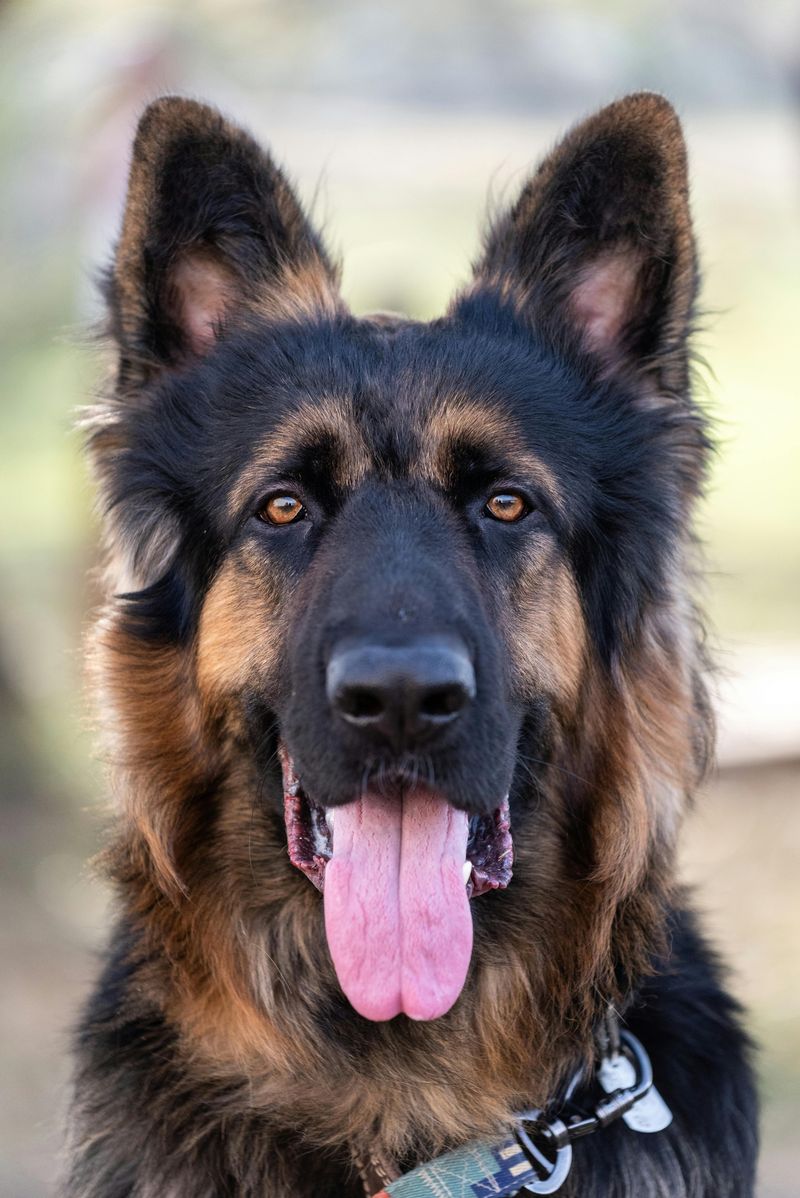
German Shepherds sit at the center of every training argument because they are brilliant and intense. Their drive exposes sloppy timing fast.
Reward based shaping builds accuracy and confidence, but many handlers also use clear boundaries to prevent rehearsed chaos.
High arousal can turn into barking, spinning, or fixating. That is why impulse control and neutrality matter early.
Pattern games, scent work, and structured decompression walks redirect energy productively.
Some teams integrate prong or e collar layers with careful conditioning. Others rely on toy and food reinforcers with strategic management.
Whatever the path, clarity and recovery time are non negotiable. Keep criteria clean, sessions short, and proof behaviors deliberately to avoid frustration spilling into conflict.
Belgian Malinois
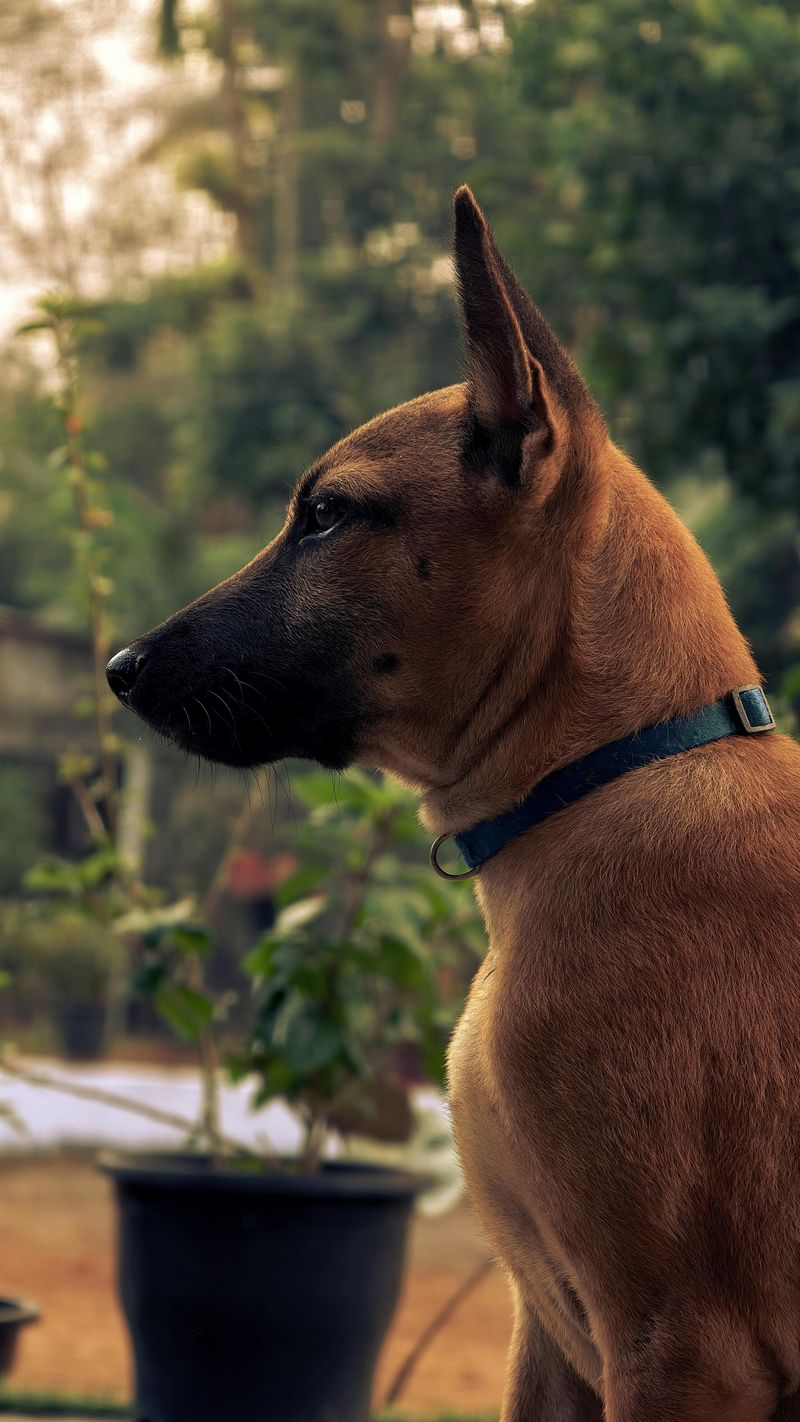
Malinois make people argue because they can outwork your plan in five minutes. Their arousal curve is steep, and sloppy reinforcement can create biting at sleeves, leashes, or anything exciting.
Clear markers, precise criteria, and decompression are non negotiable.
Rewards drive the game, but handlers often add equipment to channel power safely. Neutrality training, place work, and backchaining complex tasks keep brains engaged.
Overcorrection backfires, but so does chaotic play without control.
Short, thoughtful reps beat marathons. Rotate tug, food, and environmental access strategically.
When tools are used, condition them like any cue, never as surprise punishment. The goal is fluency under stress, with recovery built into every session and day.
Rottweiler
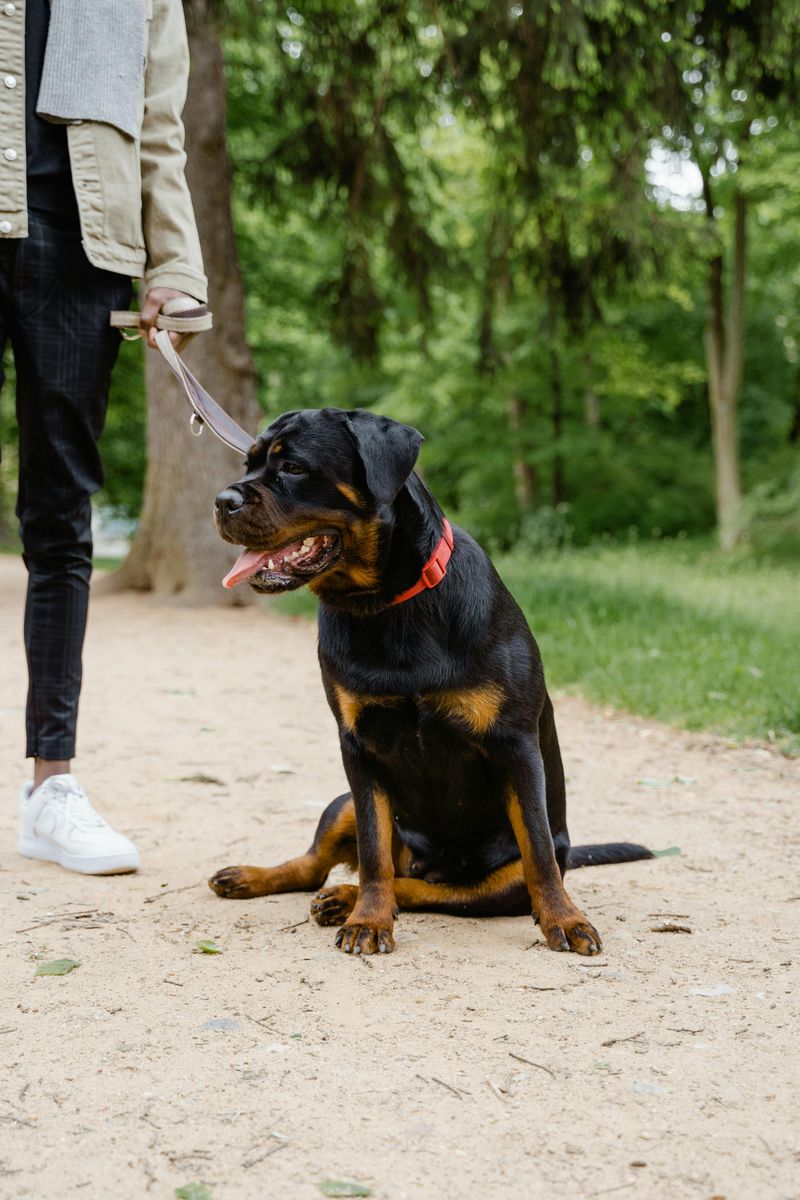
Rottweilers bring intensity and skepticism that magnify handler mistakes. Many advocate for firm structure to avoid pushy behavior, while others emphasize cooperative reinforcement to build trust.
Both sides usually agree on early impulse control and confident neutrality around strangers.
Marker training clarifies expectations, and controlled movement reduces conflict. Short heeling patterns, stationing, and calm greetings prevent rehearsed pulling.
Avoid chasing quick fixes that spike frustration.
If tools are chosen, they should be introduced thoughtfully and paired with reinforcement. Clear criteria, predictable routines, and decompression walks are essential.
Keep sessions focused and end on success. A fair, consistent program turns that famous steadiness into everyday reliability without simmering tension.
Doberman Pinscher
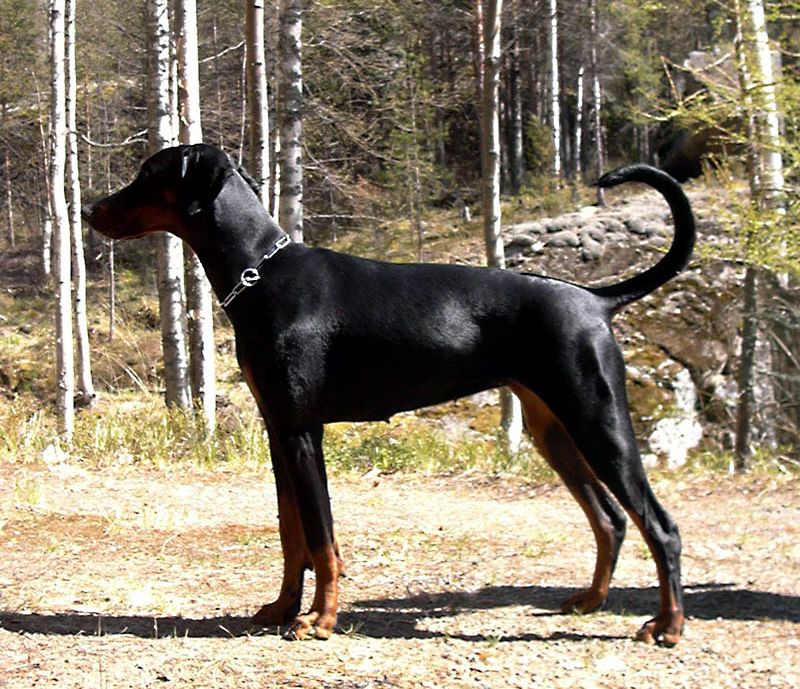
Dobermans are sensitive athletes, so the debate often centers on pressure thresholds. Too much correction erodes confidence, yet zero boundaries can invite frantic scanning and vocalizing.
Shaped obedience with generous reinforcement builds fluency, then careful proofing adds resilience.
Teach calm stationing early to reduce environmental overload. Patterned heeling and recall games keep focus without burning them out.
Use decompression and sniffy walks to regulate arousal between sessions.
If tools enter the plan, condition them gradually with clear markers. Reward success generously, lower criteria when the environment spikes.
Prioritize predictable routines and sleep. The Doberman thrives when training feels like a clear, fair conversation rather than a loud argument.
Cane Corso
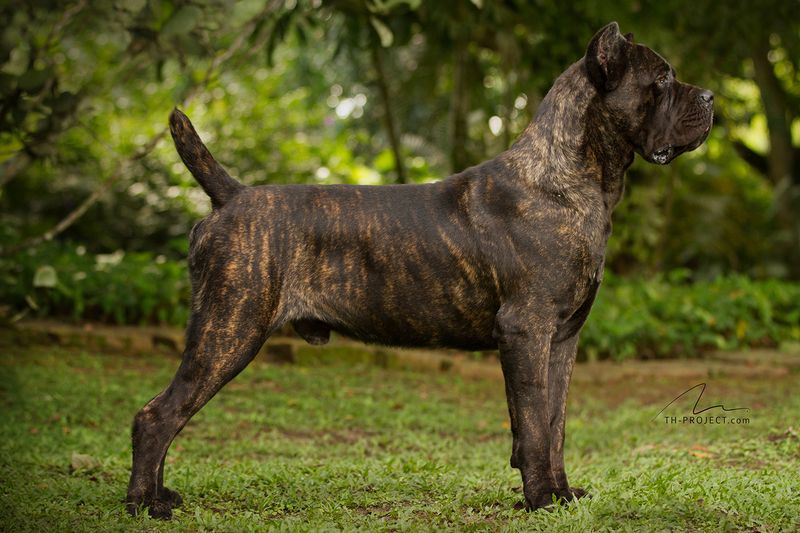
Cane Corsos ignite comment wars because guardianship instincts meet adolescent testing. Many argue strong structure is essential, while reward centered trainers emphasize cooperative engagement and early social neutrality.
Both agree management and clarity are the foundation.
Teach stationing, boundary games, and loose leash skills in low distraction zones. Reinforce calm choices and prevent rehearsed territorial displays.
Keep sessions short, building duration gradually to protect nerves.
Tools, if used, must be layered with conditioning and soft hands. Avoid confrontational setups that provoke conflict.
Prioritize handler presence, routine, and decompression. With fairness and predictable expectations, the Corso becomes a steady companion rather than a neighborhood debate topic.
Dutch Shepherd
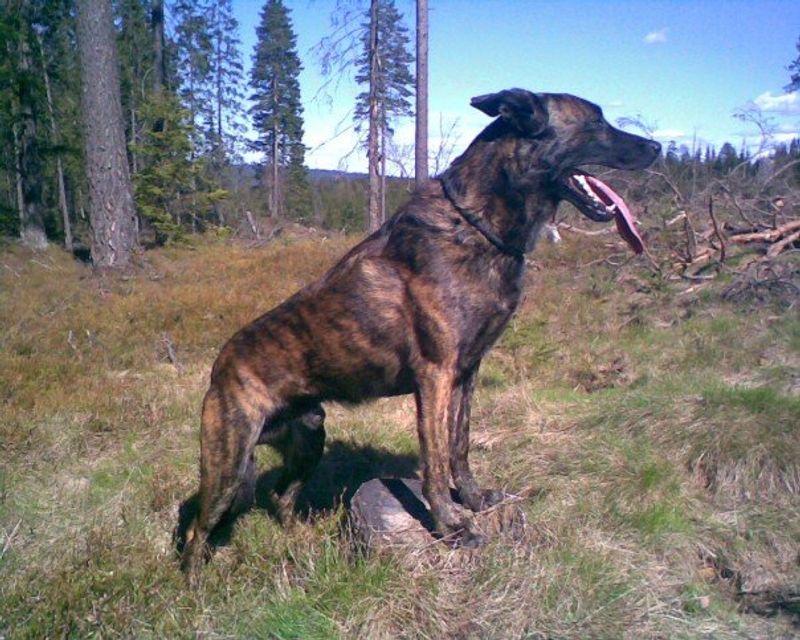
Dutch Shepherds fuel arguments because their drive can disguise stress as enthusiasm. Reward based shaping excels here, but you must pace arousal and honor recovery.
Rushed proofing can produce vocalizing, spinning, or redirected mouthing.
Build behaviors through clean markers and strategic play. Alternate precision tasks with nose work to balance mind and body.
Neutrality around motion and dogs is a lifelong project for many lines.
When tools are layered, condition them like any cue and keep feedback minimal. Clarity beats force every time.
Keep criteria realistic, end sessions before the wheels wobble, and celebrate calm as a trained behavior. That balance turns chaotic energy into crisp, sustainable performance.
Bull Terrier
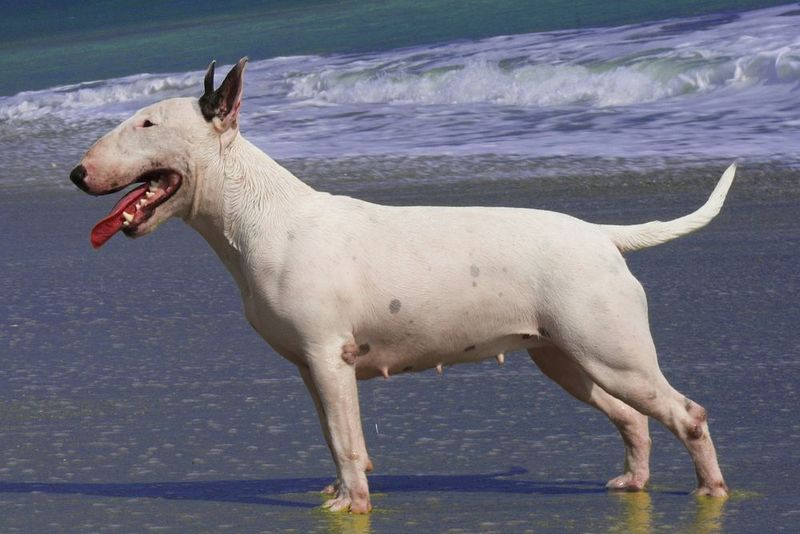
Bull Terriers are clowns with stubborn streaks, making them a comment section favorite. Lure and reward methods build buy in, but distraction proofing can stall without structure.
Too much pressure, though, often sparks defiance or shutdown.
Short, fun sessions shine here. Use games, scent puzzles, and movement to keep engagement high.
Reinforce calm settling, because off switches rarely come standard.
If tools are introduced, keep the conversation gentle and predictable. Mark good choices, avoid nagging corrections, and manage environments that trigger rehearsed pulling.
Prioritize consistency, humor, and recovery time. Progress is real when training feels like a game the dog is eager to play daily.
Staffordshire Bull Terrier
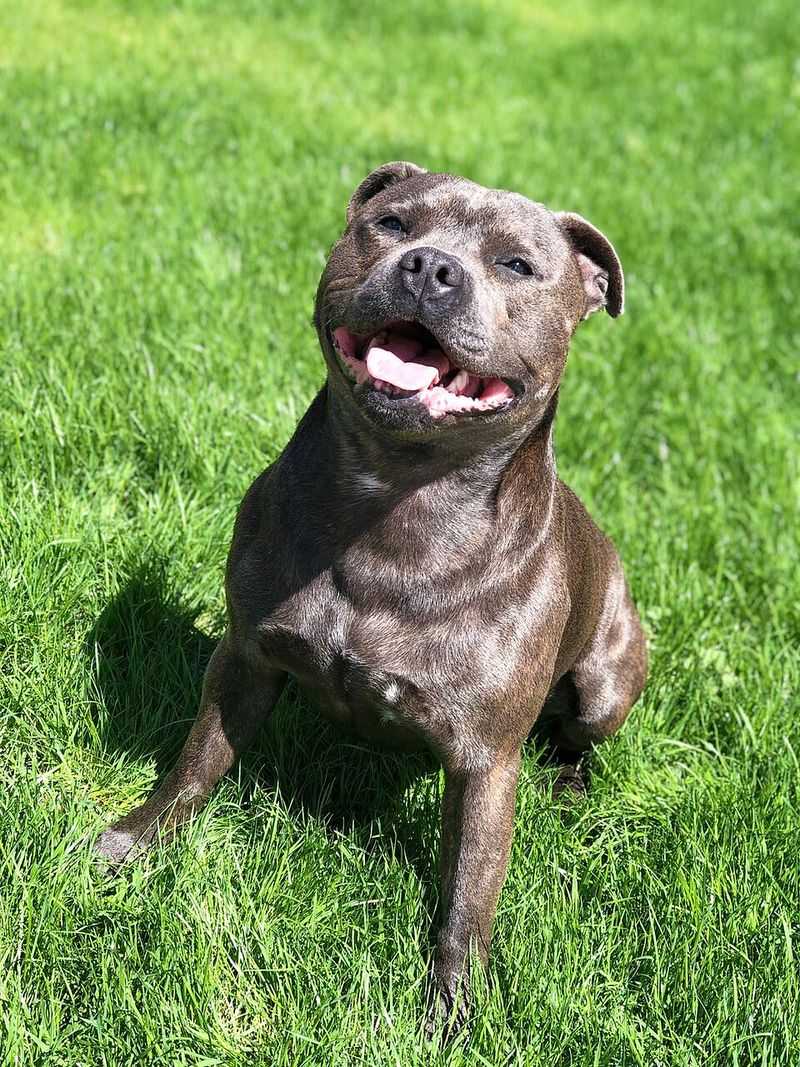
Staffordshire Bull Terriers bring power in a small package, so people argue about how much structure is needed. Food and toy reinforcement works beautifully, but excitement can spike fast.
Teach impulse control early with simple boundary games and settle mats.
Keep sessions playful and short, mixing recall races with calm handling. Social neutrality is a skill, not a guess.
Prevent rehearsed lunging by managing distance and reinforcing quiet observation.
If you use tools, condition them with markers and maintain a light touch. Reward desired behavior more than you correct mistakes.
Routine, decompression walks, and clear criteria turn that intensity into reliability. The goal is cheerful compliance, not constant negotiation.
Australian Cattle Dog
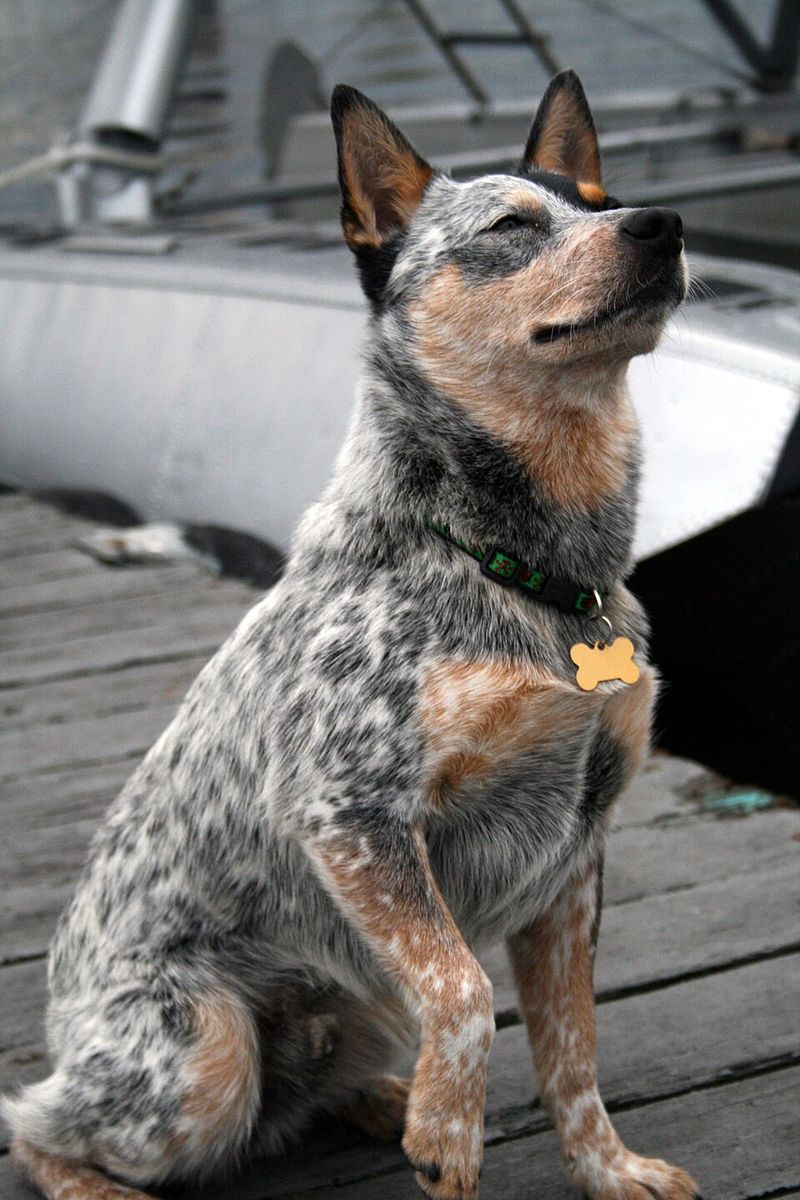
Australian Cattle Dogs bring big brains and opinions, so arguments flare about fairness and pressure. Over arousal can show up as nipping, herding kids, or scanning for jobs.
Reward based shaping with clear outlets for work is essential.
Teach structured fetch, place, and off switch cues early. Rotate enrichment like tracking and puzzle feeders to avoid boredom spikes.
Keep criteria clean and celebrate thoughtful stillness, not just speed.
Tools can be layered when conditioned kindly and used sparingly. Management around motion triggers prevents bad rehearsals.
Daily decompression and predictable routines protect nerves. With clarity and engagement, that legendary grit becomes a partner mindset instead of a constant argument.
Boxer
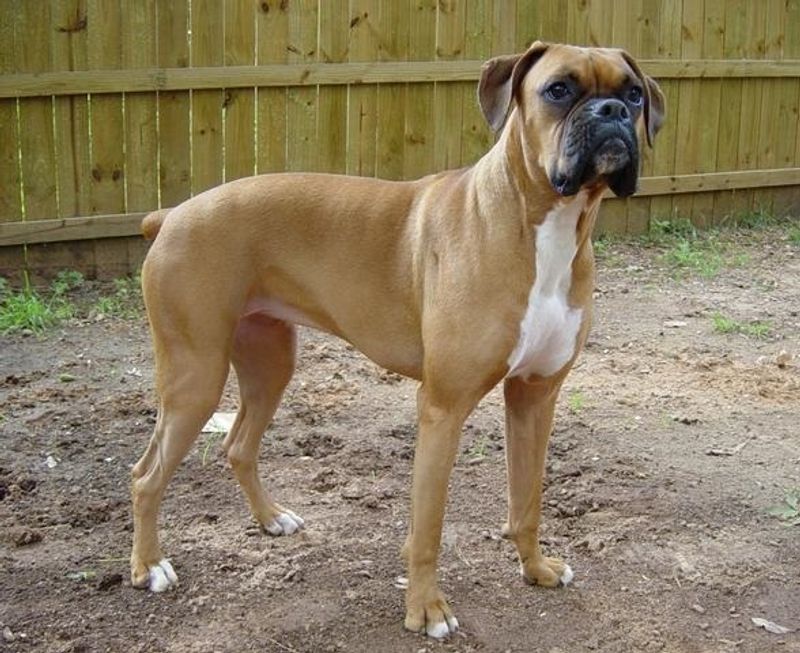
Boxers bring goofy charisma and endless motion, which makes training style debates feel personal. Reward heavy approaches build enthusiasm easily, but the challenge is channeling it into stillness.
Boundary games, mat training, and structured play keep things balanced.
Teach impulse control with start stop games and short heeling bursts. Use frequent breaks and sniff time so arousal does not snowball.
Clarity around greetings is crucial to avoid launching at friends.
If tools are added, pair with markers and generous reinforcement. Avoid long, nagging sessions that create frustration.
Celebrate small wins and end before energy unravels. With patience, the Boxer delivers joyful cooperation that lasts beyond puppy charm.
Akita
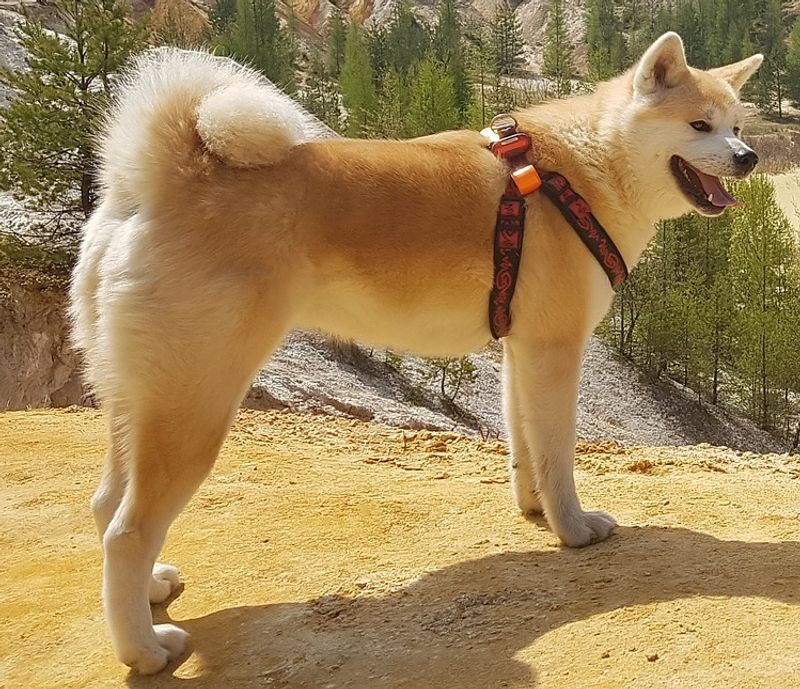
Akitas are independent and discerning, so debates hinge on consent and clarity. Heavy handed tactics can fracture trust, yet zero boundaries invite selective hearing.
Reward based training with thoughtful management builds cooperation without constant conflict.
Focus on calm routines, stationing, and neutral exposure to people and dogs. Keep sessions brief, with high value reinforcers and clear markers.
Respect their need for space and recovery between challenges.
If tools are used, introduce them slowly and keep feedback minimal. Reinforce desired choices generously, and adjust criteria when the environment changes.
Reliability grows when communication is quiet, predictable, and fair. That way, the Akita chooses partnership instead of merely tolerating commands.