
If your dog trembles at the sound of seatbelts or drools before the engine even turns over, you are not alone. Car anxiety content is everywhere because so many of us struggle to help our pups ride calmly.
Some breeds are especially prone to queasiness, restlessness, or overexcitement in motion. Let’s break down what owners report and what might help your dog finally enjoy the journey.
French Bulldog
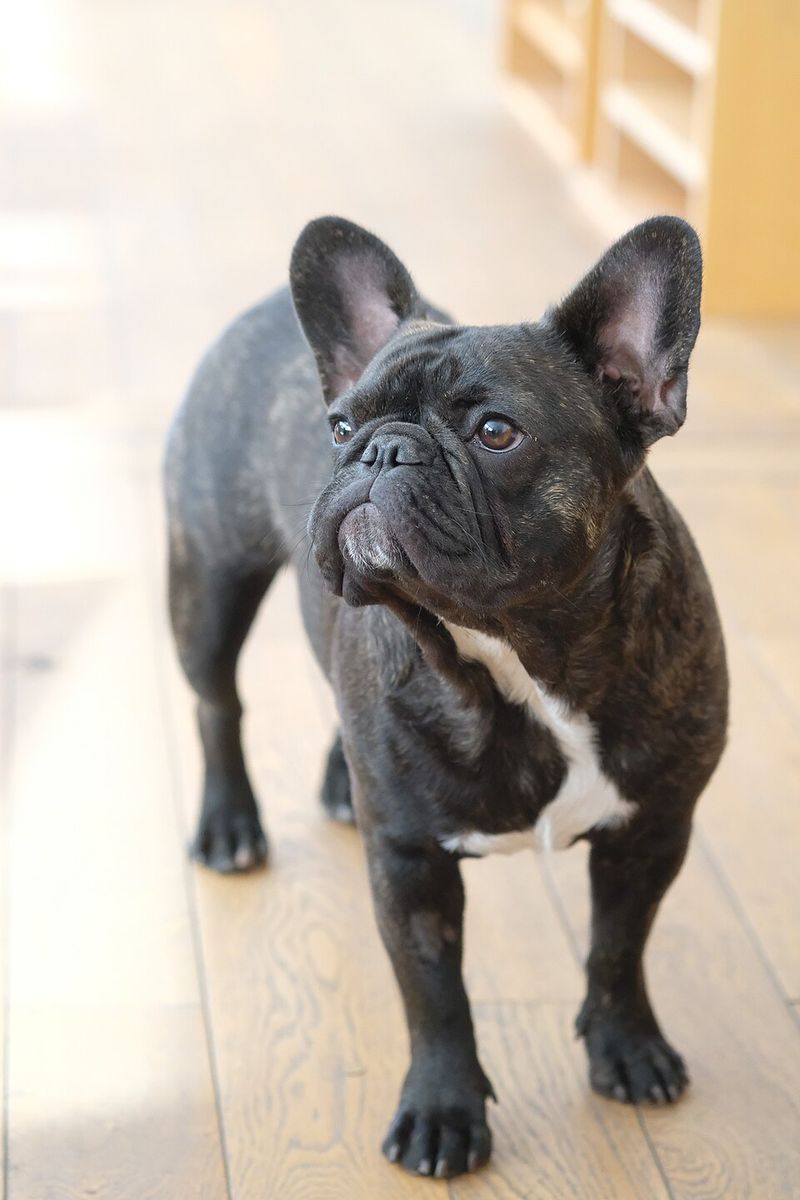
French Bulldogs are lovable clowns, yet many get carsick or jittery on drives. That compact body and short muzzle can make breathing feel different in motion, which stresses them out.
You might see drooling, yawning, or stubborn refusal to hop in.
Start with micro rides around the block, pairing each trip with high value treats and a favorite chew. Keep the cabin cool, use a stable booster or harness, and open windows slightly for fresh airflow.
Neutral background music helps some.
Avoid feeding big meals right before leaving. Stop often for short sniff breaks and praise calmer moments.
If anxiety spikes, ask your vet about anti nausea aids or pheromone sprays. Consistency, patience, and predictable routines build better road confidence.
English Bulldog
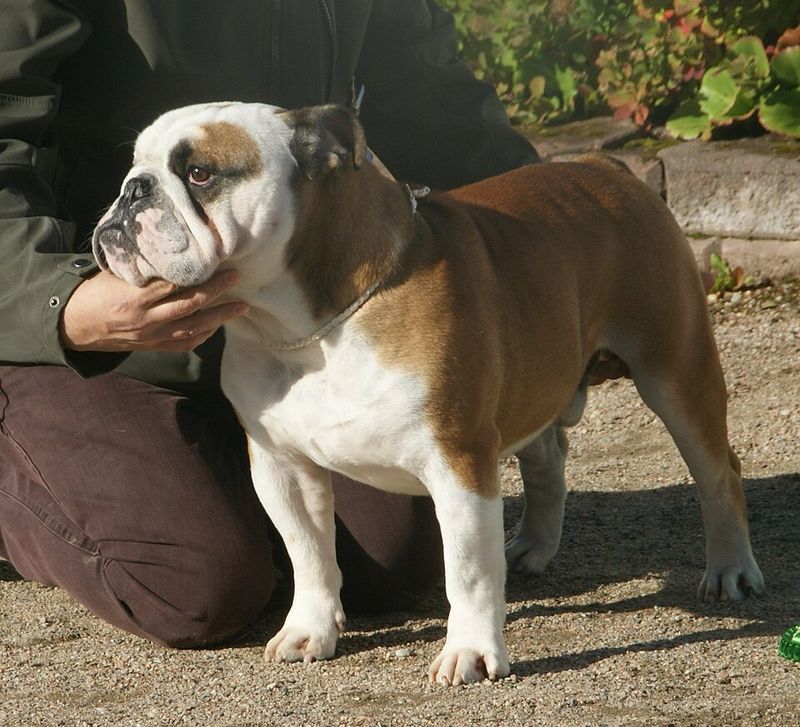
English Bulldogs can find car rides overwhelming because heat, motion, and tight spaces compound breathing challenges. Owners often report panting, drooling, and stubborn refusal to load.
A well ventilated vehicle and frequent breaks are crucial.
Use a supportive harness and non slip bedding to reduce sliding. Keep temps cool, aim vents gently toward the rear, and bring chilled water.
Short practice sessions create positive associations, especially when followed by calm, enjoyable destinations.
Feed lightly before trips, then let them settle. Low stress loading routines help, like cueing sit, treat, then buckle.
If nausea persists, consult your vet about motion sickness meds. Train slow, celebrate small wins, and never force; steady confidence grows from safety and predictability.
Boxer
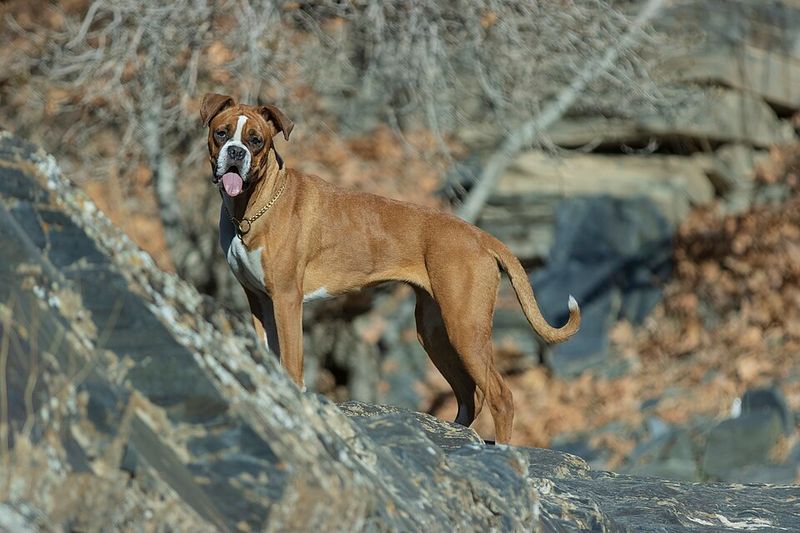
Boxers are high energy athletes who can ping pong between overexcitement and queasiness in cars. You might notice whining, pacing, or explosive greetings at stops.
That big personality benefits from structured routines and clear boundaries.
Before driving, drain a bit of energy with a sniff walk or training session. Use a crate or anchor a harness in one designated spot to reduce bouncing.
Practice neutral load ups, reward calm sits, and keep greetings low key.
Consider window shades to block overstimulating scenery. Offer a long lasting chew to occupy their brain and belly.
If they still drool or swallow repeatedly, talk to your vet about anti nausea help. With consistency, Boxers learn to settle and ride like champs.
Pug
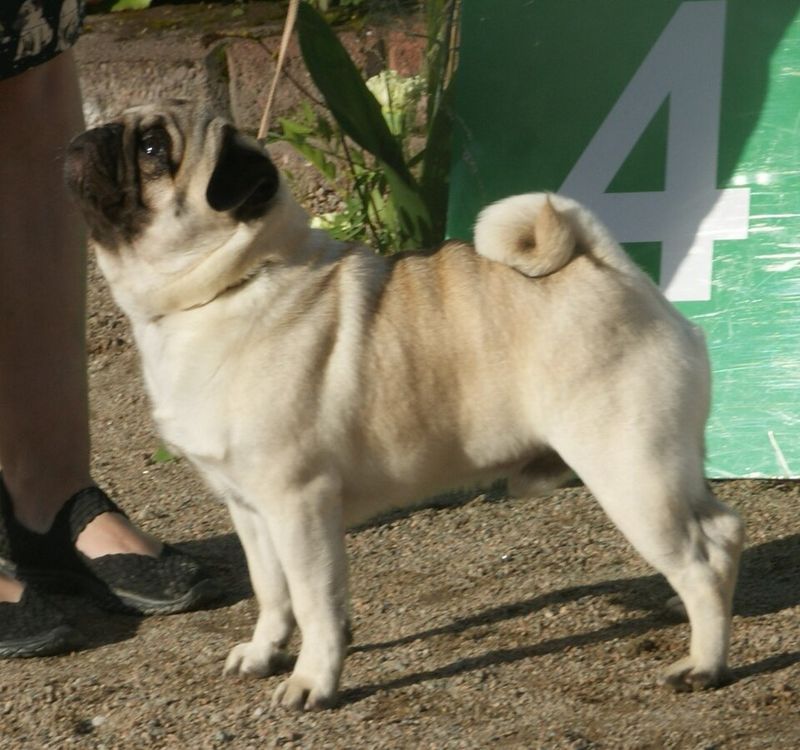
Pugs are charming but sensitive riders, thanks to their short muzzles and expressive nerves. Many owners notice panting, lip licking, or steady drool once the engine hums.
Gentle preparation makes a big difference for these little comedians.
Keep rides short at first, pairing them with tiny treats and soft praise. A booster with a secure tether helps them see without sliding.
Maintain cool airflow and consider a lightweight cooling vest in warm weather.
Avoid full meals before leaving and bring water for breaks. Calm music and predictable loading cues reduce anticipation jitters.
If nausea appears, try ginger snaps in moderation or ask your vet about meds. With patience, most Pugs learn the car means adventures, not worries.
Dachshund
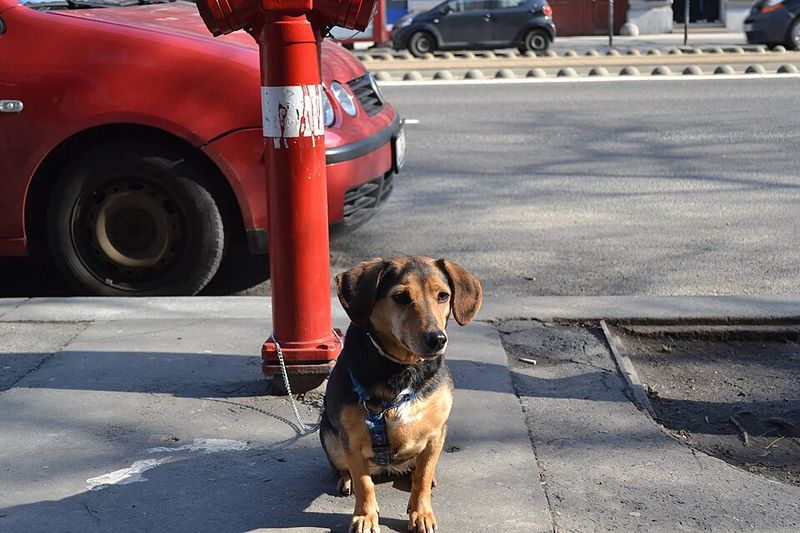
Dachshunds have long backs and big feelings, so sliding around in cars can be scary. Anxiety shows up as trembling, burrowing, or frantic digging at blankets.
Stability and routine become your best tools.
Use a secured crate or a low profile booster that supports their spine. Line it with non slip bedding and add a favorite chew to occupy them.
Start with short loops, end at pleasant destinations, and praise relaxed behavior.
Avoid jumping in or out to protect their backs. Lift gently, cue calm, then buckle.
Motion sickness can improve with lighter meals and fresh air. If nerves persist, consider pheromone collars or vet guidance.
Over time, Dachshunds often embrace road trips as cozy nap opportunities.
Cocker Spaniel
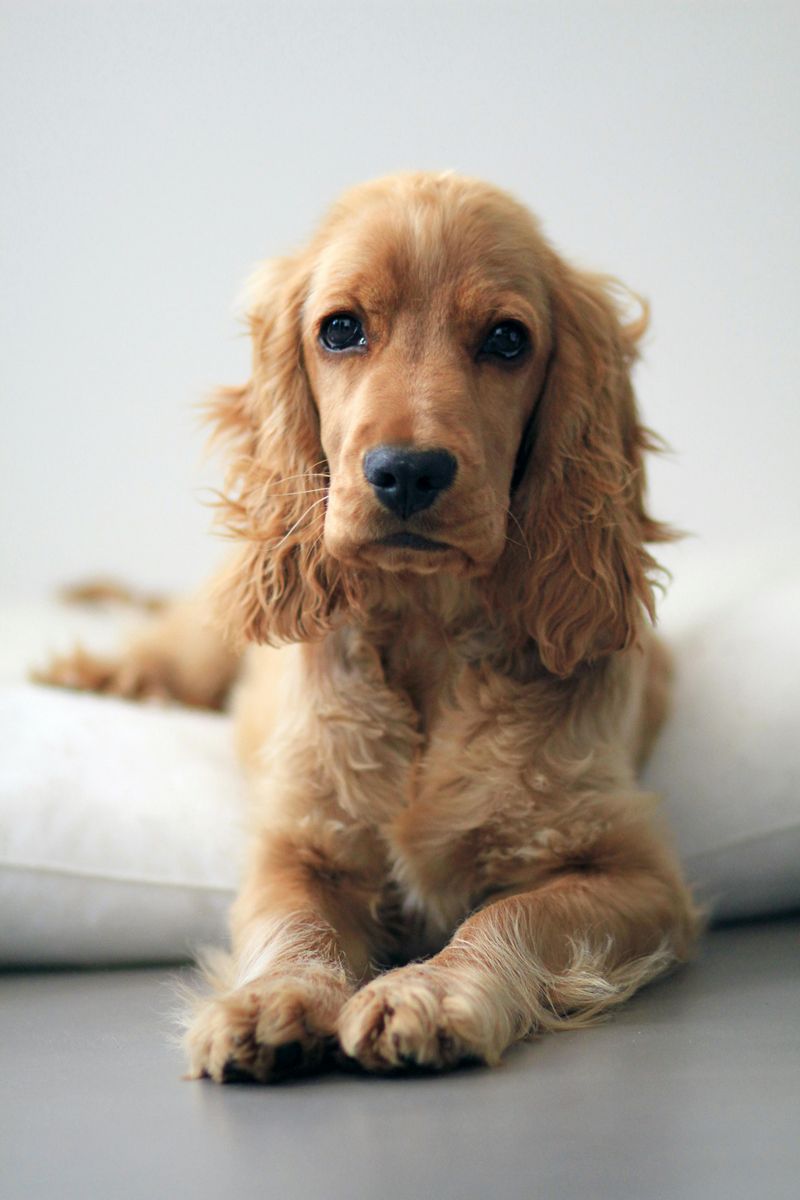
Cocker Spaniels are sensitive souls, easily overwhelmed by noise and motion. Some get queasy, others whine or paw for attention.
The key is calm structure and predictable setups that reduce stimulation.
Brush and tie back ears or use snoods to keep them from flapping excessively. Provide a padded seat or crate with steady footing and mild airflow.
Try scent calming aids and reward quiet moments with tiny treats.
Practice parking lot hangs without driving to desensitize engine hums. Keep trips short and end with sniff walks, not chaotic errands.
If nausea lingers, consult your vet about medications or ginger. Consistency helps Cockers associate the car with comfort and connection, not chaos.
Cavalier King Charles Spaniel
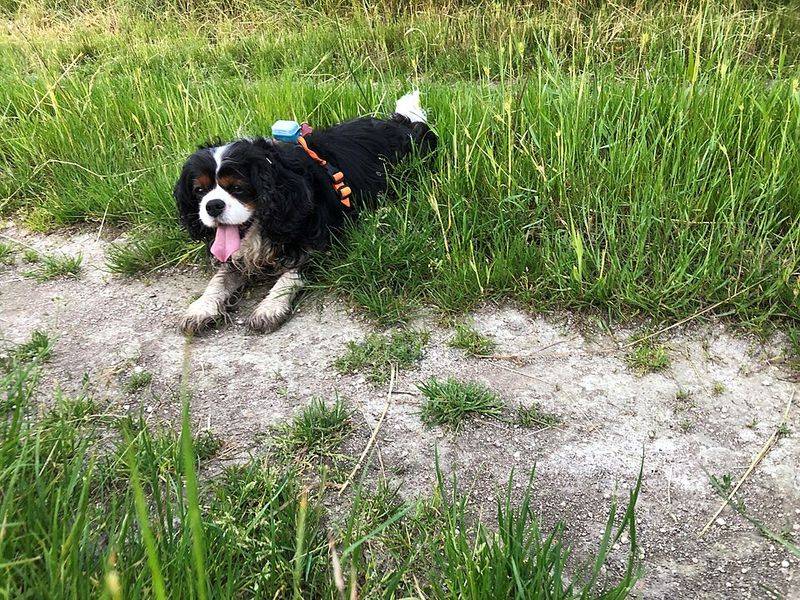
Cavaliers crave closeness and may fret when secured away from your lap. Anxiety can show as trembling, whining, or frantic attempts to climb forward.
Teaching independence in the car protects safety and nerves.
Use a cozy bed or booster with a tether so they can see you without roaming. Layer in calming routines: cue settle, treat, then start the engine.
Gradually lengthen rides while rewarding quiet relaxation.
Play soothing music and avoid hectic destinations at first. Keep ventilation gentle to prevent ear flapping and discomfort.
If tummy trouble appears, feed lightly beforehand and offer breaks. When supported with consistent practice, Cavaliers transform into content, drowsy copilots who nap through traffic.
German Shepherd Dog
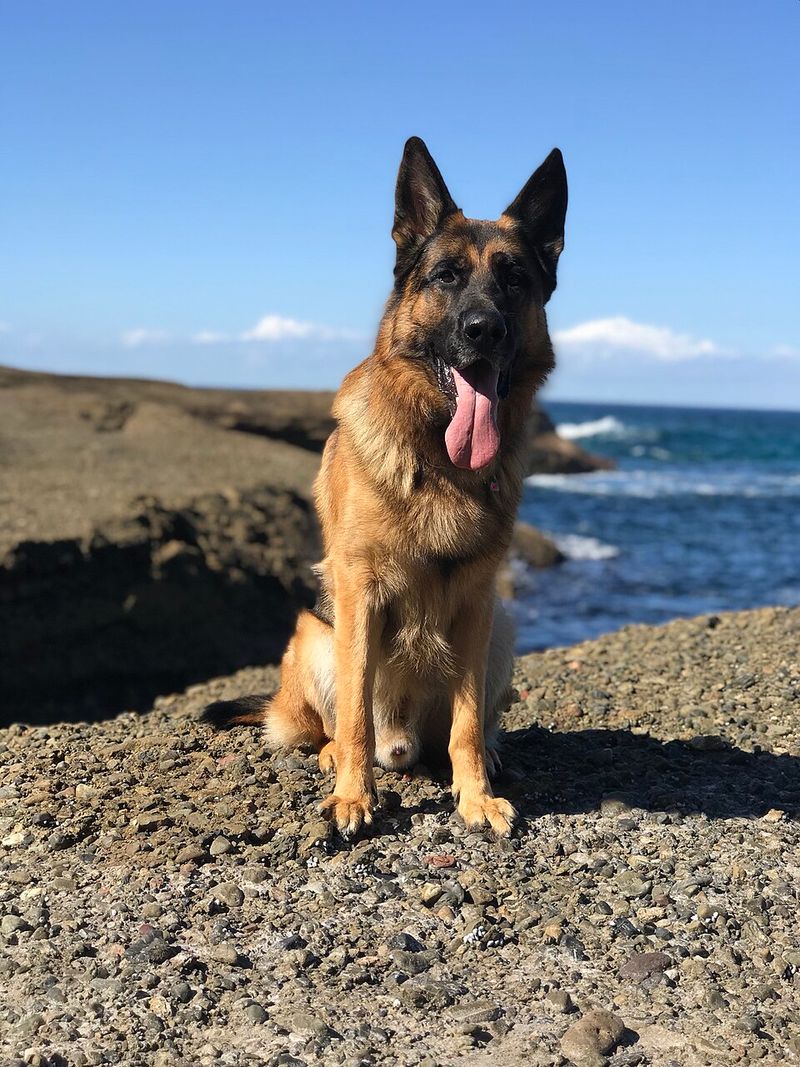
German Shepherds are brilliant but can be hyper vigilant, scanning every passing scene. That alertness can morph into pacing, barking, or drool when rides feel unpredictable.
Clear structure and job like cues help them settle.
Crate training is ideal, using a secure, crash tested model anchored in the cargo area. Teach a place command, then reward down stays as the car idles.
Gradually progress to longer drives with intermittent sniff breaks.
Window shades reduce visual overload. Offer a durable chew to channel energy productively.
Feed modestly before trips and maintain consistent loading rituals. If nausea or vocalizing persists, consult a trainer or vet.
With guidance, Shepherds learn that their job is to relax and arrive safely.
Siberian Husky
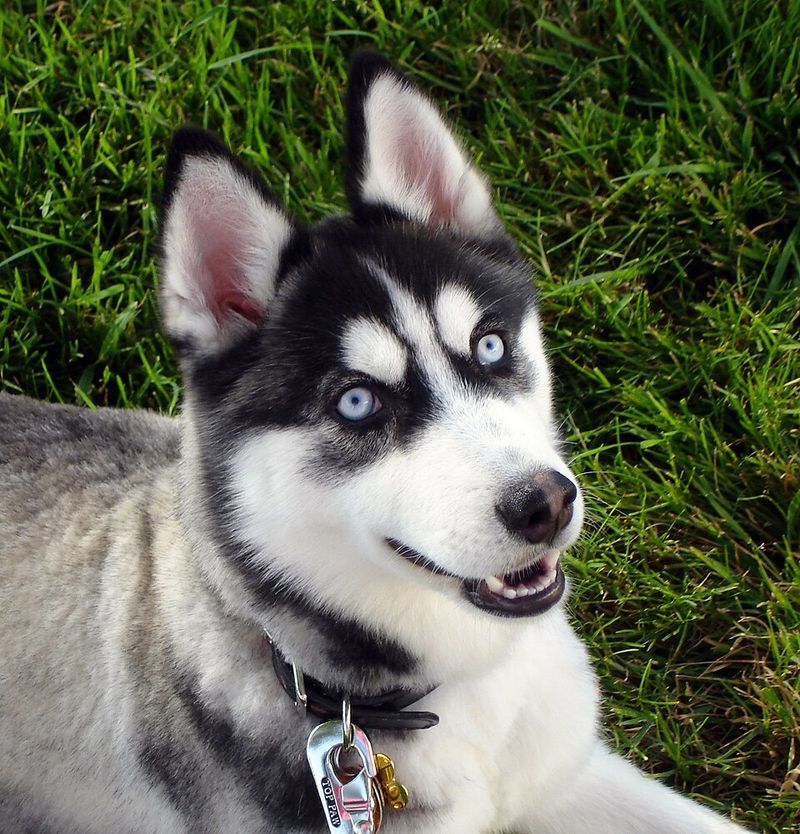
Huskies are vocal, dramatic, and full of opinions about travel. Some sing entire playlists when the car moves, others pant and pace from excitement.
Channeling that energy into calm behavior requires structure and outlets.
Before driving, offer a brisk walk and mental games to take the edge off. Use a harness or crate to limit roaming, then reward quiet moments.
Keep the cabin cool; Huskies appreciate fresh, cold airflow.
Block stimulating views if they fixate on passing cars. Offer a frozen lick mat for soothing focus during longer drives.
Light meals help prevent queasy stomachs. If anxiety escalates, ask your vet about safe options.
With practice, Huskies can cruise quietly and snooze between adventures.
Australian Shepherd
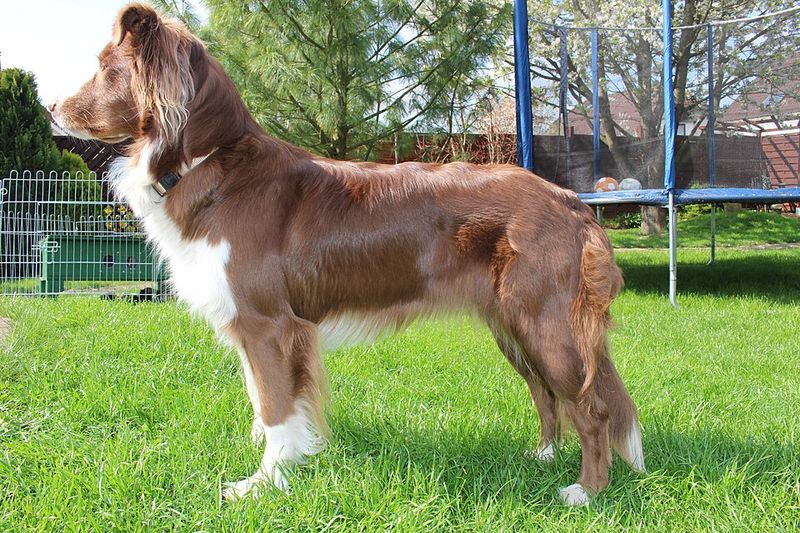
Aussies are brilliant herders who notice everything, which can fuel car restlessness. Many struggle with overexcitement, whining, or motion scanning.
The solution is predictable structure, thoughtful enrichment, and steady practice.
Crate or harness them in a consistent spot every time. Use window shades if visual triggers set them off.
Practice short routes and reward sustained calm with tiny treats or a long lasting chew.
Pre drive sniff walks help empty energy and bladder. Keep greetings at destinations low key to prevent anticipation spikes.
If nausea appears, adjust meal timing and try ginger or vet advised meds. With clear routines, Aussies learn that cars mean downtime, not nonstop herding duty.
Border Collie
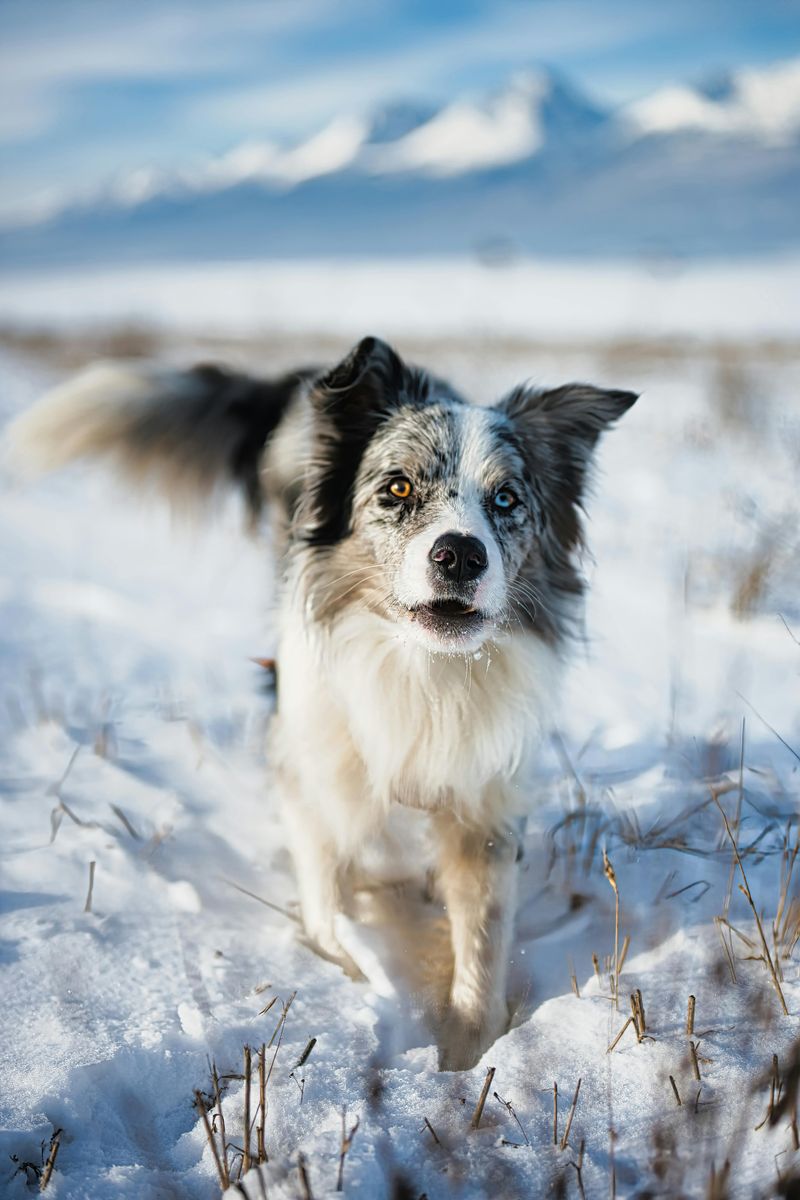
Border Collies are visual athletes, often overwhelmed by speeding scenery and constant motion. They may fixate, whine, or try to herd reflections.
Giving their brain a quiet job reduces that compulsion.
Teach a down stay in a designated car spot with a harness or crate. Use shades or a covered crate to limit stimulation.
Reward quiet, sustained relaxation and end trips with calm walks instead of intense play.
Offer a puzzle chew to occupy their problem solving minds. Keep meal portions small before rides and open windows slightly for airflow.
If stress remains high, consult a trainer about desensitization protocols. With structure, Collies can switch from hyper focus to peaceful travel mode.
Golden Retriever
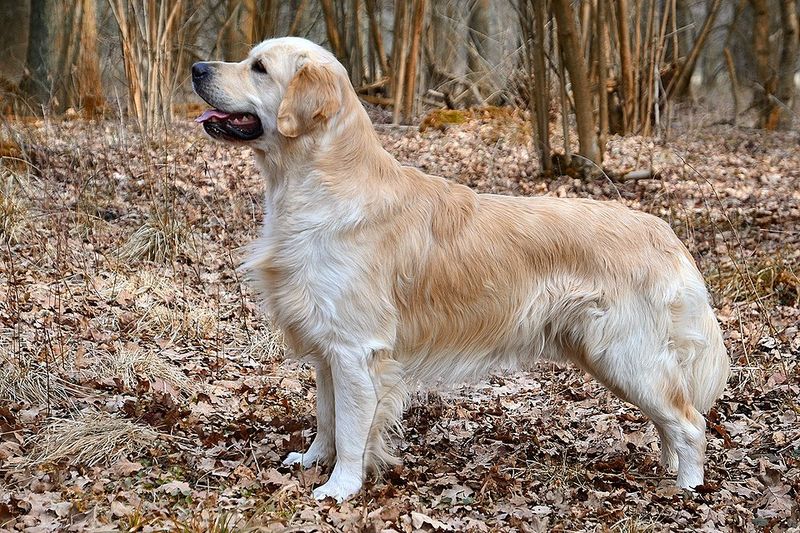
Goldens often love car rides but can get overly amped, drooly, or occasionally carsick. They greet every stop like a party, which fuels anticipation and restlessness.
Calm rituals keep that sunshine temperament balanced.
Use a sturdy harness and a hammock to prevent slipping. Practice sit and settle before engine start, reward quiet breathing, then roll out.
Keep windows cracked and plan quick breaks for sniffing without overstimulation.
Offer a gentle chew or stuffed toy to focus their mouth. Feed lightly pre trip, and bring water.
If nausea shows up, consider ginger or vet approved meds. Maintain consistent routines so your Golden learns that the car is for chill time, not constant celebration.