
Is your dog training you to fetch the treats on command? Demand barking routines are all over social media, and the funniest part is how often they work.
Certain breeds seem to have mastered the art of coaching humans with expressive eyes, perfect timing, and surprisingly strategic woofs. If you’ve ever bargained with a tiny tyrant for peace and quiet, you’re in good company.
Pomeranian
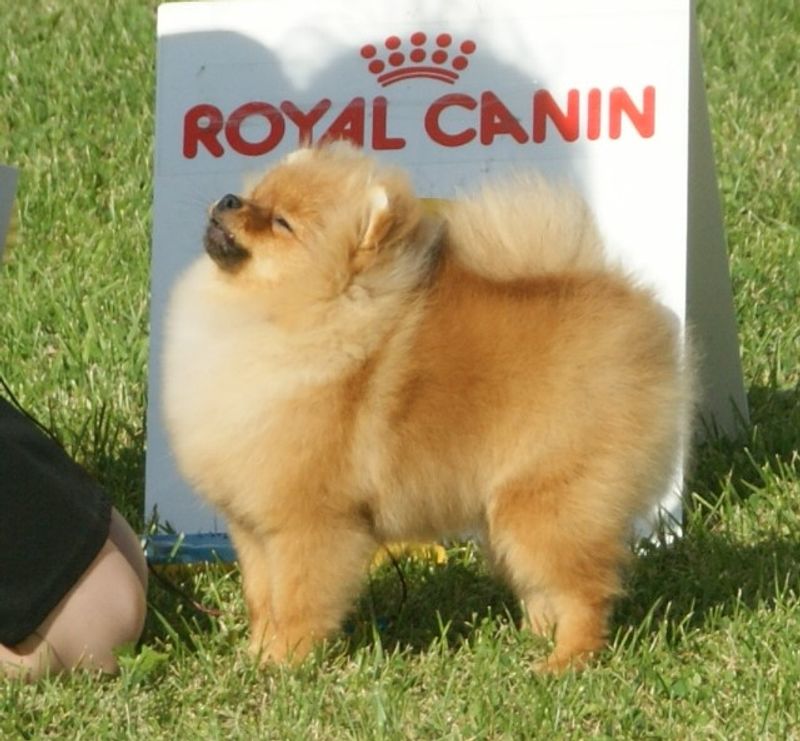
Pomeranians do not request things, they announce them. That sharp, squeaky bark hits like a notification you cannot snooze.
You will learn the routine fast: spin, stare, boof, and you’re standing up without realizing it. They are masters at pacing between you and the pantry, herding with fluff and confidence.
Consistency helps, but their persistence is legendary. Teach a quiet cue and pay for silence, not noise.
Enrichment toys can preempt the shrill reminders, and structured play burns off plotting energy. Keep sessions short, rewards predictable, and timing crisp.
Soon you will feel in control, even if the tiny cloud still schedules your breaks.
Chihuahua
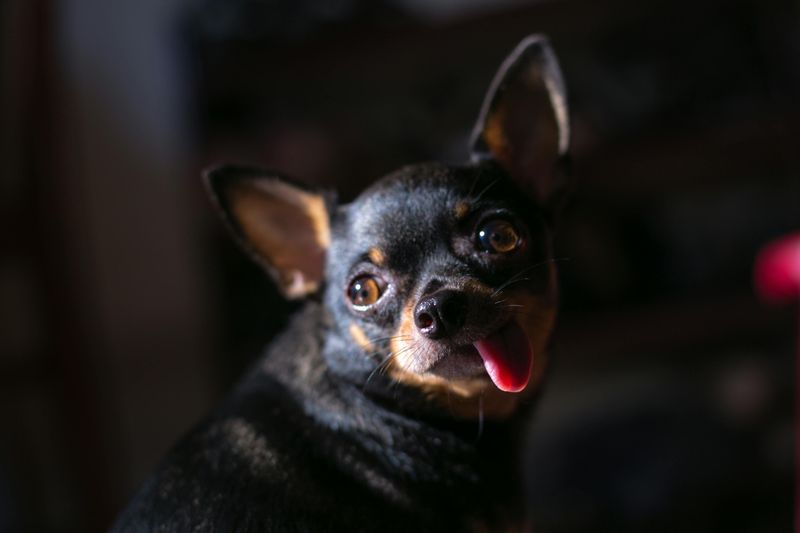
Chihuahuas specialize in courtroom cross examination. They fix you with those saucer eyes and present Exhibit A: the empty bowl.
Then comes the commentary, a rapid series of yips and chirps that escalate precisely when you glance away. Accidentally reward once and you have signed a lifelong contract.
Switch the script by rewarding calm. Ask for a sit or go-to-mat cue before anything desirable.
Keep treats hidden until quiet happens, then deliver like clockwork. If volume spikes, freeze, wait for a breath, mark, and pay.
Puzzle feeders, sunbathing windows, and short training games keep brains content. Respect their big feelings, but show that patience makes the world move faster.
Dachshund
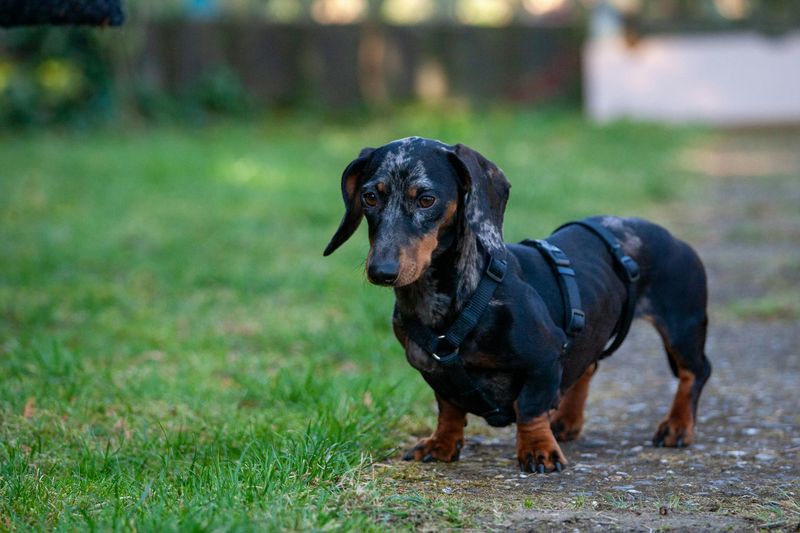
Dachshunds were bred to speak their minds underground, so your kitchen echoes with brave announcements. They conduct full negotiations at ankle height, bouncing between you and the target drawer.
That determined nose and drumroll bark can make anyone cave. The secret is clarity and timing.
Preload a routine: quiet earns a sniff, then a sit earns the snack. Use scatter feeding in the yard to satisfy hunting instincts.
If decibels rise, calmly pause the universe. When silence lands, mark and reward generously.
Rotate scent games and chewables so their investigative spirit has legal outlets. Keep expectations steady.
With consistent rules, your little tunnel explorer will lobby less and listen more.
Yorkshire Terrier
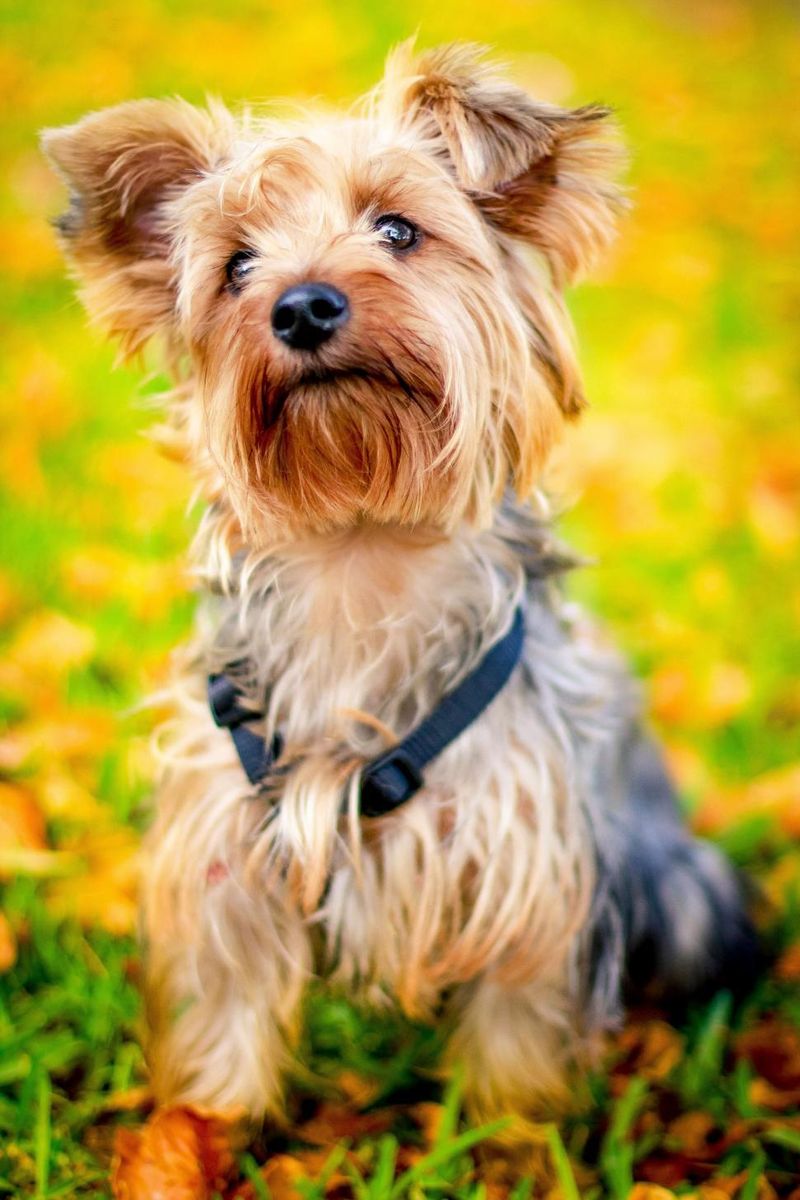
Yorkies bring boardroom energy in a pocket package. They schedule walks, insist on squeaky toy meetings, and present their demands with impeccable posture.
The bark is crisp, the stare laser focused. If you move toward the leash mid-bark, they learn that noise launches adventures.
Flip it. Ask for a sit, then clip the leash only after two seconds of quiet.
Pay in praise, forward motion, and tiny treats. Indoors, teach a place cue with a comfy bed and easy wins.
Rotate toys so novelty appears on your timeline, not theirs. With steady boundaries and plenty of mental games, your executive assistant will trade loud memos for productive tasks.
Miniature Pinscher
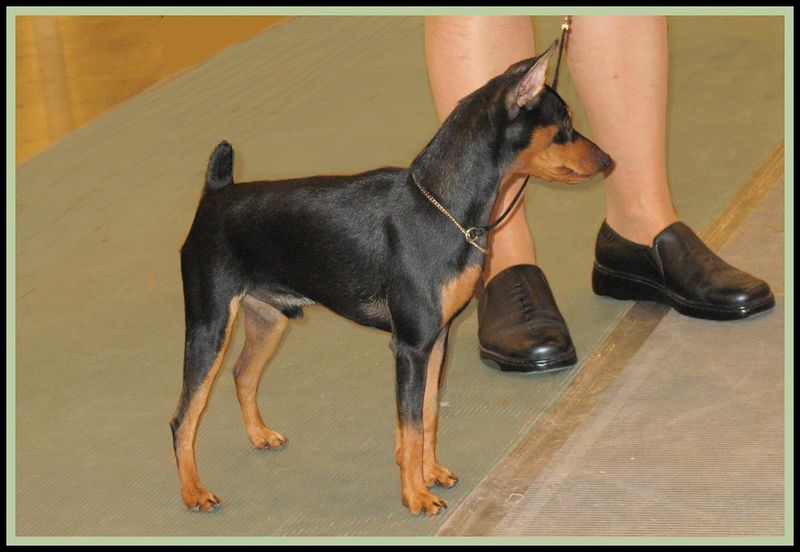
Min Pins run the security department and the HR desk at once. They announce everything, then demand a performance review in snacks.
That proud prance and quick-fire bark can make you leap to comply. Resist the reflex and put their sharp brain to work.
Teach impulse control games: hand target, wait, and release cues. Feed the first quiet second like it is gold.
Use tug sessions and short sniff walks to drain the buzzing energy. When volume spikes, pause, breathe, cue a task, then pay.
Clear routines transform their need to supervise into cooperation. Before you know it, your tiny executive will choose focus over feedback sirens.
French Bulldog

Frenchies perfect the art of conversational grumbling. One bark, two snorts, then a soulful gaze that says you forgot something important.
They are charming negotiators, and their timing is suspiciously perfect. If the snack fairy appears after a complaint, they will file more tickets.
Preempt the protest with structured routines. Meals after calm sits, play after quiet eye contact, cuddles for relaxed bodies.
Keep sessions short and fun to respect their breathing needs. Use food puzzles and gentle training to tire the mind.
When grumbles begin, freeze, wait for stillness, then reward generously. The message becomes clear: calm makes magic happen, complaints just buffer.
Pug

Pugs deliver comedy with their customer service voice. The woo woo escalates into full commentary if the fridge opens without tribute.
Those round eyes and curly tail can undo your willpower fast. But structure works wonders for these affectionate clowns.
Teach a station cue on a mat, then pay calm breaths. Pair mealtimes and play with predictable rituals.
Keep treats out of sight, reward only the silence between jokes. Use snuffle mats and gentle strolls to satisfy curiosity.
If the monologue restarts, pause and wait for quiet punctuation. Soon your Pug will test the new script: silence first, reward second, everyone laughs together.
Cocker Spaniel
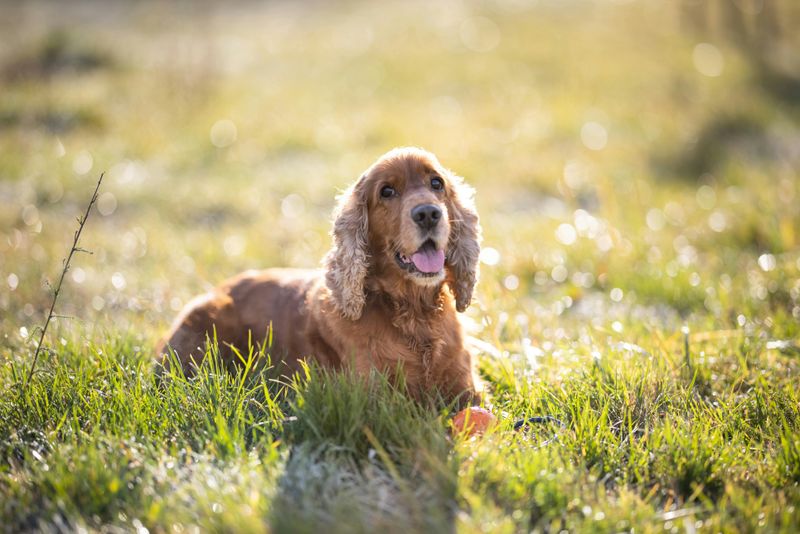
Cockers bring heartfelt enthusiasm to every request. The bark is musical, the tail a metronome that speeds as you approach the toy stash.
Sensitive by nature, they respond best to gentle clarity. If you soothe mid-bark, they may add volume for reassurance.
Teach a soft go-to-bed cue and reward a relaxed down. Layer in nosework games that channel their gorgeous sniffer.
Use predictable rituals before fetch and meals. When the serenade begins, avoid eye contact, then mark the first quiet beat.
Pay generously and keep expectations kind. With empathy and structure, your Cocker will switch from ballad to beautiful silence.
Beagle
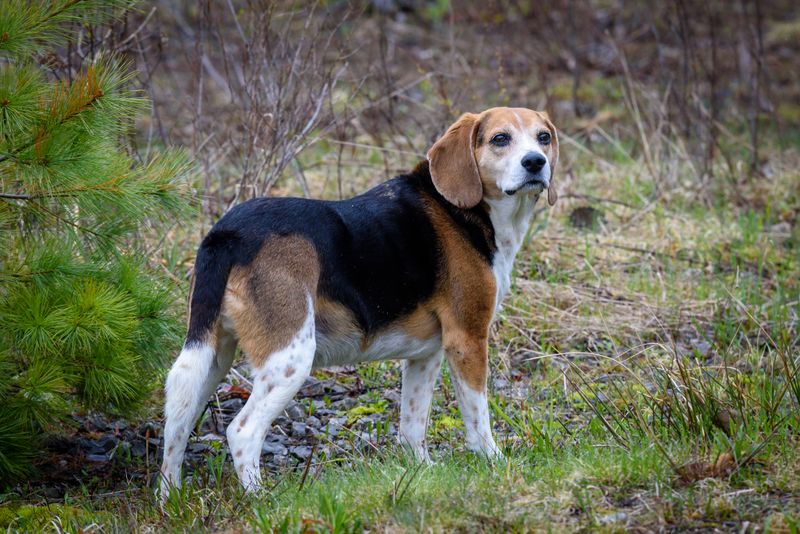
Beagles come with surround sound. That melodic bay evolved to broadcast discoveries, and your snack drawer counts as important wildlife.
If the howl leads to treats or walks, they will sing the anthem daily. The solution is channeling, not silencing.
Offer scent games, long decompression walks, and scatter searches. Cue a sit, then grant access only after quiet.
Use a high-value chew to bridge transitions. When vocals soar, pause, wait for a breath, mark, and reward.
Consistency tunes the performance. Soon your Beagle will reserve the chorus for planned adventures and give you peaceful verses at home.
Australian Shepherd
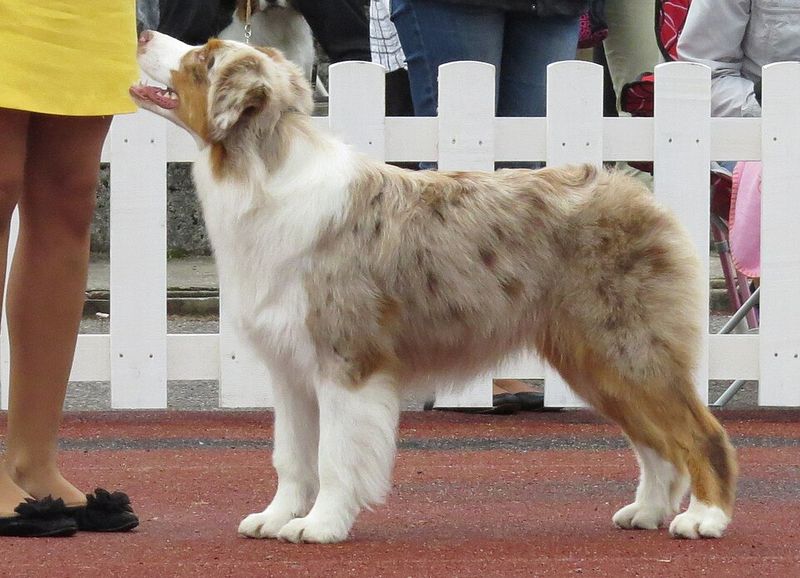
Aussies are project managers with fur. When the timeline slips, they announce status updates loudly.
If barking gets you moving, the workflow is reinforced. Give them a job before they assign you one.
Teach structured fetch with start and stop cues. Reinforce quiet focus with tug or a tossed frisbee.
Add brain work: trick training, obedience chains, and scent puzzles. If volume rises, pause the game, wait for stillness, then resume.
Provide daily exercise that actually meets their drive. Your Aussie will learn the meeting starts when silence hits the agenda.
Border Collie
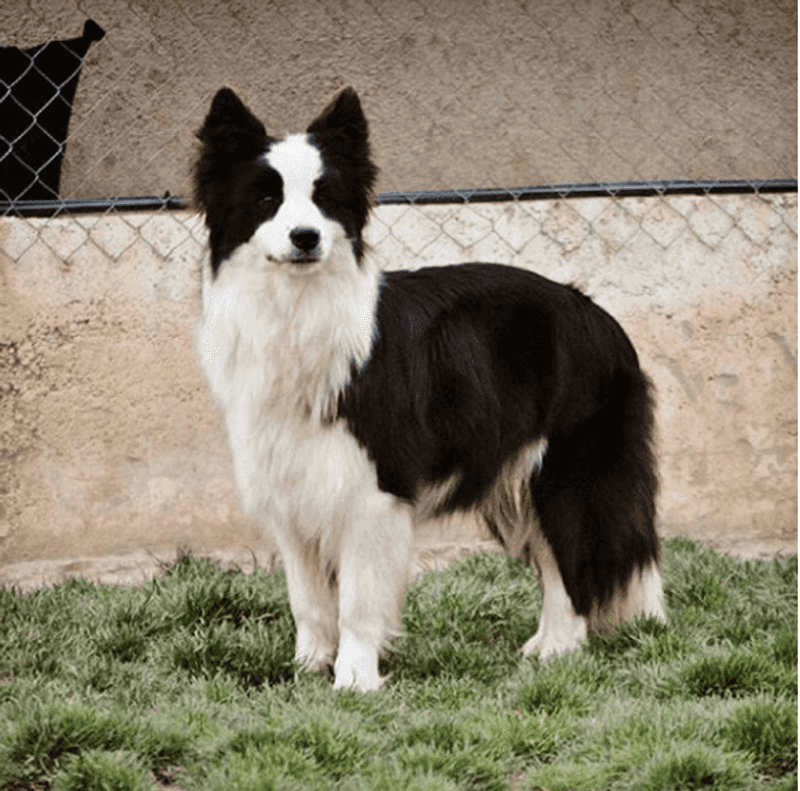
Border Collies can out-plan you before coffee. They use crisp single barks like buttons: open door, throw ball, start work.
If the button pays, you will hear it often. Precision is your friend.
Install cue chains: eye contact, down, quiet, then release to the real reward. Use sheep-free jobs like chore fetch, scent articles, and advanced tricks.
Pause any reinforcement the instant noise appears, then pay the first micro-moment of stillness. Mental marathons matter more than sprints.
With clear criteria, your Collie will choose thoughtful silence over pushy prompts.
Shetland Sheepdog
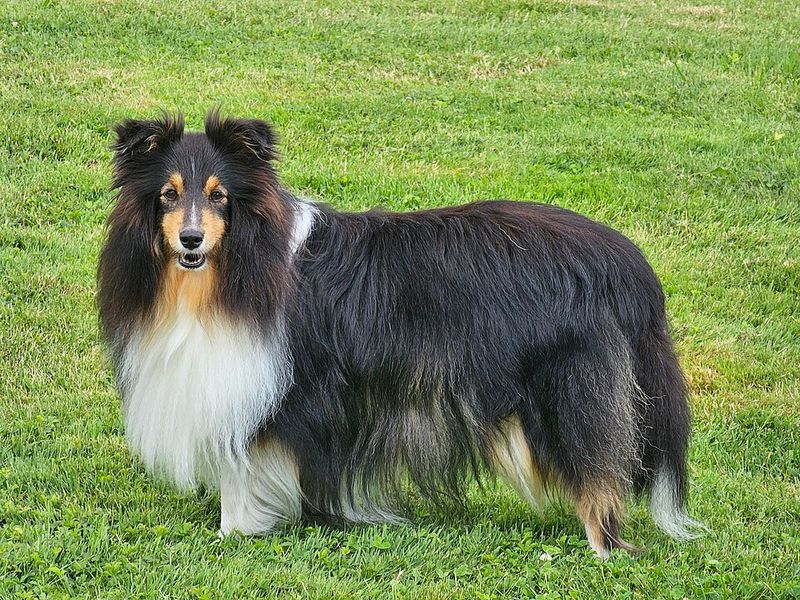
Shelties narrate life with sparkling commentary. The bark is bright, agile, and frequent when excitement spikes.
They are sensitive souls who thrive on predictable patterns. If you reward during chatter, expect sequels.
Set up quiet earns everything. Ask for a sit or down on a mat, then release to play, walks, or guests.
Enrich with trick sequences and gentle herding games like figure-eight recalls. When the soundtrack grows, freeze, wait for silence, then celebrate calmly.
Keep sessions upbeat and brief. Soon your Sheltie will surprise you with poised pauses that open every door.