
Socialization used to mean meeting everyone and everything, but many owners now discover calm neutrality builds steadier dogs. Neutrality training is about uneventful exposure so your dog can observe without reacting or seeking attention.
For guardian and working breeds, that boring repetition transforms reactivity into reliability. If you want a partner who can ignore chaos and choose you, these breeds especially benefit from quiet, consistent practice.
Great Pyrenees
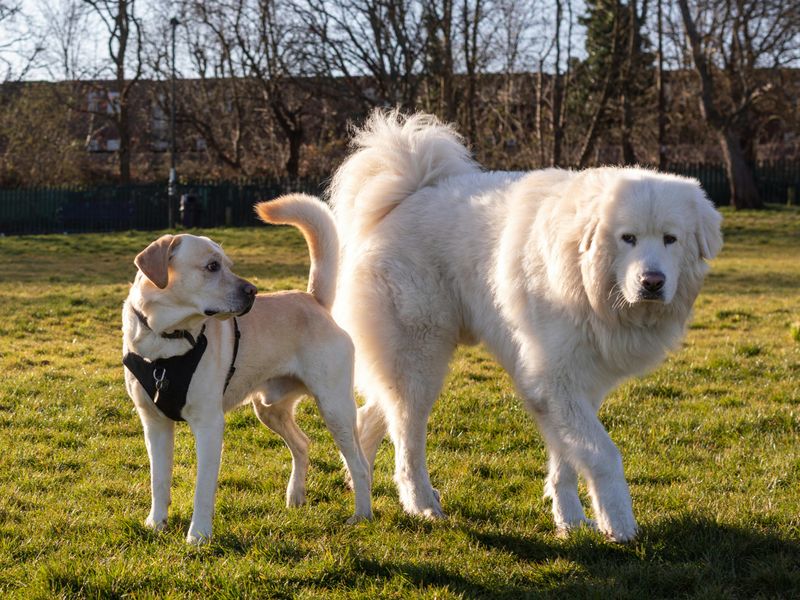
The Great Pyrenees is bred to watch quietly, and neutrality training helps that instinct shine. Think calm sidewalk sits while joggers pass, ignoring greetings and food on the ground.
You reward steady breathing and soft eyes, building a dog that chooses peace over performance.
Short sessions in low stimulus areas come first, then busier spaces. You are teaching the art of seeing without needing to act.
Pair place training with tethered settle time so doing nothing feels productive.
Because this breed is independent, use predictable routines and clear boundaries. Keep praise low key to avoid over arousal.
Over weeks, the Pyrenees learns life is mostly background noise and you are the only channel worth tuning in to.
Kuvasz
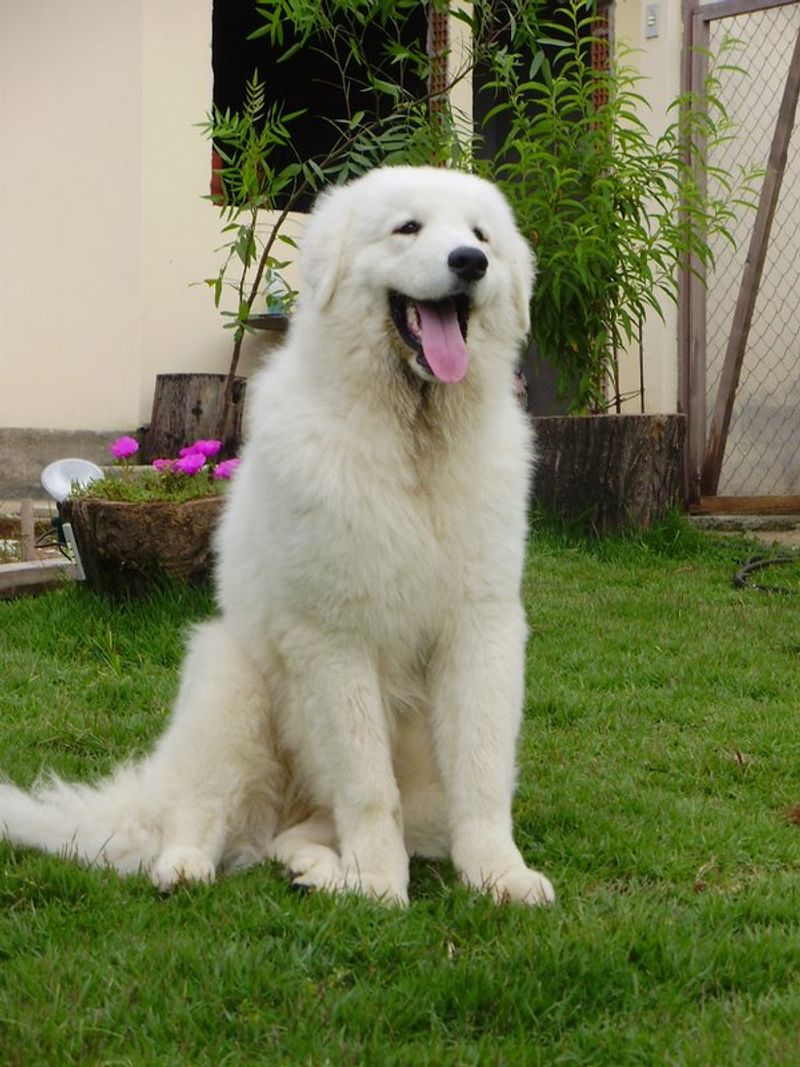
The Kuvasz is vigilant by nature, so neutrality training gives that vigilance a job. Start with stationary observation in a parked car or on a mat, letting sights drift by.
Reinforce quiet scanning and relaxed posture while you breathe slowly next to them.
Gradually add mild challenges like shopping carts or bicycles. Do not ask for endless sits, just peaceful existing.
Use food sparingly to avoid creating anticipation spikes, paying only for true decompression.
Boundary games at home translate into public manners. Doorways, gates, and thresholds become micro lessons in waiting.
Over time, the Kuvasz learns that boredom is safety, and safety is your leadership, making reactivity unnecessary and engagement effortless.
Maremma Sheepdog
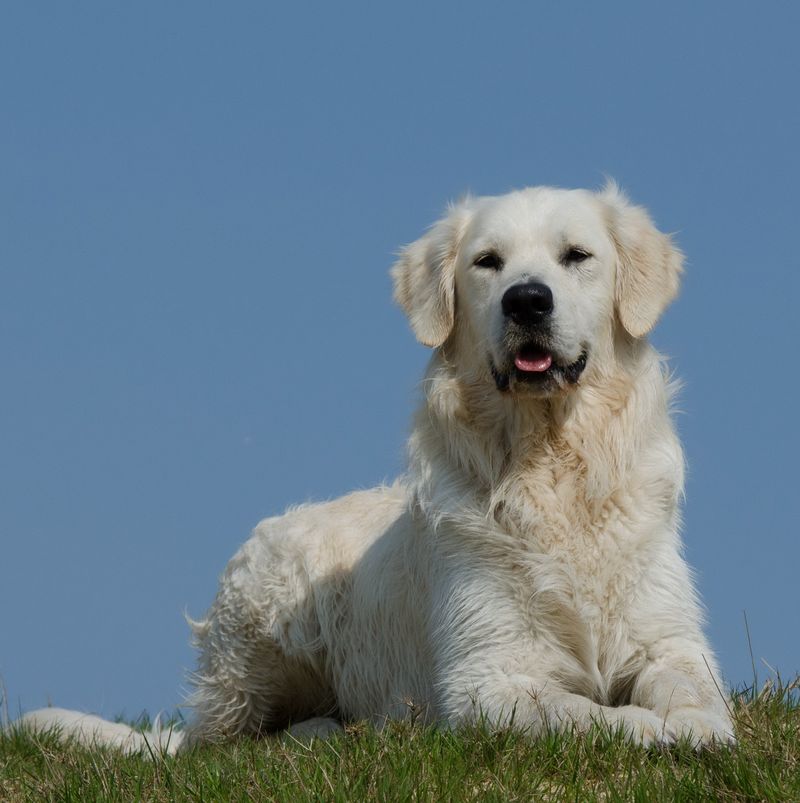
Maremmas excel when nothing exciting happens, which is exactly the point of neutrality training. Settle them on a mat outside a cafe and practice being invisible.
Reward long exhalations and a soft body, not flashy tricks.
Rotate environments slowly: farm store, quiet park bench, then a busier plaza. Keep sessions short to avoid pushback from their independent streak.
The goal is a dog who sees movement and hears noise yet stays anchored to your calm.
Use distance generously, closing the gap only when baseline neutrality returns. Add livestock smells, kids playing, or delivery vans as controlled variables.
With repetition, the Maremma discovers that ignoring the world is the smartest guard strategy.
Tatra Shepherd Dog
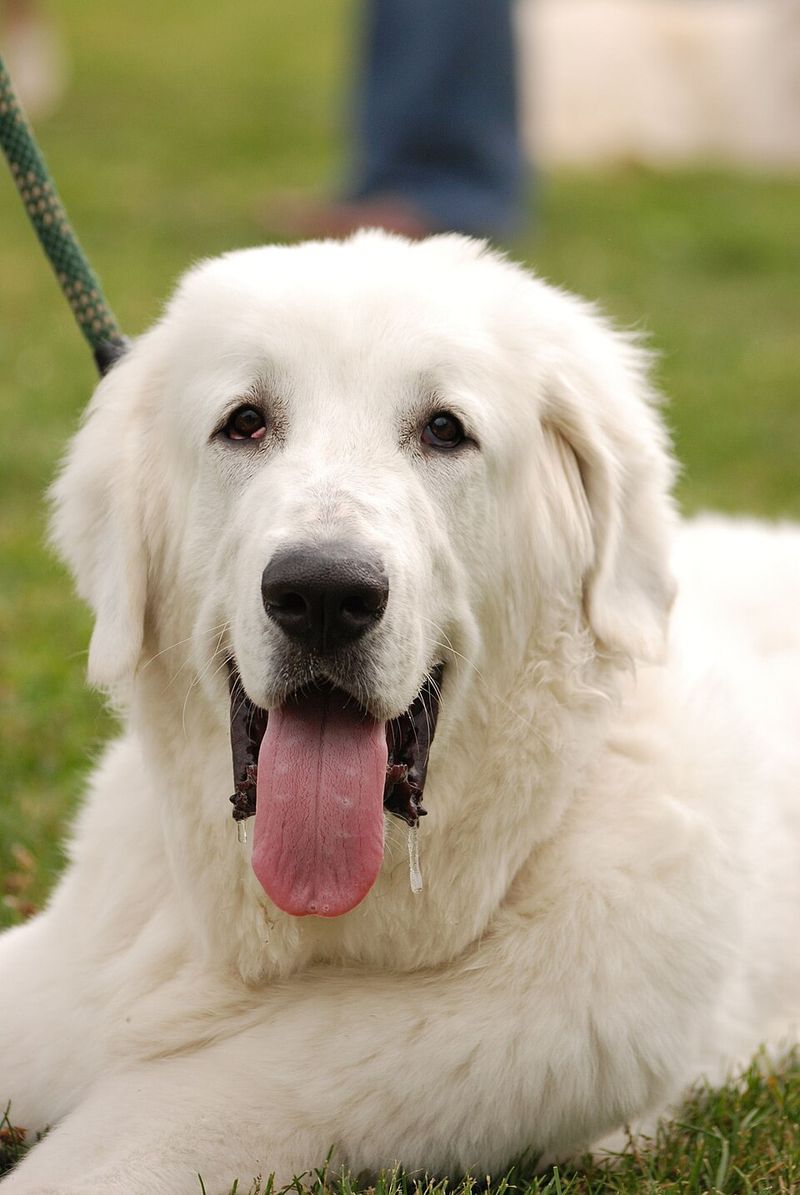
The Tatra Shepherd Dog bonds deeply yet prefers thoughtful distance, so neutrality training protects that balance. Begin with quiet observation posts: a porch, a church yard, a library bench.
Pay for loose muscles, gentle eye blinks, and settling onto a hip.
Introduce subtle motion like scooters or rolling suitcases. Let curiosity rise and fall without stepping toward stimuli.
If tension creeps in, widen distance and reset the rhythm of breathe, reward, release.
Practice place work during family gatherings to prevent shadowing behavior. Slow pattern games help the Tatra predict outcomes and relax.
Over weeks, the dog learns the environment will not demand action, and your cue is the only call worth answering.
Pyrenean Mastiff
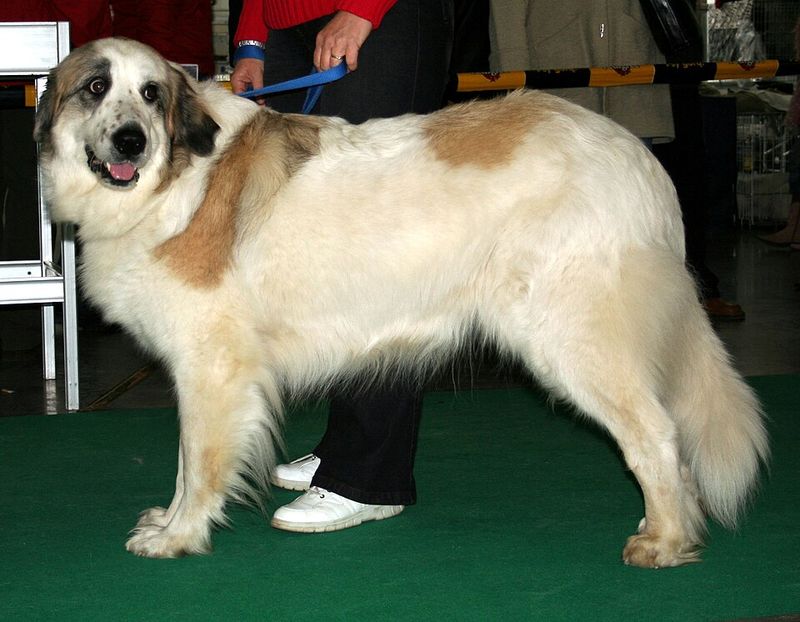
The Pyrenean Mastiff is impressive in size, so neutrality training prevents crowd stirring theatrics. Set up boring hangs where the dog lies on a mat and nothing happens.
Mark deep sighs and long-duration downs, not eye-popping focus.
Choose thresholds like store entrances and practice waiting out the world. When stares or greetings arrive, you advocate with friendly boundaries.
The lesson is simple: observe, ignore, return attention to handler.
Use slow leash handling and predictable routes. Mix quiet nights with slightly busier evenings to build generalization.
With consistency, this gentle mastiff becomes a calm landmark wherever you go, treating city buzz as distant thunder rather than a call to act.
Spanish Mastiff
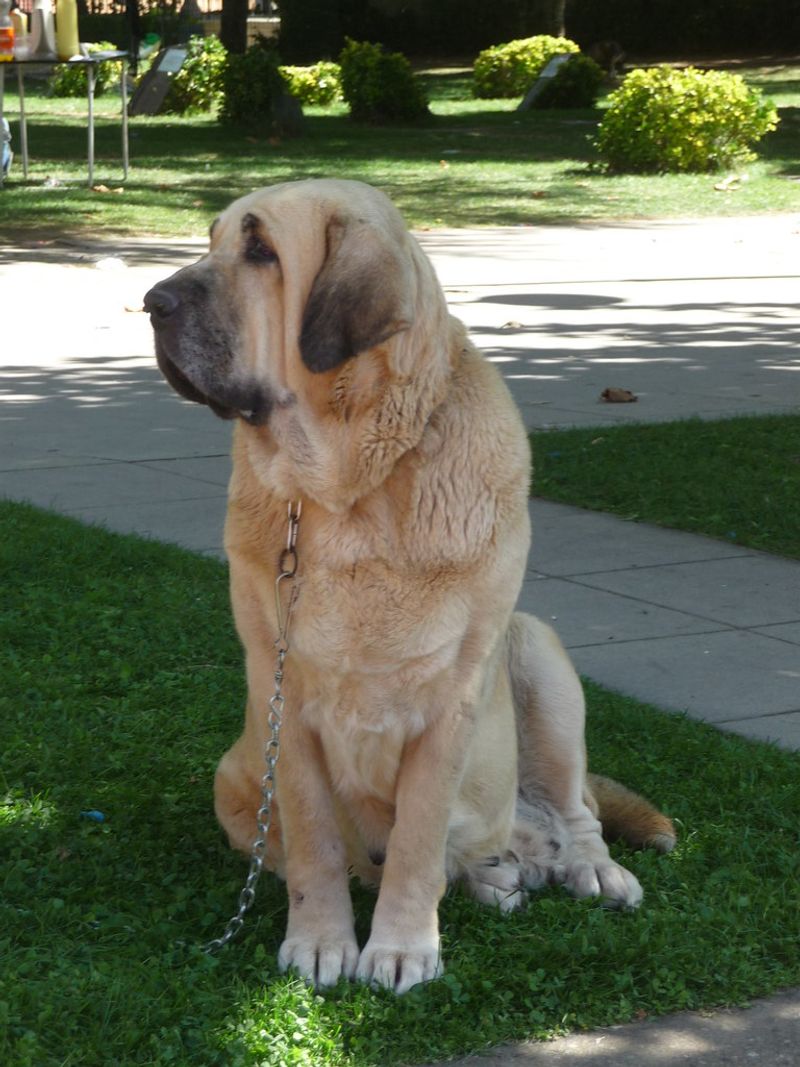
The Spanish Mastiff is bred for perimeter awareness, so neutrality training channels that awareness inward. Begin in spacious areas where escape pressure is low.
Reward drifting attention back to you after the environment offers a distraction.
Switch between sit, down, and stand to avoid stiffness. Practice quiet heeling past bakery lines or benches without stopping to greet.
Your dog learns that moving neutrally is as valuable as lying still.
Use food with gravity, not excitement. A gentle hand to collar and slow exhale becomes a reset ritual.
With repetition, this mastiff treats commotion like weather, something to note but not to pursue, keeping your walks peaceful and predictable.
Kangal
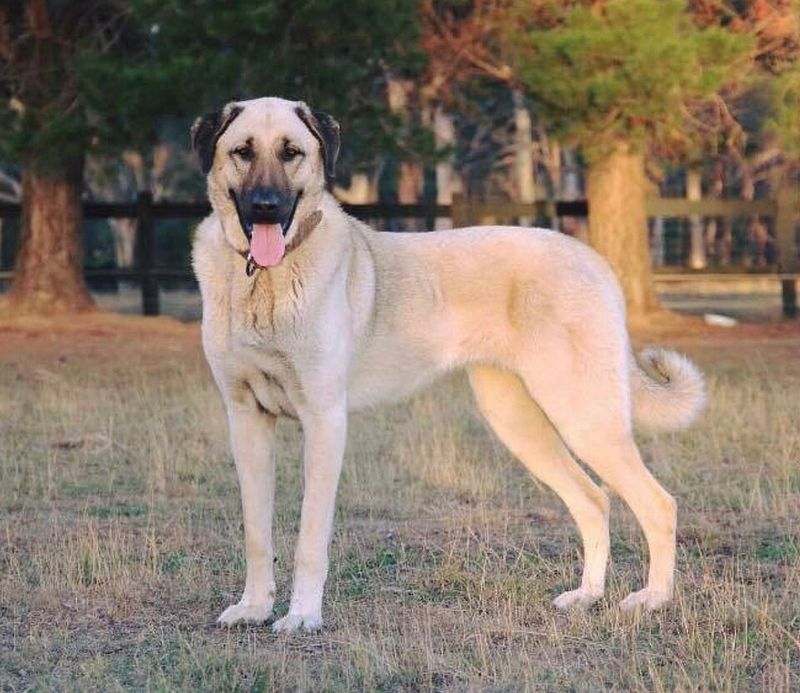
The Kangal carries serious guardian instincts, so neutrality training is a safety investment. Start with distant exposure to dogs and people, focusing on posture softening.
Reward the choice to disengage and turn back to you.
Keep sessions short and unremarkable, like standing near a field gate while life passes. Avoid meet and greets, which can inflate arousal.
Calm leaders, calm dog, repeated often, becomes the pattern.
Introduce moving triggers like runners and bicycles at generous distances. Use place work and parked observation to build duration.
With consistent boundaries and boring repetitions, the Kangal learns to filter noise without escalating, saving intensity for real decisions guided by your cues.
Akbash
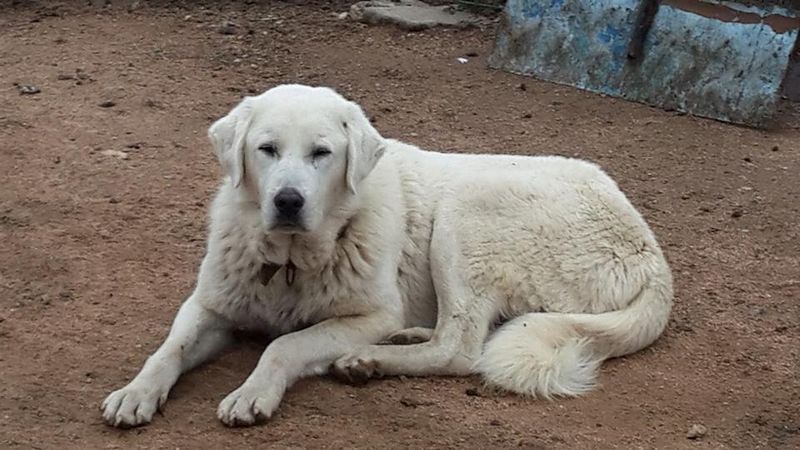
The Akbash notices everything, so neutrality training teaches that noticing is enough. Set up quiet sits outside a cafe where you do nothing together.
Reward for settling deeper, not scanning harder.
Use distance like a volume knob, turning stimuli down until relaxation returns. Practice steady leash drifts past mild distractions instead of stopping.
Keep your voice soft and predictable so your dog borrows your calm.
At home, rehearse place during doorbell drills. Guests enter, dog stays bored, and life moves on.
Over time, the Akbash realizes the world rarely needs intervention, and the best choice is to ignore it unless you say otherwise.
Estrela Mountain Dog
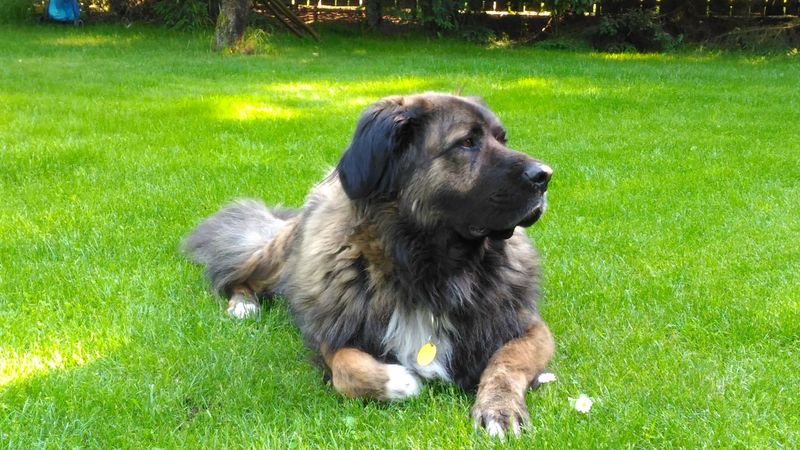
The Estrela Mountain Dog has a thoughtful presence that thrives with boring exposure. Begin with quiet overlooks where stimuli are visible but distant.
Pay for pauses, head turns back to you, and slow breathing.
Transition to village edges and grocery parking lots at off hours. Keep leashes loose, corrections minimal, and rewards calm.
You are modeling a rhythm that says nothing needs fixing right now.
Blend this with household neutrality: meal prep, vacuum practice, door watching without barking. Pattern games give clarity and shrink uncertainty.
Over weeks, the Estrela learns to treat commotion like scenery, staying accessible and responsive rather than guarded and reactive.
Boerboel
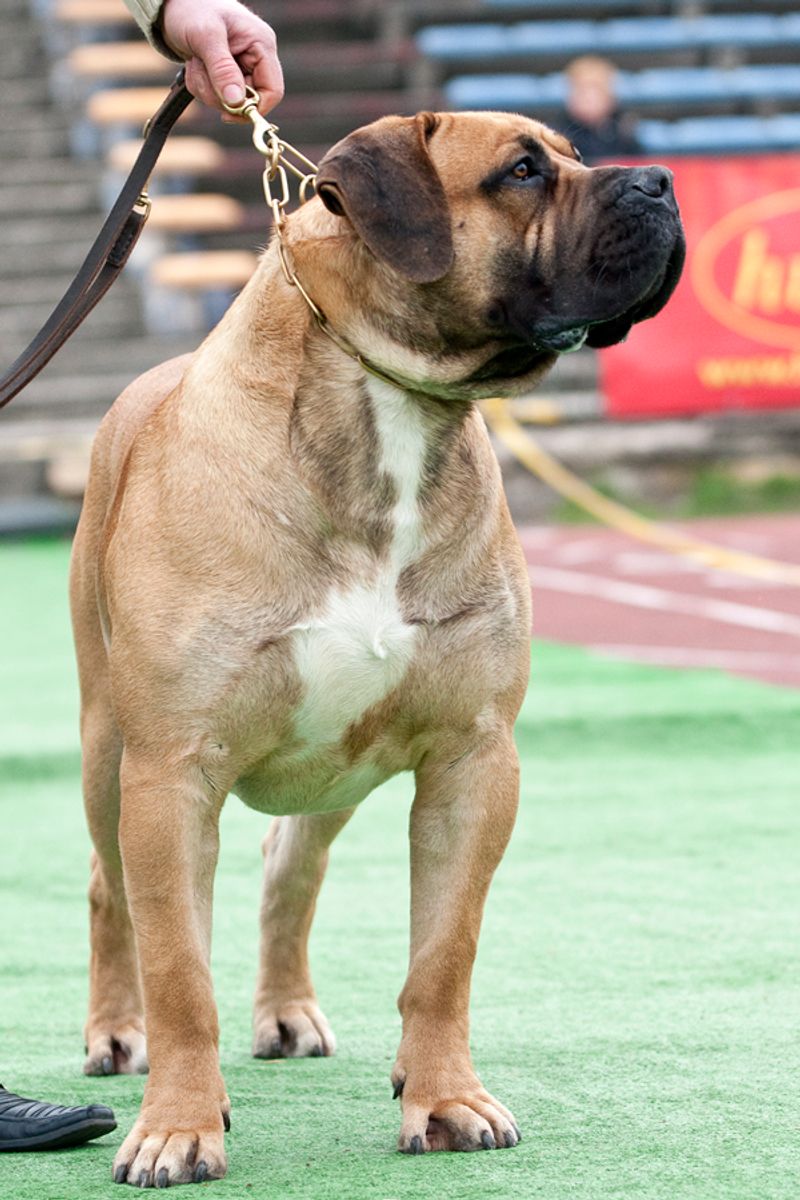
The Boerboel is powerful and loyal, so neutrality work ensures that power stays on a dimmer switch. Start with structured walks where nothing special happens.
Reward ignoring passersby more than obeying cues.
Practice stationary neutrality near playgrounds or hardware stores. Mark gentle eye contact and relaxed jaw, then release to continue.
Keep greetings off the agenda to prevent rehearsal of pushy enthusiasm.
At home, rotate place during busy household hours. Give predictable outlets like tug after neutrality sessions to balance control and satisfaction.
Over time, the Boerboel internalizes that calm earns access, making public life easy and safe for everyone.
Cane Corso
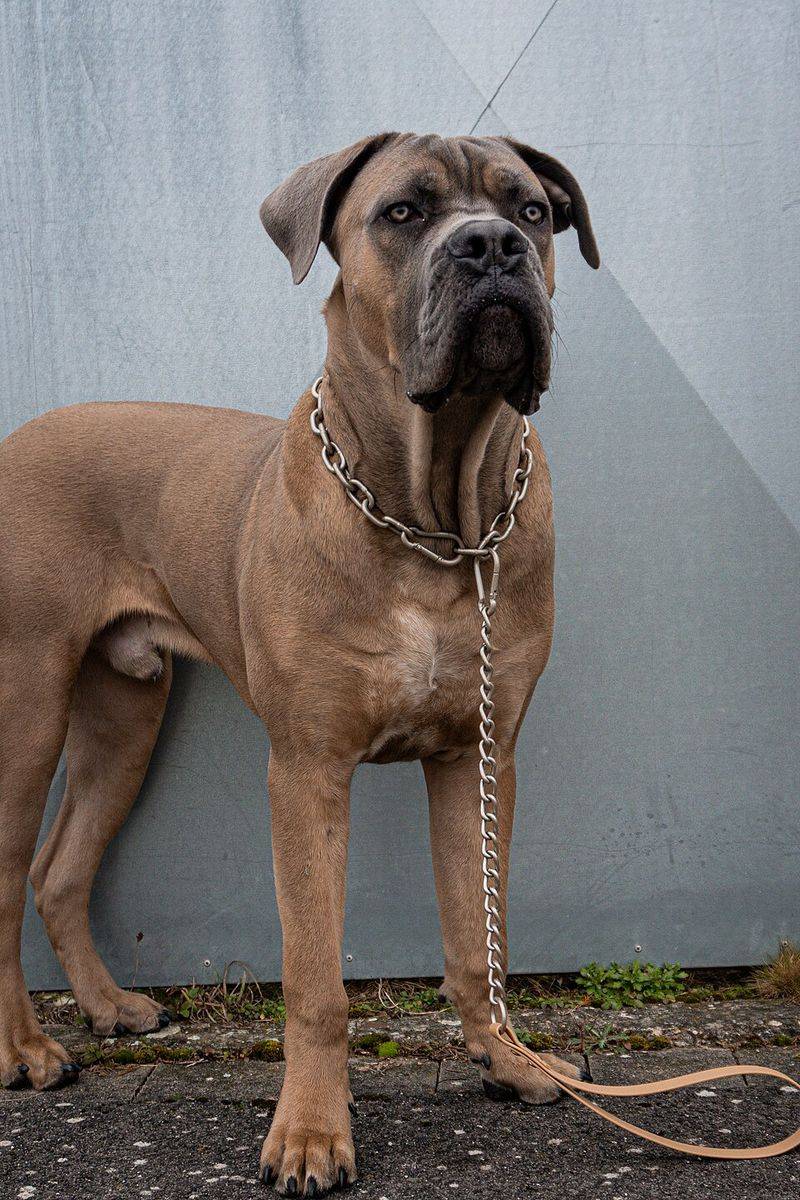
The Cane Corso benefits from boring exposure that builds impulse control without pressure. Settle on a mat while city life hums.
Pay for stillness, not intense staring, and release before frustration arrives.
Walk past doorways, dogs, and food carts without stopping. Keep your pace steady and voice neutral.
Use pattern games and leash handling that rewards de-escalation and check-ins.
At home, practice neutrality around visitors and deliveries. Teach that hearing the door is not a call to act.
With consistent routines, the Corso shifts from vigilant micromanager to calm bodyguard who responds only when asked.
Rottweiler
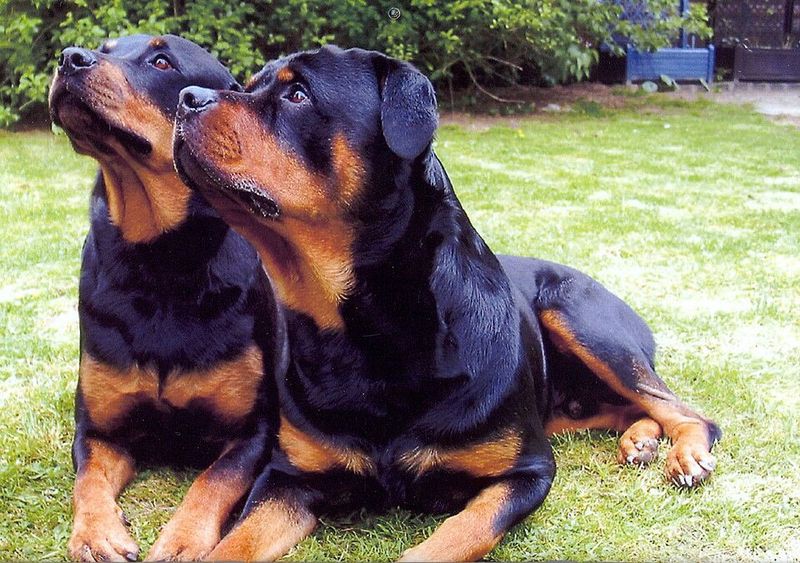
The Rottweiler is biddable yet strong, which makes neutrality training a superpower. Practice quiet holds near moving distractions without inviting greetings.
Reinforce disengagement and loose body language more than flashy obedience.
Alternate motion and stillness: short heel, stop, breathe, reward, move. The rhythm prevents tension.
Keep rewards low value and frequent early, then fade to life rewards like continuing the walk.
Home neutrality matters too, especially with doorbells and windows. Teach your Rottie that observation is enough.
With repetition, the dog treats bustle as background, saving drive for sports, work, or the moments you intentionally switch the lights to green.